REVIEW · CUSCO
4 Day Inca Trail To Machu Picchu
Book on Viator →Operated by Uros Expeditions Travel Peru · Bookable on Viator
The Inca Trail starts before sunrise. This 4-day hike links the Cusco area to Km 82 and then on to Machu Picchu with a guided site visit built into the schedule. If you like big mountain days paired with very human details like well-timed breaks and real support, this trip has your rhythm.
What I love most is how much the hard parts are handled for you. Permits and entrance are included, and the operation runs with professional, trained staff plus equipment and an emergency kit. I also like the practical relief of a personal porter who carries up to 5 kilos of your items, so your pack stays manageable for steep sections.
The one consideration: you’ll need altitude-ready stamina. Day 3 is labeled formidable, with long hours at high elevation, so plan for real climbing effort (and remember a sleeping bag is not included).
In This Review
- Key highlights that matter
- Km 82 To Machu Picchu: What You Get In 4 Days
- Cusco pickup And the early-morning schedule you should expect
- Day 1: Patallacta, Willkarakay, and your first camp in Wayllabamba
- Day 2: Warmihuañusca Pass to Pacaymayu (the altitude day)
- Day 3: Runkurakay, cloud forest ridges, and Wiñayhuayna
- Day 4: Sun Gate entrance, guided Machu Picchu, and the ride down
- Price and value: what $1,100 buys (and what it doesn’t)
- How strenuous is it, really? (Moderate to formidable, with clear stop points)
- Team support in real-world terms (English service, and human care)
- Should you book this 4-day Inca Trail to Machu Picchu?
- FAQ
- Where does the trek start?
- How early is pickup in Cusco?
- What meals are included?
- Do I need to bring a sleeping bag?
- Is Machu Picchu guided?
- Is Huayna Picchu or Machu Picchu Mountain included?
- Can I cancel for a full refund?
Key highlights that matter
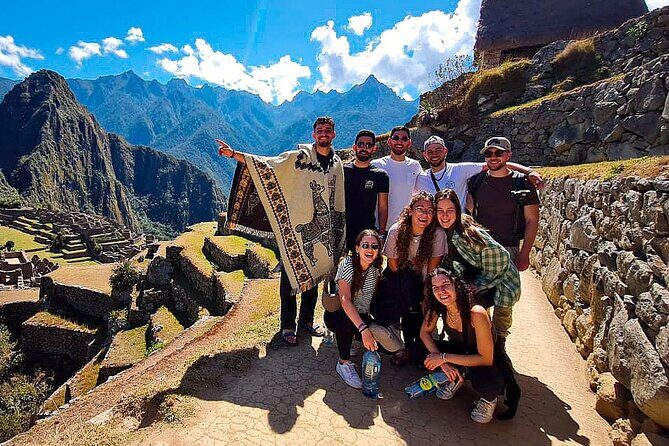
- Small group size (max 15): you get easier coordination and more personal attention during a long trek.
- Permits and entrance included: fewer ticket headaches and fewer moving pieces to manage.
- Personal porter up to 5 kilos: lighter loads help on Day 2 and Day 3.
- Altitude included in the plan: breaks are scheduled around the big passes, including Warmihuañusca.
- Guided Machu Picchu visit (about 2 hours): you get interpretation, not just photos.
- Optional Huayna Picchu or Machu Picchu Mountain: extra cost and advance booking if you want the viewpoint challenge.
Km 82 To Machu Picchu: What You Get In 4 Days
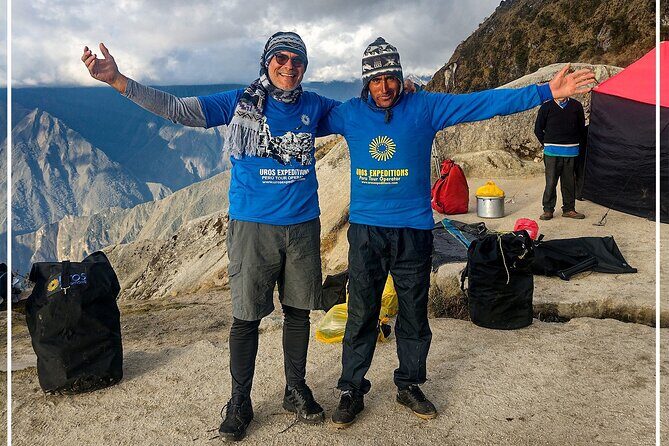
This is a classic, pass-by-pass Inca Trail experience that moves in a very understandable way: drive in, hike with archaeology stops, camp overnight, then arrive for the Machu Picchu entrance via Sun Gate. The route is built around elevation changes that are clearly labeled by difficulty each day, so you can judge the effort without guesswork.
You’re also not just hiking. The day you reach Machu Picchu includes registration plus a two-hour guided tour, then you go down to Aguas Calientes for lunch and continue back toward Cusco by train. That combination matters because Machu Picchu can feel chaotic if you arrive unprepared; having a plan reduces stress.
Finally, the price point makes sense only if you compare apples to apples: this includes the big logistical items (permits/entrance, transport, accommodation, meals, staff support, and a porter). If you were to stitch it all together yourself, you’d spend a lot of time just coordinating.
You can also read our reviews of more tours and experiences in Cusco


Cusco pickup And the early-morning schedule you should expect
Day 1 begins with an early pickup from your hotel in Cusco. The time window is typically between 4:00–5:00 AM, or you may be picked up from Urubamba or Ollantaytambo depending on where you’re staying. Your pickup in Cusco is about 30 minutes before the tour starts, and the operator notes that pickup does not include hotels outside the city limits—if your hotel is beyond that, expect an alternative meeting arrangement.
Once everyone is gathered, you’ll drive about 1.5 hours to Km 82, the official trail starting point. You’ll meet your crew and cross the Urubamba River before the hiking begins, which is a helpful buffer: you’re not thrown straight onto the trail without introductions and organization.
One more practical detail: the experience is offered in English, and you receive a mobile ticket. That can be convenient if you’re traveling with limited paperwork and want fewer loose ends the morning you start.
Day 1: Patallacta, Willkarakay, and your first camp in Wayllabamba
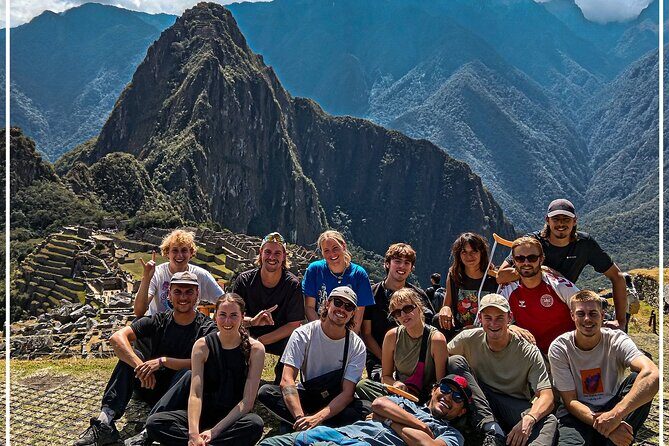
Day 1 is labeled moderate and comes in at about 12 km (7.45 mi). Starting elevation is 2,720 m, and you’ll sleep around 3,000 m. This is the day that helps you settle into the rhythm: walk long enough to feel like you’re on the Inca Trail, but not so punishing that everyone is crushed before the real pass days.
Your route begins by passing important archaeological stops and then moves into a river valley. You’ll visit Patallacta, described as an Inca complex with administrative, economic, and religious functions, plus Willkarakay, a military outpost nearby. These stops are worth slowing down for. You’re not just hiking toward a viewpoint—you’re walking through places that show how the Inca used the trail system in daily life.
After the sites, you continue into the Wayllabamba Valley along the Cusichaca River area and then through dense forest. The combination of a gentle start with forest walking is good for your legs and lungs on an acclimatization day.
Good to know: the hike time is listed as about 5 hours, and an admission ticket is included. You’ll also likely feel more fatigue than you expect even on a moderate day—so treat this as your warm-up for Day 2.
Day 2: Warmihuañusca Pass to Pacaymayu (the altitude day)
Day 2 is where the trail makes its reputation. It’s labeled challenging and about 11 km (6.83 mi). You start around 3,000 m, and the day peaks at roughly 4,200 m, with the campsite at 3,580 m.
The key moment is the climb to Warmihuañusca, also called Dead Woman’s Pass. The morning starts with about 1.5 hours of hiking through dense vegetation, and you’ll reach Tres Piedras camp for a short break. From there, the trail shifts into inter-Andean forest with native Unca trees, then you continue to Llulluchapampa for snacks and hot drinks.
That snack-and-warm-drinks pattern is not just comfort. On Day 2, it’s your altitude strategy: the breaks help you manage breathing and keep the pace steady. After the big pass, you descend for a few hours to Pacaymayu campsite.
If you’re thinking about what to bring, this is the day that punishes poor planning. Dress in layers, keep water in reach, and pace yourself before the summit moment. You don’t need to sprint—just keep moving with control.
Day 3: Runkurakay, cloud forest ridges, and Wiñayhuayna
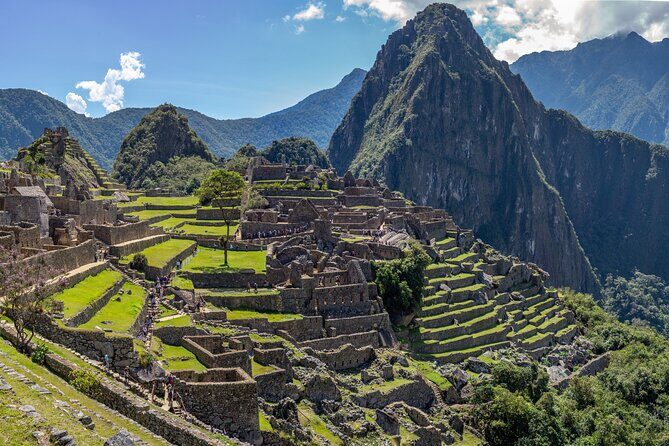
Day 3 is the long one and it’s labeled formidable, about 16 km (9.94 mi) over roughly 8 hours. You start at around 3,580 m, with a highest point around 4,000 m, then you end at Wiñayhuayna campsite at about 2,680 m. That altitude swing matters: you’re climbing high and then committing to a major descent, so plan for both leg burn on the way up and leg fatigue on the way down.
The day starts with a 45-minute uphill segment to Runkurakay, described as a rest lodge for Inca pilgrims. Another 45-minute ascent follows to the second highest pass, Runkurakay. Then you descend to Sayacmarca, built in a strategic location.
Lunch is at Chaquicocha, and from there you transition into higher elevation cloud forest. You’ll follow a ridge toward the Phuyupatamarca pass, with views toward the Sacred Valley and peaks. After that, you pass an important archaeological site and a temple associated with sacred offerings before reaching the last campsite at Wiñayhuayna.
This is also the day where I think smart travelers manage expectations. The distance is long, but the bigger issue is sustained effort at altitude plus changing terrain. Bring your focus, keep your feet quiet on descents, and be ready for the emotional high of knowing Machu Picchu is waiting tomorrow.




Day 4: Sun Gate entrance, guided Machu Picchu, and the ride down
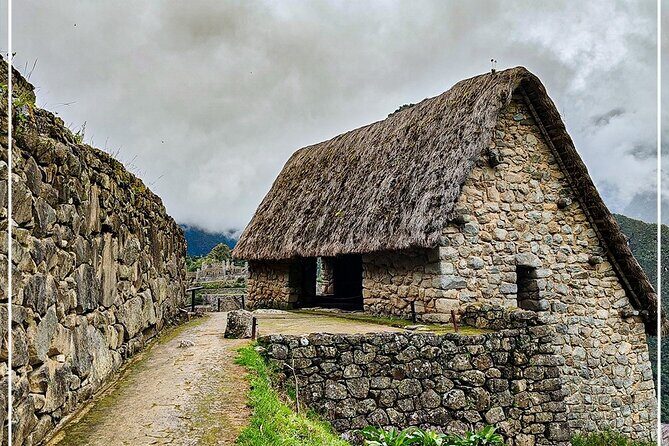
Day 4 is labeled easy and about 5 km (3.10 mi), but don’t confuse easy with effortless. You rise early and hike the final stretch to Inti Punku (Sun Gate), the main entrance to Machu Picchu. The walk up is described as easy, and the views from the approach are one of the reasons people time this day carefully.
After that, you descend for about 45 minutes to the upper area of Machu Picchu for the classic photo moment and group picture. Then you do registration and begin the two-hour guided tour of the site. A guide here is a big deal. Without context, you can wander and miss why structures are placed where they are.
You also get the option to add a viewpoint hike up Huayna Picchu or Machu Picchu Mountain. It’s additional cost and requires advance booking, so decide early if you want it. If you skip it, you’ll still have a full guided circuit to see the main core.
In the afternoon, you take the bus down to Aguas Calientes for lunch. After lunch, you receive return train tickets to Cusco. The operator also notes staff pickup in Ollantaytambo to return you to your hotel.
Price and value: what $1,100 buys (and what it doesn’t)
At $1,100 per person, this trek can feel pricey until you map it against what’s included. You’re paying for way more than “a hike with a guide.” The included list covers permits and entrance, accommodation, transport, trained staff, equipment, an emergency kit, and meals across the trek.
Food is largely handled too: dinner (3), lunch (3), and breakfast (3) are included. The missing meals are explicitly called out: breakfast on Day 1 and lunch and dinner on Day 4 are not included. You’ll want to plan for those meals so you’re not searching around tired.
Support is also practical. A personal porter carries up to 5 kilos of your items (so you still hike, but you reduce the weight that matters most on the harder days). That one detail can be the difference between finishing strong and feeling wrecked.
What’s not included is important for packing. A sleeping bag is not included, and neither is a pair of walking sticks. If you arrive without them, you might find that your “light pack” plan collapses on the camp portion of the trip.
How strenuous is it, really? (Moderate to formidable, with clear stop points)
The operator labels each day clearly, which helps you judge what you need to train for:
- Day 1: moderate, 12 km, starting about 2,720 m, campsite about 3,000 m.
- Day 2: challenging, 11 km, peak around 4,200 m.
- Day 3: formidable, 16 km, long hours with high elevation around 4,000 m.
- Day 4: easy, about 5 km, focused on Sun Gate and Machu Picchu.
The day-by-day labels matter because the Inca Trail isn’t one constant grind; it alternates climbing days and then camp-to-site days. Still, the altitude is the real boss. Even if your pace is solid, high passes change how you breathe and how quickly you tire.
A good strategy is to train for steady uphill movement and practice hiking with a moderate pack before you go. Also, keep your effort controlled on Day 2 and Day 3; going too fast early usually shows up later as slowed walking and heavier leg burn on descents.
Team support in real-world terms (English service, and human care)
This trip runs with professional, trained staff, plus equipment and an emergency kit. The operation limits the group to a maximum of 15 travelers, which tends to make coordination easier during long transfer days and tight schedule windows.
In addition, the pickup model is hotel-based in Cusco (as long as you’re within city limits), and the experience uses English for the briefing and guiding. That matters if your Spanish is limited or you just want the trail story explained clearly.
From the feedback patterns I’ve seen for Uros Expeditions Travel Peru, names like Doris come up in connection with guide support, and the mention of care from the Wong family highlights how much attention is placed on service. The takeaway is simple: you’re not getting a barebones “go walk” experience. You get people watching the clock, the gear, and the route.
Should you book this 4-day Inca Trail to Machu Picchu?
Yes, with the right expectations.
Book it if you want the classic Km 82 to Sun Gate experience, you like having archaeology woven into the hike, and you want permits, entrance, meals, and guided Machu Picchu handled inside the package. The value is strongest if you factor in what’s included: trained staff, porter support up to 5 kilos, accommodation, and the return train to Cusco.
Think twice (or prepare harder) if you’re not comfortable with long, high-altitude days. Day 3’s formidable label is not casual, and the highest sections sit around 4,000 m and above.
One more practical note: the Inca Trail requires timing, and this experience is typically booked around 72 days in advance on average. If your dates are fixed, start early so you’re not forced into compromises.
FAQ
Where does the trek start?
You’ll be driven to Km 82, the official starting point of the Inca Trail, where you meet your crew and begin hiking after crossing the Urubamba River.
How early is pickup in Cusco?
For Day 1, pickup from your Cusco hotel is between 4:00–5:00 AM (or you may be picked up from Urubamba/Ollantaytambo). In Cusco, the operator also notes pickup is about 30 minutes before the tour starts, with hotels needing to be within the city limits.
What meals are included?
The trip includes 3 breakfasts, 3 lunches, and 3 dinners. Not included are breakfast on Day 1 and lunch and dinner on Day 4.
Do I need to bring a sleeping bag?
Yes. A sleeping bag is not included. Walking sticks are also not included.
Is Machu Picchu guided?
Yes. After registration at Machu Picchu, you’ll have a guided tour for about 2 hours.
Is Huayna Picchu or Machu Picchu Mountain included?
They’re optional. Huayna Picchu or Machu Picchu Mountain require additional cost and advance booking.
Can I cancel for a full refund?
Yes. There is free cancellation up to 24 hours before the experience start time for a full refund.
If you want, tell me your fitness level (how long you can hike uphill on a usual day) and your travel dates, and I’ll help you sanity-check whether this pace fits your comfort zone.