REVIEW · CUSCO
4 Days Small Group Inca Trail Tour to Machu Picchu
Book on Viator →Operated by Peru Adventure Trek · Bookable on Viator
Four days, one legendary stairway to Machu Picchu. This 4-day Inca Trail tour from Cusco keeps things practical: porters and cooks handle the heavy lifting and camp setup, and you hike with an English/Spanish-speaking professional guide who helps you move at a safe pace. It’s paced for real breathing time at altitude, with ruins and valley views that change each day.
The main thing I’d keep in mind is the physical load. You’ll hit big elevation days (including the Dead Woman’s Pass) and you’re also responsible for your own water on the trek.
In This Review
- Key Highlights at a Glance
- The Real Value: Logistics That Let You Focus on the Hike
- Day 1: Patallacta, Then Wayllabamba Campsite Comfort
- Day 2: Dead Woman’s Pass and the Pacaymayo Switch in Gear
- Day 3: Jungle Ruins, Long Day, and Wiñayhuayna Arrival
- The Machu Picchu Morning: Sun Gate at 3:30 am
- Guide and Camp Team: Where the Trek Feels Easy
- What’s Included, What’s Not, and Your Packing Reality Check
- Included (the stuff you’d otherwise pay to arrange)
- Not included (this is where you plan ahead)
- Price and Timing: Is $800 a Good Deal?
- Who This Inca Trail Tour Fits Best
- Should You Book Peru Adventure Trek’s 4-Day Inca Trail?
- FAQ
- Where do we meet in Cusco?
- What language is the tour guide?
- What meals are included?
- Is water provided during the trek?
- Do I need to bring a sleeping bag and trekking poles?
- Are tickets to Machu Picchu included?
- What happens on Day 4 after Machu Picchu?
- What fitness level do I need?
- What is the cancellation policy?
Key Highlights at a Glance
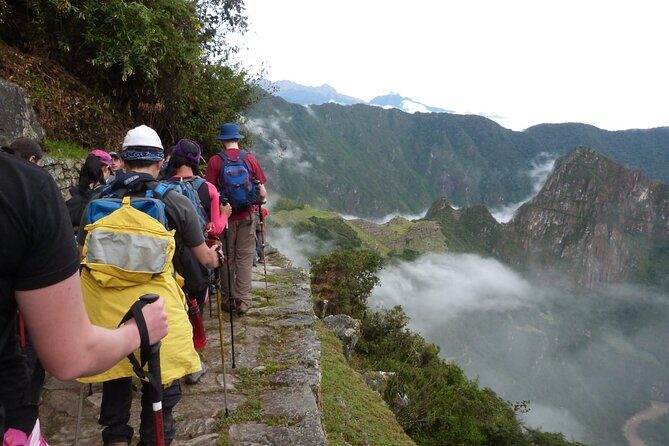
- Sun Gate timing: You go up to Inti Punku before sunrise and get your first Machu Picchu view right at the gates-to-citadel moment.
- Camps with foam mattresses: Comfortable tent setup is part of the price, not an afterthought.
- Porters run camp logistics: When you arrive at campsites, gear and dining setup are already handled.
- A guide you can actually talk to: English/Spanish support, plus on-the-trail motivation when the climb gets rude.
- Food is planned for trek days: Breakfast, lunch, and dinner are structured so you’re not hunting for meals after big hikes.
- Private group feel: Only your group participates, so the pace and flow can feel more personal.
The Real Value: Logistics That Let You Focus on the Hike
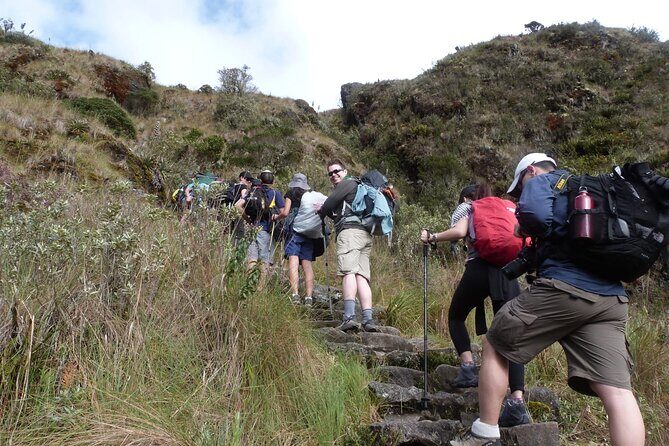
This tour is good value if you want Machu Picchu without turning the trek into a DIY circus. Your money goes into the stuff that usually eats time and energy on the Inca Trail: transport to the trail start, a professional cook, and porters carrying camping gear, food, and kitchen equipment.
That matters because the Inca Trail is not just “walking.” It’s also camp life, meal timing, and waiting around at key moments. When camp is organized with tents, dining space, and bedding already in place, you spend less time fussing and more time resting when your body asks for it.
It also helps that the tour is English/Spanish and described as “small group” with a private setup (only your group participates). You’re not stuck following a pile of strangers through the hardest sections.
You can also read our reviews of more tours and experiences in Cusco

Day 1: Patallacta, Then Wayllabamba Campsite Comfort
Day 1 starts early: you’re picked up from Cusco and driven toward the trail start at KM82. Before you start hiking, you get breakfast at the beginning of the day (but note the first-day breakfast is listed as not included, so you’ll likely want cash or snacks ready).
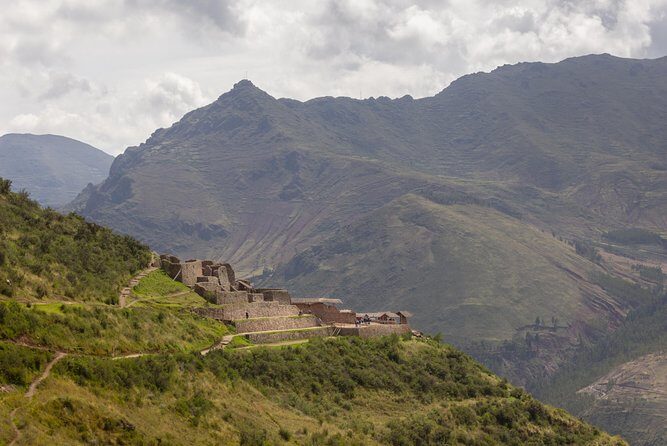
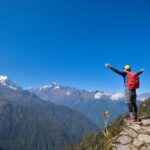
Your first real hike is about 2 hours to Patallacta, around 2,750m. Patallacta is an Inca archaeological site, and the setting in the Urubamba valley is part of the payoff. You’re not just looking at ruins; you’re looking at them in a lush, green river-valley setting where the trail feels alive.
Then you continue hiking roughly 45 minutes to lunch. After lunch, you hike another 1.5 hours to the campsite at Wayllabamba (about 3,000m). That final push is long enough to earn dinner, but the schedule gives you room to settle in: there’s time to rest, plus an afternoon snack, followed by dinner.
What I like here: the day doesn’t pretend you’re invincible. It introduces the trek with a solid archaeological stop and a manageable hike-to-camp rhythm.
What to watch: Day 1 altitude still matters. Even if it feels like a “warm-up,” your pace should stay calm. You’ll be glad you did when the trek tilts upward later.
Day 2: Dead Woman’s Pass and the Pacaymayo Switch in Gear
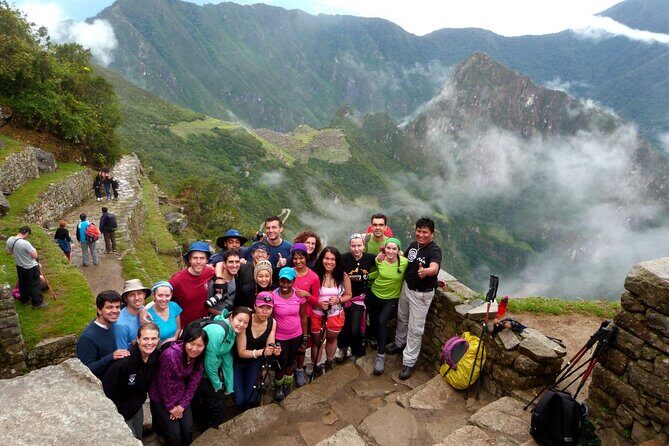
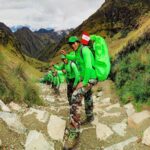
Day 2 is the day with the big climb. After breakfast and coca tea, you hike about 4 hours toward the Dead Woman’s Pass (4,215m), the highest pass on the trek.
Once you reach the pass, there’s a short break for views—then you shift gears into a roughly 2.5-hour descent to Pacaymayo (about 3,600m).
The schedule also includes tea and dinner at camp. This is one of those days where your legs may be tired, but your brain stays busy. Seeing the pass from up top is part of why people come. And descending after the pass helps you turn all that uphill stress into something usable: fatigue with momentum.
A practical tip: on high passes, your pace is everything. Slow is fast. If you try to “power through,” altitude will collect the fee later.
Possible drawback to plan for: the emotional high of the pass can make you ignore your body. Don’t. This is the day to stick to your breathing and keep your steps short.
Day 3: Jungle Ruins, Long Day, and Wiñayhuayna Arrival
Day 3 is listed as the longest and most challenging day. It’s not just one climb; it’s a sequence of ruins, ridges, and descents, all while you stay in motion through jungle vegetation.
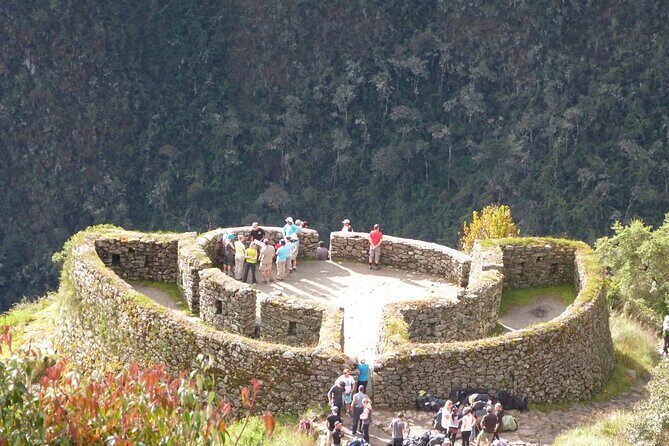
You start with the ruins of Runcurakay (about 3,760m). One detail that stands out is the presence of circular enclosures among the structures. It’s a different feel from the more open ceremonial spaces, and it’s a reminder you’re walking through an actual working Inca landscape.
Next comes Sayacmarka after about 1.5 hours. This one sits around 3,600m on a rocky cliff road. The site is described as looking like a labyrinth of houses, squares with fountains, and narrow streets—exactly the kind of place where a guide’s explanations make your brain stop wandering.
Then you reach Chaquicocha for lunch and relaxation. After that, you hike around 2.5 hours to Puyuptamarca (also around 3,600m, about 11,810ft)—known as the “City Above the Clouds,” with Inca ruins and five small stone baths.
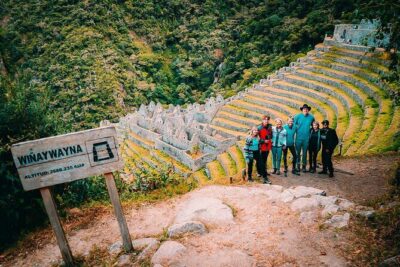
Finally, you do a 3-hour descent to the campsite at Wiñayhuayna, where dinner follows.
The Machu Picchu Morning: Sun Gate at 3:30 am
Day 4 begins with an early wake-up at 3:30 am. After breakfast, you descend to the control point and wait a bit more than an hour until the gates open. Then you pass through and hike about 1.5 hours to Sun Gate (Inti Punku).
This is the moment that makes the rest of the trek feel worth it. From Sun Gate, you’re treated to your first big glimpse of Machu Picchu (and views toward Huayna Picchu). From there, you descend for about 40 minutes down to the citadel.
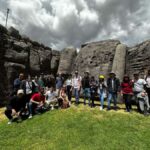
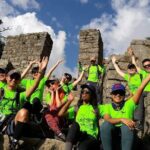
You’ll have a local guide for a guided tour of Machu Picchu, covering the complex as a full town: quarters, squares, alleys, buildings, astronomical observatories, and terraces. Then you get enough free time to explore on your own.
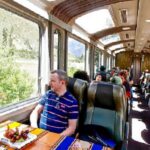
In the afternoon you take the bus down to Aguas Calientes, eat lunch at a local restaurant, then take the train to Ollantaytambo and continue to Cusco.
What I like about this setup: you’re not stuck in a rushed “look and go” situation. You get the early approach to the citadel, a guide-led first pass, and then time to wander with your own pace.
One consideration: because everything is timed around gates and connections, you should keep your morning routine simple. Don’t overpack your plan with extra stops. This day already has enough moving parts.
Guide and Camp Team: Where the Trek Feels Easy
The smoothness of this tour really comes from the team behind the scenes. In multiple experiences, guides like Brayan and Brayan Paredes are praised for balancing knowledge with motivation when people get tired. Amadeus is another guide name that shows up with strong ratings for experience and pacing.
On the food side, Carlos is mentioned as chef support in at least one account. And the porters are repeatedly called out as the reason camp feels ready the moment you arrive.
Names that came up include Toribio, Augusto, Modesto, Saturnino, and Nicanor. What matters isn’t the names—it’s the function. When tents and dining areas are already assembled, and when the camp is taken down cleanly in the morning, you experience the trek as a trek, not as camp labor.
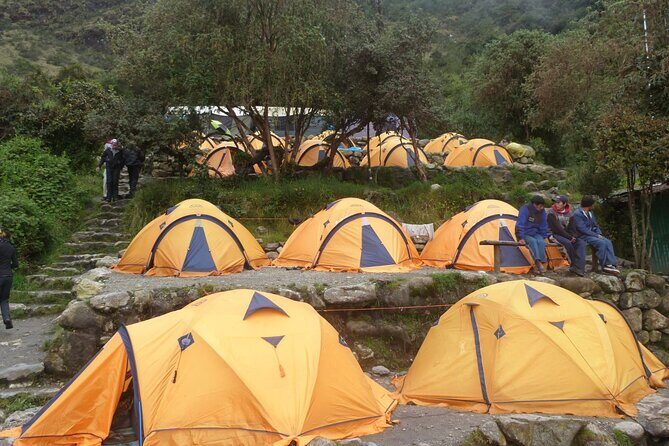
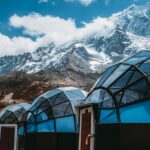
Also, the tour uses comfortable tents with foam mattresses, plus a dining tent and kitchen tent for the cook. That’s not luxury camping in the glam sense, but it is the difference between sleeping and suffering.
And yes, there’s room for personal moments. One trip even included a surprise anniversary cake during the trek, suggesting the team can handle small, thoughtful requests when you communicate them.
What’s Included, What’s Not, and Your Packing Reality Check
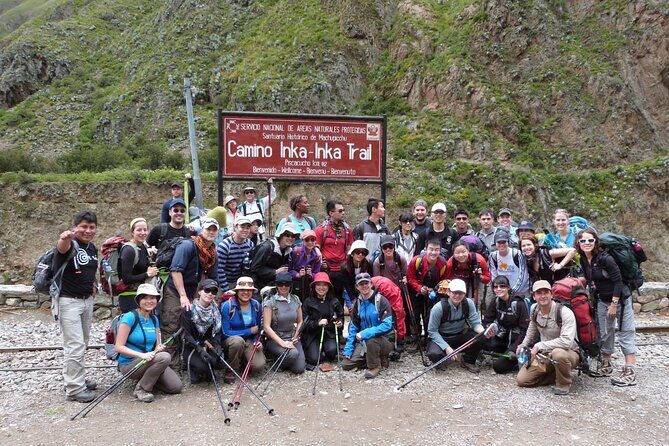
Here’s how the inclusions translate into real-world value.
Included (the stuff you’d otherwise pay to arrange)
- Breakfast, lunch, and dinner for the trek days (3 breakfasts, 3 lunches, 3 dinners).
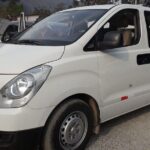
- Transport from Cusco to KM82 at the start, plus transport back from Ollantaytambo to Cusco.
- Professional cook, cooking equipment, and camp dining setup (dining tent and kitchen tent).
- Porters carrying camping equipment, food, and kitchen utensils.
- Tents with foam mattress.
- Entrance tickets to Machu Picchu and the Inca Trail.
- Train on Day 4 from Aguas Calientes to Ollantaytambo.
- Guide in English/Spanish.
- Pickup offered from the hotel area in Cusco.
Not included (this is where you plan ahead)
- First day breakfast is listed as not included.
- Lunch and dinner on the last day (Day 4’s lunch is included as part of the day’s plan at a local restaurant, but it’s described as lunch at a local restaurant; the listing says lunch and dinner on the last day are not included, so budget carefully.)
- No water for treks is included. You must carry enough water, and you can buy along the trekking route.
- Sleeping bag rental is available for $20 per person.
- Trekking poles rental is available for $20 per person.
- TIPS.
My packing advice based on what’s missing: bring a water plan. Because water isn’t included for the trek, don’t show up thinking you can solve everything at the start. Also consider renting poles if you don’t own them—your knees will notice the difference on descents.
Price and Timing: Is $800 a Good Deal?
At $800 per person for roughly 4 days, the question isn’t just “is it expensive?” It’s “what are you paying for?”
You’re paying for:
- a guided trek in multiple languages,
- cook-and-camp infrastructure,
- porters managing the gear load,
- included tents with foam mattress,
- included Machu Picchu and Inca Trail entrance tickets,
- and the Day 4 train back to Ollantaytambo.
When a trek includes that many logistics pieces, the cost becomes easier to justify. You’re essentially buying time and energy you can’t replace with better shoes.
Timing matters too. The tour is typically booked about 32 days in advance on average. That’s a clue: don’t wait until the last minute if you want a smooth match between your dates and the trek schedule.
Who This Inca Trail Tour Fits Best
This is a good match for you if:
- you want a structured trek with camp comfort,
- you’d rather spend effort on hiking than on carrying equipment,
- you’re comfortable with moderate physical fitness and altitude reality,
- you appreciate guided explanations for the ruins.
It’s less ideal if:
- you dislike early mornings (Day 4 alone starts with a 3:30 am wake-up),
- you’re unwilling to carry your own trekking water,
- you need a super low-effort experience. This is a demanding route.
Should You Book Peru Adventure Trek’s 4-Day Inca Trail?
I’d lean toward booking this tour if you want Machu Picchu to feel like a once-in-a-lifetime journey, not a logistics headache. The combination of porter camp setup, tents with foam mattresses, included entrance tickets, and a guided Machu Picchu morning hits the sweet spot for value.
Just go in with two expectations set clearly:
1) the trek is genuinely hard at altitude, especially around Dead Woman’s Pass, and
2) you’re responsible for water during the hiking days.
If that sounds like your kind of adventure, this is the kind of tour where the team can make the difference between surviving the trek and actually enjoying it.
FAQ
Where do we meet in Cusco?
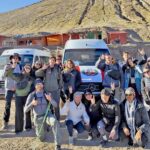
You meet at Plaza de Armas Cusco, and the transfer will be waiting with a blue flag. A start time of 4:30 am is listed, though the Day 1 pickup is described as 5:30 am, so check your confirmation for your exact pickup.
What language is the tour guide?
The tour offers an English/Spanish speaking professional guide.
What meals are included?
The tour includes 3 breakfasts, 3 lunches, and 3 dinners. Breakfast on the first day is listed as not included, and lunch and dinner on the last day are also listed as not included.
Is water provided during the trek?
No. The tour states that no water for treks is included, so you should carry enough water. You can buy water along the trekking road.
Do I need to bring a sleeping bag and trekking poles?
You can rent both. Sleeping bag rental is $20 per person, and trekking poles rental is $20 per person.
Are tickets to Machu Picchu included?
Yes. Entrance tickets to Machu Picchu and the Inca trail are included.
What happens on Day 4 after Machu Picchu?
After the guided visit and free time at Machu Picchu, you take the bus down to Aguas Calientes, have lunch at a local restaurant, then take the train to Ollantaytambo and continue by transport to Cusco.
What fitness level do I need?
The tour notes a moderate physical fitness level. It also describes Day 2 as featuring the highest pass and Day 3 as the longest and most challenging day.
What is the cancellation policy?
You can cancel up to 3 days in advance for a full refund. If you cancel less than 3 full days before the experience’s start time, the amount paid is not refunded. Cut-off times are based on local time.