REVIEW · CUSCO
Amazonas Manu Cultural Zone 4 Days / 3 Nights
Book on GetYourGuide →Operated by Exploor Trip E.R.L · Bookable on GetYourGuide
Waking up to parrots is a real thing. This 4-day Amazonas Manu Cultural Zone trip takes you from Ajanaco’s cloud forest down into the Atalaya jungle waterways, with daily wildlife time and expert spotting gear. You’ll hike, boat, raft, and end each day in the Amazon’s rhythm.
I love the small-group feel (limited to 15), which makes it easier for your guide to keep track of everyone on trails and on the water. I also love that the guides show up ready for wildlife, with binoculars and a telescope to help you actually see what you’re looking at.
One drawback to plan for: it’s an early-start adventure. Pickup is between 5:30 and 6:00 AM, and you’ll be walking on uneven jungle paths in warm, humid conditions.
In This Review
- Key highlights at a glance
- The Amazonas Manu Cultural Zone: what you’re paying for (and why it’s worth it)
- Sunrise pickup from Cusco and the steep start toward Ajanaco
- Cloud-forest hiking: how to make the bird sightings happen
- Atalaya port to lodge: boat time, river swims, and mud-bath optionality
- Overnight comfort: private bathrooms and showers
- Machuhuasi Lagoon rafting: the wildlife conveyor belt
- Night walks: how the tour shifts from daylight spotting to “listen and watch”
- Parrot clay lick at dawn: the loudest feeding show
- Night hiking for insects, amphibians, and snakes
- Returning to Cusco: water, birds, and those Andes views
- Price and logistics: what makes the $430 feel fair
- Who this tour is best for (and who should skip it)
- Should you book Amazonas Manu Cultural Zone for 4 days?
- FAQ
- What time do you get picked up in Cusco?
- How do you travel from Cusco to the jungle area?
- Are meals included?
- Is lodging camping included?
- What’s the best wildlife moment on the trip?
- What animal-spotting support do you get from the guides?
- Is the group size small?
- What languages is the tour offered in?
Key highlights at a glance
- Ajanaco (3,500m) to cloud forest hiking with a real chance of birds like quetzals and trogons
- Atalaya access by bus + boat, with optional river swim and a mud-bath stop along the way
- Machuhuasi lagoon raft time for reptiles, monkeys, capybaras, dwarf caimans, and more
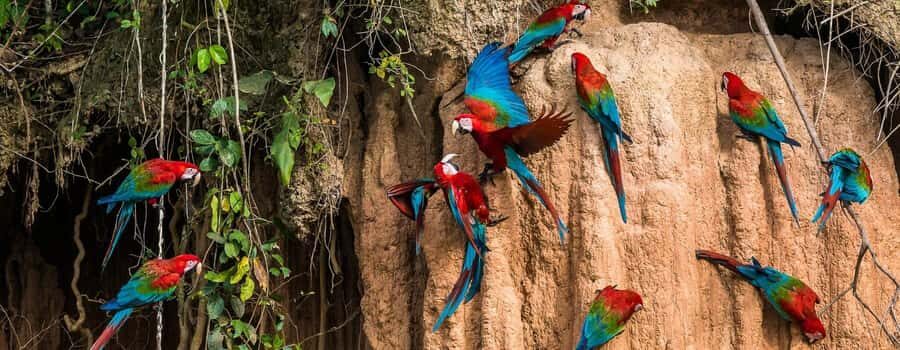
- Parrot clay lick at dawn—watching parrots feed on nutrient-rich mineral wall
- Night walks with a purpose, shifting from general wildlife to insects, amphibians, and snakes
The Amazonas Manu Cultural Zone: what you’re paying for (and why it’s worth it)
This tour is built around one simple idea: don’t just pass through the Peruvian Amazon—spend enough time in the right places to notice it. You’ll start high enough to feel the Andes in the air, then drop into cloud-forest conditions and down toward river/lake ecosystems where you actually see animals.
At $430 per person for 4 days, the value comes from the mix of guided wildlife time, multiple types of transport (van/bus/boat/raft), and full meals. It also includes the gear you need for spotting wildlife, plus basic safety support like a first-aid kit and safety equipment.
If your idea of a great trip is a steady stream of nature moments—rather than one big sight and a lot of waiting—this kind of itinerary fits well.
You can also read our reviews of more tours and experiences in Cusco

Sunrise pickup from Cusco and the steep start toward Ajanaco
Your day begins early in Cusco. Between 5:30 and 6:00 AM, your guide picks you up from the meeting point in the company vehicle and you start ascending the winding Andean roads. You’ll pass villages and towns along the way, which gives you a sense of how people live before you reach the jungle edge.
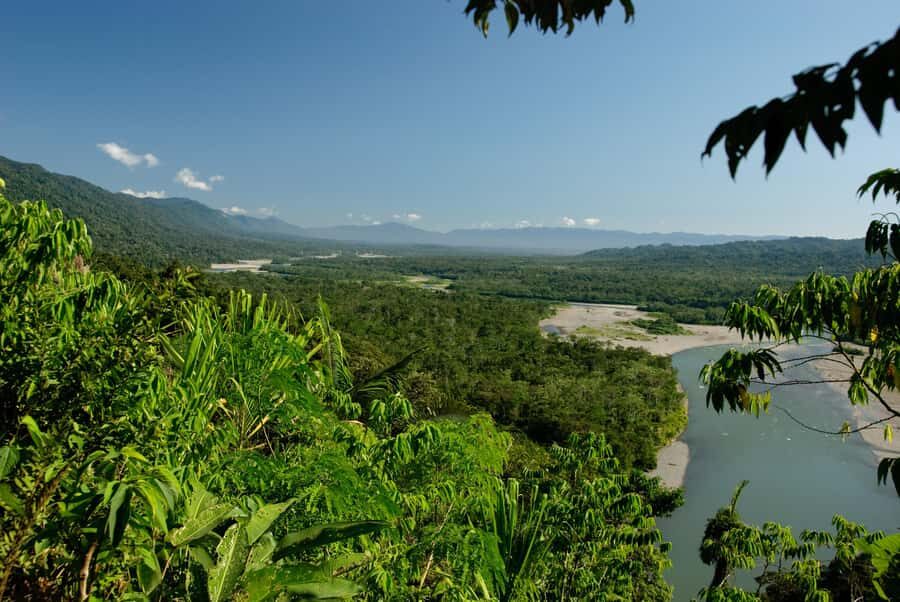
At Ajanaco (3,500m), you shift from travel into hiking mode. From there, you descend through a cloud forest that’s all about thick vegetation and birdlife. Expect exotic plants like orchids, heliconias, and ferns, and if conditions cooperate, you might spot species such as cock-of-the-rock, umbrella bird, trogon, quetzal, or orioles.
Practical thought: cloud forest can mean cool, damp air even when the sun tries to show up. Bring a light layer and something that can handle mist—your photos will thank you.
Cloud-forest hiking: how to make the bird sightings happen
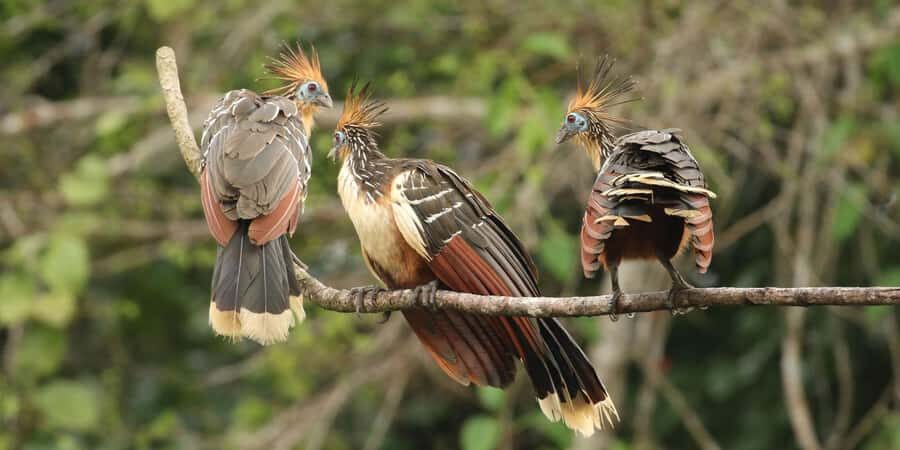
The best part of this first day is that it’s structured for wildlife, not just views. Your guide and group move through the forest while they scan, and they use binoculars and a telescope to help you see details at a distance.
What I like about this setup is that it makes the forest feel smaller—in a good way. Instead of wandering and hoping, you’re learning where to look and what behaviors to notice (birds that pause, flick, and call from specific levels of the canopy).
Drawback to consider: bird spotting is never guaranteed. What is guaranteed is a nice mix of hiking and forest immersion, ending with time to relax at the lodge after the day’s descent.
Atalaya port to lodge: boat time, river swims, and mud-bath optionality
Day two shifts to waterways. After breakfast, you start with a nature walk focused on birds and monkeys, then you head to Atalaya by land. It’s a 1-hour bus ride to the port, then a 30-minute boat ride toward your lodge.
This is a key “Amazon feel” segment. The water travel helps you settle into the rhythm of the region, and it’s also where you get small bonuses: along the way, you may have time to swim in the river or enjoy a mud bath. Those aren’t just quirky extras—they can be a fun way to break up travel and cool off.
Then comes lunch and the day’s main wildlife water activity, which leads right into the Machuhuasi lagoon (more on that next).
Overnight comfort: private bathrooms and showers
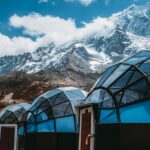
This tour includes lodge nights with accommodations designed to keep you comfortable after active days. The included info mentions rooms with private and shared bathroom/shower options, and the day-to-day plan notes private bathrooms and showers for at least one of the lodge overnights.
Also included: mineral water at the lodge, plus meals and snacks that help you avoid the most expensive mistake—getting hungry at the wrong time.
Machuhuasi Lagoon rafting: the wildlife conveyor belt
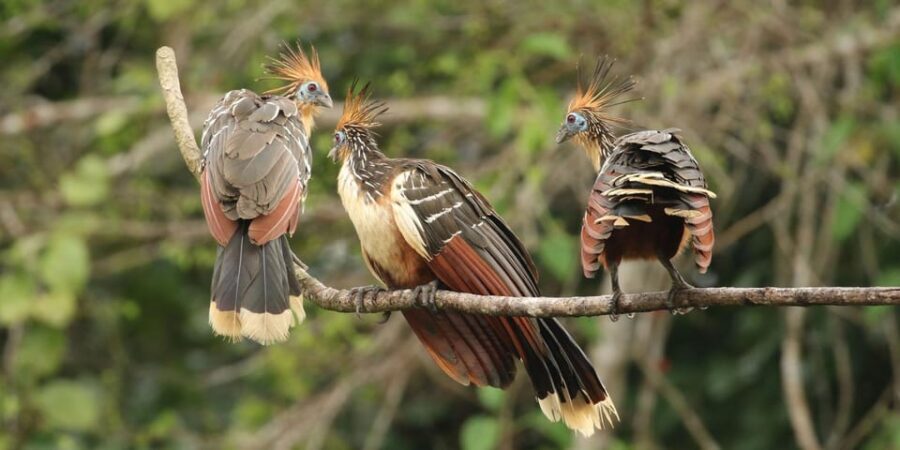
After lunch, you head out on a raft in the Machuhuasi lagoon. This is where the day gets noticeably more “animal-rich” than the straight forest hiking.
From the water, you can spot wildlife that uses the lagoon edge and open water—things you might miss from trails. The tour focuses on seeing shanshos (as listed), monkeys, reptiles, dwarf caimans, capybaras, tapirs, and more.
The boat-and-raft angle matters because it changes your viewpoint. You’re not only scanning the canopy; you’re also watching for movement at ground level and along the waterline. If you’ve ever tried to spot wildlife from land and felt like you were chasing shadows, this part fixes that.
One small consideration: you’ll be in a natural environment with animals nearby, not a controlled zoo setting. Keep your expectations flexible and your feet planted. Your guide and crew are there for safety and timing, including an experienced boat driver and crew.
Night walks: how the tour shifts from daylight spotting to “listen and watch”
After dinner on day two, you do a night walk. Daylight wildlife is one thing, but nocturnal activity is a different game—quieter, faster, and full of movement you have to see with patience.
The itinerary keeps this structured. On later nights it becomes even more specific, focusing on insects, amphibians, or snakes. On this first night walk, you’re still learning the nighttime patterns: where animals move, what’s visible when the light changes, and how your eyes adjust after sundown.
If you’re the kind of person who enjoys “small wins”—like spotting movement first, then identifying it—you’ll likely love the night-walk portion. It’s less about checking off a single animal and more about understanding the Amazon after dark.
Parrot clay lick at dawn: the loudest feeding show
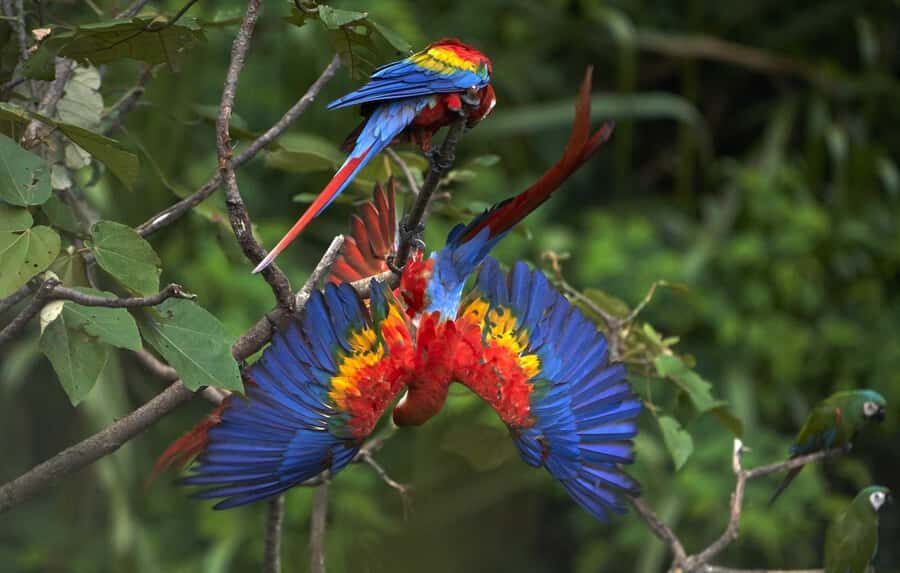
Day three begins early again, but this time the payoff is built in. At dawn, you sail out to the parrot clay lick to watch parrots feed on a nutrient-rich wall.
This is the most dramatic wildlife moment in the plan because it’s predictable in timing and behavior. Parrots return to feed, so your guide isn’t just scanning randomly. You’re there when something is happening, which makes it far easier to get real sightings.
After the clay lick, you return for breakfast and a rest period. Then you hit the trails again to explore jungle fauna and flora. This is where the plan adds a special plant focus: the ceiba tree—described as the tallest and thickest tree in this context—so you’re not only looking for animals, you’re learning key landmark species.
You might also spot monkeys, reptiles, dwarf caimans, capybaras, or tapirs as the day’s hiking unfolds. Again: not guaranteed, but your odds improve because the itinerary is timed and guided.
Practical tip: don’t treat dawn like a “maybe” moment. If you want to see the clay lick activity well, be ready to move fast after waking.
Night hiking for insects, amphibians, and snakes
Night walk number two takes a more focused approach. On day three, you do a night walk designed for spotting insects, amphibians, or snakes.
This kind of night focus is valuable because it trains you to look at different cues. Amphibians might show up where the air stays moist. Insects can betray themselves through movement in vegetation and near light sources. Snakes, when seen, often appear as brief motion changes or slow, deliberate crossings.
Even if you don’t spot everything, the experience still pays off because you learn how to watch in low light. That makes the rainforest feel less like darkness and more like a working ecosystem.
Returning to Cusco: water, birds, and those Andes views
On the final morning, you explore a trail one last time for jungle wildlife. This closing stretch is perfect if you want one more chance at animals without rushing straight into transit.
Then you head back by boat to Atalaya, followed by a van ride to Cusco. The plan calls for arrival in Cusco between 5:00 PM and 7:00 PM, so you’ll have a full day, but not so late that it destroys dinner plans.
Along the return route, you get more chances to see nature details: hummingbirds, orchids, waterfalls, and potentially birds and monkeys. Once you leave the jungle behind, the route passes through mountain areas with spectacular Andes views—an emotional reset after days of humid green.
Price and logistics: what makes the $430 feel fair
Here’s how I’d judge the cost, beyond the number on paper.
You’re not just paying for a guide. You’re paying for:
- multi-leg transport (bus to Atalaya + boat rides and raft time)
- meals across multiple days (breakfastes/lunches/dinners/snacks)
- lodge accommodations
- professional guides with spotting gear (binoculars and telescope)
- safety items like safety equipment and a first-aid box
- included laundry-free creature comfort basics like mineral water at the lodge
That means fewer out-of-pocket surprises once you’re there. The main omissions are simple: day one breakfast isn’t included, and alcohol/soft drinks (and water for breakfast on day one) aren’t included either.
So the $430 makes sense if you value guided time and the specific wildlife moments in this region—especially the parrot clay lick and lagoon rafting. If you’re the type who prefers DIY travel with just one or two guided stops, you might find this too structured. But if you want a complete package that reduces your planning stress, it’s a good fit.
Who this tour is best for (and who should skip it)
This Amazonas Manu Cultural Zone tour is a strong match if you:
- want a wildlife-focused program with guides who help you actually see animals
- enjoy early mornings and can handle walking trails in humid jungle conditions
- like variety: cloud forest hikes, river travel, lagoon rafting, and night walks
- prefer small group travel (up to 15) over crowded sightseeing
It may not be ideal if you:
- hate night walks or low-light situations (this plan includes them)
- want long downtime with minimal movement (this is active every day)
- need very predictable restroom access throughout every minute (lodge facilities are included, but you’re still outdoors and moving frequently)
Should you book Amazonas Manu Cultural Zone for 4 days?
If your travel style is “I want to go where the animals are, with a guide who’s ready,” I’d book this. The combo of parrot clay lick at dawn, Machuhuasi lagoon raft time, and multiple day-and-night wildlife sessions is exactly the kind of itinerary that makes the Amazon feel alive, not staged.
I’d skip it only if you’re looking for a relaxed, slow vacation with minimal walking and no night-time nature activities. Otherwise, the value is strong: transport, meals, lodge comfort, and wildlife spotting support are bundled together in a way that keeps your days smooth.
FAQ
What time do you get picked up in Cusco?
Pickup is scheduled between 5:30 and 6:00 AM from the meeting point in the company vehicle.
How do you travel from Cusco to the jungle area?
You drive to the jungle entrance area, and on day two you take a 1-hour bus ride to the port of Atalaya, then a 30-minute boat ride to the lodge.
Are meals included?
Yes. The tour includes breakfasts, lunches, dinners, and snacks. First day breakfast is not included.
Is lodging camping included?
The experience includes a camping experience in Pilcopata.
What’s the best wildlife moment on the trip?
A highlight is the parrot clay lick, where you go at dawn to watch parrots feed on a nutrient-rich clay wall.
What animal-spotting support do you get from the guides?
Guides come equipped with telescope and binoculars, and you also have professional boat crew support during the water parts.
Is the group size small?
Yes. The group is limited to 15 participants.
What languages is the tour offered in?
The live tour guide speaks Spanish and English.