REVIEW · CUSCO
Excursion to Sacred Valley & salt mines – Moray with lunch buffet
Book on Viator →Operated by Amaru Explorer Peru · Bookable on Viator
Circular terraces change your sense of scale. This Cusco day trip blends Moray with Maras salt mines, then layers in Sacred Valley culture with a guide who explains it in plain language. It’s a highlight-heavy route, but the pacing feels friendly enough to enjoy each place instead of rushing through it.
One thing to plan for: it’s a 12-hour day with shorter on-site times at several major stops. If you prefer slow wandering, you may feel a bit time-pressed.
In This Review
- Key highlights to know first
- A 12-hour Sacred Valley loop from Cusco, built for highlights
- Chinchero: archaeology and textiles in a single first stop
- Moray: circular terraces and the idea of microclimates
- Salineras de Maras: salt mines with Tahuantinsuyu roots
- Urubamba lunch: a buffet that actually feels like a reset
- Ollantaytambo: Temple of the Sun and a multi-use Inca center
- Pisac: platforms, waterways, and stonework built for daily function
- Pacing, photos, and staying comfortable during a long day
- Price and value: what $29.44 gets you, and what to double-check
- Who this Sacred Valley day trip is best for
- Should you book this tour?
- FAQ
- FAQ
- Where does the tour start in Cusco?
- How long is the excursion?
- What stops are included in the itinerary?
- Is lunch included?
- Are entrance fees included?
- What is the group size?
- What level of physical fitness is needed?
- What languages are available for the guide?
- What is the pickup and drop-off like?
- What is the cancellation policy?
Key highlights to know first
- Moray’s circular terraces: Inca-style experimentation with microclimates
- Maras salt mines in white terraces: Salt pans stacked on a mountainside
- Chinchero textiles: Archaeology plus textile interpretation in one stop
- Urubamba lunch break: A buffet that’s treated as the day’s comfort moment
- Ollantaytambo + Pisac: Inca-era engineering and built-in city logic
- Max 15 people: Small-group vibe with room for photos
A 12-hour Sacred Valley loop from Cusco, built for highlights
This is a classic Sacred Valley day trip from Cusco: pickup from the historic center, then a clockwise-style loop through the region’s most famous Inca sites. You’ll travel by an air-conditioned vehicle, and the day runs about 12 hours, which means you’re trading deep, slow museum time for big scenery and hands-on walking.
A useful detail: the group size is capped at 15. That often means you get less chaos, more chances to hear your guide clearly, and fewer long waits at viewpoints. It also helps when you’re trying to balance photos with actually understanding what you’re seeing.
You’ll also want moderate physical fitness. The stops include walking around uneven ground and stone areas, plus time outdoors. Nothing here is described as extreme, but this is not a couch-to-cathedral kind of day either. If you’re sensitive to altitude, plan your pace, take breaks when you need them, and stick close to your guide.
Finally, you end with mobility that drops you back near Cusco’s main square. That’s a big plus because it reduces the scramble to get back into the city.
You can also read our reviews of more tours and experiences in Cusco

Chinchero: archaeology and textiles in a single first stop
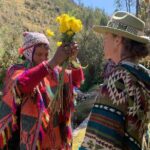
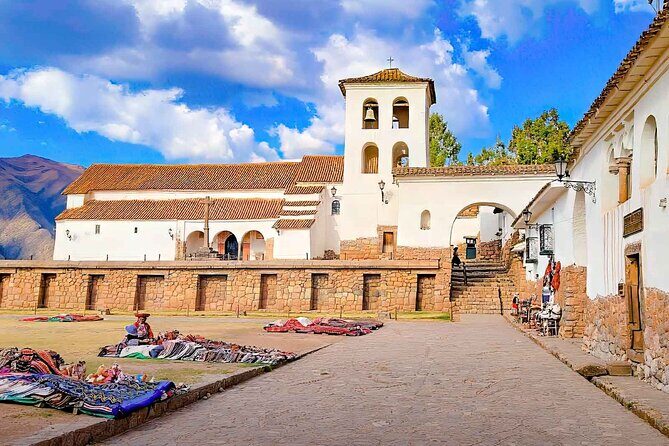
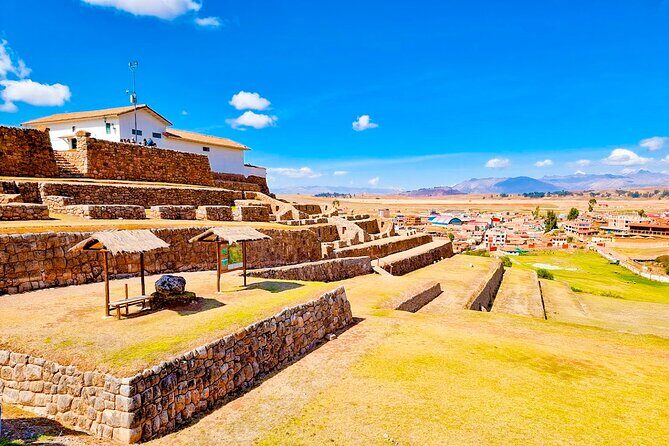
Chinchero is your first true taste of the day. You’ll visit the archaeological area and also the textile interpretation center—so it’s not only stones, it’s the living craft side of the region.
The stop is about 30 minutes, and admission is listed as free for this part. That makes it a good “warm-up” stop: you get oriented, you meet your rhythm for the day, and you start hearing how the Inca world connected daily life to land and skills.
What I like about starting here is the mix. Many Sacred Valley itineraries go straight to ruins. Chinchero gives you context for why textiles matter—materials, patterns, and knowledge tied to Andean identity. Even if you only catch the highlights in 30 minutes, you’ll feel more connected when you later see terraces, waterways, and engineered places.
Moray: circular terraces and the idea of microclimates
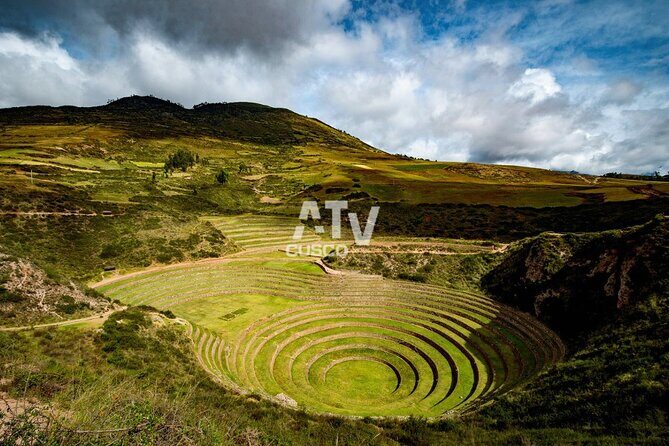
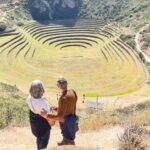
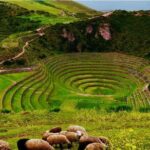
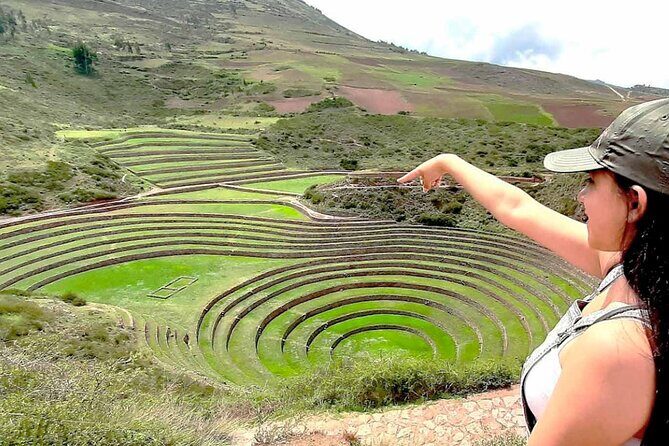
Moray is the headline site for a reason. The Inca agricultural experimental center is built as terraces designed for microclimates—small zones with different conditions created by the structure of the site. The result is a visual puzzle first, then a practical story.
You’ll spend time here as part of the Sacred Valley/Moray/salt mines block. The tour info frames Moray as experimental terraces with different climates for growing and testing. That’s the key idea to keep in mind as you walk: this isn’t just architecture, it’s an Inca science project written in stone and earth.
One of the standout impressions from the day is how people describe Moray’s shape—those circular terraces can feel like an engineered sight gag at first. But once you connect the form to the concept (different conditions in different levels), the place starts to feel logical and even clever.
Practical tip: take your photos, then walk one more loop. In Moray, your view changes fast as you move around the edges. It’s worth slowing down for 60 seconds at each “ring,” so you don’t just capture the look—you capture the layout.
Salineras de Maras: salt mines with Tahuantinsuyu roots
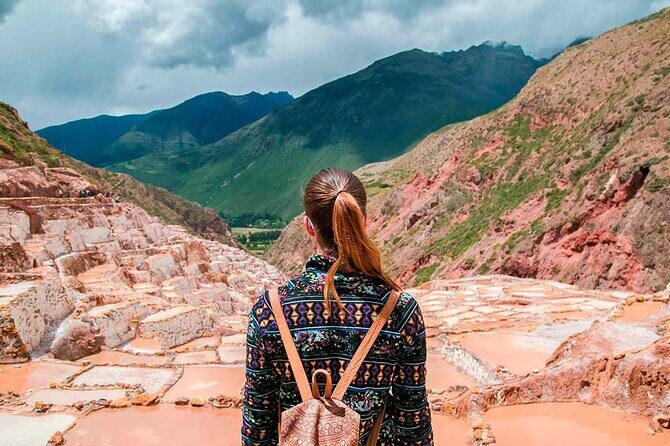
After Moray, you go to Salineras de Maras, often called the salt mines. The tour info explains that salt extraction dates back to the time of Tahuantinsuyu, which gives the site a deep time connection rather than treating it like a modern tourist attraction.
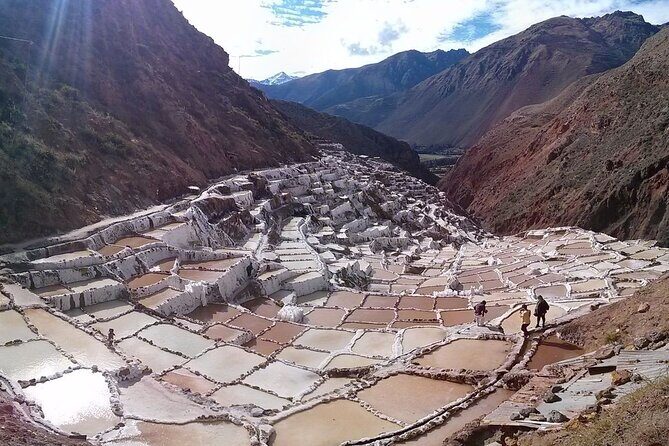
This area sits on the side of a hill and is made up of many small salt pools. The tour description says the stop lasts about 1 hour, with admission listed as free for this part. In that hour, you’ll have enough time to find viewpoints, shoot photos, and actually take in how the terrain and salt production fit together.
From what stands out in the descriptions, people really respond to the visual effect: white salt pans against the hillside and sky. It’s the kind of place where light changes quickly, so if you only take photos from one angle you miss half the fun. If you’re a photographer, you’ll be glad there’s dedicated time here rather than a quick “look and go.”
Also, don’t forget you’re visiting a working-style landscape. Even though you’re there for the view, try to keep your eyes open for how the pools are arranged and how water access and gravity play into the system.
Urubamba lunch: a buffet that actually feels like a reset
Urubamba is where you get your lunch stop—about 30 minutes. The tour includes lunch, and the buffet gets consistently positive comments for being fresh, filling, and loaded with options. People also describe the lunch as a comfort break after several outdoor stops, which makes sense.
Here’s the practical value: you don’t just eat, you reset your energy. When your day includes multiple archaeological sites, your best move is to refuel enough to enjoy the later stops instead of eating just a token snack.
What to expect from the vibe: a buffet layout means you can choose what sits well in your stomach that day. If you’ve been feeling the altitude or just want something gentle, you can keep it simple. If you feel good, go for the fuller meal and enjoy the regional flavors.
If there’s one moment I’d protect, it’s lunch. You’ll want to use the time to drink water, grab what you need, and avoid rushing into the next stop.
You can also read our reviews of more tours and experiences in Cusco


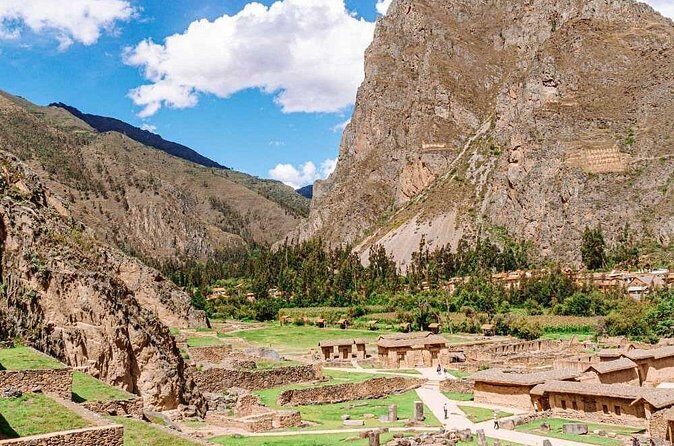
Ollantaytambo: Temple of the Sun and a multi-use Inca center
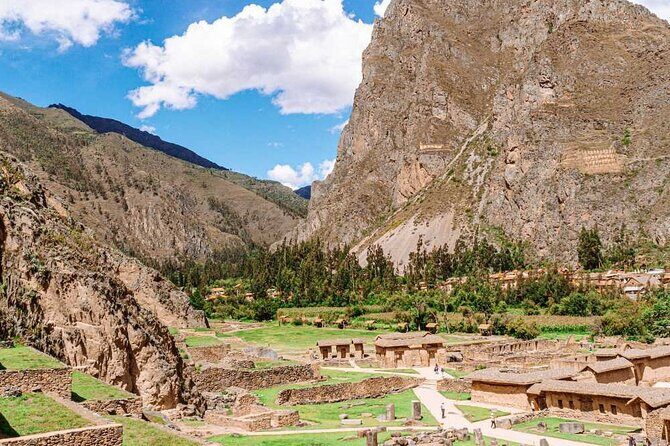
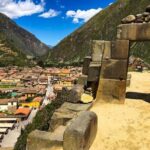
Ollantaytambo is next, and it’s a more structured, “big-signal” stop. The tour highlights important parts of the complex, including the Temple of the Sun.
The description is clear about what this place meant in Inca times. It wasn’t only religious. It also worked as an administrative, military, social, and economic center. You also learn it was a control point for passage to different ecological floors—essentially, the Inca needed to manage movement across different elevations and environments.
This matters for how you experience the site. Instead of thinking only about the ruins, you can think like planners: where would people move, who controlled the routes, and how did buildings support power and daily function?
Your time here is about 30 minutes, with admission listed as free for this stop in the tour info. That’s enough to walk key areas, but not enough for slow “every-stone” study. So don’t treat it like a checklist. Treat it like a story. Stand where your guide points, look at the broader layout, and try to connect the religious, administrative, and strategic roles.
Pisac: platforms, waterways, and stonework built for daily function
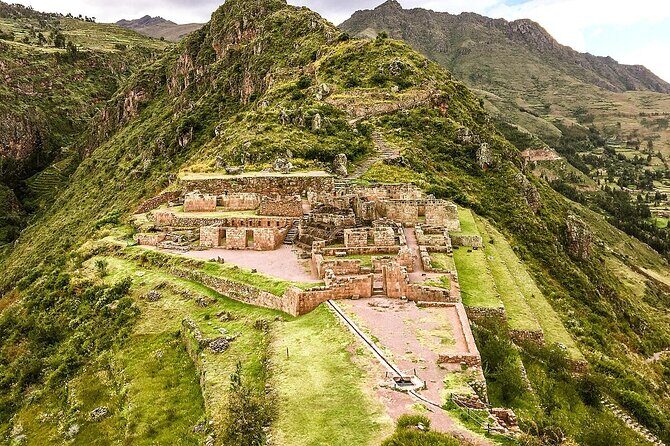
Pisac rounds out the day with another engineered Inca site. The tour description lists several elements you can expect to see: platforms, aqueducts, paths connected to walls and doorways, channeled waterways, cemeteries, and bridges.
Even with only about 30 minutes, the value here is the variety. Pisac isn’t just one monument. It’s an integrated system of spaces that suggests how a community lived, moved, and managed water.
If you like architecture that looks practical, Pisac will work for you. The aqueducts and channeled waterways turn the site into a lesson about how Inca design handled real needs. The paths, walls, and doorways also help you imagine movement across levels—how people would traverse the area and how different zones served different purposes.
One drawback to keep in mind: time is short. If you want to sit and fully absorb, you’ll need to be selective. Focus on the water features and the main circulation routes your guide highlights, then get your photos where you’ll actually remember what you saw.
Pacing, photos, and staying comfortable during a long day
One reason this tour gets such a steady thumbs-up is that the pace feels relaxed for a full-day schedule. You’ll have time for photos at major points and enough minutes to enjoy each site, rather than sprinting stop to stop.
That said, you should still plan for the reality of a 12-hour loop. You’ll spend a good chunk of the day in a vehicle and outdoors. The best way to avoid fatigue is to treat each stop like a short mission:
- Look, listen, then take photos.
- Don’t try to photograph everything from the exact same angle.
- Ask your guide quick questions if something doesn’t click.
Also, because the tour passes by accommodations within Cusco’s historic center, you start the day with less friction. Fewer logistics hassles usually means more mental energy for the actual sights.
If you’re coming straight from Cusco after acclimatization, I’d keep your pace steady. Altitude plus a packed schedule can make you feel more tired than expected, even if the walking is manageable.
Price and value: what $29.44 gets you, and what to double-check
At $29.44 per person, this tour is priced like a budget-friendly way to hit the big Cusco region highlights in one go. The value comes from the combination of items that are usually expensive on their own: a professional tour guide, transportation (air-conditioned vehicle), and lunch.
The tour includes:
- professional guide
- air-conditioned vehicle
- lunch
- in-person guide in English and Spanish
Now for the careful part: entrances. The tour info lists entrances as not included, but the stop details also say admission tickets are free for several sites (Chinchero, Salineras de Maras, Ollantaytambo, Pisac, and even the Urubamba lunch stop as written). That mix is confusing enough that you should treat it as a “confirm with the operator” situation.
Here’s what I’d do if you book: message Amaru Explorer Peru and ask whether any entrance fees apply on the day you’re going, and if anything is paid on-site. That’s not being difficult; it’s just making sure you don’t get surprised late in the day.
Given the overall positives—clear explanations, enough time for photos, and a lunch buffet people seem happy with—this is one of those deals that can feel almost too good. But the bargain usually depends on doing a highlight route rather than a slow study day. If that’s your style, the math works.
Who this Sacred Valley day trip is best for
This tour is a strong match if you:
- want a single-day sampler of Sacred Valley highlights from Cusco
- love Moray’s experimental terraces and want time to take in the circular design
- care about photography at Maras salt mines (the white pools are a major draw)
- prefer a guide who explains in simple, understandable terms
- like having lunch handled with a buffet so you can choose what suits your appetite
It may be less ideal if you:
- want lots of free time at each site
- plan to spend hours in one location
- are looking for a deeper, museum-style explanation at fewer stops
Because the tour hits Chinchero, Moray, Maras, Urubamba lunch, Ollantaytambo, and Pisac, you get variety. But it’s still a day trip, so your “depth” per site is limited by the schedule.
Should you book this tour?
I’d book this tour if you’re trying to cover the key Sacred Valley sights without building a multi-day itinerary, and you like the idea of seeing both Inca engineering (Moray, waterways, terraces) and the salt mines’ surreal visuals (Maras).
I’d hesitate only if you dislike long days or you need more time at fewer places. The schedule is built for momentum, not lingering.
If you do book, do two things that make the day better: confirm any entrance fees directly with Amaru Explorer Peru, and plan your own comfort pace so the full day feels enjoyable rather than exhausting.
FAQ
FAQ
Where does the tour start in Cusco?
You’ll be picked up from accommodations located in the historic center of Cusco.
How long is the excursion?
The duration is about 12 hours.
What stops are included in the itinerary?
The day includes Chinchero, Moray, Salineras de Maras (salt mines), Urubamba lunch, Ollantaytambo, and Pisac.
Is lunch included?
Yes. Lunch is included, and it’s a buffet.
Are entrance fees included?
The tour lists entrances as not included, but several stops are described with admission ticket free. It’s smart to confirm with the provider whether any fees apply on your specific day.
What is the group size?
The tour has a maximum of 15 travelers.
What level of physical fitness is needed?
Moderate physical fitness is recommended.
What languages are available for the guide?
The in-person guide is available in English and Spanish.
What is the pickup and drop-off like?
Pickup is at your accommodation in the historic center. On the return to Cusco, mobility leaves you near the main square.
What is the cancellation policy?
Free cancellation is available up to 24 hours in advance for a full refund. Changes less than 24 hours before the start time aren’t accepted.