REVIEW · CUSCO
Sacred Valley – Pisac and Ollantaytambo day tour
Book on Viator →Operated by Machupicchu Latin America · Bookable on Viator
Cusco’s Sacred Valley hits fast. In one long day you’ll ride through the highlands past Inca sites, then get classic Pisac views, market time, and the dramatic fortress town of Ollantaytambo. I like that it’s a small group setup (max 15) with Cusco hotel pickup and drop-off, so the day feels organized without being rigid.
Two things I’d specifically count on: the Pisac Inca site is genuinely worth the effort (terraces, temples, canals, and more), and the animal rescue stop at Manos De La Comunidad brings a human, local touch before you hit the big ruins. One possible drawback: a few stops can turn slightly shop-heavy depending on your group and guide, so it’s smart to set expectations early and be ready to skip anything that doesn’t fit your style.
In This Review
- Key highlights you should actually care about
- From Cusco to the Sacred Valley: your day starts with big scenery and smart routing
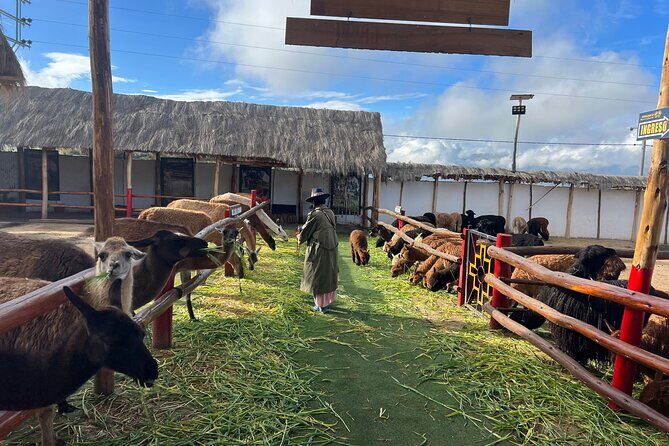
- Manos De La Comunidad: alpacas, llamas, and vicuñas with a community purpose
- Mirador Taray viewpoint: a short stop that sets up the rest of the day
- Pisac: the Inca citadel, terraces, and the engineering you can actually see
- Pisac market time: local crafts, but go in with an exit strategy
- The weaving house and dyeing demo: culture that’s better when you ask questions
- Urubamba lunch: budget it either way, and don’t assume you’ll have lots of choices
- Ollantaytambo: the fortress-town stop that can feel like a climb (in the best way)
- Price and value: the $29 base rate vs what you may pay in real life
- Logistics that actually matter: shoes, altitude, cash, and staying flexible
- Should you book this Sacred Valley Pisac and Ollantaytambo day tour?
- FAQ
- How long is the Sacred Valley day tour from Cusco?
- Is hotel pickup and drop-off included?
- Does the tour include lunch and attraction admission?
- What time does the tour start?
- Can I end the tour at Ollantaytambo train station for Machu Picchu?
- How big are the groups?
- Is the animal rescue stop included?
- Do I need a passport?
Key highlights you should actually care about
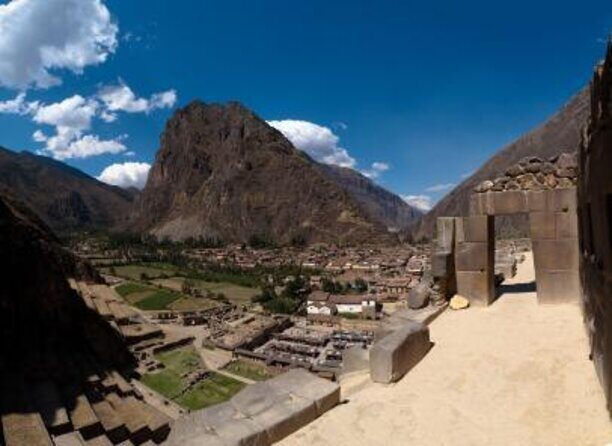
- Small-group feel: max 15 travelers, and the guided walking portion caps at 10
- Pisac for real: terraces and ceremonial spaces plus panoramic viewpoints
- Animal rescue encounter: alpacas, llamas, and vicuñas at Manos De La Comunidad (admission free)
- Photo timing at Taray: a short stop made for those Sacred Valley panoramas
- Ollantaytambo’s “wow” factor: fortress stonework, terraces, and a hill climb for most visitors
- Machupicchu-ready drop-off option: you can end at Ollantaytambo train station for onward trains (from 15:37 onward)
From Cusco to the Sacred Valley: your day starts with big scenery and smart routing
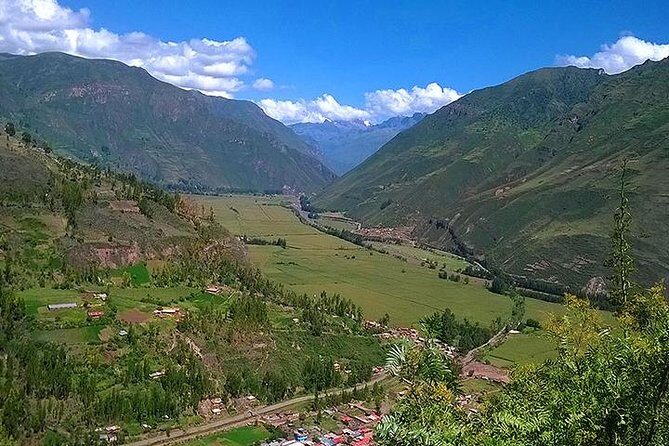
This tour is built for a full day. You’ll start early with hotel pickup in Cusco (breakfast first if you can), then roll out toward the Sacred Valley. On the way, you pass ancient Inca sites including Saqsaywaman and Tambomachay, which helps you get context before you start seeing the valley’s landmarks up close.
That morning drive matters more than it sounds. Cusco sits high, so getting your bearings early—while the group is still fresh—helps. Plus, those first roadside stops keep the day from feeling like nonstop “ride, arrive, rush.”
Timing is also flexible in a practical way. The standard flow ends back in Cusco around 6pm, but there’s an option to end at Ollantaytambo train station earlier (around 3:00pm or 4:00pm) so you can connect toward Machu Picchu.
You can also read our reviews of more tours and experiences in Cusco.
Manos De La Comunidad: alpacas, llamas, and vicuñas with a community purpose
The first true “feel-good” stop is the animal rescue center at Manos De La Comunidad. You’ll have time to get up close with native Andean camelids—alpacas, llamas, and even vicuñas—and since admission is free, this is one of the easiest wins on the itinerary.
What makes this stop more than a cute detour is the community element. The center ties into local livelihoods, and you may see handmade products available on-site. That doesn’t mean you have to buy anything. The guide’s role here is to explain what you’re seeing and offer you the choice to stay longer for photos or step into any small shop area if you want.
If you want the best experience at this stop, keep it simple: bring patience for animal behavior (they roam at their own pace), and use your time wisely for photos before you move on. This is also a good place to ask the guide what’s coming next—Pisac tends to be where people realize how steep, climb-y, and spread out Inca sites can be.
Mirador Taray viewpoint: a short stop that sets up the rest of the day
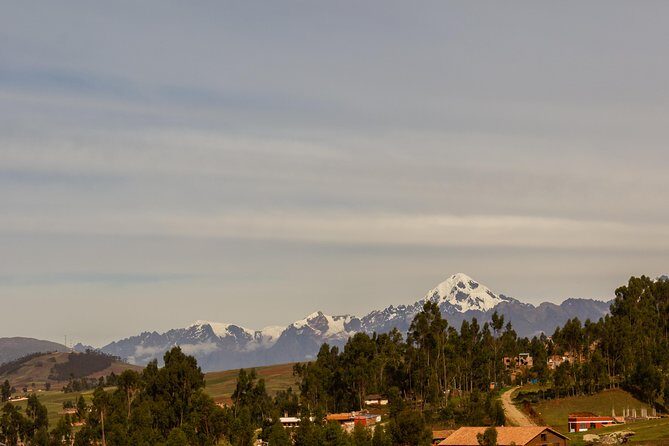
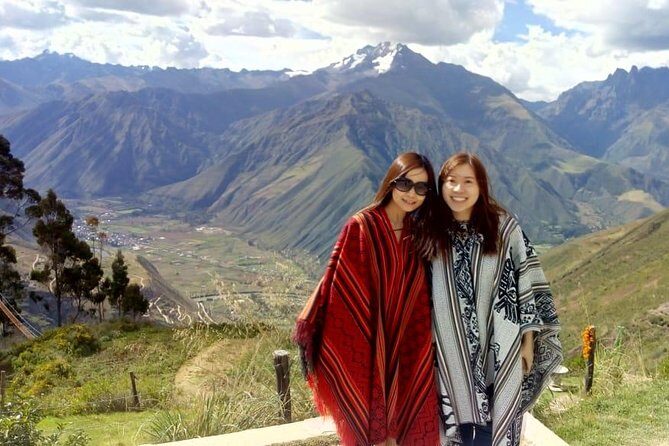
After the rescue center, the tour heads to Taray Viewpoint, a quick 15-minute stop designed for the classic Sacred Valley panorama photos. It’s not long, but that’s the point. You’ll get the “I finally get it” landscape moment without burning half your morning.
This is also where I’d mentally switch modes. The morning is more scenic and orientation-based; from here, you’re heading toward Inca ruins and town stops where walking and climbing become part of your plan.
Pisac: the Inca citadel, terraces, and the engineering you can actually see
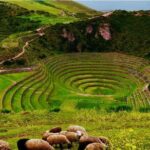
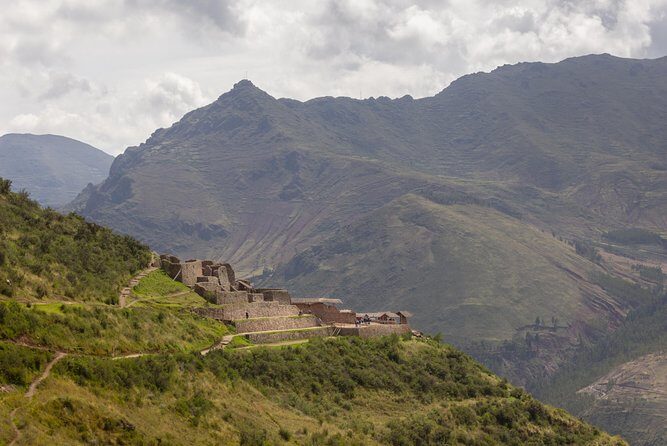
Pisac is the centerpiece. You’ll explore the Parque Arqueologico Pisac, known for agricultural terraces and a well-preserved ceremonial core. The Temple of the Sun is one of the headline sights, but the real payoff is how much you can observe without a museum-like setup. You’ll see things like ancient residences, altars, channels, carvings, and even tunnels and caves.
Two practical reasons Pisac works on a day tour:
1) You get value per minute. The site is packed with features, so even if you’re not an expert, there’s enough variety to keep you engaged.
2) The views are immediate. You’re not walking through ruins in a flat setting—Pisac gives you scale right away.
The tradeoff is effort. Pisac includes areas that can feel like a climb depending on where you focus your steps. Wear shoes that handle uneven stone. If you’re newly acclimated to Cusco altitude, pace yourself—don’t try to “power walk” the site just to keep up with the group.
If you’re lucky with your guide, the story layer makes a difference. In the past, guides like Luis have been singled out for weaving Quechua language and Inca culture into the stops, not just listing facts. Even if your guide isn’t the same person, you’ll still get a guided framework to help you connect what you’re seeing to how the Inca built and used these spaces.
Pisac market time: local crafts, but go in with an exit strategy
Next up is Pisac Market in the village area. This is your chance to do something fun and slightly chaotic in the best way: browse stalls and pick up small souvenirs if you want.
Here’s the practical part. Market browsing can balloon into 45 minutes if you start bargaining for everything in sight. So decide before you arrive what you actually want—textiles, small carvings, something food-related—and keep your budget limits in mind. The guide may suggest what’s typical for the region, but you control how deep you go.
Also, watch the rhythm. This tour balances market time with ruins time, so you won’t feel like you’re stuck in a shopping loop. Still, you might encounter community product areas tied to other stops later in the day, so it’s smart to keep your boundaries clear from the start.




The weaving house and dyeing demo: culture that’s better when you ask questions
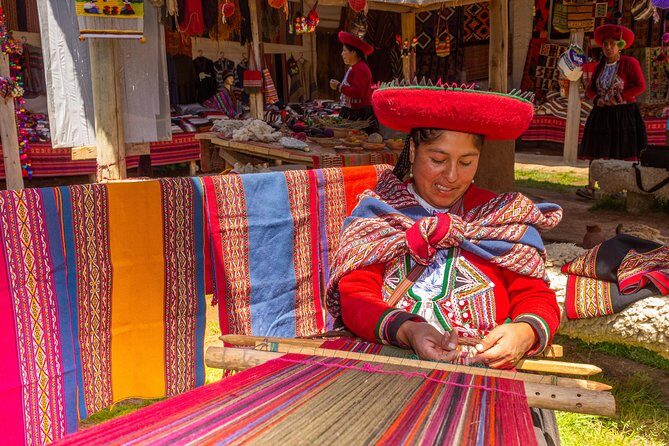
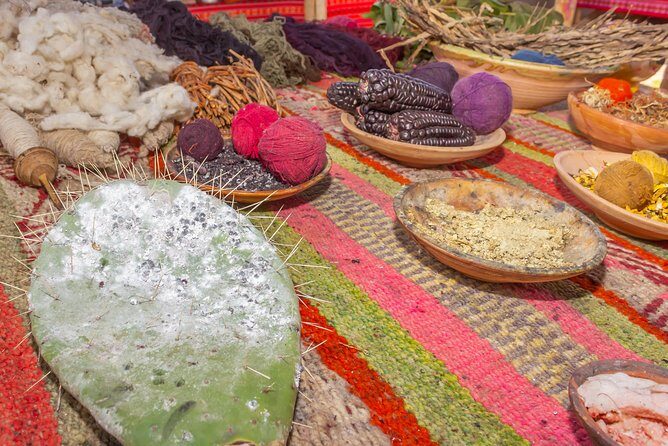
On the journey through the valley, you’ll stop at a local weaving house where you can watch a demonstration on dyeing and weaving techniques. This part is often the most “hands-on by watching” experience of the day, and it connects nicely to what you see in Pisac market—color, process, and how materials are turned into long-lasting fabric.
What I like about this stop is that weaving isn’t treated like a magic trick. It’s framed as technique: how colors are made, how threads become cloth, and why these choices matter in daily life. If you enjoy explanation, this is where your guide’s ability to translate history into practical terms can really land. Some guides on similar trips—like Fabrizio—have been praised for turning explanations into stories rather than a lecture.
If you don’t want shopping at the weaving house, you usually don’t have to force yourself through it. The demonstrations are the value; purchases are optional.
Urubamba lunch: budget it either way, and don’t assume you’ll have lots of choices
Lunch is in Urubamba. You’ll get an Andean buffet lunch with time to eat and reset before the Ollantaytambo push. In the base setup, lunch is generally your expense unless you chose an upgrade that bundles meals and admissions.
A key detail for planning: restaurants in the Sacred Valley are not all next to each other. One family reported the buffet lunch quote as around 60 soles per adult and 45 soles per child, and they felt options were more limited than expected once they arrived at the chosen restaurant. That doesn’t make the lunch bad. It just means you should not treat lunch as a free-for-all with endless nearby alternatives.
If you want to keep control of your day:
- Eat something solid but don’t go too heavy (you still have Ollantaytambo).
- Carry a bit of cash for extras and tips.
- If you’re aiming for earlier train timing, ask your guide how lunch timing could affect your connection.
Ollantaytambo: the fortress-town stop that can feel like a climb (in the best way)
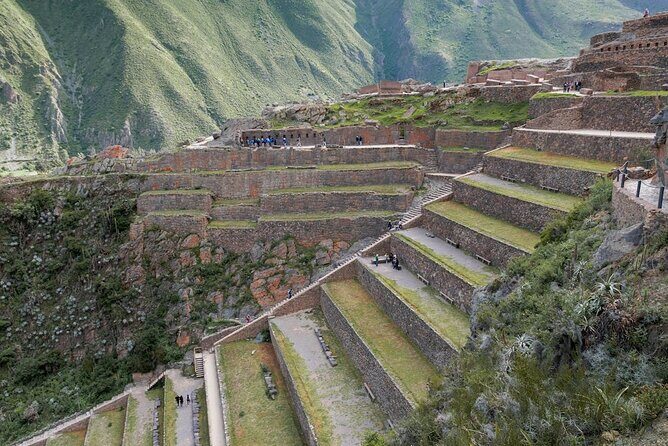
Then comes Ollantaytambo, one of Peru’s most dramatic Inca sites—part fortress, part religious sanctuary, and part living town. You’ll see massive stone architecture, plus extensive agricultural terraces that reinforce how the Inca shaped the landscape for real daily use.
This site also has the most physical “make it count” energy. Plan for uneven ground and a strenuous climb in at least some areas. Even if you’re not trying to hike to every viewpoint, you’ll likely walk more than you expect, and the late-day pace can feel like an endurance test after a full morning.
Why it’s worth it anyway:
- The stonework feels big and real, not just historical.
- The terraces and angles create instant “how did they do this?” moments.
- The town setting adds atmosphere. You’re not in a remote ruin field—you’re in a working place.
If your guide is strong, the experience can be more than sightseeing. Guides such as Gary and Bernardo have been mentioned for explaining Inca resistance and historical context in a way that makes the architecture feel connected to human choices, not just dates on a sign.
Also, there’s an itinerary option to end at the Ollantaytambo train station. If you’re heading to Machu Picchu the same day, this can save you time and stress. It’s designed so you can take trains from 15:37 onward.
Price and value: the $29 base rate vs what you may pay in real life
The base price is $29 per person, which is genuinely budget-friendly for a full-day Cusco pickup and guided outing. But the value math depends on two add-ons: admission tickets and lunch.
From the structure of the day:
- Some attraction admissions are not included unless you pick the all-inclusive upgrade.
- Lunch in Urubamba is an additional cost in the base structure.
That means you should treat the $29 as the “guided transportation + core experiences” price, not the “everything is covered” price. If you want predictability, the upgrade can help. But I’d still verify what it actually includes: which entries are covered, and whether lunch is bundled the way you expect.
One caution that comes up for this kind of Sacred Valley day trip: premium upgrades sometimes include tickets and meals, but you may not end up spending the extra time you thought you’d buy. So if you’re deciding between options, ask the operator to list exactly what’s included for your day’s route—especially if Ollantaytambo is the only major admission stop you’ll make.
Logistics that actually matter: shoes, altitude, cash, and staying flexible
This tour is long enough that small choices can make a big difference.
Wear comfortable walking shoes. Ollantaytambo can be demanding, and Pisac’s terrain adds up. Bring water even though the tour includes one bottle—you’ll likely want more once you’re in the sites.
Plan for altitude pacing. Some visitors do the tour early in their Cusco stay and feel fine, but you’re still at elevation, and you’ll be walking on stone and slopes. A steady pace beats sprinting between viewpoints.
Bring small cash in Peruvian Soles when you can. Entrance fees and purchases in these areas often need soles, and it’s easier to handle on the spot than scrambling at the last minute.
Finally: keep your belongings secure on the bus. One serious issue in a past day trip story involved items left behind during fast-moving traffic. You can’t control everything, but you can control your habit: keep essentials with you, especially when you’re near departures.
Should you book this Sacred Valley Pisac and Ollantaytambo day tour?
I’d book it if you want a classic Sacred Valley day that combines guided ruins, a market moment, and a more meaningful start at an animal rescue center. The small-group size helps, and the option to end at Ollantaytambo station is a big plus if Machu Picchu is in your plan.
I’d think twice if your ideal day is strictly ruins-only with zero shopping exposure, because community shops and optional retail stops can pop up. Also, compare any all-included package carefully so you’re not paying extra for things that don’t match your priorities.
If you want the best version of this day:
- Choose comfortable shoes and a slower pace for the climbs.
- Decide in advance what you’ll buy (if anything) and what you’ll skip.
- Ask your guide early how you can adjust timing if you need more viewpoint time or a tighter train connection.
If that sounds like your style, this is a solid way to get the Sacred Valley’s highlights in one guided, organized day.
FAQ
How long is the Sacred Valley day tour from Cusco?
It runs about 9 hours (approx.), with hotel pickup in the morning and return to Cusco around 6pm for the standard ending.
Is hotel pickup and drop-off included?
Yes. You get pickup from your Cusco hotel (or Airbnb) and drop-off back in Cusco is included.
Does the tour include lunch and attraction admission?
Meals are not included, and attraction admission is also not included unless you choose an all-inclusive upgrade/package option.
What time does the tour start?
Breakfast is suggested at your hotel around 6:30am, and pickup departs around 7:00am. The meeting start time is listed as 7:30am.
Can I end the tour at Ollantaytambo train station for Machu Picchu?
Yes. You can choose to end at Ollantaytambo train station at about 3:00pm or 4:00pm, and the tour is set up so you can take trains from 15:37 onward.
How big are the groups?
The tour has a maximum of 15 travelers, and the walking tour portion is listed as max 10 people.
Is the animal rescue stop included?
Yes. The Manos De La Comunidad stop includes time to see Andean camelids, and admission there is listed as free.
Do I need a passport?
A current valid passport is required on the day of travel.