REVIEW · CUSCO
4 Days of Tour and Adventure along the Inca Trail
Book on Viator →Operated by Trip Alpaca Adventure · Bookable on Viator
This 4-day hike turns Cusco into real high-altitude effort fast, with big passes, camp nights, and guided time at Machu Picchu. I especially like that it includes core logistics you’d otherwise pay for—tents and mats, meals, entrance tickets, and even the Machu Picchu to Aguas Calientes downhill bus. The one real drawback to weigh is that it needs good weather, and there’s at least one documented last-minute cancellation that can seriously scramble plans, so don’t build your whole trip with zero flexibility.
What I also like is the small-group feel (maximum 10 travelers) plus hands-on support from guides and drivers—names like Percy, Fortunato, and Katherine show up in the team stories. Still, this is not a casual walk. Day 2 is rated strong, and you’ll hit the Inca Trail’s highest pass area around 4,200 m, so your pace and altitude comfort matter.
In This Review
- Key things I’d plan around
- Cusco to Km 82: the 5:30 a.m. start and the rules at the checkpoint
- Day 1 to Yuncachimpa (about 11 km): Ollantaytambo, Miskay, and Llactapata views
- Warmihuañusca Pass on Day 2 (about 15 km): strong effort, classic payoff
- Day 3 down toward the jungle zone (about 10 km): orchids, birds, and the Cloud City stop
- Inti Punku sunrise and Machu Picchu touring on Day 4: timing, options, and Aguas Calientes
- Price and value: what $900 covers (and what you’ll likely add on)
- Your fitness check: moderate vs strong days, plus altitude reality
- Guides, drivers, and the small-group feel (the part that affects your day)
- Booking risks worth respecting: rare cancellations and how to protect your trip
- Should you book this 4-day Inca Trail to Machu Picchu trek?
- FAQ
- How many travelers are in the group?
- What time is pickup in Cusco for the Inca Trail?
- What is the highest point on the hike?
- Is Day 2 easy?
- Do I need to bring a sleeping bag?
- How much does Huayna Picchu cost if I want to climb it?
- What if the tour gets canceled?
Key things I’d plan around
- Km 82 passport checkpoint early on: you’ll present your passport and license (and student document if applicable) before stepping onto the trail
- Day 2 has the big climb: the Warmihuañusca pass area (Dead Woman) reaches about 4,200 m
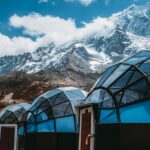
- Camp locations are planned, not improvised: you’ll trek to Yuncachimpa, Chaquicocha, and Wiñayhuayna with scheduled stops
- Day 3 shifts gears: you descend toward subtropical zones and visit multiple archaeological sites
- Day 4 starts in the dark: you go to Inti Punku for sunrise (weather permitting) before Machu Picchu touring
- Huayna Picchu costs extra: if you want that viewpoint, you must reserve ahead and pay the extra fee
Cusco to Km 82: the 5:30 a.m. start and the rules at the checkpoint
If you book the Inca Trail, you’re signing up for early mornings. Pickup from your hotel in the historic center is scheduled around 5:30 a.m. (Monday to Friday), then you travel by bus to Ollantaytambo.
The first “real” moment is the checkpoint at Km 82. Before the group begins the hike, you’ll present your passport and your license. If you’re eligible for student pricing, bring your student license too. This matters because it can’t be faked at the last second—your documents need to be ready when the control happens.
This tour is structured to keep you moving. You’re not doing a slow, sightseeing stroll. You’re doing a managed trekking route: bus to the start, controlled entry, then hours of hiking with planned lunch and camp logistics.
You can also read our reviews of more tours and experiences in Cusco
Day 1 to Yuncachimpa (about 11 km): Ollantaytambo, Miskay, and Llactapata views
Day 1 is rated moderate, and that label is useful. It’s tough enough to start teaching your body the rhythm, but it’s not the day where you’re fighting the steepest pass.
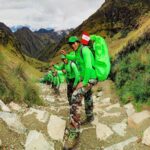
After the checkpoint, you hike through the early trail sections where Andes scenery becomes your main soundtrack. A key stop is Miskay, where you have lunch on the banks of a small river with a view of the archaeological center of Llactapata. Even if you don’t spend hours inside Llactapata itself on Day 1, that visual connection gives you a sense of what you’re walking through.
Then you cross the Valley of Cusichaca, heading toward Wayllabamba, trekking until you reach camp at Yuncachimpa around 3,300 m. Along the way, you’ll pass through zones at roughly 3,100 m (Wayllabamba is listed at that elevation), so you’re gaining altitude steadily.
Practical takeaway: Day 1 is the day to settle into pace. If you go out too hard on Day 1, Day 2 will punish you. If you go out calm, you’re more likely to enjoy the scenery and feel steady at camp.
Warmihuañusca Pass on Day 2 (about 15 km): strong effort, classic payoff
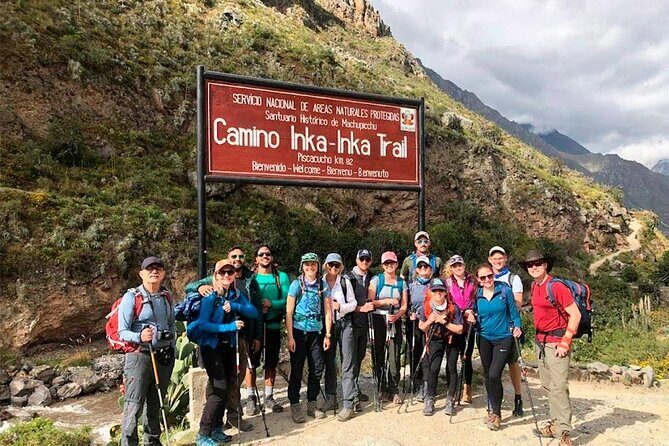
Day 2 is rated strong (challenge to get over). It’s the day that turns this into a true adventure, and it’s also the day with the highest pass area on the route.
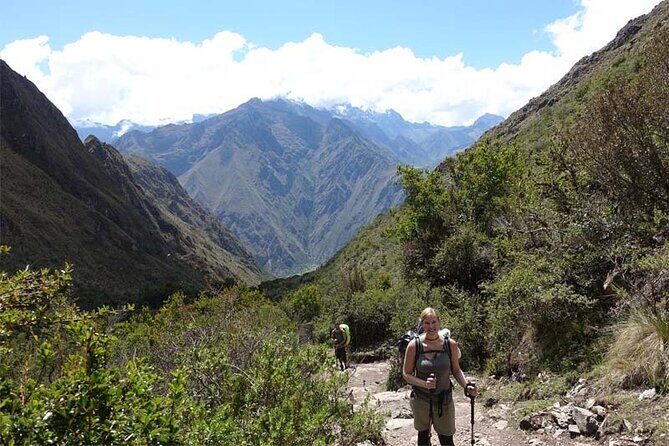
You start with breakfast (the package lists breakfast for three days, and Day 2 begins with a good breakfast before the climb). The walk begins through Llulluchapampa, and after about 3 hours of walking you begin the ascent to the Inca Trail’s highest point area: the Pass of Warmihuañusca, known as the Dead Woman pass, at about 4,200 m.
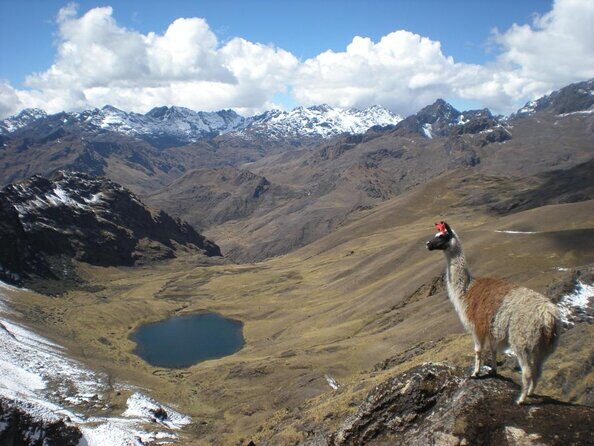
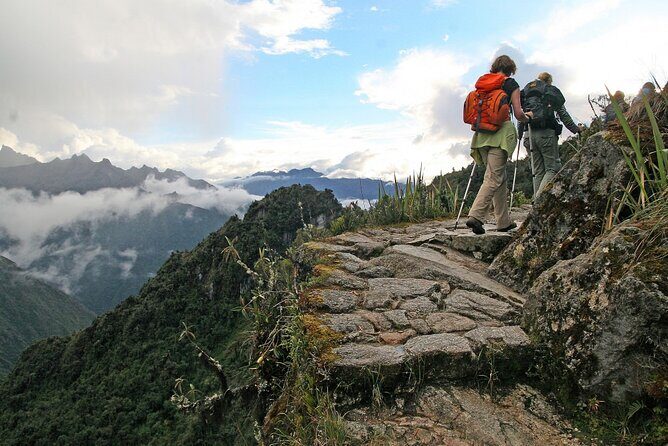
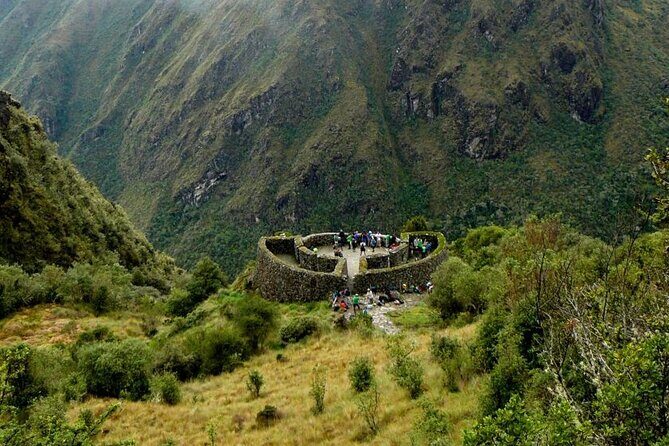
From there, you get panoramic views of the surrounding mountains and snow-capped peaks. Then the trail works in the Inca Trail way: climb, then descend. You head down toward the Valley of Pacaymayo, then continue through the pass of Runkurakay, before reaching Chaquicocha for camp around 3,650 m.
What this means for you: this is where trekking poles (if you rent them) can help you keep your footing on descents, and it’s where pacing matters most. Keep your effort steady. The climb is long enough that “hero mode” usually turns into huffing and wasted energy.
Also, remember that this is listed as about 9 hours of hiking. Even if you feel strong, you’re still committing most of the day.
Day 3 down toward the jungle zone (about 10 km): orchids, birds, and the Cloud City stop
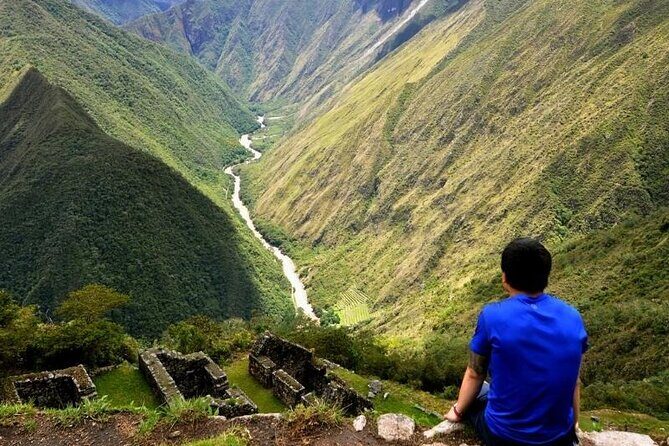
Day 3 is rated moderate, which makes it the “recover and enjoy” day for many people—though you’re still hiking.
The big change is that you descend until you reach subtropical jungle and you leave the Andes behind. The tour explicitly calls out more variety of flora like orchids and fauna like birds. That’s not just nature bragging—it’s a real shift in what you notice while walking. Instead of focusing on altitude drama, you may start noticing plant variety and bird calls as your cues that the environment has changed.
This day is also archaeological heavy. You visit Runcuracay, Sayacmarca, and Phuyupatamarka—listed as the City above the clouds at about 3,600 m. After that, you continue to Wiñayhuayna (listed as forever young) at about 2,650 m, where you stay for the last night.
A small caution: “moderate” doesn’t mean easy. You’re still moving for about 6 hours total. But compared to Day 2, you’re likely to feel the relief of dropping lower and getting a wider variety of things to look at.
Inti Punku sunrise and Machu Picchu touring on Day 4: timing, options, and Aguas Calientes
Day 4 starts extremely early: about 4:30 a.m. You travel to Inti Punku, the Door of the Sun, so you can view sunrise over Machu Picchu. And yes, it depends on weather—so don’t plan on sunrise as a guarantee. Plan on the experience anyway: it’s part of the meaning of the Inca Trail.
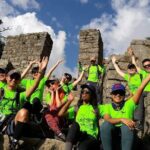
After the sunrise moment, you arrive at Machu Picchu. You’ll have enough time to tour the citadel together with the guide. This is valuable because Machu Picchu is not a place where you get the most out of it by wandering randomly. A guide helps you understand what you’re looking at and why the layout makes sense.
Then there’s an optional extra: you can ascend Huayna Picchu or Machu Picchu mountain, but you need to reserve in advance when you arrange the Inca Trail reservation. The extra listed cost for either is $35.
After that, you descend to Aguas Calientes (also called the area by Machu Picchu town). You get time to visit the thermal baths at Aguas Calientes and have time for lunch. Finally, you board the train back to Cusco. The return train is listed as about 4 hours, and you end back at the meeting point.
If you’re thinking about energy: Day 4 is long but not the hardest hiking day. It’s more about early hours, then site time, then a calmer wind-down in Aguas Calientes.
Price and value: what $900 covers (and what you’ll likely add on)
At $900 per person, this is a premium-style trek price. The good news is that the package reduces the big unknowns.
Included highlights that matter for your wallet and your stress level:
- Entrance tickets to the Inca Trail and to Machu Picchu
- Tents and mats, plus first aid supplies
- Group porter (so you’re not carrying everything)
- Downhill bus from Machu Picchu to Aguas Calientes
- Return train to Cusco
- Meals: lunch (3), breakfast (3), dinner (3)
A few things you should budget for separately:
- Breakfast on Day 1 is listed as not included (even though the Day 1 plan includes breakfast in Ollantaytambo, the package rules say Day 1 breakfast is not included—so assume you pay for that meal)
- Lunch and dinner on the last day are listed as not included
- Sleeping bag rental is $25 USD
- Walking poles are $15 USD
- Tips and insurance are not included
- If you want a personal porter, it’s optional $40 per day for up to 12 kilos max
- Huayna Picchu or extra mountain climbing is $35, and it needs advance reservation
Value lesson: this price works best if you want an organized trek without piecing together permits, camping gear, and key transport steps. If you already own trekking gear and you’re comfortable doing more planning yourself, you might compare options. But if you hate logistics, the included structure is exactly what you’re paying for.
Your fitness check: moderate vs strong days, plus altitude reality
This is a high-altitude trekking route, and the itinerary makes it clear you need to be ready.
The tour lists difficulty levels like this:
- Day 1: moderate, about 11 km
- Day 2: strong challenge, about 15 km, about 9 hours
- Day 3: moderate, about 10 km, about 6 hours
Altitude points included in the route:
- About 3,100 m at Wayllabamba
- Camp near 3,300 m at Yuncachimpa
- Pass area up to around 4,200 m at Warmihuañusca (Dead Woman)
- Camp near 3,650 m at Chaquicocha
- Phuyupatamarka listed around 3,600 m
- Camp at 2,650 m at Wiñayhuayna
My practical advice: Day 2 is the make-or-break day. If your cardio is good but your lungs hate altitude, you’ll still likely make it—just don’t rush. And if you’re someone who gets cold easily at night, plan for that, since you’re camping and sleeping outdoors with only what’s included (tents and mats).
The tour also says you should have strong physical fitness. That doesn’t mean you need to be an athlete. It means you should be confident in multi-hour hiking at a steady pace.
Guides, drivers, and the small-group feel (the part that affects your day)
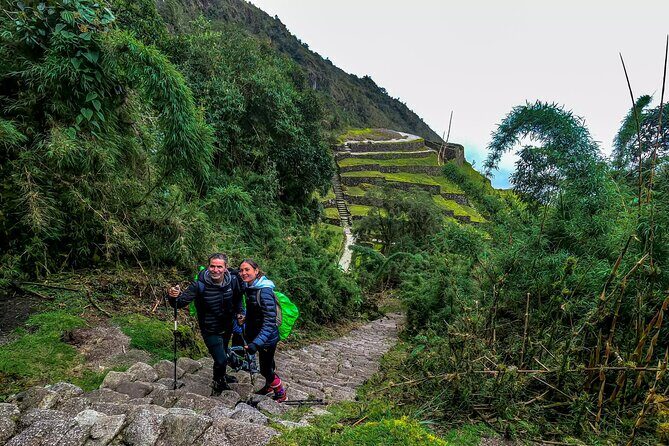
The tour caps at 10 travelers, which matters. Smaller groups tend to move more smoothly at checkpoints, during pacing, and on archaeological stopovers.
This is the kind of trek where a guide’s job isn’t just reading facts. It’s timing the group, keeping you on the right route, and answering questions while you still have energy. In the team stories, you’ll see names like Percy for guiding, and Fortunato for driving support, plus Katherine mentioned as part of the warm team attention.
Even if you’re not expecting a personal friendship vibe, you are benefiting from guided structure. That’s especially true on Day 4, when Machu Picchu touring time is limited and you want to know what you’re looking at before you walk off into the crowd.
Booking risks worth respecting: rare cancellations and how to protect your trip
Here’s the honest part. One documented experience involved a cancellation that happened close to departure time, leaving someone scrambling in Cusco. When that happens, it’s not a small inconvenience—it can wreck flight timing and hotel plans.
So how do you protect yourself?
- Keep flight and lodging plans with as much flexibility as you can
- Build in at least a little buffer time in Cusco around the trek start
- Don’t treat the start date as the only possible plan for Machu Picchu—have a backup idea for what you’ll do if weather or logistics force a change
The tour does say it requires good weather, and if canceled due to poor weather you’ll be offered a different date or a full refund. Still, I recommend trip planning that survives bad luck.
Should you book this 4-day Inca Trail to Machu Picchu trek?
Book it if you want a guided, properly staged Inca Trail with tickets, camps, meals, and key transport handled for you, and you’re ready for Day 2’s strong climb. The sunrise at Inti Punku plus guided time at Machu Picchu is a real combo, and the fact that the group stays small (max 10) helps the trek feel controlled instead of chaotic.
Skip it or think twice if you have very rigid schedules or you can’t absorb last-minute changes. And be clear-eyed about costs: you’ll likely add money for Day 1 breakfast, possibly a sleeping bag rental, and maybe Huayna Picchu if you want the extra viewpoint.
If you’re physically ready and flexible with your plans, this tour is the kind of trekking package that lets you focus on the trail and the ruins—without turning your vacation into a logistics spreadsheet.
FAQ
How many travelers are in the group?
The tour has a maximum of 10 travelers.
What time is pickup in Cusco for the Inca Trail?
Pickup is scheduled around 5:30 a.m. from your hotel in the historic center, with listed opening hours Monday to Friday from 5:30 a.m. to 7:00 a.m.
What is the highest point on the hike?
The highest pass area listed is Warmihuañusca (Dead Woman), at about 4,200 m.
Is Day 2 easy?
No. Day 2 is rated strong (a challenge to get over), with about 15 km of hiking and roughly 9 hours on the trail.
Do I need to bring a sleeping bag?
A sleeping bag is not included. You can rent one with the tour for $25 USD.
How much does Huayna Picchu cost if I want to climb it?
Huayna Picchu (or the Machu Picchu mountain climb) costs an additional $35, and it must be reserved in advance when you book.
What if the tour gets canceled?
This experience is non-refundable and cannot be changed for any reason. If the tour is canceled due to poor weather, you’ll be offered a different date or a full refund.