REVIEW · CUSCO
Sacred Valley Chinchero Moray Salineras Ollantaytambo with buffet
Book on Viator →Operated by Machupicchu Peru Company · Bookable on Viator
A Sacred Valley day trip that covers a lot. You’ll hit high-altitude Inca sites like Chinchero and Moray, then round it out with Ollantaytambo and Pisac—all with a bilingual guide (English and Spanish). I like how the route mixes daily Andean life with serious Inca engineering, from terrace farming to fortress design.
My other big win is the built-in break: a buffet lunch in Urubamba at the restaurant 14 inkas. One thing to plan for: the day is long (about 11 hours) and you’ll pay extra for site access—a partial ticket for Ollantaytambo, Pisac, Chinchero, Moray plus entry to the Maras salt mines.
In This Review
- Key highlights you’ll notice right away
- The big idea: an Inca engineering loop, paced for one day
- Chinchero: high views, the rainbow myth, and a stone wall in the plaza
- Practical note for Chinchero
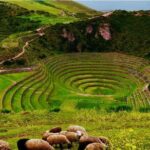
- Moray: circular terraces built like a farming experiment
- What you should look for while you’re there
- Maras salt pools: dramatic photos, plus trails and a colonial church stop
- Budget reality for Maras
- Urubamba lunch: buffet at 14 inkas and a real reset mid-tour
- How to make lunch work for you
- Ollantaytambo: fortress defense, water-worship temple, and steep staircase terraces
- Tips for enjoying Ollantaytambo without burning out
- Pisac: precision stonework and a ceremonial complex built to connect functions
- Price and tickets: what you’re really paying for
- Group size and pacing: how this feels in the real world
- Who should book this Sacred Valley tour
- Should you book Sacred Valley Chinchero Moray Maras Ollantaytambo with buffet?
- FAQ
- What does the tour include?
- How long is the tour?
- Are entrance tickets included for Chinchero, Moray, Ollantaytambo, and Pisac?
- Do I need to pay for Maras salt mines entry?
- How many people are in a group?
- What if the weather is poor?
Key highlights you’ll notice right away
- Chinchero’s Sunday market vibe with an indigenous village feel high above Cusco
- Moray’s circular terrace system used as a cultivation laboratory for microclimates
- Maras salt pools for photography, plus nearby walking/hiking-style trails
- Urubamba lunch with a buffet at 14 inkas to fuel a full day of walking
- Ollantaytambo and its fortress layout—designed to protect the valley entrance
- Pisac’s stonework and religious-complex design in one concentrated visit
The big idea: an Inca engineering loop, paced for one day
This tour strings together six stops across the Sacred Valley. The value is in the variety: you see agriculture, ritual space, defense, and daily community life without needing to chain together separate tickets and guides yourself. With hotel transfers in Cusco and a small group limit (up to 17), you’re not stuck in a giant crowd all day.
At about 11 hours, it’s a full-day commitment. That can be great if you’re on a tight schedule and want a fast, guided hit of the Sacred Valley. It can also feel like a lot if you’re sensitive to altitude or you dislike long bus rides. I’d treat it as a day to move smart: wear layers, hydrate, and plan your energy for the walking-heavy stops.
You can also read our reviews of more tours and experiences in Cusco


Chinchero: high views, the rainbow myth, and a stone wall in the plaza
Chinchero sits high (about 3,765 m) about 30 km from Cusco, in the plains of Anta. You get the setting right away: views back toward the Sacred Valley, with the Vilcabamba Range and the snowy Salkantay peak on the western horizon. Even if you don’t memorize every mountain name, the scale makes the sites make sense.
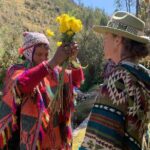
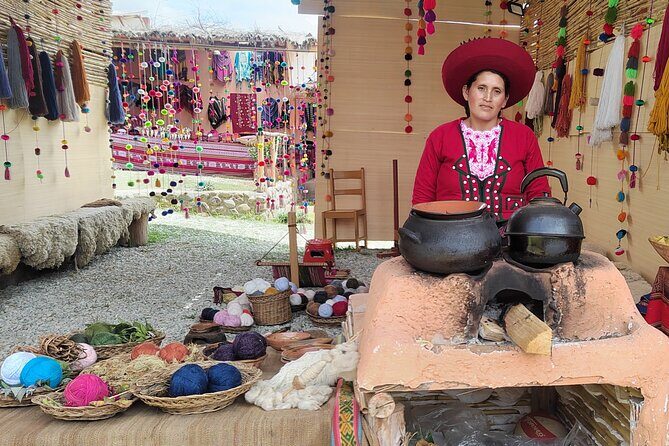
What I like here is that Chinchero doesn’t feel like a theme park. It’s an indigenous Andean village with mud-brick (adobe) houses, and locals still go about their day in traditional dress. The highlight for many people is the Sunday market, which is described as less tourist-oriented than Pisac’s market. If your timing lines up, it’s a strong chance to watch daily rhythm more than staged performance.
In terms of Inca remains, the main anchor is the huge stone wall in the central square with ten trapezoidal niches. It’s a specific detail that gives you a way to connect Chinchero to Inca-era organization, not just to scenery.
Practical note for Chinchero
Chinchero is about 2 hours. Plan for photo stops and slower walking. If you’re feeling altitude pressure, take breaks whenever your guide pauses for questions.
Moray: circular terraces built like a farming experiment
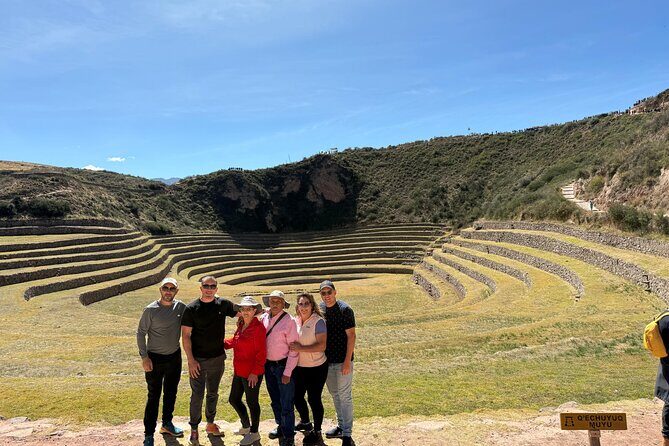
Moray is one of those places where Inca skill looks like science. After a short ride, you’ll arrive at the circular terraces—retaining walls with an irrigation system that feeds the different levels. The site is described as up to 330 feet deep, which helps explain why the terraces act like climate makers.
The key idea: Moray is a cultivation laboratory. The terraces create microclimates, so the Incas could grow different products in different conditions. When you stand there, it’s easy to see how clever water control and earth shaping can create practical results. It’s not just an impressive ruin; it’s a functioning concept.
What you should look for while you’re there
- How the circles step down and how water would flow through the design
- The way different levels could produce different heat and moisture conditions
- The overall logic: why build a repeatable system instead of one garden plot
Moray takes about 1 hour and the admission is not included in the base price (your tour info lists park entry costs separately).




Maras salt pools: dramatic photos, plus trails and a colonial church stop
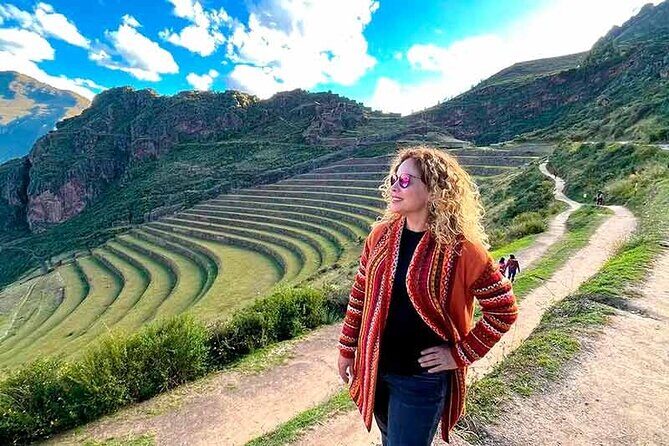
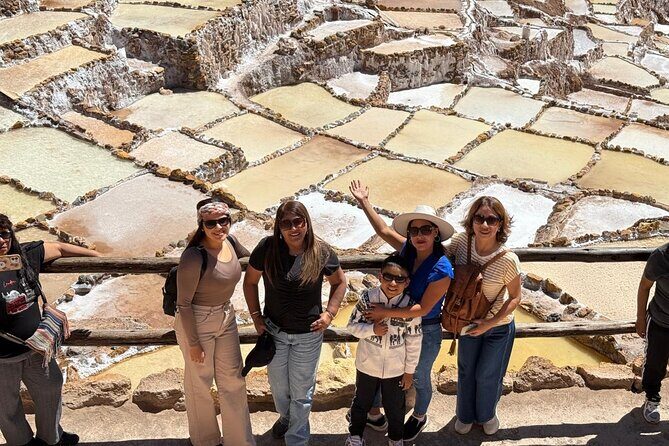
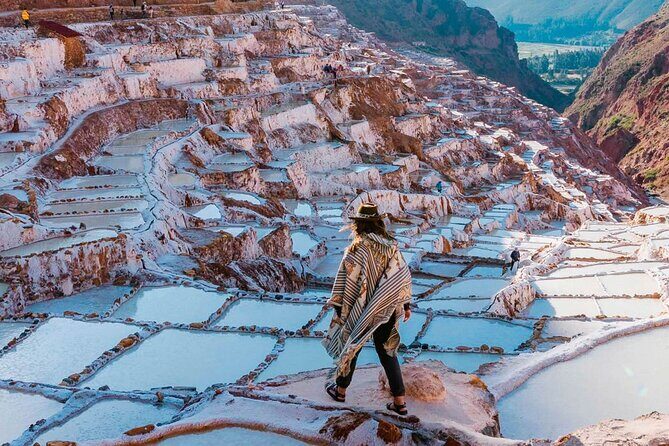
Next comes Maras and the famous salt pools. The site is reached via the rural community of Pichingoto. This stop is especially good if you love photos, because the salt basins spread out into a striking grid of pale shapes against the mountains.
This is also a good stop for active people. The information provided points out trails that connect the salt mines with the villages of Tarabamba and Pichingoto, which makes this less about standing still and more about choosing a route for your legs.
There’s another historical angle too: the Sanctuary of Tiobamaba, a colonial church built in adobe. It’s mentioned for interior paintings in Cusco style, including the Last Supper. So even if the salt pools are your main draw, you can also fit in a cultural stop.
Budget reality for Maras
Your tour notes two different lines that you should treat carefully: the Maras stop is marked as free in the stop description, but the overall package lists entry to Maras salt mines as not included at S/.20. Practically, bring the cash so you’re not stuck negotiating at the entrance.
Maras is about 1 hour—short enough that you’ll likely leave wanting more time, but long enough to get your photos.
Urubamba lunch: buffet at 14 inkas and a real reset mid-tour

After Moray and Maras, you’ll roll into Urubamba for rest and lunch—about 45 minutes of travel plus 2 hours on the ground. This is a smart design choice in a long day. You’re not just eating fast; you’re getting a sit-down reset so the afternoon feels manageable.
The lunch is a buffet at the restaurant 14 inkas. The tour info says it includes a variety of national dishes and typical local dishes, and it’s paired with soft Andean music. That combination matters because it keeps you comfortable and fed without turning the meal into a rushed checkpoint.
How to make lunch work for you
- Eat enough for the next two sites, but don’t overdo it if you’re altitude-sensitive.
- If you’re prone to getting cold in the Andes, wait a few minutes before stepping back outside.
- Use this time to ask your guide what to prioritize at Ollantaytambo and Pisac.
Ollantaytambo: fortress defense, water-worship temple, and steep staircase terraces
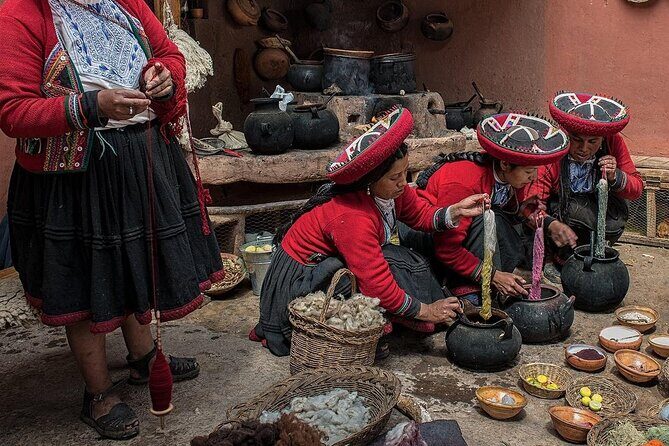
Ollantaytambo is a full-on Inca stronghold feel, and it’s one of the best places on this route to understand how design served survival. You’ll arrive after about 1 hour of transport, at an altitude listed around 9,160 feet. That altitude label is worth respecting: take it slow the first minutes.
The standout features listed are the ceremonial temple in water worship and a fortress guarding the valley entrance. The fortress is described as built between two mountains to repel invasion. It’s easy to see why that matters: you don’t just get a building; you get a defensive idea built into the geography.
You’ll also hear about several other key named areas:
- Temple of the Inti (sun god), Incamisana
- Baths of the Ñustas (princesses)
- Cachiccata funeral towers
- Very steep terracing on the hillside
There’s also mention of terraces that visitors climb through a steep staircase, which explains why this stop can feel more strenuous than it first sounds.
Tips for enjoying Ollantaytambo without burning out
Ollantaytambo is about 2 hours. Plan for uneven stone steps and steep climbs. If you want great views, don’t rush the climb—stop often, let your breathing settle, and enjoy the way the site layers upward.
Pisac: precision stonework and a ceremonial complex built to connect functions
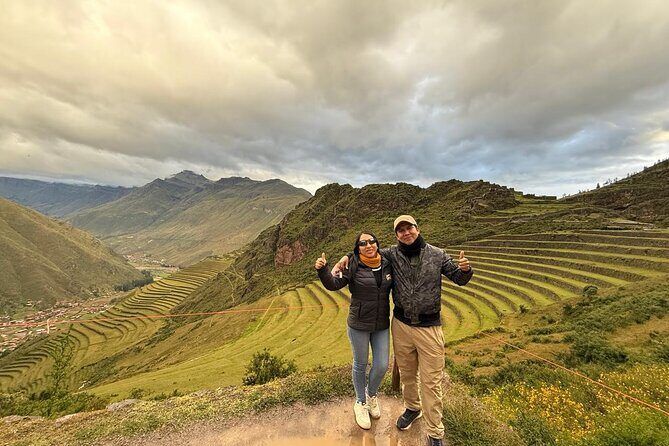
Pisac is where the tour shifts from fortification and farming-style engineering into a connected ceremonial layout. The stone block walls are described as having balanced proportions with perfect joints, creating a complex that holds your attention as a single integrated space.
The name detail is fun and practical: Pisac is said to come from Quechua, meaning partridge. Whether or not you care about the word origin, it gives you a cultural anchor while you look at the architecture.
The tour info also describes Pisac as a place with terraces, a ceremonial hall, palaces, walls, and towers—all connected “without amalgamation.” That phrasing points to something you can actually spot on-site: different functions, but designed to work together.
Another specific note: it’s described as the most important ceremonial and religious site in Pisac, with buildings made of sedimentary rocks. If you’re the type who likes to connect materials to place, that detail helps you notice how the builders chose stone and how it weathers over time.
Pisac is included as a 2-hour stop, with admission not included in the base price (park entry is handled via the partial ticket package).
Price and tickets: what you’re really paying for
The base price is $34.00 per person for an approximately 11-hour day, with hotel transfer in Cusco, a bilingual guide, and lunch buffet in Urubamba. That’s a lot of guided time packed into one itinerary, and it’s usually what you’re paying for on a Sacred Valley day trip: transport, timing, and interpretation.
Then there are add-ons:
- Partial Ticket III (S/.70) for Ollantaytambo, Pisac, Chichero, Moray
- Maras salt mines entry (S/.20)
So the real cost isn’t just the $34. It’s the $34 plus those entrance fees. I like the idea of bundling several sites with one ticket, because you don’t waste time hunting down separate entry points. Just make sure you know the ticket situation before the day starts.
Group size and pacing: how this feels in the real world
With a maximum of 17 travelers, you get a workable balance: you’re not alone, but you also don’t feel like you’re waiting behind a long line. The pacing is designed to keep moving through six places in one day, with the biggest emphasis on guided explanation at the sites you actually walk.
The tour is also described as suitable for most travelers. Still, the altitude varies. Chinchero starts at 3,765 m, Moray is in the same region, and Ollantaytambo is listed around 9,160 feet. If you’re new to altitude, take it seriously: slow your pace and don’t treat the day like a casual stroll.
Who should book this Sacred Valley tour
This one fits best if:
- You want a guided sampler of the Sacred Valley without planning bus routes and entrance logistics yourself
- You like seeing how the Incas engineered food and water systems (Moray and terrace thinking)
- You’re excited by both archaeology and everyday village atmosphere (Chinchero’s local market feel)
- You want a midday lunch stop with time to reset rather than eating on the run
If you hate long days or you’re walking-averse, you might find the 11-hour schedule and steep climbs at Ollantaytambo to be too much. In that case, you’d probably prefer a slower, fewer-stop itinerary.
Should you book Sacred Valley Chinchero Moray Maras Ollantaytambo with buffet?
I’d book it if you’re in Cusco for a limited time and want strong coverage: Chinchero + Moray + Maras + Urubamba lunch + Ollantaytambo + Pisac in one clean loop. The guide format (English and Spanish) plus the included lunch makes it feel like a complete day rather than a checklist.
Before you commit, do two things:
- Plan your budget for the partial ticket (S/.70) and Maras (S/.20).
- Be ready for altitude and stairs, especially at Ollantaytambo.
For a first Sacred Valley day, this route gives you a lot of “why it matters,” not just “look at that wall.”
FAQ
What does the tour include?
The tour includes hotel transfer in Cusco, a bilingual guide (English and Spanish), a guided tour, and a lunch buffet in Urubamba at the restaurant 14 inkas.
How long is the tour?
The duration is about 11 hours.
Are entrance tickets included for Chinchero, Moray, Ollantaytambo, and Pisac?
No. A partial ticket (S/.70) is listed for those four archaeological parks: Ollantaytambo, Pisac, Chinchero, and Moray.
Do I need to pay for Maras salt mines entry?
Yes. Entry to the Maras salt mines is listed as not included, at S/.20.
How many people are in a group?
The maximum group size is 17.
What if the weather is poor?
The tour is described as requiring good weather. If it’s canceled due to poor weather, you’ll be offered a different date or a full refund.