REVIEW · CUSCO
4-Day Inca Trail Tours to Machu Picchu
Book on Viator →Operated by Tierras Vivas · Bookable on Viator
Machu Picchu begins on a steep trail. This 4-day Inca Trail route from Cusco (starting at Km 82) to Machu Picchu is interesting because it blends serious hiking with guided archaeology—so you understand what you’re walking past. I like the small-group, personal service feel, and I also really appreciate the camp setup and high-quality meals. The main drawback is simple: it’s physically demanding, and altitude makes Day 2 a real test.
Before you even hit the first trail step, you’ll start early—a 4:30 am start—and you’ll do document checks at the trail entrance area. Permits and Machu Picchu tickets are included, which removes a lot of the usual stress. One practical consideration: the shuttle bus from Machu Picchu to Aguas Calientes is not included, even though you’ll make that connection on Day 4.
If you’re generally healthy and have a moderate fitness level, you’ll likely be okay—just don’t underestimate the altitude. You’ll also want to plan for missing items like a sleeping bag and hiking poles, since those aren’t provided. The good news is that the trail crew, cooking team, and guide support are built around keeping the experience smooth and human, not rushed.
In This Review
- Key things I’d plan for before you go
- Price and value: what $825 really covers
- Km 82 to Wayllabamba: Day 1’s orientation and the first archaeology stop
- Day 2: Warmiwañusca (Dead Woman) at 4,200 m and the Pacaymayo reset
- Day 3: Runkuraqay, Sayacmarca, Phuyupatamarca, and Wiñayhuayna
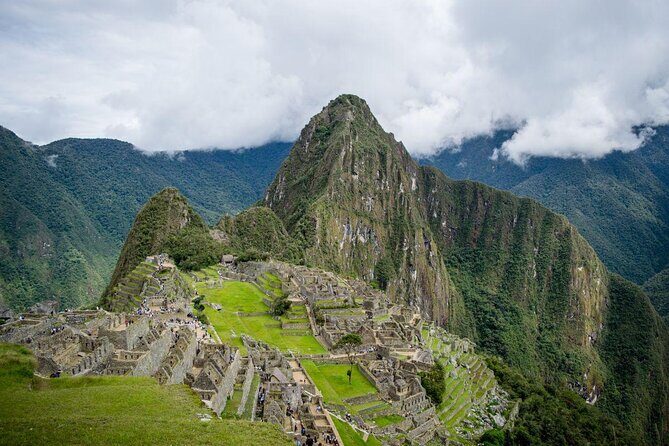
- Day 4: Sun Gate (Inti Punku) first, then Machu Picchu’s big hits
- Camps and food: where this trek quietly wins
- The guide-porter-chef team: why names like Julio and Auriol matter
- Altitude and fitness: your real checklist for Day 2 and Day 3
- Gear and small but important logistics
- Booking timing: 500 per day, plus July and August pressure
- Should you book this Inca Trail tour to Machu Picchu?
- FAQ
- What time does the tour start?
- How do I get from Cusco to the start of the Inca Trail?
- Are Inca Trail permits and Machu Picchu tickets included?
- Is water included on the trek?
- What gear should I bring since sleeping bag and hiking poles aren’t included?
- Can I get a refund if I cancel?
Key things I’d plan for before you go
- Small-group guiding keeps you moving at a pace that actually makes sense on steep sections.
- Permits and Machu Picchu tickets included so you’re not scrambling for logistics.
- High camp comfort for a trek: your own double tent and air roll mattress.
- Food quality is a big deal (real sit-down meals in the middle of nowhere).
- Water is provided daily after the first hours—but you still need to carry early on.
- Day 2 is the altitude gut check, with Warmiwañusca (Dead Woman) at about 4,200 m.
Price and value: what $825 really covers
At $825 per person, this trek is not a budget option. But compared to what most people end up paying when they piece together permits, guided service, camping gear, meals, and the Machu Picchu route, it looks like solid value.
Here’s what you’re getting that’s expensive or annoying to DIY:
- Inca Trail permits plus Machu Picchu tickets (a big part of the cost and stress).
- A trained bilingual tour guide and a trekking chef.
- Camping for 3 nights with tent setup, chairs/tables, and cooking equipment.
- Porters to carry food, camping, and cooking gear (so your pack stays sane).
- Daily meals across the trek (3 breakfasts, 3 lunches, 3 dinners) and hot beverages in the afternoon.
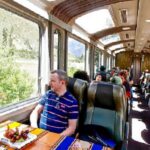
- Train from Aguas Calientes to Ollantaytambo, plus a tourist bus from Ollantaytambo back to Cusco.
- A first aid kit including emergency oxygen bottle.
What you should budget extra for:
- Your sleeping bag and hiking poles (not included).
- The shuttle bus from Machu Picchu to Aguas Calientes.
- Travel insurance (also not included).
- Tips and other extras not spelled out.
When a tour includes permits, tickets, food, and transport, your money buys time and certainty. That’s the real value on the Inca Trail, where reservations and timing matter.
You can also read our reviews of more tours and experiences in Cusco
Km 82 to Wayllabamba: Day 1’s orientation and the first archaeology stop
Day 1 starts with a hotel pickup in the morning and a drive across towns like Chincheros, Urubamba, and Ollantaytambo. You end up at Chilca / Km 82, where you’ll get an explanation and recommendations for starting the trek. This is also where you show your documents for the Inca Trail control process. Don’t treat this as a formality—arrive ready with what you need.
Once you’re oriented, you’ll stop for lunch for about 1 hour 30 minutes. Then the walking begins toward your first camp in Wayllabamba. It’s not the steepest day, which is exactly what you want on Day 1. You’re building rhythm while your body starts adjusting to altitude.
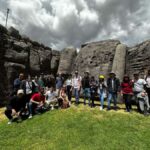
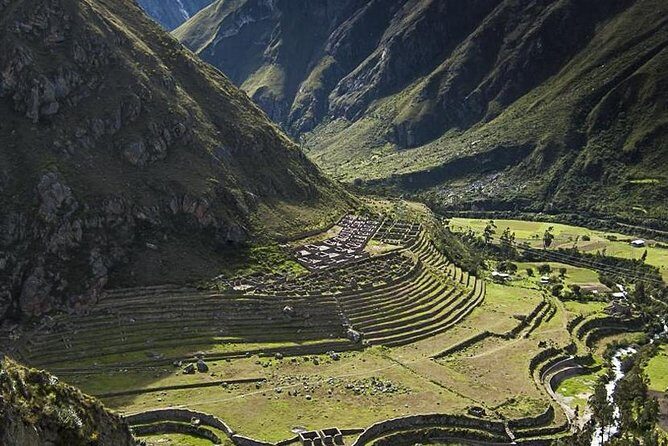
A highlight on this day is a guided visit to the Llactapata Archaeological Group. This matters because it breaks the day up in a way that feels meaningful. You’re not just marching. You’re learning how the Incas shaped and used these mountain spaces, and you’re getting context before the tougher passes.
Small drawback to keep in mind: you’ll still have an early-morning start and a long travel day before you hike. Plan to keep your energy steady and avoid trying to cram extra plans into the day in Cusco before pickup.
Day 2: Warmiwañusca (Dead Woman) at 4,200 m and the Pacaymayo reset
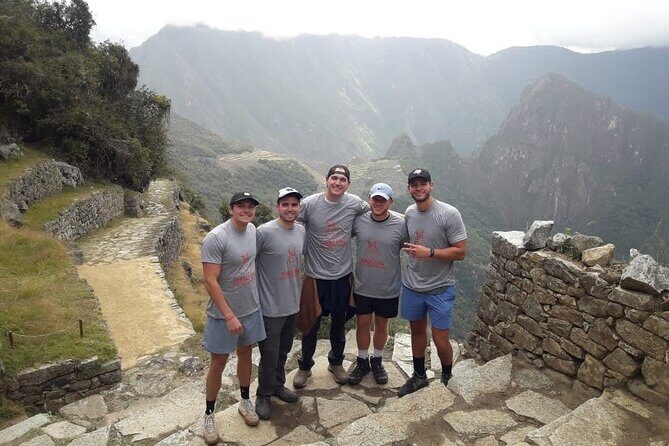
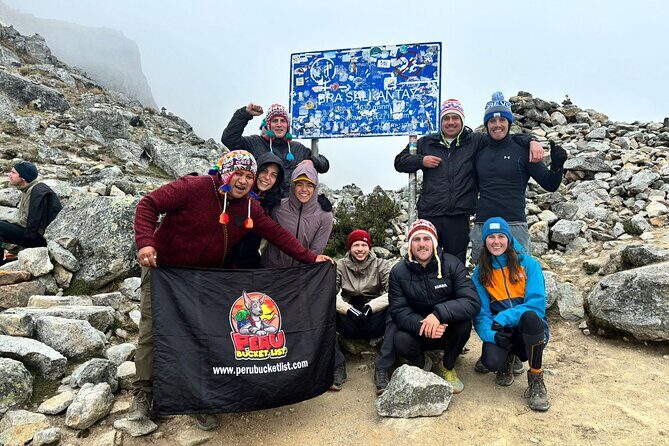
Day 2 is where the trek earns its reputation. After breakfast, you hit the hardest part of the road with a steep climb, then about 3 hours of walking until the first major high point: Warmiwañusca (Dead Woman), around 4,200 m.
This is the moment that makes the whole journey feel real. The views from that elevation can be dramatic, and you’ll also feel that quiet satisfaction of getting to the highest point of the day. But let’s keep it practical: at 4,200 m, breathing and pacing matter more than speed.
After that rest, you descend to Pacaymayo for lunch, then camping and dinner. The shift from climb to descent is what helps your legs recover. It’s also a mental payoff day—hard work up top, then a calmer evening with camp life kicking in.
What I’d watch for: altitude stress can show up as headache, nausea, or just a weird fatigue that makes everything feel harder than expected. You can’t control the altitude, but you can control your pace, water intake, and how stubborn you get.
Day 3: Runkuraqay, Sayacmarca, Phuyupatamarca, and Wiñayhuayna
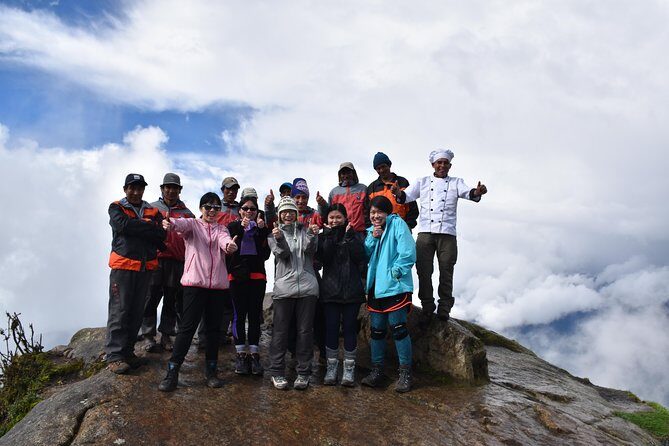
Day 3 keeps you moving through some of the most atmospheric Inca sites on the route. You’ll start with an energetic breakfast and begin ascending to the second highest part of the route at about 3,800 m.
During the walk, you’ll get a guided tour of the archaeological zone of Runkuraqay. The route is the message here: you’ll see traces of Inca culture as the terrain changes, not as a standalone photo stop.
Next comes Sayacmarca, where you’ll have lunch. After lunch, the scenery shifts from dry, mountainous areas into greener, more tropical-looking surroundings. That change is subtle when you’re focused on walking, but it tends to land once you stop and notice how the air and vegetation feel different.
Then you reach Phuyupatamarca, often described as a village in the clouds. You’ll have time for a short walk there, and it’s one of those spots that turns the trek from “hard hike” into “wow, this is why people come.”
The day ends at the last campsite: Wiñayhuayna, where you’ll have dinner and spend the night. This night is important because it sets the tone for Machu Picchu day. You want your body rested enough to enjoy the Sun Gate moment, not just survive it.
Day 4: Sun Gate (Inti Punku) first, then Machu Picchu’s big hits
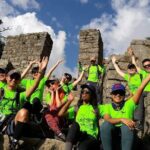
Day 4 begins after breakfast with a walk through the forest for about an hour to Inti Punku (Sun Gate)—known as the entrance door to Machu Picchu. Even if you’ve seen Machu Picchu photos, the first view from the Sun Gate angle hits differently. It’s not just a viewpoint. It’s the feeling of arrival after days of effort.
From there, you’ll head into Machu Picchu for a guided tour of the citadel. The tour focuses on the main remains and monuments, including:
- Main Square
- Circular Tower
- Sacred Solar Clock
- Royal quarters
- Temple of the Three Windows
- Cemeteries
A guided format matters here because these places aren’t arranged randomly. You’ll understand how people moved and worshiped in the city, and the route makes more sense once someone explains what you’re looking at.
After your time inside the citadel, you’ll descend from Machu Picchu to Aguas Calientes to board the train back to Ollantaytambo. A representative meets you at Ollantaytambo and takes you back to your hotel in Cusco via tourist bus.
One practical catch: the shuttle bus from Machu Picchu to Aguas Calientes is not included. Build a little buffer into your thinking so the last step doesn’t feel like a surprise.
Camps and food: where this trek quietly wins
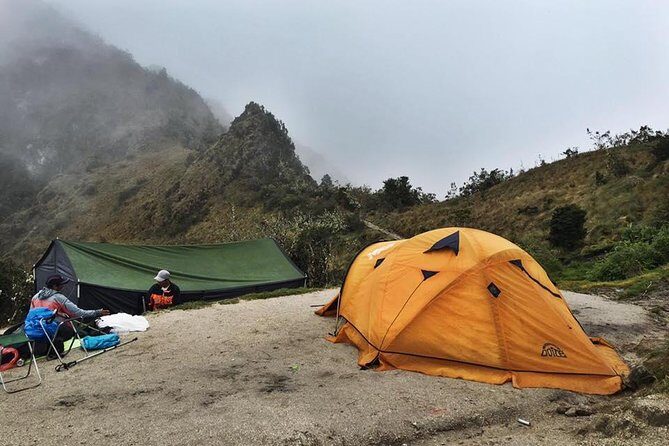
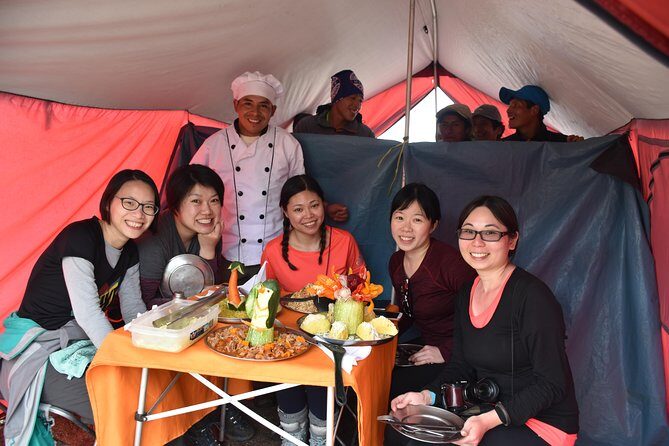
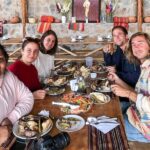
This is one of the best parts of this experience, based on the strongest positive feedback connected to the program. The food isn’t treated like fuel you barely swallow. It’s treated like a real meal.
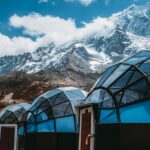
On the trail, your days include breakfasts, lunches, dinners, and afternoon hot beverages. Camps include the essentials you actually need after a long day: cooking setup, dining and toilet tents, and chairs/tables so you’re not eating your dinner while standing.
Comfort items are also part of the value:
- You get personal double tents (described as a 4-person tent arrangement for more comfort).
- An air roll mattress is included.
- Hot beverages and water are handled as part of the service.
A key practical detail: water is provided every day, but not during the first 4 hours of the trek. That means you need to carry your own water early on. Don’t ignore this. It’s the simplest way to prevent a minor problem from turning into a miserable one.
Food highlights I’d point out specifically:
- People noted the quality as top restaurant-level, not “camp food.”
- There’s mention of a four-course meal experience at one of the evenings.
- One reviewer loved an iced cake on the last night, which is the kind of small morale boost you remember.
If you’ve done hard treks where dinner feels like paperwork, this camp setup is a big reason to choose a full-service operator instead of scrambling for cheaper basics.
The guide-porter-chef team: why names like Julio and Auriol matter
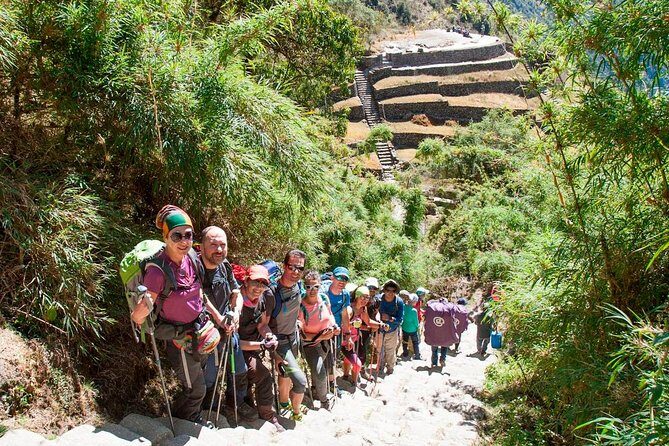
The tour credits an experienced bilingual tour guide and trekking chef, plus porters who carry food and camp equipment. That structure matters because it determines how the experience feels at each step of the journey.
I’d pay attention to the guide’s style. In the feedback tied to this specific operator, guides like Julio and Auriol were singled out for teaching and patience. Julio was praised not just for route knowledge, but for bringing Inca culture to life, including details about medicinal plants. Auriol was highlighted as patient and unhurried—especially helpful if you’re not used to trekking at sea-level fitness and you need time to adjust your pace.
Chef and cooking quality also came up, with Agapito mentioned as a cook who created great meals with limited resources. That’s not an easy job on the trail, and it shows up in how you feel at night: tired, yes, but satisfied.
Porters also made a difference in how heavy the trek felt. When porters handle tents, cooking equipment, and food, you’re free to focus on walking and acclimating instead of managing a pack that’s too heavy.
Altitude and fitness: your real checklist for Day 2 and Day 3
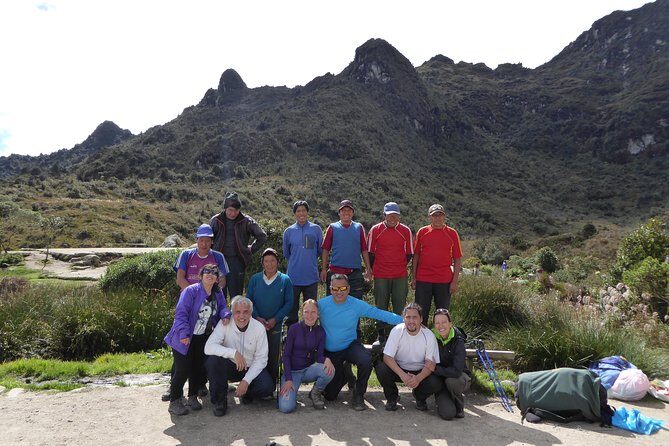
Even with the best crew and camps, the Inca Trail is still a high-altitude trek. The highest point listed is about 4,200 m at Warmiwañusca on Day 2, and Day 3 climbs to about 3,800 m.
Here’s the practical approach I’d take:
- Start slow on climbs. The people who feel best usually walk like they’re saving something for later.
- Take rests when offered. It’s not laziness. It’s altitude management.
- Plan for altitude symptoms and ask your doctor ahead of time if you’re worried. The tour notes that if you suffer from altitude sickness, bring necessary medicine and consult your doctor before your tour.
Fitness-wise, the trek is aimed at travelers with moderate physical fitness. That’s encouraging, but “moderate” in the Andes still means you should be comfortable with long uphill days and a full early morning start.
Gear and small but important logistics
This tour includes a lot of camp and kitchen support, but it leaves a few key items for you:
- Sleeping bag: not included
- Hiking poles: not included
- Extra porter for carrying up to 7 kg of personal belongings: not included
You should also remember the water note: you’ll need to carry water for the first 4 hours of the trek each day, since bottled water support starts after that early window.
Also check the vegetarian option: if you’re a vegetarian, you should advise at the time of booking so the kitchen can plan.
Booking timing: 500 per day, plus July and August pressure
The Inca Trail has strict capacity limits. The tour information notes that Peru’s government proposed limiting the number of trekkers to 500 per day, with an extra 200 allowed during July and August. In plain terms: the popular months get crowded fast.
So I’d book well in advance—weeks or months ahead—especially if you want a specific start date. This isn’t a trek you want to treat like a spur-of-the-moment decision.
Should you book this Inca Trail tour to Machu Picchu?
Book it if you want a guided, high-structure trek with the key parts handled: permits, Machu Picchu tickets, meals, camping comfort, and the rail/bus return. If you care about food quality and want your evenings to feel like more than survival, this one has the right ingredients.
Skip or choose another option if you know you’re sensitive to altitude and you haven’t planned how to manage it. Also, if you’re the type who hates waking up early, this route’s 4:30 am start will test your patience.
For most people with moderate fitness who want a classic Inca Trail experience with strong guide support and well-run camp logistics, this is a very good bet.
FAQ
What time does the tour start?
The start time is 4:30 am.
How do I get from Cusco to the start of the Inca Trail?
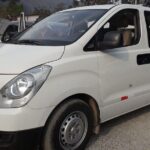
The tour includes hotel pickup in the morning and a tourist vehicle to the initial point of the Inca Trail at Km 82.
Are Inca Trail permits and Machu Picchu tickets included?
Yes. Inca Trail permits and Machu Picchu tickets are included.
Is water included on the trek?
Water is provided every day, excluding the first 4 hours of the trek when you need to bring your own.
What gear should I bring since sleeping bag and hiking poles aren’t included?
You should bring your own sleeping bag and hiking poles. The tour also notes that you should bring any necessary medicine if you’re prone to altitude sickness.
Can I get a refund if I cancel?
No. This experience is non-refundable and cannot be changed for any reason. If you cancel or request an amendment, the amount you paid will not be refunded.