REVIEW · CUSCO
Full-Day Condor Viewpoint & Inca Sites Tour
Book on GetYourGuide →Operated by Inkayni Peru Tours · Bookable on GetYourGuide
Cusco’s sky gets serious today. This full-day tour strings together Inca ceremonial sites and a hike above the Apurímac Canyon, then caps it with Andean-condor viewing. I love how the day stays focused: you’re not bouncing randomly, you’re moving along a clear story line through Peru’s high valleys and dramatic geography.
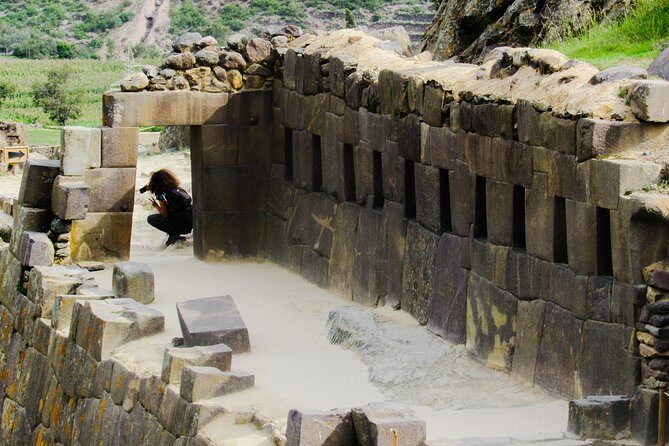
What also works for me is the chance to see two archaeological stops, Quillarumiyoc and Tarawasi, both tied to how the Incas watched the heavens. They’re not just photo stops. You’ll get explanations from a professional guide as you walk and look.
The main thing to watch is physical fit. The schedule includes time at high altitude and a canyon-edge hike, and it’s not suitable for people with back problems.
In This Review
- Key highlights you’ll feel in your day
- From Cusco’s altitude to Limatambo’s farms: how the day starts
- Quillarumiyoc and Tarawasi: the Incas watching the sky
- Limatambo lunch: fuel before the climb
- Up to Chonta: the Andes set the mood
- The Apurímac Canyon hike: walking beside one of the world’s deepest gorges
- Huaco Viewpoint and condors: watching thermal magic up close
- Wildlife viewing hour: scan, pause, and let your eyes adjust
- Timing, duration, and the reality of a full 12-hour day
- Price and value: is $159 for this day fair?
- What to bring so the day feels easier
- Who this tour fits best (and who should skip it)
- Should you book this Condor and Inca Sites day tour?
- FAQ
- How long is the Full-Day Condor Viewpoint & Inca Sites Tour?
- Where do I get picked up in Cusco?
- What language is the live tour guide?
- What Inca sites are included?
- Is lunch included?
- Is the tour private?
- Is the tour suitable for people with back problems?
- What should I bring?
Key highlights you’ll feel in your day
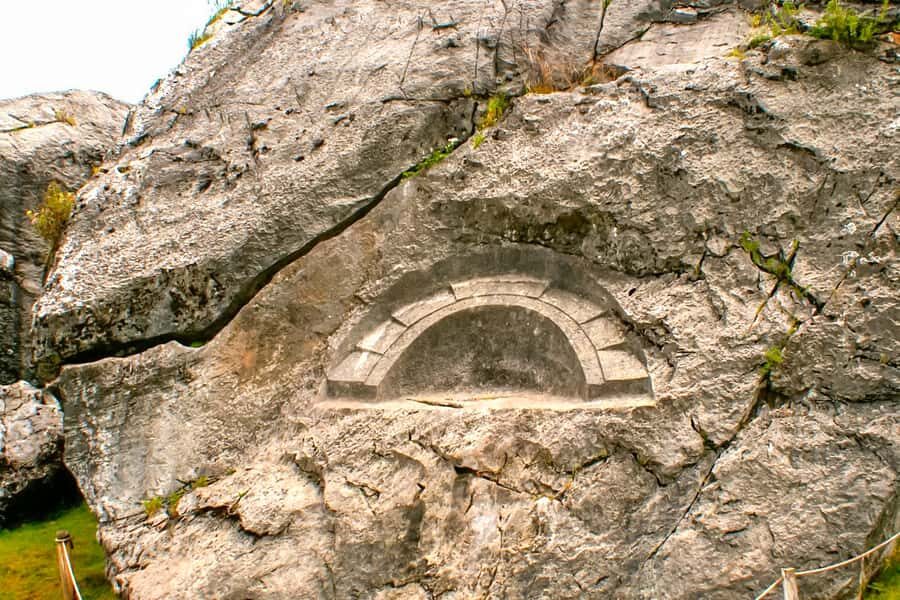
- Quillarumiyoc and Tarawasi: Inca sites described as ceremonial centers and astronomical observatories
- Apurímac Canyon edge hike: you’ll follow a trail with native flora and canyon views
- Huaco Viewpoint timing: built around one of the best places to watch Andean condors ride thermal currents
- Wildlife viewing time: a dedicated hour to scan the gorge for birds like eagles and hawks
- All-in logistics: Cusco pickup/drop-off, private transportation, entrances, and a box lunch
From Cusco’s altitude to Limatambo’s farms: how the day starts
This tour begins in central Cusco, with pickup options near Iglesia del Triunfo in the Centro Histórico area. You’ll head out toward the Limatambo valley, and that first stretch matters. Cusco sits high at 11,152 ft / 3,399 m, and as you move through the valley and then back up, your body will notice the altitude changes even if you don’t feel awful.
I like the way the route eases you into the day: first a cultural pass through Inca sites, then a real meal stop in the countryside before climbing again. If you’re the kind of traveler who hates scrambling for timing, this format feels sensible. You’re guided, transported, and fed, so you can focus on seeing.
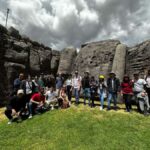
You’ll likely have a professional guide in English or Spanish during the day, which is a big deal if you want the sites to make sense beyond the rocks. With a private group, it also tends to feel less rushed and more like you can ask what you’re actually looking at.
You can also read our reviews of more tours and experiences in Cusco
Quillarumiyoc and Tarawasi: the Incas watching the sky
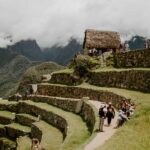
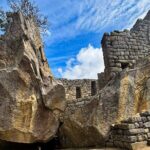
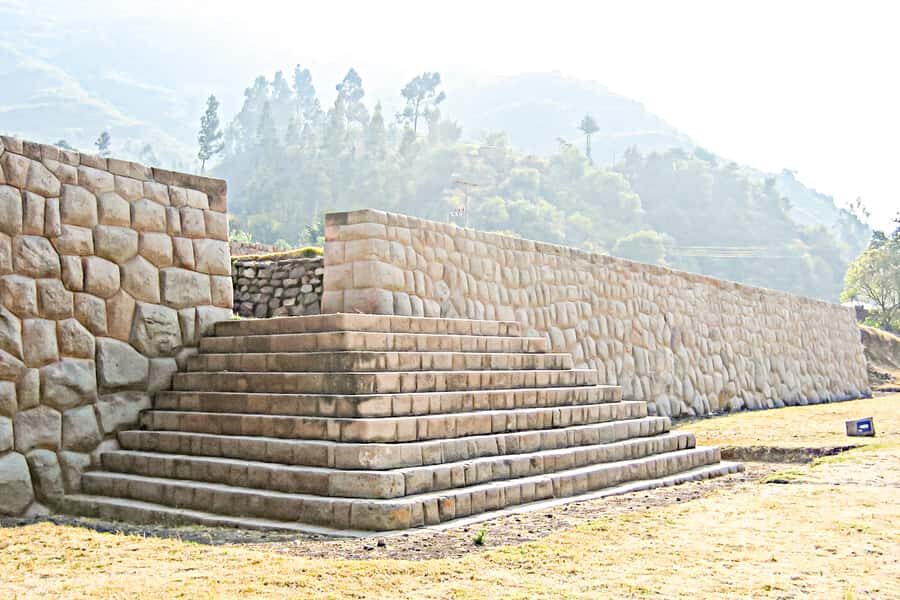
Two of the most interesting parts of this itinerary are Quillarumiyoc and Tarawasi. Both are presented as sites that served ceremonial purposes and also worked as astronomical observatories. That combination is what makes them more than an ancient ruin detour.
Here’s the value for you: Incas didn’t just build for shelter. They built to track the sky—because seasons, agriculture, and ceremony all tied back to astronomy. When you visit places like these with a guide, you start to notice how sightlines, positioning, and the surrounding terrain can matter just as much as the stones.
There’s also a practical benefit: these stops give you a historical anchor early in the day. By the time you’re standing above the canyon later, you’ll have a better sense of how the region’s culture connected people to landscape, weather, and celestial cycles.
What to consider: archaeological sites can vary in how walking-heavy they are, and you’ll be at altitude already. Wear comfortable footwear and don’t treat this like a casual stroll if your body is slower to adjust.
Limatambo lunch: fuel before the climb
After the archaeology stops, you’ll reach Limatambo, a peaceful village surrounded by countryside. You get a well-earned lunch there, served as a box lunch with local flavors.
This matters more than you might think. The day includes an active segment at higher elevations afterward. If you’re used to skipping breakfast and then trying to power through hikes, plan to eat well at this stop. Even if the box lunch isn’t gourmet, it’s timed to keep you moving.
One more practical point: you’re not just eating. You’re also getting a chance to reset—use the restroom if available, drink water, and take a moment to mentally switch gears from “heritage” to “hike and viewpoint.”
Up to Chonta: the Andes set the mood
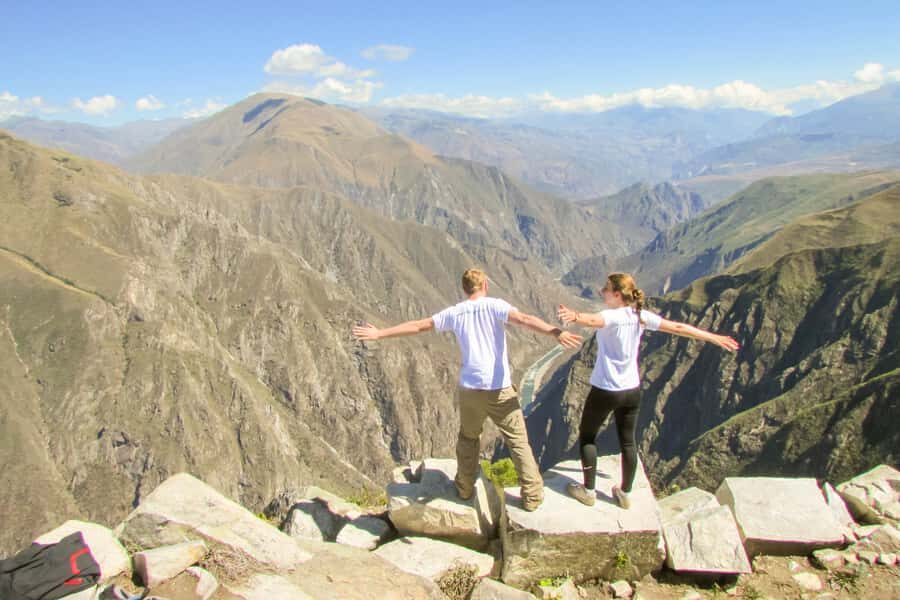
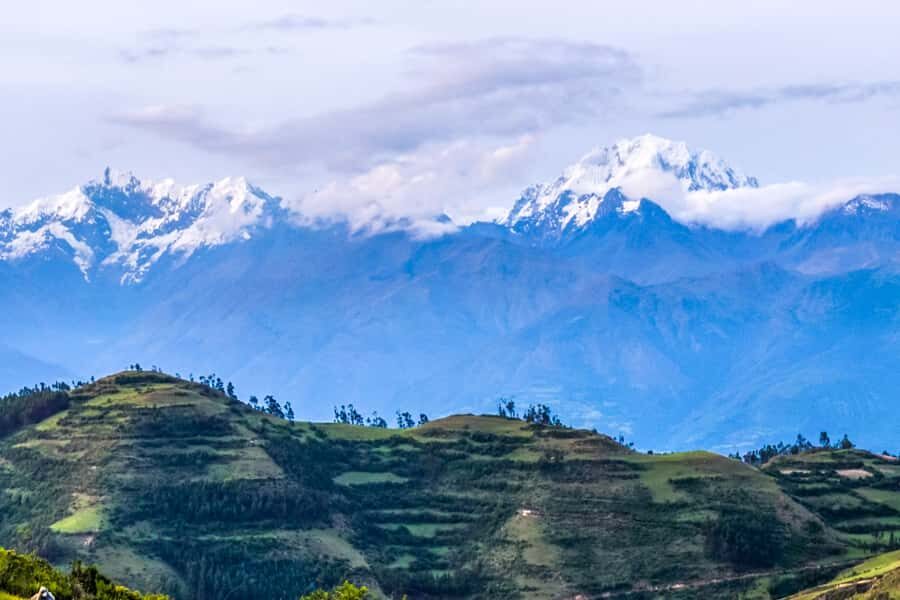
Next you’ll go higher into the Andes toward Chonta (listed at 11,975 ft / 3,650 m). Chonta is described as an Andean community with breathtaking views of the Salkantay and Humantay mountains.
This portion of the day is where the scenery turns from valley-to-canyon. And in Peru, that transition can feel dramatic: suddenly the world looks bigger, the air feels thinner, and the sky seems closer.
You’ll also have a short guided buffer time at this altitude. The hike begins from here, and that starting elevation is part of why the tour works best with a calm pace. Don’t fight your breathing. Walk steady. Take short pauses if you need them.
The Apurímac Canyon hike: walking beside one of the world’s deepest gorges
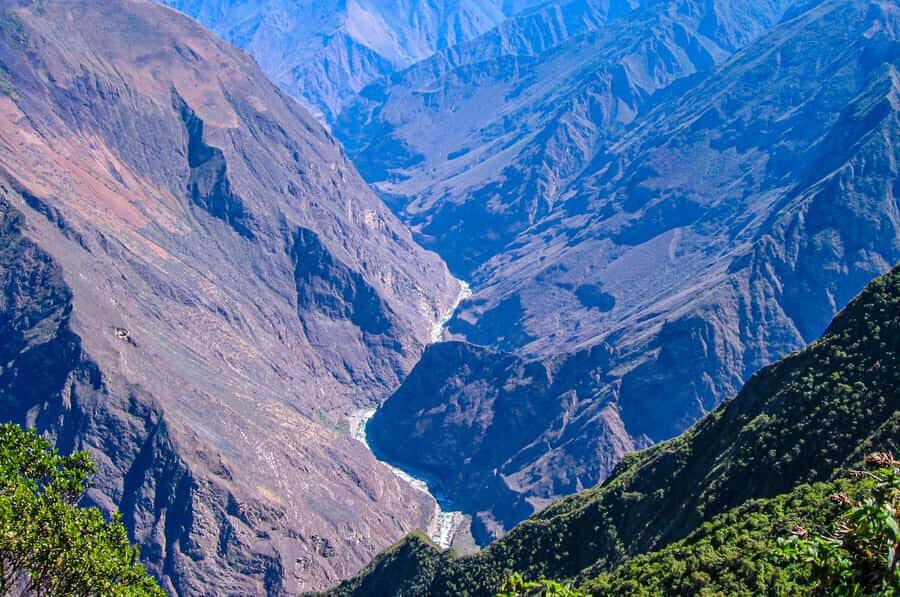
The active part of the day is the scenic hike along the edge of the Apurímac Canyon. The hike is listed as 1.5 hours, and the tour describes the trail as running alongside native flora, with occasional bird sightings overhead.
This is one of the tour’s strongest offers because you’re not just looking from a bus window. You’re on a trail where your eyes keep dropping toward the gorge and then snapping back up to the sky for movement.
A canyon-edge hike is also where your comfort equipment counts. Bring layers. Sunscreen matters because you’re high and exposed. A sun hat helps. And keep your camera ready, because the view does not sit still for long—clouds, light, and birds all change quickly.
What to consider: the route includes time at altitude and a hike that you should treat as moderate. The tour is also not suitable for people with back problems, and if you have any other mobility concerns, you should factor that in before booking.

Huaco Viewpoint and condors: watching thermal magic up close
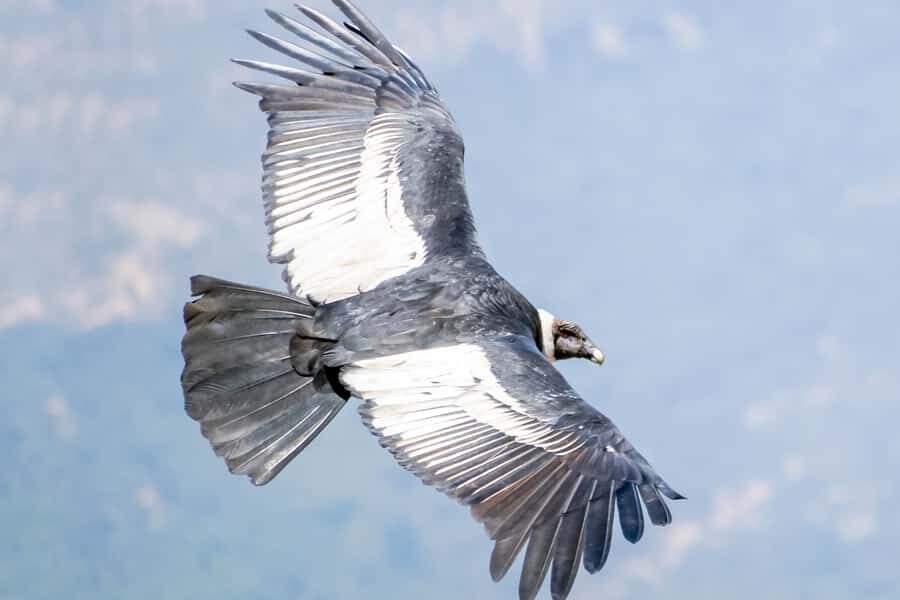
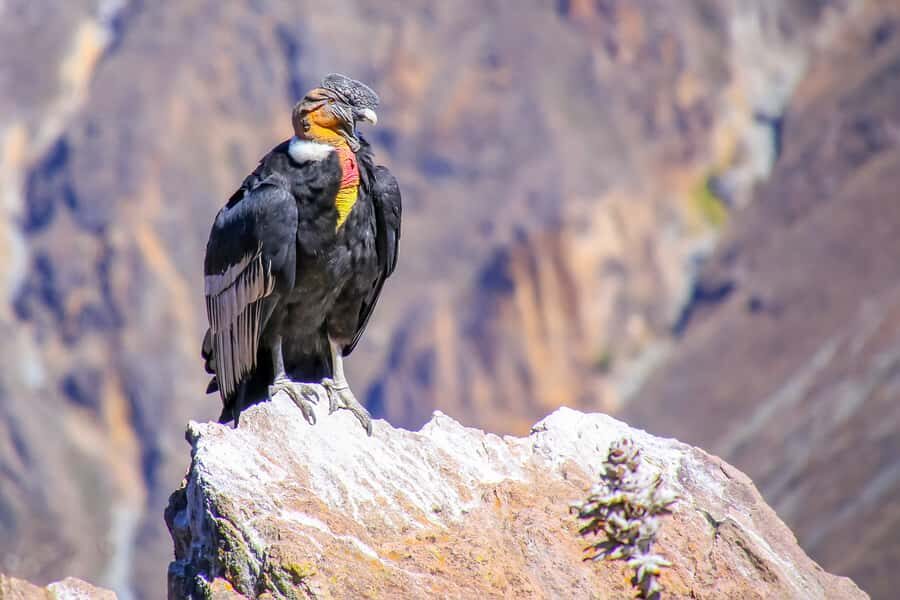
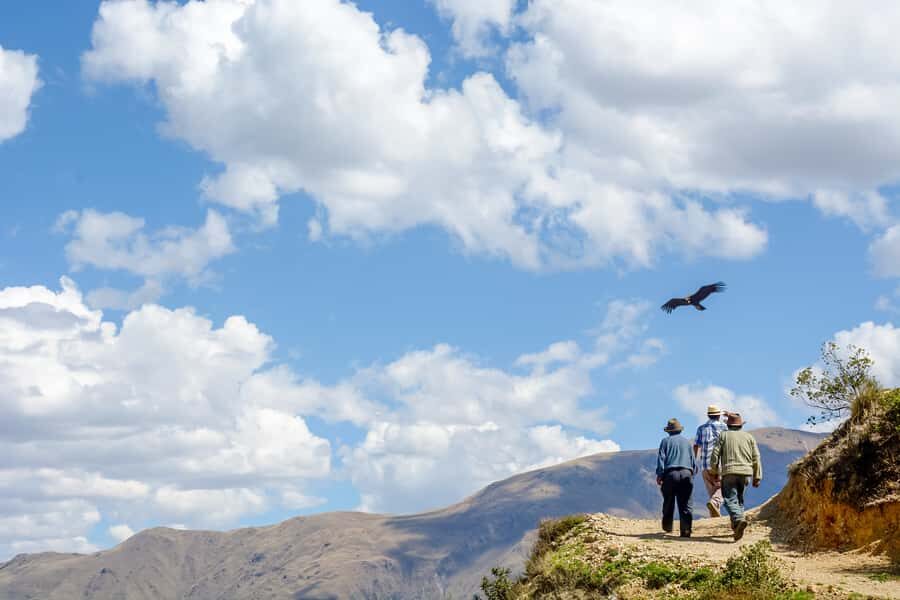
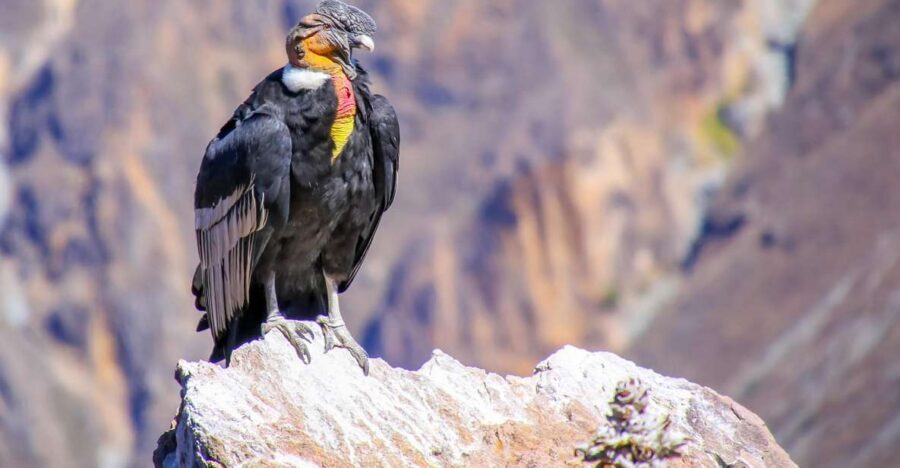
After the canyon hike, you’ll arrive at the Huaco Viewpoint (also 11,975 ft / 3,650 m). This is the star moment. The tour is built around witnessing the Andean condor as it glides on thermal currents.
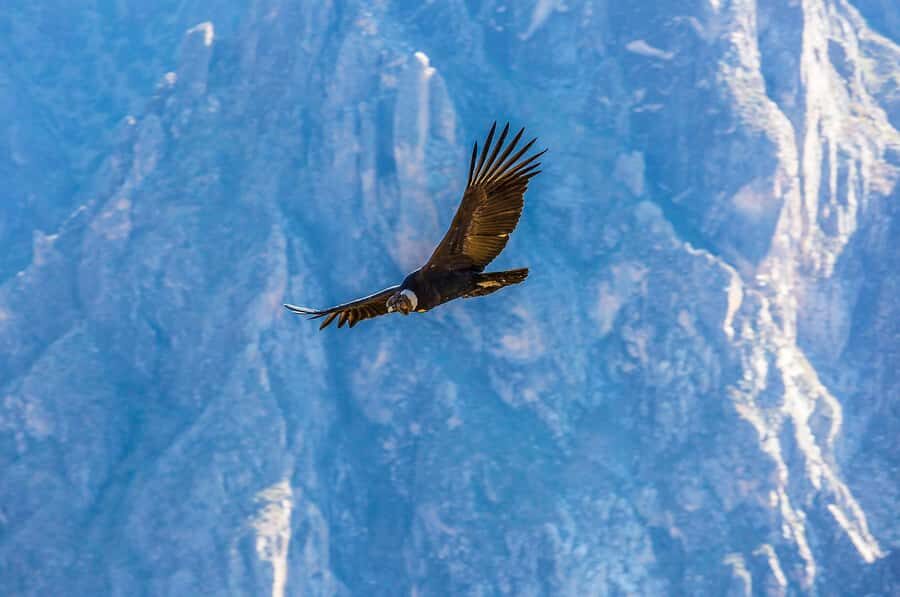
This isn’t just a “maybe you’ll see one” promise. The condor viewing is described as a major spectacle, and with luck you may also spot other birds like eagles and hawks. The description also notes a possibility of seeing white-tailed deer roaming in the distance.
Why this viewpoint experience is worth your time: condors don’t flap much. They use rising warm air, and at a high canyon viewpoint you can watch how effortless their movement looks compared with the effort you’re putting into walking. It’s a good contrast—man-powered hiking and sky-powered flight—both driven by altitude and weather.
Also, this is a place where your pacing helps. If you’re rushed, you’ll miss it. Give yourself a couple of minutes to settle your eyes and look beyond the immediate horizon. Condors can appear and disappear fast, and then suddenly you’ll notice multiple birds at once.
Wildlife viewing hour: scan, pause, and let your eyes adjust
You’ll also have a 1-hour wildlife viewing segment at the canyon, which sounds simple but can be surprisingly valuable. Birds are not guaranteed, but a focused hour gives you something that many tours don’t: time to repeatedly scan the gorge from the viewpoint area.
Here’s my practical tip. Don’t stare down at the canyon edge only. Train your eyes in arcs. Start near where thermals would pull birds upward, then widen your scan. If you have binoculars, this is the kind of day where they can help—but the tour info doesn’t require them, so plan based on what you own.
And if you end up only seeing smaller raptors (like hawks) rather than condors, the day still delivers. The goal is the canyon ecosystem and the sky above it.
Timing, duration, and the reality of a full 12-hour day
The tour is listed as 12 hours long. In real life, full-day tours can run shorter depending on timing and flow, so don’t be surprised if you’re back in Cusco a bit earlier than you expect. What matters is the sequence: Cusco pickup, guides at the archaeological sites, lunch in Limatambo, climb to Chonta, hike, viewpoint viewing, then return to Cusco in the evening.
Private transportation helps the schedule hold together. You’re not waiting for other groups or playing “where do we meet” games. Your pickup and drop-off are in central areas around Iglesia del Triunfo and Centro Histórico, which is helpful if you’re staying in that zone and don’t want to burn time getting across town.
Price and value: is $159 for this day fair?
At $159 per person, you’re paying for more than a bus ride. Included are hotel pickup/drop-off, private transportation, a professional guide, box lunch, and entrance fees.
That package can be good value for several reasons:
- You save time in Cusco by starting with pickup in the city center instead of coordinating transit.
- You’re paying for a guide who explains both Inca sites and the canyon/condor context, so your “what am I seeing” questions get answered.
- Entrance fees are handled, so you don’t get surprised mid-day.
- You get private group attention, which often means fewer constraints and a more flexible feel during viewpoint time.
The trade-off is you’re buying into a long day at altitude with an active hike. If you’re more interested in leisurely sightseeing or you struggle with walking on uneven ground, you may feel the cost more than the value.
What to bring so the day feels easier
The tour has a clear bring list. Use it. The basics are:
- Passport or ID card
- Sun hat and sunscreen
- Camera
- Comfortable clothes
I’d also add one common-sense layer strategy: at high viewpoints, conditions can shift. The info doesn’t promise weather gear, so bring something you can adjust in layers.
Not allowed items include pets, weapons/sharp objects, and alcohol or drugs. That’s standard for many guided outings and keeps the day focused on safety.
Who this tour fits best (and who should skip it)
This experience makes the most sense for you if:
- You want both Inca archaeology and a nature component in one day
- You’re excited about Andean condors and canyon views
- You like a guided structure with pickup/drop-off and a scheduled meal
It’s less suitable if:
- You have back problems (explicitly listed as not suitable)
- You need a low-walking day or avoid high-altitude exertion
If you’re traveling as a couple or small group and want private attention, this format is a strong match. If you’re solo and want a guided narrative that doesn’t feel chaotic, it can also work well.
Should you book this Condor and Inca Sites day tour?
I’d book this if you want a day that mixes “why it matters” (Inca sites like Quillarumiyoc and Tarawasi) with “wow it looks like this” (the Apurímac Canyon hike and the Huaco Viewpoint condor watch). The structure is the selling point: history first, lunch timed to energy, then hike and sky-scanning.
Skip it if you’re sensitive to altitude or you know your back won’t cooperate with a hike segment at elevation. And go in with realistic expectations about animals: condors are the goal, but nature doesn’t do schedules.
If you do book, you’ll be glad you planned. This is the kind of Cusco day where the hard part (walking, altitude) actually pays off with unforgettable sky time.
FAQ
How long is the Full-Day Condor Viewpoint & Inca Sites Tour?
The tour duration is listed as 12 hours.
Where do I get picked up in Cusco?
Pickup is available from locations around Cusco city center, including the Centro Histórico area near Iglesia del Triunfo.
What language is the live tour guide?
The live tour guide is offered in English and Spanish.
What Inca sites are included?
The tour visits Quillarumiyoc and Tarawasi.
Is lunch included?
Yes. A box lunch is included. Breakfast or other meals are not included.
Is the tour private?
Yes. It’s described as a private group.
Is the tour suitable for people with back problems?
No. The tour is not suitable for people with back problems.
What should I bring?
Bring a passport or ID card, a sun hat, a camera, sunscreen, and comfortable clothes.