REVIEW · CUSCO
City Tour Cusco
Book on GetYourGuide →Operated by Machupicchu Tou Services · Bookable on GetYourGuide
Cusco hits you with Inca power fast. This guided city tour helps you read it, from the Sacsayhuamán fortress levels to the Inca and Spanish architecture mix around town. I love seeing Cusco’s Inca story told in places that were built for ceremony and strategy, not just photos. I also love how the guide connects what you’re looking at to the styles of Cusco art. One drawback: the route includes walking and uneven ground, so it is not suitable for people with mobility impairments.
The pace is built for a first-time Cusco visit: you’re picked up in the city, driven out for the big ruins, then finished back at Cusco Main Square. With a professional guide (English or Spanish) for about 5 hours on the sites, you get explanations that actually help your eyes notice details. For $15 per person, the value is strong because transportation and guiding are included—though entrance tickets and meals are extra.
If you want your Cusco day to feel like more than a checklist, this tour is a good fit. It’s also a nice way to cool down from the city center chaos and focus on clear, teachable moments across several key sites.
In This Review
- Key highlights you’ll remember
- Cusco City Tour in plain terms: what this $15 day really delivers
- Pickup, timing, and the pace you’ll feel in your legs
- Sacsayhuamán: the fortress that teaches you how Cusco was built to last
- Q’enqo and the Pachamama idea: a temple you read, not just photograph
- Tambomachay: water still doing the work, not just scenery
- Puca Pucará: the watchtower stop that makes the valley make sense
- Guide quality: the difference between seeing stones and understanding them
- What you’ll actually get to see: the full circuit in one mindset
- Practical info you should know before you go
- Who should book this Cusco city tour (and who shouldn’t)
- Should you book City Tour Cusco?
- FAQ
- Where does the pickup happen for the City Tour Cusco?
- How long is the tour?
- Which sites are included in the tour?
- Is there a guide on the tour?
- What languages are available?
- How much does it cost?
- Are entrance tickets included?
- What’s included in the price?
- What should I bring?
- Is the tour suitable for people with mobility impairments?
- Is free cancellation available?
Key highlights you’ll remember
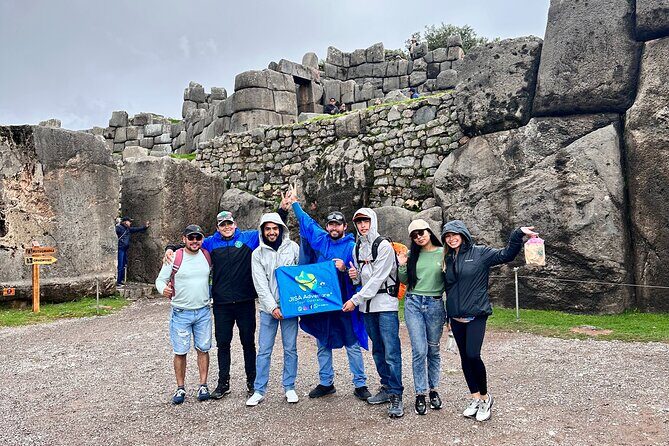
- Sacsayhuamán’s three levels: you’ll tour through the fortress layout and learn what dominates from the upper part
- Colossal towers’ bases: the guide points out the foundations of structures that ruled Cusco in Inca times
- Q’enqo’s Puma shrine and altar: you’ll see the temple idea of a sacrifice altar inside the Pachamama context
- Tambomachay’s spring water sources: you’ll observe water that still helps irrigate fields and terraces
- Puca Pucará as a watchtower: the viewpoint is part of the story, meant to dominate the valley and imperial city
Cusco City Tour in plain terms: what this $15 day really delivers
You’re paying $15 per person for a tight circuit that focuses on the big “why” behind the places around Cusco. You’re not just getting driven around and dropped off; you’re getting a professional guide with you for about 5 hours on the sites, plus tourist transportation. That combination matters in Cusco, where it’s easy to stare at stones and feel like you missed the point.
I also like that the tour starts with simple, central access. You can be picked up at Plaza De Armas or from your hotel, and you’ll finish back at Cuzco Main Square. That makes planning easier—especially if you’re trying to keep the rest of the trip open for museums, markets, or altitude-adjusting downtime.
The other good value detail: entrance tickets, meals, and drinks are not included, so you’re not paying one lump sum that might or might not fit your day. You just plan for separate site access and whatever you want to eat after.
You can also read our reviews of more city tours in Cusco
Pickup, timing, and the pace you’ll feel in your legs
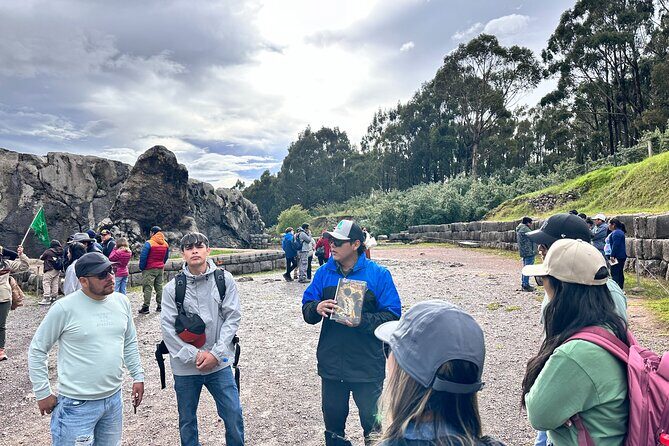
This is a roughly 5-hour tour, with the full guided block running about 5.5 hours. That’s short enough to keep energy up, but long enough to properly visit multiple sites without rushing like a sprint.
Pickup is part of the deal. You’ll get collected either from Plaza De Armas or a hotel option, and the collection schedule is shared with you. If you prefer a neutral meeting point, that can be coordinated too. Once you’re in the system, you also have 24/7 assistance from the agency, which is comforting when you’re juggling altitude, time, and schedules.
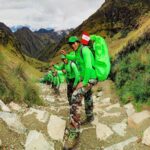
Now the practical part: this is not a sit-and-stare tour. You’ll be outside moving between viewpoints and sites, including an impressive fortress with multiple levels and a watchtower-style location. It’s not suitable for mobility impairments, and you should treat the day like a walking tour, not a casual city stroll.
Sacsayhuamán: the fortress that teaches you how Cusco was built to last
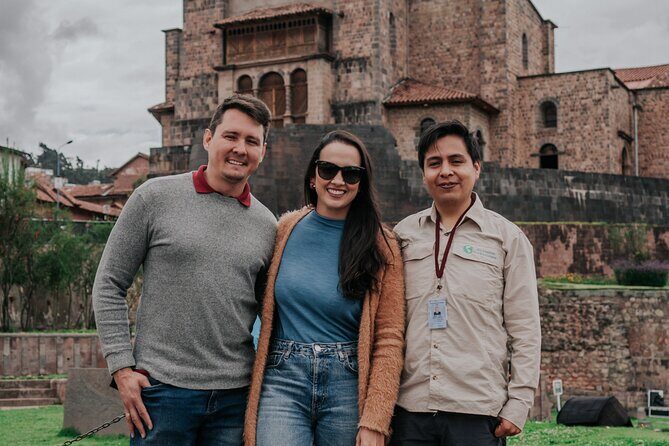
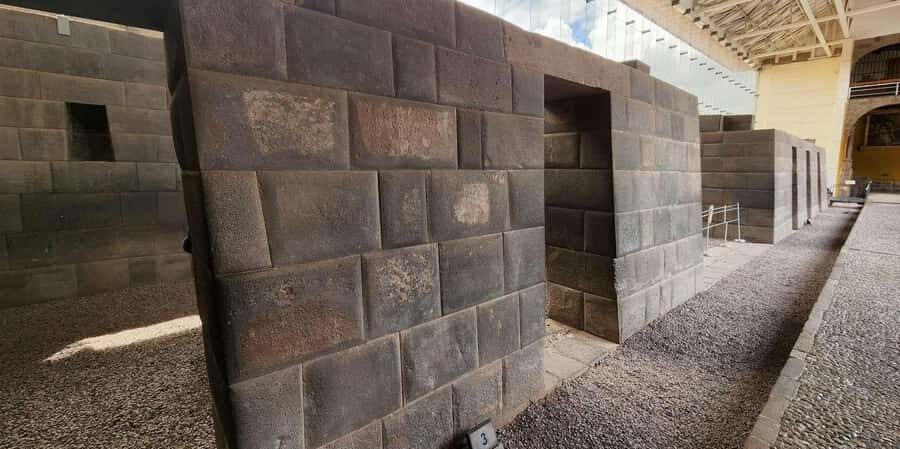
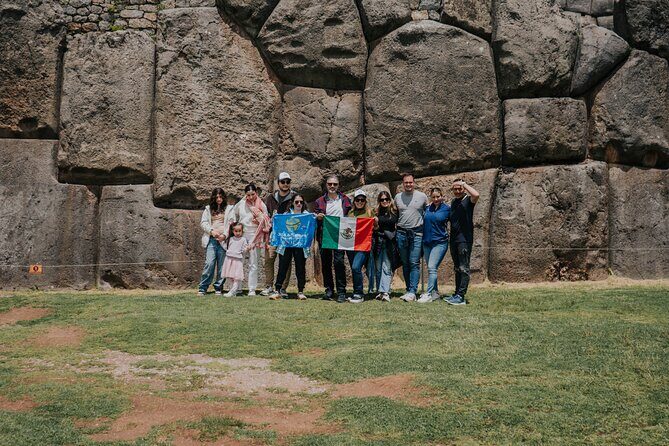
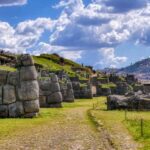
Sacsayhuamán is the centerpiece of the tour, and it’s set up in a way that helps you understand it. You leave the city to visit an impressive ceremonial fortress with colossal constructions and big mountain-and-valley views around it. The best part is that you don’t just stand outside for a quick look.
You tour three levels of the place, which changes how you take it in. At the upper part, the guide shows you the bases of the great towers that dominated Cusco in Inca times. That “bases” detail is exactly the kind of thing that makes the site click. When you hear what you’re looking for, it stops being random stone and starts becoming a plan—levels, power, and placement.
Why this is valuable: Cusco can feel like an overload of old rocks and newer streets. Sacsayhuamán gives you one clean lesson in scale. You see structures arranged for ceremony and control, and you can physically feel the logic of the site as the ground and vantage points change.
Potential consideration: because you’re moving through levels, you’ll want decent energy and footwear. Even if you’re not a hardcore hiker, your day will depend on steady footing. If you’re the type who gets tired quickly, go early in the day and pace yourself during stops.
Q’enqo and the Pachamama idea: a temple you read, not just photograph
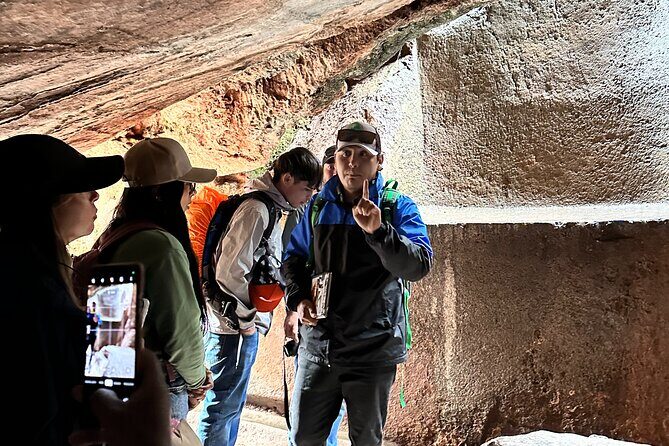
Next you head to Q’enqo, described as an ancient temple of the Puma. The focus here isn’t only the structure—it’s the meaning attached to what happens inside. You’ll hear about a shrine setup that includes an altar for sacrifices inside the Pachamama context.
This is where the guide’s job becomes more than facts. If you walk in thinking it’s just another ruin, you’ll leave thinking about ritual and worldview. I like this stop because it’s more “conceptual” than Sacsayhuamán. The guide helps you connect what you’re seeing to an Inca-era belief system, so your brain has something to hold onto.
How to use the stop: slow down. Look for what feels like a focal area and let the explanation guide your attention. With that, Q’enqo becomes easier to understand than if you treat it like a quick photo stop.
A small reality check: you’ll be outside and you’ll spend time listening. If you prefer short explanations only, this is still manageable, but you’ll want to be present for the story. The payoff is that you start building a mental map of Cusco’s spiritual layers.
Tambomachay: water still doing the work, not just scenery
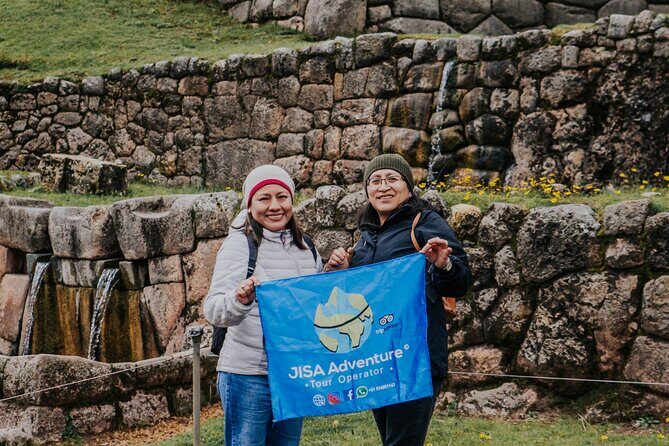
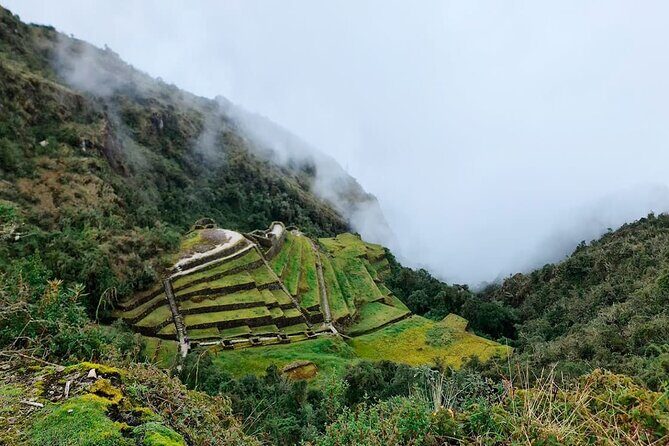
Then comes Tambomachay, presented as a monument of remarkable architectural excellence and one of the pillars of Andean cosmovision. That sounds big, but the tangible part is what you can still observe: the spring water sources that still help irrigate the fields and terraces of the city.
This stop is powerful for a simple reason. It’s not just about what was built—it’s about what continues. When water still flows into agricultural areas, you’re seeing continuity instead of only ruins. It makes the Inca legacy feel less frozen in time and more connected to daily life in the region.
What I’d do if you want to get more from it: watch how the water story fits into the architecture you see. Even without extra technical detail, you can tell the place was designed with function in mind, not only ceremony.
Possible drawback: because the focus includes observation and explanation, if you’re hungry, cold, or distracted, you might not absorb as much as you could. Consider eating before you go if your schedule allows, since meals and beverages aren’t included.




Puca Pucará: the watchtower stop that makes the valley make sense
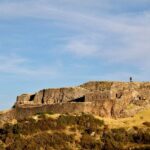
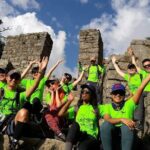
The last major site is Puca Pucará, described as a strategic watchtower that dominates the valley and the imperial city. This is the kind of stop that can feel slow if you rush it, but it’s the right ending because it ties space to strategy.
From a viewpoint like this, you stop thinking about individual stones and start thinking about sightlines—where someone would want to watch, control, and communicate. The guide’s explanation helps you see why this place matters, and the domination over the valley makes it easier to understand how Cusco functioned as a power center.
If you’re worried you won’t have enough time to enjoy it: don’t. This is also a moment for quiet observation. Let your eyes adjust to distances and changes in terrain, and let the guide’s talk place the context into your view.
After that, you return to the city and finish back at Cuzco Main Square—a good landing spot because you can immediately plan your next step: lunch, a stroll, or just resting before more walking later.
Guide quality: the difference between seeing stones and understanding them
The biggest praised aspect of this tour is the guide. In a confirmed booking, Esnel from Brazil specifically highlighted that the guide was very kind and very prepared, with strong knowledge across the different topics covered. That aligns with what you want on a Cusco tour: someone who can explain clearly without overcomplicating things.
Another value point: languages are practical. You can choose English or Spanish, and you’ll have a live guide on site. That matters because the stops are dense with meaning. If you don’t have guidance, you might recognize the names but miss the connections between places.
Cusco art styles are also part of the learning. The tour focuses on how to understand the styles of Cusco art, which helps you go beyond ruins and start seeing patterns in the wider city too. Even on a day trip, that can make your entire trip feel more coherent.
What you’ll actually get to see: the full circuit in one mindset
Here’s the tour logic as a traveler would experience it:
- You start with Cusco’s role as the capital, where Inca culture comes into focus right away.
- You leave the city for Sacsayhuamán, where you learn scale through three levels and tower foundations.
- You shift to a more spiritual focus at Q’enqo, where sacrifice altar ideas connect to Pachamama context.
- You get a practical, living twist at Tambomachay, where spring water still supports irrigation and terraces.
- You finish with strategic sight and space at Puca Pucará, then return to the center to regroup.
That blend—ceremony, architecture, ritual context, water function, and viewpoint strategy—is why the day can feel complete even though it’s only about 5 hours.
Practical info you should know before you go
This matters because it affects comfort more than people expect.
- Bring a passport or ID card.
- Avoid luggage or large bags. The tour is set up for lighter travel.
- Wear shoes made for uneven ground.
- Expect outdoor time between stops.
- Entrance tickets are not included, and meals or beverages are also not included, so plan to budget for that.
One more small note: the tour includes “assistance from your agency 24/7.” That’s not just marketing fluff. It means if something goes wrong with timing or coordination, you have help rather than being stuck guessing.
Who should book this Cusco city tour (and who shouldn’t)
This tour fits you if:
- You want a guided first look at Inca sites around Cusco in a single day.
- You care about explanations—especially how Inca and Spanish architecture can look different, yet coexist in the area.
- You like learning patterns: how art styles and meaning connect across multiple locations.
It’s not the best fit if:
- You have mobility impairments and need a more accessible route.
- You want a low-walking day with minimal stops and no extended guiding.
If you’re somewhere in the middle—curious but not super into ruins—this tour still works because each stop has a clear angle: fortress, shrine, water, then watchtower.
Should you book City Tour Cusco?
I’d book it if you want strong value and a guide-led day that helps your eyes and brain make sense of Cusco fast. For $15, you’re not just buying transport—you’re buying a structured set of stops with explanations across Sacsayhuamán, Q’enqo, Tambomachay, and Puca Pucará.
I would hesitate if walking is hard for you or if you dislike tours that expect you to pay attention for a few hours outside. Also, remember entrance fees and food aren’t included, so treat $15 as the base cost for a guided circuit, then budget a bit more for the rest of your day.
If you’re ready for a focused Cusco day with real context, this one is a solid choice.
FAQ
Where does the pickup happen for the City Tour Cusco?
You can be picked up at Plaza De Armas, Cusco or from your hotel. A collection schedule will be provided, and you can also coordinate a neutral meeting point if needed.
How long is the tour?
The tour lasts about 5 hours. The guided portion on the way and at the sites is listed as around 5.5 hours.
Which sites are included in the tour?
The tour includes Sacsayhuamán, Q’enqo, Tambomachay, and Puca Pucará, with the tour ending back at Cuzco Main Square.
Is there a guide on the tour?
Yes. You’ll have a professional tourist guide and guided time on the sites of about 5 hours.
What languages are available?
The live tour guide is available in English and Spanish.
How much does it cost?
The price is $15 per person.
Are entrance tickets included?
No. Entrance tickets are not included.
What’s included in the price?
Included are tourist transportation, a professional tourist guide, guided time at the sites (about 5 hours), and 24/7 agency assistance.
What should I bring?
Bring your passport or ID card.
Is the tour suitable for people with mobility impairments?
No. The tour is not suitable for people with mobility impairments.
Is free cancellation available?
Yes. You can cancel up to 24 hours in advance for a full refund.