REVIEW · CUSCO
Horseback Adventure through the Sacred Temples of Cusco
Book on Viator →Operated by Horsesback Trail Cusco · Bookable on Viator
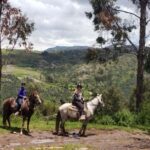
Horseback among sacred ruins sounds almost too good. And here it works. You ride through the countryside outside Cusco while a guide connects each stop to how the Incas saw the natural world. I especially like the free, focused explanations at each site and the way the route fits real riding time, not just sitting in a vehicle.
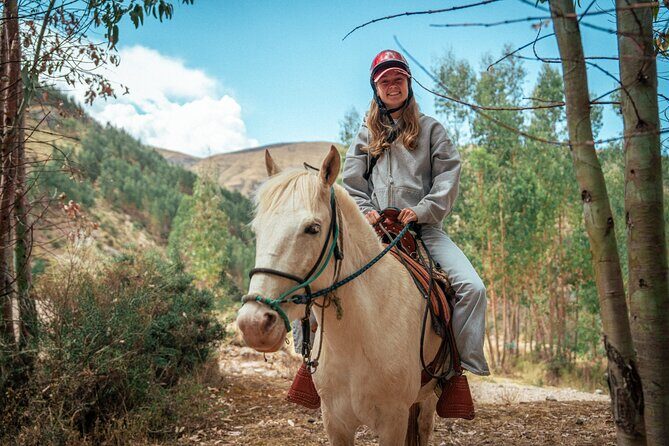
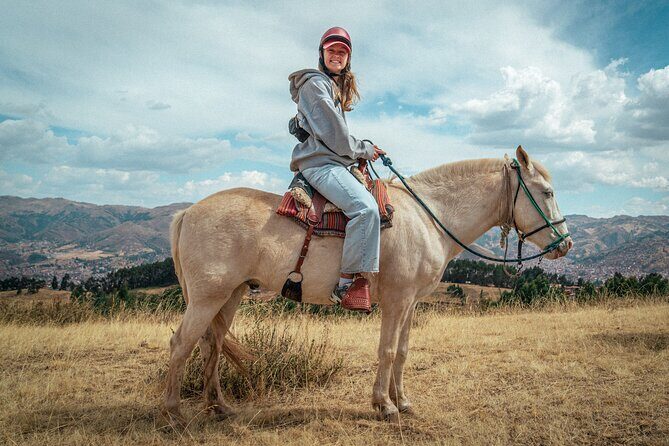
My second favorite part is the horse matching and the control over pace. You can move at a step, jog, or even gallop if that feels right, and the team keeps the ride comfortable for the group. The horses are trained and cared for responsibly, and helmets are provided.
One thing to plan for: the guide’s language may run mostly Spanish depending on the day. In at least one case, English explanations were limited because most of the group spoke Spanish. If you want English more consistently, it helps to say so upfront.
In This Review
- Key Points Before You Go
- How This Cusco Horseback Tour Works in 3–4 Hours
- Entering Inkilltambo: Inca Agriculture on Horseback
- Temple of the Moon: Templo de la Luna and Sacred Duality
- Kusilluchayoc: The Temple of the Monkeys and Visible Power
- Huayllarcocha (Chuspiyoq): Water, Purification Rituals, and Silence
- The Horses, Helmets, and Safety Checks That Matter
- Guides Like Saturnino and Juan Carlos: Explanations You Can Actually Use
- What to Bring for Strong Sun and a Half-Day Ride
- Price and Value for a Private Cusco Temple Ride
- Where You Meet and How to Plan Your Morning
- Should You Book This Horseback Temple Tour?
- FAQ
- How long is the horseback adventure through Cusco’s sacred sites?
- Is this a private tour, and is transportation included?
- Are admission tickets included for the archaeological stops?
- Do I need to be an experienced rider?
- What safety gear is provided?
- Can I cancel for a full refund?
Key Points Before You Go
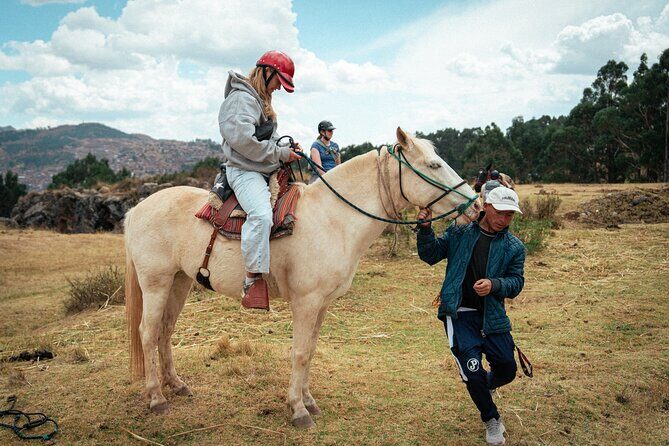
- Private transportation roundtrip from your accommodation in Cusco saves hassle
- Helmets and on-site safety keep you protected during the ride
- Trained horses matched to rider comfort makes first-timers feel steadier
- Four spiritually themed Inca stops with short, guided visits (about 20 minutes each)
- Pace control means you can step, jog, or gallop at your comfort level
- Strong sun + countryside time means bring sunscreen and a snack
How This Cusco Horseback Tour Works in 3–4 Hours
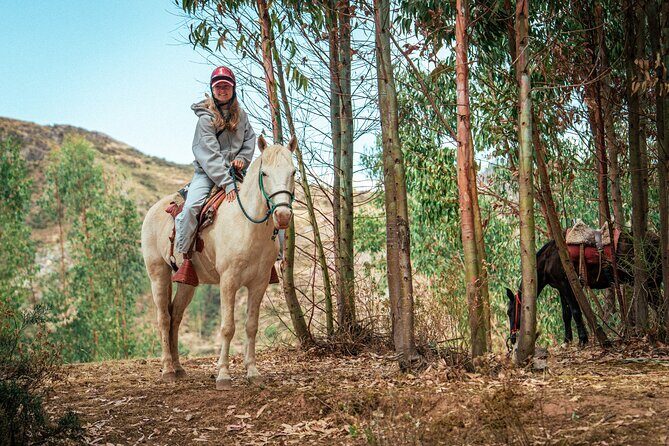
This is a private horseback outing built for a half-day reset in Cusco. You’ll get picked up with private roundtrip transportation from your accommodation, then head out with a specialized horse guide plus a site guide at each stop. The whole experience runs about 3 to 4 hours, and it’s typically booked around 12 days ahead, so it’s smart to lock it in early if you’re traveling in peak season.
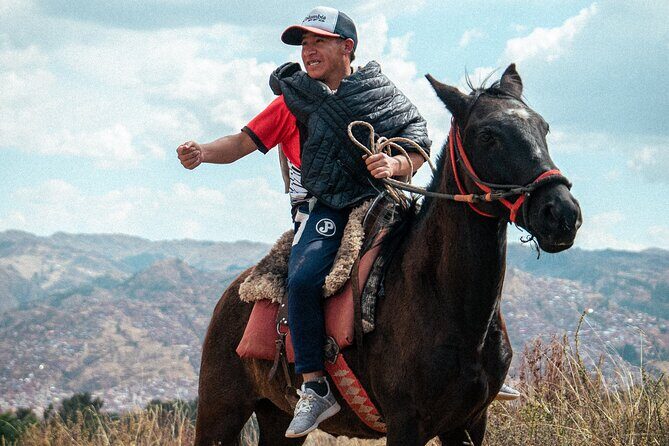
Once you start riding, the pace is flexible. That matters because Cusco altitudes and saddle time can feel different for every body. On this tour, you’re not stuck doing the same speed the whole way. You can go at a walking step if you want to take it slow, switch to a jog for more motion, or gallop if you’re comfortable and the team feels you’re ready.
The tour also keeps things practical with bottled water and a safety-first setup. Everyone gets a helmet, and the horses are trained for responsible care rather than for show. Reviews repeatedly stress that the team pays close attention to each rider’s comfort level, and that the horses are in good condition.
You can also read our reviews of more tours and experiences in Cusco
Entering Inkilltambo: Inca Agriculture on Horseback
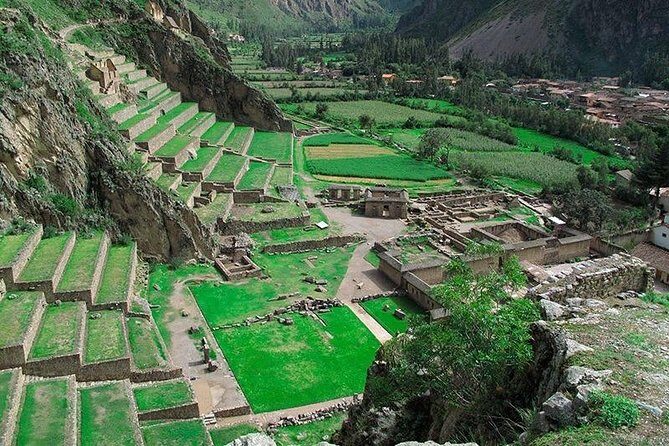
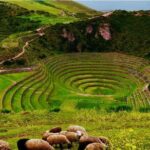
Your first stop is Inkilltambo, an Inca agricultural center known for advanced cultivation techniques. Even if you’ve already seen a few Inca ruins in Cusco, this one hits differently. It isn’t just about temples and stones. It’s about how people engineered food and water systems in a challenging mountain environment.
You’ll spend about 20 minutes here with a specialized guide. Admission is free, so you’re not spending your time searching for tickets or figuring out logistics. The best way to enjoy Inkilltambo is to look at it as a lesson in land thinking: how the Incas worked with slopes, growing cycles, and the real limits of Andean farming.
A small drawback: because each stop is timed (roughly 20 minutes), you won’t have hours to wander without the guide. That’s the trade-off for doing four sites plus riding. If you hate rushing, you may feel the schedule, even though the stops are short for a reason.
Temple of the Moon: Templo de la Luna and Sacred Duality
Next up is Templo de la Luna, a place tied to the sacred duality of female and male energy in Andean tradition. You’re not just looking at ruins here. You’re hearing a story about how people understood power, nature, and balance.
Again, you’re there for around 20 minutes, with the guide explaining what the site represents and how it fits into the wider spiritual worldview. Admission is also free. That means the value is mostly in the interpretation and the pacing, not in paying additional fees once you arrive.
If you like tours that connect spirituality with daily life, this stop delivers. The Incas didn’t treat nature like scenery. They treated it like a relationship. Even if you don’t follow the beliefs personally, it’s a powerful way to see Cusco beyond postcard views.
A practical consideration: this is a short stop, so if you want deep questions, come ready. Ask on horseback or right at the site before the group moves on.
Kusilluchayoc: The Temple of the Monkeys and Visible Power
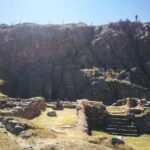
The third stop is Kusilluchayoc, also called El templo de los monos. This is one of the most visually memorable parts of the route, because the stone-sculpted zoomorphic figures are clear and specific—monkeys, snakes, and toads. In the Andean worldview, these kinds of animal forms can represent forces of nature and spiritual aspects.
What makes Kusilluchayoc stand out in a good way is that the monkey is openly displayed. You don’t have to squint and guess what you’re supposed to see. That makes it easier for first-time visitors to feel confident about what they’re looking at.
You’ll have about 20 minutes with the guide here too, and admission is free. The short visit format works well because the main value of this stop is visual recognition plus explanation. You’ll likely remember it more than stops where you spend most of your time reading from a distance.
One more real-world note: because you’ll be switching between riding and walking, keep your attention on footing and uneven ground. The guide and horse team handle the ride side, but your body still needs to be ready for short transfers between locations.
Huayllarcocha (Chuspiyoq): Water, Purification Rituals, and Silence
Your last planned archaeological stop is Huayllarcocha, tied closely to Chuspiyoq, a little-known site linked to water. This is where the tour gets especially atmospheric. You’re told the name comes from Quechua and connects to water as a sacred element in the Andean worldview.
You’ll spend about 20 minutes here, with a guide helping you understand why this spot is believed to have been connected to ceremonial activity—purification rituals and a way to honor the life cycle of water as a source of energy. The site is described as surrounded by silence and greenery, and that’s exactly what you should expect: not a crowded viewpoint, but a calmer pocket of countryside that feels removed from classic tourist rush.
Admission is free again. The value is in the meaning. If you’ve been feeling that Cusco can be a lot of “big name sites,” Chuspiyoq is a satisfying contrast. It’s the kind of stop that makes you slow down without forcing you to.
The potential drawback is simple: if you’re only interested in the most famous attractions, this won’t scratch that itch. But if you enjoy learning how spirituality connects to everyday survival in the Andes, it’s a strong finish.

The Horses, Helmets, and Safety Checks That Matter
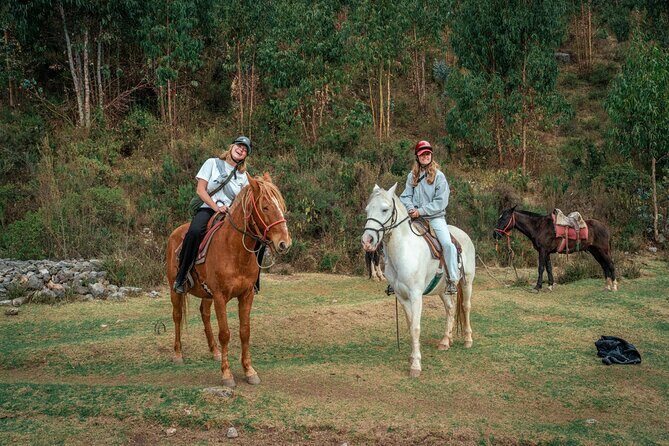
This tour is built around responsible horse care. Horses are trained and cared for responsibly, and helmets are provided for all participants. That’s not just a box-check. It changes the whole vibe. You’re more likely to enjoy the ride when you feel protected.
You’ll also notice the team assigns horses based on rider ability. Reviews mention that the guide chooses a horse that suits your riding experience. That’s one of the biggest reasons people feel comfortable even on a first day on horseback.
Pace control also ties into safety. If you’re new, you can stay at a step or jog while the guide keeps things steady. If you’re comfortable, you may be offered gallop time. The key is that the team adapts to your comfort level rather than treating everyone the same.
Important health note from the tour info: this is not recommended for people with heart problems, back problems, or pregnancy. If any of those apply, you’ll want to choose a different Cusco activity that doesn’t involve riding.
Guides Like Saturnino and Juan Carlos: Explanations You Can Actually Use
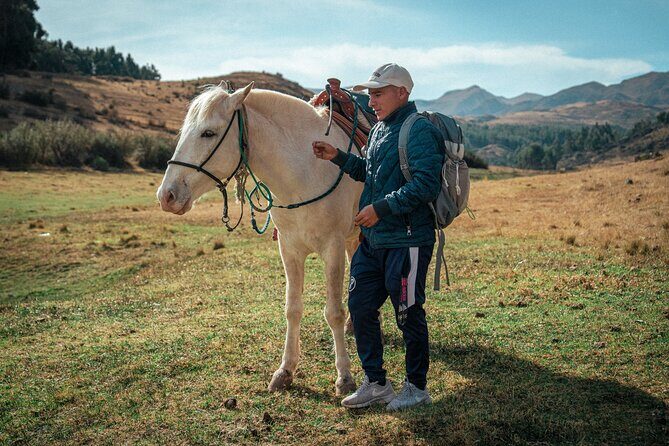
The heart of this tour is the human part. Guides are described as careful, friendly, and didactic—meaning they try to teach, not just recite facts. One name shows up repeatedly: Saturnino, along with Juan Carlos in at least one account. That matters because you’re not relying on a generic script. You get real attention to rider comfort and real explanation at each site.
Language can be the only snag. One review points out that explanations were mostly Spanish for most of the tour because around 90% of the group spoke Spanish. The provider also states they have English-speaking guides and aim to provide explanations in both languages so everyone feels included.
So here’s what I’d do if you care about English: mention your language preference when you book. If your group is mixed, ask for a balanced approach. On horseback, it’s harder to catch every word, so make sure you won’t miss the meaning you came for.
What to Bring for Strong Sun and a Half-Day Ride
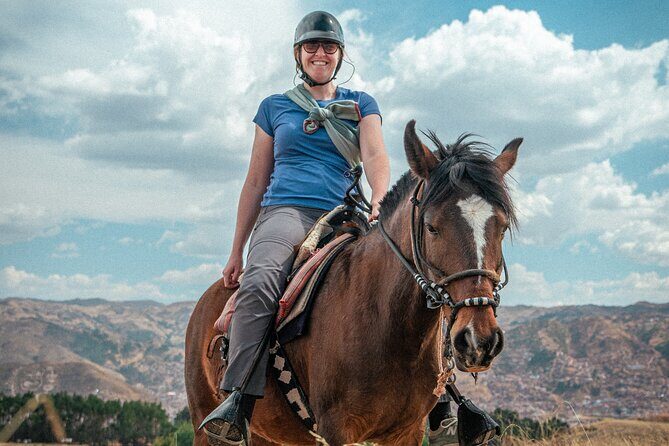
This is a countryside ride above Cusco, and the sun can be intense. One practical tip that shows up clearly: bring sunblock. Even when the air feels cool, UV in the Andes can surprise you.
Also plan to bring snacks if you tend to get hungry during activity. The tour provides bottled water, but food is on you. Pack something easy to eat with minimal mess.
Wear clothing that works for short periods of walking and sitting in a saddle. Closed-toe shoes help with footing during transitions between the horses and the sites.
Finally, there may be crafts to browse at sites, but those personal purchases aren’t included. If you want souvenirs, set aside a little cash beforehand.
Price and Value for a Private Cusco Temple Ride
At $60 per person, this isn’t priced like a low-end add-on. It’s closer to paying for a full, guided experience: horses, helmets, expert horse handling, site guides at multiple stops, bottled water, and private roundtrip transportation from your accommodation.
For many people, that total package is the value. Instead of paying separately for transport plus a guide plus entrance fees, you get one rhythm: pick-up, ride, guided stops, return. And since each stop lists free admission, you aren’t adding extra ticket costs once you arrive.
Another value point: it’s private. Only your group participates. That usually means fewer wait times, less crowd noise, and more chance to ask questions at your pace—especially helpful when language could be mixed.
The trade-off is duration and number of stops: it’s a half-day format. You’re not doing a long trek with time to fully wander every corner. If you like slow museum-style pacing, you may want a separate afternoon plan after.
Where You Meet and How to Plan Your Morning
The meeting point is Casa De La Gringa San Pedro Retreat Mountain House, Urb Tambillo A7, Cusco (near public transportation). The tour ends back at the meeting point, so you don’t need to figure out how to get home after the ride.
Because this is a short, timed experience with four stops, I recommend building in a little buffer. Arrive early enough that you’re not rushing when you’re about to saddle up.
Should You Book This Horseback Temple Tour?
I think you should book this if you want Cusco in a more physical, outdoorsy way than walking ruins only. The combination of short guided visits to spiritual Inca sites plus the horseback time is exactly the kind of change of pace that makes a trip feel fuller.
It’s also a great fit if you care about learning. The guide setup is designed to explain what you’re seeing—agriculture at Inkilltambo, sacred duality at Templo de la Luna, visible animal symbolism at Kusilluchayoc, and water-linked meaning at Huayllarcocha/Chuspiyoq.
Skip it or choose another option if you have heart, back, or pregnancy concerns, since riding isn’t recommended. And if you need mostly English explanations, message your language preference ahead of time, because the day’s group language can steer how explanations are delivered.
FAQ
How long is the horseback adventure through Cusco’s sacred sites?
The tour lasts about 3 to 4 hours, with roughly 20 minutes at each of the four stop locations.
Is this a private tour, and is transportation included?
Yes. It is a private tour, and private roundtrip transportation is included from your accommodation in Cusco.
Are admission tickets included for the archaeological stops?
Yes. Admission tickets are free for the stops listed on the tour.
Do I need to be an experienced rider?
Most travelers can participate, and the team matches horses to the rider’s experience. The pace can also be adjusted to your comfort level (step, jog, or gallop).
What safety gear is provided?
You get safety helmets for all participants, and the guide team provides expert horse handling throughout the tour.
Can I cancel for a full refund?
Free cancellation is available up to 24 hours in advance of the experience start time for a full refund.