REVIEW · CUSCO
2 Day Sacred Valley Tour & Machu Picchu
Book on Viator →Operated by inca machu picchu tours · Bookable on Viator
One early start, two legendary sites. This 2-day Sacred Valley and Machu Picchu trip hits Pisac markets and sunrise Machu Picchu with an included night in Aguas Calientes. I also like the small-group cap of 15, which makes it easier to keep up and ask questions. One thing to consider: you’ll have a long day of transfers and train timing, and the schedule can shift a bit with real-world conditions.
You’ll be picked up around 8:00 am in the Cusco area for day 1, then you’ll base yourself close to Machu Picchu so you can catch the early hours. I like that the operators handle the key “hard parts” for you: the guide, the major site stops, and the train connection back toward Ollantaytambo. If you’re planning specific extras like Huayna Picchu, you’ll want to request those ahead of time and factor in the extra cost.
Key things I’d watch for
- Max 15 small-group size: easier pacing and more personal guiding on the ground.
- Overnight in Aguas Calientes: sets you up for an early Machu Picchu start.
- Two guide-supported modes: historical walkthroughs plus time to explore on your own.
- Site-to-site flow: Pisac → Urubamba lunch → Ollantaytambo → train → Machu Picchu.
- Add-ons are real: Huayna Picchu, Vistadome, and hot springs are optional but cost extra.
In This Review
- Sunrise at Machu Picchu: why Aguas Calientes is the smart move
- The small-group size (15) that makes the guide time feel useful
- Day 1 in the Sacred Valley: Pisac markets and Ollantaytambo stonework
- Pisac: advanced Inca design plus a traditional market
- Lunch in Urubamba: agricultural heartland and a buffet reset
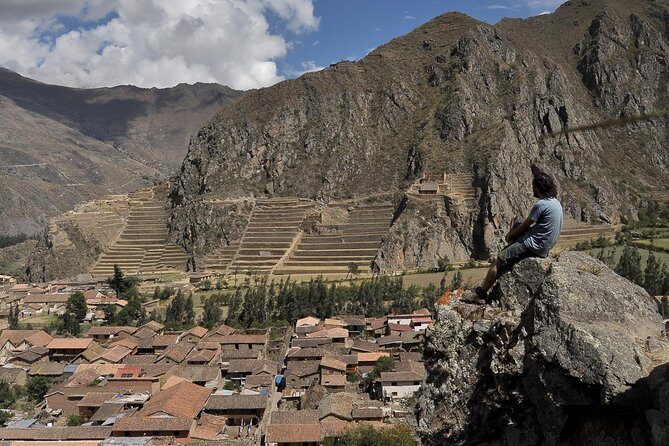
- Ollantaytambo: terraces that do several jobs at once
- Train to Aguas Calientes: positioning for an early Machu Picchu morning
- Day 2 on Machu Picchu: guided entry plus time until 2:00 pm
- Coming back: train to Ollantaytambo and back to Cusco
- Price and value: what you’re actually paying for
- Extras you may want (and what they cost)
- What’s included (and where surprises usually happen)
- Who this Sacred Valley and Machu Picchu plan suits best
- Practical tips so you don’t feel rushed
- Adding more sights: Maras and Moray in the Sacred Valley
- Should you book this 2-day Sacred Valley and Machu Picchu tour?
- FAQ
- What’s the duration of the 2-day Sacred Valley and Machu Picchu tour?
- What time does the tour start, and where does it begin?
- How big is the group?
- What’s included in the tour price?
- Is the tour offered in English?
- Do I get to visit Machu Picchu early?
- Can I add Huayna Picchu or Mountain Machu Picchu?
- Is the Vistadome train upgrade available?
- Can I cancel or change my booking?
Sunrise at Machu Picchu: why Aguas Calientes is the smart move
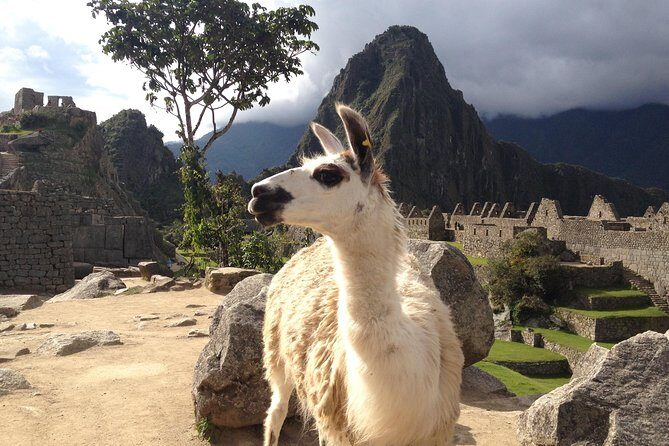
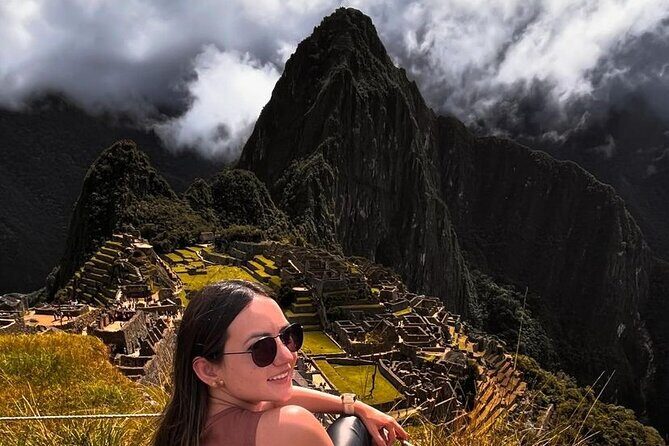
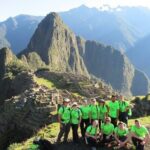
The headline reason to pick this exact format is the overnight in Aguas Calientes. That one night changes the whole feel of Machu Picchu. Instead of arriving late and rushing through, you’re positioned for an early start, and the program explicitly aims at watching the sunrise over Machu Picchu.
Practically, it means you transfer from Aguas Calientes up to the park by bus, then you get a guided introduction first. That’s a big deal on a site like this. Machu Picchu can be visually overwhelming—so having context up front helps you recognize what you’re looking at, not just take photos.
The second practical win: you’re given time to wander after the guided portion. The schedule notes you’ll have until 2:00 pm to explore freely. That gives you room to pace yourself, revisit views you liked, and take a quieter walk when the main flow starts to shift.
The small-group size (15) that makes the guide time feel useful
This tour runs with a maximum of 15 travelers, and that matters more than you’d think. In a big group, you spend your brain power waiting. In a small one, you’re more likely to keep up with the guide’s explanation, ask a question, and understand why certain viewpoints matter.
You’ll also have professional guide support in English and/or Spanish depending on the guide assigned. From real trip accounts tied to this operator, the team has worked with guides like Yang, Carlos, and Paul, plus a driver named Raul. The common thread is careful handling of tickets and timing, with communication before and during the experience.
That’s especially valuable on Machu Picchu days, where timing depends on train schedules and park procedures. If weather or operations cause changes, the company’s approach (as seen in past experiences) is to adjust and keep you informed rather than leaving you guessing.
You can also read our reviews of more tours and experiences in Cusco

Day 1 in the Sacred Valley: Pisac markets and Ollantaytambo stonework
Day 1 starts with breakfast at your hotel, then pickup around 8:00 am from your Cusco area lodging. You’ll head to Pisac, about 45 minutes from Cusco by private transport. This is a good first stop because it balances “wow” with something you can actually engage with.
Pisac: advanced Inca design plus a traditional market
Pisac is presented as a place that shows how advanced Inca architecture was—especially the way the site blends platforms, domestic and ceremonial structures, and water systems for agriculture. The program also points out a modern interpretation: Pisac wasn’t just a fortress. It’s described more like real estate and land management tied to Inca authority.
You’ll also have a chance to enjoy the traditional market. This is the part I’d plan for if you like authentic souvenirs that aren’t just made for tourists. The market is one of the more grounded, everyday-feeling stops on the route, and it’s where you’ll see local crafts and goods in a way that feels connected to the town life.
Time-wise, the stop is listed as about 30 minutes. That’s short, so if you want to shop, give yourself a simple strategy: look first, ask prices fast, then buy before you lose momentum.
Lunch in Urubamba: agricultural heartland and a buffet reset
After Pisac, you head to Urubamba for lunch. The meal is a buffet featuring Peruvian cuisine. Urubamba is described as one of the main agricultural centers of the Inca Empire, and it makes sense thematically: the Sacred Valley route isn’t only temples and terraces; it’s about how people fed themselves and organized land.
If you’re trying to travel smart, treat lunch as your energy checkpoint. Machu Picchu day comes fast after train time, and you’ll be moving for hours.
Ollantaytambo: terraces that do several jobs at once
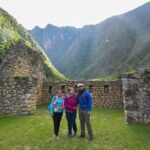
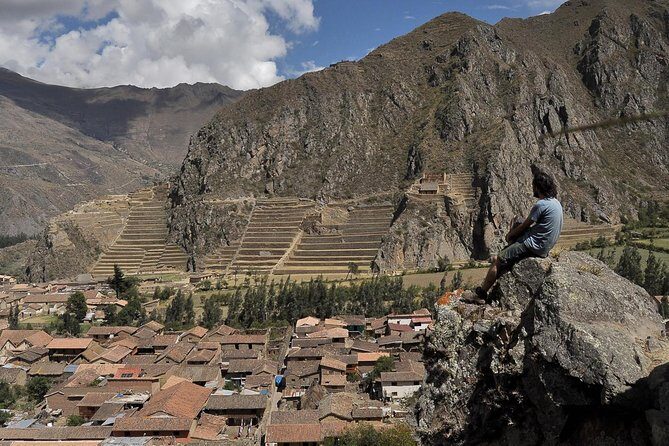
In the afternoon, you visit Ollantaytambo, focused on the fortress/archaeological park area. This stop is framed as a strategic point—military, agricultural, and religious all at once. You’ll see superimposed terraces and large stone blocks set into the upper levels.
The guide explanation here is important. The program suggests the walls and watchtowers likely helped defend the area, while the terraces also supported agricultural use. That gives you a clearer picture of why these sites look the way they do: they’re built to control water, slope, and access.
The visit is listed at about 45 minutes. Again, that’s enough for highlights, not enough to go fully deep—so if you love architecture and stonework, plan to lean into the guide’s talk and then use your questions to fill in the gaps.






Train to Aguas Calientes: positioning for an early Machu Picchu morning
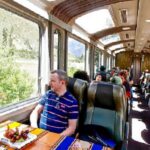
After Ollantaytambo, you board the train to Aguas Calientes to be ready for Machu Picchu early the next day. This sequence is one reason this tour feels efficient: you’re not trying to cram Machu Picchu and the Sacred Valley into one frantic day from Cusco.
Day 2 on Machu Picchu: guided entry plus time until 2:00 pm
Day 2 starts with a transfer from Aguas Calientes to the bus station, then the bus ride uphill to the Machu Picchu Archaeological Park. Once inside, your guide helps you understand the history and architecture of the Inca city and points out buildings and temple areas along with the surrounding natural setting.
This guided portion is where you learn how to “read” the place. Without some structure, Machu Picchu can feel like one big postcard. With a guide, you can spot patterns: where views are controlled, how terraces relate to buildings, and why certain areas feel intentionally placed.
After that tour, you get time to roam freely until 2:00 pm. That’s the sweet spot. You can do your slow photo walk, pause at viewpoints, and still have time to take in the overall layout without feeling like your watch is always screaming.
Coming back: train to Ollantaytambo and back to Cusco
In the afternoon, around 4:30 pm, you board the train back to Ollantaytambo. You’re scheduled to meet your group back at the station around 6:30 pm, then you’ll be transferred to your Cusco hotel. The note here is honest: hours can vary depending on train service and the operational flow that day.
That variability is one reason I like this format for people who want control without doing the logistics themselves. You’re not DIY scheduling buses, tickets, and trains all on your own.
Price and value: what you’re actually paying for
At $461.54 per person, the price isn’t just “a bus to Machu Picchu.” It includes the pieces that usually cost you time (and stress) if you plan it yourself:
- An English/Spanish professional guide during the key sections
- A hotel night in Aguas Calientes (with breakfast)
- Lunch/buffet meals called out in the Sacred Valley portions
- Entry being handled as included/free in the tour notes for the major sites
- The train connection built into the routing
For many people, the biggest value is the time-and-energy savings. Machu Picchu logistics are famously easy to mess up. This is a package that organizes the flow so you spend your time looking at terraces and temples instead of comparing ticket windows.
Extras you may want (and what they cost)
If you’re chasing higher views, the tour notes a couple of add-ons:
- Huayna Picchu or Mountain Machu Picchu: +$30 USD (request in advance)
- Vistadome Train Upgrade: +$55 USD (request in advance)
- Hot springs entrance: optional in Aguas Calientes, pay on arrival
- Hotel upgrades: extra cost depending on category
My practical take: do the add-ons only if you know what you want. A second mountain hike can turn a good day into a very long one, and it’s not necessary to enjoy Machu Picchu.
What’s included (and where surprises usually happen)
Here’s the straightforward list of what’s covered:
Included:
- A briefing the day before in your Cusco hotel
- Lunch
- 1 hotel night in Aguas Calientes, including breakfast
- A professional guide (English/Spanish)
- Buffet Lunch in the Sacred Valley for Day 2 (as stated)
- Breakfast
- Coffee and/or tea
Not included:
- Other lunches and dinners
- Huayna Picchu / Mountain Machu Picchu (+$30)
- Hot springs fees (optional)
- Vistadome (+$55)
- Hotel upgrades
- Gratuity
The place you might feel a pinch is food timing. Since not all meals are included, you’ll want a small plan for snacks. Also, because you’re moving between towns, your “when will I eat” routine might not match your normal travel rhythm.
Who this Sacred Valley and Machu Picchu plan suits best
This is a great fit if you:
- Want to see both the Sacred Valley highlights and Machu Picchu without doing heavy logistics yourself
- Like guided explanations and want help understanding what you’re seeing
- Prefer a small group (up to 15) rather than getting lost in a crowd
It’s also a solid pick for first-timers, because Pisac and Ollantaytambo give you Inca context before you reach Machu Picchu.
You might want to look elsewhere if you:
- Want an unstructured, “wander all day” schedule with no set times
- Are only interested in Machu Picchu and don’t care about the Sacred Valley stops
- Have a tight timetable that won’t handle the train-based return timing
And one more thing: the booking notes ask you to send details like your passport number, date of birth, nationality, sex, and phone (WhatsApp), plus your Cusco flight information. That’s normal for Peru travel, but it does mean you’ll want your documents handy.
Practical tips so you don’t feel rushed
This route starts early and includes real elevation changes. A few common-sense moves help:
- Dress in layers for the early morning and bus rides.
- Bring a light rain layer. Weather can affect operations, and the operator has handled itinerary modifications in the past when conditions changed.
- Use the guided time to learn, then use the free time until 2:00 pm to slow down.
- If you’re vegetarian, the tour notes that a vegetarian option is available without extra cost—just tell them at booking.
Also, since you’ll be on a schedule, keep your mindset simple: you’re here for the big sequence. Don’t try to turn Machu Picchu into a multi-day research project. You’ll get the most joy when you treat it like a strong, guided day plus a personal walk.
Adding more sights: Maras and Moray in the Sacred Valley
One of the nice things about this kind of Sacred Valley routing is that you can sometimes extend it. Past experiences tied to this operator include options where the Sacred Valley route can be made more customized, including Maras and Moray, alongside core highlights.
If those names excite you, ask early about adding them. The standard day focuses on Pisac and Ollantaytambo, so extra stops usually depend on your specific arrangement and timing.
Should you book this 2-day Sacred Valley and Machu Picchu tour?
If your goal is to see the Sacred Valley and Machu Picchu in two days, with sunrise timing and less stress, I’d say this is a strong, practical booking. The biggest reasons are the overnight in Aguas Calientes, the small-group size, and the way the schedule uses guides to help you understand what you’re looking at instead of leaving you to guess.
Book it if you want structure, early Machu Picchu, and a guided path through Pisac and Ollantaytambo.
Think twice if you’re the type who hates any schedule changes, because the return and exact timing can vary with train operations and conditions. And if you want Huayna Picchu or a train upgrade, plan ahead and request it early.
If you want a clean checklist: confirm your extras, send your flight and passport details on time, and pack for an early day. Do that, and you’ll be free to focus on the real payoff: Inca places that feel bigger than the photos, especially when you arrive early enough to let the morning calm settle in.
FAQ
What’s the duration of the 2-day Sacred Valley and Machu Picchu tour?
The tour runs for about 2 days.
What time does the tour start, and where does it begin?
It starts at 8:00 am from the Cusco Region, Cusco Region meeting point area.
How big is the group?
The tour has a maximum of 15 travelers.
What’s included in the tour price?
Inclusions listed include a day-before briefing, guide support (English/Spanish), lunch, 1 hotel night in Aguas Calientes with breakfast, plus a buffet lunch in the Sacred Valley for Day 2, and coffee/tea.
Is the tour offered in English?
Yes, it’s offered in English (and also includes Spanish guidance in the group per the included details).
Do I get to visit Machu Picchu early?
The trip includes an overnight in Aguas Calientes, and the highlights specify sunrise over Machu Picchu, so you’re set up for an early visit.
Can I add Huayna Picchu or Mountain Machu Picchu?
Yes. Huayna Picchu or Mountain Machu Picchu can be added for +30 USD, requested in advance.
Is the Vistadome train upgrade available?
Yes. The Vistadome upgrade is +55 USD, requested in advance.
Can I cancel or change my booking?
This experience is listed as non-refundable and cannot be changed for any reason.