REVIEW · CUSCO
Full Day Horseback Riding Tour to Maras and Moray
Book on Viator →Operated by Horseback Riding Cusco · Bookable on Viator
Horseback over Inca ruins beats the usual bus tour. This full-day private ride in Cusco ties together Sacsayhuaman, Moray’s agricultural terraces, and the salt flats near Maras, while your guide explains what made the Inca world work. I especially like the fully private format and the official riding helmets—and one real consideration is that if you’re not comfortable on horseback, the ride may feel a bit nerve-wracking.
You’ll start around 9:00 am and wrap up in Cusco around 4:30 pm, with included snacks and lunch-like food along the way. Expect snowy mountains, working farmland, and some time where you can actually see how people lived—and farmed—at altitude.
In This Review
- Key things to know before you ride
- A private Cusco horseback day that connects Sacsayhuaman, Moray, and Maras
- Getting to the countryside: transport from Cusco or the Sacred Valley
- Starting at Vieja Estancia Ranch: what the ride really feels like
- Sacsayhuaman on horseback: seeing the citadel beyond the crowds
- Moray terraces: the Inca experiments with plants and temperature
- Maras village stop and the 400-year-old church moment
- Salt mines by private transport: what changes after the ride
- Meals and snacks: simple, included fuel for altitude and riding
- Price and value: is $320 per person fair for a 7-hour private day?
- Who should book this horseback tour, and who should pass
- The best way to plan your day around this tour
- Should you book this full-day horseback tour to Maras and Moray?
- FAQ
- What time does the tour start and when do we return?
- Is this tour private?
- How long is the horseback riding part?
- What’s included in the price?
- What isn’t included?
- Are there language options?
- What should I expect to see and do?
- Do I need good weather?
- Is confirmation available right away?
- What is the cancellation cutoff for a full refund?
Key things to know before you ride
- Private transport from Cusco (or the Sacred Valley) means fewer hassles and more time outside.
- Horseback time is a big part of the day, and it can total around 3 hours of riding.
- Sacsayhuaman is the warm-up and the history stop, including lesser-visited sections of the ancient citadel.
- Moray’s terraces aren’t just scenery; the tour focuses on how the Incas experimented with crops across temperature differences (up to about 15°C).
- Maras is a change of pace, including a look at a church that’s over 400 years old, plus a stop for the salt mines later.
- Horses are left behind in Maras, and you continue by private vehicle from there.
A private Cusco horseback day that connects Sacsayhuaman, Moray, and Maras
If you’re tired of the same Cusco itinerary that’s mostly standing in lines, this day gives you a different angle: you move through the area on horseback, then you slow down at the sites to understand what you’re seeing. It’s a full circuit built around three places people talk about—plus the parts of them most group tours skip.
The “private” part matters. You’re not negotiating crowds at every turn, and your guide can take the pace that fits your group. That’s especially helpful when the day includes both riding time and short walking portions.
The trade-off is that you’re still doing a full day. This is not a quick photo stop. Plan for altitude, time in the saddle, and a schedule that’s designed to use daylight efficiently.
You can also read our reviews of more tours and experiences in Cusco
Getting to the countryside: transport from Cusco or the Sacred Valley
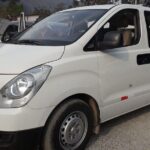
Your day begins with pickup from Cusco city or the Sacred Valley. That convenience is more than comfort; it reduces the mental load of figuring out timing on your own, especially if you want to avoid hopping between taxis and tour desks.
From Cusco, you’ll travel out to a rural community area (Cruzpata is part of the route). That’s where the horse team comes in—muleteers and horses—so the day turns from vehicle time into riding time without you having to micromanage logistics.
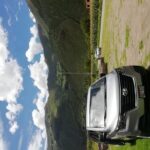
The countryside drive also sets expectations. You’re going to pass through farmland with crops and views framed by snowy mountains. Even before the first saddle step, you’ll feel like you’re heading out past the main tourist core.
Starting at Vieja Estancia Ranch: what the ride really feels like
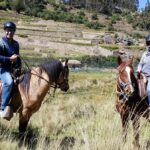
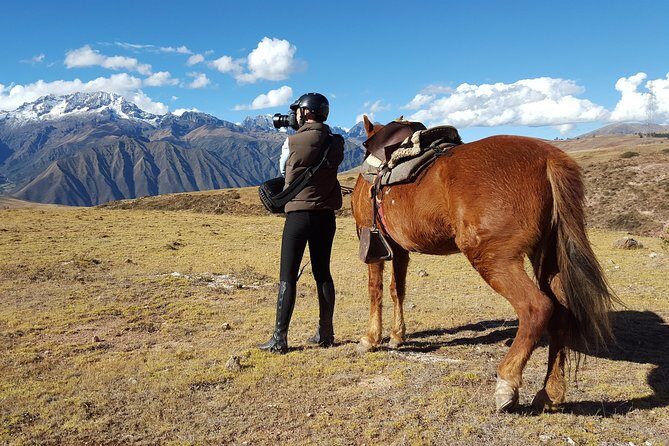
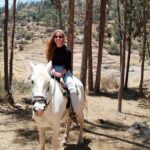
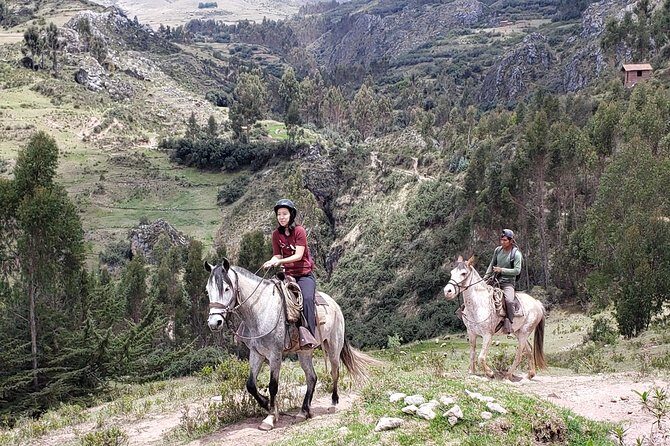
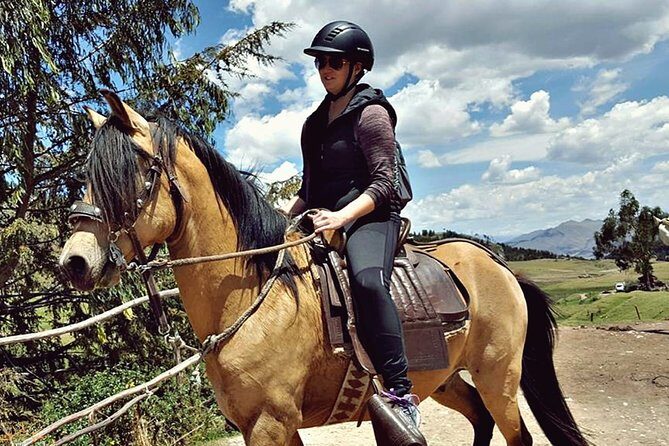
The ride begins at the Vieja Estancia Ranch area. You should expect a proper start: you’ll get official helmets, and your guide is there to keep the experience safe and instructional.
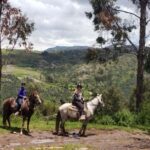
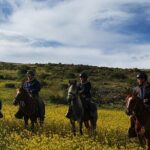
Then comes the riding segment—often about 3 hours—moving through mountains and valleys and along routes that go off the main tourist track. This is where the day stops feeling like a typical sightseeing loop and starts feeling like a real regional experience.
One thing to keep in mind: the horses are well trained, and you may even get to experience the paso llano gait (if you’re on a horse suited for it). Still, the ride may feel a little frightening if you’re not confident around horses or you don’t like sudden movements. If that describes you, consider being upfront about your comfort level when you meet the guide.
Sacsayhuaman on horseback: seeing the citadel beyond the crowds
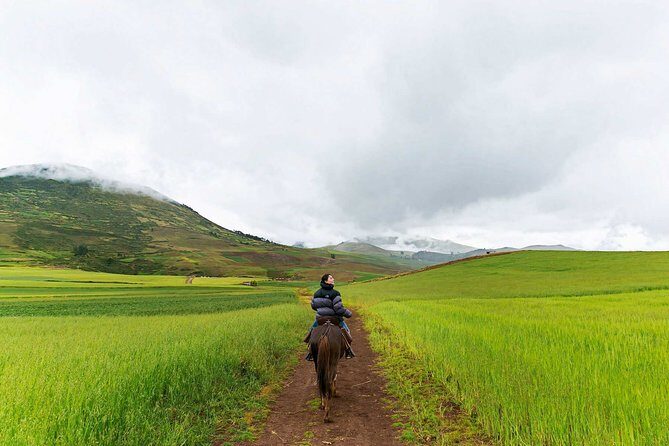
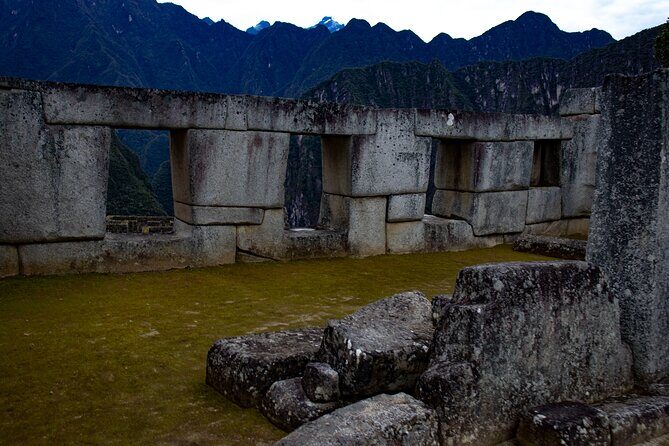
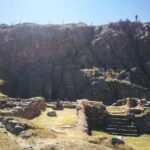
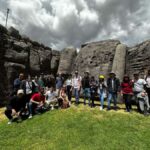
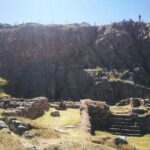
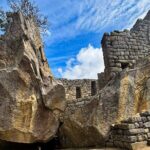
Sacsayhuaman is a big name near Cusco, and this tour uses it in a smart way. Instead of only doing the ruins on foot, you ride through the surrounding areas and spend time at the archaeological site, including lesser-visited sections of the citadel.
That “lesser-visited” detail isn’t just marketing. It changes what the place feels like. When you’re not stuck only on the most obvious paths, you can actually look at the stonework and imagine how the site fit into Inca power.
Your guide also uses this stop to connect the dots about the Inca Empire—how the sites weren’t random monuments, but part of a system of political, cultural, and practical life. If you like history but get bored by dry lectures, this format helps because you’re learning while you can still look around.
Moray terraces: the Inca experiments with plants and temperature
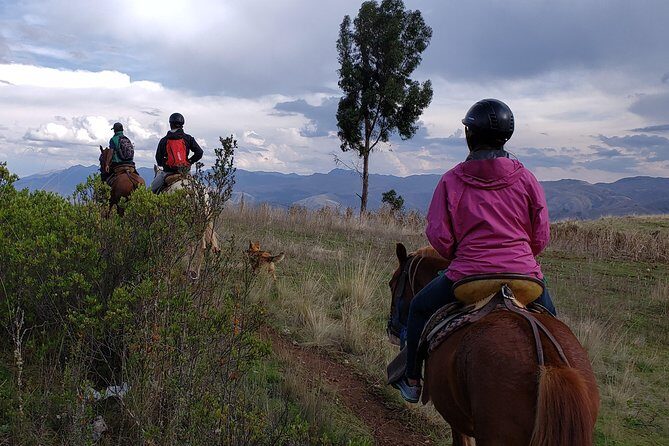
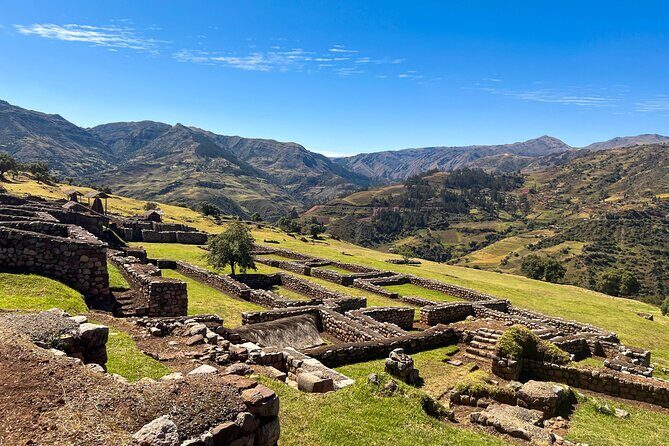
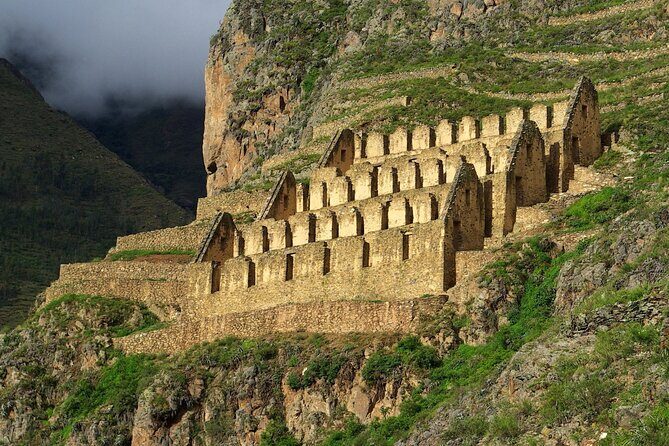
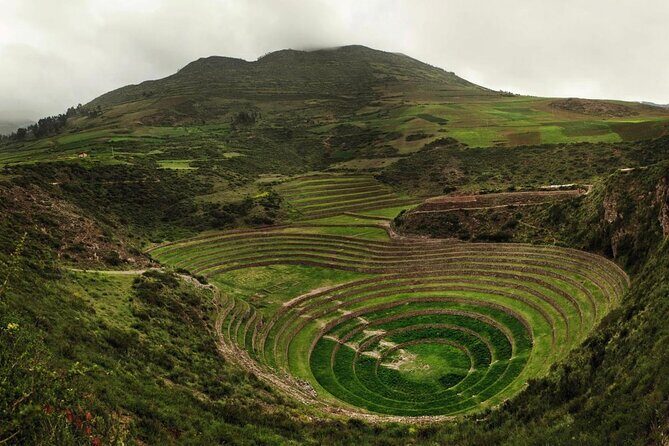
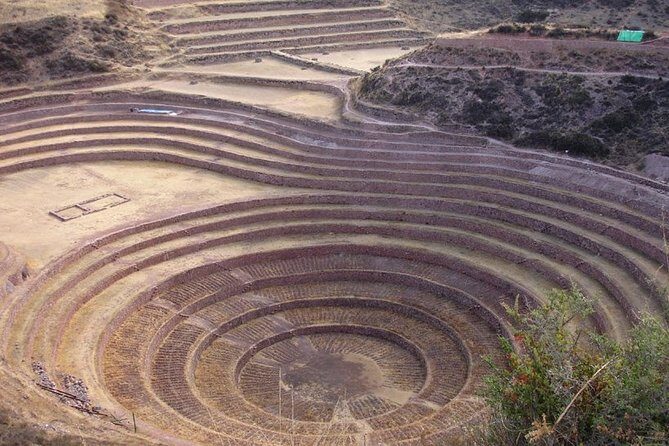
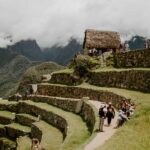
Moray is the science-minded surprise of the day. Yes, it’s dramatic ruins, but the focus here is the agricultural purpose: terraces where the Incas worked with plants and foods to adapt to different altitude levels.
The tour explains a key detail: in the agricultural terraces, you can find temperature differences of up to about 15°C. That number gives you a concrete reason to care. You’re not just viewing stepped walls; you’re seeing a system that helped ancient farmers test how crops behaved as conditions changed.
There’s also typically a short, easy walking portion built into the Moray and Maras time. It’s not described as a major hike, so you can keep your energy for the riding segment and still stretch your legs without turning the day into a trail marathon.
A practical tip: Moray is still at altitude, and weather can change fast. Bring layers you can manage while walking and while waiting between moments.
You can also read our reviews of more tours and experiences in Cusco
Maras village stop and the 400-year-old church moment
After Moray, the route continues to Maras. The day shifts again from terraces to village rhythm—more local, more everyday.
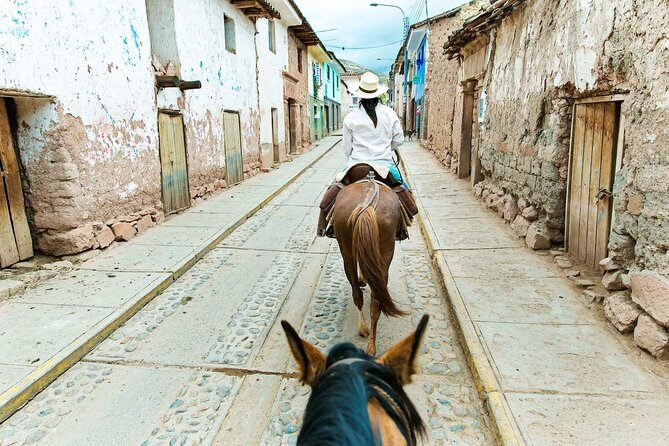
You’ll do a small tour in Maras, including seeing a church that’s over 400 years old. Even if you’re not a church person, that detail adds texture. It anchors the visit in the long timeline of the region, where Inca-era engineering and modern religious life sit in the same cultural space.
Then comes a key operational moment: you leave your horses in Maras. That matters because it signals you’re moving from riding time to village and salt mine time, without dragging animals through the sites.
If you’re hoping for a photo-heavy visit, Maras can deliver. The architecture and streets offer good angles, and your guide can point out where the views and details are best.
Salt mines by private transport: what changes after the ride
The famous salt mines are a major payoff of the Maras portion. After horses are left behind, you continue by private transportation to the salt mine area.
This shift is one of the reasons the day works well as a full-day experience. You get the effort and adventure of horseback riding, then you transition to a more stationary visit where you can focus on the salt basins and the practical story of how the place functions.
Timing is also built in. The day runs until about 4:30 pm in Cusco, and the order keeps you moving while there’s still daylight for both the ruins and the salt mine stop.
If weather is rough, the tour may be affected—this experience requires good weather. Plan your Cusco schedule so you’re not forced into a rigid single-day choice.
Meals and snacks: simple, included fuel for altitude and riding
This tour includes snacks and a box lunch. That’s a big deal on a horseback day because you’re burning energy at altitude, and waiting to find food can turn into a stress spiral fast.
One review also highlighted a lunch served at a restaurant buffet style, so the exact format can vary by day. Either way, you can count on at least one substantial eating moment included, plus small snacks along the route.
If you’re prone to getting cold in the late afternoon, build snacks into your strategy. You’ll likely be moving earlier and possibly standing later, so having food on hand helps keep energy stable.
Price and value: is $320 per person fair for a 7-hour private day?
At $320 per person, this isn’t a budget half-day. The value comes from what’s bundled, not just the fact that it’s a “tour.”
You’re paying for:
- Private transportation for the day
- A professional tour guide
- Official horseback helmets
- Snacks and a box lunch
- A full routing through Sacsayhuaman, Moray, and Maras/salt mines (with riding time built in)
The ride time matters because it’s the hard part to DIY. You’d have to handle transport, horse logistics, and guide interpretation on your own, and the last-minute problem is that reputable horse operations need planning.
Also note the group size ceiling: there’s a maximum of 15 travelers, and it’s described as a fully private tour. In practice, that usually means you’re not sharing the experience with a huge crowd, which keeps the day from feeling rushed or chaotic.
The main “cost” outside the price is the Touristic Ticket, since that’s listed as not included. You may need to budget for that depending on what you’re visiting.
Who should book this horseback tour, and who should pass
This is a strong fit if you want Cusco in motion. Horseback riding plus Inca sites and salt mines is a mix that feels like more than a checklist.
It’s also a good choice if you like guides who can explain the “why” behind the sites. One guide name that came up is Holger, and his style is described as professional and friendly, fast to respond, and focused on showing horses that are well cared for. He’s also described as finding hidden spots and viewpoints that you might miss with a more rigid route.
You should think twice if:
- you’re uneasy riding horses or you’re prone to panic around animals
- you hate long days with a fixed schedule
- you need a fully low-walking day (short walking happens at least around Moray/Maras)
If you’re comfortable in a saddle and you want that off-the-main-track feeling, this tour hits the sweet spot.
The best way to plan your day around this tour
A horseback day rewards smart packing. Bring layers for the temperature swings, and keep your daypack light so you’re not wrestling bags between stops.
Also, consider how you’ll handle altitude. Even with a guide explaining Inca agriculture and history, your body still has to process the elevation. Hydrate before you leave Cusco and pace yourself during walking portions.
Finally, keep your expectations clear: this is not only about ruins and photos. It’s about the riding experience connecting those ruins into one storyline.
Should you book this full-day horseback tour to Maras and Moray?
I’d book it if you want a private, structured Cusco day that goes beyond the standard sightseeing loop. The combination of horseback riding, Moray’s temperature-based agricultural terraces, Maras village, and the salt mines makes it a rare “do more than one thing” itinerary that still feels coherent.
Don’t book it if you’re not comfortable on horseback or if you’d rather spend the day purely at your own pace without riding. And budget for a possible Touristic Ticket, since that isn’t included in the base price.
If you’re the kind of person who likes to move through places—rather than only stand and look—this is a solid bet.
FAQ
What time does the tour start and when do we return?
The tour starts at 9:00 am and ends back in Cusco around 4:30 pm.
Is this tour private?
Yes. It’s described as fully private, with the overall maximum group size listed as 15 travelers.
How long is the horseback riding part?
One review described the horse ride as taking about 3 hours, as part of the full ~7-hour day.
What’s included in the price?
Included are private transportation, a professional tour guide, official horse riding helmets, snacks, and a box lunch.
What isn’t included?
Touristic Ticket is not included. Travel insurance and gratuities are also not included.
Are there language options?
The tour is offered in English.
What should I expect to see and do?
You’ll ride horses starting from the Vieja Estancia Ranch area, visit Sacsayhuaman ruins, go to Moray to see the agricultural terraces, tour Maras village (including a church over 400 years old), and then travel to the salt mines by private transportation.
Do I need good weather?
Yes, this experience requires good weather. If it’s canceled due to poor weather, you’ll be offered a different date or a full refund.
Is confirmation available right away?
Confirmation is received at the time of booking, and the tour uses a mobile ticket. Service animals are allowed, and most travelers can participate.
What is the cancellation cutoff for a full refund?
You can cancel up to 24 hours in advance for a full refund. If you cancel less than 24 hours before the start time, the amount paid is not refunded.