REVIEW · CUSCO
2 day hike to Machu Picchu
Book on Viator →Operated by Guiding Machu Picchu · Bookable on Viator
A short hike can still feel like the real Inca experience. This 2-day short Inca Trail to Machu Picchu keeps the walking challenging-but-manageable, while the guided focus helps you read the sites instead of just passing them by.
What I like most is the balance of archaeology + timing, especially arriving at Machu Picchu in the morning light.
Second, you get a private setup for your party, so the guide can actually tailor pace and questions. The route takes you through key stops like Chachabamba and Wiayhuayna, with a viewpoint from Inti Punku before you head down to Aguas Calientes. That structure makes the whole thing feel connected, not like two separate days glued together.
One consideration: you’ll be hiking around 6 hours on Day 1 over about 13 km at altitude. If moderate fitness plus early starts don’t sound fun to you, this may feel more tiring than advertised.
In This Review
- Key highlights worth planning around
- A short Inca Trail that actually feels doable
- Cusco to km 104: the early-start logistics that matter
- Chachabamba: where the hike starts with meaning
- Wiayhuayna: the archaeology stop that connects the route
- Inti Punku viewpoints: the nightfall moment that feels earned
- Aguas Calientes hostel night: rest without the drama
- Machu Picchu at dawn hours: guided orientation plus free exploring
- Getting back to Cusco: train to Ollantaytambo, then van
- Price and what you’re really paying for ($650)
- Service style: guides, communication, and the small things that matter
- What’s included vs. what’s extra (so you don’t get surprised)
- Who should book this 2-day hike to Machu Picchu
- Packing and comfort tips that match this route
- The decision: should you book this tour or keep browsing?
- FAQ
- What is included in this 2-day Machu Picchu hike?
- Where does the hike start?
- How long is the hiking day?
- Is Machu Picchu visited on the second day?
- What kind of accommodation is included?
- Is Huaynapicchu included?
- Is lunch included for both days?
- What about language and group size?
- Does the tour require good weather?
- What is the cancellation window?
- What fitness level is needed?
Key highlights worth planning around
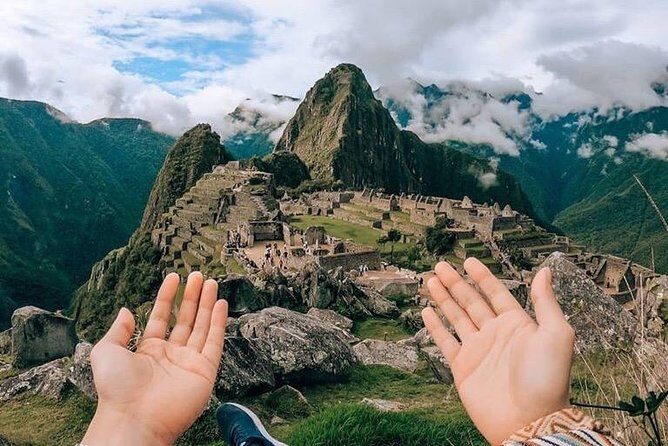
- Less-demanding Inca Trail route with about 6 hours hiking on Day 1 and 13 km total
- Private tour for your party with English-speaking guidance throughout
- Early arrival at Machu Picchu around 06:00 plus time to explore on your own
- Step-by-step archaeological narration at Chachabamba, Wiayhuayna, and Inti Punku
- Hotel in Aguas Calientes plus lunch and transfers included for less hassle
- Guides can add personality to the day (some groups mention guides like David and Javi, plus friendly support from Alicja)
A short Inca Trail that actually feels doable
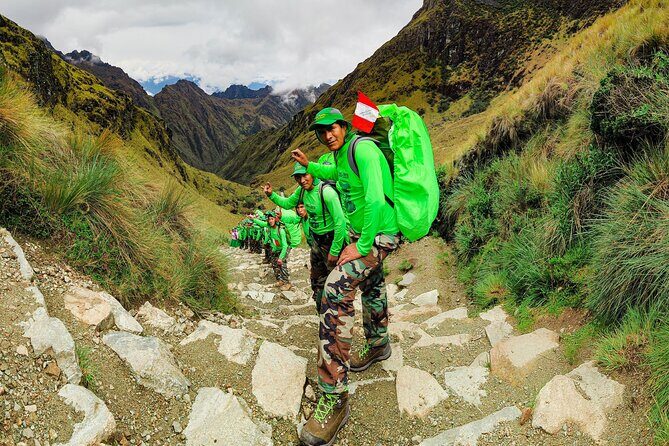
This experience is built for people who want the Inca Trail feeling, without signing up for the longest, most punishing trek. The key is the structure: Day 1 is a hike with set archaeological stops, then you sleep in Aguas Calientes instead of camping in the middle of nowhere.
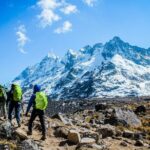
The walking time is listed as about 6 hours and the distance about 13 km. That’s enough to feel like you earned your Machu Picchu moment, but it’s not the kind of mileage that turns the day into pure suffering. You also get a guided narrative along the way, so the time on your feet has purpose.
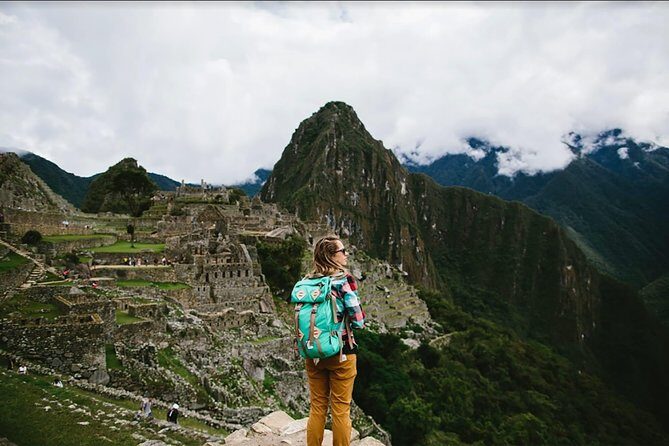
Best of all, the day flows like a story. You start at km 104 by train, move through Inca sites before the main citadel, and end Day 1 with a viewpoint at Inti Punku. Even if you’ve seen photos, this pacing helps you understand why the Inca built where they did and how the sites relate.
You can also read our reviews of more hiking tours in Cusco
Cusco to km 104: the early-start logistics that matter
You start early. The plan is to be collected from your hotel and have the morning moving, with a start time listed as 7:00 am. From there, the schedule aims to get you to km 104 by train so your hike begins on the right side of the day.
That early push is more than a timing detail. Machu Picchu is weather-dependent and crowd-dependent, and early access gives you a better chance at clear views and a smoother experience. It also means you’re not rushing the final morning while your body is still waking up.
On Day 1, after the train arrival at km 104, the trek starts at Chachabamba (2270 m / 7448 ft). From there you gradually work up to Wiayhuayna (2650 m / 8694 ft), then later to a viewpoint stop at Inti Punku (2400 m / 7874 ft). That altitude profile isn’t trivial, but it’s staged, which usually helps more than a sudden spike.
Practical tip: treat the first hour as slow and steady. If you go out hard, altitude fatigue shows up fast. You’ll feel it more if you’re trying to keep up with faster walkers.
Chachabamba: where the hike starts with meaning
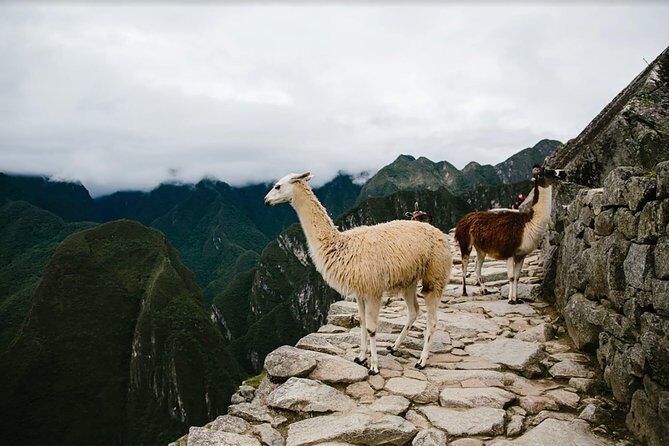
The first major stop after km 104 is Chachabamba, around 2270 m. This isn’t just a spot to take a photo and move on. Your guide provides context about what the site did within the Inca world.
This is one of the best parts of the whole plan because Chachabamba is often missed by people who only care about the final view. Here, it sets the tone: you’re hiking through Inca architecture on purpose, not accidentally.
What makes this stop valuable is the guided focus. You’re not left guessing what you’re looking at. The guide explains ancient function and ties the site to the broader route so your brain builds a map instead of just collecting landmarks.
If you like learning while you walk, this part is where the tour earns its value. If you hate stopping for explanation, you might prefer a more self-guided style. Still, for most first-timers, guided storytelling makes the trail click.
Wiayhuayna: the archaeology stop that connects the route
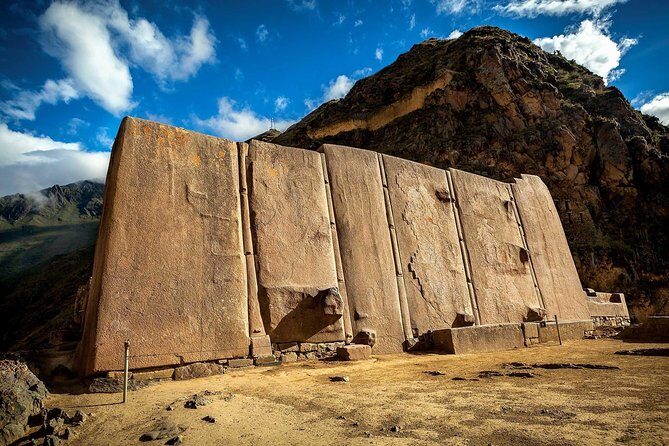
After Chachabamba, the route climbs to Wiayhuayna (2650 m). This is described as the most important archaeological site besides Machu Picchu in the route. In practical terms, it’s one of your bigger “wow” moments before you even reach the citadel.
Again, the benefit isn’t just the location. It’s the fact that the guide interprets it as you reach it. You get a sense of why it matters on the way to Machu Picchu and what to notice while you’re standing there.
Wiayhuayna also helps manage expectations. By the time you reach it, you’ve already started feeling the rhythm of the hike. That makes it easier to appreciate what you’re seeing rather than viewing everything through the fog of exhaustion.
Altitude note: 2650 m is high enough to make you check your breathing. You don’t need to sprint to impress anyone. Move steadily, drink water, and let your body adjust.
Inti Punku viewpoints: the nightfall moment that feels earned
After Wiayhuayna, you continue toward the Sun Gate, Inti Punku. You get a nice viewpoint from here to enjoy the nightfall on Machu Picchu, even though you won’t spend long inside the sanctuary on Day 1.
This is a smart design choice. It gives you a payoff without turning Day 1 into a full citadel scramble. You get that “we’re close” feeling, then you keep walking to reach your lodging.
You’ll also find that this viewpoint stop can do two jobs at once. First, it’s scenic. Second, it gives your brain a mental picture of Machu Picchu before Day 2. When you return in the morning, you recognize shapes and sight lines instead of starting from zero.
If you’re coming from sea level or you’re prone to altitude headaches, take this seriously. The day is arranged so you have time between altitude jumps, but you still need to pace yourself from stop to stop.
You can also read our reviews of more tours and experiences in Cusco
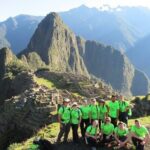

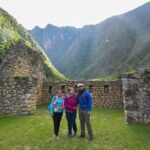
Aguas Calientes hostel night: rest without the drama
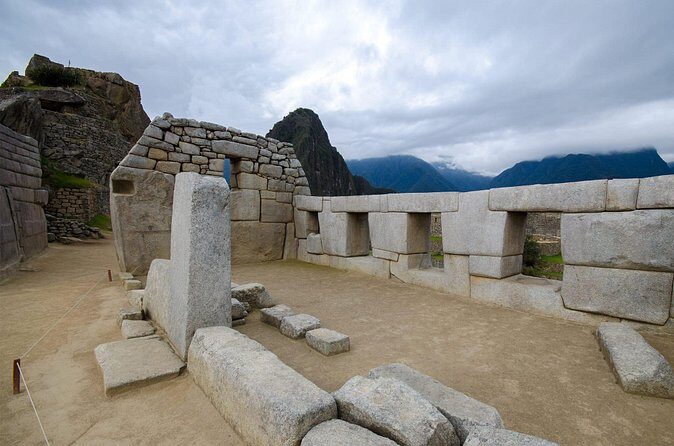
After the Day 1 hike, you head to Aguas Calientes, where you stay in a hostel. This isn’t luxury travel, but it’s functional. The goal is simple: sleep, recharge, and wake up ready to visit Machu Picchu early.
This is where the “value” part of the tour starts to show. A lot of Machu Picchu plans add costs later for lodging and transfers. Here, the hotel is included, along with transfers and train.
Also, being based in Aguas Calientes is practical for the morning. You’re not spending your last night trying to figure out bus schedules and timing. You go to bed knowing you’ll be picked up after breakfast.
What to expect: you’ll likely want an early night. Day 2 begins with you leaving the hotel around 05:30 am by bus, aiming to reach Machu Picchu around 06:00 am.
Machu Picchu at dawn hours: guided orientation plus free exploring
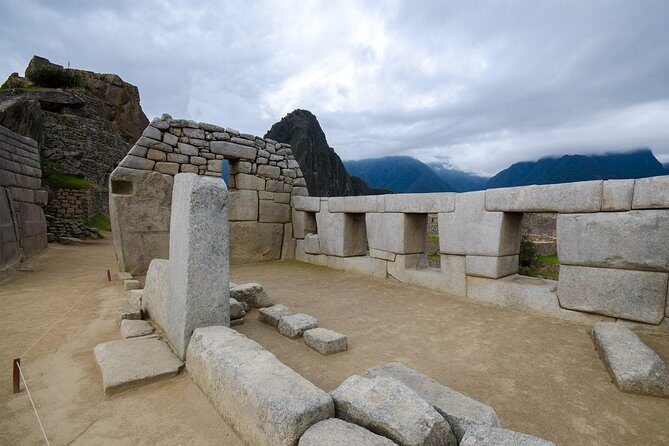
Day 2 is the main event. After breakfast, you head by bus to the citadel, arriving around 06:00 am. That timing is huge because it sets up better light and less crowd pressure than later arrivals.
Once you arrive, your guide gives a detailed tour about Machu Picchu and Inca history. This guided orientation matters more than people expect. The place is complex. If you only wander, you might miss why certain buildings align, how terraces relate, and what the layout suggests.
After the guided portion, you get free time to explore on your own. That’s the right mix. You can return to whatever grabbed you most, take more photos, and pause without feeling like you’re holding up the group.
Practical tip: plan at least one quiet loop where you walk slowly and stop often. Machu Picchu is one of those sites where your enjoyment improves when you stop looking at it like a checklist.
Getting back to Cusco: train to Ollantaytambo, then van
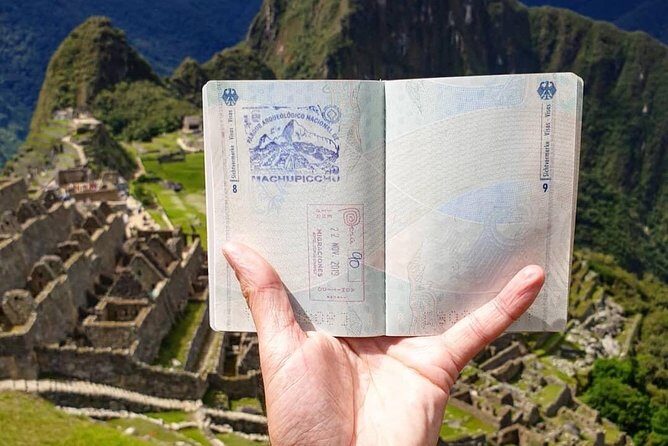
When your Machu Picchu time wraps up, the plan takes you back the efficient way: you return by train to Ollantaytambo, then take a private van to Cusco.
This matters because it reduces decision fatigue at the end of a tiring day. You’re not trying to figure out which connection works best while you’re already exhausted and hungry. The tour handles the transfer chain end-to-end.
Also, the structure helps you recover. After a day that includes altitude, walking, and early wakeups, having a private van waiting in the right place makes the difference between smooth travel and a stressful finish.
If you’re organizing your overall Cusco stay, it helps to schedule buffer time afterward. Even though the transport is handled, you may still want time to rest before more plans.
Price and what you’re really paying for ($650)
At $650 per person, this is not a cheap way to reach Machu Picchu. But it also isn’t only paying for entry tickets and a name on a schedule.
What’s included is a meaningful chunk of the usual cost stack:
- Guide
- Hotel in Aguas Calientes
- Train
- Transport
- Inca trail fee
- Lunch (and you also need to plan for the last day’s lunch since it’s not included)
That mix explains the price better than just the destination alone. You’re paying for coordination across two days: the train to begin the trail, lodging for the night, and the return chain to Cusco. For many people, that’s worth it because it removes the most annoying parts of a Machu Picchu trip.
The biggest question isn’t whether Machu Picchu costs something. It does. The real question is whether you want a guided, structured route versus a patchwork DIY plan. If you value explanation and fewer logistics headaches, this price starts to feel more reasonable.
Where it can feel pricey is if you’re already comfortable DIY-ing train schedules, lodging, and permits. If you’re the type who loves planning and doesn’t mind juggling details, you might find cheaper options. But for most first-timers, the included guide and transfers are the deal.
Service style: guides, communication, and the small things that matter
The tour is private, English-speaking, and designed around your party only. That’s a big deal on a trek. It reduces the “wait around, then speed up” energy you can get with larger group tours.
The tone of the guiding also comes through in how people describe the experience: guides like David and Javi are mentioned as friendly, fun, and highly focused on making the information stick. The best part of that style is not just facts. It’s how the guide keeps you moving with purpose and gives breaks in the storytelling.
There’s also mention of solid communication support from Alicja, including staying in contact and making sure pickup timing was right. Even if you never notice this kind of support at the moment, it shows up when the morning timing matters and you don’t want uncertainty.
Ask a clear question before you go: how will the guide pace the walk if someone gets altitude fatigue? With a private group, you usually can get a better answer than with a big tour.
What’s included vs. what’s extra (so you don’t get surprised)
From the provided details, you’ll get:
- Lunch
- Guide
- Hotel
- Transfers/transport
- Train
- Inca trail fee
You’ll pay separately for:
- Last day lunch (not included)
- Huaynapicchu Mountain fee (not included)
If you’re thinking about adding Huaynapicchu, budget for it early. Mountain add-ons on Machu Picchu days often have limited availability, and waiting until the last minute can lead to disappointment.
Who should book this 2-day hike to Machu Picchu
This works best if you:
- Want an Inca Trail experience without the longest trek
- Prefer having a guide explain what you’re seeing at each stop
- Like structured days with early departures and smooth transport
It also fits couples and small groups because it’s private. You’re not sharing the experience with strangers who move at a different pace.
You might want to rethink it if:
- You strongly dislike early mornings (Day 2 starts with about 05:30 am departure)
- You have health limits for altitude and moderate hiking (the route includes elevations from roughly 2270 m up to about 2650 m)
The hike time is listed as about 6 hours, which is manageable for many people, but it still requires focus.
Packing and comfort tips that match this route
Because the walking is about 6 hours on Day 1 and altitude is part of the deal, pack like you’re hiking, not like you’re sightseeing all day.
Bring:
- Layers you can adjust (cool mornings in the mountains are common)
- Comfortable shoes that handle uneven stone paths
- Water and small snacks for energy between stops (even though lunch is included)
- A light rain layer. The experience requires good weather, but conditions can change.
Also plan for sun. You’ll be outside a lot, and high elevation intensifies how quickly you can feel it.
If you’re prone to altitude discomfort, go slower than your ego wants. The tour is designed to be manageable, but your body still needs time.
The decision: should you book this tour or keep browsing?
Book it if you want a guided, private 2-day short Inca Trail to Machu Picchu that handles the hard logistics: the train start, the Aguas Calientes night, and the return to Cusco. The included hotel, lunch, transfers, train, and permits make the price feel more like a full package than a ticket-only add-on.
Keep browsing if you’re an experienced planner who already knows how to piece together transport and lodging, and you’re set on doing Machu Picchu without a structured trail day. Also consider the hiking and altitude: moderate fitness is required, and early mornings are part of the deal.
If you choose this, I’d recommend one mindset shift: treat Day 1 as part of Machu Picchu, not as a warm-up. When you reach the citadel the next morning, you’ll understand more of what you’re seeing because your guide taught it to you along the way.
FAQ
What is included in this 2-day Machu Picchu hike?
The tour includes a guide, hotel in Aguas Calientes, train, transport, lunch, and the Inca trail fee. It also includes pickup from your hotel.
Where does the hike start?
The hike starts after arriving at km 104 by train, then goes to Chachabamba, Wiayhuayna, and onward toward Inti Punku before heading to Aguas Calientes.
How long is the hiking day?
Day 1 includes about 6 hours of hiking and covers about 13 km total.
Is Machu Picchu visited on the second day?
Yes. On the second day you’ll go to the Machu Picchu citadel around 06:00 am, get a guided tour, and then have free time to explore.
What kind of accommodation is included?
You stay in a hostel in Aguas Calientes for the night.
Is Huaynapicchu included?
No. The Huaynapicchu Mountain fee is not included.
Is lunch included for both days?
Lunch is included, but last day lunch is not included.
What about language and group size?
This is a private tour for your party only, and it’s offered in English.
Does the tour require good weather?
Yes. The experience requires good weather. If it’s canceled due to poor weather, you’ll be offered a different date or a full refund.
What is the cancellation window?
You can cancel for a full refund up to 24 hours in advance of the experience’s start time.
What fitness level is needed?
Travelers should have moderate physical fitness since you’ll hike for several hours at altitude.