REVIEW · CUSCO
Bus Journey from Cusco to Puno along the Route of the Sun
Book on Viator →Operated by Turismo Mer · Bookable on Viator
The Route of the Sun feels like a story. This Cusco-to-Puno bus day strings together major stops—Andahuaylillas, Raqchi, and Pucará—plus a guided explanation, an included lunch, and an easygoing pace that keeps the long ride from turning into a blur. It also runs in English, with a small group size (max 40), so you’re not just sitting and hoping for the best.
I really like the practical comfort details: an air-conditioned vehicle, onboard WiFi, and thoughtful onboard refreshment info in the day’s reviews. I also like that the stops aren’t random; they’re picked for big visual payoffs, from church murals to Inca-era stonework. The guide-led timing makes it feel structured without feeling rushed.
One thing to consider: the entrance tickets for the main sites are usually paid separately. Plan for the optional payment around PEN 53 per person, and remember you’ll be getting on and off the bus several times over the day.
In This Review
- Key things to know before you go
- Cusco-to-Puno timing: a 7:00am start and around 5:40pm finish
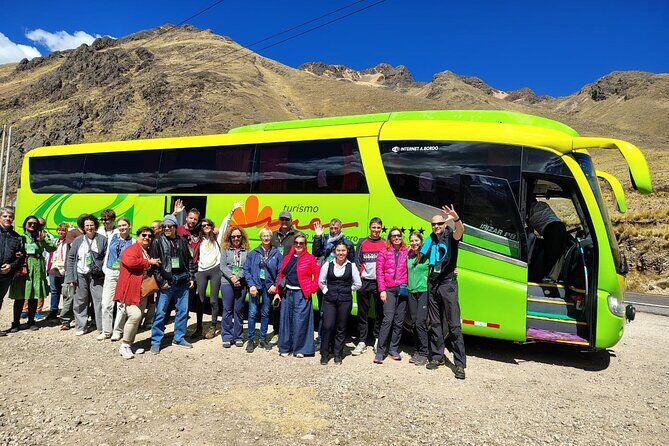
- Comfortable transport matters on this route: air-con, WiFi, and onboard drinks
- Andahuaylillas church stop: murals, gold-leaf work, and the Andes Sistine vibe
- Raqchi archaeological park: Temple of Wiracocha and the colcas you can’t miss
- Pucará museum stop: ceramics, zoomorphic figures, and Hatunñaqac
- Why this route works: scenery, frequent stops, and not just one long stare
- Lunch and the onboard rhythm: included meal plus WiFi for sanity
- Price and value: what the $40 fare covers, and what costs extra
- Guides you might meet: Elio, Marco, and the team that keeps the day flowing
- Who this tour fits best (and who should look elsewhere)
- Should you book Turismo Mer’s Route of the Sun bus?
- FAQ
- What time does the bus leave Cusco?
- About what time will I arrive in Puno?
- Is lunch included?
- Is WiFi provided on the bus?
- Is the tour offered in English?
- Do I need to pay for entrance tickets to the stops?
- How big is the group?
- What if the weather is poor?
- Can I cancel for free?
Key things to know before you go
- A guided Route of the Sun day: built around multiple curated stops rather than one straight shot
- Comfort that’s actually useful: air-conditioning plus onboard WiFi
- Lunch is included: not a token snack, but a full meal stop
- Optional site entrances: budget around PEN 53 per person if you want all the monuments
- Small group feel: a max of 40 travelers helps the day stay organized
- English-led explanations: and in at least some cases, the team brings extra language flexibility too
Cusco-to-Puno timing: a 7:00am start and around 5:40pm finish
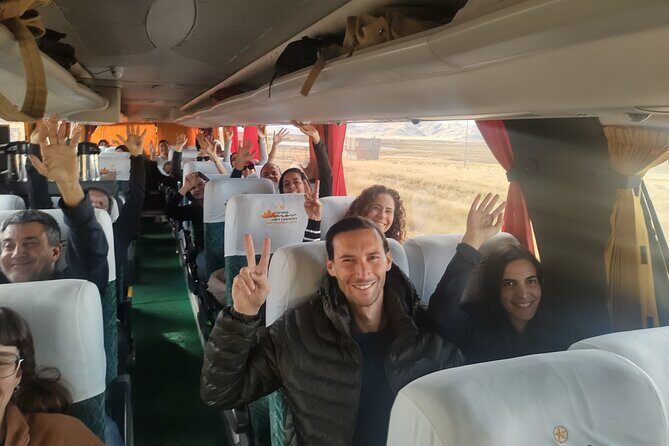
This is a long day, but it’s a planned long day. You depart at 7:00 am from Turismo Mer’s private terminal in Cusco and arrive at the Turismo Mer private terminal in Puno around 5:40 pm. The ride time is listed as 10 hours (approx.), and the day’s total schedule includes sightseeing stops, a lunch break, and brief breaks for the road.
If you’re hoping to sleep in, adjust your expectations. You’ll want an early breakfast and an outfit you can wear for sitting and for short walks. The good news: because this is a guided route with timed stops, you’re not stuck guessing what’s next.
You’ll also be doing some getting on and off the bus, so moderate physical fitness helps. The stops are time-limited, and you’ll want to move at a comfortable pace when doors open and crowds form.
You can also read our reviews of more tours and experiences in Cusco.



Comfortable transport matters on this route: air-con, WiFi, and onboard drinks
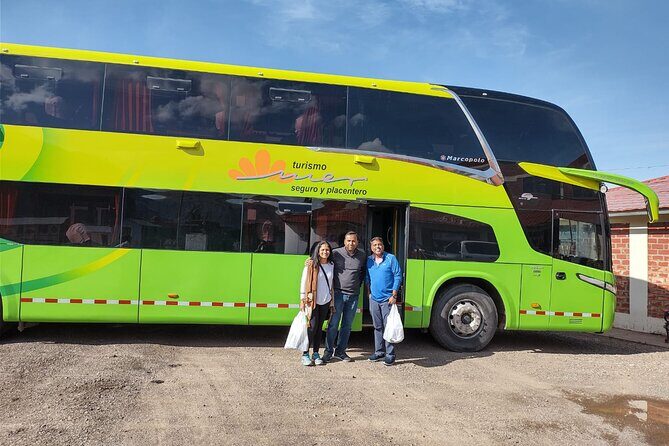
On Cusco-to-Puno days, comfort isn’t a luxury—it’s how you survive the hours. This service uses an air-conditioned vehicle, which makes a noticeable difference when you’re traveling through different climates and elevations. You also get WiFi onboard, handy for mapping, messaging, or killing time when the views keep switching locations.
Several comments mention refreshment on board, like water and soda, plus tea and soft drinks depending on the day’s service flow. That’s not just nice—it keeps you from hunting for snacks when you’re already spending most of the day in transit and at stops.
Finally, the overall bus setup is described as comfortable and relaxing. That matters here because the day works best when you treat it like a moving itinerary, not like a quick transport transfer.
Andahuaylillas church stop: murals, gold-leaf work, and the Andes Sistine vibe
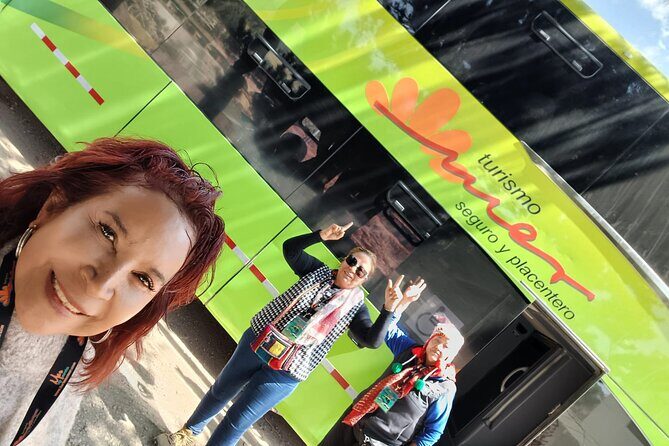
One of the most memorable moments on this route is the church visit at Andahuaylillas. You’ll see why it’s often compared to the Sistine Chapel of the Andes. The big draw is the visual craft: murals, gold-leaf work, and the Cusco school paintings inside.
This stop is about 25 minutes, which is short enough to keep things energetic, but long enough to actually look. If you’re the kind of person who reads captions slowly and stares at details, aim for a quick first pass, then circle back in the final minutes if time allows.
Entrance costs can be confusing because the route notes can describe different fee structures. What you can count on from the provided info is that the main sites are treated as optional paid entrances, with an amount around PEN 53 per person covering the key stops. So if you want Andahuaylillas for sure, budget for that day-of collection.
Practical tip: bring a small bill or change in advance. The tour team usually collects the entrance payment, so being ready makes the flow smooth.
Raqchi archaeological park: Temple of Wiracocha and the colcas you can’t miss
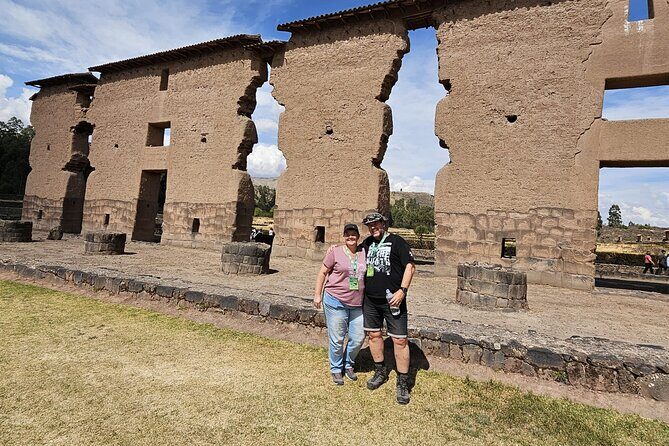
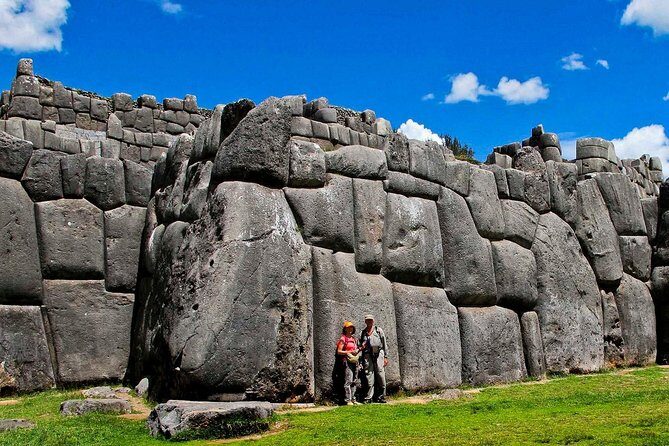
Next up is Parque Arqueológico de Raqchi, known as the Temple of Wiracocha. Wiracocha was the supreme deity in Inca belief systems, and this site reflects that significance in its scale and structure.
You’ll have about 45 minutes here, which is the longest timed stop on the day. That time is valuable because the site isn’t just one photo angle. It’s also about context: you’ll see the granaries called colcas, including the largest number of colcas highlighted for this stop. These storage structures tell a story about how communities planned for seasons and survival.
You’ll also notice the construction style: stone and adobe buildings. That combo is one of the reasons people remember Raqchi. It looks both sturdy and handmade, like something built to last and still feel human.
If you only have energy for one of the archaeological stops, Raqchi is often the one that feels most worth your time. Some guides focus on the symbolism and layout so you understand what you’re looking at, not just that it exists.
Possible drawback: it’s a popular stop. In that limited time window, you’ll share space with other groups and you might feel a bit rushed if you’re trying to take very slow, detailed photos.
Pucará museum stop: ceramics, zoomorphic figures, and Hatunñaqac
The day also includes a stop for Pucará, a culture that developed roughly from 1600 BC to 400 AD. The visit is centered on a museum, and the most interesting part is the art: ceramics and sculptures featuring zoomorphic figures (animal-like forms).
One specific figure gets called out: Hatunñaqac—translated as the supreme throat-slasher in the tour description. Even if you don’t remember the name later, you’ll likely remember the style of the sculpture and the strong presence of the imagery.
This stop is about 30 minutes. That’s enough to see the main displays and absorb the explanation, but not enough to treat it like a full museum day. If museum time is your thing, make peace with the idea that this is a curated highlight session.
Entrance fees here are also included in the optional paid entrance plan around PEN 53 per person. If you want only one site and want to save money, this is one of the stops you can consider skipping—though skipping means trading off a chance to see the older pre-Inca tradition represented through art.




Why this route works: scenery, frequent stops, and not just one long stare
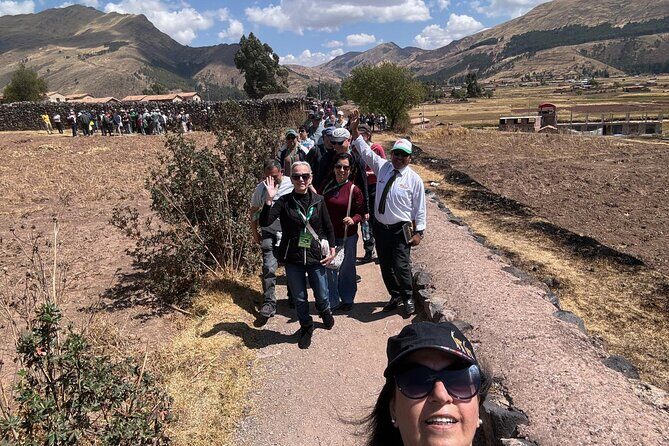
Cusco to Puno by road is famous for views, but the difference between a good day and a boring one is what you do with your time. This tour is built for frequent sight breaks and guided context. Instead of treating the ride like uninterrupted transport, it treats it like a series of short learning moments.
The route is often described as passing through areas with farming and mountains, shifting into broader, more fertile stretches later in the trip. Even when the focus is the guided stops, the road itself does a lot of the work for you.
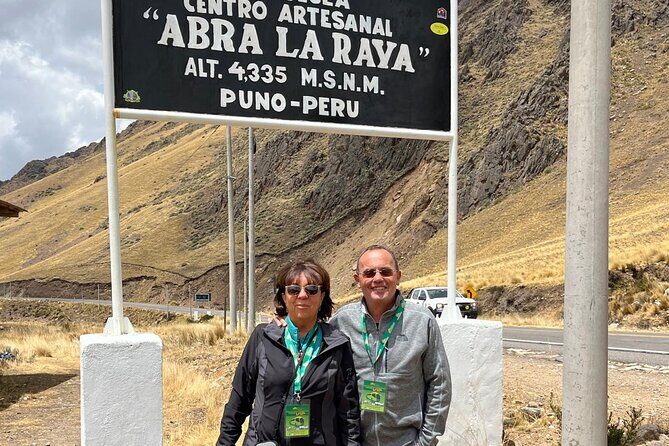
One detail that comes through in the day’s experience: there’s typically a stop at a high point during the journey. That’s a smart pacing move. It breaks the ride up and gives you a chance to stretch, look out, and reset.
The group size (max 40) helps with the “organized chaos” level. With smaller numbers, the guide can keep track of people, and you’re less likely to get lost in a crowd during time-sensitive moments at each stop.
Lunch and the onboard rhythm: included meal plus WiFi for sanity
You get lunch included, and the day’s reviews describe it as a good buffet-style meal served at a restaurant with a view. This matters because on a long day, meal quality changes your whole mood. A mediocre lunch can make you cranky for the second half of the ride. A solid lunch makes the later stops feel more rewarding.
You’ll also have onboard WiFi, which is useful for practical things like checking messages and planning what to do after you arrive in Puno. It can also help you get oriented—Cusco-to-Puno days are full of new scenery and it’s easy to forget what you’re doing next.
I like that the day includes enough built-in comfort that you don’t have to constantly improvise. You’re still outdoors and moving, but you aren’t constantly hunting for basic needs.
Price and value: what the $40 fare covers, and what costs extra
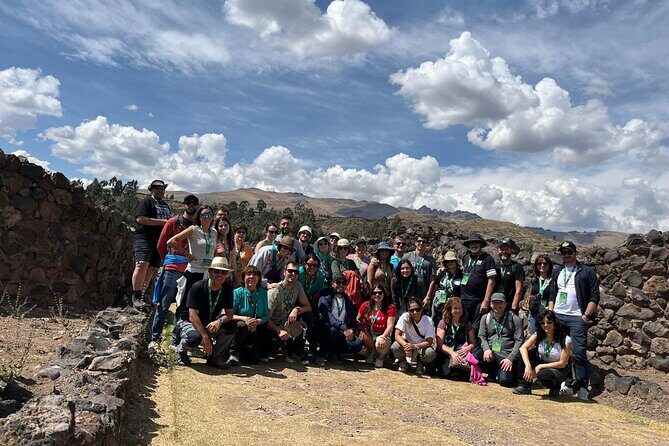
At $40 per person, the headline value isn’t just “transport.” You’re paying for a guided day with a comfortable ride and included meal. The fare includes:
- Lunch
- WiFi on board
- Air-conditioned vehicle
- A guided experience offered in English
That’s a strong baseline value when you compare it to trying to combine multiple stops on your own. Hiring drivers, arranging museum entrances, and coordinating timing can add up fast—especially when you want a day that stays simple.
The key trade-off is the optional entrance payment. The tour info lists a PEN 53 per person optional entrance amount for Andahuaylillas, Raqchi, and Pucará. Some descriptions also label one stop as free, but the clear budgeting guidance for the day is to assume you’ll pay for the main monuments if you want the full experience.
Here’s the way I think about it: if you want the sights, this price can feel fair. If you only want one or two stops, you might consider paying for only the ones you care about most—or choose a different style of travel that skips monuments entirely.
Guides you might meet: Elio, Marco, and the team that keeps the day flowing
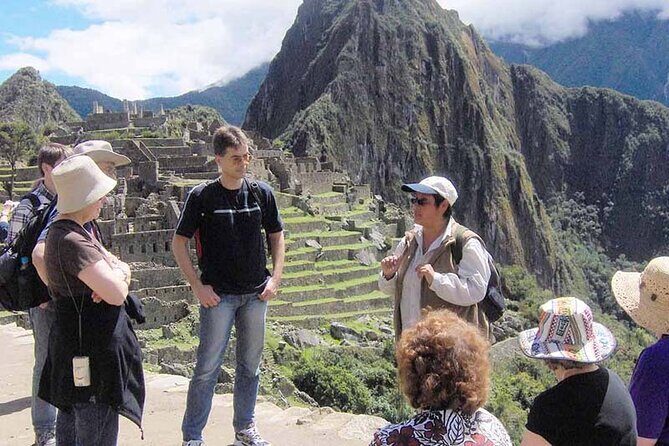
The experience leans heavily on the guide. On this route, you’ll likely meet Elio—mentioned as an attentive, easy-to-talk-to guide who explains stops clearly in English and sometimes Spanish. You might also meet Marco in some cases; one comment calls him precise and kind.
Drivers matter too, and the day’s notes include Franklin as a driver keeping things comfortable and safe. There’s also a station service mention of Edson helping with arrival support and welcome at the start point.
The overall theme is that the team tries to keep you on track and comfortable. One review also notes that English proficiency can be limited for some guides, so if you rely on very detailed English explanations, it may help to be open to extra gestures or simpler explanations, or to ask questions in a slower, clearer way.
Who this tour fits best (and who should look elsewhere)
This is a great match if you want:
- A guided day that breaks up the Cusco-to-Puno ride with meaningful stops
- Comfort and structure (air-con, WiFi, included lunch)
- A mix of Inca-era and earlier cultural art through the Raqchi and Pucará visits
- A manageable group size (max 40)
It’s less ideal if you want the fastest route with no stops. This isn’t a no-frills speed run. It’s designed for people who enjoy stopping, looking, and learning a bit along the way—even if you don’t become a museum person.
Should you book Turismo Mer’s Route of the Sun bus?
I’d book this if you’re choosing between “sit on a bus all day” and “see a few real places without doing the logistics.” The included lunch, air-conditioned ride, WiFi, and guided stops make it feel like value, not just transport.
You should book with a simple game plan:
- Bring an entrance budget in your head for around PEN 53 per person if you want all the key sites.
- Charge your phone for WiFi time and maps on arrival in Puno.
- Go in expecting a long day, with short bursts of walking and looking—not a deep museum marathon.
If you’re allergic to crowds and you hate being on a schedule, you might prefer a more flexible private option. But if you want a solid, well-paced day that turns Cusco-to-Puno travel into something you’ll remember, this one makes a lot of sense.
FAQ
What time does the bus leave Cusco?
The start time is 7:00 am from Terminal Privado Turismo Mer in Cusco.
About what time will I arrive in Puno?
The end point in Puno is listed with a 5:40 pm time, and the ride duration is about 10 hours (approx.).
Is lunch included?
Yes. Lunch is included.
Is WiFi provided on the bus?
Yes. WiFi on board is included.
Is the tour offered in English?
Yes. The tour is offered in English.
Do I need to pay for entrance tickets to the stops?
Entrance fees are listed as not included for some stops, and there’s an optional entrance payment of PEN 53.00 per person for Andahuaylillas, Raqchi, and Pucará.
How big is the group?
The group size has a maximum of 40 travelers.
What if the weather is poor?
The experience requires good weather. If it’s canceled due to poor weather, you’ll be offered a different date or a full refund.
Can I cancel for free?
Yes. Free cancellation is available, and you must cancel at least 24 hours before the experience start time for a full refund.