REVIEW · CUSCO
From Cusco: Salkantay Trek to Machu Picchu 5D/4N or 4D/3N
Book on GetYourGuide →Operated by MACHU PICCHU JUNGLE · Bookable on GetYourGuide
One big climb, then a wonder city. This Salkantay Trek to Machu Picchu layers Humantay Lake, the high Salkantay Pass, and rainforest walking before you reach the iconic citadel. It’s a guided, mostly off-the-beaten-path way to get to Machu Picchu, not just a ticket and a bus.
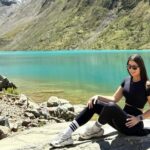
What I love most is the mix of famous sights and real hiking days: the turquoise Humantay Lake stop at 4,200 m and the dramatic push up to 4,630 m on Day 2. I also like the way the trip looks after you on the tricky logistics—chef-cooked meals, English/Spanish-speaking professional guide, and even coca tea to wake you up at camp.
One thing to consider: the altitude is serious. You’re going from Cusco-region heights to passes over 4,600 m, with early starts (like a 4:30 a.m. pickup), so you’ll want to hike at a steady pace and plan to move slower than you think you should.
In This Review
- Key Things That Make This Trek Worth It
- Salkantay to Machu Picchu: More Than a Checklist Tour
- Altitude Reality Check: Humantay and the 4,630 m Pass
- Day 1: Cusco to Soraypampa and Humantay Lake Views
- Day 2: Up to Salkantay Pass (4,630 m) and Down to Camp by a Village
- Day 3: Rainforest Trails to La Playa, Then Cocalmayo Hot Springs
- Day 4 (4-Day Trek): Llactapata to Hidroeléctrica to Aguas Calientes
- Day 5: The Machu Picchu Morning You Actually Want
- Price and Logistics: What $50 Means, and What Can Add Up
- Food and Camp Life: Where the Trek Actually Gets Enjoyable
- What to Pack: The Stuff That Prevents Bad Moods
- Who Should Choose This Trek (and Who Might Not)
- Should You Book This Salkantay Trek to Machu Picchu?
- FAQ
- What’s the difference between the 4-day and 5-day versions?
- How early do I need to start from Cusco?
- Do I need to pay for Machu Picchu separately?
- Which Machu Picchu areas do the different circuits cover?
- What time do you arrive at Machu Picchu on the final day?
- How do returns to Cusco work after Machu Picchu?
- Is Humantay Lake included?
- Are meals and drinks included?
- Do you provide vegetarian or vegan meals?
- What should I bring for the trek?
Key Things That Make This Trek Worth It
- Humantay Lake (4,200 m): a payoff view after a solid hike, plus an easy way to understand why people come to Salkantay.
- Salkantay Pass (4,630 m): the highest point on this route, with huge views and then a long descent.
- Cocalmayo hot springs: a real recovery moment after rainforest trekking days.
- Llactapata: an archaeological stop on the way to Aguas Calientes, with Machu Picchu visible below.
- Guided Machu Picchu circuits: Circuit 2A/2B for the full visit, or 1B/3B if you prefer specific views.
- Food + camp rhythm: tea-time snacks in the afternoons and group dinners that keep morale up.
Salkantay to Machu Picchu: More Than a Checklist Tour
If your main goal is Machu Picchu, this trek still lets you earn the arrival. You don’t just roll in at sunrise and call it a day. You hike through multiple ecosystems across several days, so when Machu Picchu finally appears, it feels earned and timed right.
I also like that the experience is planned around movement and recovery, not just sightseeing. You get structured hikes, camp nights in cabins, and a night in Aguas Calientes before the Machu Picchu visit. That means less scrambling for details and more time focusing on the one thing that matters: your pace on the trail.
You can also read our reviews of more hiking tours in Cusco
Altitude Reality Check: Humantay and the 4,630 m Pass
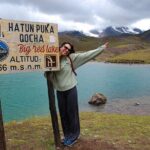
Here’s the honest part of planning any Salkantay route: you’ll feel the altitude. The trip takes you to 3,800 m at Soraypampa, up to 4,200 m at Humantay Lake, and on Day 2 you’ll climb to the route’s high point at 4,630 m.
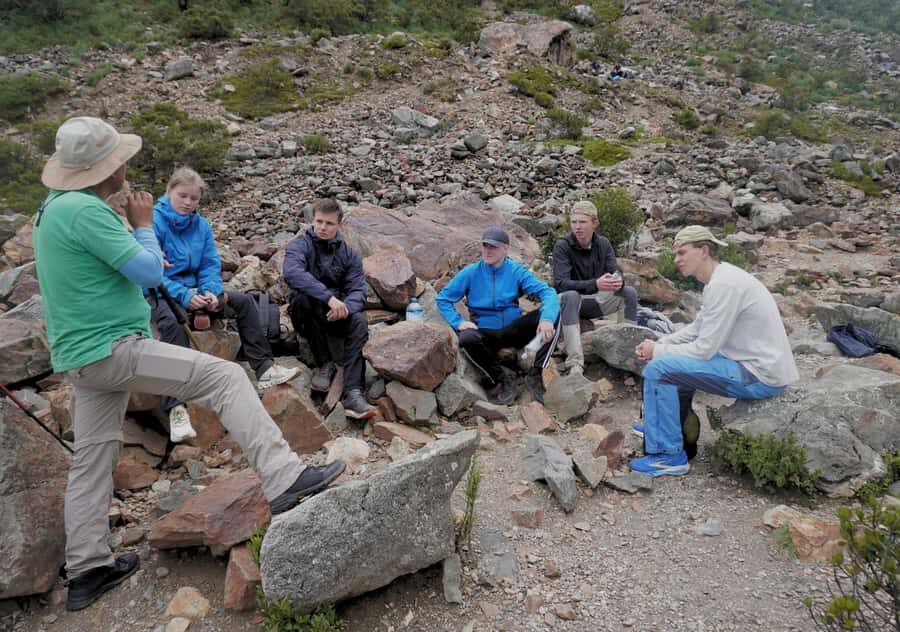
The good news is the itinerary gives you built-in pacing. Day 2 starts with a morning wake-up routine (coca tea or coffee/tea), then hikes upward for about three hours before you reach the highest point. After that, you descend for hours, which is usually where you start to feel more human again.
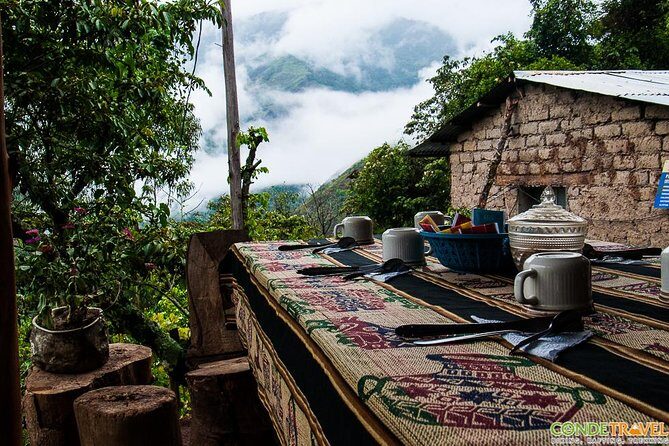
Also, the trek uses small “support signals” that matter at altitude. You’ll have snacks at camp time (popcorn, cookies, chocolate, and coffee) and coca tea at the start of mornings. It’s not magic, but it can help you keep going with less grumbling.
Day 1: Cusco to Soraypampa and Humantay Lake Views
Day 1 begins with an early 4:30 a.m. pickup in Cusco. After that, you’ll drive about three hours to the trailhead area, then eat breakfast and start hiking toward Soraypampa (3,800 m).
What I like about this day is that it’s a steady warm-up before the higher altitude hits. The hike to Soraypampa takes around three hours, which gives your body time to adjust. After lunch, you hike about two hours to Laguna Humantay (4,200 m). This is the moment that usually makes people stop talking and just look.
You’ll take in the views at the lake, then hike another two hours to reach the campsite. Dinner at camp comes in after a full day, and you’ll sleep in cabins (for the 5-day version, you’ll have three cabin nights across the trek).
Small consideration: Humantay is high and exposed. Even if the weather looks friendly in Cusco, bring rain gear, sunscreen, and a hat. Clouds and wind can change fast at elevation.
Day 2: Up to Salkantay Pass (4,630 m) and Down to Camp by a Village
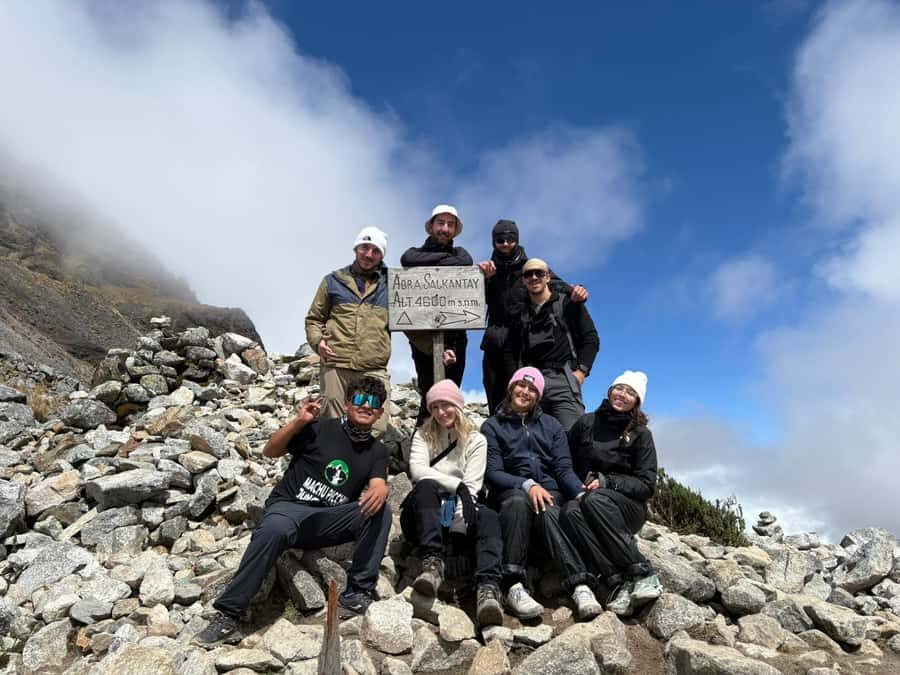
Day 2 is the big day. After breakfast and morning tea, you start the hike toward the highest point of the route at 4,630 m. Expect about three hours uphill, then time for views and a nearby lake stop.
Then comes lunch at Wayracmachay and a long descent. You’ll keep walking for around three hours through changing scenery and climate, finally reaching camp near Chayllay or Collpapampa (2,770 m).
This day is where route planning actually matters for comfort. The itinerary breaks your effort into parts: climb, pause, lunch, then descend. That structure is helpful when you’re managing breathing and energy. If you push hard on the climb, you’ll pay for it later—so I’d keep your pace controlled and let the guide handle the timeline.
Also, you’re crossing a big altitude gap and then dropping several hundred meters. That descent can be tough on knees, so good trekking shoes help, and rented trekking poles can be a smart add.
Day 3: Rainforest Trails to La Playa, Then Cocalmayo Hot Springs
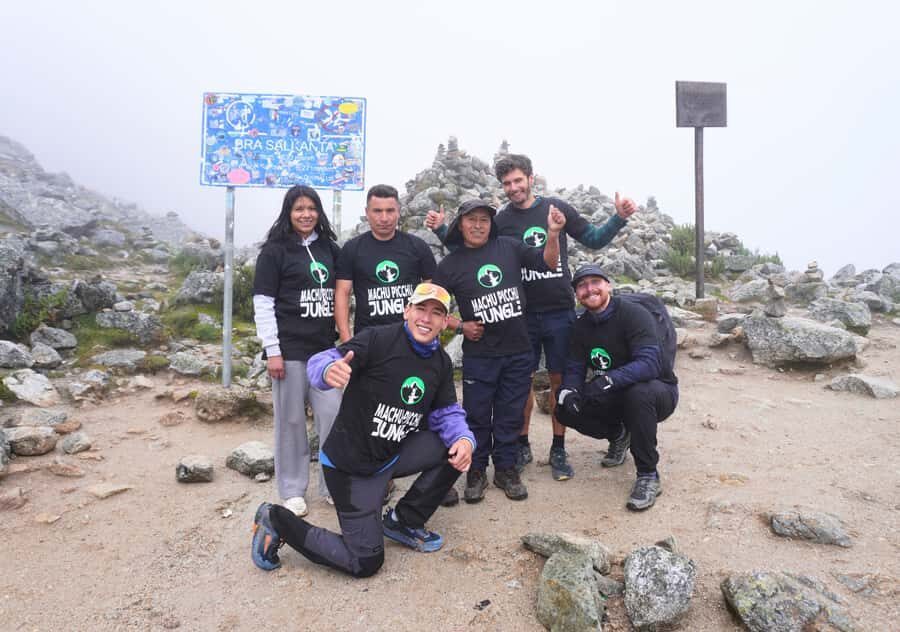
Day 3 starts with trails that shift into a greener, wetter world. You’ll walk through the Santa Teresa rainforest areas, often crossing wooden bridges, passing waterfalls, and moving between plantations of things like bananas, passion fruit, and avocados.
You’ll reach La Playa for a buffet lunch. This is also where the itinerary mentions a handoff: those doing the 4-day hike will “say goodbye” after lunch, while the 5-day trekkers continue on.
In the afternoon, you get a recovery option that I really value on a trekking trip: Cocalmayo hot springs. Whether you soak for real or use it as a rest window, this is the day that turns sore muscles into something manageable.
Your evening includes dinner, a group bonfire, and then back to your room for rest. It’s a nice way to end a tough day without needing to “go do something” after trekking.
Day 4 (4-Day Trek): Llactapata to Hidroeléctrica to Aguas Calientes
On the shorter version, Day 4 is a transition day with a payoff. After breakfast, you hike following part of the original Inca Trail, then climb for about two hours to Llactapata (2,700 m).
Llactapata matters because it’s an archaeological stop with a view overlooking Machu Picchu. Instead of seeing Machu Picchu as a single reveal on Day 5, you get a “preview” from above before heading down.
After your visit, you descend for about two hours to Hidroeléctrica for lunch. Then you walk to Aguas Calientes, check in, and have group dinner at 7:00 p.m.
A practical note: the final walking day includes several segments and changes in elevation. If you’re hoping for a relaxed arrival, temper that expectation. Even with good planning, your legs are still legs.
Day 5: The Machu Picchu Morning You Actually Want
The main event starts early. After breakfast in Aguas Calientes, you climb stairs for about an hour to the main gate, usually arriving around 6:30 a.m. That early timing matters because Machu Picchu is better when you can focus.
You’ll then get a guided Machu Picchu tour for about 2.5 hours. The big thing to pay attention to is which circuit you’re assigned, since it changes what you see.
Here’s the circuit cheat sheet:
- Circuit 2A or 2B: full visit of Machu Picchu, the most popular option.
- Circuit 3B: lower stop plus a middle viewpoint and sacred temples.
- Circuit 1B: upper terrace, geared toward the classic photo viewpoint.
After the guided part, you return based on your reservation plan. The trip gives two return options:
- By car: return times by car are set between 6:00 a.m. and 9:00 a.m.
- By train: you can purchase your time, then take train from Aguas Calientes to Ollantaytambo, followed by local car back to Cusco.
The key takeaway: treat your circuit choice as part of your travel style. If you want the fullest experience, pick Circuit 2. If you want a specific viewpoint focus, Circuit 1B or 3B may match better.
Price and Logistics: What $50 Means, and What Can Add Up
The listing price shows $50 per person, but trekking to Machu Picchu has a reality check: several major costs are not included and can be paid locally.
Here’s what the trip typically includes:
- Professional guide and an on-the-ground team
- Chef and cooking equipment
- Breakfasts, lunches, and dinners across the trip (the exact count changes for 4 days vs 5 days)
- Cabin nights (for the trek portion) and one hotel night in Aguas Calientes
- Transportation to the trail start from Cusco
- Tea-time snacks each afternoon (popcorn, cookies, chocolate, coffee)
- Vegetarian/vegan options at no extra charge
And here’s what’s often extra:
- Machu Picchu entrance: you may need PEN 152.00 (or USD $40 if tickets aren’t available on the government site at the time of processing). There’s also mention of paying later depending on how tickets are handled at briefing.
- Bus up/down from Aguas Calientes: US$12 up + US$12 down per person.
- Humantay entrance fee: PEN 20.00 per person.
- Hot springs (Cocalmayo): PEN 10.00 per person for 5-day trekkers, plus transportation cost that depends on group size.
- Wayna Picchu option: USD 60.00 per person (not included).
Value-wise, what you’re buying isn’t just “a route.” You’re buying guidance, meals, camp logistics, and the guided Machu Picchu visit. That’s the part that lets you hike without micromanaging every step. If you’re comparing to doing parts independently, this route can feel like the sane way to handle the hardest day and the busiest day.
Food and Camp Life: Where the Trek Actually Gets Enjoyable
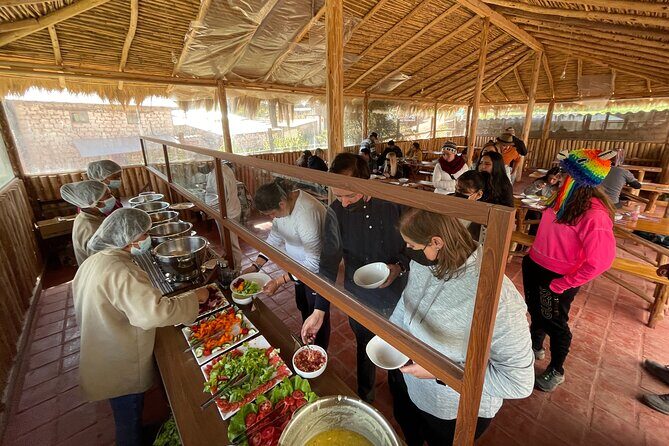
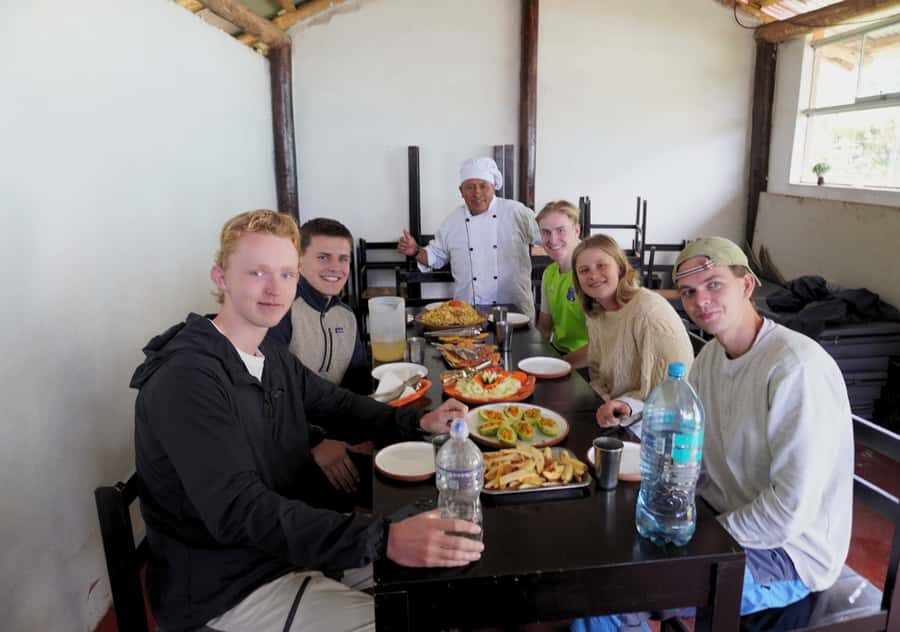
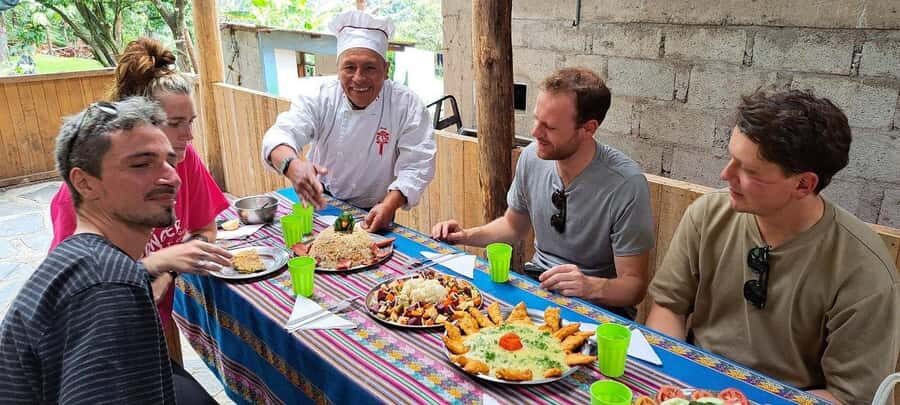
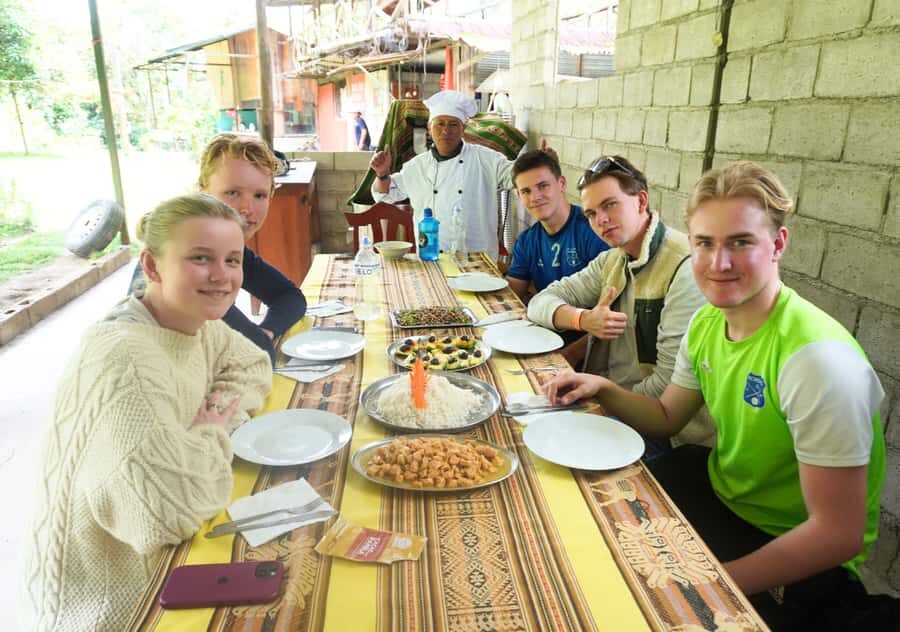
This trek is designed around more than survival. It includes real meal planning: lunch and dinner every day during the trek portion, plus morning wake-ups with coca tea.
One detail I appreciate is the afternoon tea-time routine with snacks: popcorn, cookies, chocolate, and coffee. When you’re hiking at altitude, a scheduled sugar-and-warm-drink moment can make the difference between feeling tired and feeling finished.
Also, the team handling food matters. A recent booking praised Edgar for cooking tasty, healthy food. That’s exactly what you want on multi-day hiking: fuel that doesn’t upset your stomach.
Vegetarian and vegan options are available without extra charge, so you don’t need to plan a special diet by yourself on the trail.
What to Pack: The Stuff That Prevents Bad Moods
The essentials are straightforward, but don’t overthink it. Bring:
- Passport (needed for Machu Picchu ticket processing and reservations)
- Comfortable shoes for long hikes
- Hat
- Camera
- Sunscreen
- Water
- Rain gear
- Comfortable clothes
If you don’t already have the gear, the trip offers rentals:
- Sleeping bag: USD $15.00 per person for the entire trip
- Trekking poles: USD $10.00 per person for the entire trip
Practical tip: pack light. The trek includes a duffle bag limit of 6 kilos carried by horse (plus cooking equipment). If you show up with a “carry-everything” mindset, you’ll spend time reorganizing your bag instead of enjoying the hike.
Who Should Choose This Trek (and Who Might Not)
This is a good match if you want:
- A guided multi-day approach with a clear plan
- Enough structure that you don’t have to figure out every transition yourself
- The best-known Salkantay highlights: Humantay Lake, Salkantay Pass, rainforest paths, hot springs, and Machu Picchu
It may not be the best fit if you:
- Can’t handle high altitude hikes (4,630 m is part of this route)
- Want zero long descents (Day 2 includes a major downhill after lunch)
- Prefer a fully flexible itinerary (Machu Picchu circuits and timed returns shape your day)
If you’re traveling with the right attitude—steady pace, good shoes, and realistic expectations—this route is one of the more meaningful ways to reach Machu Picchu from Cusco.
Should You Book This Salkantay Trek to Machu Picchu?
I’d book it if you want the “journey first” version of Machu Picchu. The route makes sense: you earn the view, you get recovery time with hot springs, and your Machu Picchu visit includes a guided tour and a circuit choice.
Before you commit, do these three things:
- Ask for details on the Machu Picchu circuit available for your reservation (2A/2B, 3B, or 1B).
- Plan ahead for tickets. The guidance here is to book 2 to 4 months in advance, because tickets can sell out.
- Send your passport urgently so reservations can be processed.
If Machu Picchu tickets aren’t available when your request is handled, the info says you may need to buy tickets in Aguas Calientes in person with your passport—and if access doesn’t line up, you might have to add a few days for the ticket purchase (without extra meals or accommodation). That’s manageable if you can stay flexible, but it’s something to respect.
FAQ
What’s the difference between the 4-day and 5-day versions?
The 4-day version includes 3 breakfasts, 3 lunches, 3 dinners, and 2 cabin nights on the trek, plus 1 hotel night in Aguas Calientes. The 5-day version includes 4 breakfasts, 4 lunches, 4 dinners, and 3 cabin nights on the trek, plus 1 hotel night in Aguas Calientes.
How early do I need to start from Cusco?
Day 1 begins with an early pickup at 4:30 a.m. in Cusco.
Do I need to pay for Machu Picchu separately?
Yes. Machu Picchu entrance is not included in the base package. The info says you may pay PEN 152.00 (or USD $40 if tickets aren’t available through the government site at the time of processing).
Which Machu Picchu areas do the different circuits cover?
Circuit 2A or 2B is a full visit and is described as the most popular. Circuit 3B includes a lower stop, a middle viewpoint, and sacred temples. Circuit 1B focuses on the upper terrace and the classic photo view.
What time do you arrive at Machu Picchu on the final day?
After breakfast, you climb stairs for about an hour and arrive at the main gate around 6:30 a.m.
How do returns to Cusco work after Machu Picchu?
You can return by car (with return times between 6:00 a.m. and 9:00 a.m.) or by train. For train return, you purchase your preferred time and then take the train from Aguas Calientes to Ollantaytambo and a local car to Cusco.
Is Humantay Lake included?
Entrance to Humantay is not included. The info lists PEN 20.00 per person.
Are meals and drinks included?
Yes. The trip includes breakfasts, lunches, dinners, plus coca tea to wake you up at camp. It also includes three tea times each afternoon with snacks such as popcorn, cookies, chocolate, and coffee.
Do you provide vegetarian or vegan meals?
Vegetarian and vegan options are included at no extra charge.
What should I bring for the trek?
Bring a passport, comfortable shoes, a hat, camera, sunscreen, water, rain gear, and comfortable clothes.