REVIEW · CUSCO
Sacred Valley tour with the most beautiful views
Book on Viator →Operated by Exclusive Inka Tour · Bookable on Viator
The Sacred Valley views land fast. This private day trip ties together Inca sites and craft culture, with Chinchero as a highlight. I like how you can pause, ask questions, and spend a bit longer where you care most.
My favorite part is the mix: Maras salt mines and Moray’s plant-growing experiment feel unusual in the best way. The possible drawback is simple—site entry and the PEN 90 tourist ticket aren’t included, and access to some places can depend on what’s open that day.
In This Review
- Key Things You’ll Notice on This Sacred Valley Tour
- Why the Sacred Valley Feels Worth the Early Start
- Chinchero: Inca Stone Meets Spanish Church and Living Textiles
- What to watch for
- Salinas de Maras Salt Pans: 600 Years of Work Carved Into a Hillside
- Why this place hits
- Moray: The Amphitheater-Like Inca Lab for Plant Experiments
- A small timing tip
- Ollantaytambo: An Inca Living City You Can Still Walk Through
- What to plan for
- Transport, Timing, and Getting Real Value for $102.57
- The costs to remember
- Guides Matter: Oscar and Miguel’s Style of Explaining
- Who This Sacred Valley Tour Fits Best
- A Practical Day-Planning Checklist
- Should You Book This Sacred Valley Tour?
- FAQ
- How long is the Sacred Valley tour?
- Where is pickup offered, and where can the tour end?
- What’s included in the tour price?
- Are lunch and snacks included?
- Do I need an entry ticket for the sites?
- Is this a private tour?
- What if the weather is poor, or I need to cancel?
Key Things You’ll Notice on This Sacred Valley Tour
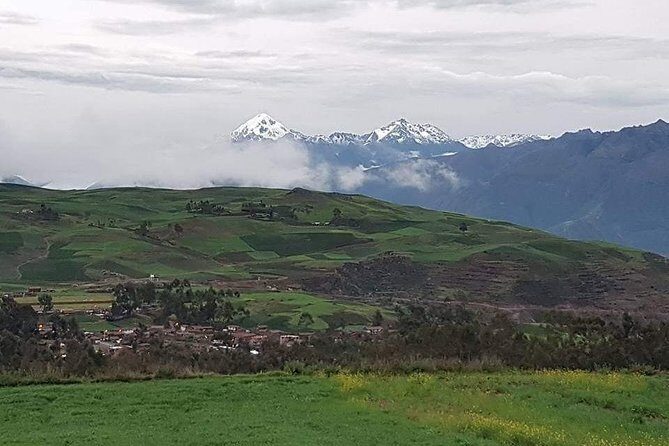
- A flexible route so you can linger when the views (or the explanations) really click
- Chinchero’s Inca-Spanish blend, plus a chance to see traditional weaving techniques in action
- Salinas de Maras salt terraces worked for 600+ years on a mountainside
- Moray’s amphitheater-like lab built to test how plants grow at high altitude
- Ollantaytambo as a living Inca town, with big-stone building you can still walk around
- Guides like Oscar and Miguel get praised for making the stories clear and fun
Why the Sacred Valley Feels Worth the Early Start
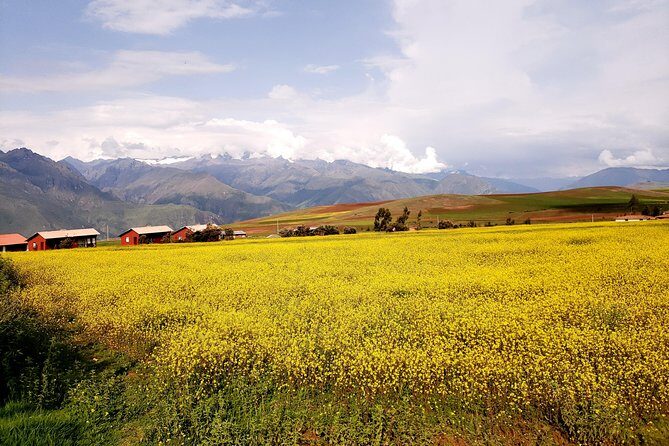
You leave Cusco early, usually during the 7:00 AM to 9:00 AM window, and that timing matters. Morning light makes the ridgelines and agricultural terraces look sharper, and the roads tend to feel less chaotic than later in the day.
What I like about this tour is that it isn’t only about ruins on a checklist. You’re also learning how people adapted to altitude and landscape—starting with farming experiments and salt extraction, then ending in an Inca town that still has the bones of the original plan.
You can also read our reviews of more tours and experiences in Cusco.



Chinchero: Inca Stone Meets Spanish Church and Living Textiles
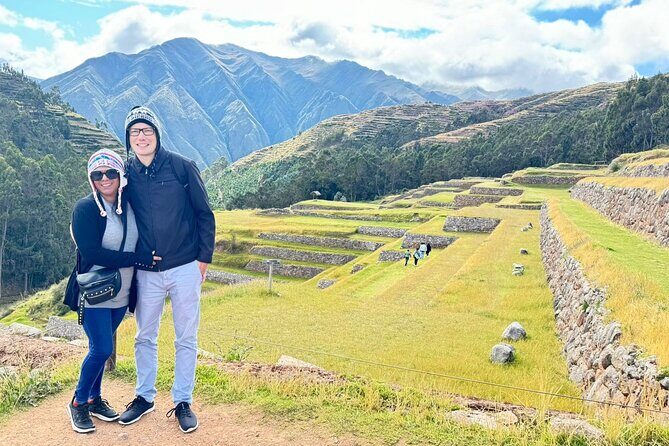
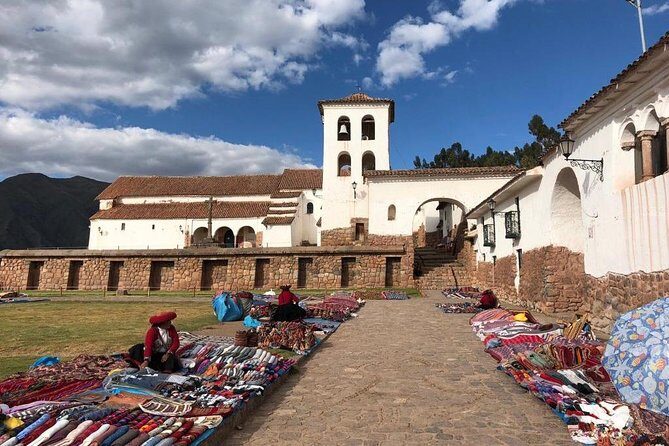
Chinchero is the first stop, and it’s a strong opener for a reason. You’ll see an Inca palace area that shows an interesting mix of Inca and Spanish architecture, and it’s the kind of site where details pop when you slow down.
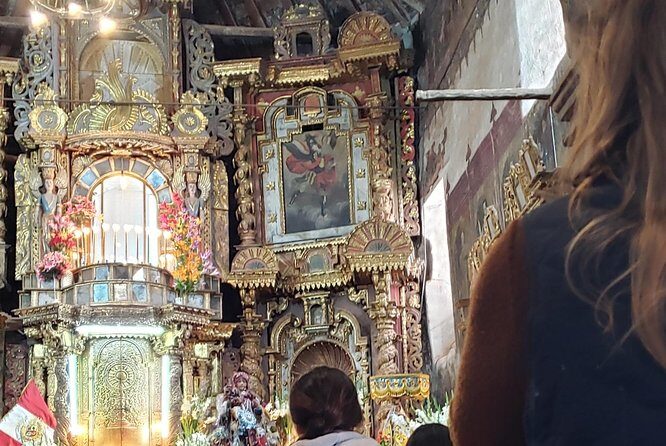
Time at this stop is about 1 hour 15 minutes, so you won’t feel rushed. You might also get access to a colonial church (the plan mentions artwork inside a roughly 400-year-old setting), but interior access can depend on what’s open that day.
Then comes the part that feels most “you are here” rather than “you passed by.” There’s an option to visit a weaving co-op, where native women or girls help preserve older textile techniques while demonstrating the process. If textiles interest you at all, this is often the moment people remember after the car ride fades.
What to watch for
- Entry fees are not included at this stop, so plan on paying the tourist ticket/fees separately.
- If you care about the church interior, ask your guide what’s currently accessible when you arrive.
Salinas de Maras Salt Pans: 600 Years of Work Carved Into a Hillside
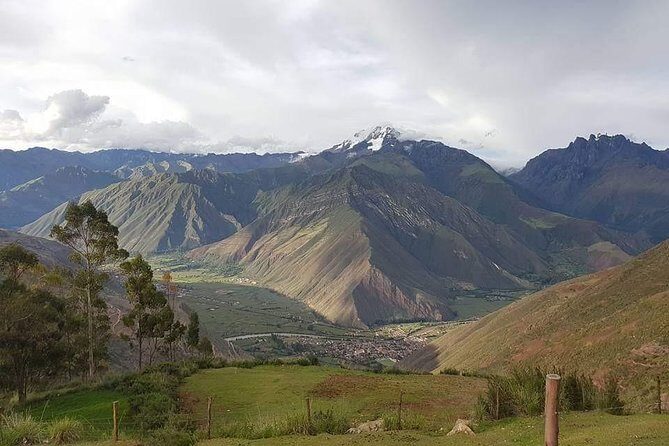
After Chinchero, you head to Salinas de Maras. This is one of those places where your brain keeps trying to explain what you’re seeing, even after you understand it.
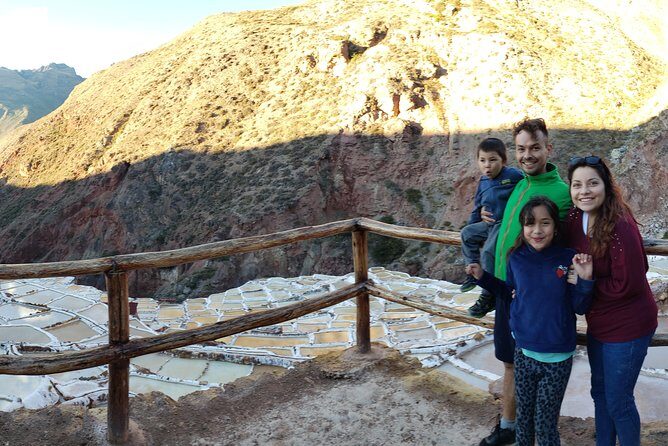
The salt mines sit on the side of a mountain, with small channels and ponds stepping down across the slope. The tour focuses on the fact that the area has been worked for over 600 years, and that today’s mining methods are still unusual and specific to the site.
This stop is short—about 45 minutes—so it’s built for looking, not lingering. You’ll get enough time to take in the pattern, watch how the salt production works, and soak up the scale.
Why this place hits
It’s not just pretty. It’s a living example of how Andean communities turned a hard setting into a workable resource. It also pairs well with what you learn later at Moray, where the theme shifts from salt to growing plants.




Moray: The Amphitheater-Like Inca Lab for Plant Experiments
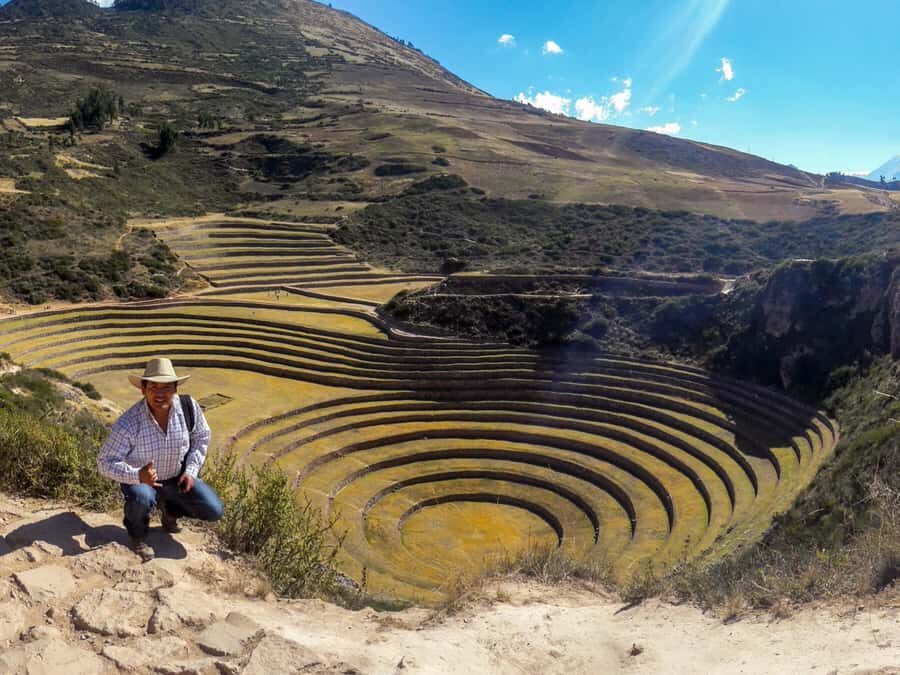
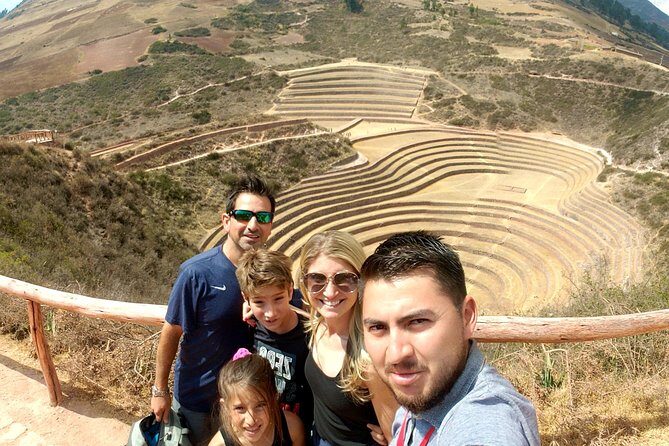
Moray is next, and the first impression is easy to misread. It looks like an amphitheater, but the tour frames it as an experimental laboratory the Inca people built to test plant growth at altitude.
Expect about 45 minutes here. That’s usually the right amount of time to walk the edges, take photos, and understand the idea behind the “seating bowl” shape—different sections help create different growing conditions.
If you’re the type who likes “how did they think?” questions, Moray is the stop that answers them in a very practical way. It’s a reminder that the Inca weren’t only building places to impress people—they were also experimenting with food.
A small timing tip
Moray doesn’t take long, so save your questions for when you’re there. When you’re comparing stops later in the day, Moray becomes the anchor that ties the salt and farming stories together.
Ollantaytambo: An Inca Living City You Can Still Walk Through
Ollantaytambo is the final major stop, and it’s where the feeling shifts from “site visit” to “this place is still here.”
The town is described as an Inca living city, with around 80% of the urban design coming from Inca times. That means you’re not only looking at stones—you’re seeing how the street plan and built spaces grew out of an older design.
You’ll visit the religious sector, including a temple-style area where large stone blocks were used for a sun God setting. It’s the kind of moment where you might look up and think: okay, this is real engineering, not just impressive scenery.
Time at Ollantaytambo is about 1 hour 30 minutes. If you still have energy after the main religious area, there’s an option to walk a little around the urban sector. I like this flexibility because it lets you stretch your legs without turning the day into a long hike.
What to plan for
- Stones and uneven surfaces are normal here, so wear shoes that won’t slip.
- Entry tickets are not included, so be ready with your tourist ticket budget.
Transport, Timing, and Getting Real Value for $102.57
At $102.57 per person, the headline price can look straightforward, but the real value comes from what’s wrapped into it. You get private transportation in an air-conditioned vehicle, plus fuel surcharge—useful in this part of Peru where comfort helps you focus on the sites.
This route also makes sense if you’ve got a tight schedule. The tour is roughly 7 to 9 hours total, which is long enough to feel like a full day, but not so long that you lose the evening to logistics.
Another value point is how the end of the tour works. It finishes in the Sacred Valley area (08670), but you can end wherever you want—train station, airport, bus station, your hotel, or even a restaurant. That flexibility matters if you’ve booked later connections, and it can save you time and headaches.
The costs to remember
Lunch and snacks are not included, and entrance fees aren’t included either. The data calls out a tourist ticket for PEN 90.00 per person, so factor that in when you compare prices with other options.
Guides Matter: Oscar and Miguel’s Style of Explaining
This is one of those experiences where the guide can change your entire day. In the feedback, guides named Oscar and Miguel show up with strong praise, especially for being friendly, fun, and able to bring Inca culture to life in plain language.
Oscar gets highlighted for going beyond facts—making the history feel connected to real life and adding humor while explaining what you’re seeing. Miguel gets described as especially fun and friendly, with solid explanations of the cities in the area.
You don’t need a person to recite dates. What you want is someone who can answer the obvious questions while you’re standing there—Why was Moray built like that? How did salt production work here? What makes Ollantaytambo feel like a living place rather than a museum?
Who This Sacred Valley Tour Fits Best
This tour fits best if you want a structured route but still like choices. The itinerary is flexible, and you can spend longer where you want, which helps if your priorities are more craft-focused (Chinchero) or more “how did they use the land” focused (Moray and Maras).
It also suits couples, small groups, and solo travelers who don’t want to share their day with strangers. It’s described as private, with only your group participating, and it includes pickup offered from anywhere in Cusco or the Sacred Valley.
If you’re short on time between trains or other plans, you’ll likely appreciate the start window and the flexible ending. Just make sure you build in time for the separate entry costs and for lunch.
A Practical Day-Planning Checklist
Here’s how I’d set yourself up so the day feels smooth:
- Bring cash for the tourist ticket/entries (PEN 90 is listed, and admissions aren’t included at stops).
- Plan lunch on your own since it’s not included; treat it as a buffer for timing.
- Wear grippy shoes for stone and uneven ground, especially at Ollantaytambo.
- Pack a light layer—the morning can feel cooler when you’re starting early.
- Use the flexible timing: if something grabs you (weaving demos or the salt terraces), ask to spend a bit longer.
Also, this experience requires good weather. If weather is poor and the tour gets changed or canceled, it should be handled with a new date or a full refund.
Should You Book This Sacred Valley Tour?
I’d book it if you want the Sacred Valley to feel like a coherent story: salt extraction, plant experiments, and an Inca town that still functions as a town. The combination of Chinchero’s architecture and textiles, Maras salt pans, Moray’s experimental farming design, and Ollantaytambo’s stone construction gives you more than a string of photo stops.
Skip it or compare if you’re trying to minimize extra costs. Between the PEN 90 tourist ticket and the fact that lunch/snacks aren’t included, you’ll want to budget beyond the listed price.
Finally, if you like clear explanations and a guide who keeps the day moving without turning it into a sprint, this one is a strong bet—especially because the end point can be wherever your next plan needs you.
FAQ
How long is the Sacred Valley tour?
It runs about 7 to 9 hours.
Where is pickup offered, and where can the tour end?
Pickup can be arranged from anywhere in Cusco or the Sacred Valley. The tour can finish wherever you want in the Sacred Valley area, such as the train station, airport, bus station, your hotel, or a restaurant.
What’s included in the tour price?
Included are private transportation, an air-conditioned vehicle, and a fuel surcharge. A mobile ticket is also provided.
Are lunch and snacks included?
No. Lunch and snacks are not included.
Do I need an entry ticket for the sites?
Yes. The tourist ticket is listed as PEN 90.00 per person, and admission tickets at the stops are not included.
Is this a private tour?
Yes. It’s private, and only your group participates.
What if the weather is poor, or I need to cancel?
The tour requires good weather. If it’s canceled due to poor weather, you’ll be offered a different date or a full refund. Free cancellation is available up to 24 hours before the experience starts for a full refund.