REVIEW · CUSCO
4 Day – Inca Trail to Machu Picchu – Group Service
Book on Viator →Operated by Valencia Travel Agency S.a.c. · Bookable on Viator
Four days is the sweet spot for the Inca Trail. This group trek follows the route from Piskacucho (Km82) to Machu Picchu, with camps, food, and a guided visit built in. You’re up early, you’re moving steadily, and you finish with the classic Machu Picchu sunrise plan at Inti Punku.
What I like most is the support system: a professional bilingual guide, assistant guide for larger groups, porters for camp and cooking, and a personal porter for up to 7kg. Another big win is that Machu Picchu isn’t just a drop-off—your day starts at the Sun Gate for the first dramatic view, then you get a guided walk before exploring on your own.
The main drawback to think about is physical fit and logistics timing. This is a real trek at high altitude with long hiking days and an early wake-up rhythm, and you’ll also be responsible for carrying your personal items and handling gear rentals since some essentials aren’t included.
In This Review
- Key highlights to know before you go
- From Cusco to Km82: that 4:30 am start makes sense
- Day 1 (12 km) to Ayapata: Huillca Raccay and the warm-up day
- Day 2 (16 km) to Runkuraqay: Dead Woman’s Pass is the moment
- Day 3 (10 km) to Wiñay Wayna: Town in the Clouds plus Intipata
- Day 4 (5 km) to Machu Picchu: Inti Punku before sunrise
- The service that makes the trek feel manageable: guides, porters, and meals
- Price and value: what $949 covers (and what can surprise you)
- Gear and packing reality: what you carry vs what porters carry
- Who should book this 4-day Classic Inca Trail group trek
- Should you book this 4-day Inca Trail to Machu Picchu?
- FAQ
- What time do they pick you up in Cusco?
- Where does the Inca Trail start?
- Is breakfast included on the first morning?
- Are park or trail entrance tickets included?
- Do you get to see Machu Picchu at sunrise?
- How long is the trek each day?
- What meals are included?
- How do you travel back to Cusco after Machu Picchu?
- Is vegetarian food available?
Key highlights to know before you go
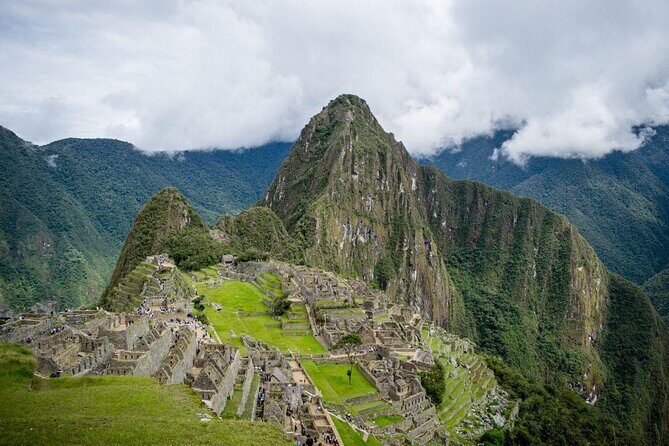
- Sun Gate sunrise timing: you head to Inti Punku before dawn for the first Machu Picchu reveal
- Altitude passes: Dead Woman’s Pass (Abra de Warrmihuañusca) and Runkuraqay are the day-2 focal points
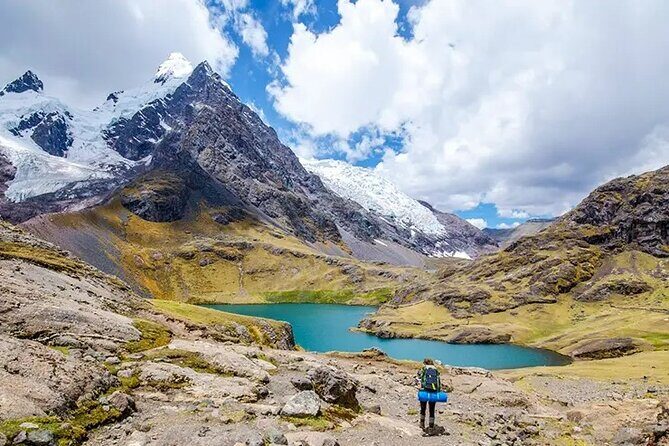
- Cloud-forest walking: you pass through misty high zones with native trees like Polylepis and Q’ueuña
- Camp setup included: porters handle cooking and camp gear, and you arrive with camp already arranged
- Meals + boiled water plan: breakfast, lunch, and dinner are included across the trek window (with specific exceptions)
From Cusco to Km82: that 4:30 am start makes sense
You start in Cusco, with hotel pickup happening around 4:00 to 4:30 am (the exact time is confirmed closer to departure). Then it’s by bus to Piskacucho, also called Km82, where your official trail start is set.
Here’s the practical side: the early departure isn’t just for thrill-seeking. It helps you reach the trail at a workable time and gives you a buffer to sort yourself out—restrooms, sunscreen, insect repellent, and getting your permits checked at the first control point. If you’re prone to rushing, set up your routine the night before so you’re not scrambling in the dark.
One thing to plan for: breakfast on the way (a stop in Ollantaytambo around 6:30–7:00 am) is not included. Day 1 also notes that meals not mentioned and water on the first morning aren’t included, so keep a little cash handy or be ready to buy what you need before the trek fully settles into the included-meals schedule.
You can also read our reviews of more tours and experiences in Cusco


Day 1 (12 km) to Ayapata: Huillca Raccay and the warm-up day
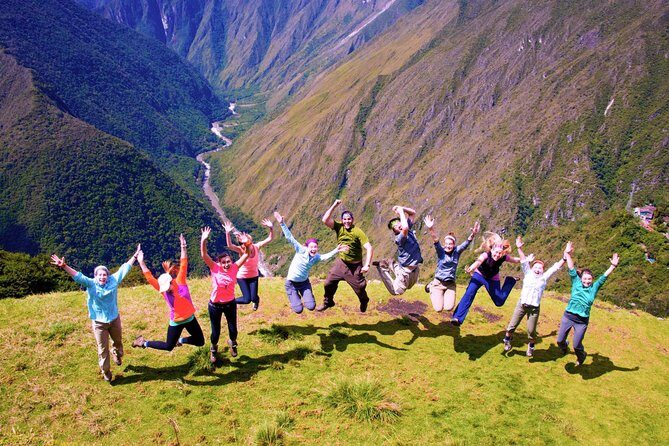
Day 1 covers about 12 km and typically takes around 5–6 hours, plus the usual stops and organization time. After reaching Km82 around 8:30 am, you’ll show your entrance tickets and passports, and if you’re using a student rate, you’ll show the student card too.
Then you cross the Vilcanota River and follow the trail to the right. This first day is described as a warm-up: not easy in the sense of effortless, but easier than the passes ahead. You’ll also get early payoffs in the form of views and ruins you’ll keep mentally collecting for the rest of the hike.
A few named landmarks worth paying attention to on the way:
- Huillca Raccay, an Incan fortress site you can see from the trail
- Llactapata, also officially called Patallacta
- the Urubamba mountain range separating jungle, Andes, and the higher zones
- the snow-capped peak W’akay Willca (also known in books as Veronica)
By late afternoon, you head to your first campsite at Ayapata. The trek involves an hour and a half up from the small village of Wayllabamba, and nighttime temperatures are listed around 5°C (varies by month). Bring this mindset: day 1 feels like your body is waking up, and the weather is already part of the test.
Day 2 (16 km) to Runkuraqay: Dead Woman’s Pass is the moment
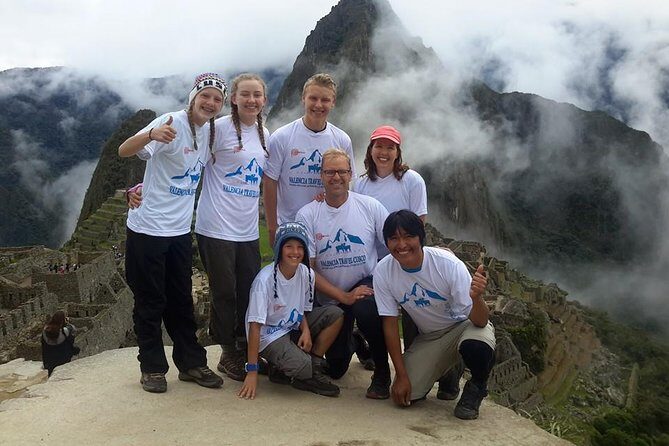
Day 2 is the hardest-feeling day on paper and in timing: about 16 km and commonly 8–9 hours. You wake early (listed around 5:00 or 5:30 am depending on your guide), and breakfast comes before the climb.
The day’s centerpiece is the ascent to Abra de Warrmihuañusca, also called Dead Woman’s Pass, at 4200 m / 13,779 ft. This is where most people feel the real achievement—you climb to the high point, rest, then shift gears into the descent.
After the pass, you descend toward lunch at Pacaymayu (3550 m). Midday hiking here is described as bird-and-plant rich, including hummingbirds and native trees such as Polylepis and Q’ueuña. It’s cloud-forest walking territory around the 3650 m range, so you might get mist, damp air, and that bright, cool feel that makes footing and layers matter.
Then comes the second steep climb: a two-hour push to Runkuraqay pass (almost 4000 m). You should arrive at camp by around 5 pm, and night temperatures are listed near 4°C.
Day 3 (10 km) to Wiñay Wayna: Town in the Clouds plus Intipata
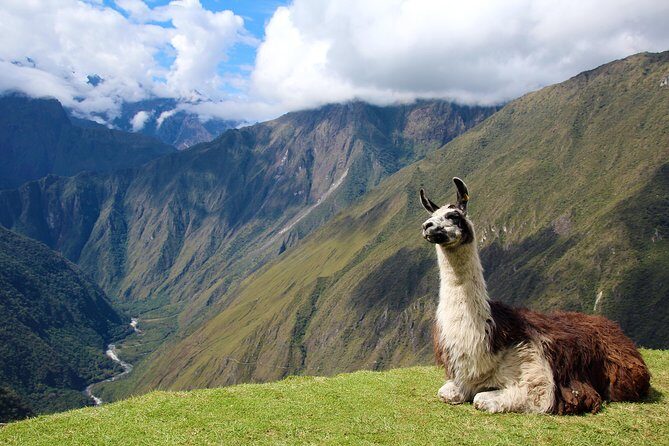
Day 3 is listed at around 10 km (about 5 hours more or less), and it’s framed as the most impressive day by the trip write-up. I like that you’re not walking all day just to get to Machu Picchu—you get meaningful archaeological stops at the right pace.
You start with breakfast around 6 am, then you begin with a gentle climb to Phuyupatamarca, meaning Town in the Clouds, at around 3680 m (the third highest point on the trail). The site is reached a short walk from the third pass, and it’s worth slowing down once you’re there.
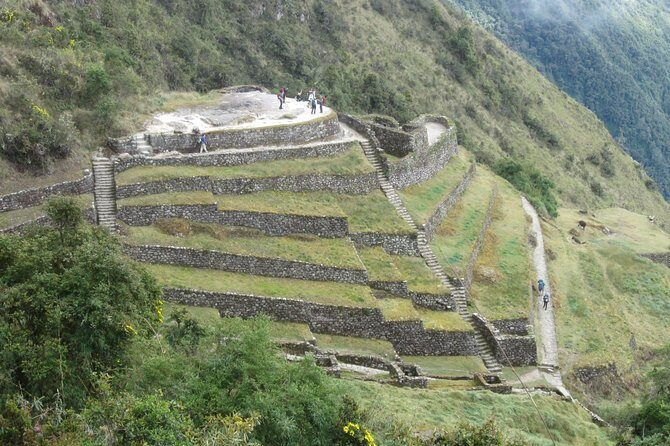
After Phuyupatamarca, you continue with about 3000 steps through the cloud forest. You then reach Intipata, an agricultural Incan site, and keep going until you arrive at camp at Wiñay Wayna (2680 m). The day is designed so you finish earlier: about 4–5 hours of walking, with arrival around lunch time.
Even if your legs feel done, plan to visit the nearby Wiñay Wayna site (“Forever Young”). It’s mentioned as the most impressive site on the trail—so don’t skip it just because you’re tired. Night temperatures are listed around 12°C, which is a noticeable shift from the colder nights before.
Day 4 (5 km) to Machu Picchu: Inti Punku before sunrise
Day 4 is short on the map—about 5 km and roughly 2 hours of walking—but it’s long on meaning. You leave your last campsite around 5:30 am, with breakfast happening around 3:30–4:00 am so you can be in position for the pre-sunrise plan.
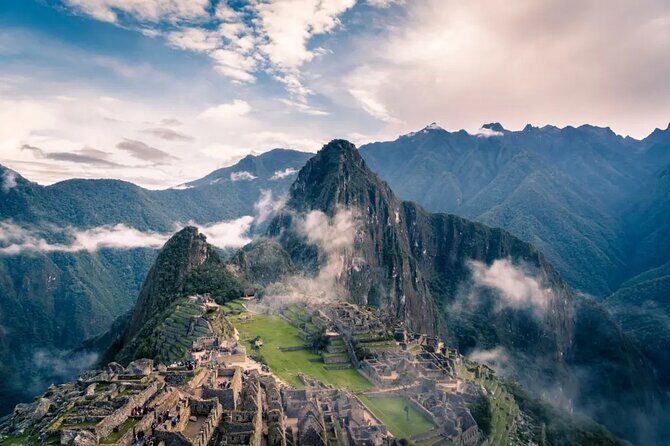
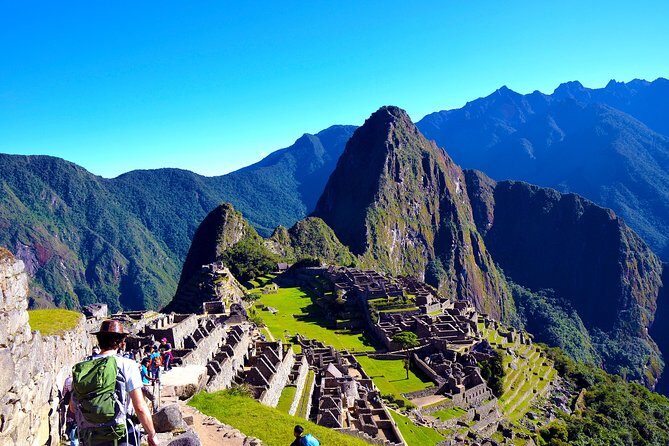
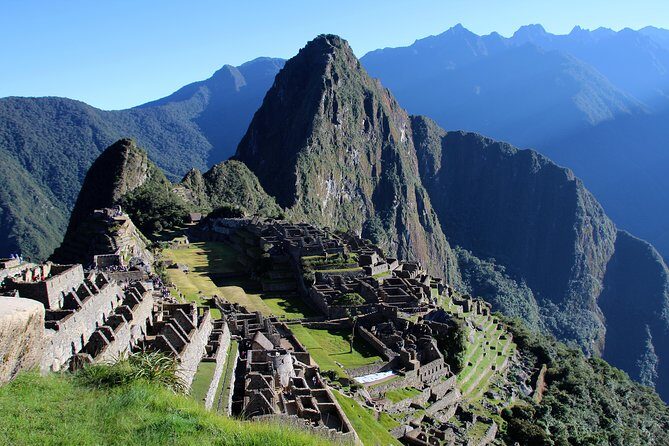
Your goal is Inti Punku (Sun Gate) at about 2730 m, before sunrise. This is where you get your first dramatic view of Machu Picchu, with the sun rising over it. The timing here matters more than the distance—this is the moment most people remember for the rest of their lives.
After time at Sun Gate, you walk down the last section to a spot set up for the classic postcard photo, then you go into Machu Picchu itself. You get a 2-hour guided walking tour, and then you can explore independently.
Once you’re finished with Machu Picchu, you meet your guide in Aguas Calientes for lunch. Train tickets are included for the ride back to Cusco, with the plan described as train to Ollantaytambo, then bus to Cusco (and the return from Poroy train station to your Cusco hotel is included in the package). If you want more time, an extra night in Aguas Calientes can be arranged, which is popular because you can explore more and also visit the thermal springs.




The service that makes the trek feel manageable: guides, porters, and meals
This tour is built around people doing their jobs well. The experience includes a professional bilingual guide, and if your group is 9 or more people, you’ll have an assistant guide too. In real life, that shows up as pacing help, clearer trail interpretation, and more support at stops.
From the reviews you shared, guide names like Luis, Victor, Henry Jorge, Mijail, Leevo, and Edwardo come up repeatedly. The pattern is consistent: guides are described as supportive on the harder parts and strong on Inca stories tied to what you’re seeing.
Then there are the camp teams. Porters carry cooking and camping equipment, and there’s also a 7kg personal porter option, meaning your pack weight doesn’t have to be all on you. Multiple reviews also praise the head porter teams and how they set up camp so tents are ready when you arrive, plus warm touches like tea in the morning and warm water at camp.
Food is one of the biggest value pieces here. You’re told that dinners are included 3 times, breakfasts 3 times, and lunches 3 times. You also get boiled water from the first lunch until the last breakfast. That combination matters on the Inca Trail because you’re burning calories and working at altitude; a well-run meal schedule prevents the end-of-day scramble to find food.
The one thing to keep straight: the first morning has gaps. Breakfast in Ollantaytambo and water on day 1 morning aren’t included, and meals not mentioned fall outside the package.
Price and value: what $949 covers (and what can surprise you)
At $949 per person, you’re paying for more than a hike. This price is absorbing the hard-to-pin-down costs that make the Inca Trail complicated: permits/entry, professional guiding, logistics from Cusco to Km82, camp support (porters and equipment), and train and transit back from the Machu Picchu area.
It also includes the “fuel” of the trip:
- Most meals across the trek window (breakfast/lunch/dinner counts are listed)
- boiled water during the supported meal stretch
- a first aid kit
- train tickets from Aguas Calientes to Poroy (with the bus transfer back to Cusco included)
What’s not included is where you should plan ahead:
- the single supplement if you need your own tent
- some core gear like foam mattress, walking sticks, and sleeping bag
- a personal porter for your duffle bag
- Huayna Picchu entrance (not included)
- gratuities
There’s also a practical reality: the tour notes that each hiker is responsible for carrying personal belongings and sleeping bag or extra rentals. So even though porters are carrying a lot for you, you still need to travel smart with what you bring.
If you want good value, treat the package like a system. If you show up with the right gear and a realistic packing plan, the trek runs on rails.
Gear and packing reality: what you carry vs what porters carry
This is the part people underestimate because the trail feels like a pure hiking experience. But the package says you’ll be responsible for personal items and sleeping bag or extra rentals, while porters handle cooking and camping equipment.
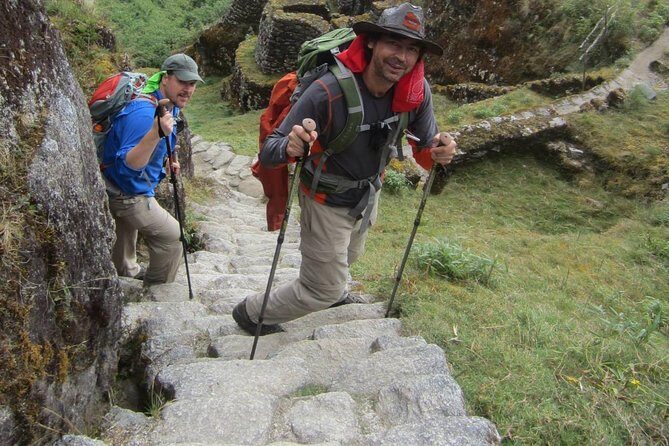
Also, some gear isn’t included (foam mattress, walking sticks, sleeping bag). That doesn’t mean you’re left totally on your own—it just means you’ll need to arrange those items yourself, likely through local rentals or what you bring.
A smart approach for you:
- pack light but not blindly—bring what you need for cold nights and altitude
- separate what you must access quickly from what can stay in storage
- protect yourself from sun and insects early (sunscreen and repellent are specifically suggested at the start)
And handle equipment carefully. One of the reviews you provided includes an example of how a rented hiking pole broke mid-trek and replacement-fee conversations got messy. I’m not saying that happens to everyone, but it’s a reminder: take care of rental gear, and if something feels off, tell your guide right away so issues don’t grow.
Who should book this 4-day Classic Inca Trail group trek
This fits best if you want:
- a guided Inca Trail experience with camp setup and meals handled
- a group size capped at 16 travelers, which tends to feel less chaotic than mega-tours
- a sunrise-to-Machu-Picchu day plan with Inti Punku as the headline
You’ll especially like it if you’re comfortable with:
- early wake-ups (breakfast around 3:30–4:00 am on day 4 is a specific reminder)
- steady uphill walking and at least two big pass climbs
- carrying personal items while knowing porters manage camp equipment
It’s less ideal if you’re looking for a casual stroll, or if you don’t have strong fitness. The tour lists a minimum age of 18 and asks for strong physical fitness.
Also note: vegetarian options are available if you advise at booking. And there’s a minimum group size requirement for booking, so your departure timing is subject to availability.
Should you book this 4-day Inca Trail to Machu Picchu?
If you want the classic route from Km82 to Machu Picchu with camp support, included meals, and sunrise timing, this is a strong choice. The reviews you shared strongly lean toward guides and camp teams making the hard parts feel doable, with food repeatedly called out as a standout.
I’d book it if you:
- plan your gear so you’re not stuck at the last minute
- can handle cold early mornings and high-altitude hiking
- like having a structured day plan, not a self-guided scramble
I’d hesitate if you hate uncertainty around communication or tend to wait until the day before to confirm details. Even though most trips run smoothly, one review you shared highlights that advance communication (like timing of a pre-trek meeting and handling of duffle bags) can be a weak spot. So, when you book, ask your operator clearly about pre-trek meeting timing and how duffle bags will be handled.
Finally, one more reality check: the tour is listed as non-refundable and cannot be changed for any reason. That means you should feel confident in your dates and fitness before you commit.
FAQ
What time do they pick you up in Cusco?
Pickup is around 4:00–4:30 am, with the meeting time listed as 4:30 am. The exact time is confirmed at briefing.
Where does the Inca Trail start?
The trail starts at Piskacucho, also known as Km82, after a bus ride from Cusco.
Is breakfast included on the first morning?
Breakfast is not included on the first morning. There is a breakfast stop in Ollantaytambo around 6:30–7:00 am, but it’s not included.
Are park or trail entrance tickets included?
Yes, admission ticket is included on the trek days described. Huayna Picchu entrance is not included.
Do you get to see Machu Picchu at sunrise?
You head to Inti Punku (Sun Gate) before sunrise for the first dramatic view of Machu Picchu, then you visit Machu Picchu with a guided tour.
How long is the trek each day?
Day 1 is about 12 km, Day 2 about 16 km, Day 3 about 10 km, and Day 4 about 5 km (with approximate time ranges given for each day).
What meals are included?
You get 3 breakfasts, 3 lunches, and 3 dinners. Boiled water is included from the first lunch until the last breakfast.
How do you travel back to Cusco after Machu Picchu?
Train tickets are included from Aguas Calientes to Poroy. The plan includes train until Ollantaytambo and then bus back to Cusco.
Is vegetarian food available?
Yes, a vegetarian option is available if you advise at time of booking.