REVIEW · CUSCO
Cusco: Pisac, Sacsayhuaman, Q’enqo, and Tambomachay Tour
Book on GetYourGuide →Operated by XPLORA AMERICA · Bookable on GetYourGuide
In six hours, Cusco tells a full Inca story. What I like most is the Pisac market stop, where you see everyday life and not just stone. I also love how the tour strings together Sacsayhuamán plus ritual and water themes, so the sites feel connected instead of random photo spots. The one caution: you’ll pay separate entrance fees for the archaeological sites, and there’s enough walking and uneven ground that sturdy shoes matter.
You get picked up right from your Cusco hotel (as long as it’s in the historic center). In the best cases, the guide is excellent at explaining what you’re seeing and why it matters. In one recent group experience, the guide Jessica was praised for making up for an unexpected vehicle/size mix-up, but the van also wasn’t the comfiest fit for four adults. So I’d plan to stay flexible on comfort and expect some basic bumpy-road Cusco reality.
In This Review
- Key Highlights You’ll Feel the Most
- A 6-Hour Route Through Pisac and Cusco’s Big Ruins
- Meeting Up in the Historic Center: Pickup and Time on the Clock
- Pisac Town and Market: More Than a Photo Stop
- Inside Pisac Archaeological Park: Terraces and a Real Sense of Engineering
- Taray Viewpoint: Seeing the Sacred Valley’s Terraces at Scale
- Sacsayhuamán: A Ceremonial Fort of Massive Stone
- Q’enqo and Tambomachay: Ritual Space and the God of Water
- Puka-Pukará Panorama: An Ancient Tambo Along Inca Roads
- Guides Matter: Juan Carlos and Jessica as Real Examples
- Price and Entrance Fees: What $77 Really Buys
- What to Bring (So You Don’t Hate Your Feet)
- Who Should Book This Tour, and Who Should Skip It
- Should You Book This Cusco Sacred Valley and Ruins Tour?
- FAQ
- FAQ
- How long is the tour?
- What’s included in the price?
- Do I need to pay entrance fees?
- Where does pickup happen?
- Is this tour private?
- What language is the guide?
- What should I bring and wear?
Key Highlights You’ll Feel the Most
- Pisac market time with real local stalls rather than just a quick look-and-go
- Taray Viewpoint for wide Sacred Valley views and the scale of the terraces
- Sacsayhuamán, Q’enqo, and Tambomachay as a linked story of stonework, ritual, and water worship
- Puka-Pukara viewpoint with a sense of how the Inca road system worked
- Guides with strong explanations, including at least one trained archaeologist (Juan Carlos) in recent tours
A 6-Hour Route Through Pisac and Cusco’s Big Ruins
This is the kind of half-day tour that works well when you want the Sacred Valley without committing to a full day out of Cusco. In about six hours, you hit the market town of Pisac, a prime overlook of the valley, and three major ruins around Cusco. It’s a packed route, but it’s not chaos if your guide keeps things moving and explains as you go.
The best part is the logic of the route. You start with daily life in Pisac. Then you look out at the Sacred Valley and understand why people built so many terraces. After that, the ruins around Cusco shift you from farms and viewpoints into ceremony and engineering.
There’s also the Spanish conquest layer mentioned in the tour focus. That helps you place what you’re seeing in a broader timeline, rather than treating the ruins like a sealed-off museum.
You can also read our reviews of more tours and experiences in Cusco.



Meeting Up in the Historic Center: Pickup and Time on the Clock
Your day begins with hotel pickup in Cusco, but it only works if your hotel is within the historic center. If you’re farther out, a meeting point is arranged ahead of time. That matters because it affects how smooth your start is. Cusco can be tight for cars and walking, so being in the right zone saves time and stress.
The tour is described as private group. That’s a good fit if you like questions, photos, and a pace that’s more tailored to you. It also means you can benefit from a guide who actually talks instead of rushing through because of a big group.
One practical note from recent experience: even with a private setup, vehicle comfort can vary. In one case, the vehicle didn’t fit four adults comfortably. It doesn’t mean the tour is bad. It just means you should expect a standard Cusco-area transport experience, not a luxury ride.
Pisac Town and Market: More Than a Photo Stop
Pisac is one of those places where you can feel the Sacred Valley as a living region. The tour includes time to walk through the town and check out the artisan stalls. This is where you’ll see what locals actually sell day to day, not only souvenirs designed for tourists.
The highlight here is the famous market. If you love watching how a community trades goods, you’ll get a lot out of this part. The market setting also makes it easier to connect with the archaeology later. You’re not just stepping from ruins into ruins. You’re seeing the region’s culture in motion first.
If you’re sensitive to crowds, plan your expectations. Markets can be busy, and it’s usually outdoors. Bring patience, keep your camera ready, and don’t treat every stall like a negotiation contest. Just browse, ask a few questions, and enjoy the human side of the Sacred Valley.
Inside Pisac Archaeological Park: Terraces and a Real Sense of Engineering
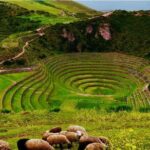
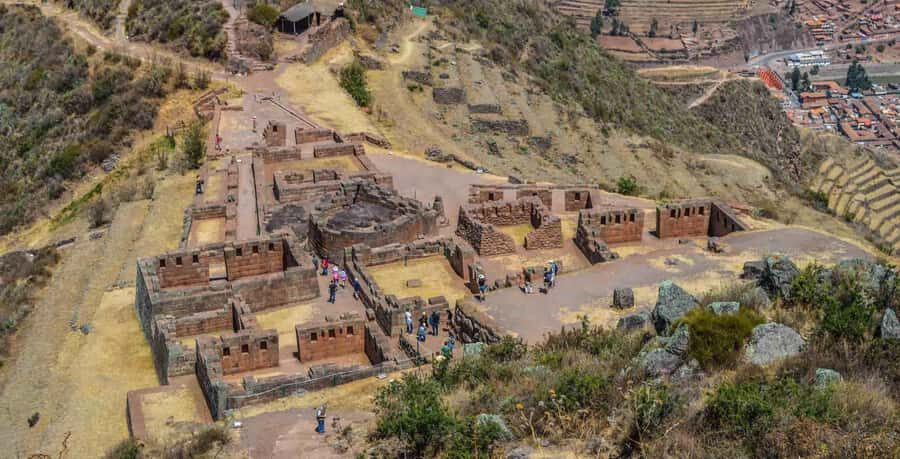
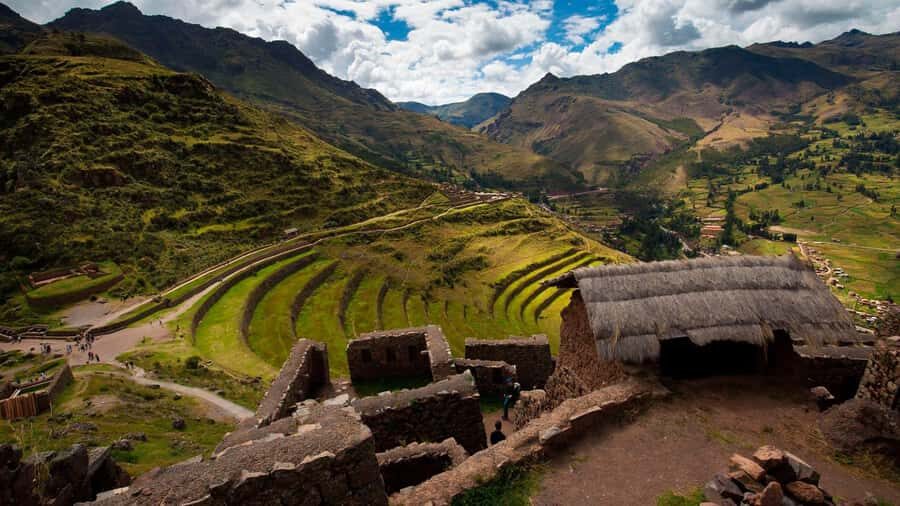
After the town, you get a guided tour of the Písac archaeological park. This is where your eyes start to “read” the place. The terraces aren’t random. They show deliberate water and agriculture engineering. They also hint at how people adapted steep mountain terrain into productive land.
What makes this stop valuable is the guided framing. A good guide can point out construction choices, explain how terraces helped manage water, and connect the site to the wider Inca landscape.
Keep your expectations realistic: you’re walking on uneven ground and there are stairs or slopes depending on where you stop. Comfortable shoes are not optional here. This isn’t a stroll on flat pavement.
Taray Viewpoint: Seeing the Sacred Valley’s Terraces at Scale
On the way back to Cusco, you stop at Taray Viewpoint. This is the “okay, I get it now” moment for many people. From up here, you can see the Sacred Valley’s terraces spreading across the slopes. You stop thinking about the sites as isolated ruins and start viewing them as part of a large, planned system.
It’s also a strong photo stop, because the perspective is wide and the valley shape is dramatic. Even if you’re not a photographer, the viewpoint helps you understand the geography.
Timing can be weather-dependent. Cusco clouds can roll in. If the sky clears, you’ll feel like you earned your view. If it’s misty, still go—terraced patterns often show through even when visibility is limited.



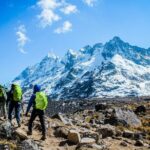
Sacsayhuamán: A Ceremonial Fort of Massive Stone
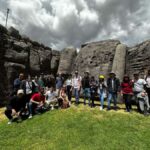
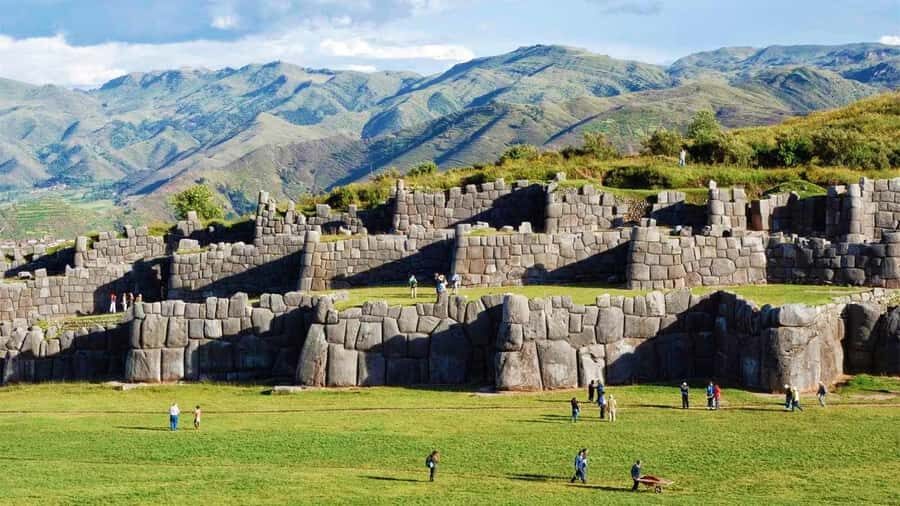
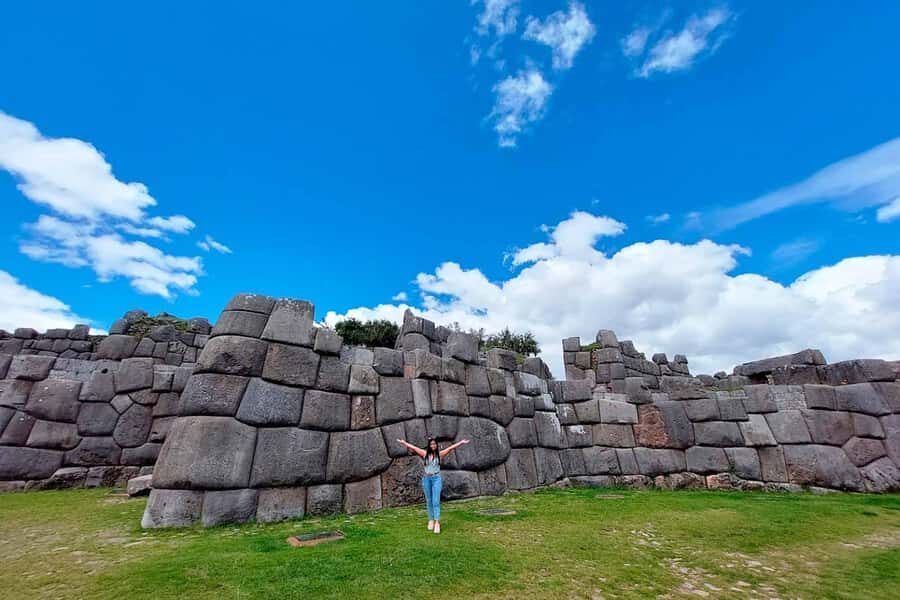
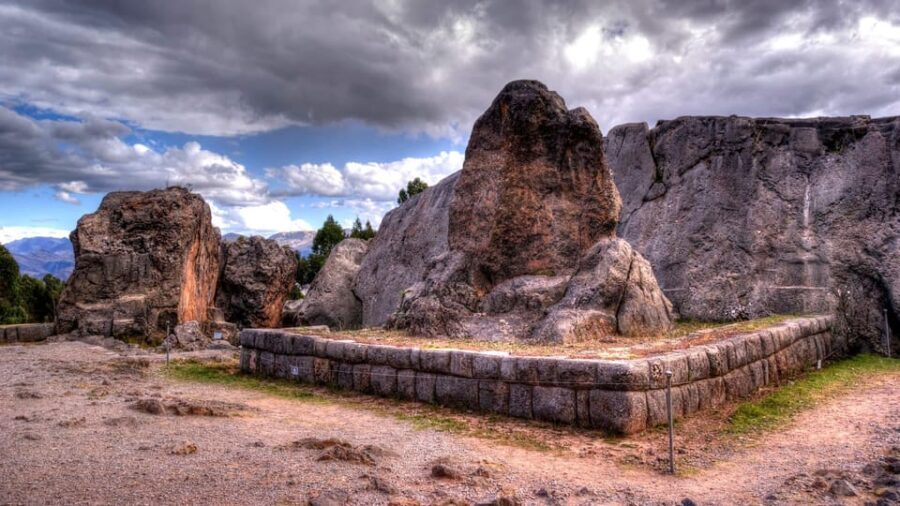
Sacsayhuamán is one of the sites that makes Cusco famous. This tour visits it as a ceremonial fort built with stone monuments. The scale is the first thing you notice. The second thing is how the stones work together.
Here’s where the guide quality matters a lot. In one standout recent experience, Juan Carlos was praised for being a trained archaeologist with clear, precise explanations. That kind of guide can help you understand details you’d otherwise miss—why the site is shaped the way it is and what it was used for.
Also, don’t rush. Spend time looking at how the walls and structures connect. It’s not just big rocks. It’s design.
Q’enqo and Tambomachay: Ritual Space and the God of Water
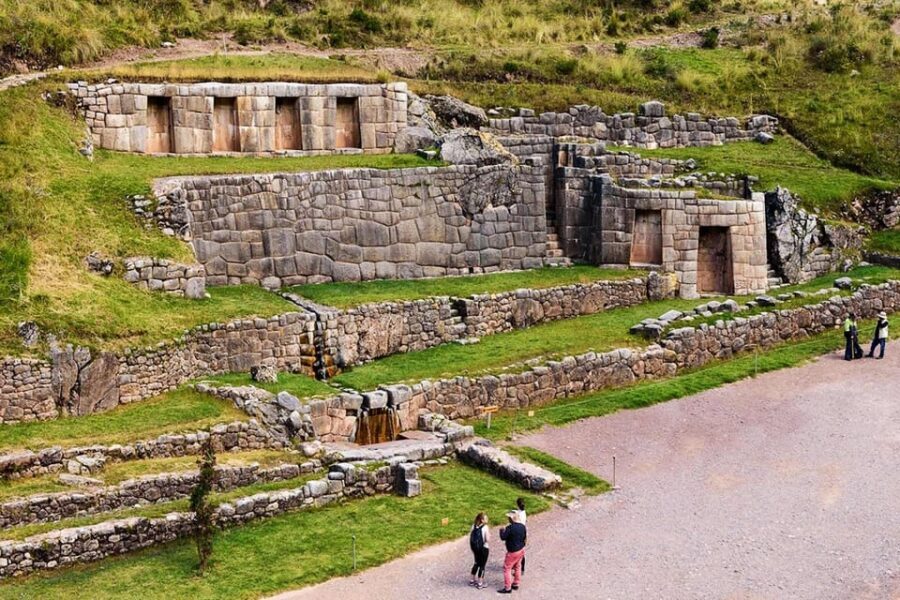
Next comes Q’enqo, described as a ritual site where sacrifices once took place. This is a different mood from the more fortress-like feel of Sacsayhuamán. If you pay attention to the site layout and your guide’s explanation, it helps the place feel purposeful rather than mysterious.
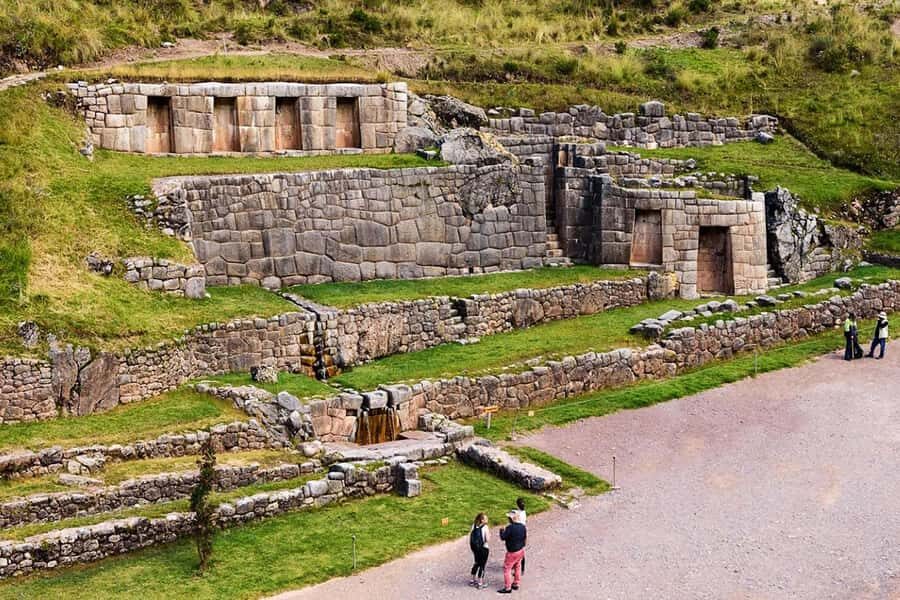
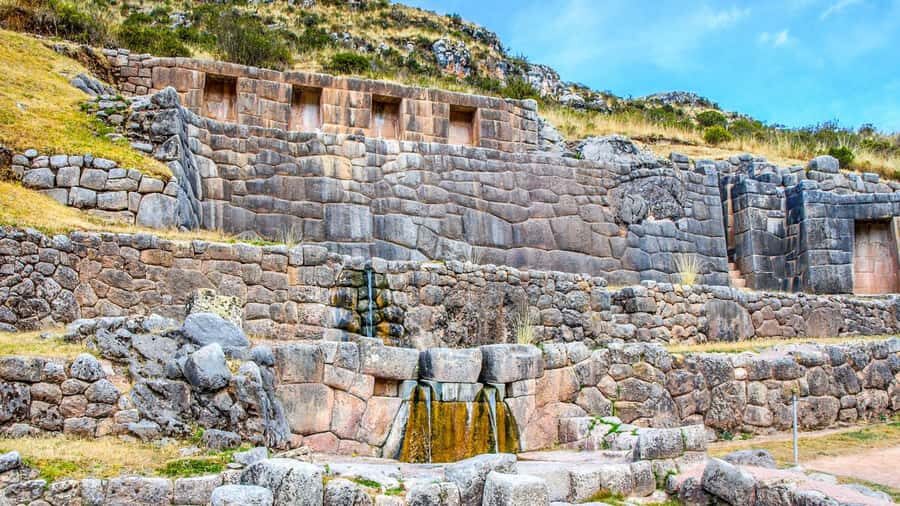
Then you move to Tambomachay, a temple dedicated to worshipping the God of Water. For many visitors, water themes are the easiest to connect with because you can see how much the Andes rely on seasonal streams and careful water management. It’s a reminder that “sacred” wasn’t abstract. It was tied to survival.
One practical note: these ruins involve walking and standing around viewpoints and platforms. If you have back issues, this may be tough. The tour isn’t listed as suitable for people with back problems, and you should take that seriously.
Puka-Pukará Panorama: An Ancient Tambo Along Inca Roads
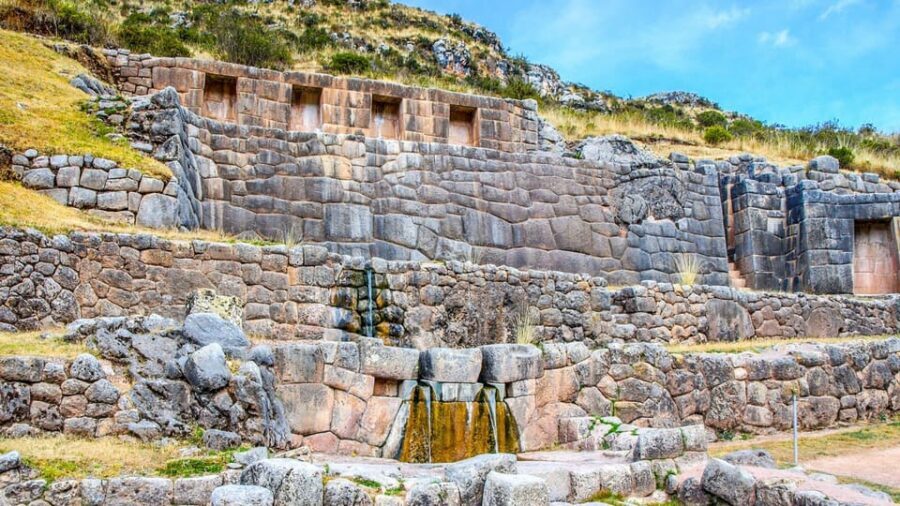
To close things out, you get a panoramic view of Puka-Pukará. This site is described as an ancient tambo, or guard post along the Inca roads. That detail is more than trivia.
It makes you think like the Inca road system: stations, support, and security across long distances. The moment works well as a bridge between the ceremonial sites and the practical infrastructure that helped the empire function.
If you like small connections—how one part of the Inca world supports another—you’ll appreciate this stop. If you only care about the biggest walls, you might find it more of a scenery moment. Either way, the view gives you closure on the day.
Guides Matter: Juan Carlos and Jessica as Real Examples
A tour like this rises or falls on interpretation. The supplied feedback makes that pretty clear.
Juan Carlos, a guide praised for his archaeology background, was described as able to answer questions in a clear, evidence-based way. That’s exactly what you want at Q’enqo and Tambomachay, where the meanings can be debated or easy to romanticize if the guide isn’t careful. In the same experience, he also suggested an excellent restaurant near Pisac, which made the day feel even better after the tour.
Jessica was also praised in a separate experience as great—both as a driver and guide. One hiccup happened with the vehicle fit and a confusion about tour size, but Jessica handled it well by coordinating with the provider. The lesson for you: if comfort is important, ask about vehicle size when booking for your group.
Bottom line: you don’t just buy transport and tickets. You’re buying explanations. And in recent tours, the guides have been a standout reason to book.
Price and Entrance Fees: What $77 Really Buys
The listed price is $77 per person for a six-hour private tour. That includes hotel pickup and drop-off, transport by car or minibus, and an English-speaking guide. For this itinerary, that’s a fair value because you’re getting multiple stops in one efficient loop without needing to coordinate your own rides.
The catch is entrance fees. Archaeological site tickets cost S/ 70 (US$ 18.70) per person for foreigners, or S/ 40 (US$ 10.70) for Peruvians. Since the tour visits multiple sites, those tickets are likely paid as a bundle for the included archaeological areas. Budget-wise, you should plan roughly $95-$98 total per person for the tour plus entrance fees as a foreign visitor.
If you’re the type who likes to see a lot in limited time and you value guided context, this pricing makes sense. If you’re on a tight budget and don’t care about explanations, you might compare it to a self-guided day. But self-guided won’t match the interpretive value at sites like Q’enqo.
What to Bring (So You Don’t Hate Your Feet)
This tour is practical: you’ll want comfortable shoes, water, sunscreen, and a hat. Cusco sun can be intense even when the air feels cool. A camera is also a good idea because you’ll have multiple scenic moments: Taray Viewpoint and Puka-Pukará are big highlights.
Expect varying weather. That’s normal in the Andes. Bring layers if you can, or at least be ready for temperature swings between Cusco and the viewpoints.
And yes, smoking is not allowed. You probably already know not to smoke in shared tour spaces anyway.
Who Should Book This Tour, and Who Should Skip It
This is a good fit if you want:
- A guided Sacred Valley day without a full travel day
- Time in Pisac town and market plus major ruins around Cusco
- A guide who explains history, including Inca life and the Spanish conquest theme mentioned in the tour focus
It may not be the best fit if:
- You have back problems, since the tour is not suitable for that
- You use a wheelchair, since it’s not listed as wheelchair-friendly
- You need maximum vehicle comfort, especially for groups of four, since vehicle fit can vary
If you’re traveling with older kids or a mixed group, private tours often work better because the guide can slow down a little when needed.
Should You Book This Cusco Sacred Valley and Ruins Tour?
If your goal is a strong Cusco intro with variety—market town, terrace views, and three major ruin stops—this tour is a solid choice. The value is in the pacing and the fact that you get a guided narrative across different themes: engineering, ceremony, and water worship.
I’d book it if you’re excited by guided explanation, because the best recent experiences highlighted guides with real depth, including Juan Carlos’s archaeology background. I’d be a bit more careful if you’re very sensitive to comfort or you struggle with walking on uneven ground.
If you want a single day that connects the Sacred Valley to Cusco’s ruins in a way that actually makes sense, this itinerary is built for that. Just budget for entrance fees, pack for sun and altitude weather shifts, and wear shoes you trust.
FAQ
FAQ
How long is the tour?
The tour lasts 6 hours.
What’s included in the price?
The price includes hotel pickup and drop-off, transport by car or minibus, and an English-speaking guide.
Do I need to pay entrance fees?
Yes. Admission tickets to the archaeological sites are not included. Fees are listed as S/ 70 (US$ 18.70) per person for foreigners, or S/ 40 (US$ 10.70) per person for Peruvians.
Where does pickup happen?
Pickup is from your hotel, but hotels must be within the historic center of Cusco. If you’re outside that area, a meeting point is coordinated in advance.
Is this tour private?
Yes. It’s described as a private group.
What language is the guide?
The tour is listed with live guides in Spanish and English, and an English-speaking guide is included.
What should I bring and wear?
Bring comfortable shoes, a hat, sunscreen, and water, plus a camera if you want photos.