REVIEW · CUSCO
Planetarium Cusco: Learn About Inca Astronomy
Book on Viator →Operated by Peru Trek 4 Good · Bookable on Viator
Cusco’s night sky gets a story lesson. This 2-hour Planetarium Cusco experience mixes Inca astronomy with a guided dome show, then (weather permitting) adds telescope stargazing.
I like that it includes pickup and drop-off from Plaza Regocijo, so you spend less time figuring out logistics in Cusco. I also like the intimate scale and the fact you’re learning from staff who take the science seriously while linking it to local culture.
The main downside to plan for: telescope time depends on weather, and Cusco skies can be cloudy (plus city light can limit what you can see).
In This Review
- Key Highlights You’ll Actually Care About
- Planetarium Cusco at a Glance: Inca Astronomy in 2 Hours
- Getting There: Plaza Regocijo Pickup Makes This One Easy
- Interpretation Rooms: How Inca Astronomy Sets the Mood
- The Dome Show: Virtual Southern Sky and Constellation Time
- Telescope Stargazing in Cusco: When It Works, It’s Worth It
- Why the Inca Angle Matters (and How to Get More Out of It)
- Time Breakdown: What Happens from 5:30 to Around 7:40
- Price and Value: Is $45 a Good Deal?
- Who Should Book This Planetarium Evening?
- Practical Tips Before You Go
- Should You Book Planetarium Cusco?
- FAQ
- FAQ
- What time does Planetarium Cusco start?
- Where is the pickup location?
- Does the tour include admission to the planetarium?
- Is pickup and drop-off included?
- What language is the experience offered in?
- Does telescope viewing happen every time?
- How large is the group?
- Is it suitable for children?
- What happens if it’s canceled due to bad weather?
Key Highlights You’ll Actually Care About
- Pickup from Plaza Regocijo keeps this easy to fit into an evening plan
- Inca-focused astronomy explains how the sky shows up in local culture
- Dome projection of the southern sky gives you clear context before stargazing
- Telescope viewing when conditions allow helps you try the real thing
- Small group size (max 20) keeps the tone calm and personal
- Blankets provided make chilly night viewing more comfortable
Planetarium Cusco at a Glance: Inca Astronomy in 2 Hours
If you want something smarter than just looking up at the stars, this is a good bet. Planetarium Cusco turns Inca astronomy into a guided evening routine, starting indoors and ending with telescope viewing when the sky cooperates.
The format is simple: short pickup, an explanation in interpretation rooms, a dome show of constellations in the southern sky, then a chance to look through telescopes. In practice, it’s a great way to learn what you’re seeing instead of guessing.
You’ll also get an English-language experience, and the tour is capped at a maximum of 20 people. That matters because astronomy talk works better when it doesn’t feel rushed.
You can also read our reviews of more tours and experiences in Cusco.



Getting There: Plaza Regocijo Pickup Makes This One Easy
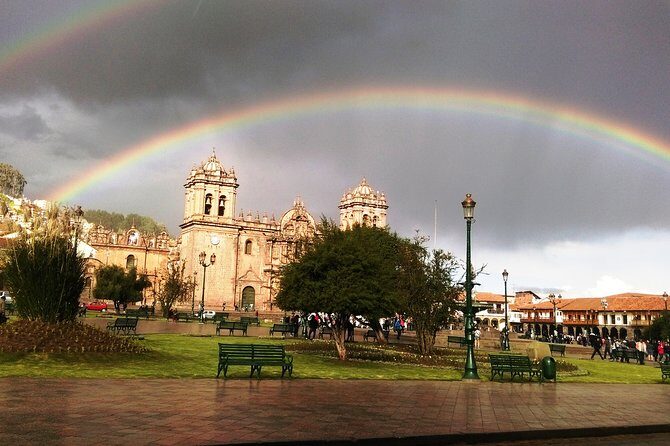
One of the best perks is the location-based start. The pickup point is Plaza Regocijo, near the middle of the square (the meeting area is listed by Plaza Regocijo). The start time is 5:30 pm.
From there, you’re picked up and then taken to the planetarium. This is not a “meet at a far corner and figure it out” situation. For Cusco evenings—when streets can feel busier and it’s easy to lose time—this saves energy.
Expect a return to the city afterward, and the experience ends back at the meeting point. So you’re not stuck with an extra ride decision at the end of the night.
Interpretation Rooms: How Inca Astronomy Sets the Mood
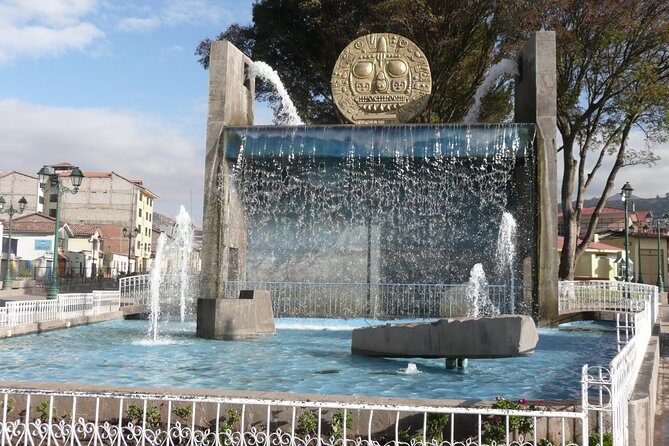
The evening begins with an introduction to Inca astronomy in the interpretation rooms. This is your time to get oriented, especially if you’re not already an astronomy person.
What I like about this approach is that it anchors the science in meaning. Even when you don’t remember every constellation fact afterward, you’re still left with a framework for what the stars represented and why people paid attention.
It also helps you enjoy the dome show more. When someone explains what the southern sky is showing you before you see it projected, the stars stop being random dots and start becoming a map.
The Dome Show: Virtual Southern Sky and Constellation Time
Next comes the virtual projection of the southern sky and constellations in the dome. In other words: you get a guided “look up” session, without relying on cloud-free skies right away.
This part is usually where most people feel the biggest shift. Indoors, the sky becomes clear, structured, and easy to follow. Outside, Cusco weather can mess with your timing, so the dome show acts like your backup plan for understanding the sky.
In reviews, people note the planetarium is still relatively new and that the presentation may feel a bit disjointed at times. That’s a heads-up, not a dealbreaker. If you go in expecting a work-in-progress and focus on the astronomy and the cultural connections, you’ll likely enjoy it more.
Telescope Stargazing in Cusco: When It Works, It’s Worth It
The tour includes stargazing with telescopes, depending on weather conditions. This is the part where your expectations should be practical.
Even with good weather, telescope viewing can be limited by city lights and by the general conditions of the evening. That doesn’t make it pointless—it just means you’ll get a better experience if you treat it as a guided look rather than a guarantee of perfect views.
If the sky is cloudy, the telescope portion may not give you much. The upside is that you already spent time learning in the dome, so the evening doesn’t collapse into nothing.
One useful detail: people mention blankets being provided. That’s smart for Cusco nights. Bring the mindset that you’re doing night-sky time outdoors for as long as conditions allow, not an all-night stargazing marathon.






Why the Inca Angle Matters (and How to Get More Out of It)
A planetarium show can be just facts. This one tries to connect those facts to Inca culture and local ways of interpreting the night sky.
For you, that means you’ll probably ask better questions during the show, like how people might have used celestial patterns for seasons or storytelling. And when you recognize that the constellation names and ideas you’re hearing are tied to local traditions, the experience feels more personal than a generic astronomy lesson.
It also gives you a stronger mental souvenir. After you leave, you’re not just thinking about the dome. You’re thinking about what the sky meant and how it shows up in culture.
One review specifically praised staff who shared cultural heritage alongside the science. That balance is the whole point here: the night sky becomes a conversation between astronomy and history as told through local interpretation.
Time Breakdown: What Happens from 5:30 to Around 7:40
Here’s the rhythm of the evening in plain language, so you can plan your day around it.
- 5:30 pm: pickup from Plaza Regocijo
- around 5:55 pm: arrival at Planetarium Cusco Sitio Oficial
- 6:00 pm: introduction to Inca astronomy in interpretation rooms
- 6:30 pm: dome projection of the southern sky and constellations
- 7:00 pm: telescope stargazing if weather allows
- 7:40 pm: return to the city, back to the meeting point
Total time is about 2 hours. That makes it a nice option for your Cusco schedule because it’s long enough to feel like an experience, but short enough not to steal an entire evening.
Price and Value: Is $45 a Good Deal?
At $45 per person, this is priced like a focused evening activity rather than a long excursion. The real value comes from what’s included.
You get admission (the ticket is included), plus a local guide and pickup/drop-off from the center of Cusco at Regocijo Square. For many people, that transport piece alone is worth something—because in Cusco, timing and transit can eat into your plans.
What’s not included: meals and drinks. So don’t assume dinner plans magically take care of themselves. I’d treat this as your pre-dinner or post-dinner activity and plan food separately.
Also consider the group size. With a maximum of 20 travelers, you’re more likely to get a comfortable, guided pace than a bigger bus-style attraction.
For most people, the “worth it” test is this: if you want a structured introduction to Inca astronomy and a chance to see the southern sky explained clearly, this price makes sense.
Who Should Book This Planetarium Evening?
This tour fits best if you like guided learning and you want to add something cultural to your Cusco nights.
You’ll probably love it if:
- you’re curious about Inca astronomy and want more than a generic planetarium show
- you want a short, well-timed activity (about 2 hours)
- you’d rather do indoor learning first, then try telescopes if the sky cooperates
- you’re traveling with family members and want an easy plan (children must be accompanied by an adult)
You might think twice if:
- you’re mainly chasing the best possible telescope views and you’re the type who gets annoyed when clouds happen
- you hate anything that feels like a work-in-progress presentation (some people note the flow can be a little uneven)
Practical Tips Before You Go
Keep expectations honest, and you’ll have an easier time enjoying the whole evening.
- Check the weather the day of your tour. Even if it’s cloudy, the dome portion should still give you a solid experience.
- Dress for cold night air. Blankets are mentioned, but you’ll still want warm layers.
- Arrive on time for the 5:30 pm pickup at Plaza Regocijo. Evening schedules in Cusco move fast.
- If you’re sensitive to noise or crowded spaces, remember it’s capped at 20 people, but it’s still a group setting.
Finally, try not to treat the telescope part as the only goal. The dome show and Inca astronomy intro are what keep the experience rewarding, even when the night sky doesn’t fully cooperate.
Should You Book Planetarium Cusco?
I’d book it if you want an easy, culturally grounded astronomy evening that doesn’t require a complicated plan. The included ticket, the guided dome projection of the southern sky, and the added try for telescope viewing make this a strong value at $45—especially since pickup and drop-off are handled right from Plaza Regocijo.
Skip it only if your main goal is guaranteed, crystal-clear telescope viewing on a perfect night. Here, clouds and city light are real factors, so go for the learning experience first, and let the stargazing be the bonus.
FAQ
FAQ
What time does Planetarium Cusco start?
Pickup is at 5:30 pm from Plaza Regocijo, and the tour runs for about 2 hours.
Where is the pickup location?
The start point is Plaza Regocijo (listed near F2M9+5X2, Cusco 08002, Peru).
Does the tour include admission to the planetarium?
Yes, the admission ticket is included.
Is pickup and drop-off included?
Yes. You get pickup and drop-off at Regocijo Square.
What language is the experience offered in?
The tour is offered in English.
Does telescope viewing happen every time?
Telescope stargazing depends on weather conditions, so it isn’t guaranteed.
How large is the group?
The tour has a maximum of 20 travelers.
Is it suitable for children?
Children must be accompanied by an adult, and most travelers can participate.
What happens if it’s canceled due to bad weather?
If the experience is canceled because of poor weather, you’ll be offered a different date or a full refund. The experience is non-refundable, so you’ll want to keep an eye on weather and timing.