REVIEW · CUSCO
Cusco City Tour with Sacsayhuaman & Coricancha Entrance Tickets
Book on Viator →Operated by Machu Picchu Peru Tours · Bookable on Viator
Five hours through the most important Inca places. This Cusco city tour strings together Coricancha and Sacsayhuamán with an official English guide, and it uses entrance tickets so you spend less time stuck at counters and more time understanding what you’re seeing. I also like how the route keeps things moving hour by hour, with a small group size (up to 15). One thing to consider: timing can be a make-or-break detail, and at least one past experience account mentioned a late start and confusion from a guide change that day.
You’ll get hotel pickup in downtown Cusco by air-conditioned vehicle, then a guided walk through several major archaeological stops. The practical mix of transport, guide, and the Boleto Turístico Parcial (BTP) value is what makes this feel like an easy win, especially if you’re only in Cusco for a short window.
In This Review
- Key things that make this Cusco Inca ruins circuit worth it
- Why this 5-hour Cusco city tour clicks for first-time Inca visitors
- Stop 1: Coricancha (Qorikancha) and the Temple of the Sun orientation
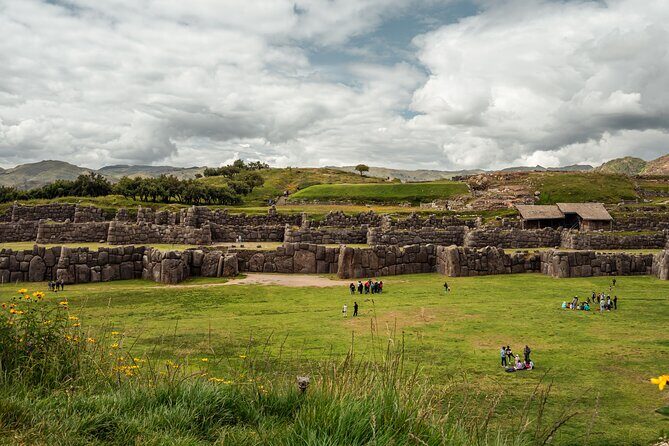
- Stop 2: Sacsayhuamán Fortress for panoramic Cusco views
- Stop 3: Q’enqo, where ceremonial and astronomical use changes how you look
- Stop 4: Puka Pucara’s military-fortress feel and the site layout
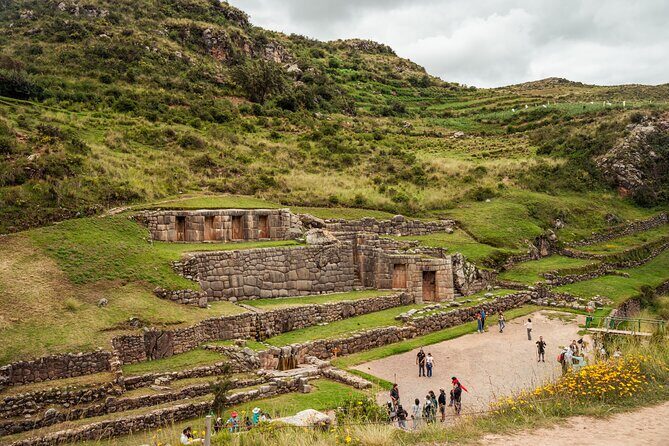
- Stop 5: Tambomachay and the water-channel ending in Cusco
- How the official guide, entrance tickets, and Boleto Turístico Parcial (BTP) make the day smoother
- Pickup and timing in downtown Cusco: what to plan so your day stays calm
- Price and value: what you get for $65 in Cusco
- Who this Cusco tour fits best (and who should rethink it)
- Should you book this Cusco city tour with Coricancha and Sacsayhuamán?
- FAQ
- How long is the Cusco City Tour with Sacsayhuaman & Coricancha entrance tickets?
- Does the tour include hotel pickup in Cusco?
- What does the price include?
- Which stops are included on the itinerary?
- Is the tour offered in English?
- How many people are in each group?
- Is free cancellation available?
Key things that make this Cusco Inca ruins circuit worth it
- Coricancha (Qorikancha) opener at the Temple of the Sun, a top Inca religious site
- Sacsayhuamán Fortress viewpoints over almost the entire city of Cusco
- Q’enqo ceremonial and astronomical purpose in one focused hour
- Puka Pucara military fortress layout with plazas, baths, aqueducts, walls, and towers
- Tambomachay carved stone water channels possibly linked to water worship
- Hotel pickup + official guide + tickets bundled (mobile ticket included)
Why this 5-hour Cusco city tour clicks for first-time Inca visitors
Cusco can feel like a lot at once. This tour helps you get your bearings fast by pairing big-name sites with short, guided time blocks. The overall format is simple: pickup, then five archaeological stops, each about one hour, with admission tickets folded into the experience.
The value is not just the sights. It’s the planning comfort. For $65 per person, you’re paying for an English-speaking guide, air-conditioned transportation, hotel pickup in Cusco downtown, and the Boleto Turístico Parcial (BTP) coverage that gets you into the included sites. If you’d otherwise be trying to line up guide + transport + tickets on your own, this package often makes your schedule less stressful.
One more practical detail I appreciate: the group cap is 15 people. That usually means you can actually hear your guide and ask a question without shouting over a crowd. Group discounts and a mobile ticket also fit the modern-day workflow of a Cusco day.
You can also read our reviews of more tours and experiences in Cusco


Stop 1: Coricancha (Qorikancha) and the Temple of the Sun orientation
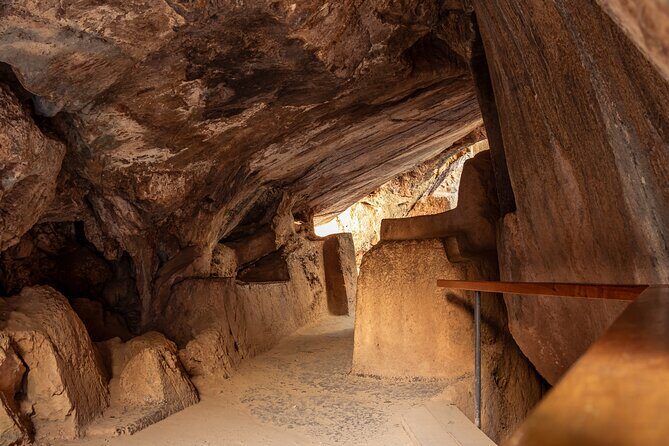
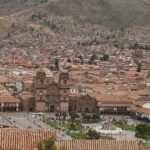
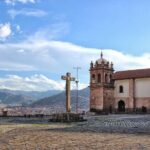
The tour starts at the main square area, then moves to Coricancha / Qorikancha, described as the Temple of the Sun and the most important religious site of the Inca Empire. This is a smart first stop because it sets the cultural tone. You’re not just looking at stones; you’re getting the religious meaning of what you’re seeing.
From there, you spend about an hour at the site with admission included. For me, that timing matters. Coricancha is the kind of place where you benefit from having someone explain the symbolism, not just a quick walk-through. Your guide’s job here is to connect the dots between the Inca worldview and the physical space.
A small tip: start your day with the mindset that this is a “context stop,” not your only photo stop. If you focus on what your guide says about why it mattered, the rest of the tour lands better later.
Stop 2: Sacsayhuamán Fortress for panoramic Cusco views
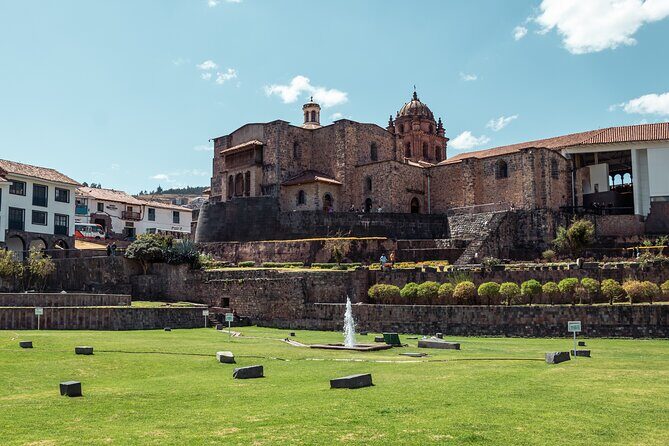
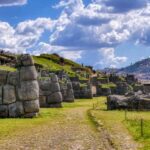
After Coricancha, you’ll head to Sacsayhuamán Fortress, one of the most impressive constructions of the Inca Empire. This stop is built for two kinds of travel satisfaction: understanding and views. The description is clear that from Sacsayhuamán you get a privileged view of almost the entire city of Cusco.
You also get about an hour to walk through massive stone walls and learn about ancestral architecture. That’s a good balance. You’re not only staring outward at the panorama; you’re also learning how the site’s design shapes the experience.
If you care about “how it was built,” this is the stop to lean into. The guide can help you notice what you might miss when you’re rushing for photos. And because it’s a fortress, the explanation tends to make the stones feel purposeful instead of random.
Stop 3: Q’enqo, where ceremonial and astronomical use changes how you look
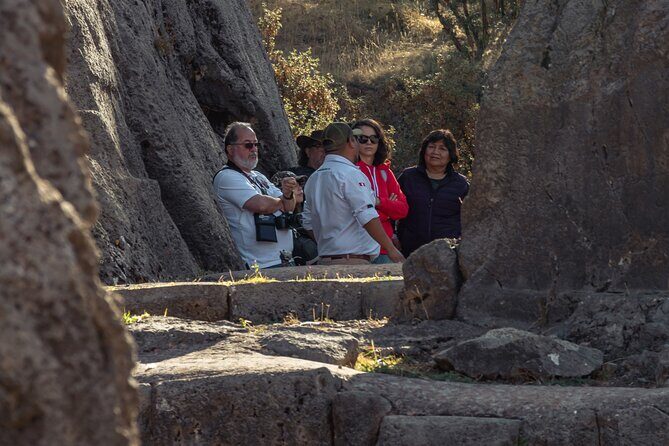
Next up is Q’enqo, an archaeological complex primarily used for ceremonial and astronomical purposes. This is a fascinating shift from fortress and city views into something more ritual and observational.
You’ll have about an hour here, with admission included. The value of Q’enqo in this itinerary is that it broadens the story of the Inca beyond power and defenses. Ceremonial and astronomical uses hint at how people organized time, meaning, and practices around the sky and ritual life.
Practical advice: bring a notebook habit for one thing your guide explains. Even without long stops, one clear idea can help you interpret what you see at later sites.
Stop 4: Puka Pucara’s military-fortress feel and the site layout
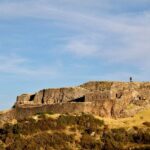
Then you’ll visit Puka Pucara, described as a military fortress featuring multiple spaces, plazas, baths, aqueducts, walls, and towers. That’s a lot of elements for one stop, but you’re given about an hour to take it in.
The big takeaway here is the functional contrast. Where Coricancha leans religious and Q’enqo leans ceremonial/astronomical, Puka Pucara is about military organization and infrastructure. The presence of aqueducts and baths in the site description also gives you a clue that practical engineering mattered, not only defense.
One consideration: because you have limited time, you’ll want to let your guide set the order in your head. Ask your guide to point out what makes it a military fortress and how the different sections relate. Otherwise, it can feel like a checklist of features.
You can also read our reviews of more city tours in Cusco
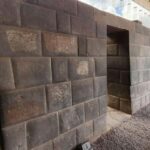
Stop 5: Tambomachay and the water-channel ending in Cusco
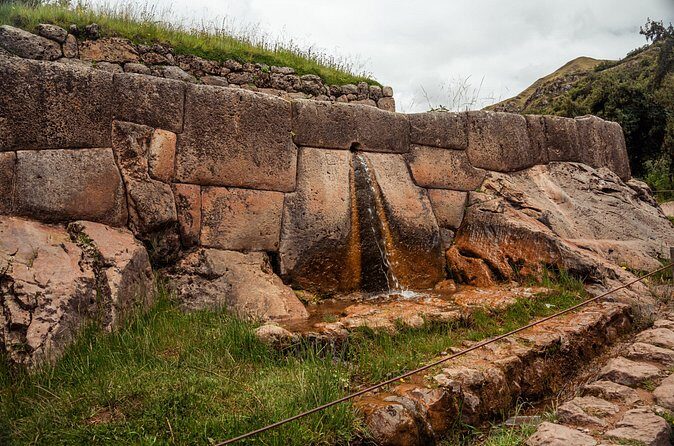
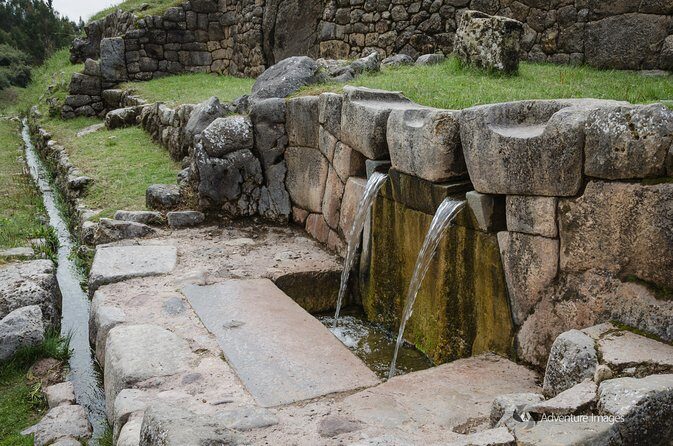
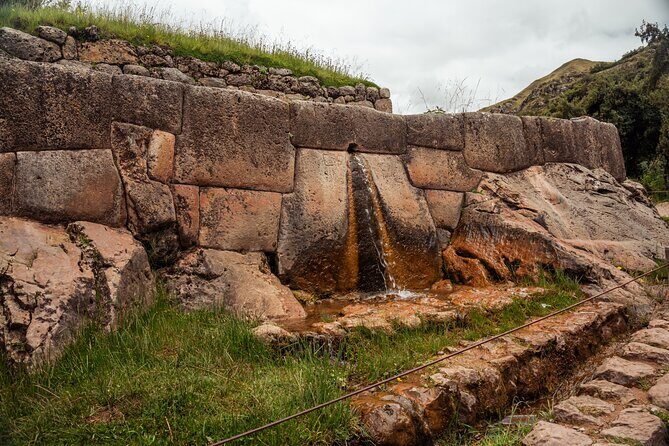
The tour ends at Tambomachay, an archaeological site with carved stone water channels, possibly dedicated to the worship of water. You’ll have about an hour at the site, and it’s described as concluding in Cusco.
I like this finale because it shifts your brain from stone walls and military logic into something physical and calm: water channels. Even with the phrase possibly dedicated, the idea is clear enough to guide your attention. Look for how the water channels are carved and how that would connect to water as a focus of worship.
Ending on a site tied to water also gives you a smoother emotional close to the day. Instead of ending on a fortress that frames Cusco from above, you end on a system that frames Cusco through water and ritual meaning.
How the official guide, entrance tickets, and Boleto Turístico Parcial (BTP) make the day smoother
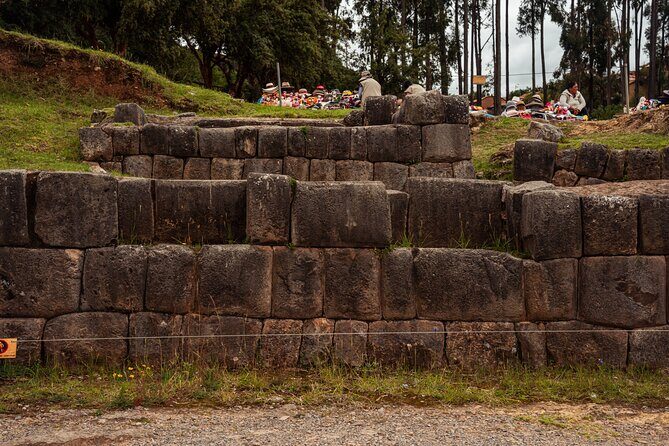
This tour includes:
- an official tourist guide
- pickup from Cusco downtown by air-conditioned vehicle
- the Boleto Turístico Parcial (BTP)
- Coricancha entrance
It’s also structured so each stop is listed with an admission ticket included. In plain terms: you’re not constantly hunting down tickets or guessing which entrance you need at each site. That helps a lot on days when lines and timing can eat your patience.
Your experience also includes a mobile ticket. That matters because Cusco days run on reminders and screens. I’d keep your phone charged and ready, and have the confirmation details available in one place.
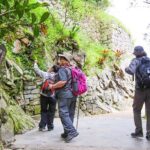
Guide names from past experiences include Edwin and Josua, and the coordination staff name Nohemi shows up in one account as being very attentive. If you get an experienced guide, the biggest benefit is not only facts. It’s the way the guide connects each site’s purpose—religious, ceremonial/astronomical, military, and water-focused—into one overall sense of how the Inca built meaning into space.
Pickup and timing in downtown Cusco: what to plan so your day stays calm
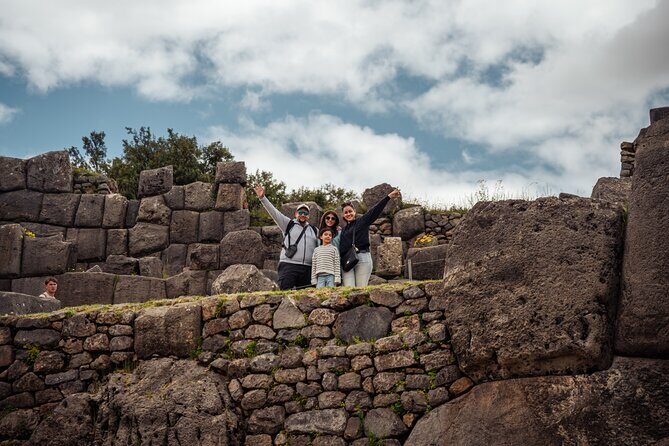
Pickup is offered from hotels in Cusco downtown, and customer service contacts you one day before to coordinate. If you’re not close to downtown, you may meet at a location previously coordinated.
This is where I recommend you do two simple things:
- Confirm your exact pickup point the day before.
- Be early and ready, since the day runs in a tight 5-hour window.
Most accounts point to punctual service and a properly sized group, which is exactly what you want for a half-day format. But one past account noted a late arrival and a sudden guide change that caused confusion and even a skipped attraction. That isn’t something you can control, but you can reduce the stress by being ready early and double-checking details when the guide arrives.
If you’re on a tight schedule for Sacred Valley or Machu Picchu, treat this tour as your “structured Cusco day.” Plan your next activity with a little buffer.
Price and value: what you get for $65 in Cusco
At $65 per person, this tour is positioned as a bundle: transportation + guide + partial ticket + entrances for the listed stops. The smartest way to judge value is to ask what you would pay separately.
If you were to:
- hire a guide for multiple sites,
- arrange pickup and transport around Cusco, and
- buy the right combination of entrances,
you’d likely spend both money and time piecing it together. Here, the convenience is built in. The group size cap (15 people) also helps protect the experience from turning into a crowded bus tour.
Is it the cheapest option? Maybe, depending on what you already have booked. But it is a practical option if you want a coherent Inca overview without spending your morning figuring out tickets and routes.
Who this Cusco tour fits best (and who should rethink it)
This works especially well if you:
- want a guided introduction to major Inca sites in Cusco in one half-day
- like the idea of tickets included, so you don’t manage entrance logistics
- prefer a smaller group rather than a huge crowd
It can also fit families. Children under 4 are free of charge, but they must be seated on a parent’s lap. That’s helpful to know if you’re traveling with toddlers.
One more note: one past experience account mentioned the tour was pet friendly, with a small dog joining the group. Since that detail isn’t guaranteed here as a standard feature, I’d contact the provider (Machu Picchu Peru Tours) directly and ask what’s possible for your pet.
If you’re the type who wants to spend long hours at a single ruin with no schedule pressure, you might find the one-hour stops feel quick. In that case, consider mixing this with a slower, single-site afternoon.
Should you book this Cusco city tour with Coricancha and Sacsayhuamán?
I think it’s a strong booking choice if your goal is clarity. This route covers the religious starting point at Coricancha, the dramatic fortress experience at Sacsayhuamán, then moves into ceremonial/astronomical and military/water themes. That structure makes Cusco feel like a connected story instead of a pile of stops.
Book it if you want:
- pickup in downtown Cusco
- an English guide
- entrance coverage through the BTP and Coricancha entrance
- a half-day plan that keeps you on track
I’d hesitate only if timing is extremely tight for you and you’re the kind of person who can’t handle the occasional hiccup. One account reported a late start and guide confusion on the day. You can’t promise it won’t happen, but being ready at pickup time helps.
If you’re trying to decide between DIY and guided, this is the easy middle path: guided enough to learn, organized enough to avoid logistics, and short enough to protect your energy.
FAQ
How long is the Cusco City Tour with Sacsayhuaman & Coricancha entrance tickets?
The tour runs about 5 hours.
Does the tour include hotel pickup in Cusco?
Yes. Pickup is offered from Cusco downtown hotels using an air-conditioned vehicle. If you are not close to downtown, you may meet at a location coordinated in advance.
What does the price include?
The price includes an air-conditioned vehicle, hotel pickup in Cusco downtown, an official tourist guide, the Boleto Turístico Parcial (BTP), and Coricancha entrance.
Which stops are included on the itinerary?
You’ll visit Coricancha (Qorikancha), Sacsayhuamán Fortress, Q’enqo, Puka Pucara, and Tambomachay.
Is the tour offered in English?
Yes, the tour is offered in English.
How many people are in each group?
The tour has a maximum of 15 travelers.
Is free cancellation available?
Yes. You can cancel for a full refund up to 24 hours in advance. The tour may also be rescheduled or refunded if weather is poor, or if a minimum number of travelers is not met.