REVIEW · CUSCO
Private Tour Sacred Valley Vip Chinchero Ollantaytambo+lunch
Book on Viator →Operated by Machupicchu Adventour · Bookable on Viator
Five Sacred Valley stops, one smooth private day. I like how this VIP route hits Chinchero, Moray, Maras, Urubamba, and the big ruins at Ollantaytambo and Pisac with an English-speaking bilingual guide, plus a buffet lunch in Urubamba. The vibe is private to your group, so you can ask questions without feeling like you’re shoulder-to-shoulder with strangers. The tradeoff is time: with an 11–12 hour schedule, you’ll see a lot, but you won’t linger long at each site.
You start early, with pickup from your hotel in the historic center of Cusco at 7:00 am. Expect a long day by design, moving between high-altitude stops, then finishing with more classic Sacred Valley sights.
Price-wise, $100 per person is reasonable for a full guided day with transport and lunch—just don’t forget that some archaeological entries are extra. You’ll want to budget for the partial ticket and the Maras salt mine fee (details below), and plan to keep your schedule tight.
In This Review
- Quick hits before you go
- Cusco to the Sacred Valley: How the 7:00 am start sets the tone
- Chinchero at 3,765 m: rainbow legend, mud-brick streets, and trapezoid niches
- Moray’s circular terraces: the Inca microclimate experiment
- Maras salt mines: photo time plus a rural church detour
- Urubamba lunch break: refuel with a real buffet, not a sad snack
- Ollantaytambo at high altitude: fortress walls, Temple of Water, and steep steps
- Pisac: balanced stonework and the Intihuatana ceremonial focus
- Price and logistics: what’s included, what costs extra, and what it’s worth
- How to get the most from this tight 11–12 hour loop
- The guide factor: punctual service and strong storytelling support
- Should you book this Sacred Valley VIP day?
- FAQ
- What time does the tour start?
- How long is the Sacred Valley VIP private tour?
- Where do they pick up in Cusco?
- What’s included in the price?
- What tickets or entrances cost extra?
- Is lunch included, and what is it like?
- What happens if weather is bad?
Quick hits before you go
- Private group, guided in English (and Spanish) so you can actually follow the story at each site
- A real lunch in Urubamba with both national and local dishes, plus soft Andean music
- High-altitude variety from Chinchero at 3,765 m to Ollantaytambo around 9,160 ft
- Inca engineering on display at Moray’s circular terrace system and beyond
- Maras salt pools for photos plus a nearby trail vibe in the countryside
Cusco to the Sacred Valley: How the 7:00 am start sets the tone
This tour is built for people who want the Sacred Valley highlights in one day. Pickup is at 7:00 am, and it’s from hotels in Cusco’s historic center—so if you’re staying farther out (like some parts of the city or outside the center), you’ll want to confirm whether you can get picked up.
The day runs about 11–12 hours, which means good shoes and patience. You’re not just visiting one ruin; you’re stacking several sites plus the drive time. If you’re the type who likes to “wander for an hour,” you’ll feel the schedule’s squeeze, but if you like structured sightseeing, this format works.
Also keep in mind that good weather matters. The experience is designed to run outdoors, so if conditions are poor, you may get offered a different date or a full refund.
You can also read our reviews of more private tours in Cusco


Chinchero at 3,765 m: rainbow legend, mud-brick streets, and trapezoid niches
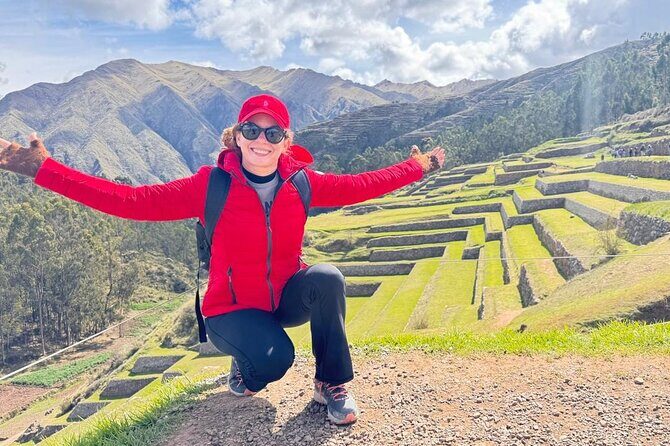
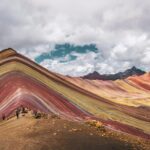
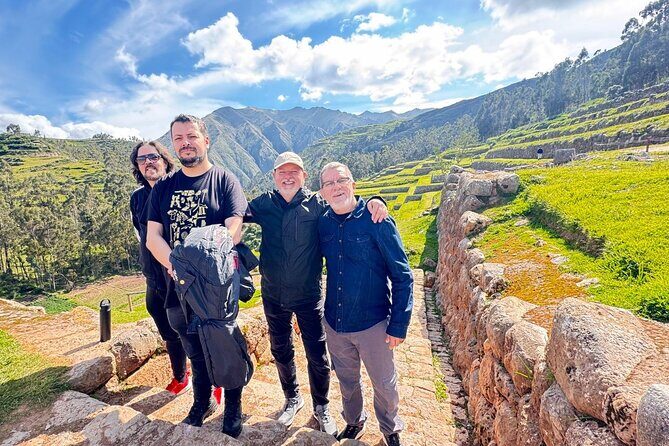
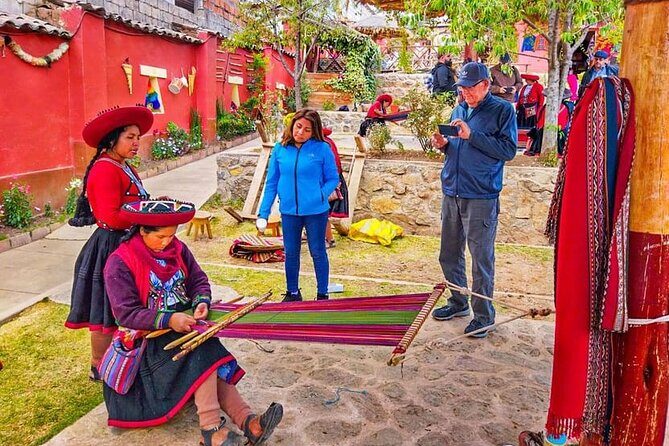
Chinchero is the kind of place that makes the Sacred Valley feel lived-in rather than staged. You’ll arrive after about an hour of transportation, then spend around two hours exploring this high Andean town at roughly 3,765 m, about 30 km from Cusco.
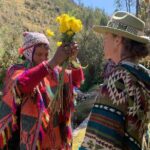
What I like here is the mixture of everyday village life and Inca-era leftovers. You’ll see mud-brick (adobe) houses and locals moving through their routines in traditional dress, and the views are dramatic—Vilcabamba in the distance and Salkantay dominating the western horizon.
Attraction-wise, Chinchero’s signature moment is tied to its colorful Sunday market, which is described as less tourist-oriented than Pisac’s market. If you love markets, people-watching, and color, this stop is one of the best openers.
Don’t skip the main square feature: an enormous stone wall with ten trapezoidal niches. It’s the kind of Inca detail that’s easy to miss when you’re rushing, so having a guide matters.
Important note for your wallet: Chinchero admission is not included in the tour price. The experience uses a partial entry ticket plan (more on that later).
Practical tip: at this altitude, you’ll likely feel the cold more than you expect. Bring layers that you can peel off later when you’re walking under sun.
Moray’s circular terraces: the Inca microclimate experiment
Next you head toward Moray, usually after a shorter drive. You’ll have about 1.5 hours here, and the focus is the circular terrace system—one of the strangest-looking Inca engineering projects you’ll see all day.
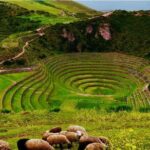
Moray is described as an agricultural “cultivation laboratory.” The main feature is the circular terraces, built with retaining walls and connected to an irrigation system. The terraces are deep—up to about 330 feet—and the whole point was to create microclimates. In other words, different temperature and growing conditions in the same area helped the Incas test crops and agricultural setups.
This stop is great if you’re into how places work, not just how they look. You’re not staring at one temple façade; you’re looking at a working idea turned into stone.
As with Chinchero, Moray’s admission isn’t included. That means you’ll want to sort your tickets so you don’t lose time on logistics.
Small drawback: Moray can feel a bit “technical” compared to fortress ruins. If your only interest is big stone empires and sweeping panoramas, you might wish for more time—but the engineering story here is worth the stop.
Maras salt mines: photo time plus a rural church detour
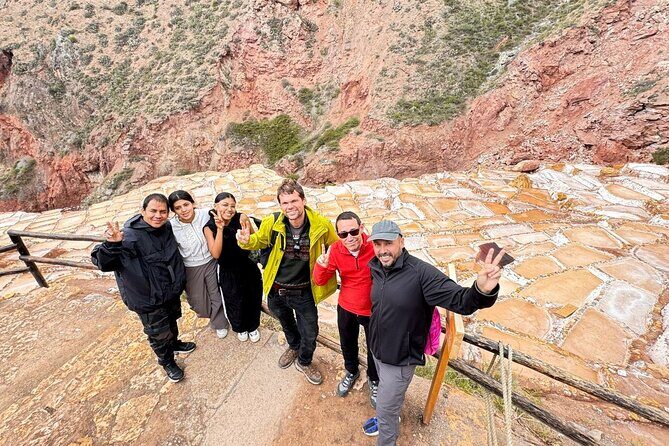
Then the day turns toward the famous salt mines of Maras, located in the rural community of Pichingoto. The drive is short—around half an hour—and you get about 1.5 hours on site.
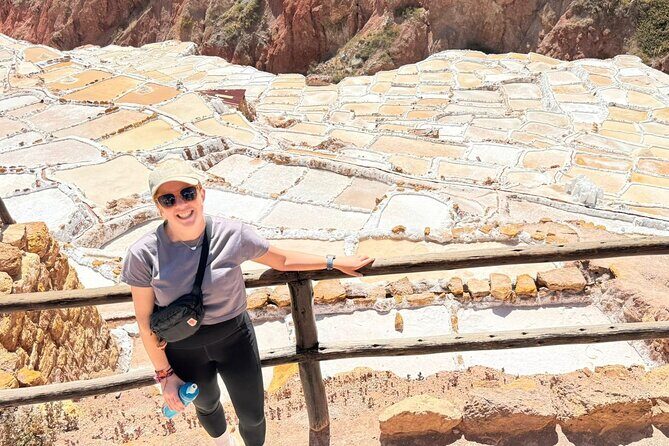
This is the stop photography people talk about because the salt pools spread across the area in geometric patches. It’s also a good spot for hikers and mountain bikers since there’s a trail connection mentioned between the salt mines and nearby towns like Tarabamba and Pichingoto.
A detail I really like: this area is also linked with the Tiobamaba Sanctuary, a colonial church built of adobe that houses paintings connected to Cusco, including The Last Supper. Even if you’re not a museum person, it’s a nice contrast—Inca landscape management meets colonial-era religious art.
Now for the one thing you should double-check: the stop description mentions Maras salt mine entrance as free, but the tour’s “not included” list lists an entrance fee of S/.20. If you want zero surprises, confirm what fee you’ll pay on the day.
Practical tip: bring water and something to protect your eyes from glare. Salty areas plus sun can be intense, and you’ll likely be looking down and around for photos.
Urubamba lunch break: refuel with a real buffet, not a sad snack
After the Salt Mines, you’ll drive to Urubamba, usually around 45 minutes. You’ll have roughly two hours for rest and lunch.
The included lunch is a buffet with a mix of national dishes and typical local dishes, accompanied by soft Andean music. That last part matters more than it sounds: it gives you a calmer reset before you hit the steep, stone-heavy ruins later.
I also like that the schedule gives you a proper break instead of a rushed “here’s bread, go.” Two hours helps you recover from altitude fatigue and keep the day enjoyable.
Since lunch is included, you’re less likely to lose budget or time at a café. Just plan to eat what you can comfortably digest—then take a moment to drink water before you head back out.
You can also read our reviews of more tours and experiences in Cusco




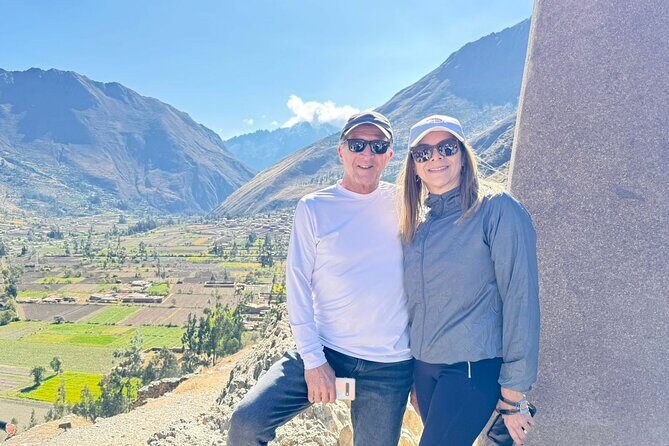
Ollantaytambo at high altitude: fortress walls, Temple of Water, and steep steps
Ollantaytambo is a standout stop for people who want Inca architecture that still feels powerful. You’ll arrive after about an hour of travel, and you’ll spend around two hours here.
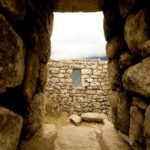
The town sits at about 9,160 feet, and the ruins are arranged in ways that show how the Incas defended and organized the valley. Two big highlights are the ceremonial temple for the worship of water and the fortress built between mountains to guard the valley entrance.
You’ll also run into other major pieces of the complex: the Temple of the Inti (sun god), Incamisana; the baths of the Ñustas (princesses); and the Cachiccata funerary towers. Add to that steep, stepped terraces on hillside areas, and you get a site that feels three-dimensional. It’s one reason a guide helps—you’ll understand what you’re looking at while you’re climbing.
Reality check: the steep staircases and uneven stone aren’t “sit back and relax” sightseeing. If you have mobility issues or you hate climbing, this is the part where you’ll feel the pace the most.
But if you want a real sense of how the Incas used space—religion, defense, and daily life—Ollantaytambo is the place in this day to lean into.
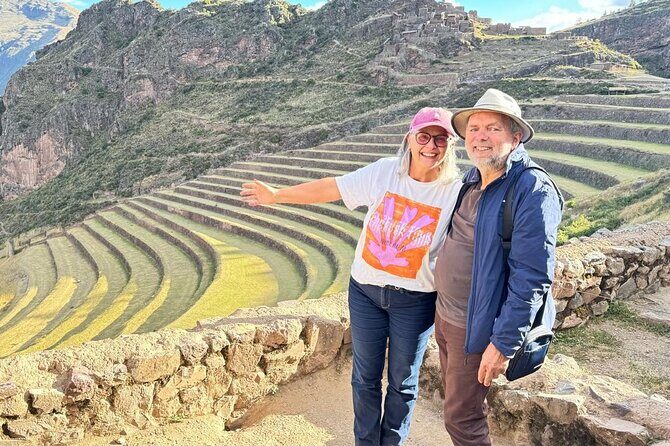
Pisac: balanced stonework and the Intihuatana ceremonial focus
After Ollantaytambo, you’ll head to Pisac in about 45 minutes. Here you’ll have around two hours, and the emphasis is on stone architecture and ceremonial structures.
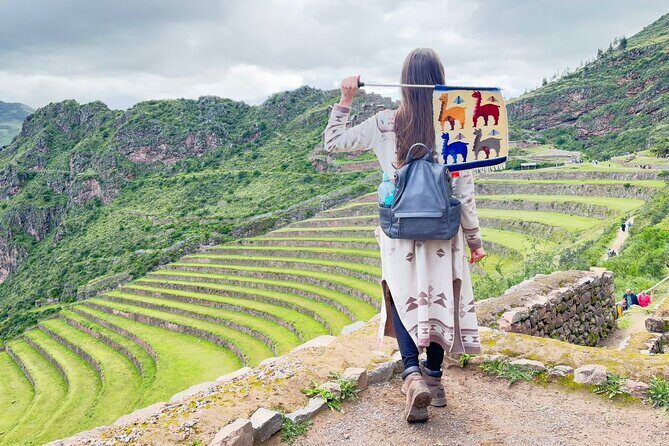
Pisac is known for its stone block walls with balanced proportions and tight stone joints. The complex is described as tightly connected—terraces, ceremonial spaces, palaces, walls, and towers all working together rather than feeling like a random collection of ruins.
The name Pisac comes from Quechua, meaning partridge, a bird found in the area. If you like place names with meaning, it adds a human touch to the ruins.
The key ceremonial site is Intihuatana, described as the most important ceremonial and religious site in Pisac. It’s made with sedimentary rocks, and it’s the kind of spot where the guide’s explanation can turn a pile of stones into a specific time-and-religion story.
As with other archaeological stops, Pisac entry isn’t included outright. Expect to pay through the partial ticket system.
Price and logistics: what’s included, what costs extra, and what it’s worth
Let’s talk value, because $100 can be a bargain or a trap depending on what’s included. In this case, you’re getting: a Cusco hotel transfer (from the historic center), a guided visit, and a bilingual guide in English and Spanish. Lunch in Urubamba is included, and you’re also issued a mobile ticket.
What’s not included:
- Partial Ticket III (S/.70) for admission to four archaeological parks: Ollantaytambo, Pisac, Chinchero, and Moray
- Entrance to Maras salt mines (S/.20)
The value logic is simple: most of your day’s cost isn’t tied to lunch or transport—it’s tied to having someone organize the whole run and explain the places while you’re moving. If you’ve ever tried to do the same circuit on your own, you know how much time gets eaten by figuring out routes, timing, and tickets.
Still, there’s one consideration: the tour packs several paid-entry sites into an 11–12 hour day. If you hate rushing, or if you want museum-style pacing, budget extra time for your own exploration on another day.
How to get the most from this tight 11–12 hour loop
This tour is best for efficient, first-timer Sacred Valley sightseeing. It’s not best for slow travel.
To get more out of it, I’d do these three things:
- Wear shoes you trust on steep steps and uneven stone (especially at Ollantaytambo and Pisac).
- Bring layers for altitude temperature swings. Chinchero is around 3,765 m, and Ollantaytambo is around 9,160 ft.
- Have your small cash ready for the extra fees (S/.70 ticket and the S/.20 salt mine entrance).
One more practical note: the tour is private—only your group participates—so you can ask for small adjustments, like spending a bit more time at one viewpoint if the schedule still allows it. If your guide says it won’t fit, respect that. This route is time-optimized.
The guide factor: punctual service and strong storytelling support
The strongest feedback pattern here is about the guide experience. People highlight guides as professional, attentive, and punctual, with strong English (and bilingual support). Names that come up include Guido, William, Rudy, Victor, and Samu, which suggests the team style is consistent even when the guide changes.
What you should hope for from your guide is specific, practical storytelling: what you’re looking at, why it matters, and how the different stops connect. A day like this can turn into a blur of ruins unless someone puts structure around it.
Also, the guide role isn’t just facts. Some feedback points to guides helping with photos and videos—small things that matter when you’re trying to capture views but still want accurate explanations.
Should you book this Sacred Valley VIP day?
I’d book this tour if you want a guided highlight circuit and you’re okay with a tight schedule. It’s a smart choice for a first trip to the Sacred Valley, or for anyone who doesn’t have multiple days to spread out Chinchero, Moray, Maras, Urubamba, Ollantaytambo, and Pisac.
Skip it—or at least consider a slower option—if you hate being rushed, or if you want lots of quiet time at just one or two sites. Ollantaytambo and Pisac involve enough climbing and walking that a slower pace can feel more enjoyable.
If you’re the type who likes seeing the whole “greatest hits” in one day, this VIP format is the kind of plan that makes Cusco feel like more than a launch pad.
FAQ
What time does the tour start?
The start time is 7:00 am, with pickup from your hotel in the historic center of Cusco.
How long is the Sacred Valley VIP private tour?
It runs about 11 to 12 hours.
Where do they pick up in Cusco?
Pickup is from your hotel in Cusco’s historic center. Private residences (like some Airbnb locations outside the historic center) aren’t included.
What’s included in the price?
You get Cusco hotel transfer (historic center), guided visit, a bilingual guide (English and Spanish), and a buffet lunch in Urubamba. A mobile ticket is also offered.
What tickets or entrances cost extra?
A partial ticket III (S/.70) is needed for admission to Chinchero, Moray, Ollantaytambo, and Pisac. Entrance to the Maras salt mines is listed as S/.20.
Is lunch included, and what is it like?
Yes. You’ll enjoy a buffet lunch in Urubamba with a variety of national dishes and typical local dishes, plus soft Andean music.
What happens if weather is bad?
The experience requires good weather. If it’s canceled due to poor weather, you’ll be offered a different date or a full refund. If the minimum number of travelers isn’t met, you’ll also get an alternative or a full refund.
If you tell me your travel dates and where you’re staying in Cusco (historic center or not), I can help you sanity-check whether pickup will be smooth and how to plan your morning for altitude and timing.