REVIEW · CUSCO
5-Day Salkantay Trek to MachuPicchu with Optional Hot Spring Bath
Book on Viator →Operated by Machupicchu USA · Bookable on Viator
Cold altitude on day one sets the tone. This 5-day Salkantay Trek from Cusco brings you from high Andean passes to Machu Picchu with admission included, plus an optional soak in Santa Teresa hot springs. I love the small group size (max 10) and the way the trek is run like a real program, with a chef setup and cooking equipment during the days on foot. One heads-up: you start very early (around 4:30–5:00am) and the first campsite is at 3,920m, so you’ll want to take cold-weather sleep gear seriously.
If you’re the kind of traveler who hates getting lost in details, this tour helps you out with transport to trailheads, a local certified guide on the trek, and transfers back to Cusco. It’s also designed for a steady pace—challenging, yes, but guided and structured rather than chaotic.
The price is $650 per person, and I think it can be good value if you plan for the “extras” (like Humantay Lake fees, sleeping bag rental, and optional Huayna Picchu). If you’re expecting a walk in the park, this is not that.
In This Review
- Key things that matter on this Salkantay trek
- Cusco start times and what “5 days” feels like in real life
- Day 1: Salkantay Trail to Soraypampa and Humantay Lake’s big views
- Day 2: The 4,650m Salkantay high pass (and when a horse can save your legs)
- Day 3: Santa Teresa River crossings, waterfalls, and optional zip line plus hot springs
- Day 4: Lucmabamba climb, Llactapata Inca site, then Aguas Calientes hostel night
- Day 5: Machu Picchu early arrival, guided walk, and the Huayna Picchu tradeoff
- What’s included, what isn’t, and where your money usually goes
- Gear, altitude sleep, and how to avoid day-one suffering
- Group size, pacing, and the feel of Machu Picchu day
- Price and value: is $650 a fair deal for this route?
- Should you book this Salkantay trek to Machu Picchu with optional hot springs?
- FAQ
- What time does the trek start in Cusco?
- Is Machu Picchu admission included?
- Are the hot springs included?
- Do I need to rent a sleeping bag or walking stick?
- Is Huayna Picchu included?
- Is Humantay Lake admission included?
Key things that matter on this Salkantay trek
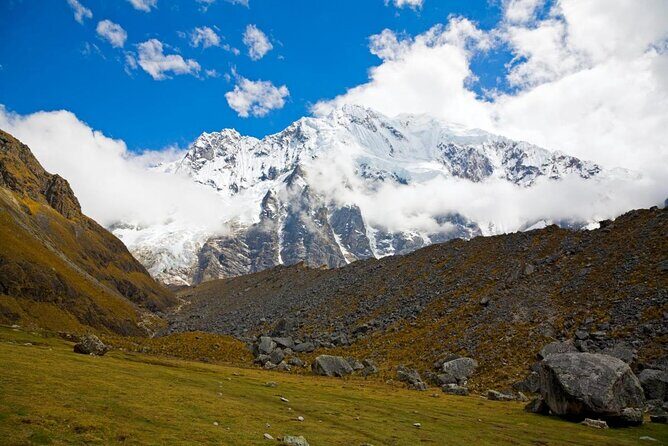
- High pass day (4,650m) with optional horse rental if you want help for the hardest climb
- Humantay Lake views plus a clearly defined route starting from Soraypampa (3,920m)
- Camping plus hostel night in Aguas Calientes, so you’re not roughing it every single evening
- Optional Santa Teresa hot springs and zip line activity on the warmer jungle-side day
- Machu Picchu tour guided for about 2 hours, with time to consider Huayna Picchu (optional)
- Max 10 travelers, which usually keeps the whole trek feeling more personal and manageable
Cusco start times and what “5 days” feels like in real life
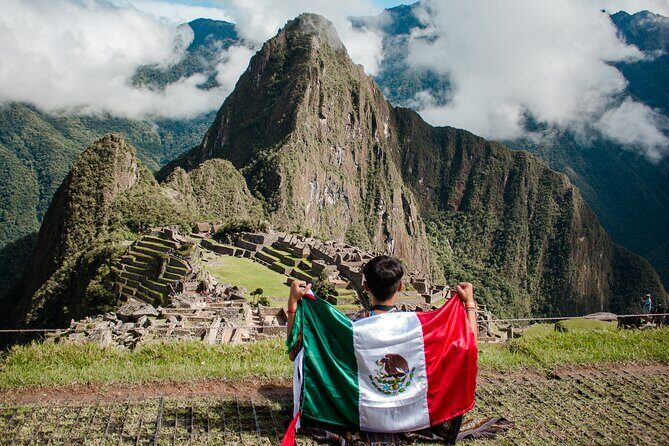
Your early mornings start fast. You’re picked up between about 4:45 and 5:00am, and the listed meeting time is 4:30am, so plan on being ready well before that. This matters because Salkantay is a “get there, then work” kind of trek—transport, altitude, and timing all build into the schedule.
This is also a tour where structure helps. You’ll move from Cusco area travel to the trailhead, get double-checked equipment at Challacancha, and then you’re not improvising meals, pacing, or route decisions. That’s a big deal when you’re dealing with cold air at altitude and a tight timetable to reach Machu Picchu.
One more practical note: you’re told you should have strong physical fitness for this trip. That doesn’t mean you need to be an athlete, but it does mean you should be comfortable hiking long days at altitude. If you’re worried, it’s worth considering the optional options (horse rental on Day 2, for example) rather than hoping you’ll be fine once you’re already at the pass.
You can also read our reviews of more hiking tours in Cusco
Day 1: Salkantay Trail to Soraypampa and Humantay Lake’s big views
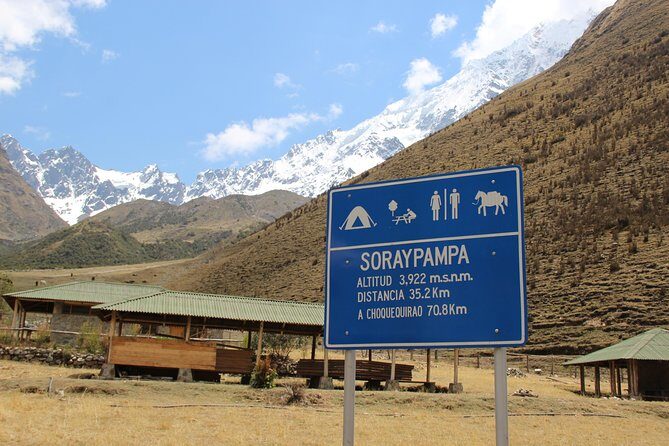
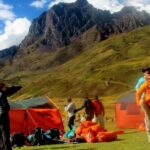
Day 1 begins with a bus ride to Mollepata (2,900m), with a stop where you can stretch your legs and buy snacks. Then the route continues by car to Challacancha, where you do final preparations and equipment checks. After that, you start walking toward Soraypampa (3,920m).
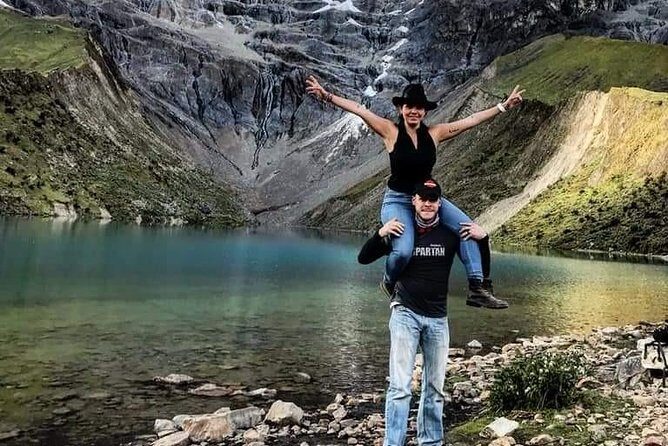
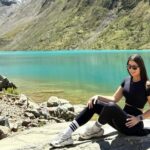
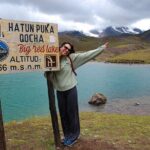
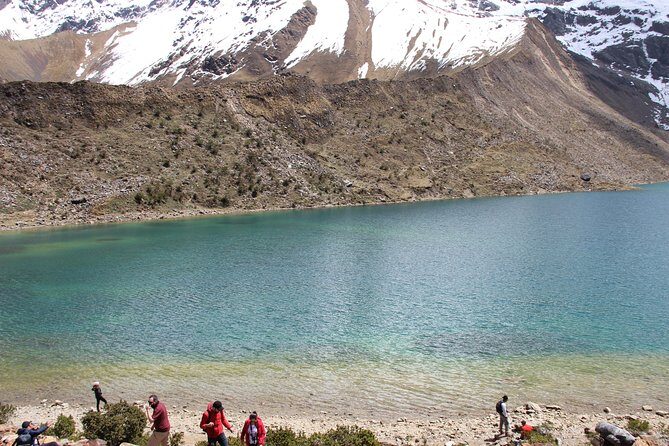
You’ll hike for about 3 hours up to Soraypampa, and the day’s centerpiece is a hike to Laguna de Humantay. The trek to the lake is listed as about 1.5 hours each way, and it’s timed so you get those classic high-Andes views without losing the whole day.
Why this day is special: Soraypampa is the highest and coldest campsite of the whole trip. You’re going to feel the altitude early, and sleeping at 3,920m is part of acclimatization and part of the “okay, this is real” moment. If you’re someone who runs cold, don’t treat the campsite lightly. Plan for warmth, because the day ends with dinner and early sleep.
A practical caution: Humantay Lake entrance is not included (listed as $7 / PEN 7 per person), and Day 1 also notes admission tickets aren’t included. If you like to avoid last-minute money stress, budget for that before you reach the checkpoint.
Day 2: The 4,650m Salkantay high pass (and when a horse can save your legs)
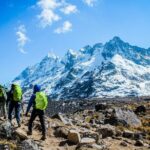
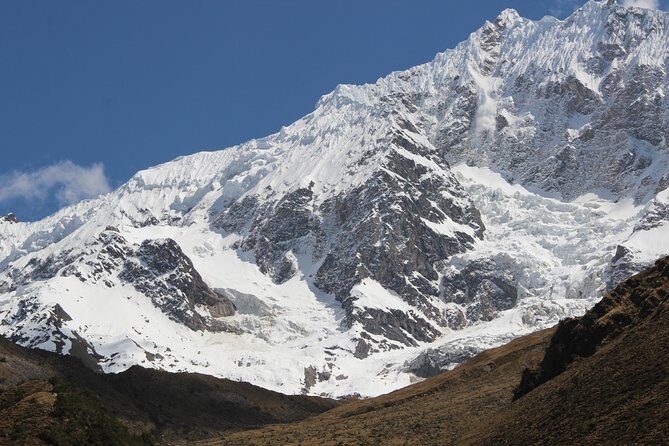
Day 2 is where most people feel the trek’s “main event.” After breakfast around 5:00am, you start the climb toward the highest pass on this trek at 4,650m. The pass sits between Salkantay (6,267m) and Humantay (5,900m)—so the views are the whole point, and you might even see snow.
The walk to the high pass is listed as about 4 hours, followed by a 2-hour downhill hike. When your body is working at altitude, downhill can still be tough on knees and ankles—so take your time with footing. After that, lunch is served at Huayracpampa, and then you continue for about 3 more hours to your next campsite at Challhuay or Colcapampa near the beginning of the high jungle region at around 2,900m.
Optional help is available here: there’s an optional horse rental to reach the high pass, listed at about $100–$120. That’s expensive, but it can be a smart trade if it helps you avoid blowing up your energy for the rest of the trek. If your legs are your limiter (not your stamina), a horse can keep your trip enjoyable instead of painful.
One consideration: Day 2 is listed at 10 hours. Even if the terrain changes later, your day will likely feel long because altitude makes everything slower. If you want the most comfortable experience, don’t rush the high pass. Save your effort for getting there safely and steadily.
Day 3: Santa Teresa River crossings, waterfalls, and optional zip line plus hot springs
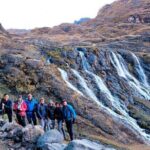
This is the day that shifts the vibe. After breakfast around 6:00am, you trek through the upper jungle crossing the Santa Teresa River and several small brooks. You’ll pass valleys with views of waterfalls, plus tropical fruits and plants. Lunch is at La Playa (2,200m), and then you continue by car to Santa Teresa town (1,700m) for camp—where it’s warmer.
The listed trekking time is about 6 hours, and that matters because your body will feel it after two hard days. Warmer temperatures at 1,700m help a lot with recovery and sleep.
Once you’re in Santa Teresa, the tour gives you optional activities:
- Zip line activity (extra cost)
- Hot springs in Santa Teresa town (extra cost)
This is exactly the kind of “earned reward” day that makes the whole trek feel worthwhile. If your budget allows it, the hot springs can be a simple way to reset after cold nights and steep descents.
What to watch: since the hot springs and zip line are not included, decide in advance whether you want them. If you keep it optional, great—you can judge how your body feels once you arrive. Just don’t assume it’s included, because it comes with extra cost.
Day 4: Lucmabamba climb, Llactapata Inca site, then Aguas Calientes hostel night
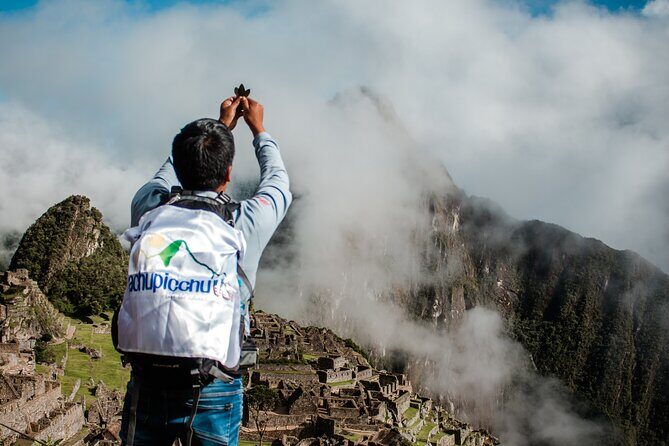
Day 4 moves the story toward Machu Picchu in a very visual way. After breakfast at 5:00am, you drive to Lucmabamba. Then you walk for about 2 hours uphill, with views over the Santa Teresa valley, before reaching Llactapata.
Llactapata is described as an Inca archaeological site right in front of Machu Picchu. The route also includes photo opportunities and stops to learn about older Inca features. You’ll see ancient rock formations used like a sundial, which worked with the sundial stone at Machu Picchu to measure the winter solstice and mark the beginning of the farming season.
Then comes the move toward Aguas Calientes. The day includes a point where you “reach the train track that lead to Aguas Calientes,” and once you’re in town you’ll have dinner at a restaurant and sleep in a comfortable hostel.
Why this day is valuable: Llactapata is the kind of stop where the trek stops being only about walking and starts connecting you to the place you’ve been walking toward. You’re not just arriving at Machu Picchu later—you get a meaningful look at the story and planning behind the site first.
One practical detail: Day 4 is listed at 10 hours, which is a long day even with a warmer elevation trend. Keep snacks in mind (snacks weren’t listed as included every day), and keep your phone charged for photos since you’ll want it for the viewpoints.
You can also read our reviews of more tours and experiences in Cusco
Day 5: Machu Picchu early arrival, guided walk, and the Huayna Picchu tradeoff
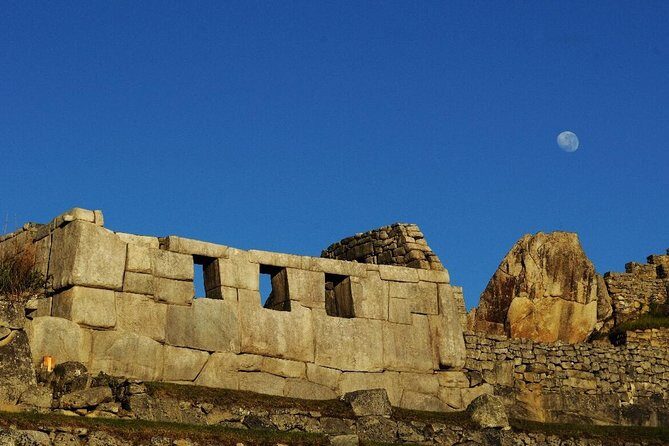
Day 5 is the climax. You’ll eat early breakfast and then go up to Machu Picchu either by hike or by bus. The bus option starts around 5:30am, and the bus ride to the checkpoint is about 30 minutes.
Once you arrive, your guide introduces you to Machu Picchu and you’ll head to a place aimed at sunrise photos. The guided walk inside is listed at about 2 hours. After that, you get free time to explore on your own.
Huayna Picchu is optional. If you want it, you must book in advance, and it costs $90 per person. The hike is listed as taking no more than three hours round-trip. If you add Huayna Picchu, you’ll need to manage timing tightly because you still have a train later.
The schedule after the visit is about getting you back to catch the train. You should head toward the bus line around noon, get lunch, and then ride the train. Train departure from Aguas Calientes is listed as 18:20 or 19:00, arriving in Ollantaytambo, followed by a bus back to Cusco (drop-off near San Francisco Plaza).
Important practical caution: the tour includes Machu Picchu entrance, but the bus from Aguas Calientes to Machu Picchu and back is listed as not included (about $24). So if you’re planning to take the bus instead of hiking, budget for that.
What’s included, what isn’t, and where your money usually goes
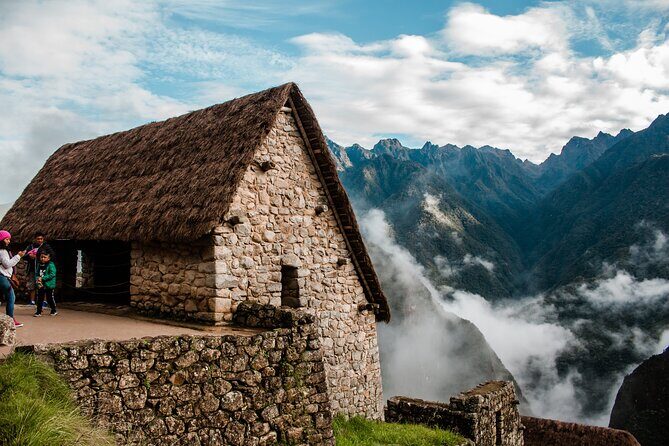
On paper, this trek includes a lot: transport, guiding, lodging, and key entries. Here’s how it shakes out in real terms.
Included:
- Pre-briefing about the trek
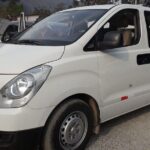
- Tourist transportation to the trailhead
- Local certified tour guide during the Salkantay trek
- Chef setup and cooking equipment during the trek
- 3 nights camping plus 1 night hostel in Aguas Calientes downtown
- Transfers from Ollantaytambo to Cusco
- Machu Picchu entrance tickets
- PeruRail train tickets from Aguas Calientes to Ollantaytambo (listed at 18:20h)
- Daily meals listed as Breakfast (4), Lunch (4), Dinner (4)
- Drop-off near San Francisco Plaza Cusco
Not included (things you should plan for):
- Sleeping bag rental ($30) and walking stick rental ($20) in Cusco
- Extra meals: the first day breakfast/lunch and the last day’s extra meals are called out as additional expenses
- Humantay Lake entrance fee ($7 / PEN 7)
- Train from Hidroeléctrica to Machu Picchu town ($34) is listed as not included (not everyone needs it the same way, but you should understand it could apply depending on the route flow)
- Bus from Aguas Calientes to Machu Picchu and vice versa ($24)
- Huayna Picchu ticket ($90) if you want that option
- Optional zip line and hot springs (extra cost)
Why this matters for value: at $650, you’re paying for real logistics and the big fixed costs that can get messy—Machu Picchu admission, the train segment, guide support, and at least one hostel night. The “not included” items are mostly things you can predict and budget for if you read carefully and plan ahead.
Gear, altitude sleep, and how to avoid day-one suffering
You can rent gear in Cusco:
- Sleeping bag for $30
- Walking stick for $20
Even if you’ve trekked before, the altitude and cold nights here are the reason to take this seriously. The first campsite is at 3,920m and is specifically described as the coldest one. If you arrive thinking a hoodie is enough, you’ll pay for that at bedtime.
Other timing-related gear tips are simple:
- Bring layers you can adjust quickly as you hike and then cool off fast at camp.
- If you’re using trekking poles, the provided stick rental option suggests they expect standard hiking support.
- Keep an eye on footwear. The mix of high pass downhill and jungle-day footing can be tough on soles.
On fitness: you’ll be hiking and walking each day, with a longest “hard day” being the high pass day. If you’re unsure, the tour’s own optional horse rental at the high pass gives you a safety valve, but you’ll still need to be able to do substantial hiking.
Group size, pacing, and the feel of Machu Picchu day
This is capped at 10 travelers. That’s a big deal on a trek with a lot of moving parts. Smaller groups tend to mean less waiting at photo spots and fewer bottlenecks on steep sections. It also makes it more likely you’ll get personal guidance when the altitude changes how you breathe.
Pacing is guided but still physical. The day-by-day walking times range from about 3 hours up on Day 1 segments to 4 hours to the high pass on Day 2, and then another 3-hour hiking stretch after lunch. Day 3 is shorter listed walking time and warmer elevation, so it reads like an intentional recovery day before the Llactapata push.
The Machu Picchu visit is scheduled for early bus timing and a sunrise-oriented photo moment. Your guided portion is about 2 hours, then you’re on your own. If you like planning your own pace at the final site, you’ll probably appreciate this structure. If you hate wandering without a map, go into the free-time segment ready with a few priorities so you don’t waste energy deciding.
Price and value: is $650 a fair deal for this route?
At $650 per person, this trek is priced like a “full service” program rather than a bare-bones itinerary. The biggest value drivers, based on what’s included:
- Machu Picchu entrance is included
- A key train ticket segment is included
- Camping and transfers are included
- A guide is included for the trek
- Meals are included across multiple days
Where the budget can shift:
- Humantay Lake entrance adds cost
- Sleeping bag and walking stick rentals are common add-ons
- Santa Teresa hot springs and zip line are optional
- Huayna Picchu is optional but sells out, so it can be a big “if you want it, you must plan” expense
- The bus from Aguas Calientes to Machu Picchu is listed as not included
My bottom line on value: it’s a good deal if you’re the type who wants guide support and transport handled, and you’re okay budgeting a few predictable extras. If you’re the type who wants everything included with no surprises, you might find the add-ons add up.
Should you book this Salkantay trek to Machu Picchu with optional hot springs?
Book it if:
- You want a structured 5-day Salkantay Trek with camping and at least one hostel night
- You’re excited by high-altitude scenery (Humantay Lake and a 4,650m high pass)
- You like the idea of ending with a guided Machu Picchu visit and optional add-ons like Huayna Picchu
- You prefer a small group (max 10) with transport and key tickets handled
Skip or reconsider if:
- You don’t want early mornings around 4:30–5:00am
- Cold sleep at around 3,920m sounds miserable to you
- You want zero extra fees (Humantay Lake, bus to Machu Picchu, and optional hot springs/zip line can add up)
- You’re not confident about the fitness demands of a high pass trek
One last practical tip: because some items are optional and some tickets require planning (like Huayna Picchu), decide your “must-do” list before you arrive. That way you can spend your energy on the trail, not on chasing details once you’re already at altitude.
FAQ
What time does the trek start in Cusco?
You should plan to meet around 4:30am, with pickup typically between 4:45 and 5:00am.
Is Machu Picchu admission included?
Yes. Entrance tickets to Machu Picchu are included in the tour.
Are the hot springs included?
They’re optional. Hot springs in Santa Teresa town are available for an extra cost.
Do I need to rent a sleeping bag or walking stick?
The tour lists sleeping bags ($30) and walking sticks ($20) as available for rent in Cusco, so if you don’t already have them, renting is part of planning.
Is Huayna Picchu included?
No. Huayna Picchu is optional, costs $90 per person, and must be booked in advance. It’s not mandatory.
Is Humantay Lake admission included?
No. Humantay Lake entrance is not included and is listed as $7 / PEN 7.00 per person.