REVIEW · CUSCO
Private Half-Day Tour of Cusco and Its Surroundings
Book on Viator →Operated by Kantu Peru Tours · Bookable on Viator
Cusco can feel like a puzzle box. This private half-day tour turns it into a guided walk through the city’s Incan and Spanish colonial layers, with efficient stops and a real explanation of what you’re looking at. I especially like the small-group feel that helps you keep up with the story, and the smooth hotel pickup and drop-off that keeps you from wrestling taxis between sites. The main catch to plan for is that you’ll pay several entrance fees separately, so the final cost depends on which tickets you choose.
If you care about history that you can actually picture in your head, this schedule is a good match. The stops are short but focused, so you see major landmarks like Cusco Cathedral and Sacsayhuaman without burning your whole day. One possible drawback: with only about 5 hours total, you won’t get long, slow museum-style time at each place, so if you want hours inside one site, you may feel a bit rushed.
In This Review
- Key things to know before you go
- A focused half-day that keeps Cusco from feeling chaotic
- Price and what you really get for $65
- Private pickup, small-group pacing, and why it feels easier
- Stop by stop: what each site teaches you
- Cusco Cathedral: the Spanish chapter in the same city story
- Qorikancha (Temple of the Sun): Inca walls you can still read
- Sacsayhuaman: the fortress logic behind Cusco’s defense
- Q’enqo: a worship space with a labyrinth vibe
- Puka Pukara: messages, rest, and a wind-powered storage trick
- Tambomachay: leisure and watchtowers in one area
- What to expect from the guide (and why that matters)
- Tickets, time limits, and how to avoid feeling rushed
- Who this tour fits best
- Should you book this private half-day with Kantu Peru Tours?
- FAQ
- FAQ
- How long is the private half-day tour?
- How much does the tour cost?
- Is hotel pickup and drop-off included?
- Is this tour private or shared with strangers?
- Are entrance fees included in the $65 price?
- What sites are included in the tour?
- What language is the tour offered in?
- Do I need a passport for the tour day?
- What is the cancellation policy?
Key things to know before you go
- Private and max 6 people means you’re not stuck in a big bus shuffle.
- Each stop is about 30 minutes, so you’ll want comfy shoes and a calm pace.
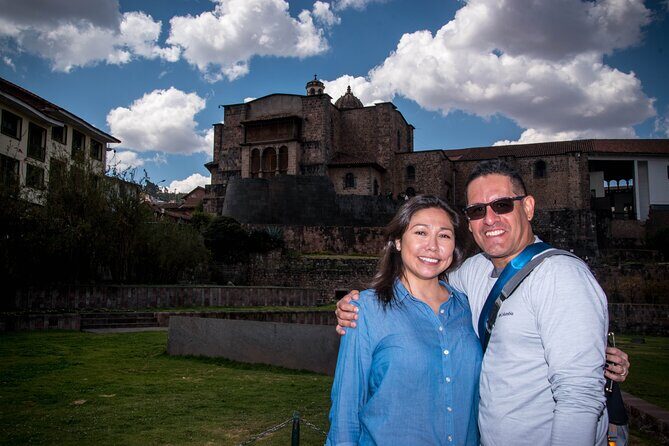
- Entrance fees aren’t included, including Cusco Cathedral (PEN 40) and Qorikancha (PEN 20).
- Sacsayhuaman gets straight military context, not just photo-op time.
- Chaski and storage details at Puka Pukara are the kind of facts that make the stones feel alive.
- Guides like Will are frequently praised for being both enthusiastic and easy to follow.
A focused half-day that keeps Cusco from feeling chaotic
Cusco is dramatic, but it can also be overwhelming fast. This tour is designed like a guided roadmap: you start in town, then move through major Incan sites that sit on the city’s edge and slopes. The result is a route that helps you understand what connects these places, not just where they are.
I like the balance here. You get the Spanish colonial layer at Cusco Cathedral, then you pivot to Incan engineering and power with stops like Qorikancha and the fortress at Sacsayhuaman. If you’re only in Cusco for a short time, this kind of structure is a practical way to get your bearings.
The other thing that matters is time. You’re looking at about 5 hours total, so it feels like a true half-day. That’s long enough to learn the big ideas, but short enough that you still have energy left for a dinner stroll or a night of exploring.
You can also read our reviews of more private tours in Cusco



Price and what you really get for $65
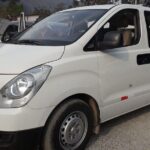
At $65 per person, the headline value is what the tour covers around you. You’re paying for hotel pickup and drop-off, a professional driver, a professional bilingual guide, round-trip private transfer, and transport by a private vehicle.
That matters in Cusco. Getting from site to site on your own can turn into a lot of waiting, re-checking locations, and paying for rides you didn’t plan on. With a private vehicle and a guide handling the route, your time is spent looking and learning instead of negotiating logistics.
Now the part you should budget for: entrance fees are not included. The tour lists:
- Cusco Cathedral: PEN 40 per person
- Qorikancha: PEN 20 per person
- Boleto Turístico Cusco: PEN 70 per person
The smartest move is to do a quick mental math before you go. If you think you’ll want to visit multiple ticketed sites during your stay, the PEN 70 option could help. If you’re only doing what’s on this short route, you might just pay the site-by-site fees listed. Either way, plan for additional spending so the tour price feels accurate, not surprising.
Private pickup, small-group pacing, and why it feels easier
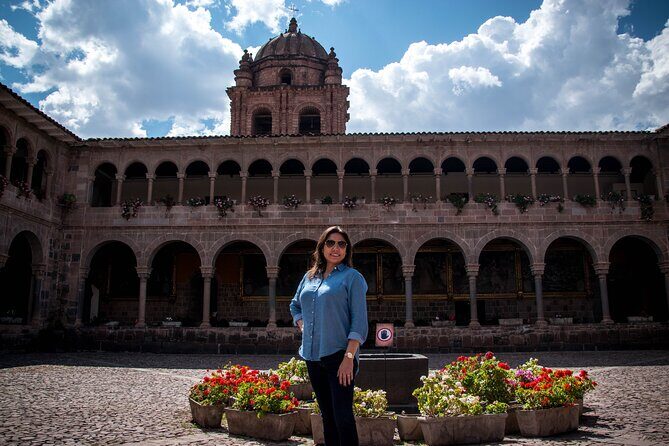
This is a private tour/activity, with a max of 6 people per booking, and it’s run as your group only. That’s not a minor perk. In Cusco, the distance between stops and the altitude rhythm can make big-group schedules feel stressful. Here, the pace is more human.
Pickup is from your hotel or nearby places, which is great if you don’t want to figure out where the tour meets you. Transfers are described as approximate, which usually means the guide will adjust to traffic and timing. That’s exactly what you want, because even the best plan can get slowed down by the real world.
Also worth noting: it operates in all weather conditions. So don’t assume you’ll dodge the rain. You’ll want a light rain layer and a warm top you can add or remove without turning it into an obstacle course.
Stop by stop: what each site teaches you
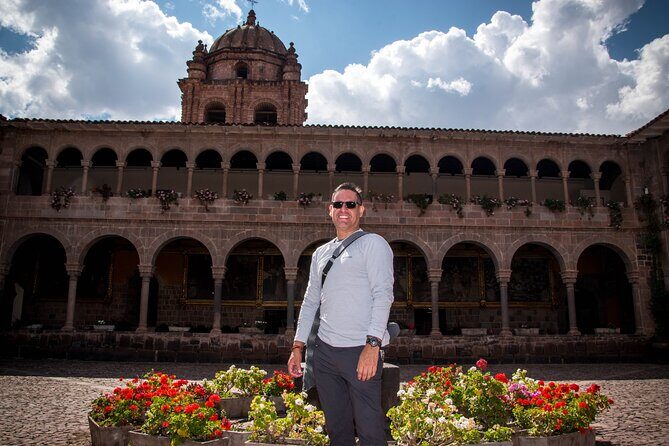
Cusco Cathedral: the Spanish chapter in the same city story
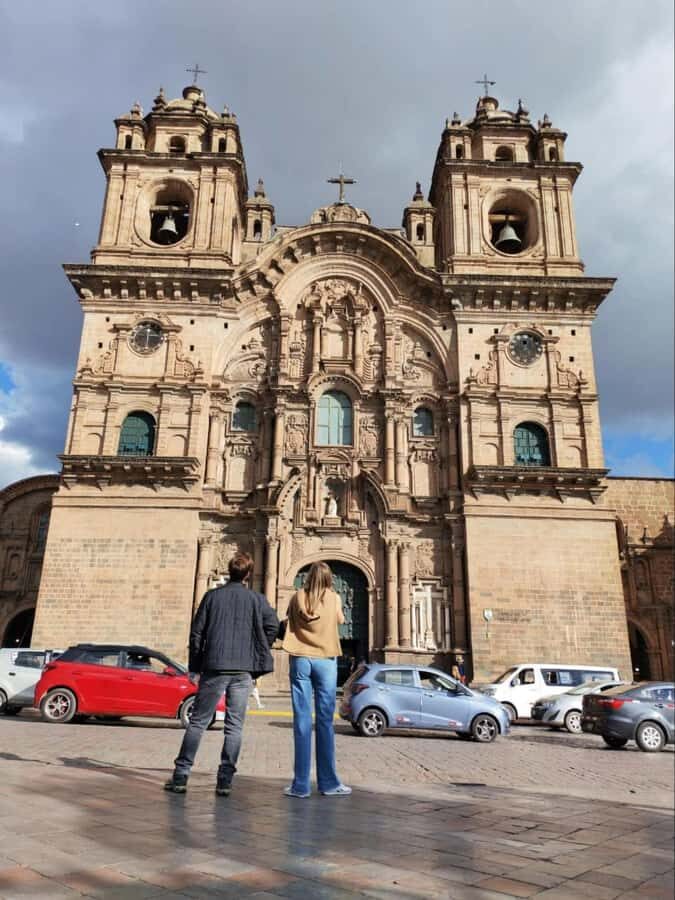
Your first stop is Cusco Cathedral, with about 30 minutes on site and the admission ticket not included. This is the tour’s entry point into Cusco’s Spanish colonial layer, which is a key counterpoint to the Incan sites you’ll see next.
Why this works: Cusco’s identity is not one era. You’re training your eyes to notice what changes and what survives—different styles, different goals, and different power structures. Even if you’re not a church-all-day person, this short stop helps connect the dots between colonial Cusco and the pre-Columbian sites that shaped the city’s layout.
Practical tip: since the cathedral time is limited, come in ready to look. If you arrive focused—simple things like noticing the main interior features and the overall feel of the space—you’ll get more out of the visit than you would by treating it as a quick photo window.
You can also read our reviews of more tours and experiences in Cusco

Qorikancha (Temple of the Sun): Inca walls you can still read
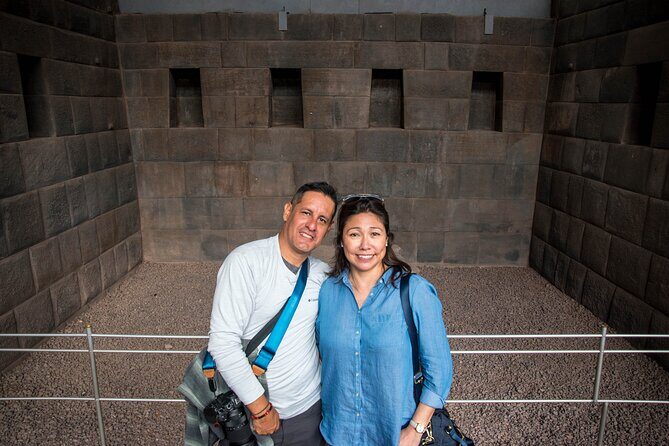
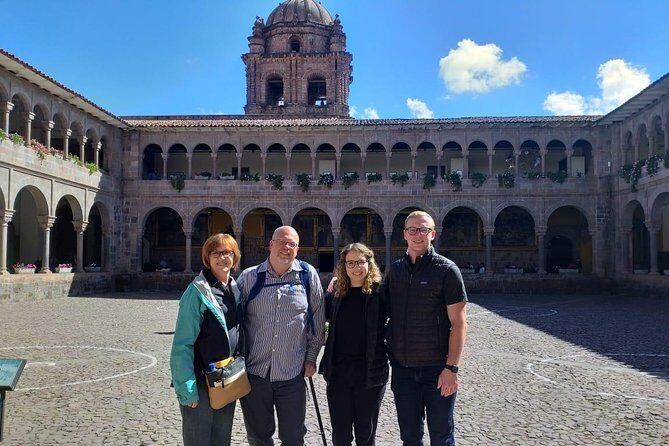
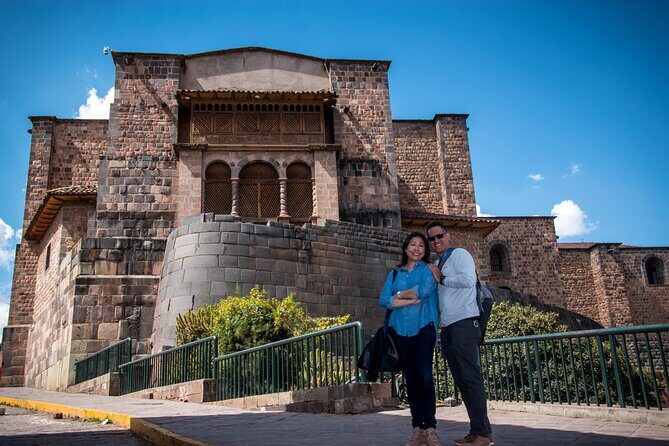
Next you visit Qorikancha, the Temple of the Sun. You get another 30 minutes, and again the admission ticket is not included. The core idea here is Incan craftsmanship in a palace-temple context—specifically, you can see and enjoy the Inca constructions tied to this solar temple.
This stop hits well right after the cathedral because it flips your perspective. Instead of European religious architecture, you’re looking at an Incan power and worship setting. The guide can point out what makes the stonework feel intentional and planned—more than decoration.
I like that the tour doesn’t treat Qorikancha like a standalone postcard. It frames it as a place with deep cultural purpose. Even with just 30 minutes, that context can help you leave with a clearer mental map of what kind of place it was.
Sacsayhuaman: the fortress logic behind Cusco’s defense
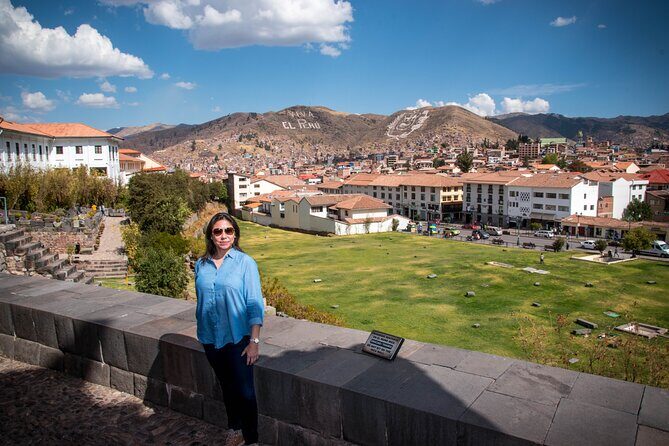
Then comes Sacsayhuaman, one of Cusco’s most important defensive sites. You’ll spend about 30 minutes there. The explanation is very specific: it was the most important military fort in the empire, a north-side access point to the city, and a place where the Incas stored weapons and prepared for invasion.
That description changes how you look at the stones. Instead of asking only what it looks like, you’re thinking about why it’s shaped that way—how control of entry matters, how defense is planned, and how a city protects itself from threats approaching from a known direction.
If you like military engineering or you enjoy learning how civilizations planned for risk, this is the star stop on the tour. You don’t need hours to understand the concept, because the guide’s story gives you the logic right away.
Practical tip: bring a little patience for walking and viewing. Fortresses often give you dramatic sightlines, but they also have uneven terrain. Good shoes matter.
Q’enqo: a worship space with a labyrinth vibe
After the fortress, you shift from defense to worship at Q’enqo, also about 30 minutes. The tour notes it was probably used as a center of worship, and that the passages resemble a labyrinth in the channels shaped like Amarus, or snakes.
This is one of those stops where good interpretation is everything. If you show up and just wander, you might miss the point. But when you’re told the site connects to worship and symbolic imagery, the stone channels make more sense—and suddenly you can see how people might have moved through it with meaning.
What I like here is that it keeps the learning grounded. You’re not just hearing generic history. You’re getting a specific idea—labyrinth-like passages and the snake theme—that helps your brain organize what you’re seeing.
Puka Pukara: messages, rest, and a wind-powered storage trick
Next is Puka Pukara, about 30 minutes. The tour explains it had military purposes but also served as a resting place for chaskis, the messengers who carried messages or parcels from town to town. You also learn about storage: on the hillside, dehydrated products were stored, using strong winds as a natural cooling or preservation method—almost like an ancient refrigerator.
This stop is pure “wait, that’s smart” history. It shows you that the Incas weren’t only building monuments. They were running a logistics network: fast communication, movement of goods, and preservation techniques that worked with the environment.
If you’re traveling with someone who loves practical history—how things worked, not just what existed—this is a great shared moment. You’ll both be looking at the same place, but understanding it in a more useful way.
Practical note: since preservation storage is part of the explanation, you’ll likely notice how the site sits in the hillside. Take a second to look at the slope and airflow idea. It makes the story feel more real.
Tambomachay: leisure and watchtowers in one area
Your final major stop is Tambomachay, again around 30 minutes. The tour describes it as a center of relaxation and leisure for the Inca, with military purposes too—there was even a watchtower found that controlled access to Cusco from the north.
This is a satisfying ending because it ties together themes you saw earlier. You started with Spanish religious space, moved into Incan worship, then defense, then messengers and storage, and now you finish with an area that blends leisure and control. It reminds you that power systems can include comfort, routine, and monitoring at the same time.
If you’re trying to connect the dots on Cusco’s northern access and movement, this is a strong capstone. It reinforces that these sites weren’t randomly chosen. They were part of a wider system.
What to expect from the guide (and why that matters)
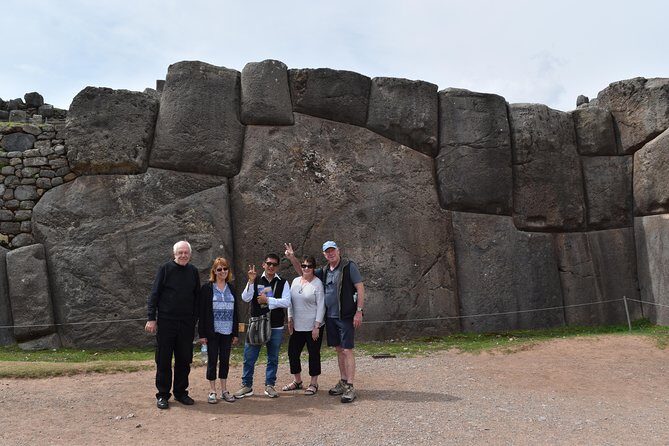
The tour includes a professional bilingual guide, and the reviews highlight a guide named Will for being extremely knowledgeable and enthusiastic, with no large-group chaos. Even without getting technical for technical’s sake, a guide like that makes short stops work.
Here’s what good guiding does on a half-day circuit:
- You don’t waste time guessing what you’re looking at.
- You learn the “why” behind the layout.
- You get the right level of detail to remember later.
For me, the biggest value is that the tour isn’t only a checklist. The explanations are specific—military fort access points, messenger roles, labyrinth-like worship passages—so you leave with a stronger storyline.
Tickets, time limits, and how to avoid feeling rushed
Because entrance fees are not included, you should plan to handle tickets during your day. The tour lists three pricing items, including Boleto Turístico Cusco (PEN 70). What you do depends on how you want to spend your time in Cusco overall.
If you’re the type who hates decision-making mid-trip, consider deciding ahead of time which ticket approach you’ll use. You don’t want to lose momentum arguing with yourself while you’re in an old city trying to keep up with a tight schedule.
Also, the stop times are set around 30 minutes each. That means the guide will keep you moving. In practice, that’s a feature. It keeps the tour from turning into long waits and it helps you see all the major stops in the allocated time.
And yes, bring your own energy management strategy: if you feel altitude fatigue, slow your pace slightly when walking between stops. The tour includes professional transport, but your body still drives your comfort level.
Who this tour fits best
This is a great match if:
- You want a private experience with a small group.
- You care about understanding what you’re seeing, not just taking photos.
- You’re short on time and want Cusco’s major landmarks in about 5 hours.
- You like Incan engineering and want the “how it worked” explanations.
It’s also a good option if you’re returning to Cusco after visiting the Sacred Valley and want the city sites to make more sense. The route connects themes from different eras, so even if you’ve read about Cusco, you’ll get a clearer mental picture.
If you’re someone who needs long time alone in quiet spaces—like 90 minutes in one site—this might feel too quick. But for most visitors, that pace is exactly what makes it work.
Should you book this private half-day with Kantu Peru Tours?
I’d book it if you want an efficient Cusco overview with private transport, hotel pickup, and a guide who makes the history legible fast. The structure is smart for short stays, and the stops are chosen to teach both the Incan and Spanish colonial side of the city without making you spend the entire day commuting.
Skip or think twice if you strongly prefer deep, slow visits where you linger inside buildings for long periods. This tour is about seeing a lot, with enough context to remember it—less about unhurried browsing.
FAQ
FAQ
How long is the private half-day tour?
It runs for about 5 hours (approx.).
How much does the tour cost?
The price is $65.00 per person.
Is hotel pickup and drop-off included?
Yes. The tour includes hotel pickup and drop-off, plus round-trip private transfer.
Is this tour private or shared with strangers?
It’s private. Only your group participates, with a maximum of 6 people per booking.
Are entrance fees included in the $65 price?
No. Entrance fees are not included, including Cusco Cathedral (PEN 40) and Qorikancha (PEN 20), and there is also Boleto Turístico Cusco (PEN 70).
What sites are included in the tour?
You’ll visit Cusco Cathedral, Qorikancha, Sacsayhuaman, Q’enqo, Puka Pukara, and Tambomachay.
What language is the tour offered in?
It’s offered in English, and it may be operated by a multilingual guide.
Do I need a passport for the tour day?
Yes. A current valid passport is required on the day of travel.
What is the cancellation policy?
Free cancellation is available. You can cancel up to 24 hours in advance for a full refund. If you cancel less than 24 hours before the start time, you won’t receive a refund.