REVIEW · CUSCO
Private Cusco City Tour with Sacsayhuaman & Inca Sites
Book on Viator →Operated by TreXperience · Bookable on Viator
Five hours, seven sacred stops, all in one go. This private Cusco loop strings together the biggest hits around town, from the Inca temple of Qorikancha to the stone-walled fortress of Sacsayhuaman, plus scenic viewpoints to wrap it up.
I love that the timing is built for real sight-seeing, not a marathon. Each stop is short enough to keep your energy for Cusco’s streets, and the guide keeps moving you along while still explaining what you’re looking at. I also love the hotel pickup and drop-off setup, because it saves you from figuring out routes on your own.
One consideration: the sites are visited in a tight order, so if you want long, slow wandering time, this format may feel a bit fast even though it’s paced for comfort.
In This Review
- Key highlights worth marking on your map
- Why this Cusco Inca circuit works in limited time
- Plaza de Armas to Qorikancha: a smooth start
- Sacsayhuaman: the walls that still make you stare
- Q’enqo, Puka Pukara, and Tambomachay: smaller stops with big meaning
- Q’enqo (Qorikancha’s shadow-world)
- Puka Pukara: “Red Fortress” on the route
- Tambomachay: water work and mountain calm
- Cristo Blanco: ending with wide views
- Guides, pacing, and what private really means here
- Price and value: what $180 really covers
- Before you go: comfort, water, and altitude-friendly pacing
- Should you book this Cusco City Tour?
- FAQ
- How long is the private Cusco city tour?
- What time can the tour start?
- Is this tour private?
- What’s included in the $180 price?
- Are tickets included for all stops?
- Is lunch or meals included?
- Where does the tour begin and end?
Key highlights worth marking on your map
- Hotel pickup and drop-off so you start looking at Cusco, not figuring out Cusco
- Qorikancha and Sacsayhuaman as your must-see Inca anchors in the same day
- Four additional nearby ruins that fill in the story around Cusco
- Tickets included for multiple major stops, so you’re not scrambling for admissions
- A viewpoint finish at Cristo Blanco with city panoramas for your last photos
Why this Cusco Inca circuit works in limited time
Cusco can feel like a lot at first. Narrow streets, altitude you have to respect, and a long list of “I really should see that” sites. This private city tour is designed to solve that problem: it gives you the heavy hitters and the supporting cast without making you bounce around on public transport.
The big win is the flow. You start in the center, walk key streets and plazas, then move up to the Inca ruins above Cusco. The later stops keep your tour moving through the nearby ceremonial sites, finishing with a high viewpoint over the rooftops. In plain terms: you get orientation in town and then the Inca architecture that makes Cusco famous.
It’s also a smart way to plan if you have just a short window. Many people come to Cusco first and then stack Machu Picchu days after. Here, you can keep things steady and use the tour time to practice a slower pace for the rest of your trip.
You can also read our reviews of more city tours in Cusco
Plaza de Armas to Qorikancha: a smooth start
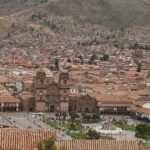
Your tour typically begins at Plaza de Armas, the heart of Cusco. This is the best place to start because the plaza gives you context fast: the layout, the energy, and the way the city’s center connects to Inca-era importance. You’ll also see highlights around the area like the 12 Angled Stone and Loreto Street while your guide points out what matters and what you can safely ignore.
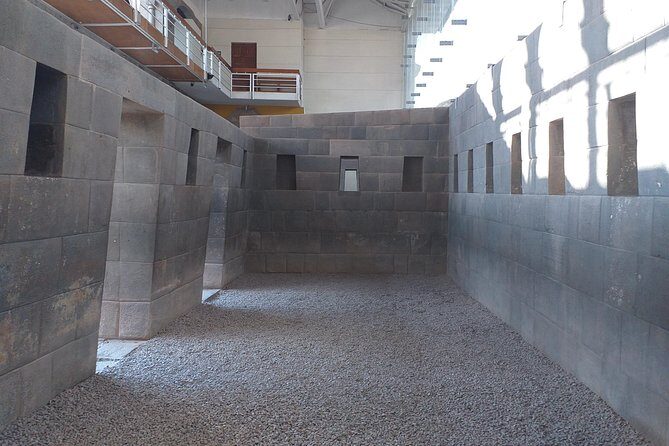
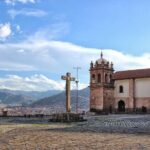
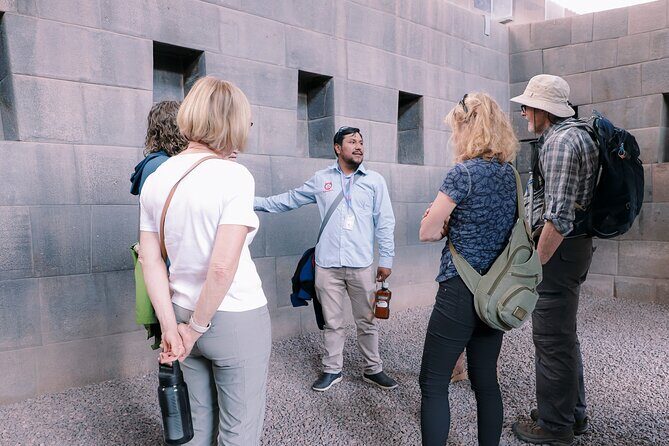
From there, you walk to Qorikancha (Koricancha), one of the most important Inca temples. The name comes from Quechua and points to its former Golden Courtyard, which helps set expectations: you’re not just looking at stones, you’re learning how this place worked in Inca life. Your guide explains how it was used for ceremonies, astronomy, and worship connected to the Sun.
Practical note: this walk and early section are a good moment to gauge how your body handles the day. If you’re feeling sensitive, take small breaks, sip water, and let the guide know. In past bookings for this kind of Cusco circuit, guides have shown up caring and attentive when someone felt the effects of altitude during early days.
Sacsayhuaman: the walls that still make you stare
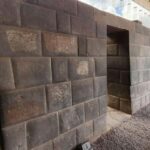
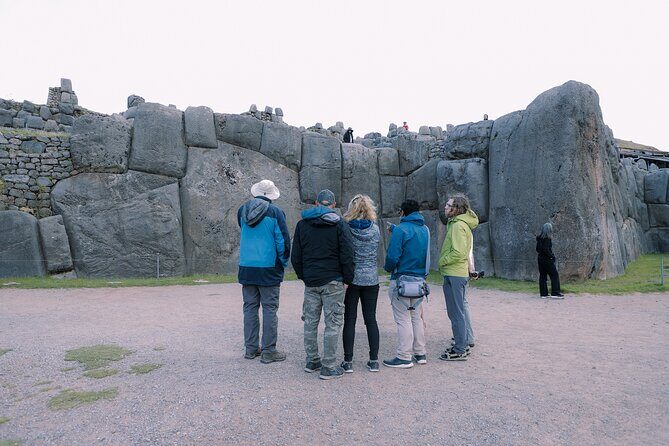
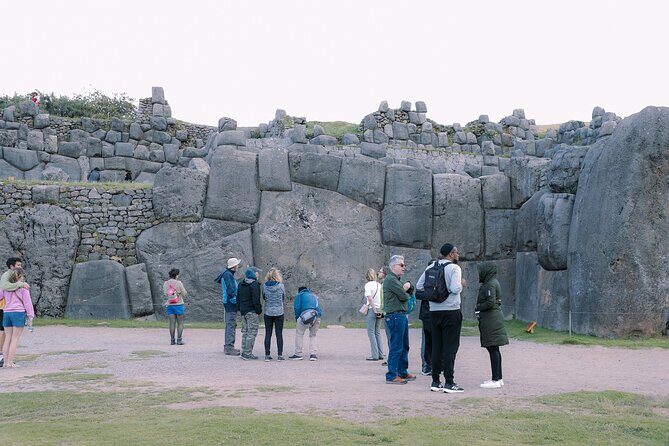
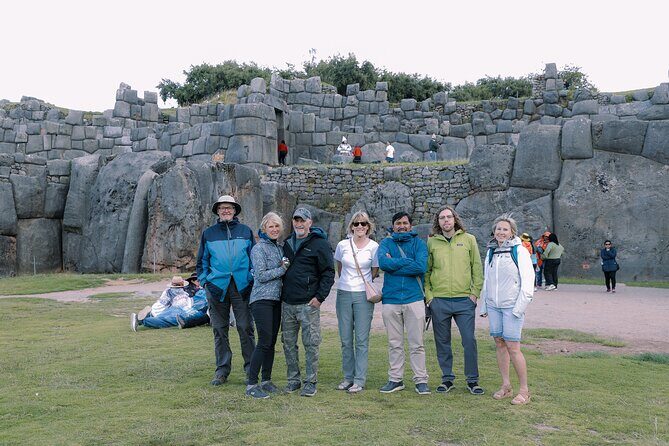
Next comes the drive up to Sacsayhuaman, a massive Inca fortress above Cusco. This is the stop that tends to make people go quiet. The walls are built with blocks that are described as weighing more than 100 tons, and the fit between stones is part of the spectacle your guide will help you read.
Sacsayhuaman is also where you start understanding why Inca engineering still gets discussed today. You’ll walk through the site with a guide who explains how the construction worked and why it’s considered one of the greatest examples of their architectural skill. Even if you’re not a stone-nerd, you’ll find yourself noticing details that feel impossible: the way the blocks meet, the scale of the fortress, and how the layout sits on the hills above the city.
Ticket time here is included, so you can spend less energy planning around admissions and more energy actually looking. Just keep your expectations realistic: the visit is about seeing and learning the main story beats, not camping out for hours in one spot.
Q’enqo, Puka Pukara, and Tambomachay: smaller stops with big meaning
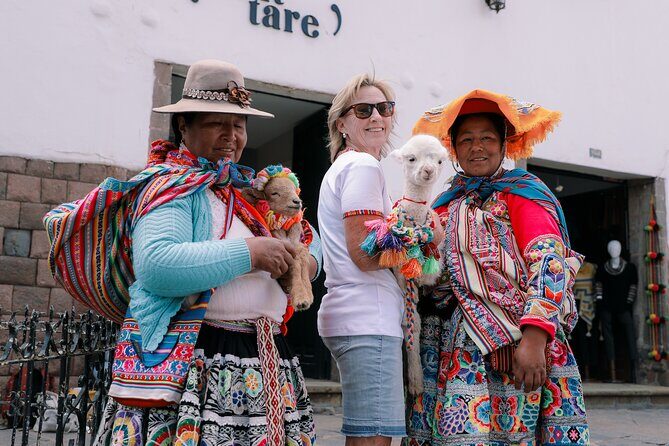
After Sacsayhuaman, the tour shifts to three nearby ceremonial stops. These are often the places people remember later because they feel more mysterious and less touristy than the biggest headline sites.
Q’enqo (Qorikancha’s shadow-world)
Q’enqo (also written Q’enko or Kenko) is named for a Quechua word meaning zigzag, tied to carved channels and winding shapes in the rock. You’ll walk among altars, tunnels, and carved stones. The guide explains why it’s considered a sacred place (huaca) and shares legends connected to the site. The tone here is more storytelling, less fortress.
One watch-out: it’s still a stone site, so wear shoes with solid grip. The walk is short, but Cusco surfaces can be uneven.
You can also read our reviews of more private tours in Cusco
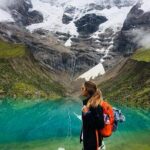
Puka Pukara: “Red Fortress” on the route
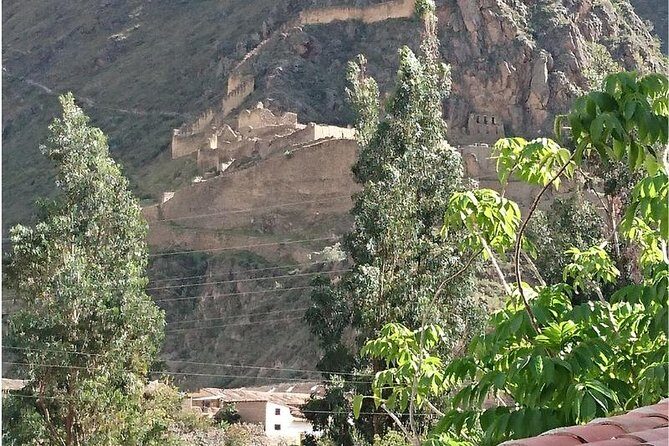
Then you drive to Puca Pucara, meaning Red Fortress in Quechua. This smaller Inca complex was likely used as a military outpost and checkpoint, connected to movement along roads toward the Sacred Valley and Machu Picchu. You also get views over the surrounding hills and valleys, which helps break up the day before the final ruins and viewpoint.
Tambomachay: water work and mountain calm
Finally comes Tambomachay, often called the Inca Baths. It’s known for crystal-clear water fountains and fine stonework. Your guide frames it as a place linked to water ceremonies and rest by Inca nobility. This stop tends to feel calmer, and it’s a useful moment to reset while acclimatizing for what comes next on your schedule.
Across these three stops, the value is how the guide ties them together. You’re not just collecting photos. You’re learning how Cusco’s sacred geography worked like a system: temple, fortress, ceremonial rock, checkpoint, and water site all in one day.
Cristo Blanco: ending with wide views
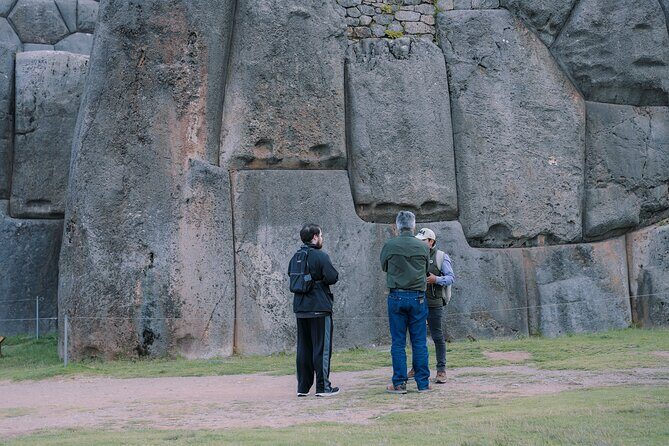
To finish, you stop at Cristo Blanco (the white Christ statue) on a hill above Cusco. This part is about seeing the city as a whole. You’ll get panoramic views across Cusco’s red roofs and plazas, with the mountains surrounding the valley.
This is also your “photo with context” moment. You’ll likely notice how the city spreads out compared to the ruins above it, and why these viewpoints matter for orientation. The tour description also hints that late afternoon light can be especially attractive, so if your tour runs in the afternoon start window, you’ll probably get a prettier glow than a strict morning schedule.
Ticket time is included here as well, so you’re not pausing your day for paperwork.
Guides, pacing, and what private really means here
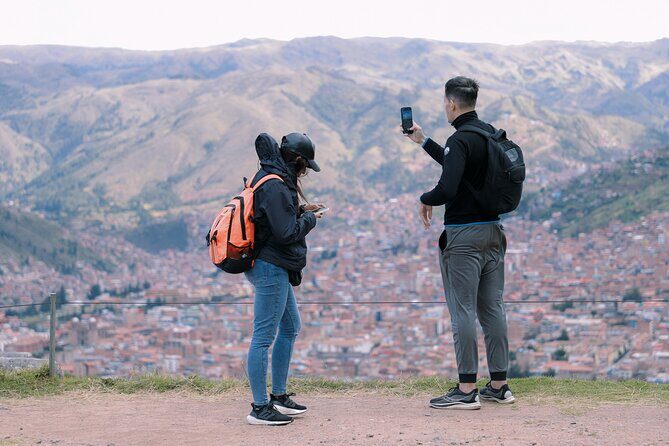
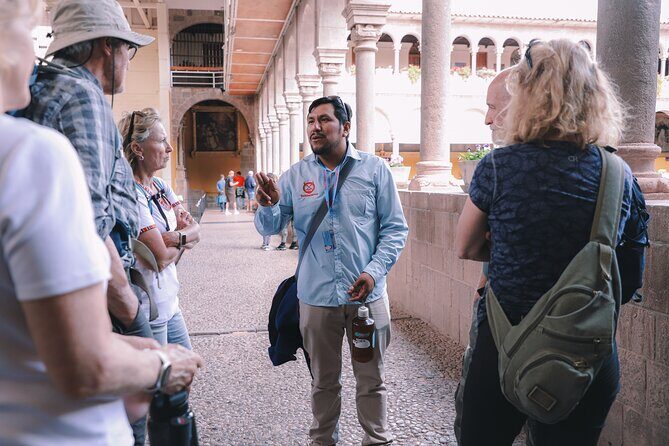
Because it’s private, you’re not stuck with a one-size-fits-all group pace. Your guide can adjust the walk speed, the explanations, and the breaks based on your group’s comfort level. That’s not a small detail in Cusco. It’s the difference between feeling rushed and feeling like you can actually take in the sites.
This is also where the human quality shows up. Past visitors highlighted guides such as Freddy, Frank/Franklin, Miguel, Jennifer (with driver Mario), Katia, Katie, and Filio for clear English, patience, and a calm teaching style. People also specifically praised guides who balance information with time to absorb the views, and one guest noted how their guide helped them deal with mild altitude discomfort on a first day and gave acclimation tips that helped for later plans.
If you want a particular teaching style, it can be worth aiming for a guide known for pacing and patience (for example, Franklin was described that way in past bookings). If your booking process allows notes or guide preferences, consider mentioning that style.
Price and value: what $180 really covers
At $180 per person for a 4 to 5 hour private tour, the price isn’t about ticking a box. It’s about stacking value into one block of time.
Here’s what you’re paying for that matters:
- Hotel pickup and drop-off (huge in Cusco’s streets)
- A professional native tour guide
- Comfortable transportation by private vehicle for the hill runs
- Included admissions for major sites (Qorikancha, Sacsayhuaman, Q’enqo, Puka Pucara, Tambomachay, and Cristo Blanco)
- All taxes, fees, and handling charges included
And this is why it feels like value: the biggest Cusco sites are spread out. Getting yourself between them efficiently, with tickets sorted, saves both time and decision stress. If you’re paying for private time in Cusco, this tour makes the money count by bundling transport + admissions rather than leaving you to figure it out stop by stop.
The one thing not included is meals. You’ll want water and snacks of your choice, especially if you’re sensitive to altitude or just get hungry during the drive-and-walk rhythm.
Before you go: comfort, water, and altitude-friendly pacing
This tour is listed as requiring moderate physical fitness. That usually means: expect stairs, uneven stone, and some walking. Nothing about it is described as extreme, but your body will still do some work.
A few practical tips that fit this specific day:
- Bring water and a snack you actually want to eat. Meals aren’t provided.
- Wear shoes you can trust on stone.
- If altitude tends to hit you early, plan to go slower in the morning start option and tell your guide right away.
- Use the short stop windows (often around 20 to 30 minutes) to your advantage. Don’t try to see everything in one photo moment.
The tour’s structure is good for a “steady day.” You’ll get the main sites and viewpoints, plus guided explanations, without turning your first Cusco day into a long endurance test.
Should you book this Cusco City Tour?
Book it if you want a first-timer-friendly Cusco snapshot that still teaches real Inca context. It’s also a great pick if you’re short on time but don’t want to choose between the center of town and the major ruins above Cusco. The private format plus hotel pickup is a real quality-of-life upgrade.
Skip it only if your priority is slow wandering for hours, museum-style exploring, or you hate the idea of multiple short stops. This is built for pace, not for long independent meandering.
If you’re building your Cusco days around Machu Picchu, this tour can also serve as a gentle warm-up day: enough movement to get oriented, with breaks and guidance to help you adjust.
FAQ
How long is the private Cusco city tour?
The tour runs about 4 to 5 hours.
What time can the tour start?
The start time is flexible, with options at 9:00 am or 1:00 pm.
Is this tour private?
Yes. It’s a private tour/activity, and only your group participates.
What’s included in the $180 price?
Pickup and drop-off from your hotel, a professional native tour guide, comfortable transportation, and admissions/tickets for several stops, plus taxes and fees.
Are tickets included for all stops?
Tickets are included for Qorikancha, Sacsayhuaman, Q’enqo, Puka Pukara, Tambomachay, and Cristo Blanco. Plaza de Armas is free.
Is lunch or meals included?
No. Meals are not included. Bring water and snacks of your choice.
Where does the tour begin and end?
It begins at Plaza de Armas in Cusco and ends back at the meeting point.