REVIEW · CUSCO
Classic Choquequirao Trek – 5 Days / 4 Nights
Book on Viator →Operated by Salkantay Trekking · Bookable on Viator
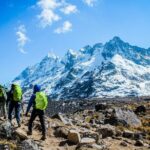
Choquequirao starts at 4 a.m. and the Andes waste no time throwing you into big scenery, steep work, and a remote Inca site tucked inside the Apurímac canyon. What I really liked was the camp support system: porters for gear, a cook team, and a guide who keeps the group moving with humor and care (Guido is one name that shows up in real experiences).
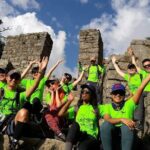
I also loved the guided citadel tour on Day 3, with your whole day to explore Choquequirao and make sense of plazas, temples, terraces, and those famous white llamas carved in stone. The main consideration: this is a challenging trek with long hiking days and an early departure, so you’ll want strong fitness and time in Cusco to adjust to altitude.
In This Review
- Key moments that make this trek worth it
- Why Choquequirao feels different from the usual Peru trekking plan
- The pace: what the 5 days actually demand
- Day 1: Cusco to Cachora views, then the long descent to Chiquisca
- Day 2: the Apurímac canyon day—zags uphill, then views from Marampata
- Day 3: Choquequirao all day—plazas, terraces, and white stone llamas
- Day 4: return to Rosalina, cold river time, and a Chiquisca home welcome
- Day 5: Capuliyoc goodbye, Saywite sacred stone, and Conoc hot springs
- Camping, meals, and safety: the support you’ll feel every day
- Price and value: what $735 covers (and what it doesn’t)
- Who this trek suits best—and who should think twice
- Tips to pack smart and hike smarter
- Should you book the Classic Choquequirao Trek?
- FAQ
- How early does the trek start?
- Is this trek suitable for beginners?
- What camping equipment is included, and what do I need to bring?
- Are meals included during the trek?
- Can I get vegetarian or vegan meals?
- What guide support do you get?
- Is the Choquequirao entrance fee included?
- What safety and emergency support is provided?
- If I cancel, do I get a refund?
Key moments that make this trek worth it
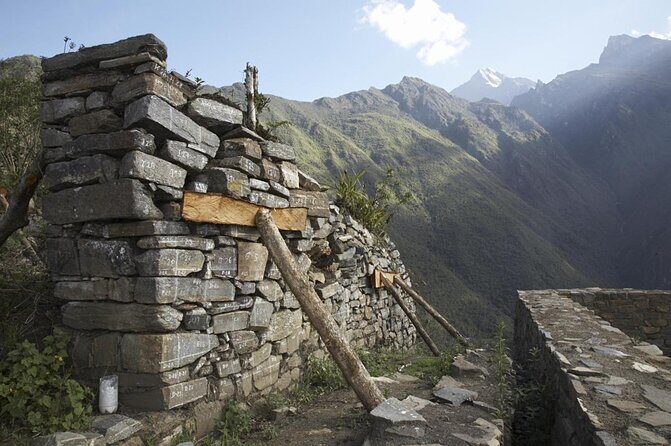
- Choquequirao feels bigger than you expect, and you’ll get time on-site with a licensed bilingual guide.
- Camping is set up for you, including tents for 2 people, inflatable mattress, and even rain protection.
- You hike the Apurímac canyon in both directions, meaning big views plus real endurance work.
- Luggage and cooking are handled, so you carry only what you need and let the team manage the rest.
- Your route targets sunrise-to-orange-hour mountain views, including the warm light on canyon walls.
- End with hot springs and a sacred stone monolith, before rolling back into Cusco.
Why Choquequirao feels different from the usual Peru trekking plan
Most famous Inca sites draw crowds because they’re easy to reach. Choquequirao draws a different type of traveler because it asks for effort first. That effort pays you back with scale and quiet. You’re not just hiking near ruins—you’re walking into a place where the mountains, the canyon, and the Inca engineering were built to work together.
The other thing that makes this trek stand out is that it’s not “just” a hike. You get a full guided day inside Choquequirao, plus structured time on the trail that builds toward it. By the time you arrive, it makes sense why the Incas chose this site here: terraces for agriculture, plazas and temples for ceremonies and daily life, and a setting that turns the canyon into part of the story.
The route also gives you a chance to see wildlife that belongs to the canyon—condors can circle overhead when the light and air are right. If that’s your kind of detail, you’ll appreciate how often the trail opens up to long viewpoints.
You can also read our reviews of more hiking tours in Cusco
The pace: what the 5 days actually demand
This is a classic “work hard, rest well” itinerary. You’ll spend days descending and climbing through varied terrain—arid slopes one day, greener stretches another—and you’ll feel it in your legs. The schedule includes very long hiking days (some afternoons run late), but the supporting structure is built around keeping you steady and safe.
A practical way to think about it: Day 1 and Day 2 are about getting your body used to the rhythm. Day 3 is the payoff day, when you slow down inside the citadel. Day 4 brings the long return with a cultural stop in Chiquisca (you’re welcomed into a local home). Day 5 is the final push out, then hot springs and a sacred monolith visit.
You’ll also start early. The meeting is at 4:00 a.m., and the hotel pickup happens around 4:30 a.m. That early start isn’t just for the calendar. It helps you beat intense sun later on and keeps the climb more manageable.
Day 1: Cusco to Cachora views, then the long descent to Chiquisca
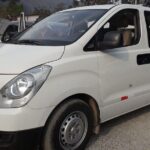
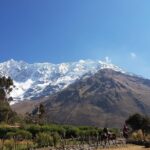
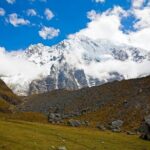
Your day begins before the city fully wakes. You leave Cusco by private transport for Cachora, with views that frame the Salkantay and Humantay glaciers in the morning light. It’s a strong “setup” moment: you can actually see what you’re about to spend days hiking through.
After breakfast, you move to Capuliyoc, where you’ll meet the cooks and muleteers. This matters more than it sounds. Once the team is organized, you stop thinking about logistics and start thinking about walking.
Then the hike begins in earnest: a 3-hour descent to Chiquisca. The valley is small and agricultural—fruit crops around the village—so you’re not hiking through only rock and dust. Along the way, you’ll take in the Apurímac Valley and mountains like Padreyoc and Qoriwayrachina.
Chiquisca itself is warm at camp time, surrounded by arid terrain. You’ll have dinner and sleep in camp. The big drawback to Day 1 is obvious: your legs spend the day going downhill, which is great for getting height lost, but can be tough on knees and calves. Go slow on the steps early and you’ll feel better later.
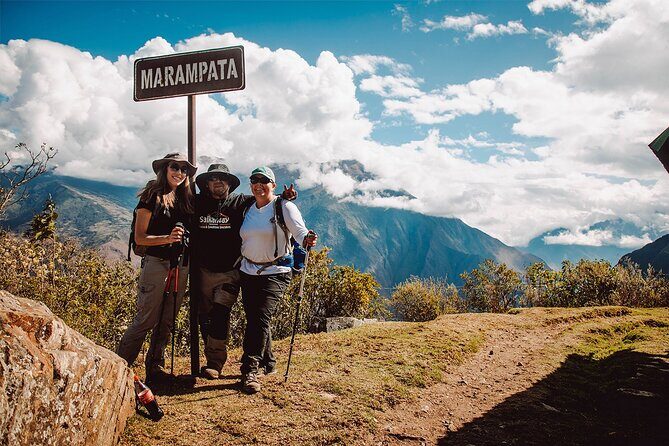
Day 2: the Apurímac canyon day—zags uphill, then views from Marampata
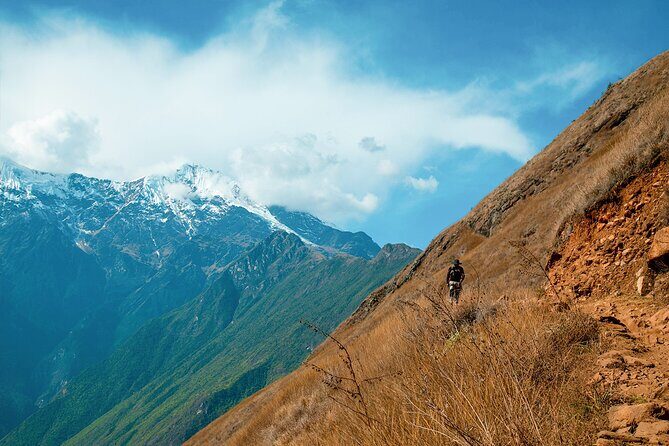
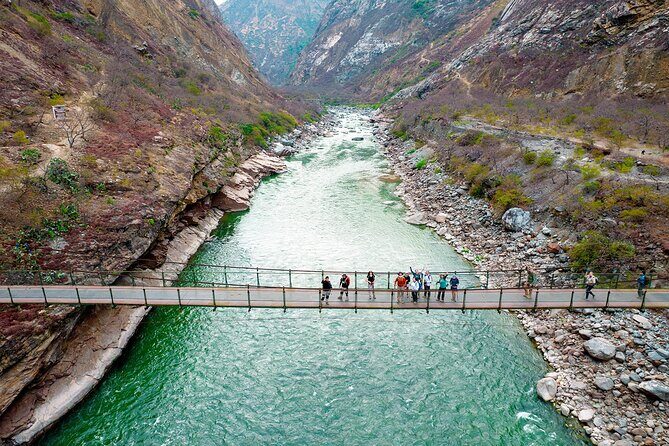
Day 2 starts with movement right away: after breakfast you continue to Marampata via a short ascent. Then comes a one-hour descent to Playa Rosalina, the lowest point in the valley. This is where the day turns from “interesting trek” into “okay, now we’re earning it.”
Cross the footbridge, and you enter the most challenging stretch. The plan calls for about 2 hours of work before lunch, then another step by step climb: you eat in Santa Rosa, then spend roughly 3 more hours zigzagging uphill to Marampata. It’s steep in a way that slows your breathing and forces you into a steady pace.
In late afternoon, the canyon and mountains light up in warm oranges, and at night the sky takes over. That contrast is one of the reasons camping treks can feel special: you’re tired, but the world turns quiet and wide.
If you’re the type who needs structure, Day 2 delivers. You get stop points (Santa Rosa Alta, Sendero a Choquequirao), planned meal timing, and a camp finish that’s built for recovery.
Day 3: Choquequirao all day—plazas, terraces, and white stone llamas
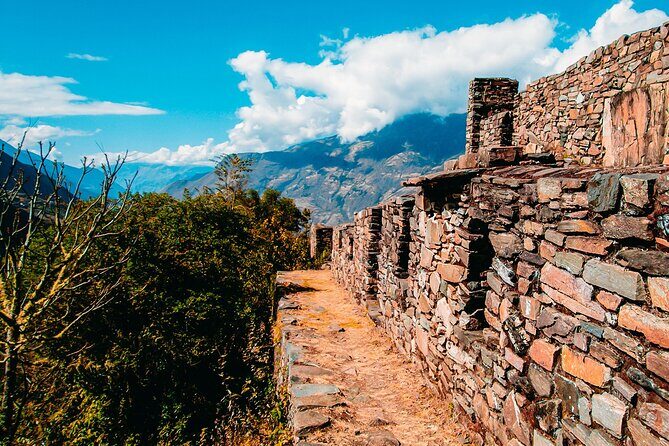
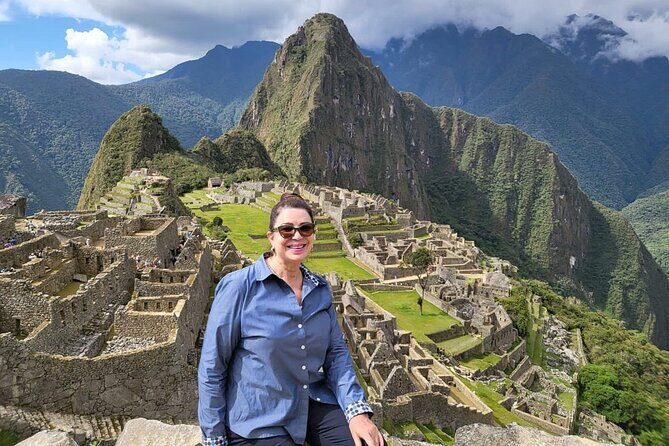
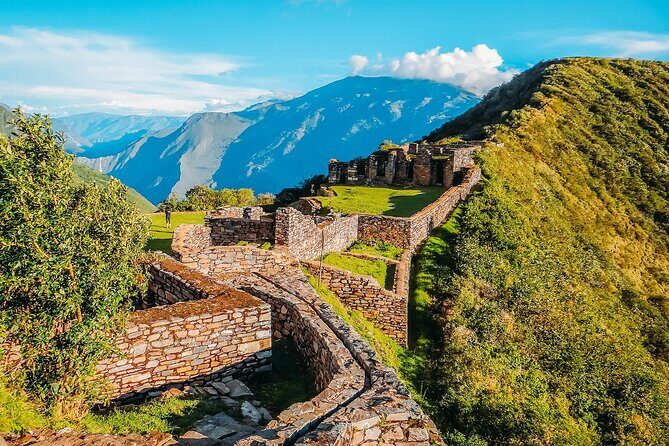
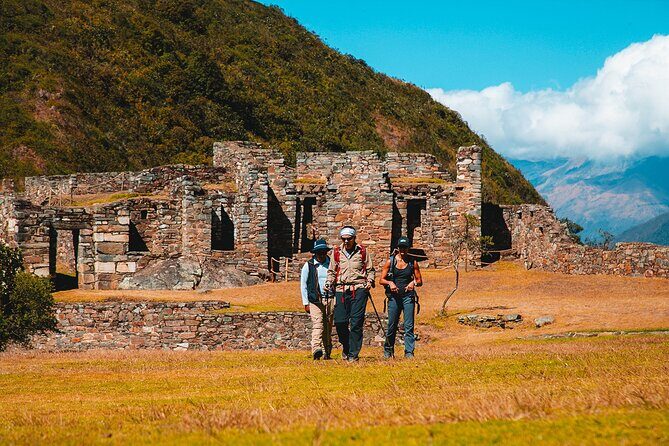
Day 3 is your full Choquequirao day. You start with breakfast, then head along Sendero a Choquequirao for about an hour from camp. From there, you spend the day at the Inca citadel at roughly 3,050 meters.
Here’s what you’ll actually be doing: touring the complex with your guide, learning how the architecture and agricultural terraces connect, and walking through plazas and temples that show Inca ingenuity up close. The guide time matters because this site is complicated, and it’s easy to admire stones without understanding why they’re arranged the way they are.
The citadel also has a famous detail worth paying attention to: white llamas carved in stone on the platforms. The description you’ll hear is that only part of the site is visible even from good angles, which is another reason a guided day is valuable. You get to focus on what matters in the visible portion while learning about the hidden scale.
A practical tip: bring a calm, unhurried mindset. You’re not just rushing through photo stops. This is the day where you slow down, rest during a picnic lunch, and let the place sink in.
You can also read our reviews of more tours and experiences in Cusco
Day 4: return to Rosalina, cold river time, and a Chiquisca home welcome
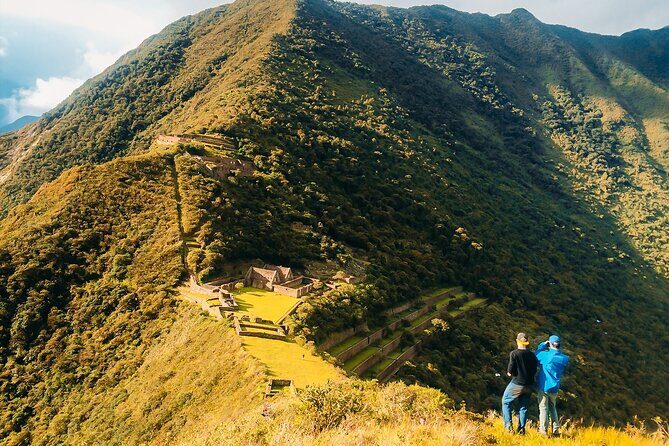
Day 4 is the “you did it, now go back” day—starting with a return from Choquequirao and a last view of the canyon from Marampata. That last overlook hits differently. You’ve already earned your perspective by walking down and up before, so you’ll notice patterns in the terrain you couldn’t see on Day 1.
Next you walk about 2 hours to Santa Rosa through lush vegetation, where lunch is waiting. After that, you head toward Playa Rosalinas again for a break in the cold Apurímac River. This is one of those moments where you don’t need to be tough. You need to be smart: go in carefully, cool down, then move on.
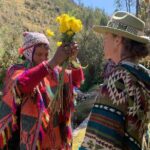
After your river stop, you ascend to Chiquisca for the final night. This is where the itinerary adds a human layer. A local family welcomes you into their home, and you learn more about Andean customs and the deep connection to Pachamama. Then you return to camp for dinner and rest.
The key drawback on Day 4 is timing fatigue. You’ve had several long days, and the return route still includes climbs. Pace yourself and let your guide set the rhythm.
Day 5: Capuliyoc goodbye, Saywite sacred stone, and Conoc hot springs
On the last morning, you start early again to avoid the harshest sun. You walk for about 2 hours to Capuliyoc, saying goodbye to the hiking team. That moment is surprisingly emotional for a trek day. You finally see how much the team handled behind the scenes so you could keep walking.
Then you transfer by private transport and visit Saywite, a sacred monolith valued by the Incas and carved with more than 200 figures. If you like seeing how Inca sacred places blend art and meaning in stone, this stop is a nice contrast to the heavy walking.
After Saywite, you go to Baños Termales de Cconoc for a relaxing bath before returning toward Cusco. Hot springs are a rare luxury on a trek like this. Your body will appreciate it, and your mind gets a reset before Cusco’s energy comes back.
You’ll arrive in Cusco around 6:00 p.m., then get transferred to your accommodation.
Camping, meals, and safety: the support you’ll feel every day
This trek leans hard on the idea that comfort isn’t a distraction—it’s recovery. You’ll camp for 3 nights in high-quality tents for 2 people, with equipment provided and a cook team running meals.
You also get:
- Camping gear including tents and a portable travel toilet
- An inflatable mattress plus extras like a bag cover and rain poncho
- Water, tea time, and daily snacks on the trail
- Walkie-talkies and emergency satellite phones
- A first aid kit and oxygen supply
- Small hygiene items like soap and a small towel
Meals are included throughout the trek: breakfast (5), lunch (5), and dinner (4). If you’ve got dietary needs, you’ll appreciate that the trek offers vegetarian and vegan options when you book ahead. Some real groups also highlight extra attention to gluten-free needs, which tells you the kitchen staff is used to working with requests.
One more practical note: your duffel bag up to 5 kg / 11 lb is carried by porters. You still need to pack thoughtfully, but the heaviest trekking burden is handled for you.
Price and value: what $735 covers (and what it doesn’t)
$735 per person isn’t cheap, but it’s also not “paying for walking only.” For this price, you’re covering:
- Licensed bilingual guide time (including the Choquequirao day)
- Entrance to the Choquequirao archaeological site
- Hotel pickup and drop-off, plus transport and transfers during the trek
- Camping accommodation and equipment for 3 nights
- Cook and dining setup, plus chairs
- Porters to carry camping equipment and transportation of personal belongings
- Daily snacks and included meals
- Safety gear like emergency communications, first aid, and oxygen supply
- Saywite monolith entrance and the hot springs experience
- Small-group format (up to 12), which affects how much attention your guide can give you
What’s not included is also clear, and this matters for budgeting:
- Sleeping bag and trekking poles
- Personal hiking clothing and equipment
- Travel insurance (recommended)
- Day 5 dinner in Cusco
In plain terms: if you show up ready to hike with the right basics (sleeping bag, poles, and suitable layers), this price buys you a very managed, safety-minded trek with fewer logistical headaches than most DIY versions.
Who this trek suits best—and who should think twice
This itinerary is best for you if:
- You’re in good physical shape and comfortable with challenging days
- You want guided meaning, not just exercise
- You like camping and don’t mind basic but comfortable setups
- You want a smaller group feel (maximum 12)
Think twice if you:
- Struggle with long days and steep descents and climbs
- Have limited tolerance for altitude. The plan strongly recommends arriving in Cusco at least 2 days early to acclimatize.
The trek is also explicitly for people who can handle its physical demands. Guides and support staff can help with pacing and safety, but they can’t remove the core requirement: you must be ready to walk.
Tips to pack smart and hike smarter
A few practical moves will make the trek easier:
1) Bring what’s missing. You’ll need a sleeping bag and trekking poles. Don’t count on buying them last-minute in Cusco.
2) Pack for uneven terrain. You’ll hike on steep, changing ground. Good grip and ankle support matter.
3) Plan your altitude routine. If you can, arrive early and take those recommended days in Cusco before departure. It improves how you feel on the trail.
4) Trust the team with your load. Your duffel up to 5 kg is meant to be carried for you. Pack only what you truly need each day.
5) Expect early starts and late days. Your guide will manage timing, but you’ll still want to be mentally ready for long hiking blocks and camp routines.
Should you book the Classic Choquequirao Trek?
If you want a trekking adventure that mixes physical challenge with real cultural and historical interpretation, this is a strong pick. The combination of a guided Choquequirao day, camping that’s set up for recovery, and a route through the Apurímac canyon makes it more than a bucket-list walk.
Book it if you’re fit, you’re okay with early mornings, and you want to reach Choquequirao without skipping the effort that makes the site feel earned. Skip it only if your schedule or fitness level can’t handle long trekking days and altitude.
FAQ
How early does the trek start?
The meeting point is set for 4:00 a.m. Hotel pickup is around 4:30 a.m., and the trip begins from Cusco in the early morning.
Is this trek suitable for beginners?
The trek is described as challenging, and it’s recommended for people with strong physical fitness. You should be comfortable with long days of hiking and steep terrain.
What camping equipment is included, and what do I need to bring?
The tour includes camping accommodation and equipment for 3 nights in high-quality tents, plus items like an inflatable mattress, bag cover, and rain poncho. You still need to bring a sleeping bag (trekking poles are also not included).
Are meals included during the trek?
Yes. Breakfast is included for 5 days, lunch for 5 days, and dinner for 4 days. You’ll also get water, tea time, and daily snacks on the trail. Day 5 dinner in Cusco is not included.
Can I get vegetarian or vegan meals?
Vegetarian or vegan options are available if you advise the provider at the time of booking.
What guide support do you get?
You get a licensed bilingual guide and a small-group experience (maximum 12 travelers). There’s also 24/7 customer service and emergency support equipment on the trek.
Is the Choquequirao entrance fee included?
Yes, entrance to the Choquequirao archaeological site is included.
What safety and emergency support is provided?
You get walkie-talkies and emergency satellite phones, plus a first aid kit and oxygen supply as part of the safety setup.
If I cancel, do I get a refund?
This experience is non-refundable and cannot be changed for any reason. If it’s canceled due to poor weather, you’ll be offered a different date or a full refund. If it’s canceled because a minimum number of travelers isn’t met, you’ll be offered a different date or a full refund.