REVIEW · CUSCO
Sacred Valley Textile Workshop – Dyeing & Weaving in Cusco
Book on Viator →Operated by Peru Private Tours · Bookable on Viator
Your day starts with yarn, not ruins. This hands-on Cusco workshop lets you learn dyeing and backstrap weaving from Ruth Pimentel, a UNESCO-recognized Indigenous master weaver, in a private atelier just outside the city. You’re not watching from a distance—you’ll work with the loom yourself.
I especially love the human part: Ruth Pimentel welcomes you personally, then master weavers from Parobamba guide your hands through ancestral steps. I also love the finished result—your one-of-a-kind piece is completed on site and comes in elegant packaging with a signed provenance card.
The main drawback to plan for is time. You start at 8:30am, and the drive to the workshop area can take a big chunk of the day, so this is a true all-day outing.
In This Review
- Key highlights worth waking up for
- Who Ruth Pimentel is and why her workshop feels different
- Your day at the atelier starts with a welcome—and a purpose
- Foraging and preparing dye plants (where the magic starts)
- Dyeing alpaca yarn with natural methods
- Spinning and yarn prep (the step people underestimate)
- Backstrap weaving: your loom time is the real workout
- What you make: bookmarks, bracelets, headbands, and more
- Lunch, coffee or tea, and learning a bit of Quechua
- The drive from Cusco: plan for a full day
- Price and value: what $420 buys you in the real world
- Who this is best for (and who should think twice)
- Should you book this Cusco dyeing and weaving workshop?
- FAQ
- Where is the workshop located?
- What time does the experience start?
- How long does the workshop take?
- How much does it cost?
- What’s included in the price?
- Is this a private tour?
- Do I get to dye and weave my own textile?
- What might I take home?
- Is weather important?
- What is the cancellation policy?
Key highlights worth waking up for
- Ruth Pimentel’s UNESCO-recognized workshop leadership
- Natural dyeing using seasonal botanicals you help prepare
- Hands-on backstrap weaving with real instruction at the loom
- A finished piece made on site, boxed with a signed provenance card
- Lunch plus coffee or tea, and a cultural moment that can include dancing
- Hotel pickup by private transport for an easier start
Who Ruth Pimentel is and why her workshop feels different
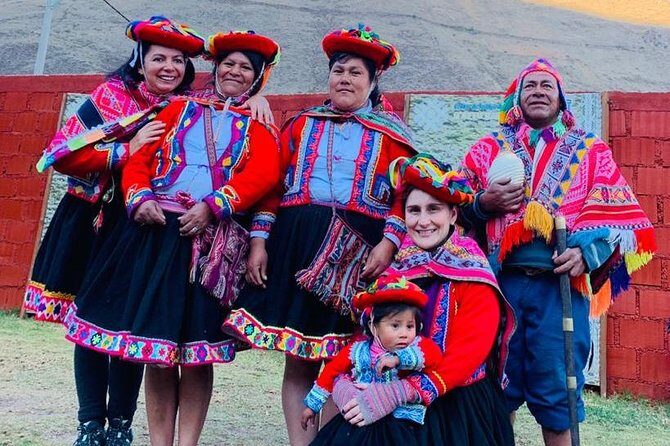
Ruth Pimentel is presented as Peru’s only UNESCO-awarded Indigenous master weaver, and that matters here because you’re not just learning a craft. You’re learning a way of carrying memory—how Andean textile traditions have been preserved through generations of Indigenous women, and how those skills continue today.
In the atelier, Ruth personally shares her lineage and the traditions her work protects. Then the tone shifts from storytelling to doing: you move from explanation into practical work at the loom, under Ruth and other master weavers from Parobamba.
You can also read our reviews of more tours and experiences in Cusco
Your day at the atelier starts with a welcome—and a purpose
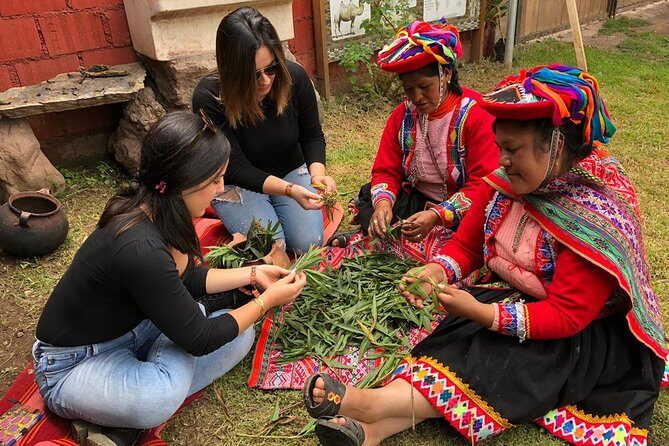
You begin in the hills near Cusco at the workshop’s private atelier. The setup is warm and personal, with an introduction that frames why these techniques matter: the craft isn’t treated like a souvenir trick, it’s treated like living heritage and community work.
If you speak little Spanish, don’t panic. Several people mention a translator on the day, and Edwin shows up as a translator in some cases. Others mention guides like Nayda as the key person on their day, so you’ll likely have someone helping connect the dots between craft steps and culture.
Foraging and preparing dye plants (where the magic starts)
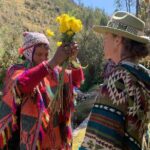
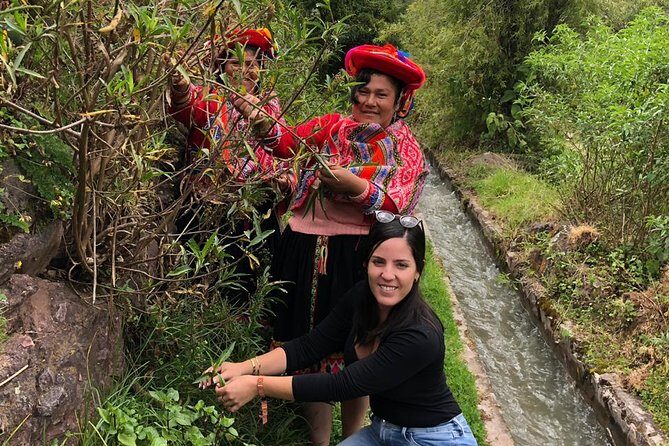
One of the most liked parts of this experience is that you don’t skip to the “pretty colors.” You get involved early, selecting seasonal botanicals and collecting plant material used for dye baths.
In practical terms, this changes how you understand the colors. Instead of thinking of dye as something that comes from a bottle, you see it as an ingredient-driven process—leaves and plants prepared, then turned into color through traditional methods.
Expect walking and hands-on work. You might be guided on what to gather and how it gets used. It’s also the part that tends to stick with people long after the day ends, because it connects the finished textile back to the natural world around Cusco.
Dyeing alpaca yarn with natural methods
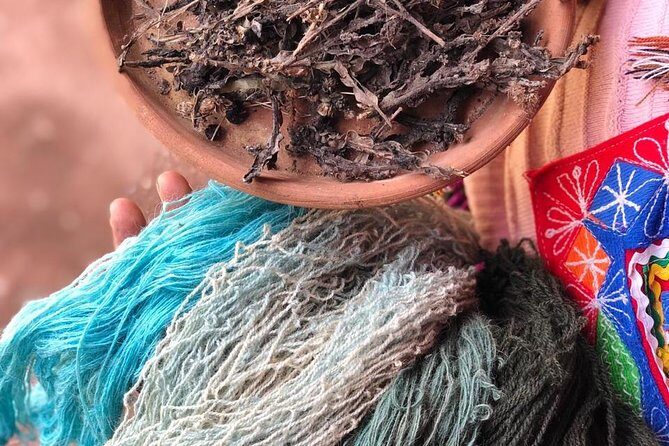
After the plant work, you’ll hand-dye premium baby-alpaca yarn using ancestral techniques. The dyeing portion is where your patience gets tested—in a good way. Color comes from careful preparation, time, and repeating steps until the result matches the goal.
You’ll also likely learn about the materials used for dyeing, including how different plants contribute different tones. Several people specifically mention learning about natural dyes and organic materials, and how that knowledge feels different from standard “tour craft” classes.
A small practical note: dyeing is detailed. If you’re the type who wants everything instantly, this may feel slow. If you like methodical learning, you’ll appreciate that the process takes time because it’s meant to.
Spinning and yarn prep (the step people underestimate)
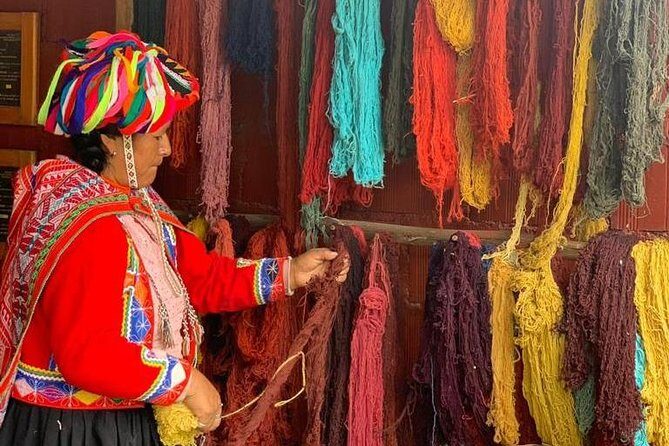
Many workshops list weaving as the main event, but here you may also work with yarn creation and yarn prep. Several accounts mention learning how to make yarn from alpaca wool, spinning techniques, and preparing wool before dyeing.
This is one reason the day feels substantial. You get a clearer view of why Andean textiles have the texture and character they do. When you wind yarn, prepare it, and then dye it, you understand the “why” behind the patterns, not just the “how.”
If you enjoy textiles, fiber arts, or even just design, you’ll probably geek out. People describe it as educational and surprisingly hands-on, from plant dyes to spinning to winding.

Backstrap weaving: your loom time is the real workout
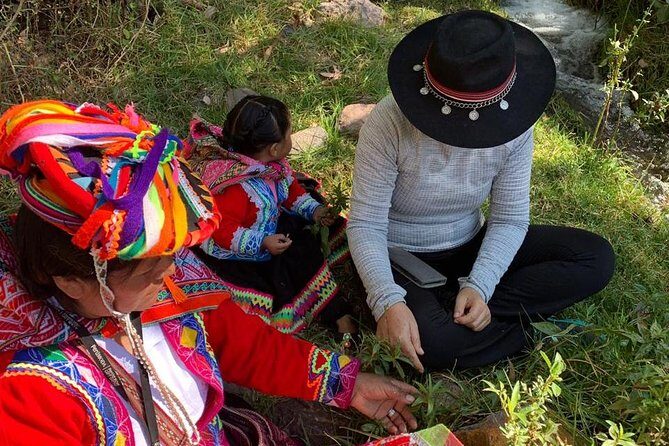
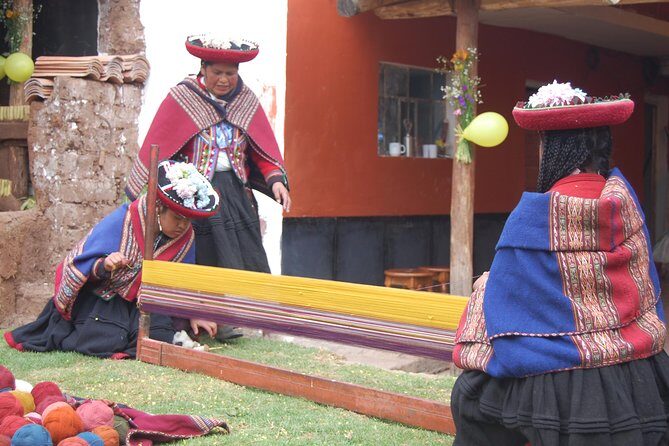
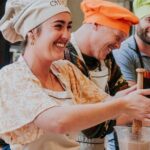
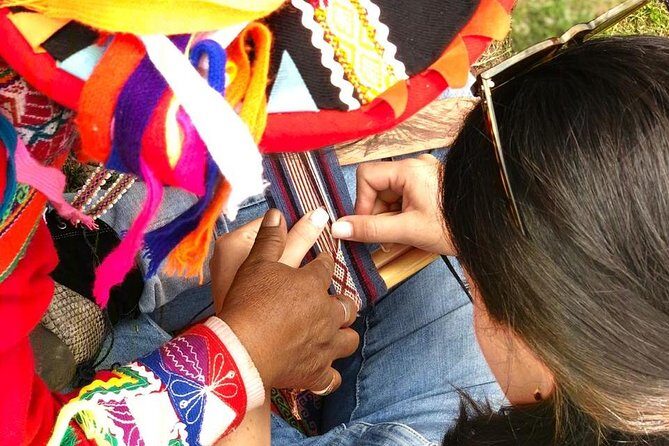
The centerpiece is backstrap weaving. You set up and use a backstrap loom with guided instruction, and that’s where most of the learning happens—because your hands are doing real work, not just copying.
A very common comment: the weaving part is challenging. Not in a mean way. In a learn-by-doing way. You may not master the technique instantly, and you’ll need help at points as you figure out tension, spacing, and the rhythm of the pattern.
But that challenge is exactly the point. You come away with a new respect for the work involved, and you understand why these textiles take skill and time. People also mention learning traditional clothing elements and even some dancing later, so the weaving doesn’t feel isolated—it connects to everyday culture.
What you make: bookmarks, bracelets, headbands, and more
Your final piece is made on site and finished before you leave. The workshop is described as bespoke, finished on site, and packaged with a signed provenance card—so it doesn’t feel like you’re assembling a kit.
What exactly you create can vary by what you choose during the day. Some people made bookmarks, others made bracelets, and some mention headbands (like a bincha). The common thread is that you weave it with guidance, and you leave with yarn you dyed yourself as part of the take-home.
If you care about the end product, I’d plan your choice based on how much time you want to spend weaving by hand versus making something smaller like a bookmark. Either way, you’re leaving with tangible proof you did the work.
Lunch, coffee or tea, and learning a bit of Quechua
You get lunch and coffee or tea included. It’s a homecooked style meal, and people note it as delicious and wholesome. That shared meal also does something useful: it slows the day down so you can talk with the weavers and the guide, not just watch craft steps.
Some people also mention learning a bit of Quechua during the day. Even small language moments matter because they signal respect and context. You’re not just learning colors—you’re learning the cultural framework behind the craft.
The drive from Cusco: plan for a full day
Start time is 8:30am, and the outing is about 8 hours total. Several people mention a drive of roughly an hour and a half, sometimes described as a bit longer depending on day conditions and route.
This is the one logistical reality check: you’ll spend time in the car. The good news is hotel pickup is included, and transportation is handled by private transport, so you’re not stuck figuring anything out.
If you’re sensitive to altitude, some people even describe this workshop as a good day for acclimating because it’s not physically intense like hiking, but still breaks up the Cusco routine with a meaningful activity.
Price and value: what $420 buys you in the real world
$420 per person sounds steep until you look at what’s included and what you actually do. In this workshop, your payment isn’t just for instruction. You’re paying for:
- Hotel pickup by private transport
- A full day (about 8 hours) with hands-on dyeing and weaving
- Lunch plus coffee or tea
- Materials and guidance to create your own finished textile piece on site
- The end result coming home in elegant packaging with a signed provenance card
Compared to “watch and buy” workshops, this has a stronger value story because you complete multiple craft steps yourself—plant dye prep, dyeing alpaca yarn, and backstrap weaving. You also come away with a lasting item, not just photos.
If you’re traveling with a tight schedule, the long day and higher price may not fit. If you’re the type who wants one standout craft day with real skill transfer, it’s easier to feel like it was worth it.
Who this is best for (and who should think twice)
This fits best if you:
- Like crafts, textiles, design, or natural materials
- Want hands-on learning rather than a demonstration
- Enjoy meeting local artisans and hearing how the craft connects to community life
It may be a tougher fit if you:
- Hate long drives and want only short sightseeing blocks
- Expect weaving to feel easy and fast (it won’t)
- Get impatient with step-by-step processes like dye prep and yarn handling
Also, because you’ll be working at a loom for a while, bring comfort into the picture. You’ll be sitting for long stretches.
Should you book this Cusco dyeing and weaving workshop?
I’d book it if you want a day that’s genuinely hands-on: plant dyes, alpaca yarn, and backstrap weaving with instruction from master weavers, led by Ruth Pimentel. The value is strongest for people who care about craft accuracy and want to leave with a real piece of work made by your own hands.
I’d hesitate if you’re short on time, tired of travel days, or you’d rather spend your Cusco hours at viewpoints. This is a full-day commitment with a long drive—and the best reward is skill, not sightseeing.
If that sounds like your kind of day, this workshop is one of the most memorable ways to understand the Sacred Valley beyond ruins.
FAQ
Where is the workshop located?
It’s in Cusco, Peru, starting at a private atelier in the hills near Cusco. The weaving experience is guided by master weavers from Parobamba.
What time does the experience start?
The start time is 8:30am.
How long does the workshop take?
The duration is about 8 hours.
How much does it cost?
The price is $420.00 per person.
What’s included in the price?
Hotel pickup by private transport is offered, and lunch plus coffee or tea are included. You also create your own textile piece during the dyeing and weaving session.
Is this a private tour?
Yes. It’s described as private, with only your group participating.
Do I get to dye and weave my own textile?
Yes. You select seasonal botanicals, hand-dye baby-alpaca yarn, and then weave on a backstrap loom with guidance.
What might I take home?
You finish a bespoke textile piece on site. Some people mention making bracelets, bookmarks, or headbands, and you also take home yarn you dyed yourself.
Is weather important?
Yes. The experience requires good weather. If it’s canceled due to poor weather, you’ll be offered a different date or a full refund.
What is the cancellation policy?
Free cancellation is offered up to 24 hours in advance of the experience start time for a full refund.