REVIEW · CUSCO
Lares Trek to Machu Picchu: 4-Day Tour
Book on Viator →Operated by Inkas Destination Tour Operator · Bookable on Viator
Machu Picchu without the Inca Trail headache. I like how this Lares Trek threads through real Andean villages, not just scenic footpaths, and I really appreciate the small group size (up to 8). It keeps the pace human and makes the day feel less like a cattle-car situation and more like a guided journey through the Andes.
I do want to flag one practical drawback: you’ll face real altitude on day 2, including a high pass around 4,600 meters, and the trip starts very early (meeting time is 5:00 am). If you’re sensitive to heights or still feeling rough from Cusco, you’ll want to take that seriously.
The good news is that the tour is set up as an all-in-one plan, with transport, food, a guide, Machu Picchu entrance, and the train segment built in. With an English-and-Spanish guide and even an oxygen tank in the kit, it’s a smoother way to do this route than piecing everything together yourself.
In This Review
- Key highlights and what they mean for you
- Lares Trek vs the Inca Trail: why this route feels calmer
- The small-group rhythm: what 5:00 am really means
- Day 1 Calca to Huacawasi: Sacred Valley driving plus medicinal hot springs
- Day 2 Ipsaycocha Pass and Patacancha: the altitude day
- Day 3 Pumamarka terraces to Ollantaytambo, then Aguas Calientes
- Day 4 Sunrise at Machu Picchu plus free time for Huayna Picchu
- Food, gear, and comfort: what’s included and what you must bring
- Price and value at about $602: where the money goes
- Who this tour fits best (and who should reconsider)
- Practical tips for Lares Trek to Machu Picchu
- Should you book Lares Trek to Machu Picchu?
- FAQ
- What time does the tour start?
- How long is the Lares Trek to Machu Picchu tour?
- What is the group size limit?
- Is pickup from your hotel included?
- What transport is included?
- Is a guide included, and what languages?
- Are meals included?
- What lodging is included?
- Is a sleeping bag included?
- Is Huayna Picchu included with Machu Picchu?
- Is the thermal baths in Aguas Calientes included?
Key highlights and what they mean for you
- Andean villages along the route: you see everyday life, not just famous landmarks
- Hot springs at Lares: a real decompression moment built into day 1
- Small group on a classic alternative: max 8 travelers helps with pacing and photos
- Included Machu Picchu entry + guided time: you get the highlights plus free exploration
- Gear and meals are covered: tents, cook, and daily meals reduce what you must carry
- Altitude-focused day 2: it’s the toughest stretch, so plan your fitness and acclimation
Lares Trek vs the Inca Trail: why this route feels calmer
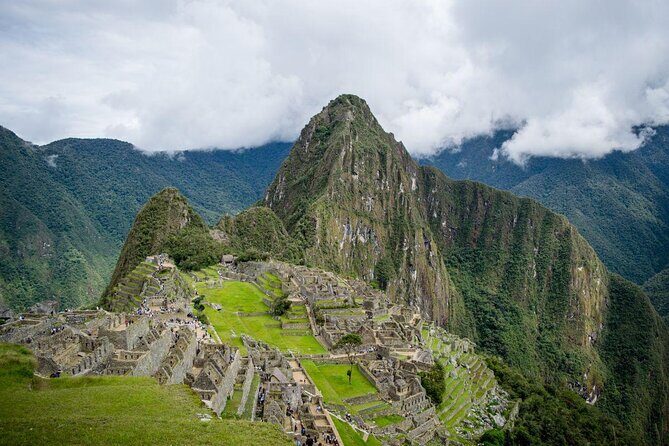
If you’re chasing Machu Picchu but don’t want the stress that comes with the Inca Trail lottery and crowds, Lares is a strong alternative. This route is built around smaller communities and fewer big-tour moments. You still get that Andean-at-height feeling—just with a different rhythm.
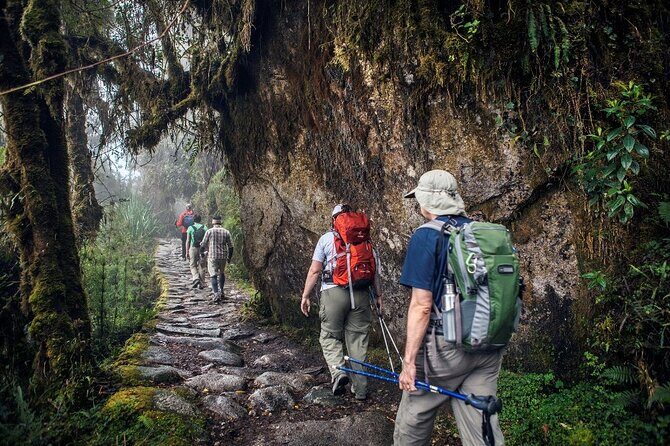
What I like for you here is the balance: you get real trekking time, but the experience is structured enough that you’re not constantly figuring out logistics. A guide is with you through the key points, and meals and camp basics are handled.
Is it easier? Not exactly. It’s still a trek in the Andes. But it often feels less chaotic than the most famous alternative, and that can make a big difference when you’re dealing with altitude and early mornings.
You can also read our reviews of more hiking tours in Cusco
The small-group rhythm: what 5:00 am really means
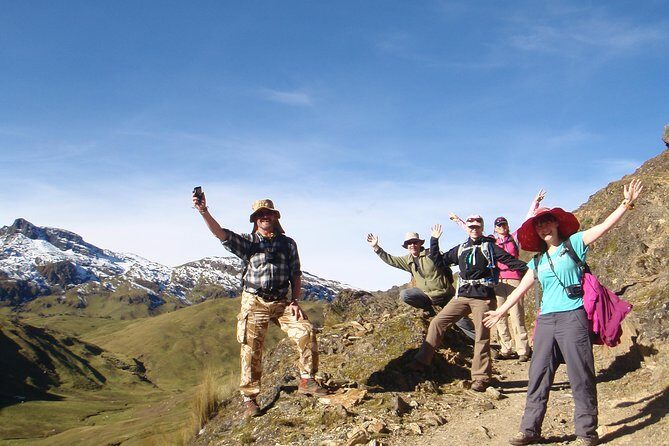
The day starts early. You meet at 5:00 am, then the tour runs on a schedule that’s designed to keep you moving while the roads and conditions are easiest. That early start shows up again later in the trip with your Machu Picchu morning.
The upside of that timetable is that you’re aiming for the best light and fewer obstacles as the day builds. The tradeoff is obvious: you’ll want to sleep early in Cusco the night before. If you’re the type who needs a slow wake-up, this tour will feel demanding for the first 24 hours.
Good detail: the tour caps at 8 travelers, so you’re not swallowed by a large group. On a trek, that matters for comfort, pace, and how often you can stop for photos.
Day 1 Calca to Huacawasi: Sacred Valley driving plus medicinal hot springs
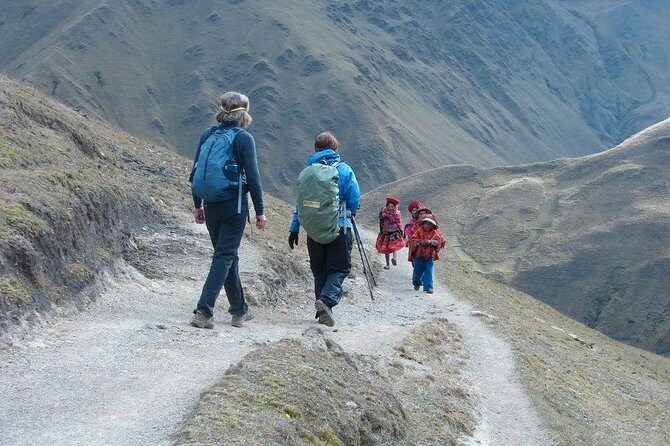
You start by traveling from Cusco to Calca in the Sacred Valley, around 2,900 meters. After crossing the Sacred Valley, the drive continues for about two hours until you reach Lares town.
Then comes one of the best “reset buttons” on the itinerary: the medicinal hot spring visit. This is your moment to loosen up before your first trekking day. It’s also a nice cultural contrast from the travel day—warm water, mountain air, and a much more local pace.
After lunch, you begin hiking toward Huacawasi, your first campsite. The trekking time is listed at roughly 4 hours (plus about 30 minutes). Expect up-and-down walking rather than a flat stroll. The payoff is that you’re already getting big mountain views without needing to wait until day 2.
One useful expectation from the on-the-ground experience: some nights around Huacawasi can mean sleeping in tents near local homes, and conditions can be cold enough that camp arrangements may shift to make you warmer (like moving your tent setup into an enclosed space). Pack for cold, even if the daytime feels pleasant.
Day 2 Ipsaycocha Pass and Patacancha: the altitude day
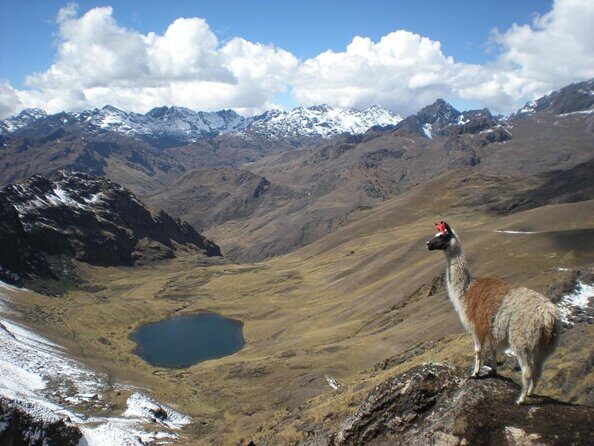
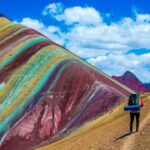
This is the day that makes the Lares Trek feel like a true trek, not a casual hike. You wake up early, then head toward the first high pass: Ipsaycocha at roughly 4,600 meters (15,456 feet).
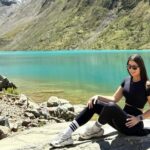
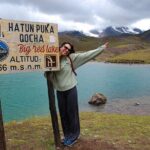
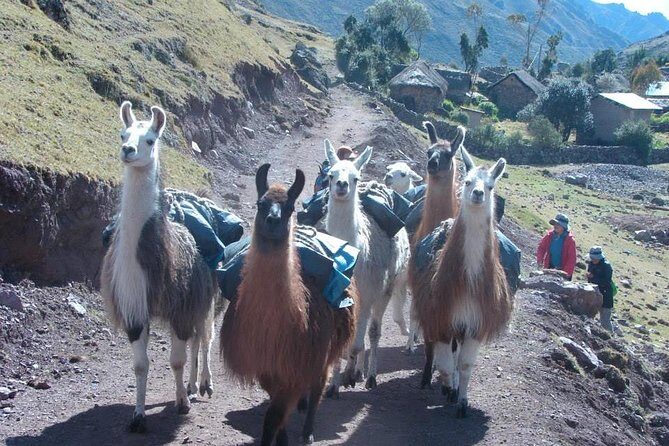
You’ll pause for views over Ipsaycocha Lake, sitting around 4,280 meters. From there, the route runs through valleys where you can spot farmers working their land and herds of alpacas and llamas. If wildlife pops into view—chinchillas are possible—you’ll want to take your time and enjoy it. The point isn’t to race. It’s to keep breathing steady enough to keep moving.
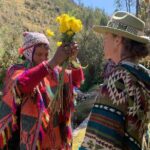
The day also includes a lunch stop near the lake, then you continue on to Patacancha for the night. Your route includes a warm human moment: you may be welcomed along the way, including children who are back from school in that area.
A heads-up for your planning: day 2 is often where altitude sickness risk rises, even for people who feel fine in Cusco. The tour helps with safety basics (first aid kit and oxygen tank), and you’re still free to set a steady pace with your guide. But it’s smart to bring your comfort tools and take acclimation seriously before you start the trek.
Day 3 Pumamarka terraces to Ollantaytambo, then Aguas Calientes
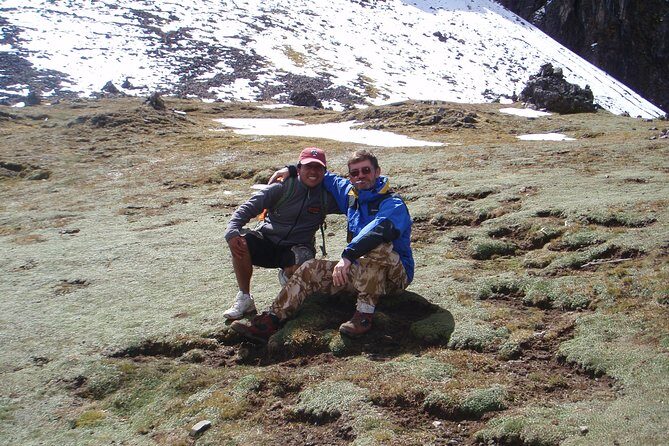
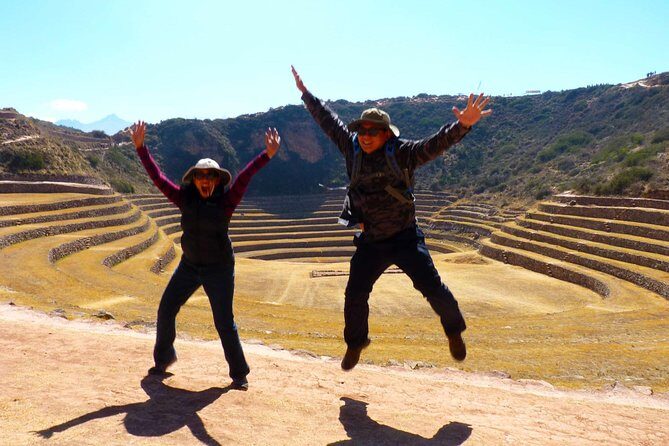
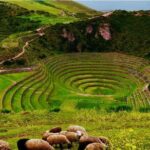
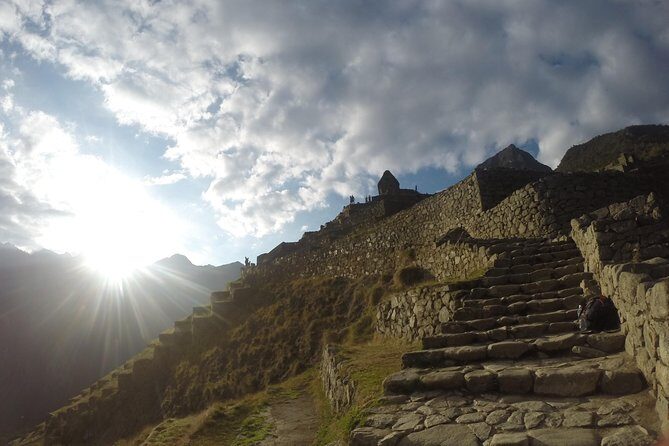
Day 3 starts with an early push to a viewpoint over the valley, then you continue for about two hours toward Pumamarka to enjoy Inca terraces. This portion is a great “reward” hike. You’re not only moving through mountain paths; you’re also seeing worked stone and agricultural design that still shows up clearly in the terrain.
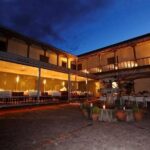
The day finishes in Ollantaytambo. After that, you take the train to Aguas Calientes and sleep there for the night. This is a key shift: you’re still in the Machu Picchu orbit, but your trekking load drops. It also gives you a chance to manage how your body feels after two harder hiking days.
A practical note about Aguas Calientes: it can be noisy. If you’re a light sleeper, bring earplugs. And yes, you’ll want to keep your evening low-key so you can handle the early Machu Picchu morning.
You can also read our reviews of more tours and experiences in Cusco
Day 4 Sunrise at Machu Picchu plus free time for Huayna Picchu
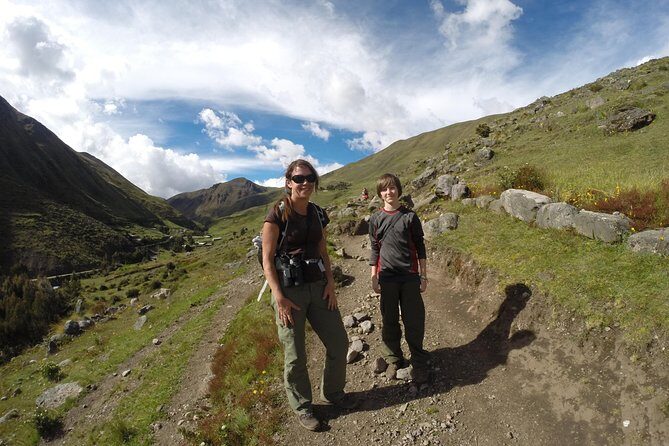
You start the Machu Picchu day very early, with about 1 hour 30 minutes of walking up to the citadel. Then you’ll get a guided tour for around two hours. After that, you have free time to explore on your own.
This day structure is a big value point. The guide time helps you understand what you’re seeing, and the free time lets you slow down where you personally want to spend extra minutes—like photo angles, viewpoints, or quieter corners.
During your free exploration, you can choose optional add-ons depending on your ticket:
- Huayna Picchu is optional and needs advance booking
- You can also look into places like Inti Punku and the Inca Bridge (based on how your route is managed that morning)
A timing tip if you’re doing Huayna Picchu: plan for a gap of about 2 hours or more between your main circuit time and your Huayna Picchu timeslot. If your timeslots are too tight, you can lose time climbing and repositioning. It’s worth thinking about your exact ticket times before you lock in plans.
After exploring, you return by train to Ollantaytambo and then take a bus/ride back toward Cusco, with drop-off at your hotel area.
Food, gear, and comfort: what’s included and what you must bring
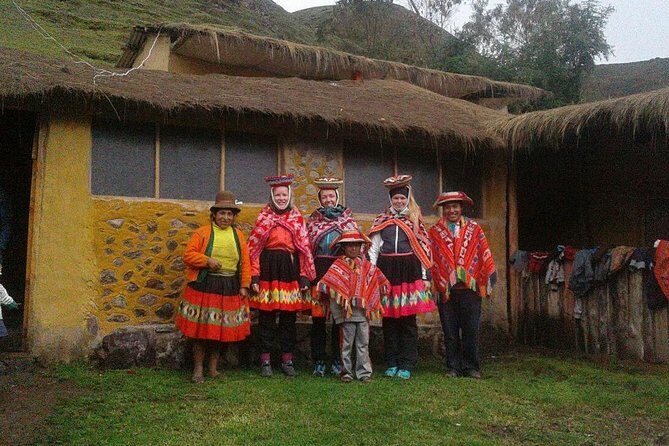
This tour is designed to carry the heavy planning for you. Included items cover:
- mule support for trekking gear (mules and muleteers)
- tents and mattresses (sleeping setup is handled)
- kitchen and dining tent setup
- a cook and daily meals (listed as breakfast 3, lunch 3, dinner 3)
- a professional guide (English and Spanish)
- one night accommodation in Aguas Calientes
- Machu Picchu entrance, plus the train Ollantaytambo direction segment and the return logistics
What’s not included matters for your packing:
- a sleeping bag is not included
- the thermal baths ticket in Aguas Calientes is not included (you’ll likely pay on the spot; listed as 10 soles)
- Huayna Picchu entrance is not included and must be booked in advance
- the last lunch in Aguas Calientes is not included
Also, don’t ignore luggage limits. One practical detail from the field: you can typically leave only a limited amount of personal weight to the mules. You might be able to hand off up to about 7 kg per person. Pack lighter than you think. Your legs will thank you.
For comfort, this tour gives you the basics, but you still control your warmth, sun protection, and hydration. The trek can be cold at night and chilly at higher elevations, so dress in layers you can manage while hiking.
Price and value at about $602: where the money goes
At around $602.06 per person, this isn’t a budget-only trek. The value comes from what’s bundled rather than from any single line item.
You’re paying for:
- guided trekking with English/Spanish support
- camp infrastructure and food (so you don’t have to carry cooking gear or worry about meals)
- mule support to reduce what you personally haul
- Machu Picchu entrance plus the train segment
- oxygen tank and first aid support for peace of mind
If you were to assemble these pieces yourself—tents, cook, guide, train, Machu Picchu entry, and the transport chain—you’d likely spend more time coordinating and more money overall. The tour format buys you convenience and reduces the number of decisions you must make during a tight travel schedule.
That said, it’s still a trek with altitude stress. You should judge the cost against how comfortable you are with the physical part. If you want zero altitude worries, this isn’t that kind of itinerary.
Who this tour fits best (and who should reconsider)
This tour fits you best if:
- you want Machu Picchu but prefer a less crowded trek route
- you’re comfortable with a demanding day at altitude (Ipsaycocha around 4,600m)
- you appreciate guided context at Machu Picchu, then time to explore on your own
- you like the idea of sleeping in tents and living simply for a few nights
It might not fit as well if:
- you need very late mornings or a slow pace
- you know you react badly to altitude and haven’t acclimated in Cusco beforehand
- you hate cold nights and don’t want to bring a sleeping bag (since it’s not provided)
Minimum age is 6, so families can sometimes consider it depending on child readiness. Still, this trek is a real mountain walk. Kids will need comfort with altitude and long travel days.
Practical tips for Lares Trek to Machu Picchu
A few things will make your trek smoother without adding stress:
- Start your Cusco acclimation smart. If you can, spend a couple days in Cusco before day 2 so your body has a chance to adjust.
- Bring a real sleeping bag. Tent nights can be cold.
- Pack light for mule carriage. If you’re handing off bags, keep personal items within the typical mule limit (often around 7 kg per person).
- Plan your Machu Picchu add-ons early. Huayna Picchu requires advance booking, and timing between tickets matters.
- Take altitude seriously even if you feel fine on day 1. Day 2 is the tough one.
- If you’re noise-sensitive, use earplugs in Aguas Calientes.
On the human side, the experience is built around your guide and crew. Guides like Luis and Rene’ have been highlighted for staying calm and moving at a pace that lets you take photos and absorb what you’re seeing. A good cook also changes the whole mood of a trek. Santo is one cook name you’ll see associated with excellent, freshly prepared meals on this route.
Should you book Lares Trek to Machu Picchu?
Book it if you want a guided, small-group trek that trades some of the famous trail energy for everyday village life, hot springs, and a Machu Picchu day that includes guidance plus personal time. The structure is practical: you’re not guessing how to eat, where to sleep, or how to get to Machu Picchu.
Consider another option if you’re altitude-wary, you hate early starts, or you don’t want to manage cold nights. Also double-check your Machu Picchu ticket plan if you’re adding Huayna Picchu, because timing can affect your whole day.
If you like your travel with fewer crowds and more mountain honesty, this is a solid bet.
FAQ
What time does the tour start?
The meeting/start time is 5:00 am.
How long is the Lares Trek to Machu Picchu tour?
It’s listed as 4 days (approx.).
What is the group size limit?
The tour has a maximum of 8 travelers.
Is pickup from your hotel included?
Yes, pickup is offered, and hotel pickup is included.
What transport is included?
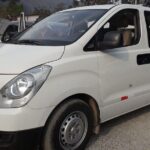
Transport includes Cusco to Lares, train from Machu Picchu to Ollantaytambo, and a private car from Ollantaytambo to Cusco.
Is a guide included, and what languages?
A professional guide is included, in English and Spanish.
Are meals included?
Yes. Breakfast, lunch, and dinner are included across the trek days (listed as 3 of each).
What lodging is included?
You get one night accommodation in Aguas Calientes, and tents/mattresses are included for the camping nights during the trek.
Is a sleeping bag included?
No. A sleeping bag is not included.
Is Huayna Picchu included with Machu Picchu?
Huayna Picchu entrance is not included and must be booked in advance.
Is the thermal baths in Aguas Calientes included?
No. Entrance ticket to the thermal baths is not included (listed as 10 soles).