Five Inca stops, one easy afternoon. This 4-hour Cusco tour strings together some of the most important Inca sites around town, starting at the Cathedral area and ending back where you met. You ride between locations in an air-conditioned vehicle, so the day stays manageable.
I like the tight timing at each stop. Visits are short and focused (around 30 to 45 minutes), which makes it easier to stay sharp and take in each place without dragging the schedule. And the guide’s job is clear: connect what you see to how the Inca built, worshipped, and defended.
One possible drawback: the tour price is low, but entrance tickets are not fully included. Qorikancha is included, while the other sites require paid admission (listed as $25.00 per person).
In This Review
- Key things you should notice before you go
- A 4-hour Inca City Circuit from Cusco’s Main Square
- Price and the Real Cost of Getting Inside
- Stop 1: Qorikancha (Sun Temple and Museum) to Start Your Inca Story
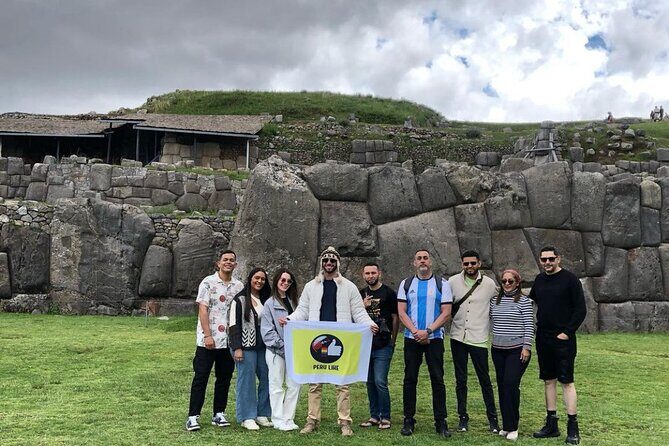
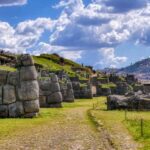
- Stop 2: Sacsayhuamán’s Giant Stone Walls and the “Why” Behind Them
- Stop 3: Q’enqo and the Meaning of Q’inqu (Labyrinth)
- Stop 4: Puka Pukara’s Defensive Complex Feel
- Stop 5: Tambomachay’s Water-Cult Purpose and Resting Place
- How the Bus Timing and Small Group Size Changes the Experience
- What to Bring for a Smooth Afternoon (Without Overpacking)
- Pairing This Tour with Cusco’s Old Town
- Who This Tour Fits Best
- Should You Book Peru Like’s Cusco Inca City Tour?
- FAQ
- What time does the tour start?
- Where do I meet the guide?
- Is the tour offered in English?
- How long is the tour and how big is the group?
- What’s included in the $19.90 price?
- Do I need to pay entrance tickets?
- Is free cancellation available?
Key things you should notice before you go
- Hotel pickup near Plaza de Armas: less hassle getting started.
- Small group size (max 15): more chance to ask questions.
- Air-conditioned vehicle: you’re not walking between every stop.
- Qorikancha admission included: one ticket headache already handled.
- Four outdoor sites after Qorikancha: expect terraces and stone ruins.
A 4-hour Inca City Circuit from Cusco’s Main Square
This tour is built for people who want big Inca highlights without spending the whole day on the road. It runs about 4 hours, starting at 1:30 pm. The pace is “see, learn, move on,” with each stop given a realistic chunk of time so you can actually look around instead of just posing for photos and rushing back.
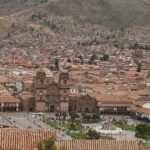
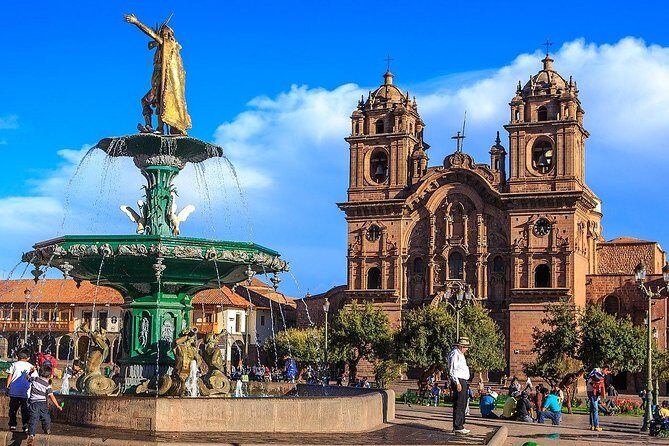
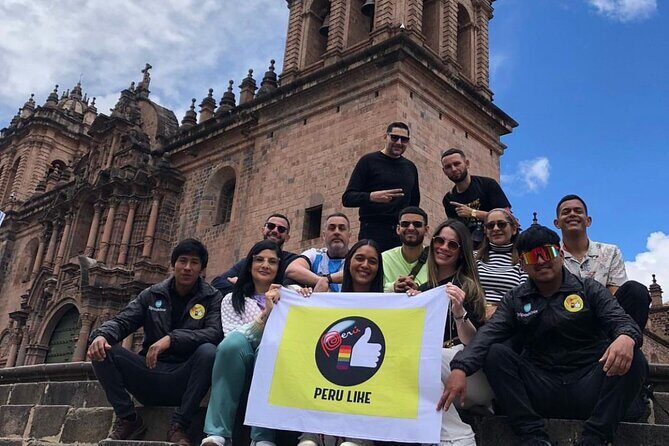
Cusco’s Plaza de Armas area is where the tour begins. Your meeting point is the Cathedral of the Main Square of Cusco, and pickup is available from city-center hotels near there. That matters because it puts you in the right mental zone: colonial Cusco on the surface, Inca planning and stone engineering underneath.
The itinerary is also smart for first-timers. It doesn’t just repeat the same kind of ruin. You get a mix of religious space, ceremonial engineering, and defensive architecture, all within a short loop. Even if you only know a little about the Incas, the structure of the day makes it easier to build a picture of how their world worked.
You can also read our reviews of more city tours in Cusco
Price and the Real Cost of Getting Inside
The tour price is $19.90 per person. That’s the easy part. The part to budget for is entrances: the tour notes entrance tickets cost $25.00 per person and are not included, except for Qorikancha, where admission is listed as included.
So your rough all-in total for the tour plus entrances is about $44.90 per person, before meals and drinks. If you’re comparing options, don’t just judge the headline price. Here, the “tour” is mostly transport + guide time, and the paid access is tied to the sites themselves.
Where this becomes good value is in what you get for that base price:
- An air-conditioned vehicle
- A professional guide
- Pickup from your hotel (near the main square)
When you’re in Cusco, comfort and time matter. Paying less upfront often works best when the tour is clearly organized, and this one is: pick up, hop to the main sites, then return to the meeting point.
Stop 1: Qorikancha (Sun Temple and Museum) to Start Your Inca Story
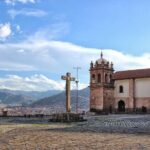
You begin at the Cathedral area and then head to Qorikancha, the Sun Temple and museum. This is your first “anchor” stop. It’s the place that helps you understand what you’re looking at later, because it sets the theme: Inca sacred space was designed, planned, and built with intention.
This stop is listed at about 30 minutes, and admission is included. That’s a practical win. You don’t need to worry about paying for this first site, and you can spend your time focusing on the big picture—what the Inca considered important enough to build a major ceremonial complex.
One reason I like starting here: it gives you an early baseline before you move into the more rugged, stone-heavy ruins. By the time you reach the larger archaeological complex, your eyes have something to compare. You’re already thinking about function—religion, ritual, and state power—rather than just scanning stones for shape.
If you’re the type who learns best when things have a narrative, Qorikancha does that job. It also gives you a gentle entry point: a shorter stop that avoids the feeling of being dropped immediately into a long outdoor marathon.
Stop 2: Sacsayhuamán’s Giant Stone Walls and the “Why” Behind Them
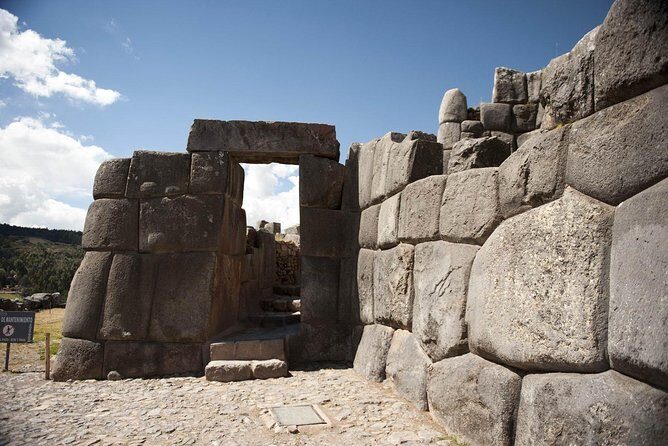
Next comes Sacsayhuamán. This is the Inca site that most people recognize, and for good reason. It’s described as the most important place after the llaqta of Qosqo, and it was consecrated as the House of the Sun of Hanan Qosqo.
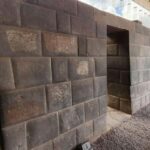
The big draw here is the architecture. The description calls out the giant-sized stones, and that’s exactly what you should pay attention to. Sacsayhuamán isn’t just impressive because it’s old. It’s impressive because the construction style forces you to ask how they moved, fit, and arranged those blocks.
This stop is listed at 45 minutes, but admission is not included. That’s common in Cusco—some sites are ticketed on their own terms. If you’re trying to avoid surprise expenses, keep that in mind and budget early.
What you’ll likely get from the guide at this stop is context: how the site fits into the Inca worldview and what the scale was meant to communicate. Based on how guests describe the guides, the best part is when the explanation connects the stones to engineering choices and daily religious or political meaning, not just dates and names.
Even if you only have one hour here, focus your attention on the stonework first. Then look for the bigger “story” elements: why something would be built on this kind of scale and what that says about Inca priorities.
Stop 3: Q’enqo and the Meaning of Q’inqu (Labyrinth)
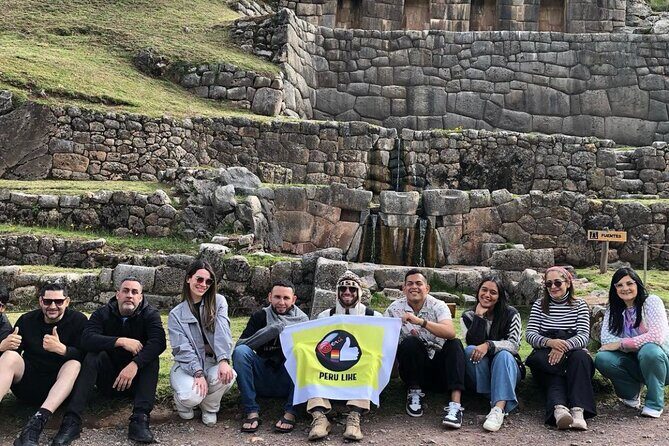
After Sacsayhuamán, the tour moves to Q’enqo, also known as Kenko. The name matters. Q’enqo is tied to the Quechua word Q’inqu, which is explained as labyrinth.
Here’s what gives that word its bite: the description points to underground galleries and also to the zigzag-shaped channels on stone. That’s a great detail to hold onto while you’re there. Don’t treat Q’enqo like a generic ruin. Treat it like a place with a plan—part of it meant to move people through a space, and part of it shaped to guide water, light, or ceremonial functions (the guide will help you interpret the use).
This stop is 45 minutes, and admission is not included. That means your time matters: use it to match what you see to what you hear. The guide’s job is especially important at sites like this, where the “purpose” isn’t always obvious at first glance.
If you want a mental shortcut, think of Q’enqo as the Inca taking familiar ideas—space, movement, and underground passage—and turning it into something symbolic and practical. The labyrinth name isn’t just poetic. It’s pointing you toward the layout.






Stop 4: Puka Pukara’s Defensive Complex Feel
Puka Pukara (Puca Pucara) shifts the vibe. This isn’t primarily a sacred temple stop. It’s described as a military construction near Cusco, part of the defensive complex of Cusco and the Inca Empire.
The key physical details are straightforward: the site has large walls, terraces, and stairs. That makes this one easier to “read” than some other ruins. Your eyes can follow the defensive shape. Even if you don’t know the tactics, you can see that the layout is designed to control movement and strengthen a position.
This stop is also 45 minutes, with admission not included. So again, you’ll want to stay focused and use the guide’s interpretation. The most useful thing a guide can do here is explain how defensive complexes work as systems—how a site like this fits into a wider network rather than being a standalone landmark.
What I like about including Puka Pukara on this tour is contrast. You go from religious and ceremonial themes into a defensive theme in the same afternoon. That helps you understand that Inca architecture was not one-purpose only. It could be sacred, ceremonial, and strategic—often all in the same broader urban system.
Stop 5: Tambomachay’s Water-Cult Purpose and Resting Place
The final stop is Tambomachay (also spelled Tampumachay). This one is all about water. The description explains it as an archaeological site intended for the cult of water, where the potentate of the Inca Empire could rest.
This stop is 45 minutes, and admission is not included. Tambomachay tends to reward the slower gaze. When a place is described around water, you’ll want to pay attention to features tied to water management or ritual movement, and you’ll likely rely on the guide to tie the physical details to the intended function.
Why this end stop works: it gives your brain a release after the heavier defensive and construction-focused sites. You close the day with a theme of ritual and rest—still Inca, still planned, but with a different emotional tone.
If your goal is to leave Cusco with a clearer picture of how the Incas organized their world, ending here is a good move. You see how sacred purpose wasn’t limited to temples; it could also be built into places meant for water and pauses.
How the Bus Timing and Small Group Size Changes the Experience
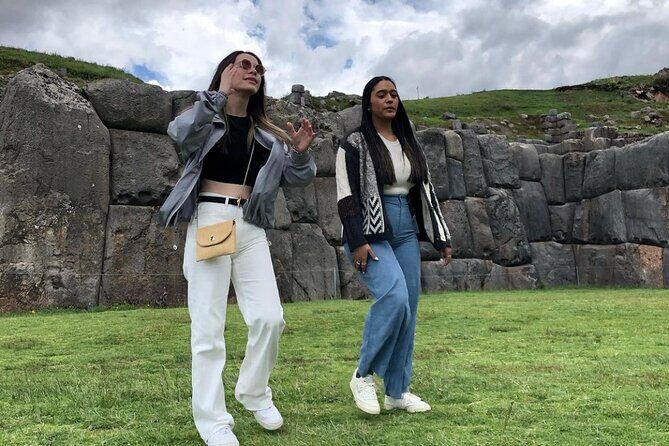
This tour caps out at 15 travelers. That’s a sweet spot. Big groups can turn explanations into a performance you can’t hear. With a smaller group, you’re more likely to get real Q&A and follow the guide’s pacing.
The itinerary also gives you predictable “breathing windows.” Each stop is short—Qorikancha about 30 minutes, and the others about 45 minutes. Between stops, you ride in an air-conditioned vehicle. That matters because Cusco days can add up quickly if you’re constantly walking and repositioning.
Also, starting at 1:30 pm is a helpful rhythm for many people. You’re not forced into an ultra-early start, and you still have daylight to see the ruins. If you’re planning your week, you can pair this with a lighter morning in Cusco—markets, a museum, or just wandering the cobblestone streets near the center.
One practical note: the tour uses a mobile ticket. Bring your phone charged and ready. It’s small, but it saves stress when you’re meeting and checking in.
What to Bring for a Smooth Afternoon (Without Overpacking)
This itinerary includes outdoor ruins with terraces, stairs, and stone structures at multiple stops. That means comfort matters more than fashion. Wear something you can stand and walk in for the short, repeated visits, and bring water for your own schedule since meals and drinks are not included.
Because admission tickets are not fully included, I’d also plan to have cash or a payment method ready for the $25.00 per person entrance fee. The tour is priced to be affordable, but you should treat entrances as part of the real budget.
If you like taking photos, you’ll have multiple “look-and-stand” moments across Qorikancha, Sacsayhuamán, Q’enqo, Puka Pukara, and Tambomachay. Try not to spend every minute filming. Save some time to just look first, then capture details after the guide points out what to watch for.
Pairing This Tour with Cusco’s Old Town
One of the best parts of doing this tour from the Cathedral area is that Cusco’s old center is right there. Even without building in extra sightseeing, you’re starting and ending in a neighborhood with that classic mix of colonial streets and Inca energy under the surface.
After the tour, consider a slow walk to reset. You’ll often get better photos when you’re not rushing out the door to the next stop. And if you enjoy history beyond the ruins, Cusco’s market and street-life feel make the whole afternoon more grounded.
The tour itself focuses on the Inca sites. But the setting around them is part of the charm, and it helps connect the “stone facts” to a living city.
Who This Tour Fits Best
This is a strong choice if you:
- Want a focused Inca overview in about 4 hours
- Like structure and an organized loop (pickup, sites, return)
- Prefer explanations that make history and engineering feel understandable
- Are okay paying for entrances on top of the low tour price
It’s also a decent option for people who don’t want to commit to a full-day excursion. You get major stops without overextending your time.
If you’re the kind of traveler who hates ticket lines and prefers every admission to be included, this might feel a bit annoying. Only Qorikancha has admission listed as included, and the rest are not included. In that case, you’d want to confirm the entrance cost expectation before booking.
Should You Book Peru Like’s Cusco Inca City Tour?
Book it if you want the best mix of coverage, guidance, and schedule control. The low base price plus pickup and an air-conditioned vehicle makes it easy to say yes, and the itinerary covers different kinds of Inca sites—sacred space, ceremonial engineering, and defensive architecture—without turning into a long slog.
Skip it or think twice if your biggest priority is fully included entrances. Since only Qorikancha admission is included, you’ll need to budget the listed $25.00 per person for the remaining sites.
FAQ
What time does the tour start?
The tour starts at 1:30 pm.
Where do I meet the guide?
The meeting point is the Cathedral of the Main Square of Cusco (near Plaza de Armas). The tour also lists pickup from hotels in the city center.
Is the tour offered in English?
Yes, it’s offered in English.
How long is the tour and how big is the group?
The duration is about 4 hours. The maximum group size is 15 travelers.
What’s included in the $19.90 price?
The included items are an air-conditioned vehicle, a professional tour guide, and pickup from your hotel (near the main square). You also get a mobile ticket.
Do I need to pay entrance tickets?
Yes. Entrance tickets cost $25.00 per person and are not included, except Qorikancha, where admission is included.
Is free cancellation available?
Yes. You can cancel for a full refund up to 24 hours before the experience’s start time.