REVIEW · CUSCO
Llama & Alpaca Experience (Cusco Region): ANDEAN COLORS
Book on Viator →Operated by Andean Colors · Bookable on Viator
Llamas with Andes views beat a museum day. This easygoing Cusco region experience pairs a llamas and alpacas mountain walk with time in a local community, then finishes at Andean Colors to learn how Andean textiles get made and dyed. You’ll also get classic Sacred Valley photo moments along the way.
My two favorite parts: the walk itself feels calm and scenic, with plenty of chances to pause for photos and watch everyday village life. Then, I really liked the ending—meeting Hilda and getting a private-style teaching on the textile-making and coloring process, before browsing their shop for artisan-made pieces.
One thing to consider: the path can get muddy if the weather turns. Also, bottled water and soda are not included, so plan on bringing your own sip strategy if you get thirsty.
In This Review
- Key highlights at a glance
- Starting in the Racchi Ayllu orbit: where you begin and where you end
- The mountain walk: calm pace, real views, and smart photo timing
- Seeing daily life in a working community (sheep, donkeys, pigs included)
- Feeding llamas and alpacas with fresh grass: the hands-on payoff
- Textiles at Andean Colors: Hilda’s teaching and the coloring secrets
- The Andean Colors boutique: hundreds of textiles plus fine leather goods
- Weather, clothing, and small on-the-ground realities
- Price and value: $30 for animals plus textile context
- Who should book this (and who might skip it)
- Should you book ANDEAN COLORS llama and alpaca experience?
- FAQ
- How long is the Llama & Alpaca Experience?
- How much does it cost?
- Where does the tour start and where does it end?
- Is this tour private?
- What’s included in the tour price?
- What language is the tour offered in?
- Is bottled water included?
- What is the cancellation policy?
Key highlights at a glance
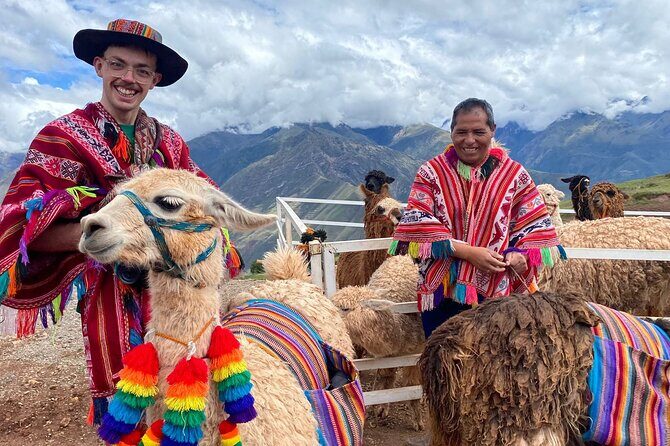
- Leisurely Andes walk with llamas and alpacas and a guide who keeps the pace friendly
- Community views with sheep, donkeys, and pigs you’ll see while walking through daily life
- Hands-on feeding with fresh grass during and after the walk
- Private teaching from Hilda on Andean textiles, including the coloring process
- Andean Colors boutique stop with hundreds of authentic artisan textiles plus fine leather goods
Starting in the Racchi Ayllu orbit: where you begin and where you end
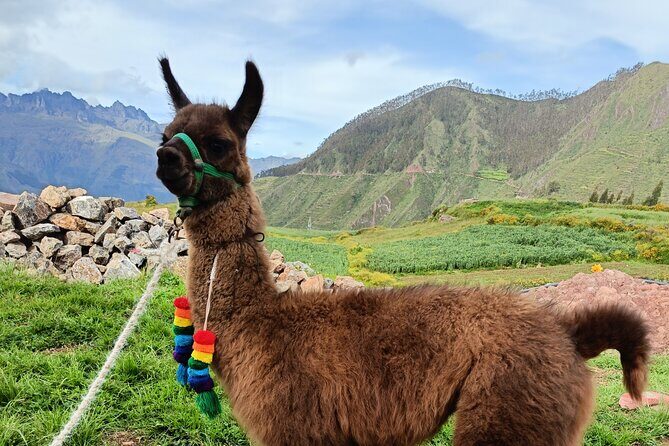
You’ll start at Machu Colca Jirón Grau 3314, Urubamba 08670, Peru. From there, the tour is designed as a smooth, guided loop that ends at the Andean Colors location in Racchi Ayllu, where you can shop. In the details, it also notes returning back to your meeting point area, so I’d treat Racchi Ayllu/Andean Colors as the final “anchor stop” where the experience culminates.
This is a private tour/activity, meaning it’s only your group. That matters more than it sounds. Fewer people makes it easier to enjoy the animals calmly and ask questions during the textile lesson without hearing your guide over a crowd.
You’ll also get a mobile ticket, and the tour is offered in English. If you’re trying to fit something culture-forward into a tight Cusco region schedule, this format is easy to slot in.
You can also read our reviews of more tours and experiences in Cusco.
The mountain walk: calm pace, real views, and smart photo timing
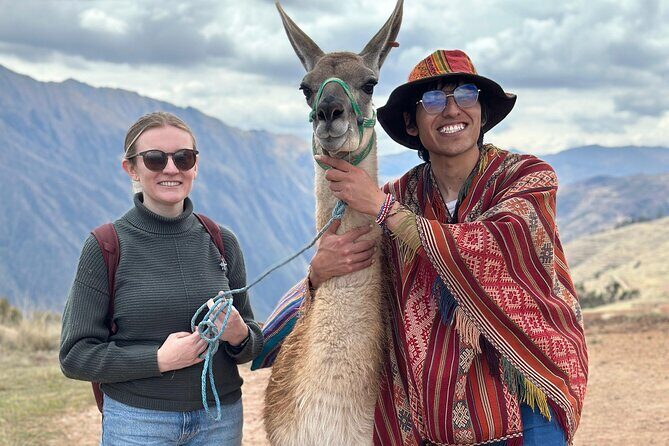
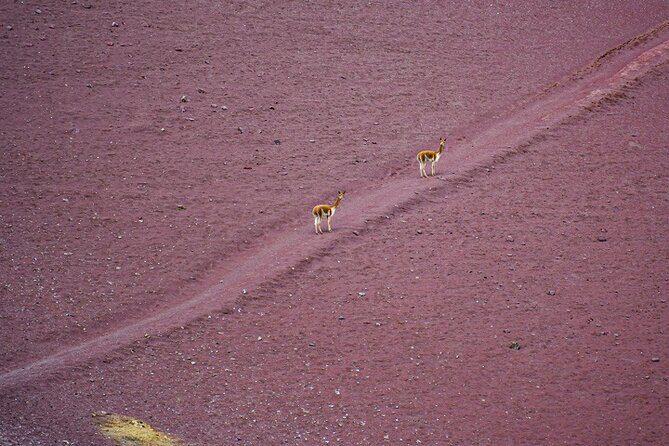
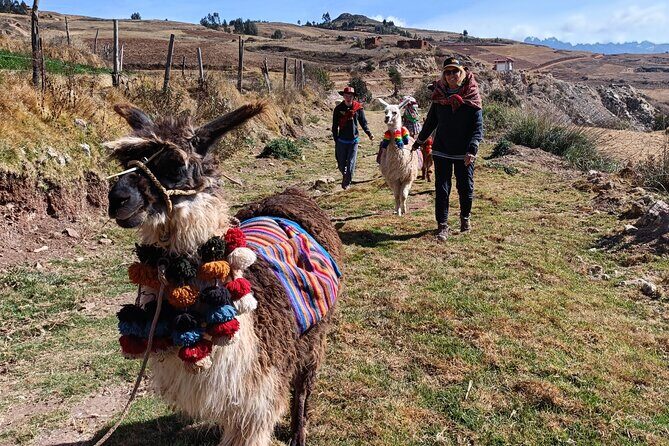
The heart of the experience is a leisurely walk through the Andes region—think scenic, not sporty. You’re walking with friendly llamas and alpacas, and the guides also bring assistants to manage the animals, so you’re not left wrestling a stubborn alpaca while trying to take a photo (a common travel hobby you can skip).
The walking segment is described as taking you through mountain scenery with Andes and Sacred Valley views. You’re not just passing by scenery. You get time to notice details: how the animals move, how the local community sits within the terrain, and where the best sightlines are for photos.
From the way the experience is paced in real visits, expect a substantial walk time (one account mentions about an hour of walking), then the day slows down again for the feeding and the textile teaching. I like that rhythm. It’s active enough to feel like you left town, but not so long that you’re wiped out right before the cultural part.
Seeing daily life in a working community (sheep, donkeys, pigs included)
One of the best ways to understand places like this is to see animals where they belong—in daily routines, not on a performance schedule. During the walk, you’ll observe a local community with sheep, donkeys, and pigs.
This is the part that feels most “you are here, not at an attraction.” You’re not just looking at mountains. You’re watching how people manage animals around them. That also changes the tone of the experience. It’s not a carousel. It’s a lived-in place.
The practical benefit: you’ll likely feel more relaxed around the llamas and alpacas because the whole setting makes sense. You’re moving through a working environment where animal presence is normal.
Feeding llamas and alpacas with fresh grass: the hands-on payoff
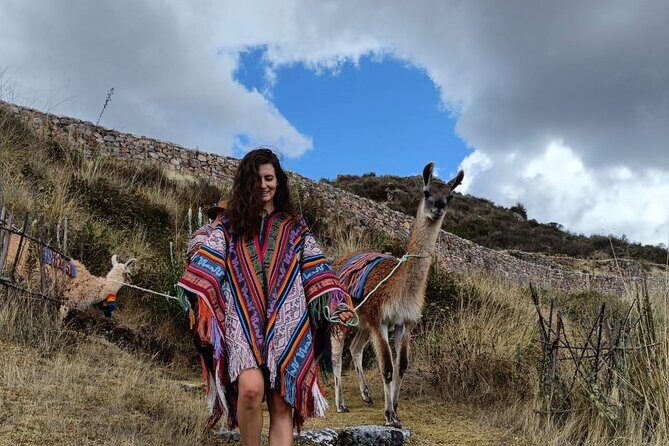
After (and during parts of) the walk, you get the chance to feed the llamas and alpacas. The tour includes fresh grass for you to feed them, plus assistants who handle animal management.
This is where the experience turns from scenic to personal. Feeding is one of those small activities that’s unexpectedly memorable because it slows you down. You’ll notice how calm the animals are, how they respond, and how much easier it is to take good photos when you’re standing still and letting them come close.
One reviewer also described the tour as meditative, and I get that. The pace and animal interaction naturally pull your attention away from phones and toward the moment. If you’re traveling with kids or a mix of ages, feeding time is usually the section that wins everyone over.
Textiles at Andean Colors: Hilda’s teaching and the coloring secrets
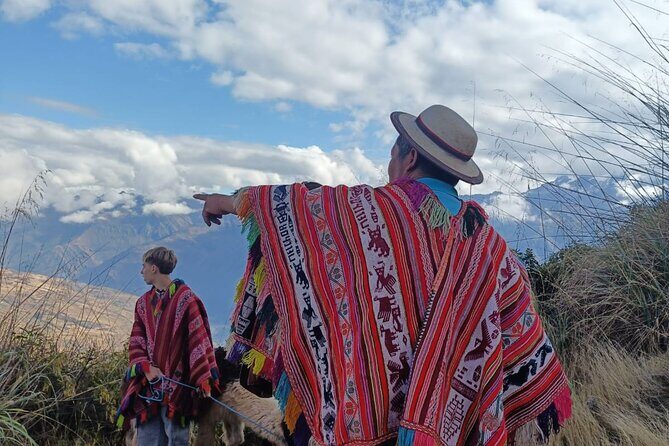
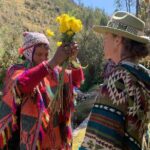
Then you transition from outdoors to indoors, and that change is a big part of the value. The tour includes a talented artisan who shares the secrets of Peru’s famous textile-making process. In real visits, Hilda—who started the Andean Colors collective—shows up as the key storyteller.
This part is not just shopping with a lecture slapped on top. You get a teaching about the textile-making and coloring process, and the idea is to understand what you’re seeing before you buy. That makes the boutique visit feel smarter, not random.
Here’s why I think this matters for your trip: Andean textiles can be confusing at first glance. Colors, patterns, materials—everything looks beautiful, but without context, it’s easy to wonder what you’re actually paying for. A teaching helps you shop with your eyes open. You can ask better questions and recognize craftsmanship rather than just picking something that looks nice in a photo.
If you enjoy craft, design, or “how it’s made” experiences, this section is the anchor. If you don’t care much about textiles, the teaching is still worth it because it explains the cultural logic behind what you’ll see in the shop.

The Andean Colors boutique: hundreds of textiles plus fine leather goods
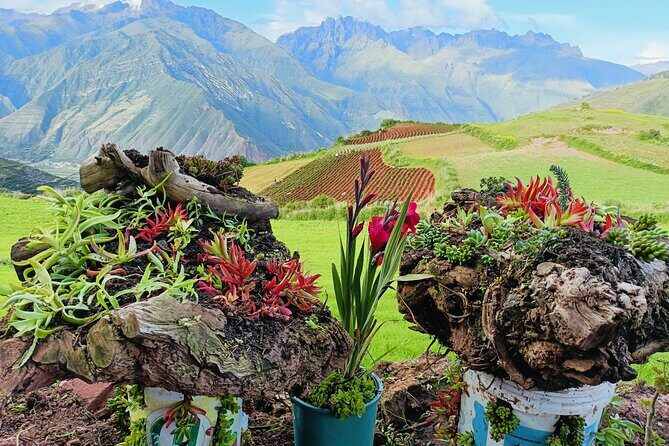
After the textile teaching, you can shop at the huge Andean Colors boutique. It’s described as having hundreds of authentic artisan-created textiles and fine leather goods.
I recommend going with one mindset and one rule:
- Mindset: you’re there to browse with context, not to rush.
- Rule: if something catches your eye, pause and ask about materials and process first. That’s when the teaching pays off.
Because the shop is large, it’s easy to feel like you’ll miss everything. So take your time in layers: patterns first, then materials, then any sizing or usage details. And if you’re buying gifts, consider picking one piece that you really understand, not five pieces that just look pretty.
Also, a small but delightful detail from a real visit: there was peach tea. It’s not a reason to book, but it’s the kind of human touch that makes the whole ending feel warm and welcoming.
Weather, clothing, and small on-the-ground realities
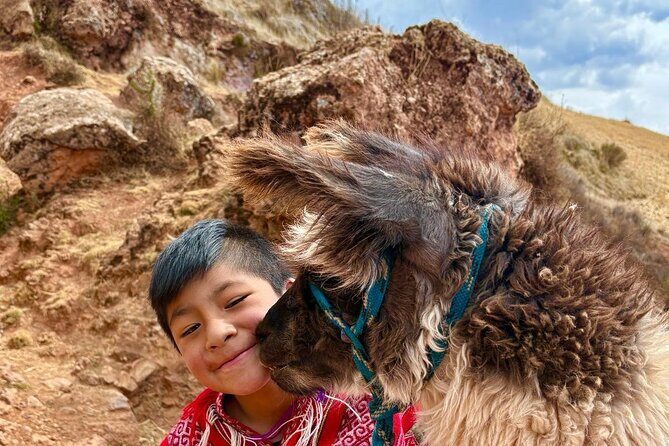
This is the one consideration I’d flag most clearly: weather can affect the comfort level. In one visit, the guide met the group with ponchos and hats to protect from light rain. The same visit included light rain and mud, yet the experience still worked beautifully.
So, plan for slippage. Wear shoes that handle damp ground. If you’re coming from Cusco’s sometimes-changeable weather, bring a light rain layer even if the forecast looks calm that day. Mud happens fast in mountain regions.
Also remember: bottled water and soda/pop are not included. I’d plan to bring water (or find a spot to grab it before you meet up). Two hours is short, but altitude days and animal walks can add up faster than you expect.
Price and value: $30 for animals plus textile context
At $30 per person for about two hours, this is a solid value when you compare what you get. You’re paying for:
- A guided mountain walk with llamas and alpacas
- Animal assistants and included grass for feeding
- A textile artisan teaching focused on the process and coloring
- A full stop at a major boutique with many artisan products
The reason this feels like value is that the time isn’t split awkwardly. You’re not just doing animals and then leaving. You get a cultural follow-through that helps you understand what you’re buying and why.
Does it include transportation? No—private transportation isn’t included. But the tour is near public transportation, and in at least one real visit, the team helped arrange roundtrip transportation. That’s a nice extra if you want help figuring out logistics without turning it into your whole day.
Who should book this (and who might skip it)
This tour is a great fit if you want:
- A friendly animal experience that stays calm and guided
- Real community context, not just staged views
- A craft-focused ending where you learn before you shop
- A short excursion that works for mixed ages (one family included ages 11, 18, and 21 and everyone had a good time)
I’d consider skipping if you hate animal interaction or you’re only interested in big-ticket sightseeing with no time spent on textiles. This is intentionally personal and hands-on. If that’s your style, you’ll likely enjoy it a lot.
Also, because the average booking is about 33 days in advance, I’d reserve early if your dates are firm. Popular animal-and-craft experiences tend to fill once people hear about them.
Should you book ANDEAN COLORS llama and alpaca experience?
Yes, if you like experiences that connect the outdoors to local craft. I think this one works because it doesn’t treat the animals and textiles as two separate boxes. You walk through place, then you learn the making process behind what you’ll see and maybe buy.
Book it if you want a guided, private-group feel, with time to feed llamas and alpacas and a teaching from Hilda that gives you real context. Bring water, expect possible mud, and wear shoes that can handle wet ground. Do that, and you’ll end with both photos and a story you can explain back at home.
FAQ
How long is the Llama & Alpaca Experience?
It’s approximately 2 hours.
How much does it cost?
The price is $30.00 per person.
Where does the tour start and where does it end?
The start is listed at Machu Colca Jirón Grau 3314, Urubamba 08670, Peru. The end point is at ANDEAN COLORS in Racchi Ayllu, and it also notes that the activity ends back at the meeting point.
Is this tour private?
Yes. It’s private, so only your group participates.
What’s included in the tour price?
Included are a local guide, llamas and alpacas to accompany you, experienced assistants to manage the animals, fresh grass for you to feed them, and an artisan who shares the secrets of Andean textiles.
What language is the tour offered in?
It’s offered in English.
Is bottled water included?
No. Bottled water is not included.
What is the cancellation policy?
Free cancellation is available up to 24 hours in advance for a full refund.