REVIEW · CUSCO
Half-Day City Tour Cusco with Inca museum
Book on Viator →Operated by Peru4Fun Servicios Turísticos EIRL · Bookable on Viator
Cusco keeps its best secrets in plain sight. This half-day tour strings together major Inca sites plus the Museo Inka, with a guide who makes the stones and stories connect fast. I like that it’s built for history-minded visits without wasting your day in logistics.
Two things I especially love: priority access that cuts down waiting and an all-in approach where admission fees are covered, so you’re not hunting tickets around town. The only real drawback is that it’s a packed route with set time windows—if you hate being timed, you may feel a little rushed while moving between sites.
In This Review
- Key Highlights You’ll Care About
- Cusco in One Tight Half-Day: what you’ll really see
- Hotel Pickup and Priority Entry That Protects Your Time
- Sacsayhuaman: the Inca Fortress and Its Visitor Tunnels
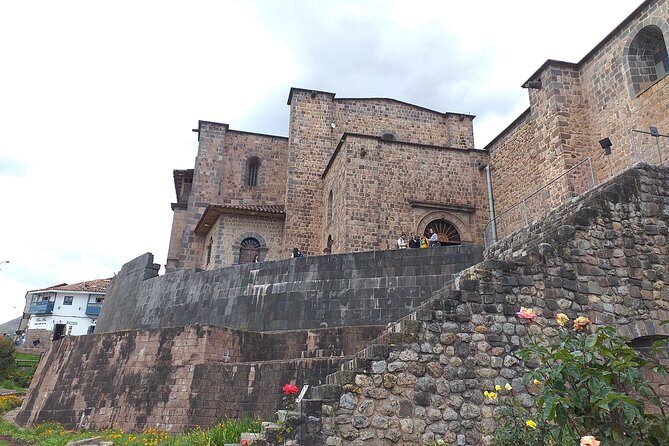
- Qorikancha and the Sun Temple Walls That Withstood Earthquakes
- Tambomachay’s Water Channels: why people argue about its purpose
- Q’enqo’s Labyrinth Hill and the Underground Details
- Museo Inka at Casa del Almirante and Huáscar’s House
- Pacing, Walking, and Altitude Reality Checks
- Price and Value: does $99.99 add up for this route?
- What to Bring in Cusco Weather (and for High-Altitude Comfort)
- Should You Book This Tour with Inca Museum?
- FAQ
- How long is the Cusco half-day city tour with Inca museum?
- Does the tour include hotel pickup and drop-off?
- What sites are included on the tour?
- Are entrance fees included?
- What language is the tour offered in?
- What do I need to bring?
- Is food and drinks included?
- What departure times are available?
- Is this a private tour, and what’s the cancellation policy?
Key Highlights You’ll Care About
- Sacsayhuaman’s fortress views plus visitor features like tunnels and slides that people seem to enjoy
- Qorikancha’s sacred power, including the stone walls’ famous finishing and earthquake history (1650, 1749, 1950)
- Tambomachay’s water system, with an uncertain purpose that sparks great guide talk
- Q’enqo’s labyrinth idea, including underground galleries and carved channels
- Museo Inka in Casa del Almirante, a colonial house tied to Huáscar’s time in Cusco
Cusco in One Tight Half-Day: what you’ll really see
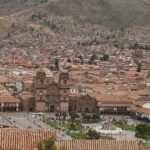
This tour is for when you want “big Cusco” without spending the whole day on the bus. In about six hours, you cover multiple standout Inca sites around the city and then finish with Museo Inka, located in a colonial-era building in Cusco’s historic fabric.
The route is interesting because it shows Inca Cusco from different angles. You’re not only looking at temples or walls. You’re seeing how the Incas shaped defense, worship, engineering (yes, water counts), and ceremonial spaces—then topping it off with a museum in a building that adds context to the story.
One practical note for your body: Cusco sits at high altitude, and even “short” walks can feel like a workout. I treat this kind of day like a sprint with breaks. Bring layers, move at your pace, and don’t plan to go full-throttle afterward.
You can also read our reviews of more city tours in Cusco
Hotel Pickup and Priority Entry That Protects Your Time
A big reason this tour works is the hassle-free hotel pickup and drop-off. If you’re already dealing with altitude and settling in, it helps to have someone handle the start and end. You also travel in an air-conditioned vehicle, which is a welcome reset when the city’s pace gets loud.
The other time-saver is priority access, which means you’re not stuck waiting in lines at the main entry points. That matters in Cusco, where time can disappear quickly once you add traffic, brief stops, and the simple fact that you’ll want a few extra minutes for photos.
You also get a mobile ticket, and you’ll want to have your documents ready. A current valid passport is required on the day of travel, so I’d keep it easy to grab.
Finally, the company runs departures every hour from 7am to 2pm, which is handy if you’ve got a flight later or a reservation the same day.
Sacsayhuaman: the Inca Fortress and Its Visitor Tunnels
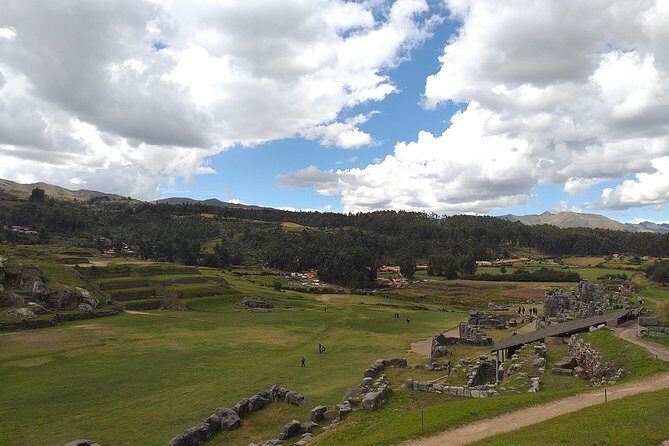
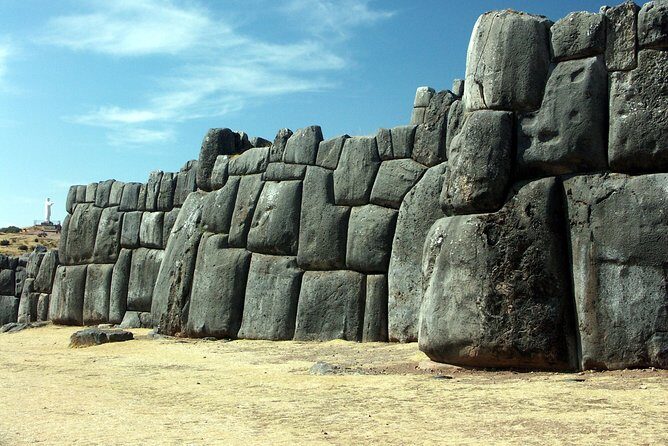
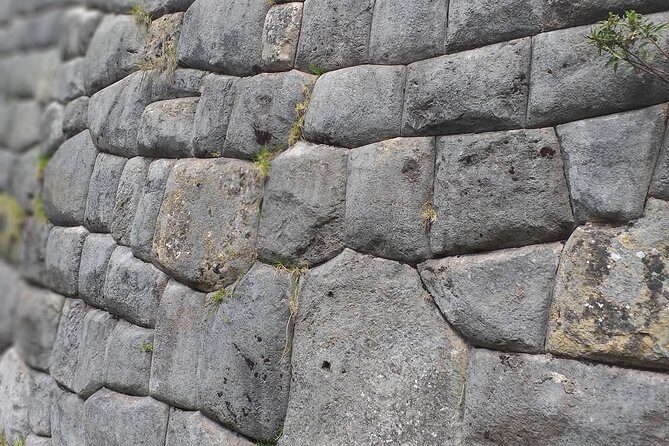
Sacsayhuaman is the kind of place where your brain goes: wait, how did they do this? This fortress sat on elevated rocky ground facing north, outside the core of Inca Cusco. Even before your guide starts talking, the scale sets the tone. Huge stonework, steep angles, and a setting that feels made for power and surveillance.
You’ll typically spend about one hour here. That’s enough time to take in the overall layout and still hear a clear explanation of why it mattered to the Inca capital. If you’re traveling with kids or just enjoy odd little site features, you might find visitor areas such as slides and tunnels that people in the feedback specifically called out.
The tradeoff is that it’s still a site you’ll walk through, and uneven ground can slow you down. If you want to linger on every wall detail, this hour can feel short. My advice: listen first for the story, then look second—your photos will make more sense.
Qorikancha and the Sun Temple Walls That Withstood Earthquakes
Next comes Qorikancha, often described as one of the Incas’ most sacred temples. This is not presented as a random stop. It’s framed as a center of worship for the Sun deity Inti—and the temple’s importance came not only from its religious role but also from how fully it was devoted to ceremonies.
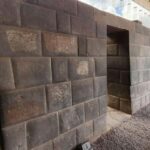
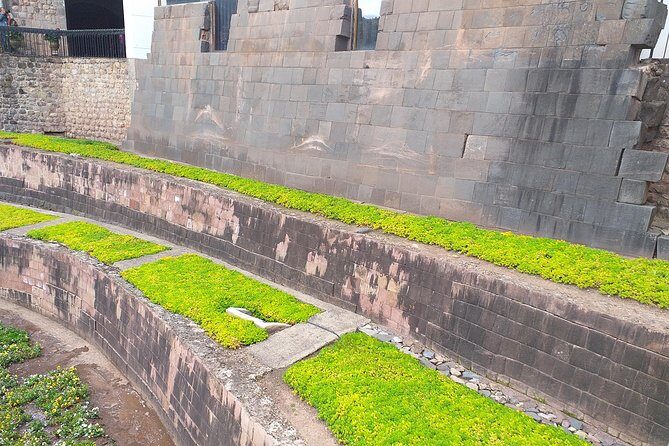
Plan on about 45 minutes here. In that time, you’re likely to notice how the stones are finished and placed. The tour focus includes the idea that the walls use calcite and andesite, with a finish that’s described as holding up over time.
One especially striking detail you’ll hear: Qorikancha’s walls endured major earthquakes, listed as 1650, 1749, and 1950. That’s useful context when you’re staring at stone that looks almost too clean. It reframes the site as more than “pretty ruins.” It’s engineered endurance.
If you’re the type who wants space to wander alone and read every plaque, 45 minutes may feel tight. But the upside is you won’t get bored. The guide’s job is to help you see why this was a showpiece—and the time window forces you to focus.
Tambomachay’s Water Channels: why people argue about its purpose
Tambomachay is where the tour gets fun in a different way. It’s described as aqueducts, canals, and waterfalls running through terraced rocks. That alone makes it visually different from the fortress-and-temple rhythm of the day.
You’ll usually spend about one hour, and this stop tends to spark thoughtful conversation. The function of Tambomachay is uncertain: it may have served as a military outpost guarding approaches to Cusco, it may have worked as a spa resort for Inca political elites, or it could have been both.
That uncertainty is actually a plus for your visit. A good guide can show how Inca water engineering often had practical and symbolic sides at the same time. You’re not just watching water run—you’re learning how people likely used, controlled, and interpreted it.
One consideration: because it’s a water site, the ground can be slick in spots depending on conditions. Wear shoes with grip and take it slow. If you’re hoping for a “quick photo and done” stop, this one can tempt you to stand and watch the channels longer.
You can also read our reviews of more museum experiences in Cusco
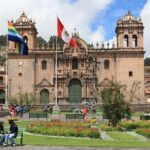
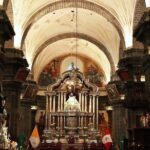
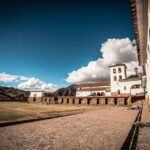

Q’enqo’s Labyrinth Hill and the Underground Details
Then you hit Q’enqo, a sanctuary whose original name isn’t known. The Spanish conquerors used a name connected to the Quechua word for labyrinth, and that’s where the stop’s identity gets interesting: a maze-like idea, including underground galleries or smaller carved channels on the rock.
Expect about 30 minutes. This is a quick hit, which keeps the rest of the day from dragging. It also means you’ll want to pay attention early: the carvings and channels often read better when you know what to look for.
The “labyrinth” angle isn’t just a poetic label. It’s a way to frame the engineering and ritual space together. Even if you’re not a stone-detail person, it’s one of those stops where your guide’s interpretation can turn “odd shapes” into a meaningful design.
The drawback is simple: at half an hour, you’ll be moving. If you love slow archaeological wandering, treat Q’enqo as a highlight you catch with your attention fully on.
Museo Inka at Casa del Almirante and Huáscar’s House
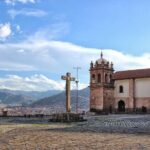
After the outdoor sites, the day shifts to Museo Inka. This is located in Cusco in a colonial house called Casa del Almirante, which previously had the name Archeology Museum. The building matters because it adds another layer to the Cusco story: it was the house of Huáscar during the Inca Empire.
You’ll typically have about one hour inside. That hour is a good balance after the field stops. Outdoors you see monumental structures; in the museum you get help putting objects, symbols, and historical context into a clearer order.
Also, the building itself is part of the experience. It’s described as built by Admiral Francisco Alderete Maldonado in the early 17th century. That time jump—from Inca rule to colonial Cusco—helps you understand why Cusco feels like layers stacked on layers.
If you’re the type who reads everything slowly, you might wish you had more time. But one hour in a museum after a half-day circuit is usually enough to leave with real takeaways, not just fatigue.
Pacing, Walking, and Altitude Reality Checks
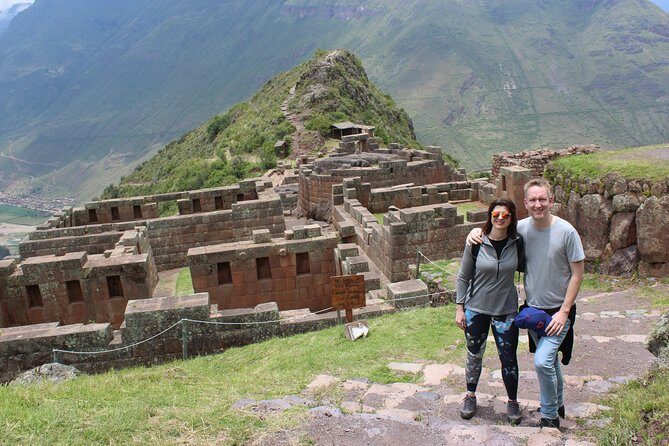
This tour is designed to work for most people, and the private nature means you’re not fighting for space with strangers. But it’s still a packed day. Expect a rhythm: short drive, a guided stop, some walking on uneven terrain, then back on the vehicle.
The time windows are part of the design:
- Sacsayhuaman: about 1 hour
- Qorikancha: about 45 minutes
- Tambomachay: about 1 hour
- Q’enqo: about 30 minutes
- Museo Inka: about 1 hour
That’s why priority access helps. It keeps momentum, so you spend more time looking and less time waiting. It also explains why guides in the feedback are often praised for pacing—people want the day to feel full without feeling rushed.
Altitude changes your energy fast. My practical trick: treat each stop like a mini mission. Decide what you want to notice in the first few minutes (stonework? water channels? carved channels?), then let the rest of the visit build from that.
Price and Value: does $99.99 add up for this route?
At $99.99 per person, the big question isn’t just the number—it’s what you’re getting for it. Here, the value is strong because admission and permits are included, and you’re not paying those entry costs separately. The tour also includes a professional bilingual guide, air-conditioned transport, and hotel transfers.
For a route that hits multiple major sites plus a museum, that can save you time and money compared with trying to DIY it. Cusco’s compact historic center and surrounding Inca sites are doable on your own, but you’d still need to juggle tickets, timing, and transport.
There’s also the “stress factor.” Having pickup, drop-off, and priority access reduces the mental load when you’re adjusting to altitude. I’d rather spend $100 on that kind of clarity than waste half a day figuring out logistics.
What’s not included is food and drinks, plus travel insurance and personal expenses. So budget for a snack or meal on your own. A half-day tour can still leave you hungry—especially if you’re walking more than you expected.
What to Bring in Cusco Weather (and for High-Altitude Comfort)
Cusco weather can change quickly, so come prepared. The tour guidance is to bring weather-appropriate clothing and your passport. Comfortable walking shoes matter because several sites involve uneven surfaces and stairs.
Layers are your friend. Bring sunscreen and consider a hat, since high altitude sun can sneak up on you. A small backpack helps for personal items, and if you like photos, plan to pack a camera—there’s plenty to shoot at Sacsayhuaman’s heights, along the water at Tambomachay, and in the stonework details at Q’enqo.
Dress code is smart casual. That usually means comfortable pants or walking-friendly clothes, not anything too formal. You’ll be outside for parts of the day, so keep it practical.
Should You Book This Tour with Inca Museum?
Book it if you want the Cusco highlights without spending your day building a plan. This route makes sense when you’re history-focused, short on time, or trying to get your bearings fast in Cusco. The combination of Inca sites plus Museo Inka helps you connect what you see in the landscape to what you learn about the people who lived there.
Skip it (or consider a slower option) if you hate time limits. This tour is set up with specific durations per stop, and you’ll move along that schedule.
If you do book, pick a departure time that leaves buffer for tired legs later in the day. Cusco rewards smart pacing. Get out, learn a lot, and then give yourself time to enjoy Cusco’s nights—because you’ll have earned it.
FAQ
How long is the Cusco half-day city tour with Inca museum?
It runs for approximately 6 hours.
Does the tour include hotel pickup and drop-off?
Yes. Hassle-free hotel transfers are included, with pickup and drop-off provided.
What sites are included on the tour?
You’ll visit Sacsayhuaman, Qorikancha, Tambomachay, Q’enqo, and Museo Inka.
Are entrance fees included?
Yes. Admission fees, taxes, and permits are included in the package.
What language is the tour offered in?
The tour is offered in English. It may be operated by a multi-lingual guide.
What do I need to bring?
You should bring weather-appropriate clothing and a valid passport (required). Comfortable walking shoes and layers are recommended, plus sunscreen and a hat for high altitude.
Is food and drinks included?
No. Food and drinks are not included.
What departure times are available?
Departures run every hour from 7am to 2pm. You should share your preferred departure time at booking.
Is this a private tour, and what’s the cancellation policy?
It’s private, meaning only your group participates. The experience is non-refundable and cannot be changed for any reason.