REVIEW · CUSCO
Half-Day Acclimatization Hike with Llamas and Alpacas in Cusco
Book on Viator →Operated by Rainbow Mountain Cusco Agency · Bookable on Viator
Altitude in Cusco can be sneaky, so I love that this hike is built for easing in. You get a small-group morning walk with llamas and alpacas plus free-entry Inca sites that move at a comfortable pace. You’ll also have a guide with you the whole time, and the route is spread across several archaeological stops instead of one big, exhausting push.
Two things I really like: the maximum 15-person group size keeps things calm, and the guides seem to bring real personality and patience, with names like Ruben, Fabiana, Holgar, and even Irma showing up in the llama wrangling role. The main drawback to plan for is altitude effort: even if the walk is mostly gentle, this still isn’t a flat day at sea level.
In This Review
- Key highlights to know before you go
- A 9:00am Cusco acclimatization hike that keeps altitude in mind
- What the llamas and alpacas add (beyond being cute)
- Tambomachay: a calm start 20 minutes from Cusco
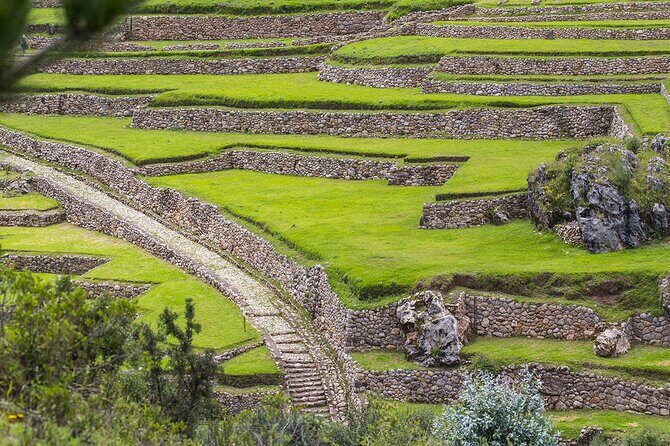
- Inkilltambo and Rumiwasi ruins: intact Inca roads on the edge of town
- Templo de la Luna: moon carvings and imperial-era ritual space
- Kusilluchayoc (Temple of the Monkeys): carvings you’ll notice more slowly
- Guides make the difference: Ruben, Fabiana, Holgar, and Irma’s role
- Price and value: is $110 per person fair?
- Logistics that matter on a high-altitude hike
- How hard is it, really?
- Who should book this (and who might choose differently)
- Should you book the Cusco llama and alpaca acclimatization hike?
- FAQ
- What is the duration of the Cusco half-day acclimatization hike?
- What time does the tour start?
- How many people are in the group?
- Is hotel pickup included?
- What language is the guide available in?
- Are entrance fees included for the archaeological sites?
- What food is provided, and what should I bring for drinks?
- Does the tour run in bad weather?
- How much does it cost?
- Is free cancellation available?
- Can most travelers participate?
Key highlights to know before you go
- Max 15 people, guide close by: More attention, fewer bottlenecks, and less stress when you’re adjusting to altitude.
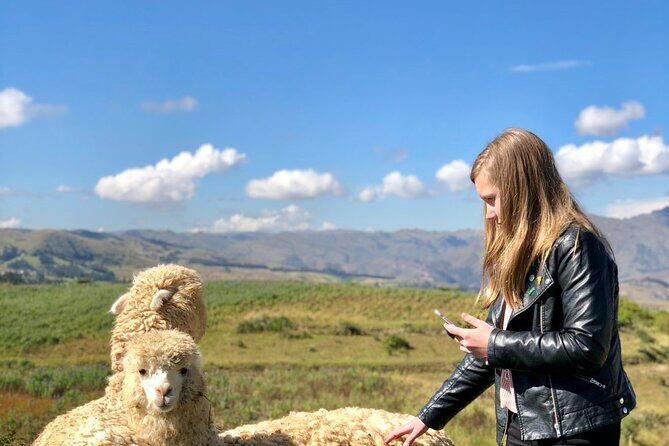
- Llamas and alpacas during the walk: It turns a practical acclimatization outing into a fun, memorable experience.
- Several Inca sites in one half-day: Tambomachay, Inkilltambo/Rumiwasi, Templo de la Luna, and Kusilluchayoc.
- Free admission and extra time: You’re not just passing through; you get time to look around.
- Hotel pickup plus transportation: Less hassle before you start climbing (or at least ascending).
- Snacks included, drinks not included: Bring water and plan for hydration on the trail.
A 9:00am Cusco acclimatization hike that keeps altitude in mind
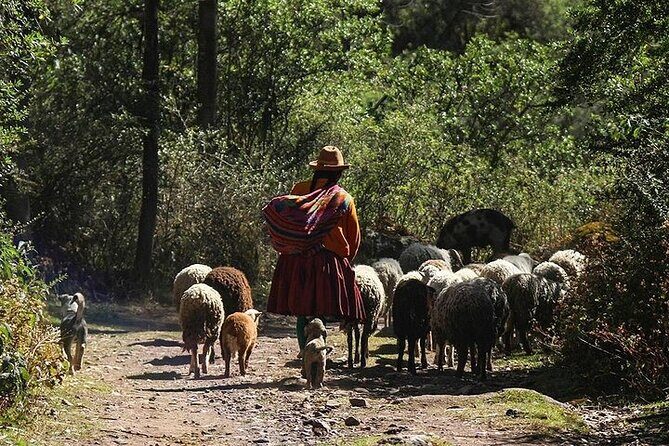
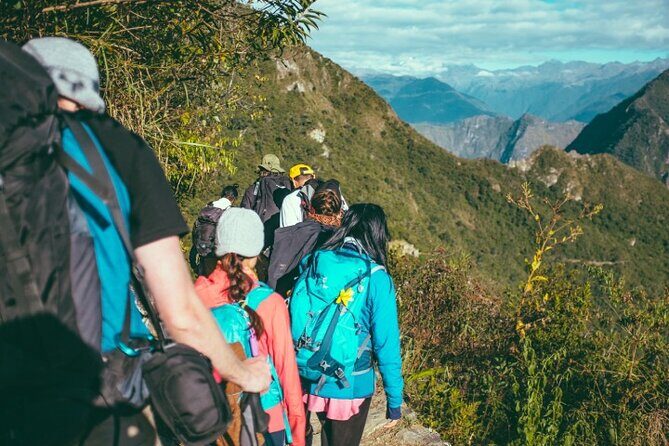
This is a half-day hike (about 4 hours) that starts at 9:00am, perfect for your first few days in Cusco when you want movement but not chaos. The structure is the point: you’re not doing one long, punishing trek. Instead, you’re walking and pausing at multiple sites, which helps you find your rhythm as your body adjusts.
The tour also runs with hotel pickup and transportation included, so you’re not spending your precious acclimatization window fighting taxi lines or figuring out where to meet. That matters, because in Cusco mornings can be busy, and you’ll feel better if you show up not already stressed.
You can also read our reviews of more hiking tours in Cusco
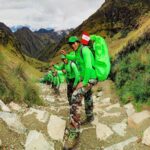
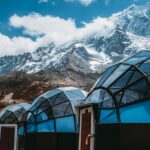
What the llamas and alpacas add (beyond being cute)
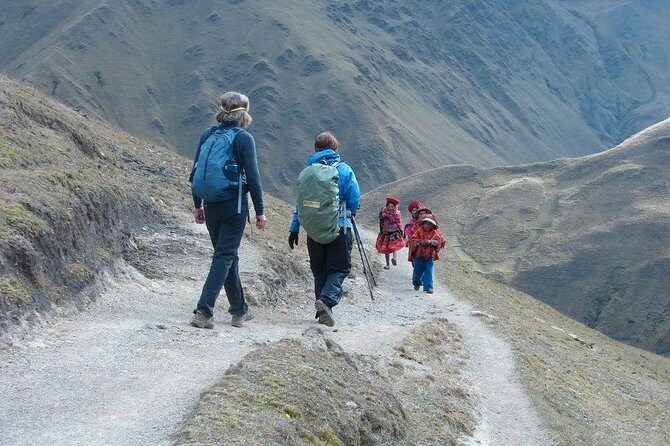
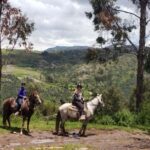
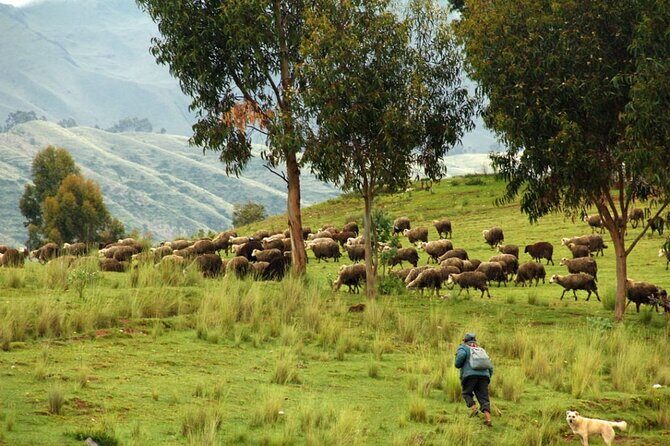
Yes, llamas and alpacas are adorable. But the real value is how the animals shape your pace and attention. When you’re walking with them, you tend to slow down naturally, watch where you step, and stay focused on the moment rather than racing to the next stop.
From the guides’ approach (with people like Ruben and Holgar in the leadership mix), the tour also keeps things organized when it comes to working with the animals. Irma, for example, gets specifically mentioned for wrangling, which tells you this isn’t just a photo-op and send-off. You should expect real handling and guidance so the walk feels controlled.
If you want a Cusco experience that’s different from the usual ruins-and-repeat tour, this one does that early in your trip. It’s also a good match if you want something memorable that still feels manageable while altitude is working on you.
Tambomachay: a calm start 20 minutes from Cusco
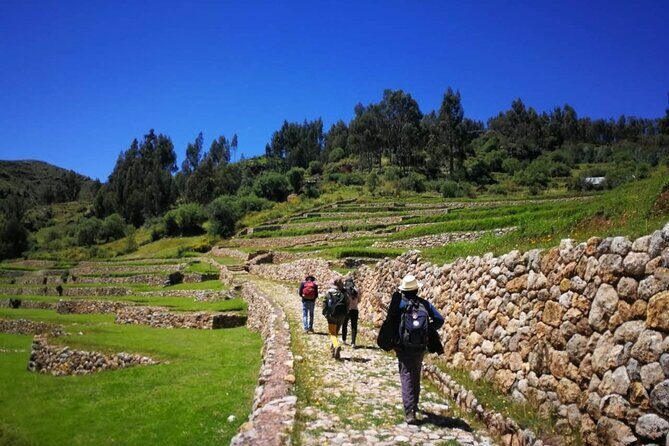
Stop one is Tambomachay, a small Andean area about 20 minutes from Cusco. It’s known as a place where farming is still practiced and where you can see ancient-style tools still in use. That combination of old and living culture makes the start feel less like you’re jumping straight into a monument and more like you’re easing into the Cusco region.
You’ll spend about one hour here, and admission is free. That free access is more than a nice perk. It means your time is focused on looking, learning, and walking gently without feeling like you’re paying again and again just to stand near a wall.
Practical tip: take the first part slow. Even though this is “acclimatization,” you’ll still feel the altitude. Sip water early and don’t try to match your normal pace.
Inkilltambo and Rumiwasi ruins: intact Inca roads on the edge of town
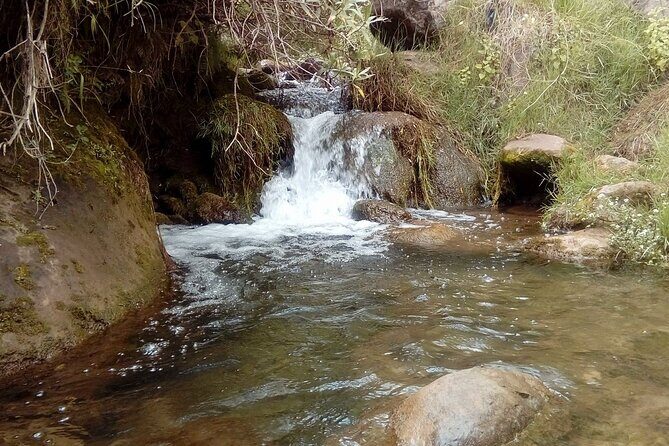
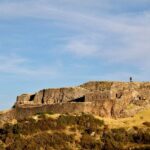
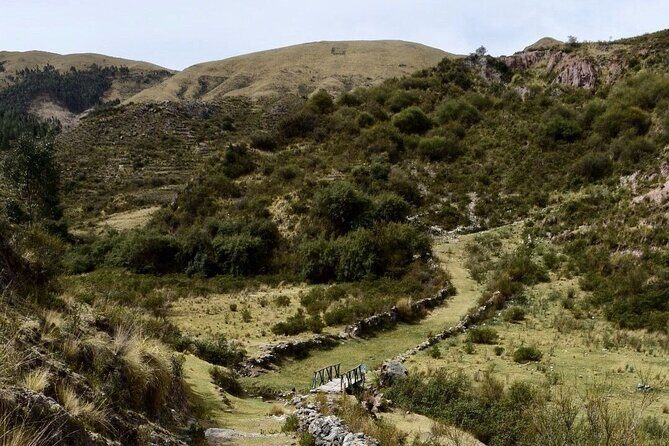
The next stop is Inkilltambo on the Rumiwasi route, described as a trail on the outskirts of Cusco where you can still see intact Inca roads. That’s the kind of detail that makes a difference when you’re trying to understand how the Inca moved people and goods through the terrain.
This stop also runs about one hour with free admission. Here, you’ll see archaeological ruins and sacred Inca temples, with a different focus at each site component along the way. The route is also recommended for families, with the vibe of a picnic hike through the Andes—so it’s not designed to feel like a military march.
Why I think this stop works well for acclimatization: the trail style is meant to be exploratory. You get to look at ruins while keeping your effort at a reasonable level. If you’re planning more intense Cusco excursions later, this is the sort of hike that prepares your body without stealing all your energy.
Templo de la Luna: moon carvings and imperial-era ritual space
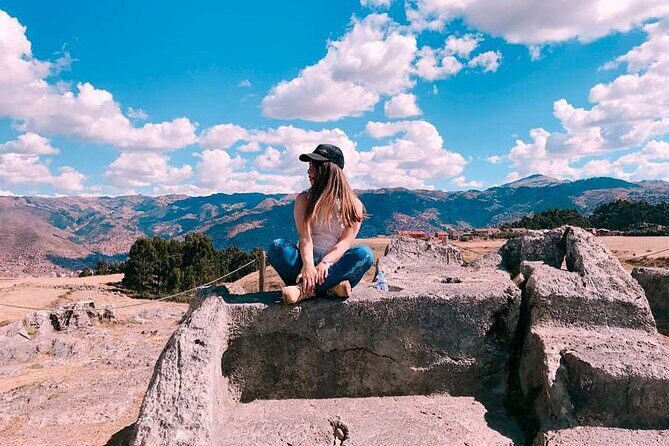
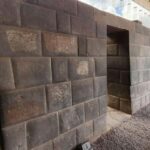
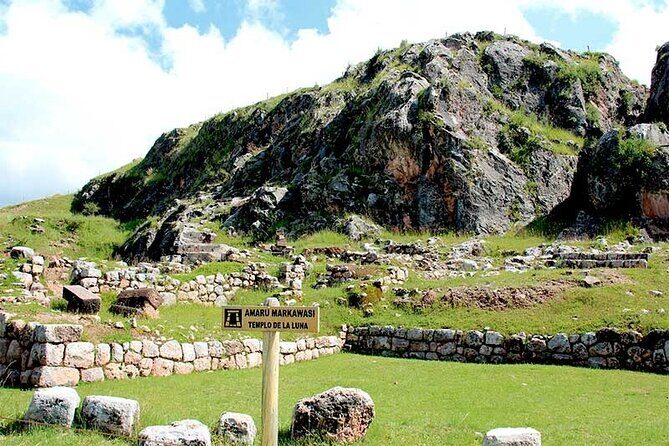
Stop three is Templo de la Luna, a rock-carved site connected to the Imperial Inca period (1438–1532 AD). The theme here is clear: rituals dedicated to the Moon, and also references to deities like Pachamama (Mother Earth). You’ll hear how the carvings relate to ceremonial use, including the visible moon-figure carved into the rock.
You’ll get about one hour at this stop, and again admission is free. From a value standpoint, this matters because you’re getting context, not just scenery. Sites like this can feel confusing if you don’t know what you’re looking for, and a good guide turns the carvings into something you can actually picture.
Altitude reality check: sit down, breathe, and take your time. Rock carving sites can look close on a map, but the stairs and uneven steps add up. Use the guide-led pauses as part of your pacing strategy.
You can also read our reviews of more tours and experiences in Cusco


Kusilluchayoc (Temple of the Monkeys): carvings you’ll notice more slowly
Stop four is Kusilluchayoc, also referred to as el templo de los monos. This is an ancient Inca temple that’s thought to have been used by tribes associated with the jungle region. You’ll see rock carvings of monkeys and a notable heart-shaped rock carved in an identifiable human-heart form.
This stop is also about one hour and admission is free. The “why it’s worth your time” part is simple: it’s one of those places where the carvings reward close viewing. If you rush, you’ll miss the details. If you slow down, you’ll spot the shapes and symbols that make the site feel distinct from the others.
The tour also positions this stop near an Inca trail that leads toward Cusco city, which gives you a satisfying sense of the route continuing beyond where the hike ends.
Guides make the difference: Ruben, Fabiana, Holgar, and Irma’s role
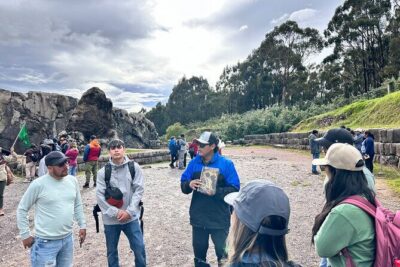
With tours like this, the guide is the main ingredient. A great guide does two things at once: they keep you safe, and they help you make sense of what you’re seeing so the hours don’t feel like a checklist.
This tour’s setup includes a professional multi-lingual guide (English and Spanish) who’s with you the whole time, and that shows in how the experience is described. Names like Ruben, Fabiana, and Holgar come up for being friendly, engaging, and knowledgeable. Irma is specifically noted for wrangling the llamas, which tells you the animal part is handled with care.
What you can take from that: expect patient explanations and a pace that works for a mixed group. That matters if you’re traveling with kids or if you’re early in your acclimatization plan.
Price and value: is $110 per person fair?
At $110 per person for about 4 hours, you’re paying for more than “a walk.” You’re paying for hotel pickup and transportation, a professional guide, snacks, and entrance tickets for archaeological sites (and the itinerary includes multiple stops with free admission).
Drinks aren’t included, so you’ll want to plan to bring or buy water. But the inclusion of snacks helps you avoid the classic Cusco problem: arriving hungry, then trying to hike while your energy crashes.
Is it worth it compared to a DIY morning? If you have limited time and want multiple Inca stops handled in one go, it usually is. You gain structure, access to the right places, and explanations that help you notice details you’d likely miss alone. And the small group size (max 15) is often where value shows up in real life, not just on a brochure.
Logistics that matter on a high-altitude hike
Start time is 9:00am, and the tour runs in all weather conditions with the advice to dress appropriately. At the same time, the experience can be canceled if weather is too poor, with an option for a different date or a full refund. So think of it like: you should dress for the day, but don’t assume every morning is identical.
Group size matters here. With up to 15 people, you’ll still deal with altitude and uneven ground, but you’re less likely to get stuck behind a big crowd at every stop. You also get better odds of asking questions when you actually have them.
Here’s what’s included:
- hotel pickup and transportation
- professional multi-lingual guide (English and Spanish)
- entrance tickets for archaeological sites
- snacks
What’s not included:
- drinks
How hard is it, really?
Even if the hike is described as mostly flat and leisurely, altitude can turn any walk into a workout. That’s not a marketing trick. It’s just Cusco physics.
If you’re sensitive to breathlessness, plan to go slower than you think you need. Take breaks, sip water, and don’t feel pressured to “keep up” the whole time. This is exactly the kind of outing you do before adding sharper, longer Cusco hikes.
Families can do it, but don’t treat it like a stroller stroll. You should be ready for uneven paths and periods of climbing at these archaeological stops.
Who should book this (and who might choose differently)
You’ll likely love this if:
- you’re in your first days in Cusco and want a practical acclimatization hike
- you want Inca sites without committing to a full-day trek
- you like animals, and you want them integrated into the walking plan
- you value small groups and a guide who stays close
You might choose something else if:
- you’re looking for a long, intense workout day (this is more easing-in than grinding)
- you prefer a totally self-paced outing with no animal handling and no structured stops
Should you book the Cusco llama and alpaca acclimatization hike?
If you’re trying to set yourself up for success on future Cusco hikes, this is a smart buy. It blends altitude-friendly pacing, multiple Inca sites with free admission, and a fun animal element that keeps the morning from feeling like homework.
I’d book it if you want an experience that’s both calm and meaningful: you walk, you learn, you pause, and you don’t burn all your energy on day one. And I’d skip or swap it only if you’re chasing a very strenuous challenge or if you know you’ll feel uncomfortable with animals near you.
Overall: it’s a well-structured way to acclimatize, see key Cusco-area Inca spots, and do it with a guide and a small group instead of trying to manage everything on your own.
FAQ
What is the duration of the Cusco half-day acclimatization hike?
It runs for about 4 hours.
What time does the tour start?
The start time is 9:00am.
How many people are in the group?
The tour has a maximum of 15 travelers.
Is hotel pickup included?
Yes, hotel pickup is included.
What language is the guide available in?
The guide is available in English and Spanish.
Are entrance fees included for the archaeological sites?
Yes, entrance tickets for archaeological sites are included, and the described stops note free admission.
What food is provided, and what should I bring for drinks?
Snacks are included. Drinks are not included, so you’ll want to plan for your own water.
Does the tour run in bad weather?
The tour operates in all weather conditions, but if it’s canceled due to poor weather, you’ll be offered a different date or a full refund.
How much does it cost?
The price is $110.00 per person.
Is free cancellation available?
Yes, you can cancel up to 24 hours in advance for a full refund.
Can most travelers participate?
Most travelers can participate.