REVIEW · CUSCO
From Cusco: City tour 4 ruins + Qoricancha
Book on GetYourGuide →Operated by Chullos Travel Peru · Bookable on GetYourGuide
Cusco’s stone and gold in one half-day. What I like most is the bilingual guide style (English or Spanish, real explanations as you walk), and the way Qoricancha is framed as a living religious complex rather than a quick photo. The trade-off is time can get stretched by extra stops along the way, so ruins time isn’t always perfectly paced.
Meet at Plaza de Armas and you’ll get picked up or directed to the right departure spot; guides like Werner and Angélica have been mentioned as attentive and helpful. Your day runs about 5 hours, with two start windows that make it easier to fit Cusco into a tight schedule.
In This Review
- Key Things to Know Before You Go
- Cusco’s Mix of Inca and Spanish Faith, in One Manageable Half-Day
- Entering Qoricancha: The Temple of the Sun Meets Spanish Cusco
- Sacsayhuamán’s Stone Walls and Why They Still Feel Impressive
- Qenqo’s Ceremonial Rock: Ritual Space Built Into the Natural Setting
- Puca Pucara: Cusco’s Defensive System, Not Just Another Ruin Stop
- Tambomachay: Water Worship, Canals, and Purification
- Price and What Actually Changes Your Final Cost
- Pickup, Start Times, and How to Avoid a Wasted Morning
- Altitude Prep That Doesn’t Feel Like a Lecture
- What the Best Guides Do Differently (Werner, Angélica, and Sam)
- When This Tour Feels Perfect vs. When It Doesn’t
- Should You Book This Cusco City Tour with Qoricancha?
- FAQ
- How long is the Cusco city tour with 4 ruins and Qoricancha?
- What does the price include?
- Are entrance tickets included?
- Where is the meeting point and what time do we start?
- Will the schedule change on Sundays?
- What should I bring and what should I avoid during the tour?
Key Things to Know Before You Go
- Qoricancha first: The tour kicks off at the Temple of the Sun, so you start with Cusco’s most iconic religious site.
- Inca military architecture: Sacsayhuamán’s stonework is the big “wow” moment for how the Incas engineered massive walls.
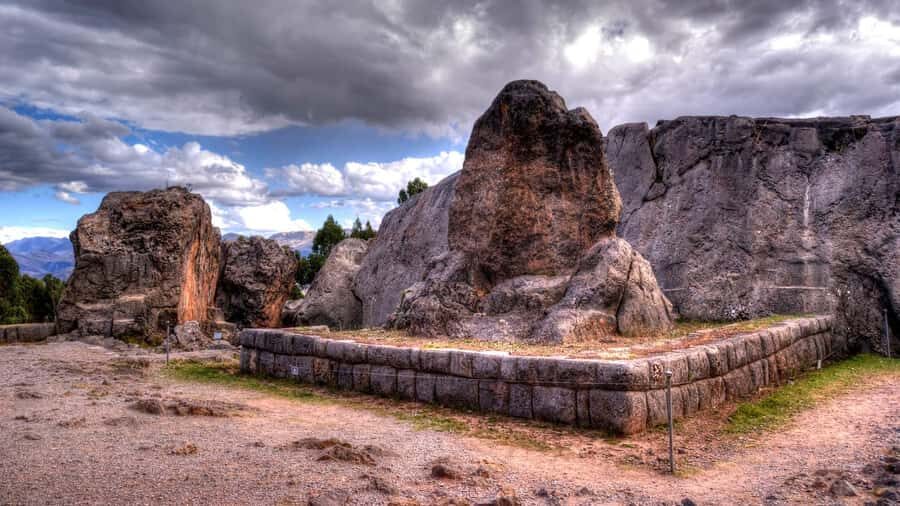
- Ceremony on natural rock: Qenqo isn’t built on a blank floor—it uses a natural rock formation for rituals.
- A full defensive-system stop: Puca Pucara was part of Cusco’s defense, so it connects the dots beyond just temples.
- Water worship at Tambomachay: The canals and fountains make this feel different from the more “war-and-walls” stops.
Cusco’s Mix of Inca and Spanish Faith, in One Manageable Half-Day
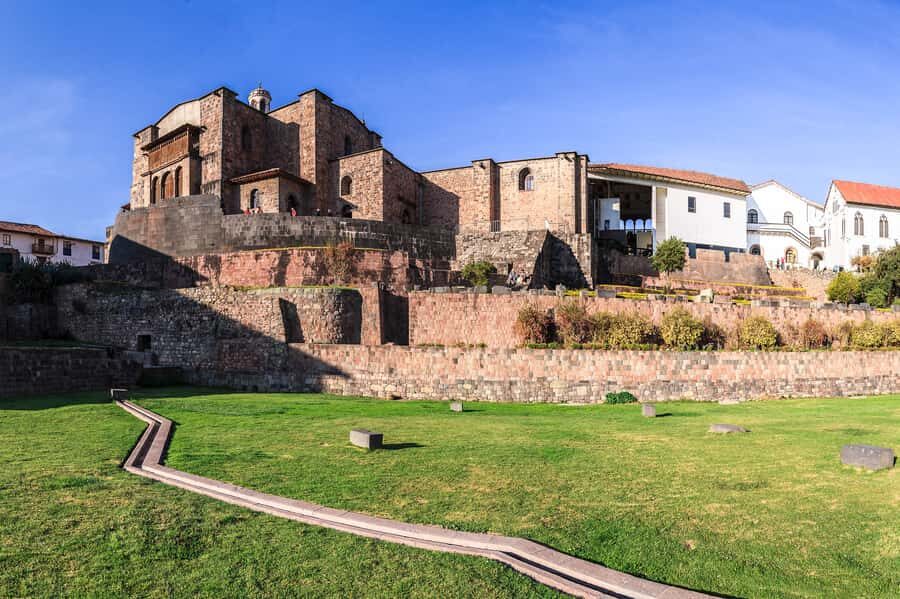
This tour is a smart way to get oriented fast. You’ll walk through a sequence of sites that show how Inca power was expressed through religion, defense, and ceremony—and then you’ll see the later Spanish influence layered on top.
It also works for real-world travel days. With two departure shifts, you can choose a morning rhythm for acclimating, or an afternoon slot if your schedule is tighter. Either way, the pacing is built for about 5 hours, not an all-day marathon.
You can also read our reviews of more city tours in Cusco
Entering Qoricancha: The Temple of the Sun Meets Spanish Cusco
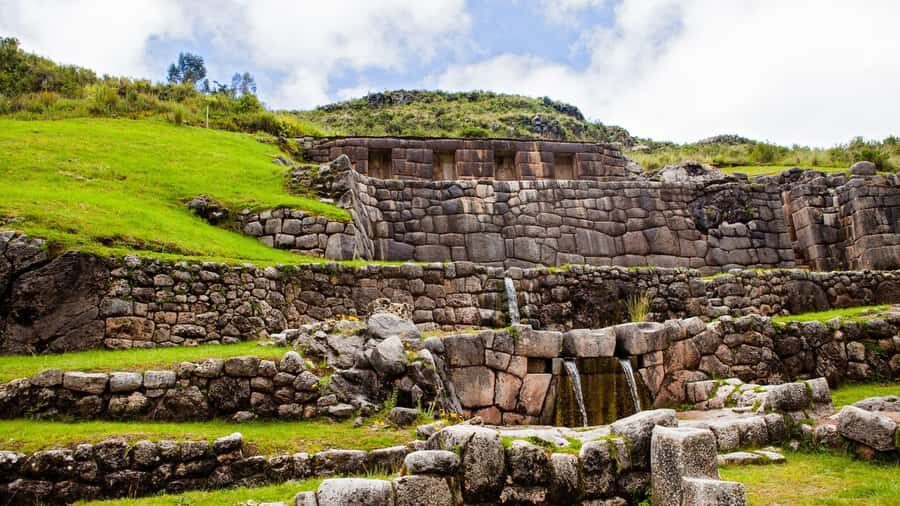
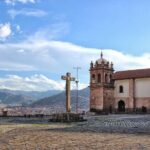
Qoricancha (Temple of the Sun) is where the tour’s story really locks in. The site is famous for its religious importance, and the guide typically helps you connect what the Incas believed with what happened later as Spanish rule reshaped sacred spaces.
You start with a guided visit right after meeting at Plaza de Armas and walking about three blocks. That early timing matters because Qoricancha is one of those places where it’s easy to rush if you don’t have context—your guide’s explanations help you slow down and notice details instead of just taking pictures.
One practical tip: wear sunscreen and keep your sunglasses handy. Even though the route is short, Cusco sun shows up strong, and you’ll be outdoors for the route between stops.
Sacsayhuamán’s Stone Walls and Why They Still Feel Impressive
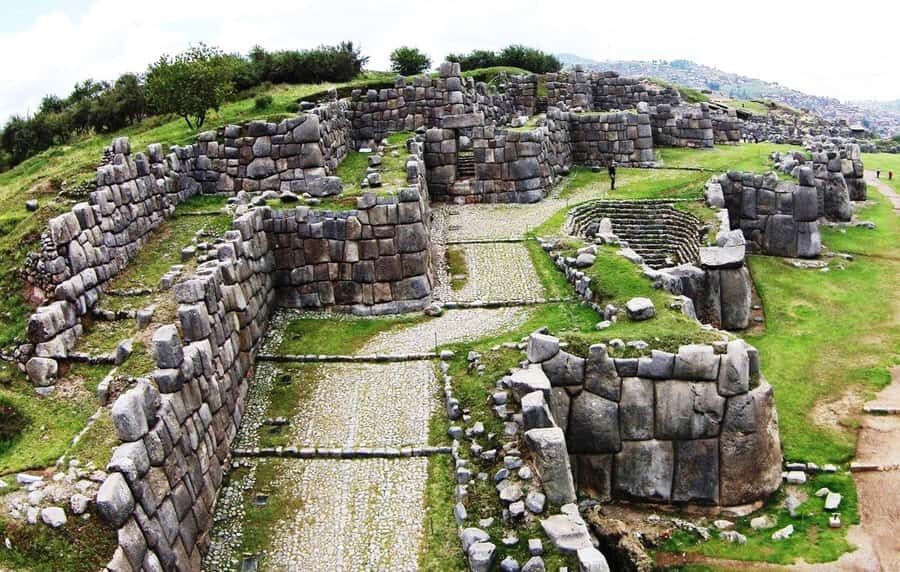
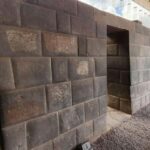
Sacsayhuamán is the tour’s best dose of Inca engineering. The site is known for imposing, perfectly assembled stone walls, and the experience improves a lot when you understand that this wasn’t only ceremonial—it was also military architecture.
Here, you’re looking at large-scale construction that was built to last and built with purpose. Your guide’s job is to help you read the walls: where the layout suggests strength, how the structure relates to Cusco’s position, and why these stones matter beyond size alone.
The main consideration is time and comfort. This is a “walk and look” stop, so bring comfortable shoes and be ready for uneven footing in places. If you’re sensitive to heights or movement, this is also a point to think about carefully since the route and viewpoints can be challenging.
Qenqo’s Ceremonial Rock: Ritual Space Built Into the Natural Setting
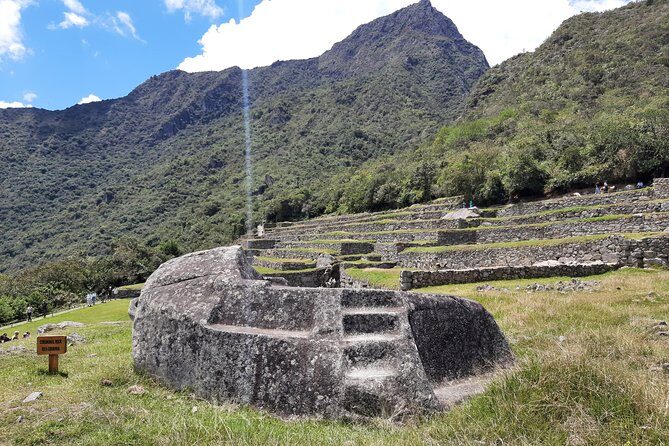
Qenqo feels like a different mood compared to the big stone walls. It’s an ancient ceremonial center built on (and around) a natural rock formation, so you get the sense that ritual space wasn’t separated from the landscape—it was shaped by it.
This is the kind of stop where the guide can turn “interesting rocks” into something memorable. Look for how the rock formation frames the sense of ceremony, and use the explanations to understand how the site was used for religious rituals.
A small planning note: the tour description makes it clear Qenqo is a stop for religious rituals. If you prefer archaeology that focuses mostly on everyday life, you might find this segment more spiritual and symbolic than practical—but for many people, that contrast is exactly what makes it work.
Puca Pucara: Cusco’s Defensive System, Not Just Another Ruin Stop
Puca Pucara shifts the tour from faith to protection. This site was part of Cusco’s defensive system, and it’s described as a military fortress with walls, terraces, and stairways.
That layout is the point. The terraces and stairways help you visualize how a defensive position functions, and the walls reinforce the idea of controlled movement and strategic control. Instead of only appreciating Inca craftsmanship, you start thinking like a planner: where would defenders stand, how would people move, and why would this layout matter?
This stop is also a nice bridge between Sacsayhuamán and Tambomachay. You’re learning that Inca architecture wasn’t one-purpose. Religion, power, and security all show up in stone.






Tambomachay: Water Worship, Canals, and Purification
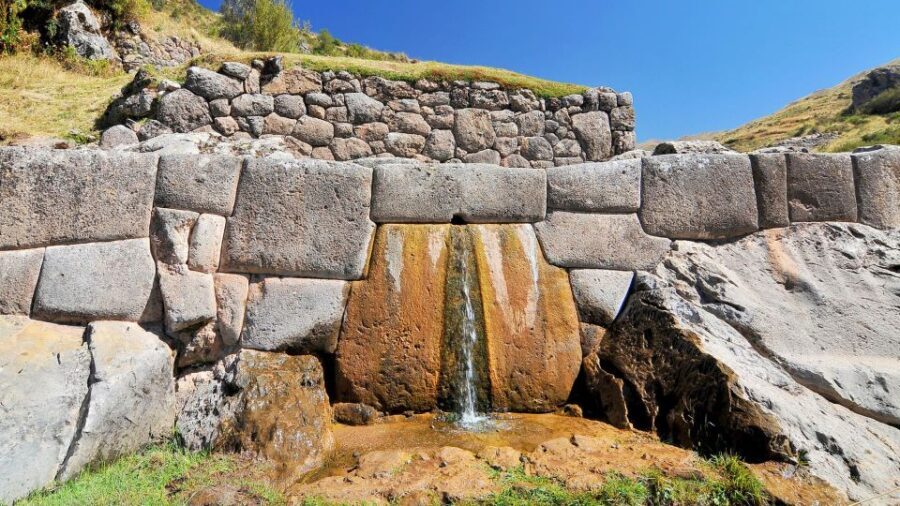
Tambomachay gives your feet and your brain a break from wall-heavy scenes. The site is associated with worship of water and purification, and the standout features are the canals and fountains.
If Sacsayhuamán made you think about scale, Tambomachay makes you think about function. The water elements help you understand why this area was respected: water isn’t just decoration here; it’s part of the sacred meaning.
Because this is also an archaeological stop dedicated to a specific theme, it can feel more “focused” if you pay attention. Your guide’s comments can help connect the dots between ritual at Qenqo and purification at Tambomachay, so it doesn’t feel like a random final stop.
Price and What Actually Changes Your Final Cost
The headline price is $11 per person, and the included value is clear: tourist transport plus a bilingual guide. For a half-day that covers multiple major sites, that’s solid value.
But entrances are not included. You’ll need to budget for tickets, and in Cusco that often means thinking about whether to buy a Boleto turistico. One traveler shared that they wished they’d bought the full boleto earlier (noting a full ticket price of S/ 130, and that students were quoted S/ 70 at the time). That’s not a guarantee for everyone, but it’s a useful reminder: if you’re visiting several archaeological parks, it can make sense to plan ticket purchases so you don’t waste time or pay in separate transactions.
If you want maximum value, do this before you start walking: know which sites you’ll need tickets for and plan how you’ll pay. Bring cash or be ready for the payment method available on the day.
Pickup, Start Times, and How to Avoid a Wasted Morning
This tour offers two meeting windows from Cusco’s Plaza de Armas:
- Morning shift: 8:40 a.m. to 9:00 a.m. meeting, ending around 2:30 p.m.
- Afternoon shift: 12:40 p.m. to 1:00 p.m. meeting, ending around 6:30 p.m.
On Sundays, hours may vary because some sites open later. That matters because Cusco can run on a slightly different rhythm on weekends, and you’ll want flexibility.
Pickup is handled through messaging: the guide will write or call about 15 minutes before pick up, and you should wait around 10 minutes in the hotel lobby. If you’re staying just outside the center, confirm your exact pickup spot early so you don’t lose time.
One more practical reminder: avoid planning a complicated second activity right after the tour ends. The return to Cusco near Plaza de Armas is convenient, but you’ll still need a little buffer for ticket lines, bathroom breaks, and getting back to your next plan.
Altitude Prep That Doesn’t Feel Like a Lecture
Cusco altitude is real, and this tour is long enough that it’s worth preparing. The guidance here is simple: drink coca tea before the tour to help prevent altitude sickness.
Also, dress for sun and shifting temperature. The tour calls for a hat, sunscreen, and sunglasses, plus comfortable shoes. If you’re sensitive to cold, bring a light layer for the evening, especially on the afternoon shift when you’ll be outdoors later.
If you have vertigo, this tour may not be suitable. The route includes viewpoints and movement between sites, and that can be a problem if you’re easily triggered by height or dizziness.
What the Best Guides Do Differently (Werner, Angélica, and Sam)
A good guide makes these stones and symbols easier to understand. In past bookings, guides such as Werner and Angélica were described as attentive, and another guide named Sam helped sort out confusion when the meeting list wasn’t obvious at the Plaza.
That matters because Cusco’s meeting-point reality can be chaotic at peak times. If your name isn’t instantly found, don’t panic—ask a staff member at the meeting area or look for the guide who is actively managing the group. If you arrive early, you also give yourself time to spot your group without stress.
When This Tour Feels Perfect vs. When It Doesn’t
This experience is a great fit if you want a compact, structured introduction to Cusco’s major Inca sites, especially if you’re also planning to visit the Sacred Valley afterward. The theme changes across stops—religion, military architecture, ceremony, defense, and water worship—so you get a broader picture than you’d get from only one ruin.
It might feel less perfect if you hate schedule bloat. Some departures have extra time at stops for shopping, including a clothing-focused store segment that can run long. If you’re trying to maximize ruin time and skip commercial stops, ask the guide at the start how the day will be paced and whether shopping time is fixed.
Also, if you’re extremely strict about getting every minute at the ruins, entrances are not included, so your ticket plan matters. A plan that keeps ticket lines short will make the whole day feel smoother.
Should You Book This Cusco City Tour with Qoricancha?
If your goal is to get oriented quickly and hit Qoricancha, Sacsayhuamán, Qenqo, Puca Pucara, and Tambomachay in about 5 hours, I think this is a good value choice. The bilingual guide and included transport reduce the usual Cusco friction, and the stops cover multiple sides of Inca life and belief.
Book it if you’re:
- Comfortable with walking on uneven ground
- Okay with a guided pace and a clear route structure
- Planning your ticket strategy for entrances
Skip or reconsider if you:
- Have vertigo
- Want a purely ruins-only day with zero shopping time
- Know you’ll be frustrated if the schedule runs a bit late on special days
FAQ
How long is the Cusco city tour with 4 ruins and Qoricancha?
The duration is about 5 hours.
What does the price include?
The price includes tourist transport and a bilingual tour guide (Spanish and English).
Are entrance tickets included?
No. Entrance fees (Boleto turistico) are not included.
Where is the meeting point and what time do we start?
The meeting point is in Cusco’s Plaza de Armas. Morning shift meeting is 8:40 a.m. to 9:00 a.m. and the afternoon shift meeting is 12:40 p.m. to 1:00 p.m.
Will the schedule change on Sundays?
Yes. On Sundays, hours may vary because some sites open later.
What should I bring and what should I avoid during the tour?
Bring passport or ID, comfortable shoes, sunglasses, camera, and sunscreen (a hat is also required). Avoid pets, drinks in the vehicle, alcohol and drugs, littering, and alcoholic drinks in the vehicle.