REVIEW · CUSCO
Sightseeing Bus Tour from Cusco to Puno with Buffet Lunch
Book on Viator →Operated by Machupicchu Latin America · Bookable on Viator
The road to Puno has smart stops. I like the small-group feel and the buffet lunch that turns a transfer into a real day of sightseeing; the one catch is the on-board Wi‑Fi can be weak, so don’t plan your whole trip on it.
This is a long, 7:00 am start, about 10 hours of travel, but the bus is built for comfort with reclining seats and USB ports, plus hotel pickup and drop-off. You’ll travel with an English-speaking guide, and you’ll hit a string of meaningful stops without having to organize anything yourself.
In This Review
- Key Things I’d Count On
- Cusco to Puno in One Long Day: What 10 Hours Feels Like
- Small-Group Bus Comfort, Pickup, and On-Board Extras
- Raqchi (Templo de Wiracocha): Colcas, Sacred Stone, and Sun Prep
- San Pedro Apostol de Andahuaylillas: Gold Leaf, Murals, and Fast Cultural Context
- La Raya Pass at 4,335 Meters: Glacier Views in a Short Stop
- Museo Litico Pukara: Hatun Ñaqaq and Zoomorphic Pottery
- Sicuani Lunch at Pascana: Buffet Variety and Coca Tea
- How to Plan for Altitude, Timing, and Camera Time
- Who This Tour Fits Best (and Who Might Prefer Otherwise)
- Should You Book This Cusco-to-Puno Bus Tour?
- FAQ
- What is the duration of the Cusco to Puno sightseeing bus tour?
- How many stops are included between Cusco and Puno?
- Is hotel pickup and drop-off included?
- What meals are included?
- Are entrance tickets included for the sites?
- Is Wi-Fi available on the bus?
- What drinks are included during the trip?
- Do I need a passport for this tour?
- Can I cancel for a full refund?
Key Things I’d Count On
- Hotel pickup and drop-off saves you time and hassle in Cusco and Puno
- Up to 15 travelers keeps the group small and the pacing more human
- Inca and colonial highlights spread across the route instead of one long drive
- Buffet lunch with vegetarian option means you can eat well without searching
- On-board comfort includes Wi‑Fi plus hot and cold drinks, but Wi‑Fi can be spotty
- Altitude is real (over 4,000 m), so plan layers and take it easy at the pass
Cusco to Puno in One Long Day: What 10 Hours Feels Like
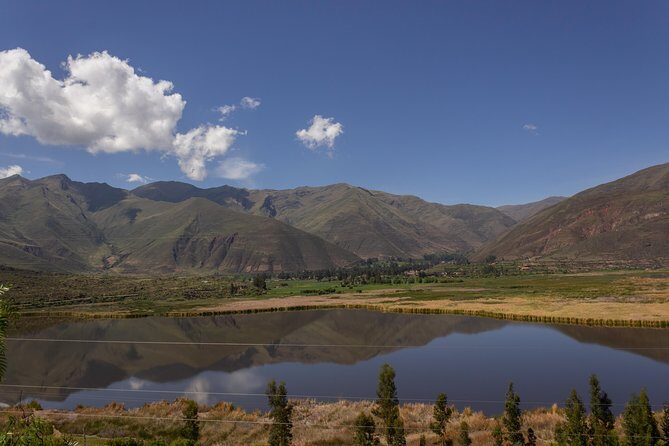
This tour is basically a guided sightseeing transfer. You’re not “just” getting from Cusco to Puno—you’re using the road time to see major sites along the way, then arriving in Puno with less stress than self-driving.
The day starts early (7:00 am), and you should expect a full schedule of short visits. Some days can run late, so if you’ve got a must-do evening plan in Puno, keep it flexible. The good news: the stops are spread out, and they’re timed to keep you moving rather than stuck in the bus the whole day.
I also like that the itinerary focuses on places with strong visual payoff: stonework at Raqchi, wall-to-wall art at Andahuaylillas, big views at La Raya, and an actual museum stop at Pukara. If you’re traveling with limited time in Peru, this is an efficient way to add depth without a separate day trip.
You can also read our reviews of more tours and experiences in Cusco

Small-Group Bus Comfort, Pickup, and On-Board Extras
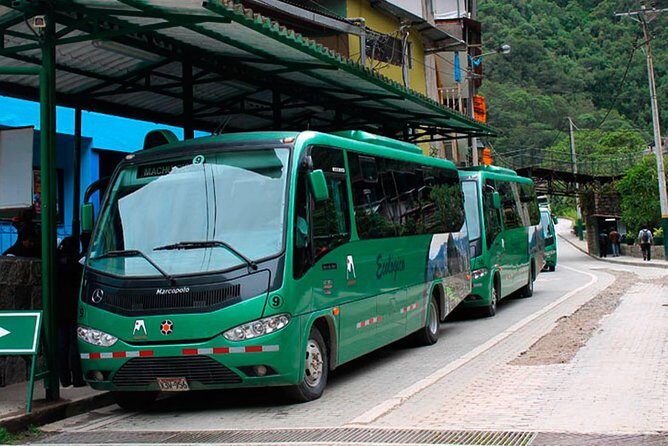
You’ll get hotel pickup and drop-off, and that matters more than people think. In Cusco and Puno, getting to the right bus location can be annoying—especially early. Pickup near public transportation also helps smooth the start of the day.
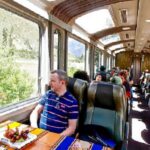
Inside, the bus is designed for the long haul: comfortable seats, headrests, reclining seats, and USB ports (so charging doesn’t become a scramble). There’s Wi‑Fi on board, but it’s not something I’d trust for streaming or constant use. I’d treat it as a bonus only and download what you need beforehand.
Drinks are another piece to note. The tour includes hot and cold beverages during the ride and at least one bottle of water, and you’ll also have chances to stretch your legs at intervals (often every 1.5 to 2 hours). Still, bring your own water too if you’re picky or you tend to drink more at altitude.
Finally, the guide experience is a big part of why this works. Guides have a solid command of English (and often add Spanish support), which means you get the story behind what you’re seeing rather than just stop-and-snap photos. On past departures, guides like Maria and Bernardo have been mentioned for being friendly and focused on clear explanations.
Raqchi (Templo de Wiracocha): Colcas, Sacred Stone, and Sun Prep
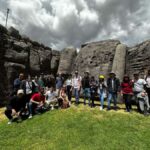
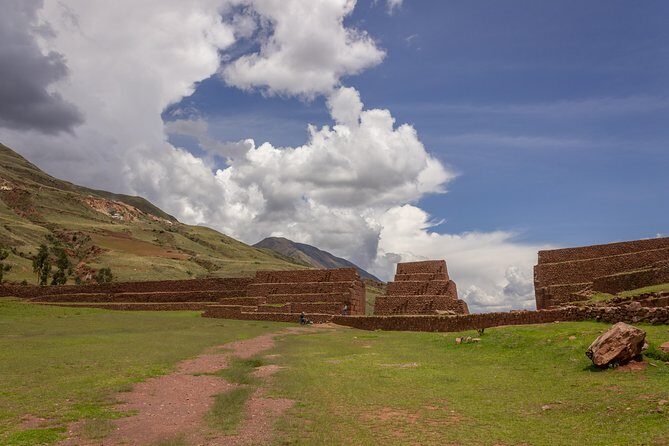
Your first real stop is Parque Arqueológico de Raqchi, where you’ll explore the Temple of Wiracocha. This is one of those Inca sites that feels impressive even before you read anything—massive stonework, long views, and ruins laid out with purpose.
What I like here is the mix of religion and infrastructure. Wiracocha was considered a supreme creator deity, and the site also stands out for the colcas, the traditional Inca storehouses. If you’ve ever wondered how the Inca planned for seasons, storage, and logistics, these structures are a strong clue.
The colcas are part of what makes the visit memorable: you’re not only looking at ceremonial space, you’re seeing how the civilization managed resources. There’s enough time on site (about 30 minutes) to walk, look up at the stone and adobe mix, and get your photos without feeling rushed.
Practical tip: plan for sun. This stop calls out sun exposure, and in practice that means hats and sunscreen. Even if the air isn’t scorching, you’ll still feel it after you’ve been outside for a while.
San Pedro Apostol de Andahuaylillas: Gold Leaf, Murals, and Fast Cultural Context
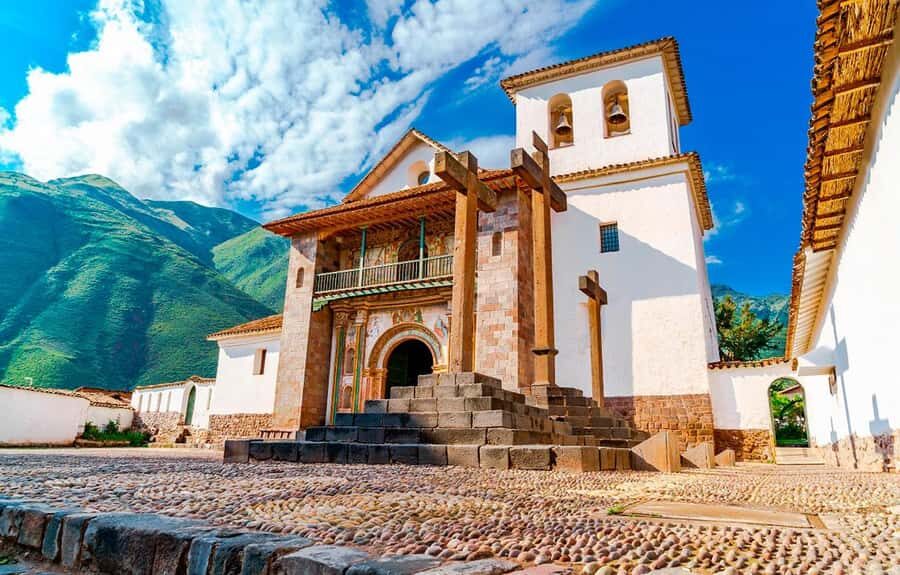
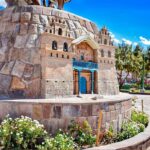
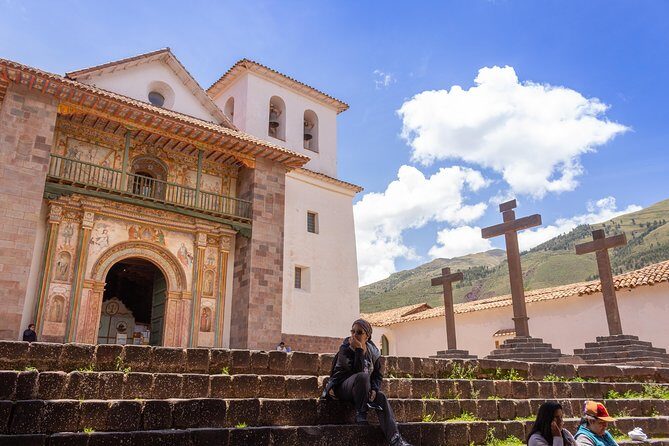
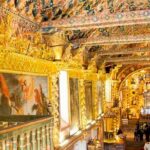
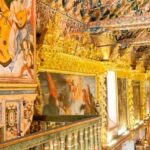
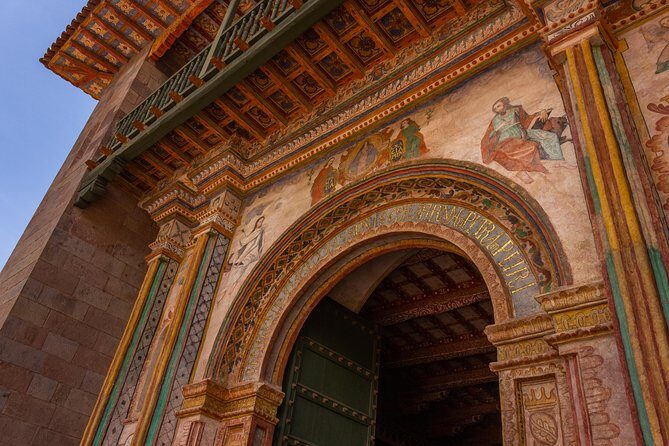
Next is the San Pedro Apostol de Andahuaylillas church, often compared to the Sistine Chapel nickname because of its stunning interior art. This is a 17th-century church packed with murals and decoration, including gold leaf.
You get about 25 minutes here, which is just enough to notice the big visual themes if your guide is good at steering your attention. A strong English explanation helps a lot—especially because church art can look dazzling but confusing if you don’t know what you’re being shown.
This is the stop where you’ll feel the blend of cultures. The church is known for its artistry and its connections to the Cusco School of art, so it’s not just a random building on the route. It’s a window into how visual storytelling worked after the Spanish arrived.
Possible drawback: if you hate walking indoors or you’re sensitive to bright lighting, your enjoyment will depend on your pace inside. It’s not a long stop, so you won’t be stuck—but you should bring a steady mindset: look first, then let the details click.
La Raya Pass at 4,335 Meters: Glacier Views in a Short Stop
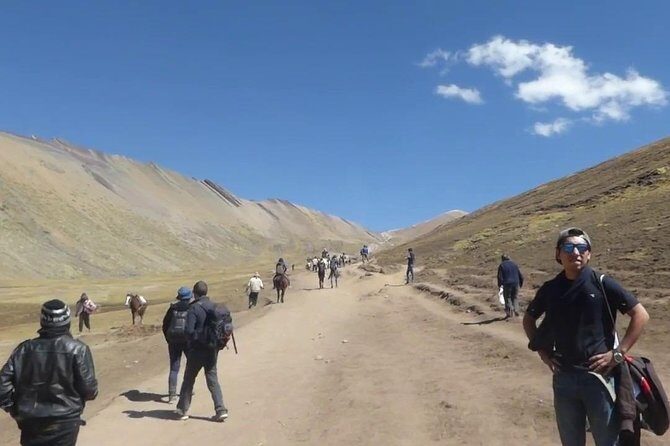
Then you hit La Raya Pass, around 4,335 meters above sea level. It marks the border between the Cusco and Puno regions, and on clear days the viewpoint is the kind of scenery that makes altitude feel real.
You’ll have only about 10 minutes at the pass, so don’t plan on a long wander. Have your camera ready and keep your breathing calm. If you’re prone to altitude headaches, bring water, move slowly, and avoid sprinting up to the best angle.
One standout detail here is the view of the Chimboya glacier and the role it plays as a headwater area connected to the Amazon River beginnings. Even if you don’t care about hydrology, the idea helps you understand why people historically protected and respected these high places.
Practical tip: layers. The pass can feel colder than you expect. Even if you run warm in Cusco city, the pass is a different environment.
You can also read our reviews of more tours and experiences in Cusco

Museo Litico Pukara: Hatun Ñaqaq and Zoomorphic Pottery
After the pass, you’ll visit Museo Litico Pukara, tied to the Pukara culture that flourished roughly from the 4th to the 16th centuries. This stop is about artifacts, and it’s a good change of pace after outdoor ruins and a church.
The museum is known for pottery and sculptures featuring zoomorphic figures. One famous figure is Hatun Ñaqaq, which translates as The Supreme Executioner in the local language. That name alone gives you a clue that these works weren’t made just to decorate a shelf—they’re tied to beliefs and storytelling.
You’ll have about 30 minutes here, which is usually enough time to see the main displays, read the key explanations (with help from your guide), and understand how the culture’s art links to their worldview.
One consideration: museums can vary in layout and crowding, and your experience will depend on how your guide structures the stop. If you like details, this is a strong match. If you prefer only outdoor time, it may feel like it takes longer than you want—but it’s still a valuable cultural layer on a day that otherwise focuses on monuments and viewpoints.
Sicuani Lunch at Pascana: Buffet Variety and Coca Tea
Lunch is at La Pascana Restaurant on the outskirts of Sicuani, and you get about 40 minutes. This is where the tour stops feeling like a checklist and starts feeling like a real break.
The buffet includes a wide set of national and regional dishes: appetizers, fresh vegetables, side dishes, and desserts. Hot drinks like coca tea, coffee, and tea are part of the meal setup. A vegetarian option is also available if you request it when booking.
I especially like that lunch time is paired with a restaurant setting. In practice, people have described the lunch stop as a gorgeous place with garden space and even live music performers, plus nice views. That matters because sitting down for lunch in a pleasant spot helps reset you for the last stretch of the day.
Easy tip: treat lunch as altitude fuel. Eat like you’re traveling uphill all day—moderate portions, hydrate, then save energy for the final arrival.
How to Plan for Altitude, Timing, and Camera Time
Even if you’re traveling from Cusco already, this day still stacks altitude moments. You’ll rise to La Raya Pass at about 4,335 meters, then continue down toward Puno. Your body may feel it, especially if you move fast at viewpoints.
Here’s what I’d do if I were you:
- Wear layers you can adjust quickly. The pass is often colder than Cusco feels.
- Slow down at the first signs of altitude discomfort. Drink water and take a few normal-paced breaths before you start shooting photos.
- Keep your camera strap short. When you’re slightly winded, long straps can be annoying.
Timing is the other variable. The tour is designed to keep you moving, but real-world road conditions can shift the schedule, and there have been departures that ran late. If you’re the type who needs a precise timeline for dinner, keep your plans flexible when possible.
Also, think about devices and Wi‑Fi. The bus includes Wi‑Fi, but some departures report weak connectivity. Download what you want to watch ahead of time. If you don’t, you’ll end up tethered to the stop-and-wait vibe.
Who This Tour Fits Best (and Who Might Prefer Otherwise)
This tour is a strong fit if you:
- Want the convenience of hotel pickup and drop-off and a guided day instead of self-planning
- Like seeing multiple key sites between two cities in one go
- Appreciate art and museum stops, not only outdoor ruins
- Travel in a group size that stays intimate (maximum 15)
It’s also a practical option if you’d rather avoid long, complicated logistics on your own. Reviews have compared the experience favorably to other ways of moving between Cusco and Puno, mainly because the bus adds sightseeing and doesn’t feel like dead time.
Who might not love it? If you hate early starts and long days, this may feel exhausting. Also, if you rely heavily on steady internet for work, the Wi‑Fi shouldn’t be your backbone.
One more small note: seat comfort matters on rough roads. There’s at least one case where the last row was assigned, and the experience wasn’t ideal for someone with a neck condition. The operator has said they usually place people in rows 1 to 5 for better comfort—so if you have mobility or comfort needs, ask about seat location early and be clear about your preferences.
Should You Book This Cusco-to-Puno Bus Tour?
I think this is a smart booking if you want value, guidance, and meaningful stops packed into a single transfer day. For $99 per person, you’re not only moving between cities—you’re getting hotel pickup/drop-off, an English-speaking guide, on-board drinks and water, Wi‑Fi, admissions for multiple stops, and a buffet lunch with a vegetarian option.
Book it when you:
- Want an easy, guided Cusco to Puno route with classic highlights
- Like short, well-paced site visits instead of a slow day
- Enjoy learning as you go (guides like Maria and Bernardo have been noted for clear explanations)
Skip it or reconsider if:
- You absolutely need reliable Wi‑Fi for the whole trip
- You have very tight evening plans right when you arrive in Puno
- You’re sensitive to long travel days and early mornings
If you’re flexible, pack layers, bring sun protection, and treat the pass stop as a quick altitude moment, you’ll likely feel like you used the day well—not just passed through it.
FAQ
What is the duration of the Cusco to Puno sightseeing bus tour?
It’s about 10 hours (approx.), starting at 7:00 am.
How many stops are included between Cusco and Puno?
There are five main stops: Raqchi, Andahuaylillas, La Raya Pass, Museo Litico Pukara, and lunch at La Pascana in Sicuani.
Is hotel pickup and drop-off included?
Yes. Hotel pickup and drop-off are included.
What meals are included?
A buffet lunch is included, and there is a vegetarian option available if you request it at booking.
Are entrance tickets included for the sites?
Admission tickets are included for Raqchi, Andahuaylillas, and Museo Litico Pukara. Admission for La Raya Pass is free.
Is Wi-Fi available on the bus?
Yes, Wi-Fi is available on board. Some departures report weak connectivity, so it’s best not to rely on it.
What drinks are included during the trip?
Hot and cold beverages are included on board, and the tour includes 1 bottle of water. You’ll also have regular stops during the ride.
Do I need a passport for this tour?
Yes. A current valid passport is required on the day of travel.
Can I cancel for a full refund?
Yes, free cancellation is available up to 24 hours before the experience’s start time for a full refund.