REVIEW · CUSCO
Sacred Valley of the Incas–Discover 5 Iconic Sites +Maras & Moray
Book on Viator →Operated by MC Peru Expeditions · Bookable on Viator
Five Sacred Valley stops in one day.
This trip is built for people who want big Inca geography fast: Chinchero’s textiles, the Inca agricultural brain of Moray, then the strange pink salt pools at Maras, all wrapped into an efficient 12-hour circuit from Cusco. You’ll also get classic ruins at Ollantaytambo and Pisac, plus a buffet lunch that makes the schedule feel human.
I especially like two things: the day includes a buffet lunch (not a sad sandwich), and the tour keeps group size small—up to 17—so you’re not stuck feeling lost in a crowd. I also like that the stops aren’t random. You move from textiles and Inca town life to agriculture to salt production and back to urban planning.
One thing to consider: this is a tight schedule, and parts of the day include culture-themed shop stops that can feel pushy. If you’re not up for high-pressure buying, plan to browse, smile, and move on.
In This Review
- Key highlights you’ll actually care about
- The 6:30 a.m. start: how to set yourself up for success
- Chinchero: Inca residence ambitions plus the textile craft
- Moray’s microclimates: the Inca agricultural research lab
- Maras salt mines at 3,000 meters: thousands of sun-crystallized pools
- Ollantaytambo: narrow cobbled streets and a town that still feels Inca
- Pisac terraces and the Intihuatana: where engineering gets visual
- Included lunch and the “culture stops” in between
- Price and value: what the $26.10 doesn’t include
- Getting along with the group, buses, and altitude
- Guides: why names like Alex and José matter
- Who should book this Sacred Valley day trip
- Should you book it? My practical take
- FAQ
- Is lunch included?
- What time does the tour start in Cusco?
- Which sites require extra entrance fees?
- How long is the tour?
- Where does the tour begin and end?
- What if weather is bad?
Key highlights you’ll actually care about
- Small-group pace with a maximum of 17 travelers
- Inca agriculture science at Moray with up to 20 microclimates/temperatures
- Maras salt mines views from high above, plus thousands of sun-crystallized pools
- Ollantaytambo as a living town with Inca-style streets and local clothing traditions
- Engineer’s view at Pisac: terraces, irrigation channels, and the Intihuatana rock
- Big, included buffet lunch to fuel an altitude-heavy day
The 6:30 a.m. start: how to set yourself up for success
The tour begins early in the morning (start time is 6:30). That’s not just for convenience—it helps you beat the worst of the crowds and gives you daylight for the stair-heavy ruins.
Cusco mornings can also be deceptively tricky. Altitude can hit hard, especially if you flew in the day before and tried to cram in activities. If you’re arriving from sea level (or even just from a lower altitude), I’d treat this like a workout day: plan a slower first 24–48 hours, stay hydrated, and don’t “push through” dizziness. The tour’s sites involve lots of walking and steps, so arriving already acclimatized gives you a better experience and better photos.
Finally, this is one of those days where timing matters. You’ll be moving between different stops, and the schedule is structured tightly, so bring a calm mindset. If you’re hoping for long, slow wandering with no rushing, choose a different style of tour.
You can also read our reviews of more tours and experiences in Cusco.
Chinchero: Inca residence ambitions plus the textile craft
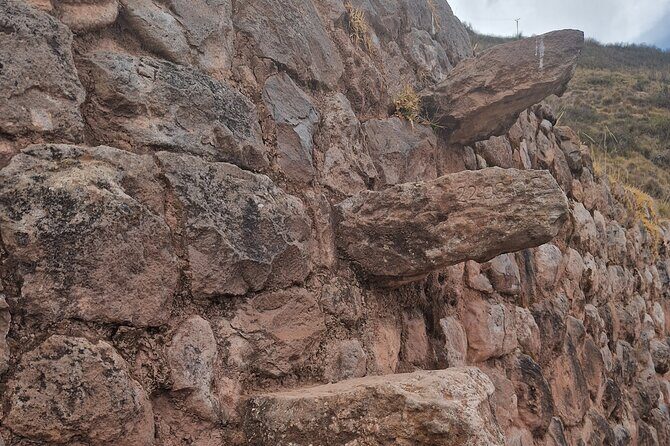
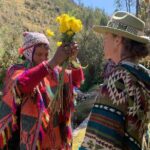
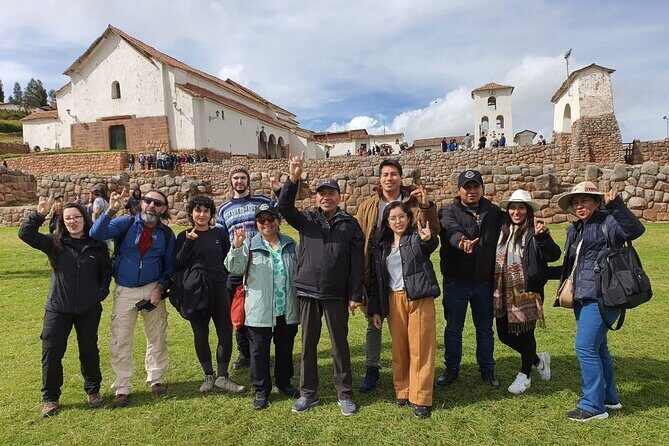
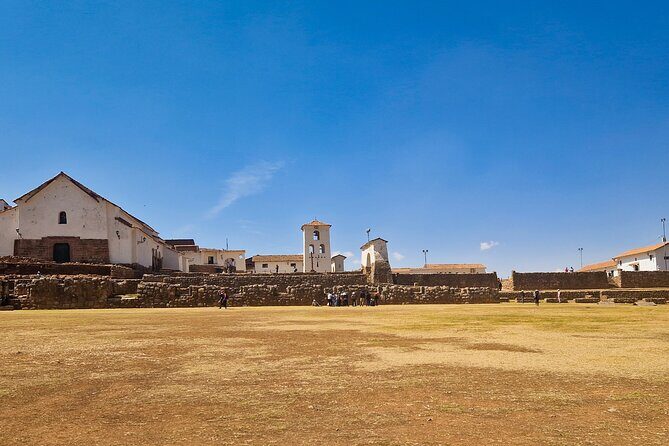
Chinchero is a great first stop because it sets the tone: you’re not just seeing ruins—you’re seeing how people still make and use textiles in the Sacred Valley.
On the Inca side, Chinchero was chosen by Túpac Yupanqui to establish his residence. That matters because it explains why this place has always been important, not just as a scenic village. Then the modern focus lands on weaving—Chinchero is known for its textile industry since Inca times, with handmade styles and designs.
Here’s what makes Chinchero valuable for you: you get context. The Inca weren’t only building stone. They were building systems—food, water, and also cloth production tied to identity and daily life.
The potential downside is that it’s also one of the moments where the day may include a store stop. If you’re not interested in buying, you can still learn. Just be clear with yourself: you’re there for the craft, the process, and the explanation, not the checkout line.
Moray’s microclimates: the Inca agricultural research lab
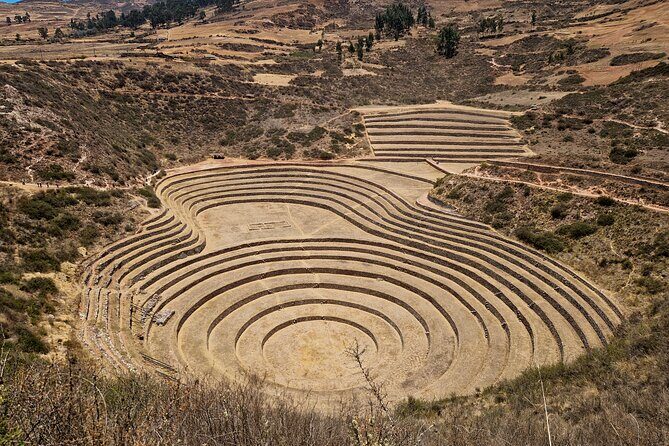
Moray is the part of the day that often makes people tilt their head and say, wait—how did they figure this out? The reason is the site’s layout: Moray is believed to be an agricultural research center with as many as 20 different microclimates or temperatures.
This isn’t just an impressive set of terraces. It’s a glimpse of Inca experimentation—how to manage crops by studying different conditions in the same general region. That idea alone helps you understand why the Sacred Valley was so valuable to the Incas: they weren’t farming by guesswork. They were studying the environment and adapting.
Timing here is also practical. You’ll spend enough time to take in the scale and understand the terracing patterns, but not so much that you feel like you missed the rest of the day. And because this tour combines several very different stops, Moray acts like the “science break” between village craft and industrial-scale salt production.
Maras salt mines at 3,000 meters: thousands of sun-crystallized pools
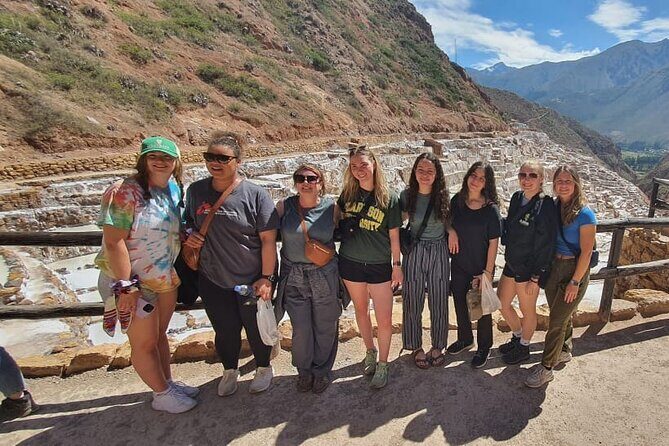
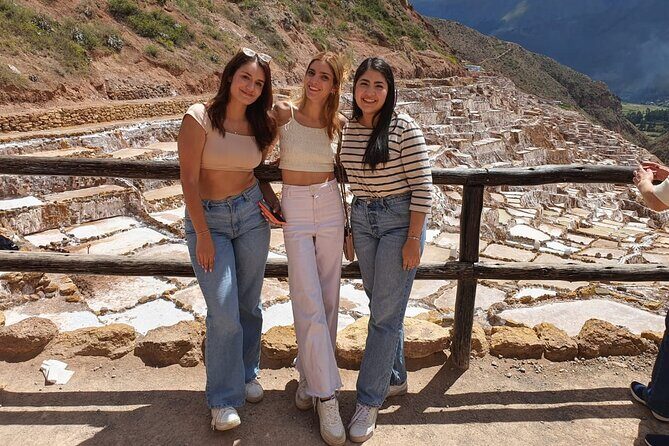
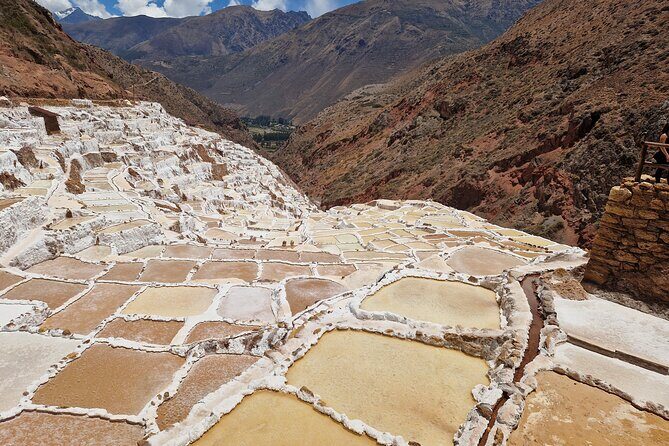
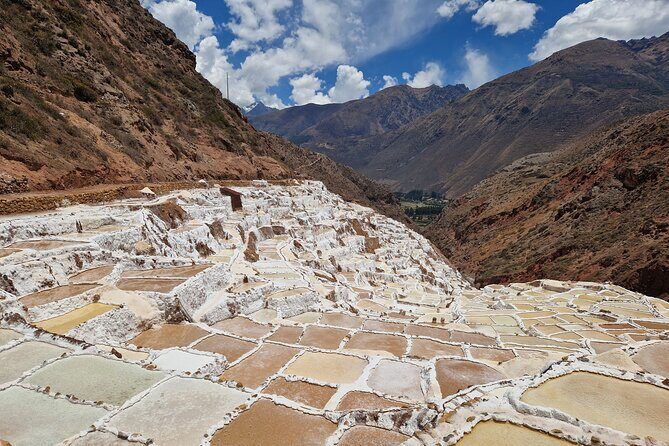
Maras salt mines sit about 3,000 meters above sea level and roughly 1.5 hours from Cusco. The scene is dramatic in a very specific way: more than 3,000 pools are fed by underground water. The water flows down a ravine, and the intense sun helps crystallize the salt.
What’s cool is that even now, the origin of the water source is still described as mysterious. That mystery makes the site feel alive, not like a dead museum.
What you’ll want to know for your planning: Maras can be quick and viewpoint-based depending on the day’s conditions and the group. In one example, the salt mine visit lasted around 15 minutes with far views from the highest viewpoint. That doesn’t mean it always will be that short, but it’s a reminder that Maras may not give you the same “walk-around freedom” you might imagine.
If altitude is already bothering you, Maras is likely to be the moment you feel it most. Go slow, pause often, and focus on the bigger picture view rather than expecting a long, ground-level stroll through everything.
Ollantaytambo: narrow cobbled streets and a town that still feels Inca
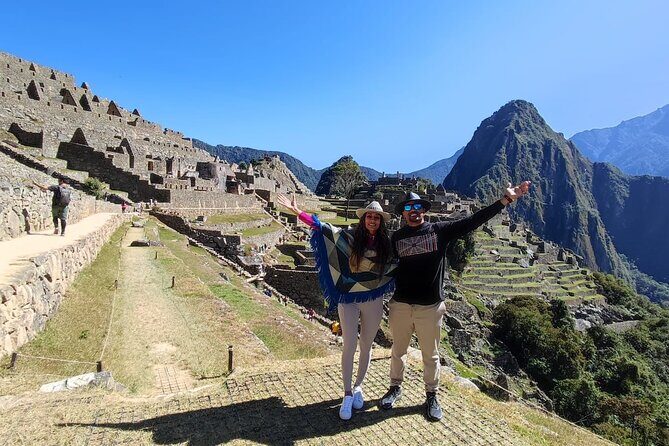
Ollantaytambo is one of those places where the ruins don’t feel isolated. The archaeological complex is described as a military, religious, and agricultural center, and the architecture shows that triple role.
Here’s what I’d highlight for you: the urban planning. You’ll see narrow streets that are cobbled and winding, terraces scattered through the town, and ruins that feel integrated rather than staged. It’s also considered the last living Inca city because many Inca street lines remain, and local clothing traditions still carry that heritage.
Ollantaytambo is also a great “end of morning” or “early afternoon” stop because it gives variety. You’ve had craft and science. Now you get stone, streets, and the feeling that people lived this daily life.
The one caution is energy management. Ollantaytambo includes walking and uneven ground. If you’re already fighting altitude fatigue, take breaks when you need them. This is a long day; you don’t need to sprint from viewpoint to viewpoint.


Pisac terraces and the Intihuatana: where engineering gets visual
Pisac is the place where your brain switches from history to systems. The site is often described for its advanced architecture and engineering, and the key word is terraces.
You’ll see extensive terraces carved into steep geography, with irrigation channels and steps designed for access. The goal here isn’t just aesthetics. Terracing and water management made farming possible in hard terrain, and seeing the canals and gradients helps you understand how the Incas controlled water like a tool, not like luck.
Pisac also includes finely carved stone elements. One standout mentioned is the Intihuatana—an important rock-carving feature in the complex. Even if you don’t know the full details of every symbolic meaning, you can still appreciate the engineering and the deliberate shaping of the stone.
There’s another practical note: the last stop can feel rushed if you’re tired. Some people have found that Pisac comes close to closing time and the day can feel packed. If you care most about photography and slow observation, plan to arrive with patience—and consider focusing your energy on the best terrace viewpoints rather than trying to see every corner.
Included lunch and the “culture stops” in between
You’ll get buffet lunch as part of the tour. That sounds basic until you experience it in real time: after mornings at altitude and all the walking, a big spread matters. In the feedback I’ve seen, the lunch is described as the biggest buffet people had ever seen, with plenty of dishes and good flavor.
The day also includes short stops that are described as cultural experiences tied to local production—textiles/weaving, and a salt-related tasting (plus coffee/chocolate/salt themes). These stops can be fun and educational. They can also be the part that frustrates people if you don’t enjoy sales pressure.
Here’s the balanced approach I’d suggest to you:
- Treat these as demonstrations, not mandatory shopping.
- Keep your budget in your head before you arrive.
- Decide what you want to pay for ahead of time—or decide you want nothing.
Some people have reported pushy tactics and price differences compared with markets in Cusco. Others have found the guide explanations made it feel worthwhile. Either way, you stay in control: you can observe, learn, and decline purchases.
Price and value: what the $26.10 doesn’t include
The advertised price is $26.10 per person, and the day includes professional guiding, transportation, buffet lunch, and pickup from the city center. That’s a good base price for a 12-hour Sacred Valley circuit with multiple major sites.
But you should budget for entrances. Some sites require a Partial Ticket III (listed as 70 soles, about $22) covering Chinchero, Moray, Ollantaytambo, and Pisac. Maras salt mines have a separate entrance (listed as 20 soles, about $6). If you add the typical extras together, you should expect your total to be noticeably higher than the base price alone.
So is it still good value? Usually yes, if you want a guided, efficient route and you’re okay with the structure of a group day. It’s less of a deal if you already plan to visit these sites independently and you hate any shopping or time pressure.
One more practical value tip: this is a day when cash helps. One solo traveler ran out of cash and needed the guide’s help to cover a ticket purchase temporarily. After that, the lesson was clear: bring Peruvian cash (PEN) rather than assuming you’ll find an ATM along the way. There’s no ATM along the route, only in Cusco.
Getting along with the group, buses, and altitude
This tour runs with a group up to 17 people, so you’ll experience that classic group dynamic: you move together, the guide keeps things moving, and the timing is tight.
If you’re prone to altitude sickness, take it seriously. One firsthand note emphasized major altitude symptoms after flying in the day before. The same person said the day involved lots of steps and climbing and they had to stop often and rest. That’s the right mindset: acclimatize, move slowly, and don’t treat breathlessness as a personal failure.
Also plan for comfort issues. One negative note described buses that felt warm and said air conditioning wasn’t used. It’s not universal, but you can protect yourself by dressing in layers so you can adjust as the temperature changes.
Finally, roads can be steep and narrow. You’ll be bounced around a bit, and you’ll likely feel it in your legs by the end of the day. Bring water, and keep your expectations realistic: this is a full-day circuit, not a gentle stroll.
Guides: why names like Alex and José matter
A good guide can make a busy day feel coordinated and understandable. In this tour’s history, guides like Alex and José have been specifically named for being helpful, engaging, and attentive.
That matters because the day’s value depends on context. If you only see terraces and stone walls without explanations, you might miss why each stop fits into the Inca system. A strong guide also helps with pacing—where to look for the best viewpoints, how to interpret what you’re seeing, and when it’s okay to slow down.
So if you get a guide known for clear explanations and group-friendly energy, you’re in good hands.
Who should book this Sacred Valley day trip
This tour is a great match if you:
- Want to see 5 major Sacred Valley sites in a single day
- Prefer guided logistics over figuring out bus connections
- Like an included lunch and a structured plan
- Can handle walking and steps at altitude
You might skip it if:
- You hate tight schedules and quick stops near viewpoints
- You dislike any shopping-related culture stops
- You’re traveling with limited mobility or you know altitude hits you hard
Should you book it? My practical take
I’d book this trip if you’re choosing one day in Cusco for Sacred Valley highlights and you want maximum coverage with a guide, transportation, and lunch included. The combination of Chinchero craft, Moray’s agricultural logic, Maras salt production, and the urban feel of Ollantaytambo plus the engineering of Pisac makes the day feel connected, not like five random stops.
I’d hesitate if you know you’ll be irritated by sales pressure or you’re still acclimating. In that case, consider a slower itinerary with fewer stops, or plan a separate lighter day so you’re not fighting your breath while trying to enjoy ruins.
FAQ
Is lunch included?
Yes. A buffet lunch is included in the tour.
What time does the tour start in Cusco?
It starts at 6:30 a.m., with pickup from hotels in the city center.
Which sites require extra entrance fees?
A Partial Ticket III is listed as an extra cost for Chinchero, Moray, Ollantaytambo, and Pisac. Salt mines at Maras also have an additional entrance fee.
How long is the tour?
The duration is approximately 12 hours.
Where does the tour begin and end?
It starts at Plaza Regocijo in Cusco and ends at Plaza de Armas in Cusco city center.
What if weather is bad?
The experience requires good weather. If it’s canceled due to poor weather, you’ll be offered a different date or a full refund.