REVIEW · CUSCO
From Cusco: 3-Night Lake Titicaca Excursion
Book on GetYourGuide →Operated by Peru Hop · Bookable on GetYourGuide
A floating village and a real homestay in four days. That mix is what makes this Lake Titicaca excursion so memorable. I love the Uros floating reed islands and the Amantani family stay, because both feel hands-on instead of staged.
This trip is built around the practical reality of Titicaca: long lake views, slow community time, and plenty of travel hours. You’ll have a bilingual guide to keep the logistics smooth and add context while you’re moving.
One thing to plan for: the overnight bus and waiting time can be cold and rough. If you’re sensitive to chilly rides or less-than-comfy hostel conditions, pack like you mean it.
In This Review
- Key points
- Cusco to Puno overnight: getting to Titicaca without losing a day
- Puno morning pick-up: storing bags and bracing for waiting time
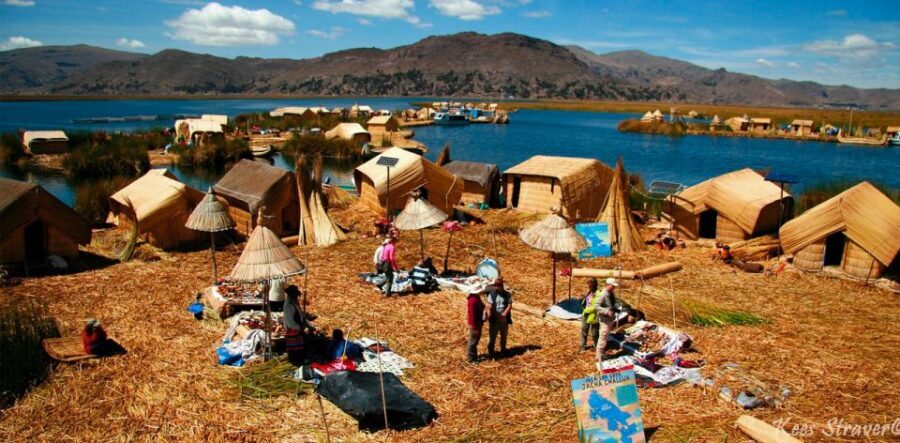
- Uros Floating Islands: totora reed life in a place that feels unreal
- The Amantani crossing: time to watch Titicaca change
- Amantani homestay: family life, sunset hike, and local music
- Llachon Peninsula: a rural shore day with real community rhythm
- Peru Hop guidance: bilingual support that keeps you confident
- Price and value: what $109 includes (and what to budget extra)
- What to bring so the trip feels easier
- Good fit: who will enjoy this excursion most
- Should you book this Lake Titicaca excursion?
- FAQ
- How long is the Lake Titicaca excursion?
- Where do I meet in Cusco?
- Is breakfast included?
- What parts of the itinerary include boats?
- Is Wi‑Fi included?
- What’s included in the price?
- Is the Kontiki reed boat ride on Uros included?
- What should I bring?
- Who should avoid booking this tour?
Key points
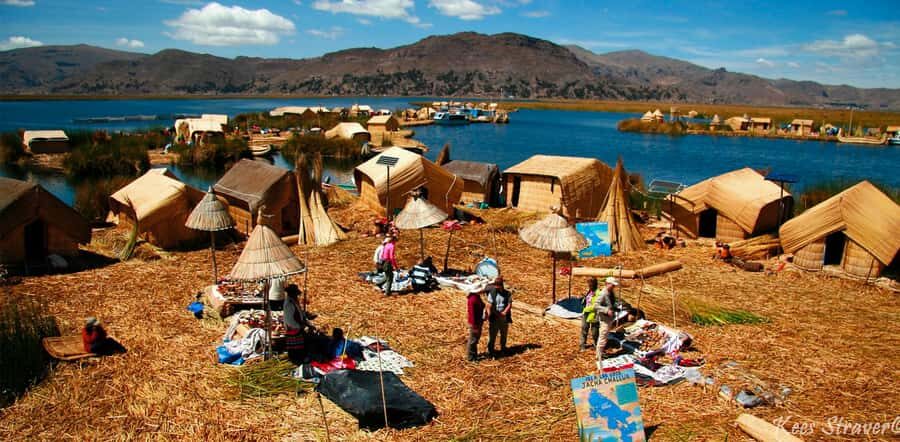
- Uros islands made from totora reeds: see how a community lives on floating platforms.
- Amantani homestay night: daily life with your host family, plus local activities.
- Llachon Peninsula rural village time: a slower, more village-side look at the lake.
- Bilingual guide support: English and Spanish help you actually understand what you’re seeing.
- Big travel days: two overnight bus segments shape the whole rhythm of the trip.
- Optional reed-boat add-on: Kontiki ride costs extra at S/.10 soles.
Cusco to Puno overnight: getting to Titicaca without losing a day
Your trip starts in Cusco with an evening meetup at the Peru Hop terminal, Alameda Pachacuteq 499 B. It’s about a 10–15 minute ride from Plaza de Armas, so give yourself a little buffer to find the place calmly.
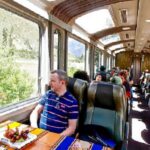
Then you board the Peru Hop luxury overnight bus to Puno. Departure is 9:30 pm, and the bus includes high-speed onboard Wi‑Fi (only available through Peru Hop), which is handy for downloading offline maps or just staying sane during the ride.
The main thing I’d flag is comfort: one review described the overnight buses as very cold with no heat and only a small lap blanket. You don’t need to go extreme, but you do want proper layers—especially if you’re traveling in cooler months.
You can also read our reviews of more evening experiences in Cusco



Puno morning pick-up: storing bags and bracing for waiting time
When you arrive in Puno around 5:00 am, you transfer to a partner hostel so you can store luggage for free. If you want breakfast, you can order it there, but it’s not automatically included on arrival.
From there, the tour timing moves into a common pattern for Lake Titicaca trips: you’ll wait a bit, then head out for the day’s first boat segment. Some reviews were less kind about the waiting area, calling it dingy or unwelcoming and mentioning unpleasant cleanliness details. That doesn’t mean your experience will match, but it does mean you should treat this as a “base” stop, not a place you’re going to enjoy.
If you want to be comfortable while you wait, bring a warm layer for indoors too. One small practical move: keep your essentials in the bag you’ll have with you during this downtime.
Uros Floating Islands: totora reed life in a place that feels unreal
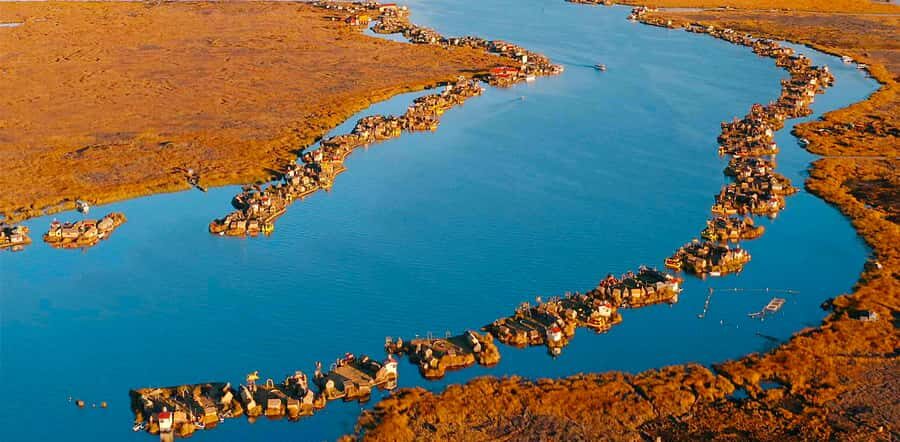
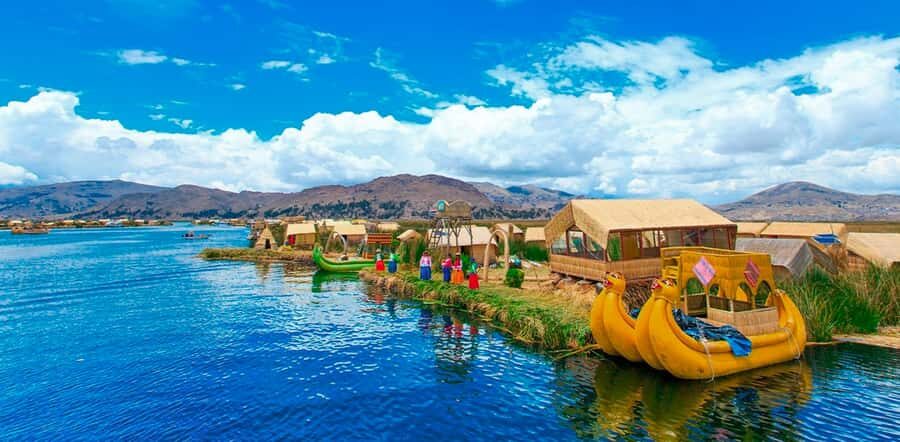
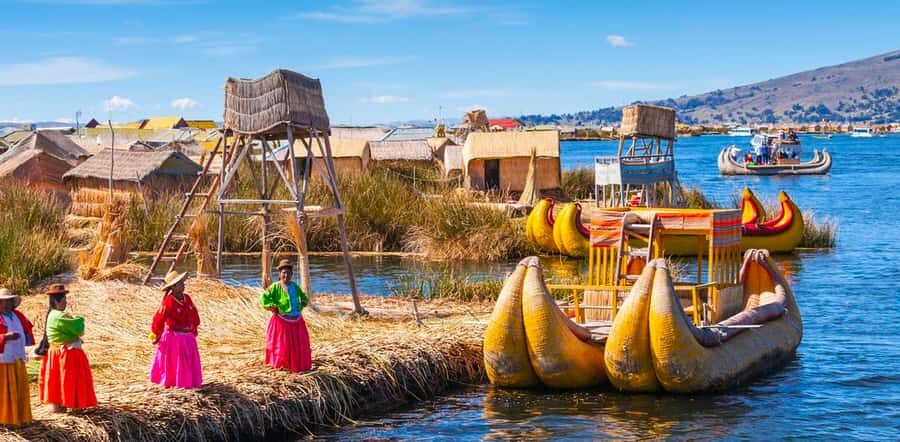
Day 2 begins with a pickup at about 7:40 am, and you head to the boat portion around 8:15 am. First stop: the Uros Floating Islands, guided with an entry ticket included.
These islands aren’t a theme park. They’re built and maintained using totora reed, and the whole point of the tour is to understand how a community turns a floating material into a home. When you’re on the water here, the setting feels almost impossible: a lake with real villages on top of it.
You’ll also cruise across Titicaca toward Amantani. Expect the day to shift from “boat tour” mode into “travel to a quieter world” mode fairly quickly. The payoff is that you get those big Titicaca moments without needing to figure out the boat logistics yourself.
Optional detail: some people add the Kontiki reed boat ride (S/.10 soles). It’s a small extra cost, but it can be worth it if you like experiencing the lake in more than one way.
The Amantani crossing: time to watch Titicaca change
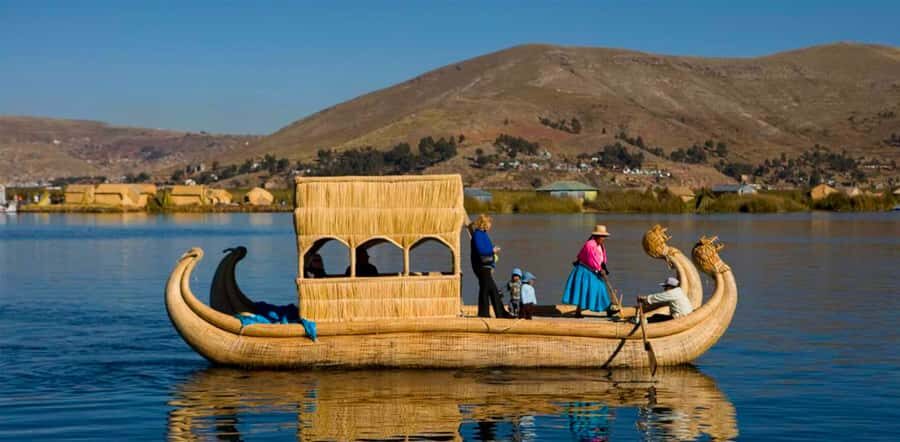
After Uros, you’ll keep cruising on the lake toward Amantani, arriving in time for your homestay day. The scheduled timeline has you reaching Amantani around 1:30 pm.
That timing matters. You don’t just arrive and immediately rush off. You meet your host family, check in to the homestay, and share lunch made from natural products. This is one of the spots where the trip stops feeling like transportation and starts feeling like a genuine cultural exchange.
On the water, I’d treat the ride as a chance to slow down. Titicaca can look calm from far away, but the details—changing light, distant shore activity, and the way the lake holds wind—make the crossing feel like part of the day’s story, not empty time between stops.
Amantani homestay: family life, sunset hike, and local music
This is the highlight that consistently makes people remember the trip. After lunch with your host family, you’ll have intercultural activities with them in the afternoon.
One activity option is hiking up toward the Pachatata temple to watch the sunset (around 4:00 pm, depending on how you time it). The itinerary gives you that choice, and it’s a great moment to step away from the group pace and experience the island at Titicaca’s tempo.
Dinner is normally served around 7:00 pm. Later, there may be local dance and music, or you can simply rest. That flexibility is useful because homestays aren’t always the same energy level from family to family.
What I liked about reading real feedback is that the homestay itself isn’t treated as a checkmark. One review praised the hosts and the quality of activities on Amantani, and another highlighted a very caring experience with a guide named Bruno supporting the group through the whole day.
Just keep expectations grounded. A homestay is a home. Your comfort level depends on your host family and the basic setup you’re given.






Llachon Peninsula: a rural shore day with real community rhythm
Day 3 shifts away from island nightlife and into a rural village feel on Titicaca’s shores. You’ll have breakfast with your host family around 7:00 am, then you’ll transfer to the Llachon Peninsula at about 12:30 pm.
Arrival is roughly 1:15 pm. Once you get there, you’ll witness seasonal activities of the rural community and have free time in one of the most picturesque parts of the lake. Lunch is served around noon (before or near the transfer point, depending on the day’s timing), and then you’ll enjoy a longer stretch to simply take it in.
The trip stays practical: you catch the boat back to Puno around 5:00 pm and get dropped off at the partner hostel, a few blocks from the central plaza. From there, you’re not done—you board the Peru Hop overnight bus back to Cusco between 9:00 pm and 9:30 pm.
This day is valuable because it adds a different kind of Titicaca experience. Uros is floating and highly structured. Amantani is family-based and personal. Llachon is more about watching village life unfold without turning it into a performance.
Peru Hop guidance: bilingual support that keeps you confident
This kind of trip lives or dies by communication. If you don’t speak Spanish, you want to be able to ask questions and understand what’s happening when schedules shift.
The included bilingual guide support makes a big difference. In reviews, names like Juan Carlos and Roberto were mentioned for Peru Hop coordination, and Bruno was called out for strong guidance and lots of Titicaca information. Another guest noted great help from a guide named Hernán and Pablito at different points, which suggests the team is actively involved throughout the moving pieces.
What does that mean for you in real life? It means meeting points and timing are less stressful, you’re more likely to understand the purpose behind stops, and you won’t feel totally lost if the itinerary runs a bit late due to real-world conditions.
That last part matters. The trip can vary because of weather issues like rain, mudslides, overflows, or even strikes/demonstrations. When things shift, having a guide who can explain what’s going on—and what you should do next—turns chaos into manageable change.
Price and value: what $109 includes (and what to budget extra)
At $109 per person for 4 days, the value comes from what’s already baked in. You’re getting:
- Guided transportation from Cusco to Puno (overnight bus)
- Boat transportation
- Bilingual Spanish/English guide
- Entry tickets to Uros and Amantani
- Lunch in Llachon Peninsula
- Onboard Wi‑Fi through Peru Hop
You’re not getting everything, though. Breakfast in Puno is optional and costs extra. Dinner in Puno on the way back isn’t included. There’s also optional spending: the Kontiki reed boat ride in Uros costs S/.10 soles.
So is it good value? For many people, yes—because entry tickets, boat segments, and a guide for multiple days are the expensive parts. The parts you pay separately tend to be meals (like breakfast/dinner) and small add-ons.
One more practical value point: the tour includes a free place to store bags at the partner hostel and a low-cost option to shower. Even if the waiting area isn’t perfect, that storage/sanitation support matters on a multi-day loop.
What to bring so the trip feels easier
This tour is very doable, but it asks for basic preparedness. The tour info specifically says to bring cash.
Beyond that, here’s what your body will thank you for:
- Warm layers for overnight bus comfort (reviews specifically mention cold conditions)
- A small day bag with essentials, since you’ll spend time waiting around Puno before tours run
- Comfortable shoes for the optional sunset hike toward Pachatata temple
Also, be ready for “group time” moments. This trip has multiple transfers and scheduled boat windows, so you won’t have total freedom to wander off between segments.
If you want autonomy, choose your moments: enjoy free time on the Llachon Peninsula, or make your sunset choice on Amantani. Those are the times where your personal pace makes a difference.
Good fit: who will enjoy this excursion most
This trip is best for you if you:
- Want culture you can meet, not just sites you can tick off
- Enjoy homestay-style travel and are comfortable with simple living
- Like guided context, especially if you don’t speak Spanish
- Don’t mind long travel days in exchange for a full Titicaca experience
It’s not a match if you need wheelchair access, if you’re traveling with very young children (under 4), or if you’re pregnant. Those limitations are explicitly listed as not suitable for this activity, so it’s worth respecting them early.
If your top priority is comfort over everything else, you may find the overnight bus and waiting hostels a little demanding. You can still do it—but go in with eyes open and pack accordingly.
Should you book this Lake Titicaca excursion?
Book it if you want the real center of this region: Uros totora reed communities, a genuine Amantani homestay night, and a rural Llachon Peninsula day that feels slower and more local. The homestay and the Uros concept are the two strongest reasons to do this route, and the bilingual guide support keeps it from feeling confusing or disconnected.
Skip it (or switch to a different format) if you know you’ll struggle with cold overnight buses or if you need consistently comfortable facilities during waiting time in Puno. This isn’t the trip to book expecting “hotel smooth.”
If you do book, treat it like a long, meaningful journey with two nights on buses. The effort pays off most when you’re patient, curious, and ready to trade convenience for the kind of Titicaca you can’t get from a quick day trip.
FAQ
How long is the Lake Titicaca excursion?
It runs for 4 days, including 2 overnight bus journeys.
Where do I meet in Cusco?
Meet in the Peru Hop private bus terminal at Alameda Pachacuteq 499 B. From Plaza de Armas, it typically takes about 10–15 minutes by car/taxi.
Is breakfast included?
Breakfast upon arrival in Puno is not included; it’s optional and available for extra cost. Lunch in Llachon Peninsula is included, and meals with your host family are part of the homestay day.
What parts of the itinerary include boats?
You’ll take a boat for the Uros Floating Islands guided visit, and you’ll also use boat transportation during the Amantani and Llachon Peninsula segments (returning to Puno after the Llachon day).
Is Wi‑Fi included?
Onboard high-speed Wi‑Fi is included on the Peru Hop bus.
What’s included in the price?
Included items are guided transportation from Cusco to Puno, boat transportation, high-speed Wi‑Fi on Peru Hop, a bilingual Spanish/English guide, entry tickets to Uros Floating Islands and Amantani Island, and lunch in Llachon Peninsula.
Is the Kontiki reed boat ride on Uros included?
No. The Kontiki reed boat ride is optional and costs S/.10 soles.
What should I bring?
Bring cash.
Who should avoid booking this tour?
It is not suitable for children under 4 years, pregnant women, or wheelchair users.