Finding medicinal plants in action is the point.
This Pisac outing goes beyond quick Inca stops and puts you in the Ampay community with a local family, where you learn how plants were used for health, daily work, and farming. What I like most is the chance to hear it firsthand from Raul and his grandmother, with real stories behind the ideas, not just facts on a sign.
Two big wins for me are the village walk and the way the learning stays practical. You’ll explore how agriculture fits the mountains, including what terrace farming means when weather shifts, and you’ll also get a taste of traditional food and day-to-day life. One consideration: this is set for people with moderate physical fitness, so plan on some walking on uneven ground.
In This Review
- Why Pisac’s Andean Plant Teachings Feel Different
- Key Moments You’ll Really Remember
- Meet-Up in Cusco: Starting Where Most Trips Simplify
- The Drive to Pisac Country: What to Watch for on the Way
- The Village Visit Above Pisac: Real People, Real Rhythm
- Medicinal Plants in Plain English: How This Knowledge Gets Translated
- Terrace Farming and Climate Change: Practical Lessons, Not Just Nostalgia
- Agriculture, Religion, and Daily Traditions: The Stuff Between the Big Sights
- Photos and Customization: Raul’s Strength Comes Through
- Lunch in the Middle of the Day: Fuel Without the Rush
- Price and Value: Why $55 Can Make Sense
- Who This Tour Suits Best (And Who Might Prefer Something Else)
- Practical Tips So You Enjoy It Fully
- Should You Book the Ampay-Pisac Nature Visit?
- FAQ
- How long is the Andean nature tour in Pisac?
- How much does the tour cost?
- Where does the tour start?
- Is breakfast included?
- What’s included in the price?
- Is this a private tour?
- What fitness level do I need?
- What are the opening hours?
- Can I bring a service animal?
Why Pisac’s Andean Plant Teachings Feel Different
When you visit Pisac the usual way, you often end up chasing ruins and views. This experience swaps that script for something more grounded: how Andean communities think about nature and health as part of everyday life.
You meet your guide in Cusco at the Plaza de Armas area, then head out toward the Pisac highlands. The heart of the tour is meeting a special person from the Ampay–Pisac–Cusco community who shares medicinal-plant knowledge she learned through her ancestors. It’s the kind of learning that sticks because you’re seeing the landscape while someone explains how it was used.
And yes, the tone is warm. The reviews make it clear that Raul’s delivery is professional but also personal—he brings his family story into the walk. That matters, because you’re not just collecting trivia. You’re learning how people build a life in the mountains, including what they believed, what they grew, and what they treated with local plants.
Key Moments You’ll Really Remember
- A medicinal plants lesson from the Ampay community taught through family knowledge, not a lecture
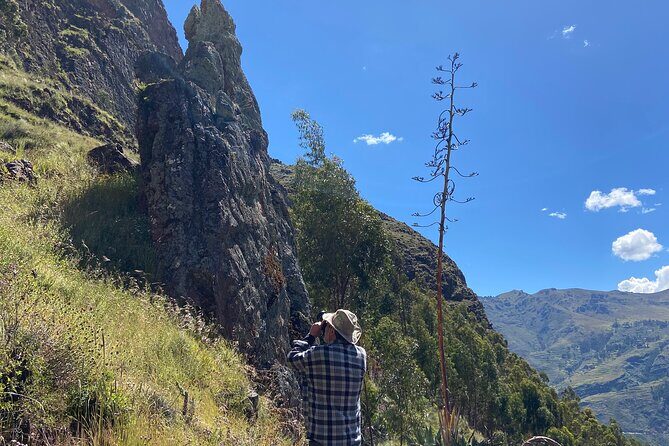
- Walking the village lands above Pisac with Raul and his grandmother guiding the pace
- Multilingual storytelling (English, Spanish, and Quechua) that makes the explanations feel connected
- Terrace farming and climate change in plain terms, showing how agriculture adapts
- Wildlife and local farming details that turn the mountains into a living classroom
- Private tour feel with lunch included, so you’re not trapped in a rushing crowd
You can also read our reviews of more tours and experiences in Cusco.
Meet-Up in Cusco: Starting Where Most Trips Simplify
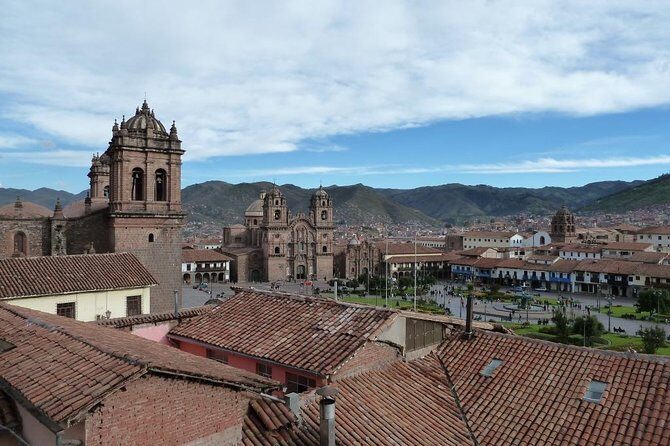
The tour starts at Plaza de Armas de Cusco, specifically Del Medio 123, Cusco 08000. That’s a convenient launch point because you’re not trying to figure out a taxi from somewhere out of the way.
From there, you’ll ride in an air-conditioned vehicle. In practice, that’s a comfort win in a city that can feel loud and busy. It also helps you get out of Cusco at a steady pace, without feeling like you’re constantly negotiating streets on arrival.
This is a private tour, meaning it’s just your group. That’s not a small detail. It changes the whole feel of a nature-and-village experience. You can ask more specific questions, pause when you want photos or slower walking, and generally keep the day from feeling like a production line.
The Drive to Pisac Country: What to Watch for on the Way
The listing doesn’t spell out every mile, but the intent is clear: this is about the Andean environment around Pisac, not only the famous viewpoints. That means the drive is part of the experience.
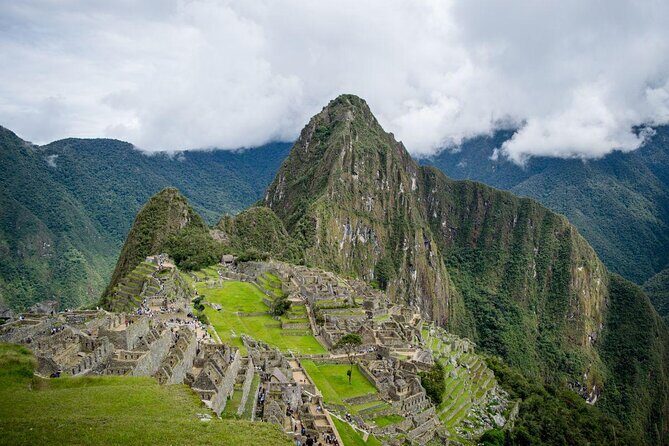
As you head out, you’ll likely notice how the terrain shapes everything—fields, paths, and settlement locations. Even if you’re not hunting for photos, pay attention to how people make use of slopes. Terrace farming, for example, doesn’t happen by accident. It’s a response to water, soil, and the need to farm where it otherwise would be too harsh.
Because the tour lasts about 8 hours, plan to treat the day as a slow-moving outing rather than a quick side trip. You’re going to end back at the meeting point in Cusco.
The Village Visit Above Pisac: Real People, Real Rhythm
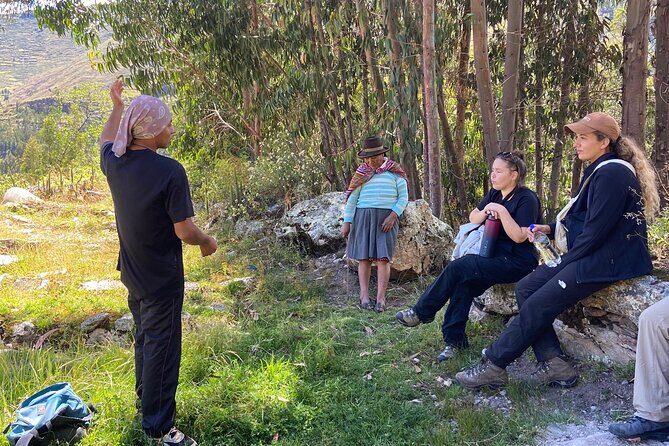
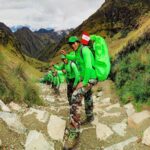
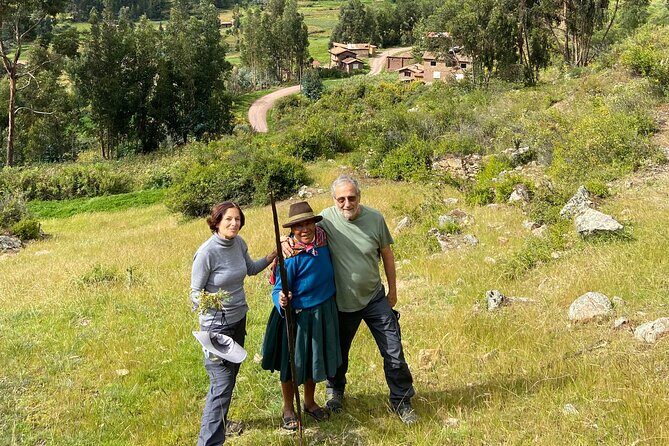
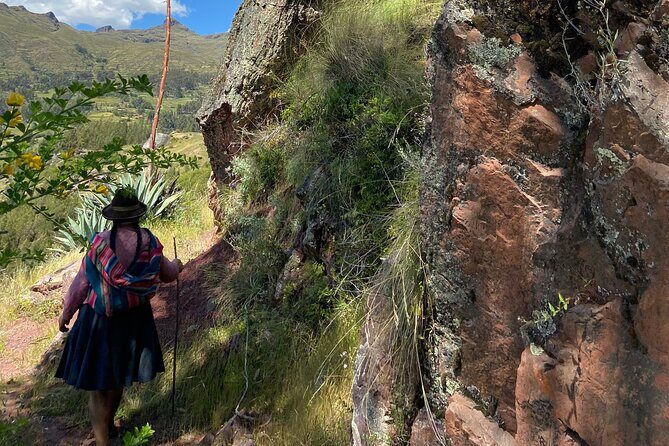
The highlight is the visit to Raul’s family village high above Pisac. This is not described as a museum stop. It’s a guided walk through a living community where agriculture, religion, and everyday life are all connected.
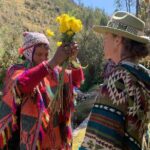
You meet Raul and his grandmother, who play a central role in the teaching. The reviews consistently call out how welcoming they make people feel, and that hospitality affects how much you actually absorb. When you’re comfortable, you ask better questions.
During the walk, you’ll learn about:
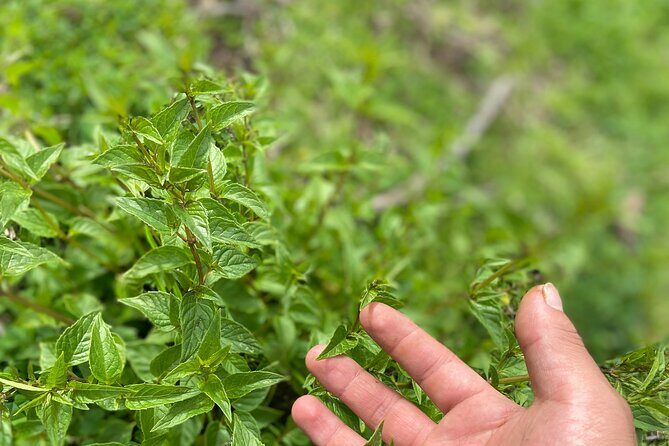
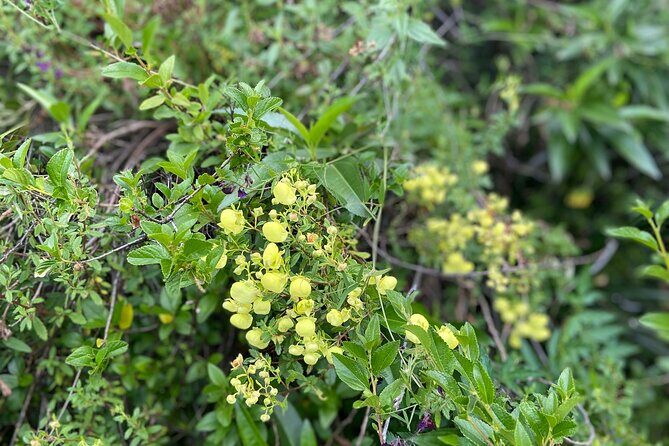
- Medicinal plants and their properties
- Local agriculture, including what terrace farming looks like on the ground
- Religion and daily life traditions as part of the worldview
- The way the community interacts with wildlife in the area
One detail I appreciate from the reviews: Raul doesn’t stick to one script. He can adapt the pace and focus depending on what you want—history, legends, farming methods, or a clearer explanation of how medicinal plants fit into the culture.
Medicinal Plants in Plain English: How This Knowledge Gets Translated
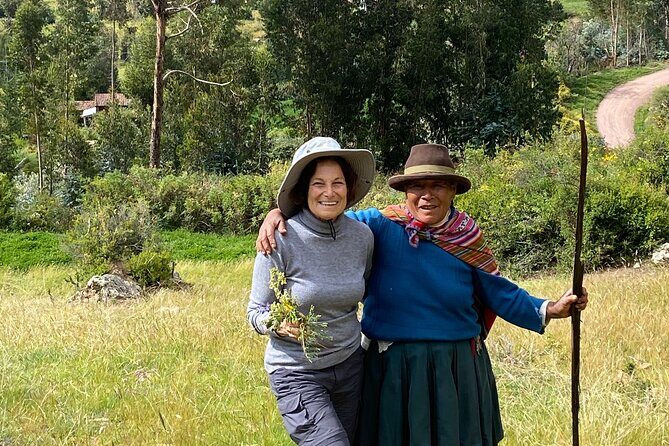
This tour is built around a simple question many people wonder about: how did ancestors handle health without the medicines we picture today? Here, the answer comes through the local knowledge system of the Ampay community.
Your guide’s grandmother shares secrets passed down through generations. The best part is that you’re not just learning names. You’re learning why plants matter to daily life—how they’re identified, where they grow, and how people relate them to wellness.
I like that the teaching stays grounded in the Andean way of thinking. Even if you’ve read about medicinal plants before, hearing it explained in context—while you’re surrounded by the environment where they’re used—makes it feel real.
Also, Raul’s multilingual ability (English, Spanish, and Quechua, as noted in the reviews) helps a lot. If you’ve ever felt frustrated when tours recycle the same phrases, this approach tends to feel more direct and human.

Terrace Farming and Climate Change: Practical Lessons, Not Just Nostalgia
One of the most valuable parts of the tour is the discussion of terrace farming and climate change. That’s important because it moves the conversation from romanticizing the past to understanding today’s challenges.
Terrace agriculture is often presented as an old engineering marvel. Here, you can expect it to be framed as work that still matters. Weather shifts and climate pressures change planting cycles and the difficulty of farming on slopes.
If you’re the type of traveler who likes learning how communities actually survive, this piece will likely be one of your favorites. It turns the mountains into something practical, not just scenic.
And if you’re only interested in ruins, this section may feel like a reminder that the Sacred Valley isn’t only a postcard. People live there. They farm there. They adapt there.
Agriculture, Religion, and Daily Traditions: The Stuff Between the Big Sights
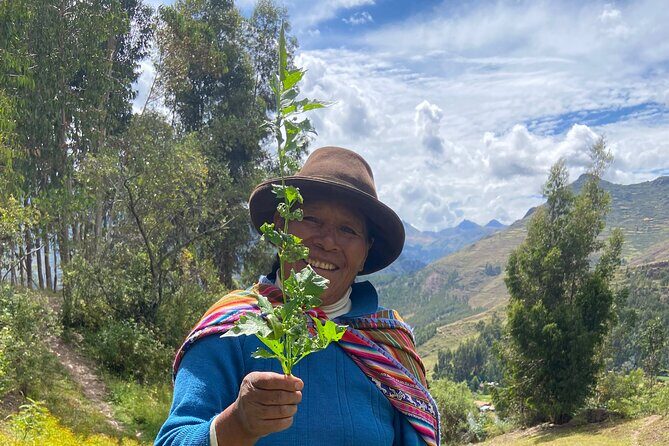
The tour isn’t only about plants. You also get a broader picture of community life—agriculture and religion as part of the same system.
In the walk, Raul shares his own life story along with local Inca culture themes. That matters because it connects big history to a small village reality. You hear how traditions continue, not how they vanished.
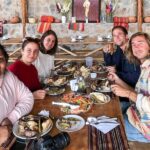
You’ll also spend time learning about daily traditions and food. Some reviews mention family traditions and food as part of the welcome. That’s the kind of detail that makes a half-day feel longer in the best way: you leave with a stronger sense of how people actually live, not just what they once did.
Photos and Customization: Raul’s Strength Comes Through
From what I see in the feedback, Raul doesn’t just show up and recite. He personalizes.
The reviews mention that he can take you off the beaten track, suggesting options beyond the same handful of stops. He can also customize based on what you ask for, and he’s able to discuss transportation options suited to different budgets (from private taxis to using public transport alongside others, depending on what fits).
Another practical bonus: reviews mention that he takes professional-level photos. You shouldn’t assume a studio session, but it suggests he knows how to frame shots and capture the moment without turning the day into a constant stop-start photo factory.
If you’re traveling with friends who like different things—one wants nature, another wants history, another wants straightforward logistics—Raul’s flexibility seems like a real advantage.
Lunch in the Middle of the Day: Fuel Without the Rush
Lunch is included, and that’s a key value point for an 8-hour excursion. The tour doesn’t mention breakfast, so you’ll want to eat before you leave Cusco.
Having lunch worked into the day also helps keep the rhythm. In villages, timing matters, and getting fed on schedule means you’re not scrambling for food at the wrong moment.
I also like that lunch is likely to fit the context of the visit. Even when details aren’t spelled out, the experience is framed as a window into family life, so meals tend to be part of that same world rather than an afterthought.
Price and Value: Why $55 Can Make Sense
At $55 per person for an 8-hour private tour with air-conditioned transport and lunch included, the value can be strong—especially if you’re trying to avoid paying separate rates for guide time plus meals.
You’re not only paying for transportation and a guide. You’re paying for access to the Ampay family setting and for someone—Raul and his grandmother—to share knowledge that’s personal and place-based.
The best value happens when you actually ask questions. If you show up curious and respectful, you’ll get more out of the day than a checklist approach would deliver.
Also, the reviews show a 5 out of 5 rating with 100% recommended. Even if you don’t treat that as a guarantee, it usually signals that people got what they came for: an authentic meeting, not a rushed performance.
Who This Tour Suits Best (And Who Might Prefer Something Else)
This tour fits travelers who love nature, plants, and learning how people live with the land. If you’re the type who doesn’t get satisfaction from only ruins and overlooks, you’ll probably love it.
It’s also great for couples, solo travelers, and small groups who want a private pace. The private format plus lunch included makes the day feel more complete.
If you want a pure Inca-ruins marathon, this might feel slower or less dramatic than the big-ticket sites. It’s not built around that. It’s built around Andean nature and community knowledge, so go with that expectation.
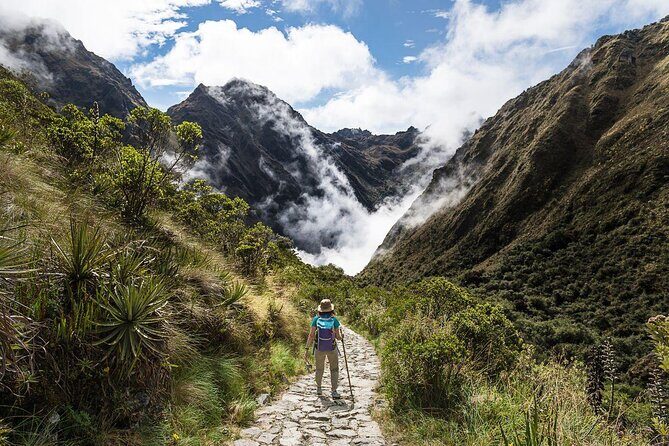
And remember the moderate fitness note. You don’t need to be an athlete, but you should be comfortable walking and moving on uneven ground.
Practical Tips So You Enjoy It Fully
Bring sturdy shoes for walking on village paths.
Wear layers. Cusco-area weather can change, and you’ll be outside for part of the day.
Hydrate. Even if you’re not doing hard hikes, you’ll be active, and you’ll want energy for the conversation and explanations.
Finally, come ready with questions. If you ask about medicinal plants, terrace farming, and daily life, you’ll turn the tour into your own learning experience instead of a one-way talk.
Should You Book the Ampay-Pisac Nature Visit?
I’d book it if you want a more human side of Pisac—plants, farming, and a family connection you can feel in the way the day unfolds. Raul’s background, his grandmother’s teaching, and the clear focus on medicinal plants and agriculture make this a strong choice for nature lovers.
Skip it if you’re only chasing the famous sights and want a quick hit of ruins with no village walk focus. Also pass if you don’t want to do moderate walking.
If you’re on the fence, think about your goal for Cusco: do you want scenes to look at, or lessons to carry home? This tour is built for lessons.
FAQ
How long is the Andean nature tour in Pisac?
It runs for about 8 hours.
How much does the tour cost?
The price is $55.00 per person.
Where does the tour start?
It starts at Plaza de Armas de Cusco, Del Medio 123, Cusco 08000, Peru.
Is breakfast included?
No, breakfast is not included.
What’s included in the price?
The tour includes an air-conditioned vehicle and lunch.
Is this a private tour?
Yes, it’s private. Only your group participates.
What fitness level do I need?
You should have a moderate physical fitness level.
What are the opening hours?
It runs Monday through Sunday from 8:00 AM to 3:00 PM.
Can I bring a service animal?
Yes, service animals are allowed.