REVIEW · CUSCO
Tour 7 days: Cusco Sacred Valley Maras Moray Mountain of Colors Humantay Lagoon
Book on Viator →Operated by Andean Perú Trip Advisors · Bookable on Viator
One week, and you hit Cusco, the Sacred Valley, and Machu Picchu. This tour strings together the big hitters with all-inclusive transport and guided stops where admission tickets are included, so you spend less time figuring things out. You also get early-morning mountain hikes that require a moderate fitness level and start times that are… honestly early.
What makes it especially interesting is the mix: classic Cusco architecture and Inca ruins on Day 1, then market + forts in the Sacred Valley, and finally Machu Picchu by train. I also like the pacing that alternates intense days (Vinicunca and Humantay) with mornings that end in the early afternoon, giving you actual breathing room.
One possible drawback to consider: it’s a packed schedule with a lot of moving around, including bus rides, train travel, and mountain walks. If you’re the type who hates running on a tight clock, this might feel like a lot.
In This Review
- Key things I’d watch for
- A 7-day Cusco and Sacred Valley plan that feels complete
- Day 1 in Cusco: cathedral, Sun Temple, and the Inca stone giants
- Day 2: Pisac market and ruins, then Ollantaytambo and the train to Aguas Calientes
- Day 3 Machu Picchu: guided visit first, then optional hikes
- The optional Huaynapicchu or Mountain sector hike
- Day 4 Moray and Salineras: Inca agriculture experiments and salt harvesting
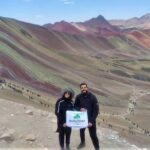
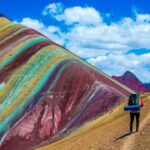
- Day 5 Vinicunca Mountain of Colors: an early start with a guided walk and photo window
- What to expect from the effort
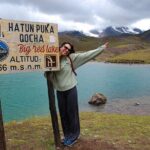
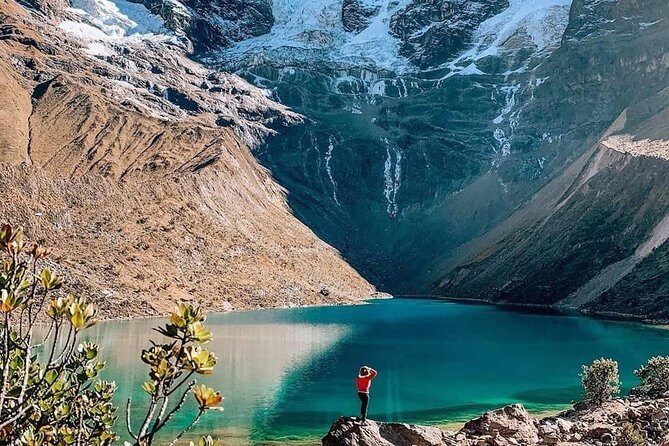
- Day 6 Humantay Lake: another 4:30 am day with about an hour at the lake
- Day 7: Cusco transfer to your flight
- Price and Logistics: what $790 buys you (and where it may feel tight)
- Is it good value?
- Practical tips that matter for these specific days
- Who should book this tour?
- Should you book this tour?
- FAQ
- What’s included in the tour price?
- Are Machu Picchu tickets handled for me?
- How early do pickups start?
- Do I have to hike Huaynapicchu or Machu Picchu Mountain?
- What fitness level do I need?
- How big is the group?
- What happens if the weather is bad?
- When can I cancel for a full refund?
- How is the trip handled at the end for flights?
Key things I’d watch for
- Max group size of 18 means you’re less likely to feel lost in a crowd.
- Machu Picchu with roundtrip train from Ollantaytambo removes one of the biggest logistics headaches.
- Two big high-altitude walks (Vinicunca and Humantay) happen at 4:30 am starts.
- Horse help is available, but it’s limited (horses only take you up to about 20 minutes before the top).
- Free afternoon on Day 4 gives you time to catch your breath in Cusco.
A 7-day Cusco and Sacred Valley plan that feels complete
If you want one trip that covers the famous Cusco area without making you plan every connection, this works. You start in Cusco, move through the Sacred Valley highlights, sleep in the right places, and end with the airport transfer timed to your flight.
I like that the tour is built like a full circuit rather than a couple of day trips stitched together. You get guided visits at major sites, and the schedule keeps you seeing both the Inca side and the colonial-era layers of Cusco. The total duration is about a week, and it’s clearly meant to be efficient while still including proper meal breaks on longer days.
Also, small detail but important for comfort: you’re not just shown the attractions—you get provided accommodation and coordinated transport throughout.
You can also read our reviews of more tours and experiences in Cusco

Day 1 in Cusco: cathedral, Sun Temple, and the Inca stone giants
Day 1 is a real Cusco intro. You move through a sequence of major sites in the city, each with a short timed visit, so it feels like a guided tour-through-time.
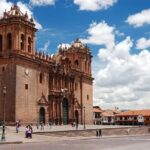
- Cusco Cathedral
You get about 30 minutes inside, and the focus is on how the building mixes architectural styles. There’s also mention of an admirable collection of canvases, which is a nice change of pace from only ruins and stones.
- Qorikancha (Temple of the Sun)
This was one of the most important temples in Inca times, and the stop emphasizes the perfection and beauty of the Inca architecture. It’s a good anchor point early in the trip because it connects what you’re about to see in the broader Sacred Valley.
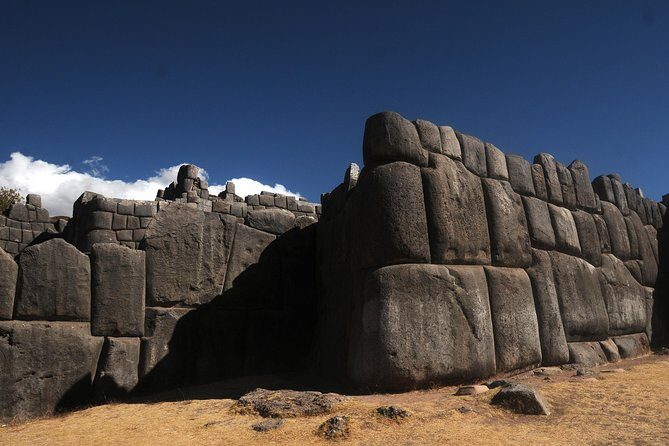
- Sacsayhuaman
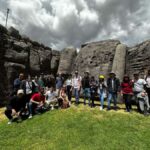
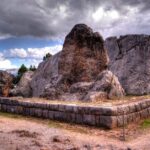
This is the big wow-factor stop, with colossal walls made of monumental stones. You’ll hear about zigzag stone distribution across three platforms, and the scale details (including stones up to 9 meters long) help explain why people still react the same way when they’re standing there.
- Q’enqo
The description here leans into the “labyrinth” idea: steps, holes, gutters, and underground labyrinth-shaped galleries, plus zigzag carvings and small carved channels.
- Pucapucara
Called the Red Fortress in Quechua due to the red rocks, this is presented as a military construction within the defensive complex of Cusco. You’ll see it framed as both defensive and administrative, with terraces, stairways, platforms, overlapping levels, and passages.
- Tambomachay
This one is devoted to water—aqueducts, canals, and waterfalls running through the rocks. The stop highlights a main waterfall without clear knowledge of where its water comes from, which gives you something memorable beyond just “it’s scenic.”
Practical note: because each stop is timed (often around 30 minutes), Day 1 is not for slow wandering. It’s for getting the key sites under your belt with a guide, then deciding what you want to revisit later on your own.
Day 2: Pisac market and ruins, then Ollantaytambo and the train to Aguas Calientes
Day 2 balances a local-feeling start with archaeology. You begin with Pisac Market and get about 40 minutes of free time to make purchases.
Then you move up to the archaeological park of Pisac, where the site is described as being on the mountain above platforms in good condition. The tour frames it as one of the valley’s most beautiful monumental centers because it combines the natural setting with careful construction.
After Pisac, the day shifts into the heart of the Sacred Valley route:
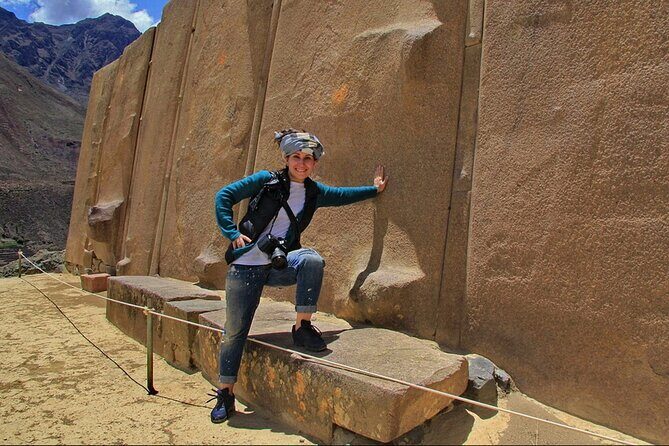
- Ollantaytambo archaeological park
The key point here is that the current town is in the same place as the Inca urban sector. You also learn why Ollantaytambo stands out: it’s described as the only place in Peru where you can still find people living in the same buildings that once housed Incan nobles.
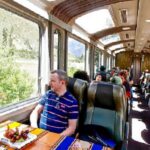
Then you take the train to Aguas Calientes. The schedule includes staff meeting you at the train station, and you have a hotel night there. The guide then appears at your hotel to give instructions for the next day, which is a big deal on Machu Picchu day when timings can feel confusing.
Day 3 Machu Picchu: guided visit first, then optional hikes
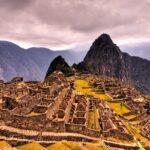
Machu Picchu day is structured to make it manageable. You board a bus to the citadel, then get a guided tour through the main precincts for about two hours.
Here’s what you’ll cover on the guided portion:
- Main Plaza
- Circular Tower
- Sacred Solar Clock
- Royal Rooms
- Temple of the Three Windows
- Cemeteries
After the citadel visit, you take the bus back to Aguas Calientes. In the afternoon, you ride the train back to Ollantaytambo, and then you get transferred by bus to Cusco.
The optional Huaynapicchu or Mountain sector hike
There’s an optional add-on you can consider if you want bigger views and don’t mind extra time. The tour mentions the Huaynapicchu summit or the Mountain sector as an option that takes about 3 hours. Importantly, this optional visit is described as without a guide, so it’s for travelers who feel comfortable following the general path and handling the logistics independently.
How to choose: if you prefer a guided, “no surprises” approach, stick with the main guided route only. If you like extra effort for photo-friendly vantage points and have good stamina, the optional hike can be a solid upgrade.

Day 4 Moray and Salineras: Inca agriculture experiments and salt harvesting
This is one of those days that feels smartly planned: you get a morning start and then a free afternoon back in Cusco. It runs from hotel pickup around 8:00 am and ends around 2:30 pm.
- Moray
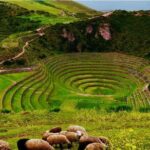
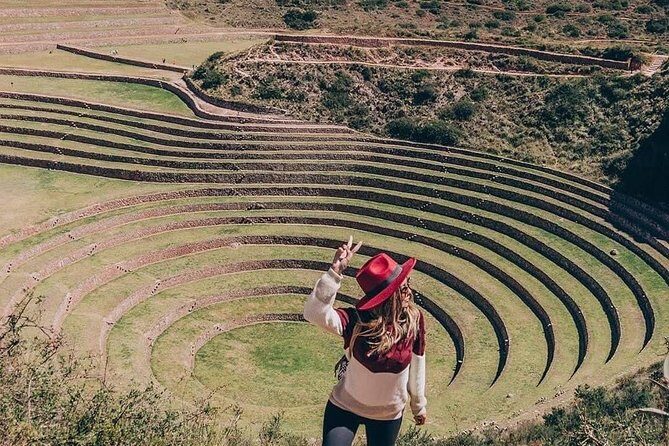
Moray is presented as an Inca agricultural research center with experiments at different heights. The key idea is that the layout of its concentric circular platforms creates a gradient of microclimates, with the center warmer and conditions cooling outward.
- Salineras (salt mines)
This stop is packed with details, and I actually like that. You’ll learn about roughly 3,000 small wells, filled with salt water from a natural spring above them. During drought the wells hold water; as it evaporates, salt crystallizes. When the salt reaches about 10 cm high, it’s removed, packed in cloth sacks, and sent to markets. The tour also notes that today the salt is iodized by state standards.
Why I think this day is valuable: it adds context for how the Inca used science and resources rather than only building monuments. It’s a different kind of “wow,” and the timing (ending early) keeps it from turning into a full exhaustion day.
Day 5 Vinicunca Mountain of Colors: an early start with a guided walk and photo window
Vinicunca day is long and early, and it’s set up clearly for stamina and planning.
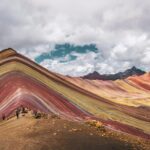
You leave Cusco at 4:30 am and head south toward Cusipata (about 1 hour 45 minutes). Breakfast is included for about 30 minutes. After that, you continue to the site, and you start the walk (about 1 hour).
On the mountain, the tour includes:
- time to use hygienic services
- a reminder to wear appropriate clothes
- explanations about the area and the precautions you should take
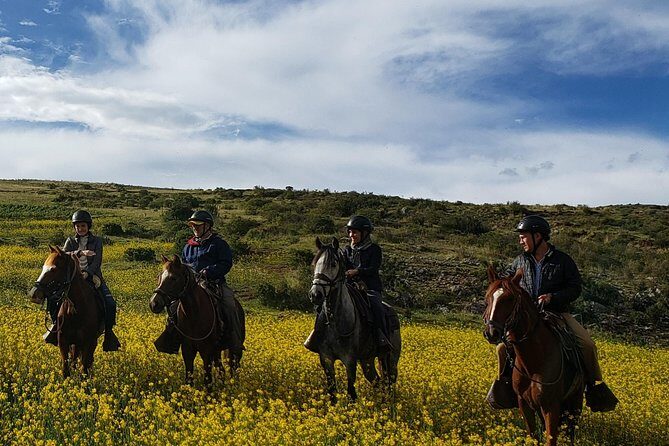
- horse rental coordination (horses only take you up to about 20 minutes before reaching the top)
At Vinicunca, you get about 30 minutes for photographs, then you head back down. You continue to a buffet lunch in Cusipata, and return to Cusco around 5:00 pm.
What to expect from the effort
This is not just a viewpoint stop. It’s a walk plus a climb, and then you’re still doing the whole schedule down to lunch and the drive back.
If your goal is photos and you enjoy hikes, this can feel like a highlight day. If you’re more fragile on your feet, the horse option helps, but it’s still limited to part of the route.
Day 6 Humantay Lake: another 4:30 am day with about an hour at the lake
Day 6 mirrors the structure of Day 5, but with a different vibe: a lake day built around a steady ascent and a focused time at the destination.
You leave Cusco at 4:30 am and travel north to Mollepata (about 2 hours). Breakfast is again about 30 minutes. Then you continue toward the site to start the walk (around 1 hour 30 minutes).
At the start of the climb, the tour includes hygienic services, guidance on appropriate clothing, and explanations about precautions. Horse rental is again coordinated, with horses only taking you up to about 20 minutes before reaching the top.
At Laguna Humantay, you get about 1 hour for photography, then head back down. Lunch is provided as a buffet in Mollepata, and you return to Cusco around 6:00 pm.
The key consideration here: you’re committing to an early start and a hike length of roughly 1.5 hours one way (per the schedule). If your energy is better in shorter bursts, this could be the day you focus on the essentials rather than trying to do everything at the lake.
Day 7: Cusco transfer to your flight
The trip ends with a transfer to the airport about 1.5 hours before your flight departure. It’s the kind of ending I appreciate because it removes the guesswork of timing your final morning.
You don’t have an attraction ticket on Day 7. It’s a clean wrap-up day.
Price and Logistics: what $790 buys you (and where it may feel tight)
At $790 per person for about 7 days, you’re paying for more than entrance fees. You’re paying for the heavy-lift parts: roundtrip train tickets between Ollantaytambo and Machu Picchu, guided visits at major sites, and organized transportation throughout the circuit.
The inclusions listed are meaningful:
- Roundtrip train tickets: Ollantaytambo to Machu Picchu and back
- Entrance tickets to attractions
- Breakfasts (6) and lunches (4)
- Provided accommodation
- Guided visits at major attractions
Then there are the things not included:
- Lunch and dinner beyond what’s stated
- International/internal flights
Is it good value?
I think it’s good value if you want to avoid stitching together public transport and separate tickets while still hitting the high-demand landmarks. Machu Picchu especially is the piece most people overpay for when they try to book everything on their own under time pressure.
Also worth noting: this tour is described as having a maximum of 18 travelers. Smaller groups often translate to smoother handling at train stations and during transfers.
One more “value” hint: this program is booked about 78 days in advance on average. That suggests the supply is limited, and dates can fill. If you have a must-visit week, plan early rather than hoping.
Practical tips that matter for these specific days
This itinerary runs on early mornings and guided timing, so the small choices you make can save you stress.
- Prepare for steep walking days twice (Vinicunca and Humantay). The schedule includes time for hygienic services and guidance, but you’re still doing real climbing.
- Use the horse option smartly. Horses are coordinated and limited to about the final 20 minutes before the top. So you shouldn’t expect it to replace the entire walk.
- Lean into the guided parts. Days like Cusco’s first day and Machu Picchu’s guided route are timed. If you try to “freestyle” too much inside those windows, you’ll likely miss the points the guide is mapping out for you.
- Don’t waste the free time on Day 4. That open afternoon is your chance to rest, regroup, and do a little personal exploration without a stopwatch.
- Weather matters. The tour is described as requiring good weather, and if it’s canceled due to poor weather, you’ll be offered a different date or a full refund.
On the service side, the agency’s support is repeatedly praised as friendly and responsible. Names like Noemí and Ritmer come up in how the team stays attentive and communicative, which can matter when you’re juggling trains and very early pickups.
Who should book this tour?
This is a strong fit if you:
- want a guided, all-in-one Cusco + Sacred Valley + Machu Picchu route
- like organized logistics more than independent planning
- can handle a moderate fitness requirement and early departures (4:30 am is part of the deal)
- want a small group experience (up to 18)
It may not be ideal if you:
- dislike early starts and long travel days
- struggle with walking uphill for 1 to 1.5 hours at a time
- prefer lots of slow, unstructured sightseeing
Should you book this tour?
I’d book it if you want one trip that covers the Cusco classics, the Sacred Valley highlights, and Machu Picchu with the hard logistics handled for you. The inclusion of roundtrip train and the fact that entrance tickets are part of the package are big reasons to feel confident.
If you’re on the fence, my advice is simple: check your comfort with early mornings and mountain walks. The itinerary offers free afternoon time on Day 4, but the overall structure is active, not laid-back.
FAQ
What’s included in the tour price?
The tour includes roundtrip train tickets from Ollantaytambo to Machu Picchu and back, entrance tickets for the attractions on the schedule, provided accommodation, and meals listed as 6 breakfasts and 4 lunches.
Are Machu Picchu tickets handled for me?
Yes. Entrance tickets are included, and the train tickets are included as well for Ollantaytambo to Machu Picchu and back.
How early do pickups start?
The overall start time is listed as 6:00 am. On the mountain days for Vinicunca and Humantay, departures from Cusco are listed at 4:30 am, and on Day 4 Moray pickup is listed around 8:00 am.
Do I have to hike Huaynapicchu or Machu Picchu Mountain?
No. There’s an optional hike to Huaynapicchu or the Mountain sector, described as taking about 3 hours, and it’s noted as without a guide.
What fitness level do I need?
The tour specifies that travelers should have a moderate physical fitness level. It includes walking portions on Vinicunca and Humantay days, along with the option to coordinate horse rental for part of the route.
How big is the group?
The tour/activity has a maximum of 18 travelers.
What happens if the weather is bad?
The experience requires good weather. If it’s canceled due to poor weather, you’ll be offered a different date or a full refund.
When can I cancel for a full refund?
You can cancel up to 3 days in advance for a full refund. The policy states you must cancel at least 3 full days before the experience’s start time.
How is the trip handled at the end for flights?
On the final day, you’ll have a transfer to the airport about 1.5 hours before your flight departure time.