REVIEW · CUSCO
From Cusco: 2-Day Sacred Valley and Machupicchu by Train
Book on GetYourGuide →Operated by FLY CUSCO PERU Travel Agency · Bookable on GetYourGuide
Two days is the key to not feeling rushed. This Sacred Valley plus Machu Picchu tour lines up transit, sightseeing, and overnight timing so you can focus on the sites. I like that you get door-to-door pickup and drop-off in Cusco, which removes a lot of headache when you’re dealing with train schedules.
What I really like most is the guided flow. You’ll have an English/Spanish guide for the Sacred Valley day (including Pisac, Ollantaytambo, and an alpaca textile stop), then a guided visit at Machu Picchu. The one consideration: parts of the day include retail-style stops where the sales pitch can feel hard to avoid, and you may also need extra tickets for Pisac/Ollantaytambo or an optional Wayna Picchu add-on.
In This Review
- Key Points at a Glance
- Why This 2-Day Sacred Valley + Machu Picchu Plan Works
- Cusco to the Sacred Valley: Stops for Views, Textiles, and Inca-Era Details
- Pisac Archaeological Park and the Market: Inca Farming in Plain Sight
- Urubamba Lunch and Ollantaytambo: How the Sacred Valley Ends Up at the Train
- Choosing Your Train Option: Normal vs Vistadome 360° Panoramic
- Aguas Calientes Overnight: The Free Afternoon That Makes the Next Day Easier
- Machu Picchu Day: Early Entrance, Classic Photo Spot, and a Guided Route
- Price and What You’re Getting for $499
- Organization Quality: Punctuality, Transfers, and the Human Touch
- Shopping Stops and How to Keep the Day Feeling Like You
- Who This Tour Suits Best
- Should You Book This Sacred Valley and Machu Picchu by Train Tour?
- FAQ
- FAQ
- What is the duration of this tour?
- Where does the tour start and where do you end up?
- What’s included in the price?
- Are lunch and dinner included?
- Do I need extra tickets for Pisac and Ollantaytambo?
- Is Wayna Picchu included?
- What train options are available?
- How big is the group?
- What personal information do I need to provide?
Key Points at a Glance
- Small group size (up to 10): easier pace and more chances to ask questions.
- Two train options: normal vs Vistadome 360° panoramic, so you can choose your comfort level.
- Overnight in Aguas Calientes: you’re not sprinting Machu Picchu and back on the same day.
- Guided Machu Picchu includes the entrance ticket: less guesswork once you arrive.
- Buffet lunch on Day 1: food is handled, with vegetarian options available.
- Watch for shopping stops: textile and jewelry stops lean sales-forward, so decide in advance.
Why This 2-Day Sacred Valley + Machu Picchu Plan Works
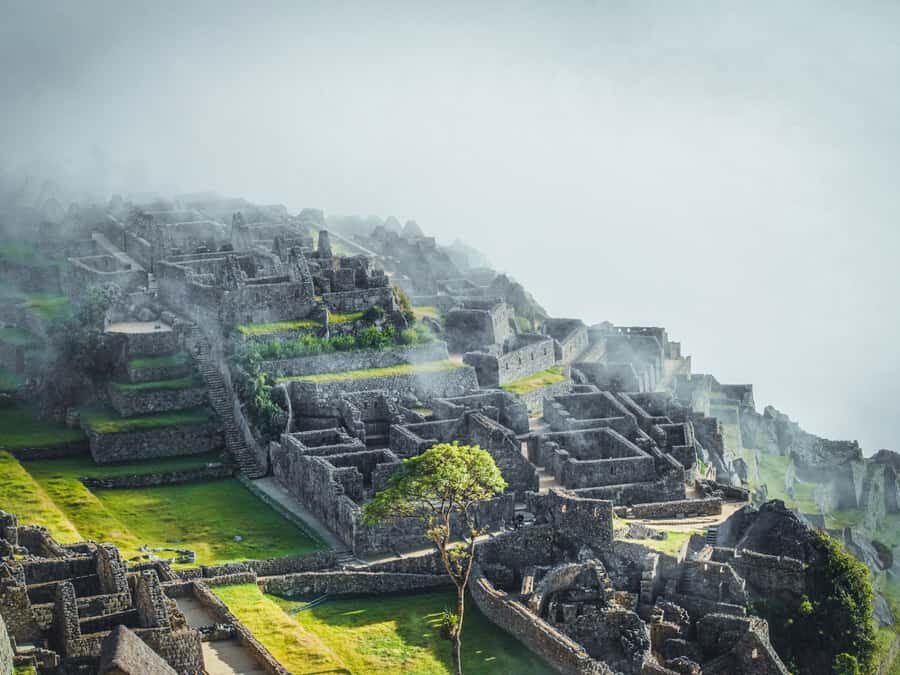
Machu Picchu is not just a place. It’s a timing puzzle. Going for two days makes the puzzle easier because you get to spread the big moments out: Sacred Valley on Day 1, Machu Picchu on Day 2, plus the train rhythm that connects it all.
You also benefit from the overnight stay in Aguas Calientes. That means you’re not trying to arrive, queue, tour, and return to Cusco in one long day. Instead, you’ll check in, have free afternoon time, then head to Machu Picchu early with your guide. For most people, that’s the difference between feeling on top of things and feeling like you’re being dragged along by the clock.
Another quiet win: the tour is built around transit that’s arranged for you—bus to Machu Picchu and trains between Ollantaytambo and Aguas Calientes. When these are handled well, you spend less energy worrying about timing and more energy looking at stonework, terraces, and the views.
You can also read our reviews of more tours and experiences in Cusco
Cusco to the Sacred Valley: Stops for Views, Textiles, and Inca-Era Details
Day 1 starts with pickup in the lobby after breakfast at your Cusco hotel. Then you’ll ride from Cusco toward the Sacred Valley, passing key Cusco-area highlights like Sacsayhuamán, Qenqo, and Puca Pucara without extended stops. It’s a useful way to get context without turning the morning into a long detour.
Soon after, the route includes Awana Kancha, an alpaca and textile-focused stop. You’ll have about 30 minutes to learn how textiles are made and to see different animals—llamas, alpacas, vicuñas. This part is short enough to feel efficient, but it’s also the beginning of the tour’s more sales-oriented segment. If you’re not interested in buying sweaters or related items, you may want to keep your expectations in check and focus on the animal viewing and the weaving process.
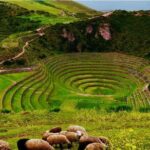
Next comes the Taray viewpoint, built for the classic postcard angle of the Sacred Valley’s terraces along the Urubamba River. This is one of those stops that’s less about facts and more about orientation. You’ll see what you’re walking toward over the next two days: layered agriculture, river bends, and the way Inca planning used terrain.
What makes the early portion valuable is the balance. You get a mix of high-level context (Cusco-region sites you drive past), hands-on learning (textiles), and real photo viewpoints (Taray). Even if you’ve read about the Sacred Valley before, seeing it from these angles helps it click.
Pisac Archaeological Park and the Market: Inca Farming in Plain Sight
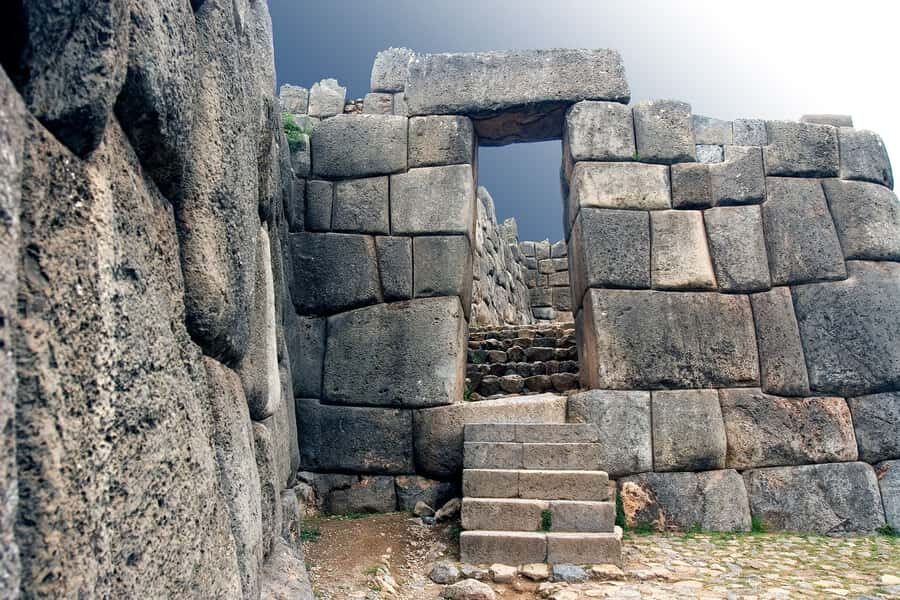
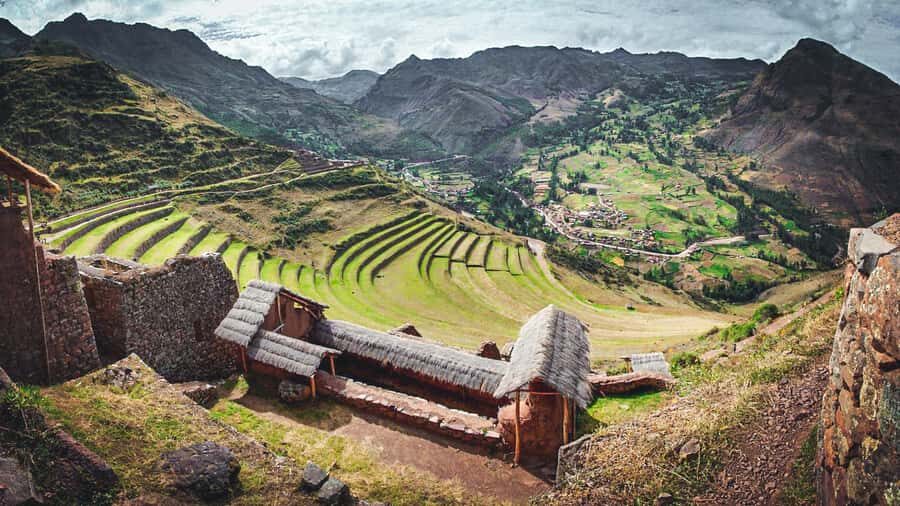
After the viewpoints, you’ll continue to Pisac. The plan includes a drive up toward the Pisac Inca site with time for the guided explanation. This is the part where you get to connect what you saw at Taray with how the area was used. Your guide will point out temples, residences, altars, channels, and the basic logic of Inca agricultural methods.
A practical note: these sites can involve uneven ground and changing elevations. The tour pacing helps, but it’s still worth going in with comfortable walking shoes and a slow, steady rhythm.
Then you’ll head to the Pisac market in the village. This is where the experience turns more cultural and day-to-day. You’ll be able to interact with local people and shop for souvenirs like pottery, jewelry, and textiles. If shopping is your thing, this is one of the best chances on the itinerary to browse. If you’d rather keep things simple, you can treat it as a place to observe and pick up one or two small items—there’s no requirement to buy.
The market and the archaeological park together are the best combo on Day 1: stone remains show the big plan, while the market shows what continues today.
Urubamba Lunch and Ollantaytambo: How the Sacred Valley Ends Up at the Train
Lunch is handled in Urubamba with a buffet-style meal, and vegetarian options are available. This matters more than it sounds. With Machu Picchu later in the trip, eating well on the first day helps you avoid the low-energy spiral that hits when plans run long or you’re simply hungry.
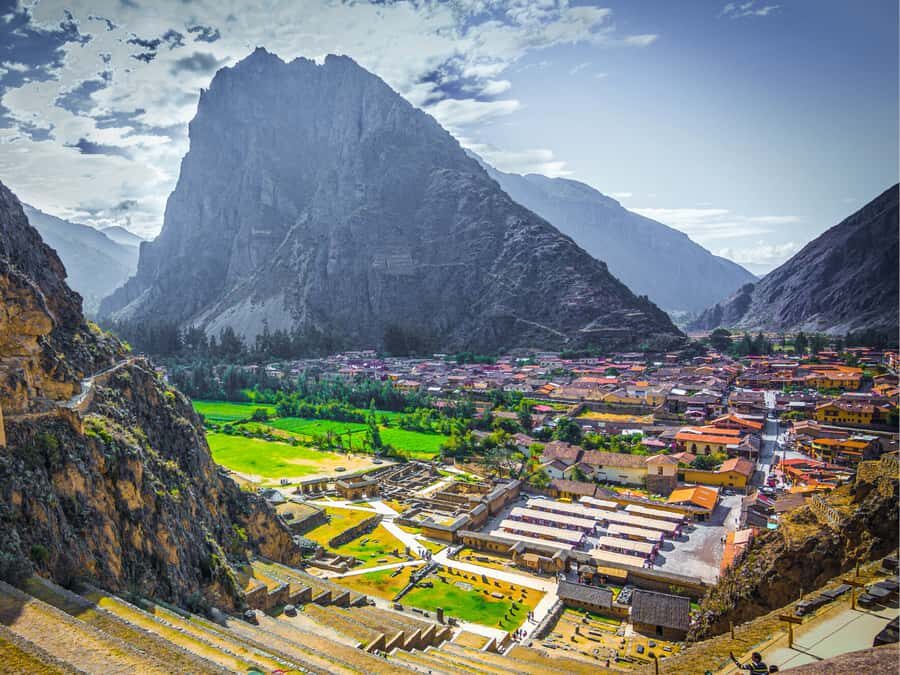
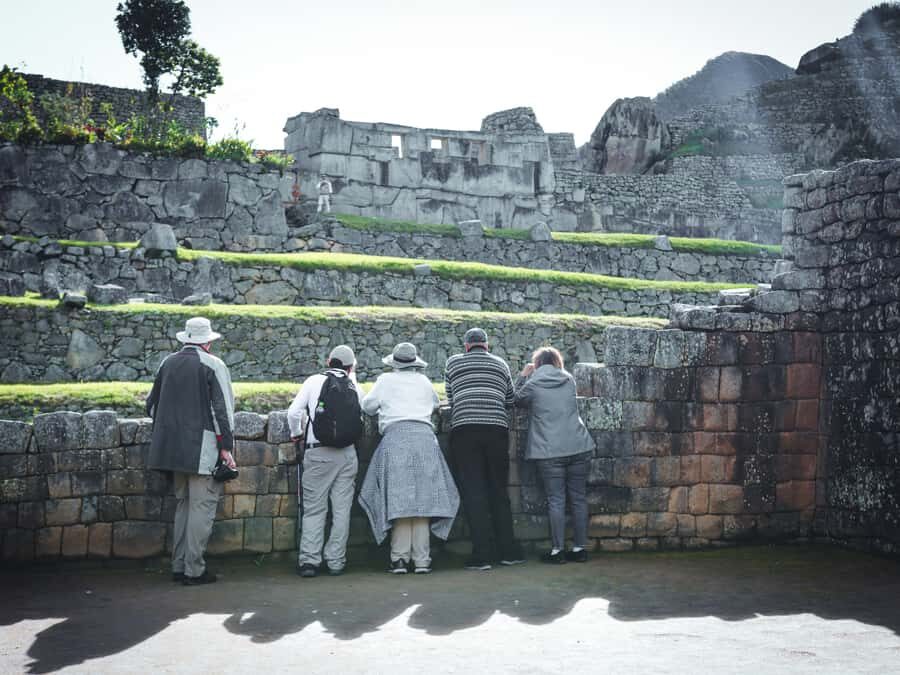
After lunch, you’ll visit Ollantaytambo—terraces and ruins, with a guide explaining its strategic importance. The area is known as the protected entrance to routes toward Machu Picchu, and that context adds weight to what you see. Terraces here aren’t just pretty. They tell you how the Inca shaped movement, defense, and agriculture all at once.
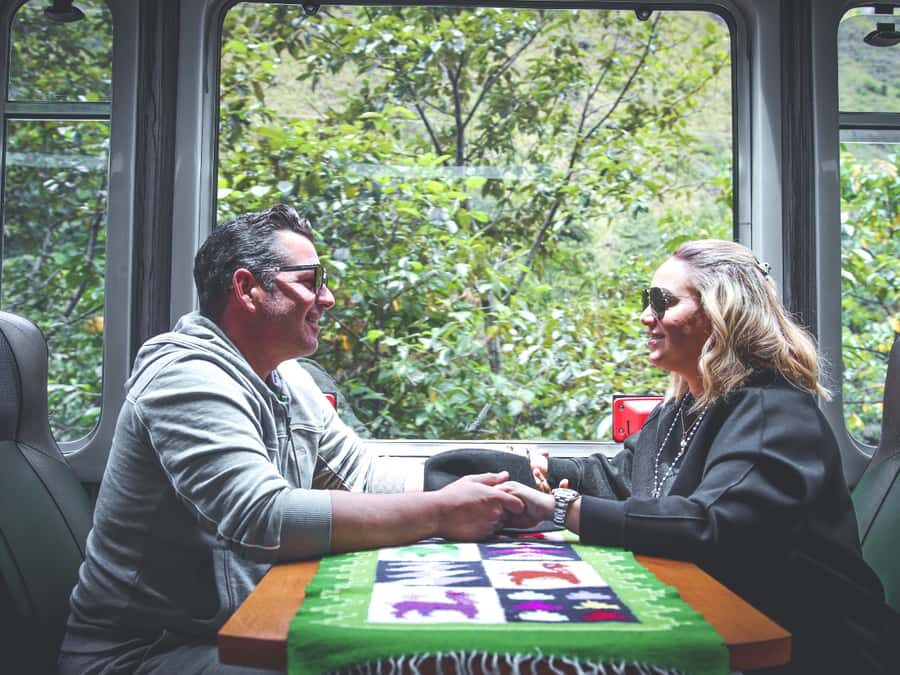
At that point, the tour shifts from ruins to logistics. You’ll head to the train station in Ollantaytambo to board your selected train to Aguas Calientes. The ride is about 1 hour 45 minutes, and you’ll pass through mountainous terrain before arriving near the Machu Picchu area.
This segment is one of the reasons the two-day format feels good. You’re not doing a long bus ride straight into Machu Picchu. Instead, you get a smoother transition from Sacred Valley sites into the “base” town for your Machu Picchu morning.
Choosing Your Train Option: Normal vs Vistadome 360° Panoramic
The tour lets you choose between a normal train and a Vistadome 360° panoramic option. It’s tempting to assume bigger windows always equal a better trip. Here’s my practical take: if the price difference is meaningful, compare what you’re paying for.
In at least one recent experience, someone felt the upgraded train was not worth extra money because views were nearly the same. That doesn’t mean panoramic trains are bad. It just means you should treat the upgrade as optional, not necessary.
How to decide:
- If you care most about comfort and don’t want to think about it again, the Vistadome option can be a straightforward choice.
- If you’re budget-minded, know that the route itself is what delivers the mountainous scenery, and you’re still getting it on the standard train.





Aguas Calientes Overnight: The Free Afternoon That Makes the Next Day Easier
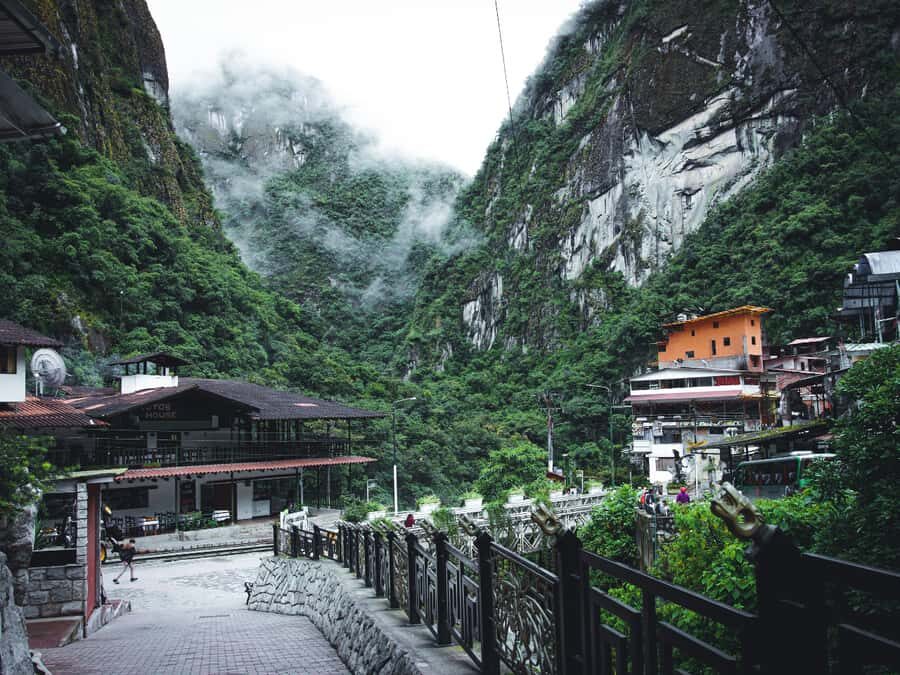
You arrive in Aguas Calientes around 18:10 and transfer to your hotel for one night. The included stay is at Inti Punku Machupicchu Hotel & Suites (or similar), described as a 3-star option, with breakfast included for the next morning.
After check-in, you’ll have the afternoon free on your own. This is a big deal because it gives you time to reset. You can take a walk, eat at your own pace, or simply avoid overheating your day before Machu Picchu.
Also, this is when you’re best positioned to handle practical stuff. If you need to confirm morning timing, set up a phone charge, or do last-minute planning for what you want to see first, you can do it without stress.
Machu Picchu Day: Early Entrance, Classic Photo Spot, and a Guided Route
Day 2 starts with breakfast at your hotel, then you’ll head with your guide to the bus station in Aguas Calientes. The bus ride takes you to the main gate of the Historic Sanctuary of Machu Picchu.
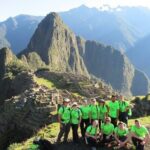
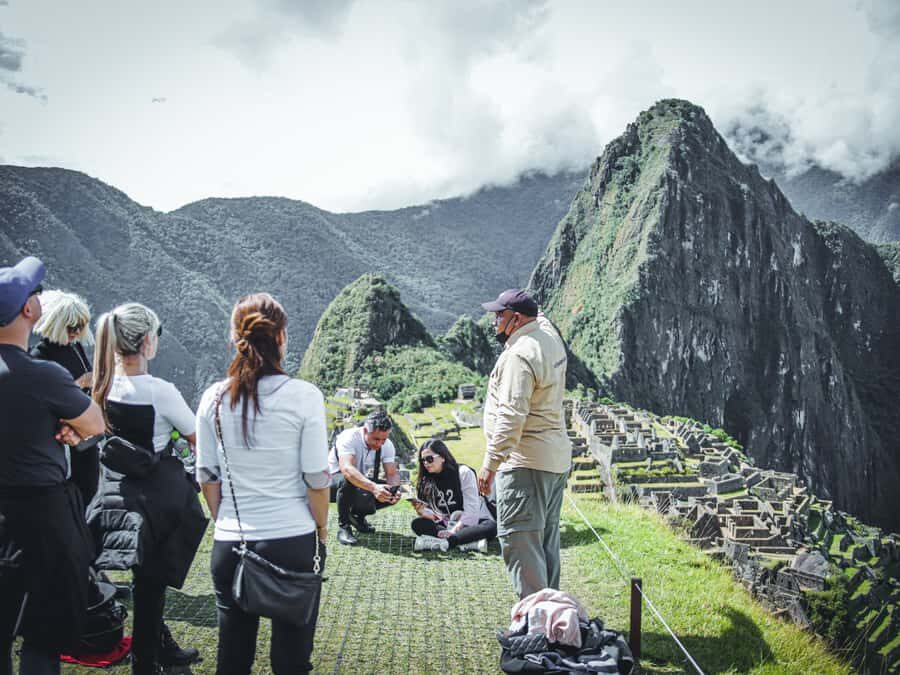
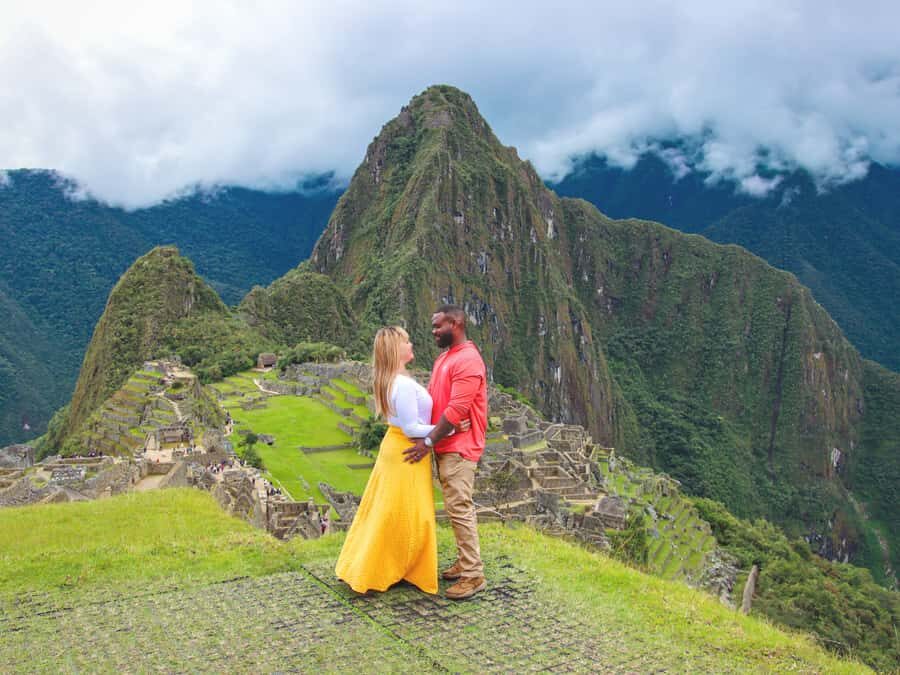
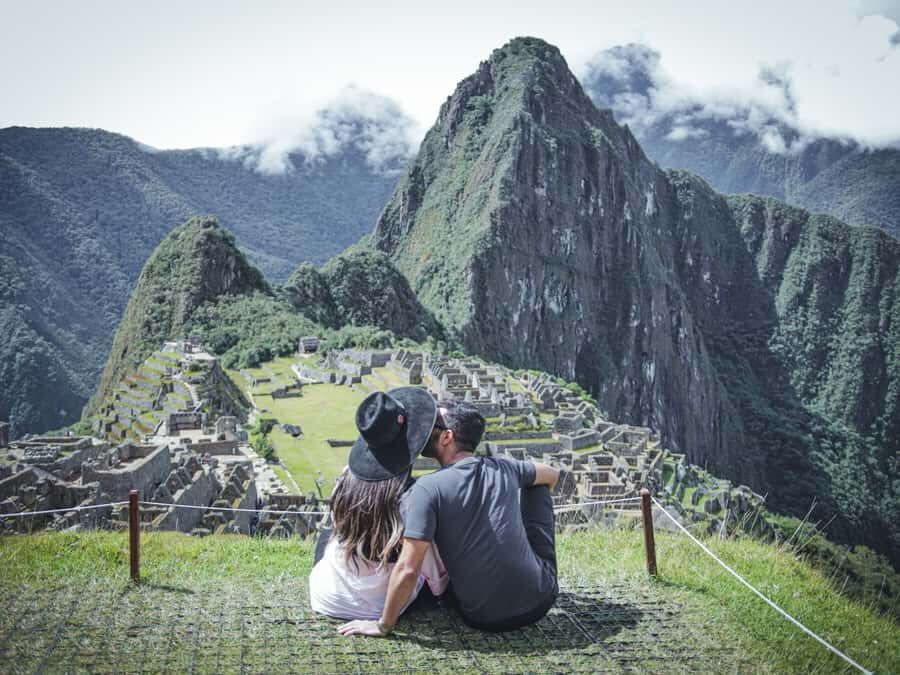
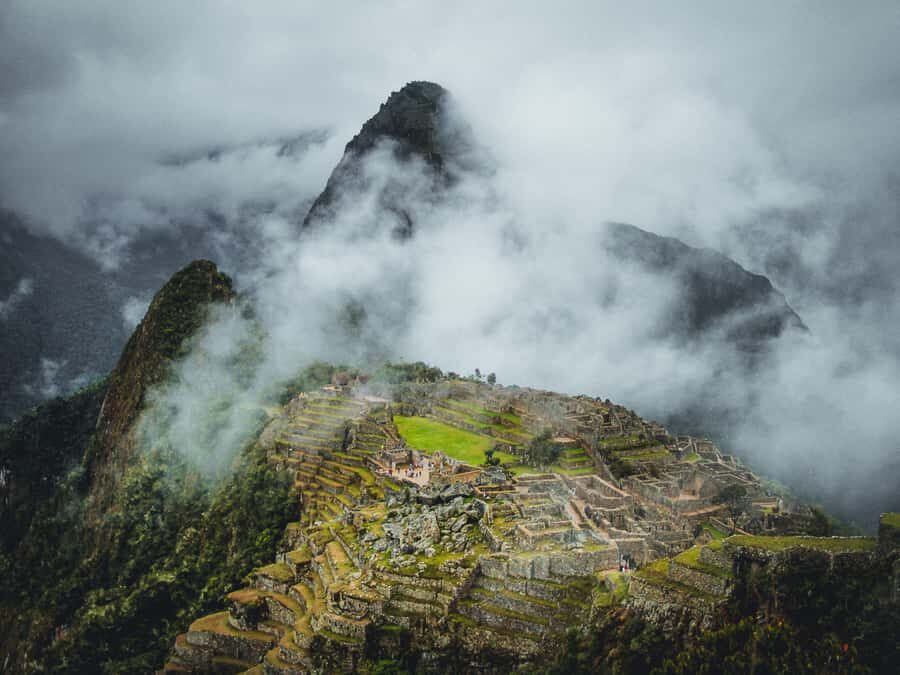
The tour includes guided time through Machu Picchu in two parts: you’ll take the classic photo from the highest area first, then continue to the lower section. That order is helpful for first-timers because it gives you a big visual anchor early, before you start noticing details like terraces, building shapes, and how the site fits into the surrounding terrain.
The guide’s job here is more than interpretation. It helps you read the site as a plan rather than a collection of structures. In other words, you’ll spend more time understanding why places are where they are, and less time guessing what you’re looking at.
After the Machu Picchu visit, you’ll take the bus back to Aguas Calientes. Lunch is not included, so you’ll have time to find something to eat on your own. Then you’ll head back by train to Ollantaytambo and transfer to your Cusco hotel, with an estimated arrival around 18:30.
A final practical tip: wear layers. Morning can feel cooler on the bus and at the entrance, then temperatures can shift as the day warms up.
Price and What You’re Getting for $499
At $499 per person for 2 days, the value comes from what’s bundled rather than from any single item. You’re not just buying a Machu Picchu ticket. You’re buying the framework that makes it work:
- Round-trip train tickets Ollantaytambo ⇄ Aguas Calientes
- Bus Aguas Calientes ⇄ Machu Picchu ⇄ Aguas Calientes
- Hotel for one night in Aguas Calientes (3-star, Inti Punku Machupicchu Hotel & Suites or similar)
- Breakfast on Day 2
- Entrance ticket to Machu Picchu included
- English/Spanish-speaking guide for Sacred Valley and an English/Spanish-speaking guide for Machu Picchu
- Hotel pickup/drop-off in Cusco and transfers connected to the train
Now, what’s not included is where your real budgeting happens. You’ll likely add:
- $20 for entrance tickets to the archaeological park of Pisac and Ollantaytambo
- Wayna Picchu ticket (optional) at $30, requested a few months in advance if available
- Lunch and dinner (only lunch on Day 1 is included; Day 2 lunch is not included)
- Any meals in general beyond what’s specified
- Personal expenses and hotel upgrades
My advice: treat $499 as the baseline for moving smoothly between all the pieces. Then plan for the extra entry fees so you’re not surprised when you arrive.
Organization Quality: Punctuality, Transfers, and the Human Touch
One theme stands out in strong experiences: schedules that actually stick. People were impressed that everything ran as planned, with punctual pickup and solid coordination between guides, transport, and train timing.
Guides are also a big part of the value. You might be paired with someone like Justino for the Sacred Valley day or Judy for Machu Picchu, and both have been singled out for clear, knowledgeable explanations and a smooth pace. Special thanks also showed up for Ivone and Martín in coordination roles, which hints that the organization isn’t just a one-person show.
Small group size (limited to 10) matters too. It keeps the experience from feeling like a factory line and makes it easier to ask questions when something doesn’t make sense.
Shopping Stops and How to Keep the Day Feeling Like You
This tour includes several stops that can lean into buying. The alpaca/textile stop is one example, and there’s also mention of additional jewelry- and souvenir-focused moments that can feel tourist-trap-ish depending on your tolerance.
Here’s how to handle it without ruining your day:
- Decide beforehand what you will do if you’re offered items. A simple yes/no plan removes awkwardness.
- If shopping isn’t your priority, focus on the non-sales parts of the stops (animals, weaving process, cultural context).
- Remember you can often browse without buying. If you feel pressured, it’s okay to disengage early.
This doesn’t cancel the tour’s strengths. It just means you should go in with eyes open, so you can choose what you engage with.
Who This Tour Suits Best
This is a strong fit if you want:
- A guided Sacred Valley day without the stress of planning
- Machu Picchu with a guide and included entrance ticket
- A comfortable pace thanks to a dedicated overnight stay in Aguas Calientes
- A small group experience rather than a huge busload crowd
It’s also a good option for people who don’t want to juggle train timing, bus rides, and entrance management on their own—especially after arriving in Peru already tired from travel.
If you’re extremely budget-focused and would rather spend time independently, you might prefer to DIY parts of it. But if you value smooth coordination and clear storytelling at the sites, this format is built for you.
Should You Book This Sacred Valley and Machu Picchu by Train Tour?
Yes—if you want one organized plan that connects Cusco, the Sacred Valley, an included hotel night, and Machu Picchu with guided time.
Book it if:
- You like the idea of a small group and guided explanations
- You’d rather pay for coordination than manage tickets and transit on your own
- You want the Machu Picchu visit spread across two days so you’re not wiped out
Think twice if:
- You dislike shopping stops and know sales pitches will annoy you
- You’re trying to keep costs very low, since Pisac/Ollantaytambo entrance fees and optional Wayna Picchu can add up
- You’re expecting trains upgrades to drastically change the view experience (it may not be worth the extra cost for everyone)
FAQ
FAQ
What is the duration of this tour?
The tour runs for 2 days.
Where does the tour start and where do you end up?
It includes door-to-door service from your Cusco hotel. You’ll return to your hotel in Cusco on Day 2.
What’s included in the price?
The tour includes the Machu Picchu entrance ticket, round-trip train tickets (Ollantaytambo–Aguas Calientes–Ollantaytambo), bus tickets (Aguas Calientes–Machu Picchu–Aguas Calientes), one night in a 3-star hotel in Aguas Calientes (Inti Punku Machupicchu Hotel & Suites or similar), breakfast, bottled water, and guide services for both the Sacred Valley day and Machu Picchu.
Are lunch and dinner included?
Day 1 includes a buffet lunch (with vegetarian options). Lunch on Day 2 in Aguas Calientes is not included, and dinner is not included.
Do I need extra tickets for Pisac and Ollantaytambo?
Yes. Entrance tickets for the archaeological park of Pisac and Ollantaytambo cost $20 and are not included.
Is Wayna Picchu included?
No. Wayna Picchu costs $30 if you request it in advance, and it depends on availability.
What train options are available?
You can choose between a normal train and a Vistadome 360° panoramic train.
How big is the group?
The group is limited to 10 participants.
What personal information do I need to provide?
You must provide passenger passport details (full name, passport ID, date of birth, and nationality) after reserving.
If you tell me your train preference (normal vs Vistadome) and whether you want to add Wayna Picchu, I can help you decide what your total realistic budget will look like.