REVIEW · CUSCO
Inca Trail to Machu Picchu 4 Days 3 nights From Cusco
Book on Viator →Operated by Tierra Biru Expeditions · Bookable on Viator
Four days, one ancient spine of Peru. This Inca Trail-to-Machu Picchu trip strings together Inca ruins, river valleys, and an early arrival at Machu Picchu, with hotel pick-up and a small group max of 20. I especially like the setup where porters carry your main load (a duffle bag up to 5 kilos), while you focus on the walking and the views.
You should also know the big reality: it is demanding trekking at altitude, including a high pass around 4,200m. If you’re not used to uphill days or you hate early starts, plan for sore legs and an alarm clock that shows up way too early.
The team keeps logistics tight, including passport checks at the start (same passport used for booking). And with professional guides plus chef and porters handling meals and camp basics, you get a smoother trail experience without having to manage everything yourself.
In This Review
- Key highlights you’ll feel fast
- Llaqtapata and the Urubamba River: day 1 starts at 5:00 a.m.
- Day 2 to the Warmihuañusqa pass: the big uphill at 4,200m
- Winay Wayna and the cloud-forest ruins: day 3 is the best kind of magical
- Machu Picchu morning: the Intipunku route and the guided city walk
- Cusco pick-up, group size, and the checkpoint rules that keep things running
- What you get for $890: where the value comes from
- Camping in Eureka gear plus real meals: the comfort you don’t notice until day 3
- What you’ll walk, in plain terms: timing and physical expectations
- Trail gear you should plan for: what’s included vs what you must bring
- Small extras that make the schedule feel human
- Should you book this Inca Trail to Machu Picchu from Cusco?
- FAQ
- Is hotel pick-up included?
- What time do we start on Day 1?
- Do I need my passport for the trek?
- What meals are included?
- What camping and gear are included?
- Is Huayna Picchu included?
- What train and return transport are included?
Key highlights you’ll feel fast
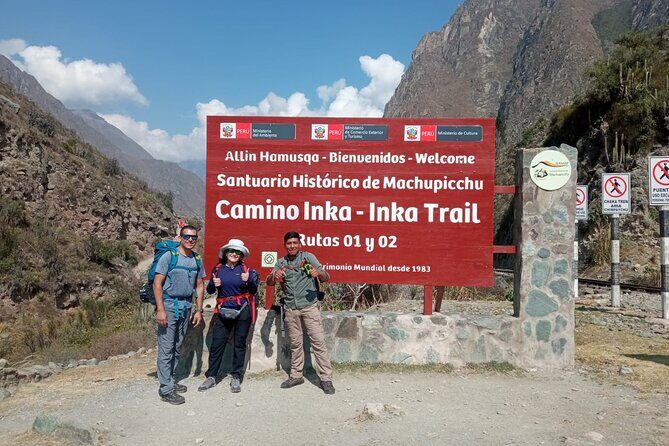
- Passport checkpoint at Km 82: use the exact passport from your reservation (student card too, if relevant).
- Porter support: duffle bag up to 5 kilos, so you carry less and move more comfortably.
- Early Machu Picchu access via Intipunku: wake-up is 4:00 a.m., but the schedule aims for a head-start.
- Day-by-day guided pacing: short breaks, tea service, and organized camp arrivals keep you on track.
- Camping included: 3 nights in Eureka camping setups plus meals every day.
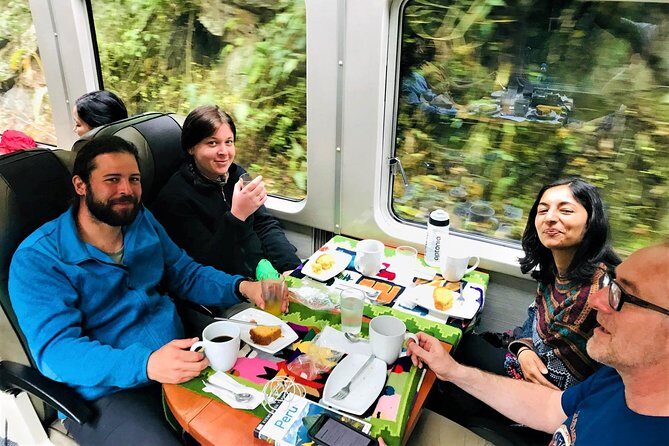
- Panoramic train back to Cusco: Vistadome or 360° options make the return feel like part of the trip.
Llaqtapata and the Urubamba River: day 1 starts at 5:00 a.m.
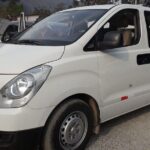
Day 1 begins with pick-up from your Cusco hotel in the morning, then a transfer toward Km 82. You’ll have that first checkpoint where you must identify yourself with the original passport used for the reservation, and if you’re a student you’ll need your ISIC card. It’s a small step that matters a lot—skip it, and you can slow everything down.
Then the trek starts in a way that feels good for your first day. You’ll travel through fertile Urubamba River valleys alongside Quechua porters, with views that include the snow-capped and glacial Veronica. After that scenic transit, you reach Llactapata, an ancient Inca city that helped guard the entrance to two valleys.
Llactapata isn’t just a photo stop. Your guide explains why the site mattered, and you get time to take in the area from a vantage point that really shows off the scale of the region. Afterward, you walk about 1 hour 30 minutes to Wayllabamba campsite, where you spend the night in tents.
Practical takeaway: day 1 is your setup day. You’re not just learning the trail; you’re also learning how your body handles altitude and early mornings. Go slow at first, drink water, and keep your pace steady.
You can also read our reviews of more tours and experiences in Cusco

Day 2 to the Warmihuañusqa pass: the big uphill at 4,200m
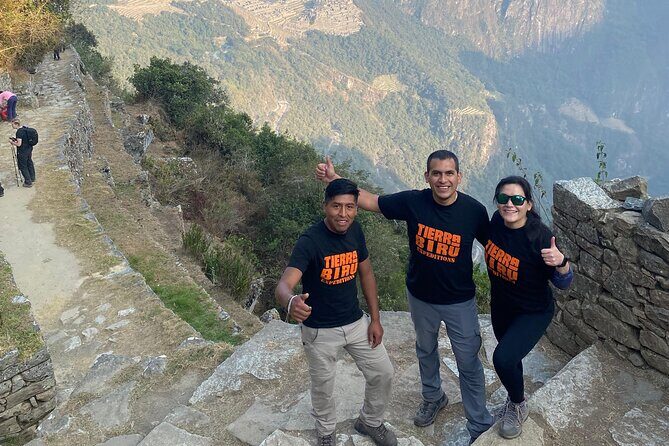
Day 2 is where the Inca Trail starts to feel serious. You wake at 6:00 a.m., get about 30 minutes for hygiene and packing prep, then breakfast happens in the dining tent before you start hiking.
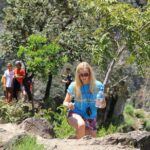
The first half of the day is a strenuous ascent from Wayllabamba up toward Warmihuañusqa, described as the pass of the dead woman. This climb takes you to around 4,200m, and the route includes a coffee break before you reach the highest section (about 4 to 5 hours, depending on your pace).
When you crest the pass, the reward is panoramic views of two valleys from a high viewpoint. Then the day shifts from climbing to descending. After the pass, you’ll go downhill for about 1 hour 30 minutes until you reach Pacaymayo camp.
You don’t just “power through” the day. Lunch is served at Lluchapampa camp, and tea comes at around 5:30 p.m. Dinner is about 7:00 p.m. That structure matters because it helps you recover properly between trail stretches.
Also note the day’s hiking time is listed at 8 hours. That’s a long day even if you feel good, so plan to conserve energy on the first ascent. You’ll enjoy day 3 more if you don’t burn yourself out on day 2.
Winay Wayna and the cloud-forest ruins: day 3 is the best kind of magical
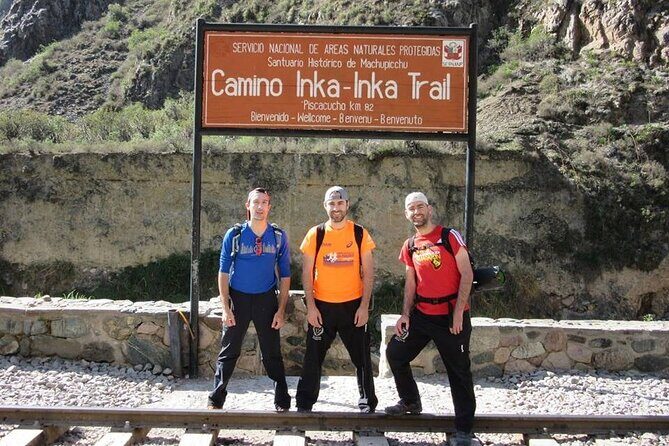
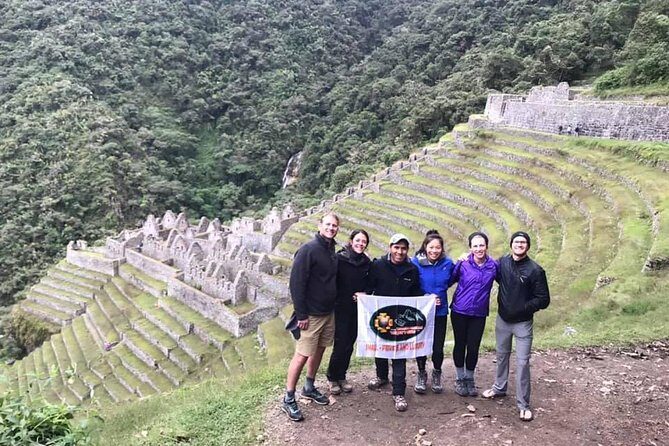
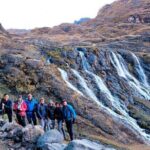
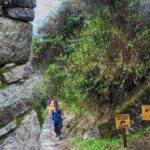
Day 3 starts with another early schedule, then gets into what most people picture when they think Inca Trail: preserved Inca pathways through a dense tropical forest. You’ll hike along a remarkably well-preserved Inca trail segment, passing ancient archaeological remains that feel tucked into the greenery.
Midday includes a cluster of archaeological stops: you’ll visit Runkuraquay and Sayacmarka. After about 15 minutes of walking, lunch is served, then you continue trekking to Phuyupatamarka, described as a city above the clouds. The name hints at the conditions you might see, and the itinerary calls out spectacular views of several snow-capped peaks.
Then comes a steady descent for about 2 hours. You’ll arrive at Wiñaywayna camp, where the tour highlights this complex as one of the most spectacular on the route. It’s set inside an exuberant cloud-covered forest with flowers, plus that feeling of walking through Inca layers that are close together.
One small comfort option is included in the vibe here: you can access warm showers for an extra S/5.00 (around US $1.50). It’s not a big “spa day,” but after a long day in the forest, a warm shower can make a real difference for your sleep and recovery.
The schedule keeps moving but doesn’t rush: tea is served at 5:30 p.m., then dinner in the evening.
Machu Picchu morning: the Intipunku route and the guided city walk
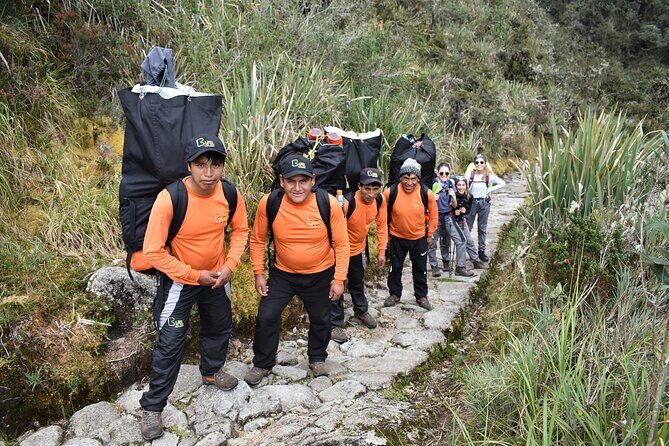
On day 4, the wake-up is 4:00 a.m., breakfast at 4:30 a.m., and a group departure around 5:30 a.m. You’ll move through tropical jungle and pass Intipunku (Puerta del Sol), arriving there in about 1 hour 20 minutes.
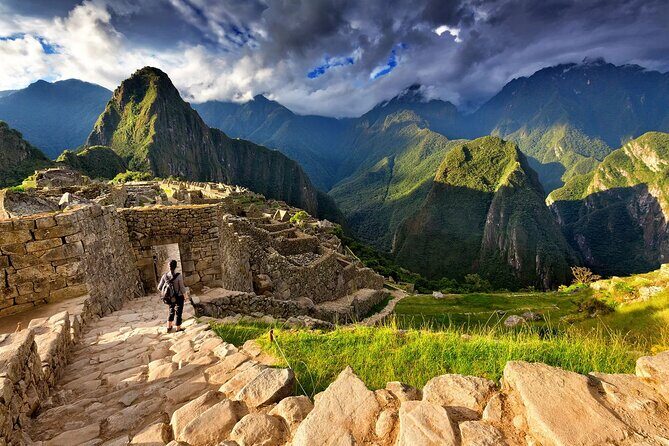
From Intipunku, you continue to Machu Picchu, scheduled for arrival around 8:00. At that point, you leave your backpacks in luggage storage, take a short break (about 20 minutes), then enter the archaeological site for a full guided tour lasting about 3 hours.
After that guided portion, you get free time for personal exploration. A meeting point and timing are set in Aguas Calientes, where you’ll later connect to your train back to Cusco. Your transport is waiting to take you back to your Cusco hotel after the train.
The itinerary lists a hiking time of 4 hours on day 4. That’s a useful note: even with the early wake-up, you’re not doing another all-day trek. Most of your energy on day 4 is focused on Machu Picchu itself—walking inside the site, photos, and your guided route.
Cusco pick-up, group size, and the checkpoint rules that keep things running
This tour is built around a coordinated start and a tight daily rhythm. You get hotel pick-up in the morning and a briefing with general information about the 4 days sent about 24 hours before departure. With a maximum of 20 travelers, you’re not dealing with a huge crowd that steamrolls the pace of the day.
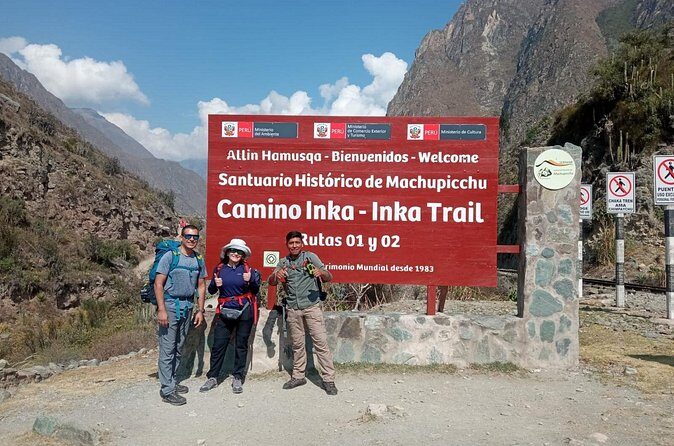
The most important logistics detail is the passport check at the beginning. You must use the original passport that matches the booking. If you are a student traveling and rely on student pricing at checkpoints, bring your ISIC card.
Because the trek follows an official schedule, try to arrive on time for pick-up and avoid last-minute changes. Early mornings already make the day feel urgent—checkpoint delays are the kind of problem nobody wants.
If you value structure and clean coordination, this is one of the reasons the experience tends to feel smooth.

What you get for $890: where the value comes from
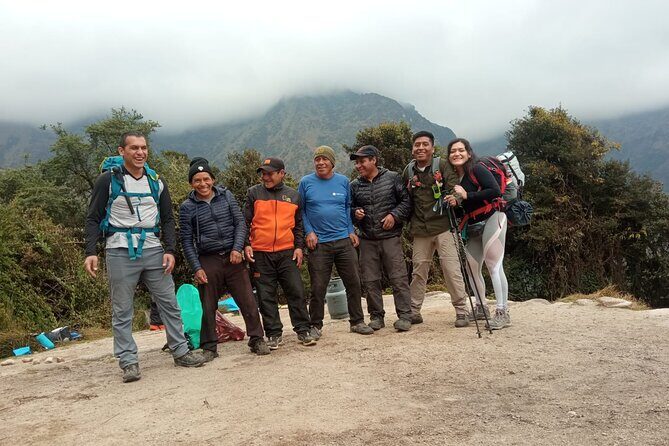
At $890 per person, you’re paying for a lot more than “a hike to Machu Picchu.” Here’s what’s built into the price, based on what you’re told is included:
- Hotel pick-up in the morning and all transfers during the trek
- Guides, chef, and porters
- 3 nights of camping with comfortable Eureka equipment
- Entrance tickets for the Inca Trail and Machu Picchu
- Bus down to Aguas Calientes from Machu Picchu
- Panoramic trains back to Cusco (Vistadome or 360°)
- Meals: breakfast (3), lunch (3), dinner (3)
That mix matters because it reduces the mental load. You don’t have to organize food, camp logistics, or the entry pieces to the trail and Machu Picchu. And because the itinerary is timed and guided, it’s less about random wandering and more about making the most of each day’s route.
What is not included is also worth reading carefully, because it’s where extra costs can appear:
- Sleeping bag, air mats, and trekking poles (available to rent)
- Huayna Picchu mountain tickets
- Travel insurance
If you want the simplest path to Machu Picchu with the trail handled end-to-end, the pricing can feel fair. If you’re already a self-sufficient trekker who has your own gear and wants maximum flexibility, you may find other approaches cheaper.
Camping in Eureka gear plus real meals: the comfort you don’t notice until day 3
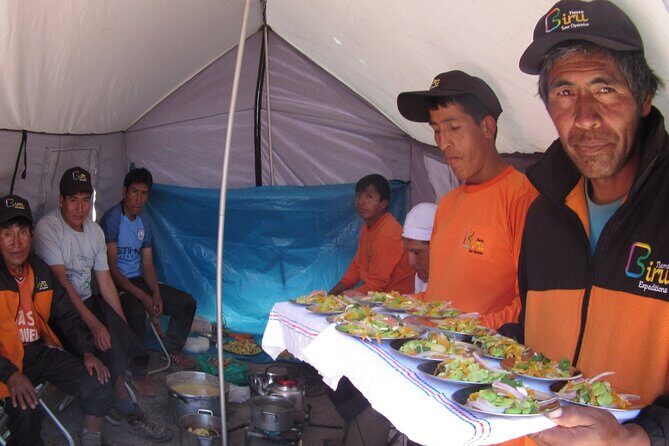
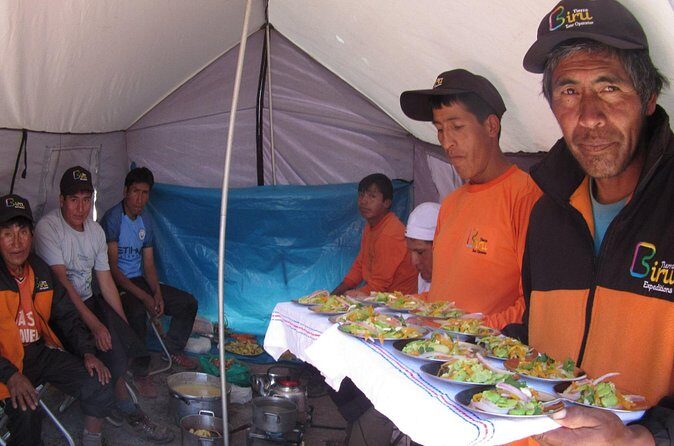
Camping is part of the deal on this itinerary, and the included gear is described as comfortable Eureka equipment for 3 nights. That helps, because your comfort at camp affects how you sleep—and sleep affects how steady your pace feels.
Your meals are also part of the core value. Breakfast, lunch, dinner, plus snacks are scheduled across the trekking days. That means you’ll be fueled consistently rather than guessing how to eat at the wrong time in the wrong place.
Day 2 has a clear rhythm: breakfast in camp, coffee break before the highest point, then lunch at Lluchapampa camp, and tea and dinner later. Day 3 is similar: lunch mid-trek, tea and dinner at camp. It’s the kind of routine that keeps you from making tired decisions, like skipping water or eating too late.
Small comfort win: aside from camp setup and meals, the option for a warm shower on day 3 (S/5) can be a morale booster.
What you’ll walk, in plain terms: timing and physical expectations
This is a moderate-physical-fitness trek, but it’s not casual. The tour itself states you should have moderate fitness, and the itinerary includes long days and steep sections.
Here’s the pacing you should expect:
- Day 1: about 1 hour 30 minutes of walking after Llactapata, plus the transfer and archaeology time earlier
- Day 2: about 8 hours hiking, with a strenuous climb to ~4,200m and a long day overall
- Day 3: about 7 hours hiking, with forest trail and several stops plus descent
- Day 4: hiking time around 4 hours, focused on the Machu Picchu area route
Altitude is part of the story. Even if you’re hiking well, the higher pass can slow your breathing. Plan on a slower pace than you think you need, and treat the climb as a steady effort, not a race.
Who this suits best:
- You want a guided route with clear daily timing
- You’re okay with early wake-ups (4:00 a.m. on day 4)
- You prefer carrying less thanks to porter support
- You want camping and meals included rather than handling them yourself
If you get motion sick easily, feel nervous about early starts, or hate long uphill days, you might find a different trek style more comfortable.
Trail gear you should plan for: what’s included vs what you must bring
You’ll be traveling with a group and using included camping equipment, but you still need to cover key items that are not listed as included. Specifically, you should plan on renting or bringing:
- Sleeping bag
- Air mats
- Trekking poles (rental available)
Since these aren’t included, don’t assume you can buy them cheaply at the last second. Add them to your planning checklist now, especially if you want better sleep on cold nights.
Bring also the basics you know for high-altitude trekking: layers you can adjust, something rain-ready if conditions shift, and a pack strategy for small essentials. The tour includes a duffle bag up to 5 kilos carried by porters, so keep your most-used gear in your personal daypack rather than distributed everywhere.
One more practical note: you’ll leave backpacks in luggage storage at Machu Picchu. That means your carry items should be easy to grab and go, since you’ll likely want quick access to water and sun protection inside the site.
Small extras that make the schedule feel human
A few details add up to a more pleasant trek experience:
- Tea service is scheduled (around 5:30 p.m. on day 2 and day 3).
- Warm showers are available on day 3 for a small fee.
- You get guided explanations at key Inca sites like Llactapata, and a guided walk through Machu Picchu itself for about 3 hours.
- The return includes panoramic trains (Vistadome or 360°), which turns the trip back to Cusco into something more scenic than just transportation.
Also, this tour runs with a professional team including a chef and porters. When food and camp setup are handled for you, it’s easier to focus on the walking and recovery.
Should you book this Inca Trail to Machu Picchu from Cusco?
I’d book this tour if you want a guided, structured Inca Trail experience with camping gear, meals, and the Machu Picchu visit handled through the official entry and routing. The biggest strengths for most people are the reduced planning stress, porter support (5 kilos in your duffle), and the clean schedule that gets you to Machu Picchu early.
I’d think twice if:
- You need optional add-ons like Huayna Picchu included by default (it’s not included here).
- You want full cancellation flexibility (this trip is non-refundable and not changeable).
- You dislike strenuous altitude walking and early wake-ups.
If your priority is value through organization—getting from Cusco to the trail, then to Machu Picchu, then back to Cusco with minimal hassle—this itinerary fits that goal.
FAQ
Is hotel pick-up included?
Yes. The tour includes pick-up from your hotel in the morning of the tour, and your transport is also waiting for you to take you back to your Cusco hotel after the train.
What time do we start on Day 1?
Day 1 pick-up happens in the morning, and the transfer starts at 5:00 a.m. Departure from Cusco heads toward Km 82.
Do I need my passport for the trek?
Yes. There is a mandatory checkpoint where you must identify yourself with the same original passport used for the reservation. Students should bring their ISIC card for the first checkpoint.
What meals are included?
Breakfast, lunch, and dinner are included for the trekking days (listed as 3 breakfasts, 3 lunches, and 3 dinners). Snacks are also mentioned for Day 2.
What camping and gear are included?
You get 3 nights of camping with comfortable Eureka equipment. A sleeping bag, air mats, and trekking poles are not included, but trekking poles can be rented and sleeping-related items may be rented as well.
Is Huayna Picchu included?
No. Huayna Picchu mountain tickets are not included.
What train and return transport are included?
The return from Aguas Calientes to Cusco includes panoramic trains (Vistadome or 360°). The tour also includes the bus down to Aguas Calientes from Machu Picchu.