REVIEW · CUSCO
Death Road Peru, Mountain Bike Tour on the Most Dangerous Road
Book on Viator →Operated by Happy Gringo Tours · Bookable on Viator
Death Road starts with an alarm clock, not a viewpoint. This one-day mountain bike ride from Cusco drops you from high-altitude Chinchaypucjio down to the infamous Huallpachaca stretch riders call the Road of Death.
I like that the tour handles the hard logistics for you: round-trip transport and a full day plan that doesn’t waste time. I also like the way included safety gear and an on-road orientation make the experience feel controlled, even when the road suddenly looks terrifying.
The main drawback to weigh is the early start and the physical effort. You’re riding for hours on a downhill route, and the day can feel long—about 13.5 hours total—especially if you’re not used to cool mornings at altitude.
In This Review
- Key things I’d circle before you book
- The 4:30 am Cusco Start: Pickup Beats Chaos
- Chinchaypucjio at 3,700 m: Where the Views and Altitude Join Forces
- From Paved Road to Huallpachaca: The Moment the Trip Gets Serious
- The Mid-Ride Break and Buffet Lunch That Makes Sense
- Bikes, Helmet, Gloves, and Guides: The Real Safety System
- The Return to Cusco: From High Adrenaline to Quiet Reflection
- Price and Value Check: Is $180 Worth It for Death Road?
- Who Should Book This (and Who Should Think Twice)
- A Quick Note on Cancellations and Communication
- Should You Book It?
- FAQ
- What time does the Death Road Peru mountain bike tour start?
- Is hotel pickup included in the tour price?
- How long is the tour from start to finish?
- What’s included with the biking experience?
- Can I cancel for a full refund?
- What fitness level do I need?
Key things I’d circle before you book
- Full-suspension bikes and protective gear so you’re not borrowing someone else’s clunker
- English-speaking guides focused on safety and the road’s story
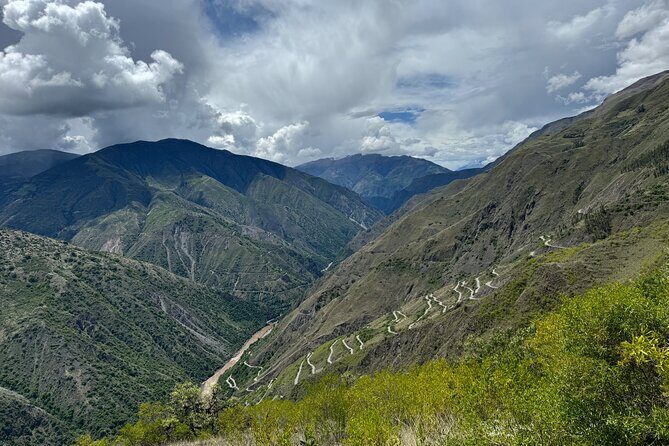
- 24 dangerous curves that turn the descent into a grin-or-grimace moment
- A mid-ride buffet lunch plus snacks and drinks to keep your energy steady
- Round-trip transport from Cusco that gets you to the remote start without hassle
- Small group size (max 15) which usually means more attention on the route
The 4:30 am Cusco Start: Pickup Beats Chaos
Your day kicks off fast—start time is 4:30 am. In Cusco, that can feel early enough to qualify as a sport. The good news: pickup is offered, and the company picks you up from your hotel, so you’re not trying to find a meeting point in the dark with wet streets and nervous energy.
If you end up needing the ticket redemption details, the listed point is Happy Gringo Tours, C. Garcilaso 210, Cusco. But in practice, most people are picked up, and the day runs like a single moving unit: meet, gear up, orientation, then ride day begins.
This early timing matters because you’ll beat the day’s crowds and start the descent in better conditions. It also helps if you plan to do other big Peru activities afterward, like the Inca Trail. A lot of riders book this as a pre-trek adrenaline warm-up.
You can also read our reviews of more cycling tours in Cusco
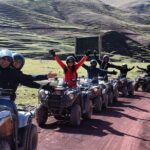
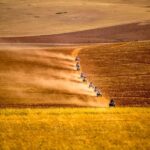
Chinchaypucjio at 3,700 m: Where the Views and Altitude Join Forces
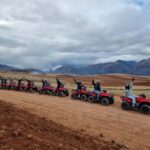
After pickup, you’ll travel to Chinchaypucjio at about 3,700 m (12,420 ft), the jump-off point for your descent. Before you even roll, you’ll get a safety orientation from your guide. This is not just rules on a clipboard—it’s how to handle speed, braking, and the narrow sections you’ll hit later.
Chinchaypucjio is high enough that the air feels crisp and the morning light can be striking. You’ll get big Andes views before the road turns into a test of control. That contrast is part of the payoff: bright, open scenery above… then the road narrows and cliffs start showing up like they mean it.
Also, don’t underestimate cold morning reality. Even if the sun is strong later, early starts at altitude can feel chilly. Dress for layers, and keep your hands warm—your gloves are part of your safety kit, but comfort still matters.
From Paved Road to Huallpachaca: The Moment the Trip Gets Serious
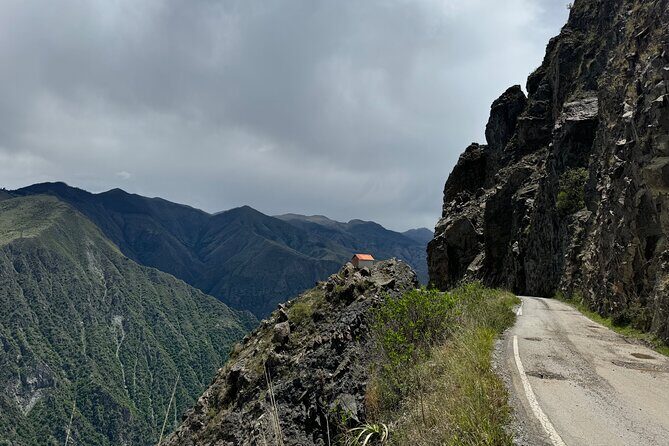
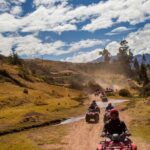
The ride begins with paved road sections that lead you toward the infamous Huallpachaca Road, known for being one of the most dangerous stretches in the region. Once you turn onto the dirt track, things change quickly: the road becomes narrow and winding, with cliffs on one side and a dry valley on the other.
This is the core of why people book the Death Road experience. It’s thrilling, but it’s also awe-inspiring in the old-school way: you can’t ignore the drop, and you can’t treat it like a casual downhill ride. You’ll spend hours descending, with the most intense sections requiring steady focus.
A recurring theme from guides who lead this route is control. The tour supplies safety equipment and teaches you how to ride the terrain, but you’re still the one braking through curves. If you’re the type who hates feeling rushed, keep your pace calm and consistent—your guide is there to help you stay safe, including during the most dramatic curves often described as the 24 dangerous bends.
The Mid-Ride Break and Buffet Lunch That Makes Sense
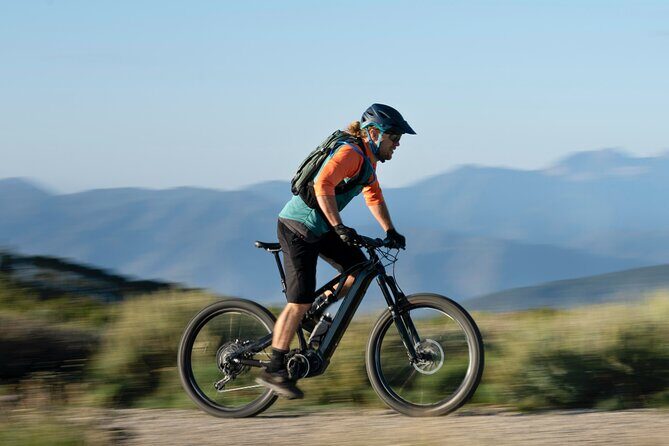
After a few hours of downhill riding, you’ll reach a more tranquil area for a stop. This is where the day shifts from adrenaline to recovery.
You’ll have an included buffet lunch, and it’s more than a token meal. The point is simple: you need fuel and a chance to reset your body. Some riders also mention breakfast as part of the early schedule, which would help explain why the lunch feels like a real meal rather than an afterthought.
You’ll also have snacks and drinks throughout the ride. That matters on a long, active day. Even if you’re used to biking, your legs and grip tire faster when you’re controlling a descent. Regular small refuels help you stay smooth and reduce the odds of rushing when you’re getting tired.
This stop is also social in a good way. With a small group of riders, it’s an easy moment to share what scared you most, what curve you loved, and what you learned from the guide’s tips.
Bikes, Helmet, Gloves, and Guides: The Real Safety System
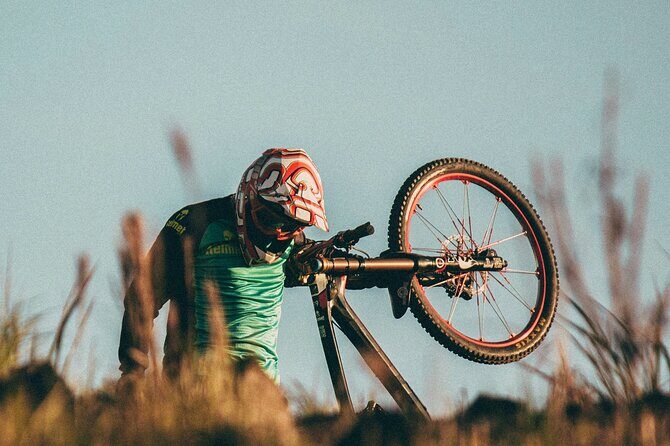
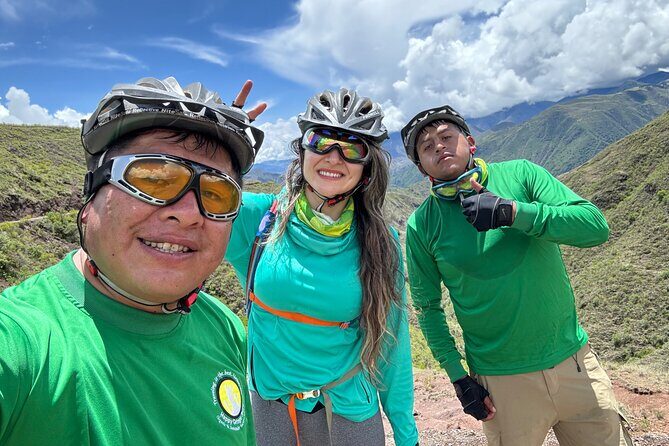
The tour includes mountain biking equipment designed for control on rougher sections: a full-suspension mountain bike, helmet, gloves, and protective gear. That’s a big deal for value and for comfort. A full-suspension bike helps you stay stable over uneven terrain, and protective gear isn’t there to make you feel macho—it helps you keep riding even if the road bites back.
You also get English-speaking guides who provide safety instructions and talk about the road’s history and surrounding nature and culture. In real life, that combination is important: safety isn’t just procedure, it’s understanding what you’re approaching. When the guide can explain why a section is risky—plus how to handle it—you’re more likely to stay relaxed.
Names that show up in the guide stories include Juan, Jhon, and Elias. Multiple riders describe guides as supportive and protective, including help during the ride and solid preparation before you start. That’s exactly what you want on a day like this: a guide who’s paying attention to your line, not just giving you a speech.






The Return to Cusco: From High Adrenaline to Quiet Reflection
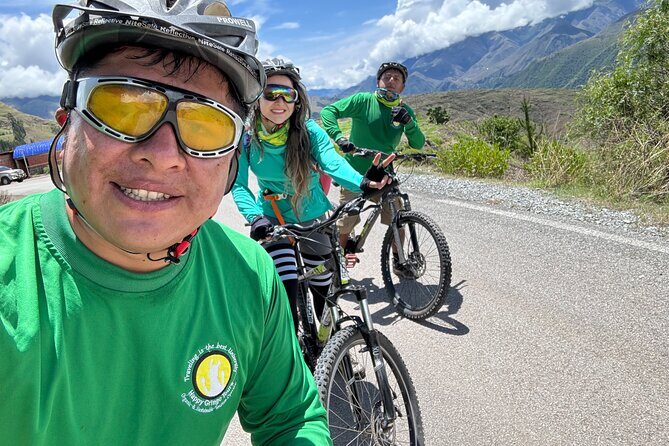
At the end of the Death Road portion, a vehicle waits to take you back to Cusco. That matters. You get the thrill of the descent without needing to figure out how to get yourself back up or how to continue riding when you’re tired.
The total day is listed at about 1 day 13 hours 30 minutes (approx.), which includes the early start, the drive to the start point, the ride, the lunch stop, and the return. So yes, it’s long. But you’re riding the most intense part once, then being transported back, which is a smarter setup than trying to make a full multi-day biking plan on limited time.
On the way back, you’ll have time to reflect, relax, and enjoy the calmer road time in a vehicle. It’s also a useful mental reset after being locked in on braking and curves for hours.
Price and Value Check: Is $180 Worth It for Death Road?
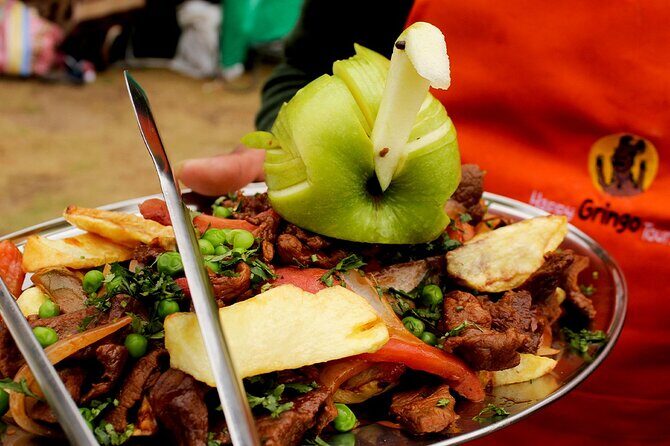
At $180 per person, this is not a bargain-basement activity. But it’s also not just selling adrenaline. The value is in the package:
- Bikes + helmet + gloves + protective gear are included
- English-speaking, experienced guides handle safety and route guidance
- Round-trip transport from Cusco gets you to the remote start and back
- Buffet lunch plus snacks and beverages keep the day functioning
If you tried to piece this together yourself—bike rental, correct gear, transport, guide instruction—you’d likely pay in both money and time. The included gear alone helps you avoid the most common travel-bike problem: showing up with equipment that isn’t right for the terrain.
The one thing you’re paying for, beyond the physical ride, is risk management. This tour is structured around safety instructions and protective setup, which is exactly what you want when the road is famous for being unforgiving.
Who Should Book This (and Who Should Think Twice)
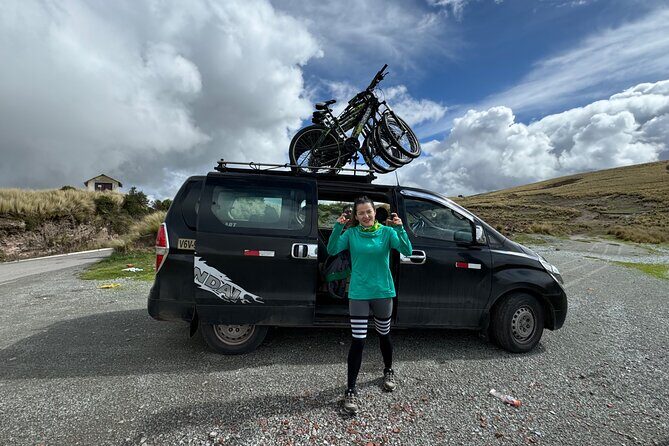
This experience is best if you match the tour’s stated fitness guidance: moderate physical fitness. You don’t need to be an Olympic cyclist, but you should be comfortable riding a bike for a long period while staying controlled on uneven terrain.
You’ll probably enjoy it most if you like:
- downhill biking more than flat endurance rides
- guided experiences where safety comes first
- the idea of combining big scenery with a clear, time-boxed plan
You might think twice if:
- you get extremely anxious about narrow roads and cliffs
- you can’t handle a very early start
- you’re hoping for an easy, casual bike day with minimal effort
Also consider the emotional side. Death Road feels intense because it looks intense. Your job is to trust the system: orientation, gear, guide instructions, and your own pace.
A Quick Note on Cancellations and Communication
A road closure can happen, especially with rainy-season safety concerns. One past experience included a last-minute cancellation and a complaint about communication timing. That doesn’t mean every day goes wrong, but it does mean you should treat your booking like an adventure, not a guaranteed checkbox.
If you book, keep your contact info handy and stay reachable the morning of your tour. When weather and road conditions shift, you’ll want fast updates.
Should You Book It?
If you’re craving a serious Peru biking story, this is one of the most direct ways to get it in a single day. I’d book if you want included gear, a guide-led safety setup, and a descent built around the famous 24 curves. The lunch stop, snacks, and round-trip transport make it easier than doing something similar on your own.
I’d hesitate if you hate early starts, aren’t feeling steady on a bike, or can’t handle the idea that conditions can force route changes. But if you show up ready—warm layers, gloves on, calm braking mindset—this is a ride that sticks with you long after you’re back in Cusco.
FAQ
What time does the Death Road Peru mountain bike tour start?
The start time is 4:30 am.
Is hotel pickup included in the tour price?
Yes. Pickup is offered, and the company picks up travelers from their hotels.
How long is the tour from start to finish?
It’s listed as approximately 1 day 13 hours 30 minutes.
What’s included with the biking experience?
You get a full-suspension mountain bike, helmet, gloves, and protective gear, plus an English-speaking guide, a buffet lunch, and snacks and beverages. Round-trip transportation from Cusco is also included.
Can I cancel for a full refund?
Yes. You can cancel up to 24 hours in advance for a full refund.
What fitness level do I need?
The tour asks for a moderate physical fitness level.