REVIEW · CUSCO
Lunch, Llamas & Textiles Experience (Cusco Region): ANDEAN COLORS
Book on Viator →Operated by Andean Colors · Bookable on Viator
A llama photo with the Sacred Valley backdrop is a great combo. This Andean Colors experience mixes a real regional lunch, up-close time with llamas and alpacas, and a textile lesson that ends with a proper shopping stop. One heads-up: the food includes specific items (like soup and chicha morada), so if you’re picky, you’ll want to manage expectations.
I like that it runs like a well-paced afternoon—sit, taste, learn, and then do. You’ll also get hands-on time with textile techniques through a small craft activity, not just a lecture. The only likely drawback is the lack of included drinks like soda/pop or bottled water, so plan on what you’ll want to sip.
Even if you only have a couple hours, you’ll leave with more than photos—you’ll understand how Andean textiles connect to daily life, local livelihoods, and cultural identity in the Cusco region.
In This Review
- Key things to know before you go
- Cusco Region Setup: Racchi Ayllu and a Clean 2.5-Hour Plan
- Andean Lunch with Quinoa Soup and Chicha Morada
- Feeding Llamas and Alpacas: The Part You’ll Talk About Later
- Textile Demonstration with Peruvian Artisans: How the Craft Actually Works
- Bracelet Weaving: A Small Hands-On Craft with Real Meaning
- The Boutique Shopping Stop: What You’re Actually Buying
- Price and Value: Is $25 a Fair Deal for All This?
- Who This Fits Best (and Who Might Skip It)
- Should You Book Lunch, Llamas & Textiles (ANDEAN COLORS)?
- FAQ
- What does the tour include?
- How long is the Lunch, Llamas & Textiles experience?
- What kind of lunch will I get?
- Are drinks like soda or bottled water included?
- Is transportation included?
- Is this a private experience?
Key things to know before you go
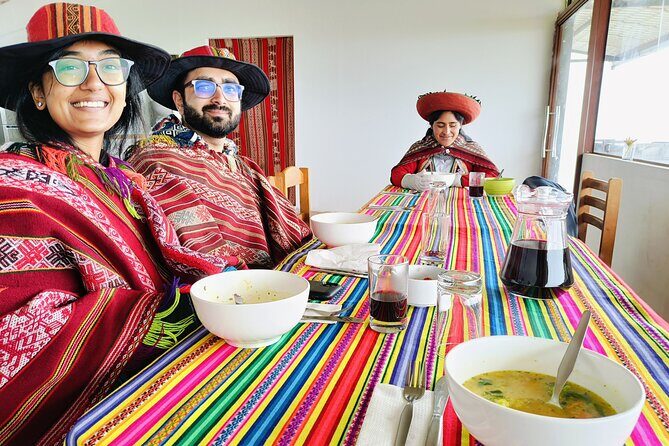
- Start with an Andean lunch in a mountain-view setting, including soup, a seasonal main, and chicha morada.
- Feed llamas and alpacas fresh grass and get great photo moments during the animal encounter.
- Watch a textile-making demonstration led by Peruvian artisans who know the craft inside-out.
- Make your own bracelet using traditional techniques as part of the textile experience.
- Shop in a large boutique with authentic, higher-quality textiles and fine leather goods.
- Private for your group and offered in English, with the tour ending back where it starts.
Cusco Region Setup: Racchi Ayllu and a Clean 2.5-Hour Plan
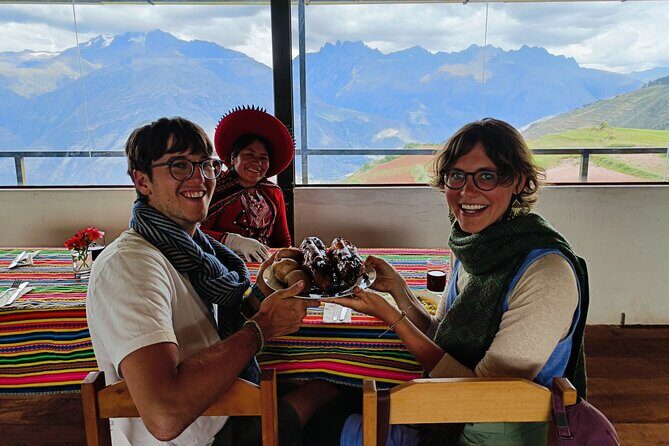
This experience is based in the Cusco region, starting at Andean Colors in Racchi ayllu. The timing is about 2 hours 30 minutes, which is a smart length if you want cultural depth without burning half a day.
What I like about the structure is that it naturally flows. You won’t be bounced between random stops with long gaps. You’ll eat first, then meet the animals, then learn textiles, and finally wrap with shopping. It’s a classic “taste, touch, learn” sequence—simple, and it works.
It’s also a private setup. That matters in real life. A smaller group pace makes it easier to ask questions during the textile talk and to get time for animal photos without feeling rushed.
You can also read our reviews of more tours and experiences in Cusco
Andean Lunch with Quinoa Soup and Chicha Morada
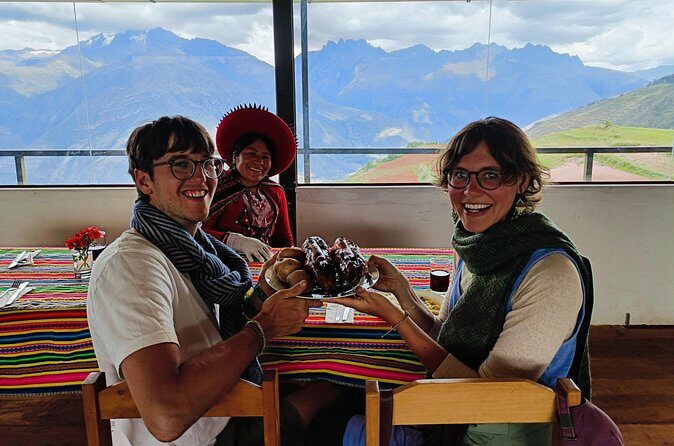
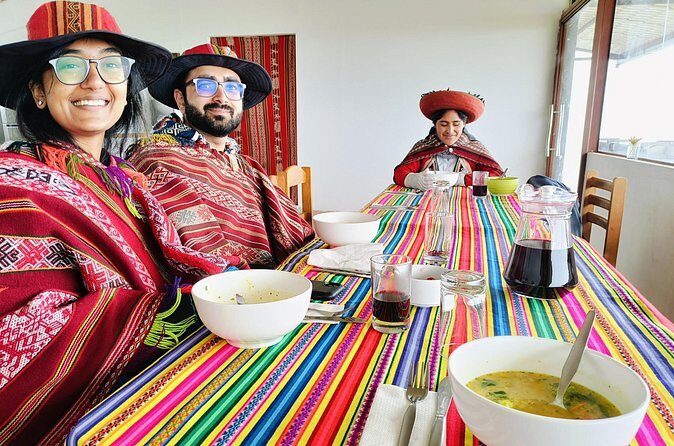
Lunch is included, and it’s not a sad add-on. You start with a hearty soup made with quinoa, corn, or wheat, depending on what’s available seasonally. That alone tells you you’re eating something rooted in the region, not just generic tourist food.
For the main course, you’ll get a delicious entree that varies seasonally, built from fresh ingredients and seasoned the Peruvian way. Along with the meal, you’ll be served a cup of chicha morada plus a refreshing beverage.
Practical value: chicha morada is one of those flavors that helps you connect the dots quickly. It’s sweet-tart, purple, and unmistakably Andean. If you’re new to the region, this is an easy way to try a local drink without going on a scavenger hunt later.
One more detail to keep in mind: soda/pop and bottled water are not included. If you want a specific drink style, factor it in. A lot of people are fine just with what’s served with lunch, but if you rely on water, plan ahead.
Feeding Llamas and Alpacas: The Part You’ll Talk About Later
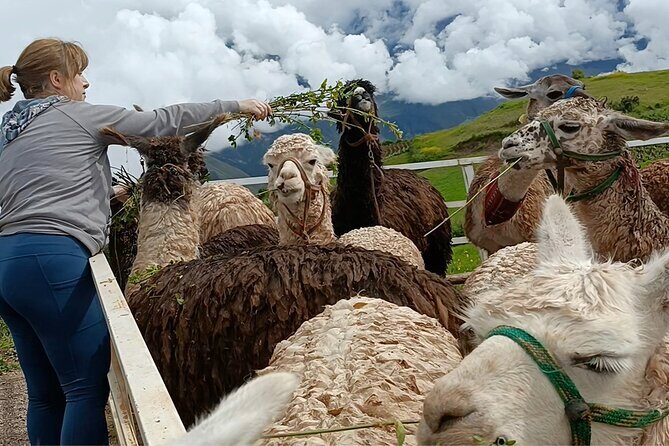
After lunch, you’ll head into the animal encounter. This is where the experience becomes playful and memorable fast—because you’re not just watching llamas from a distance.
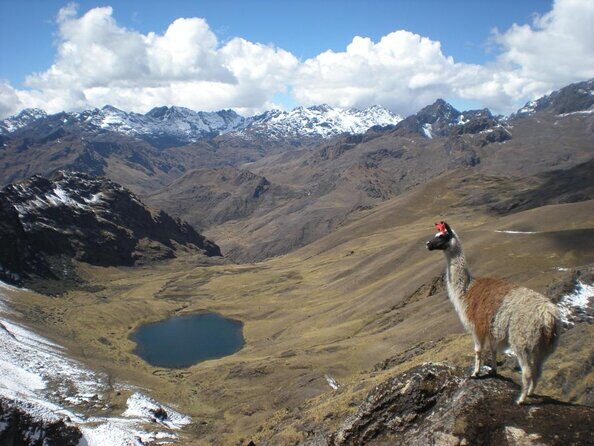
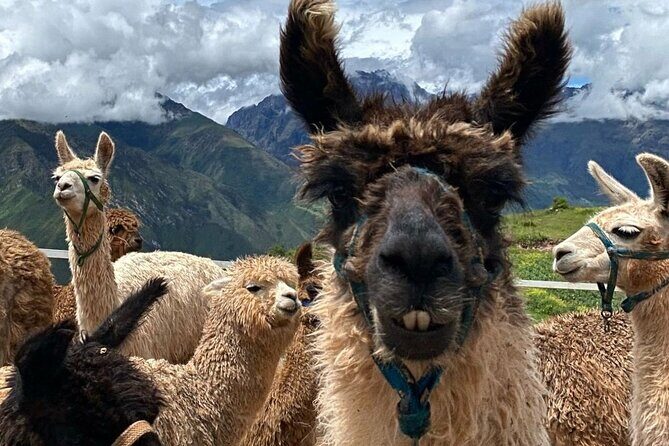
You’ll meet llamas and alpacas and get a chance to feed them fresh grass. The hands-on feel matters. Animals are one thing when you’re photographing them. They become something else when you’re actively interacting, even if it’s simple feeding.
This is also a prime photo window. The encounter comes with plenty of moments for pictures, and the setting gives you a dramatic backdrop with mountains and Sacred Valley views nearby.
The best way to enjoy this part: keep your expectations real. You’re not at a theme park with endless tricks. This is about connection—seeing animals that belong to Andean farm life and learning how they fit into the broader story of textiles and fiber traditions.
Textile Demonstration with Peruvian Artisans: How the Craft Actually Works
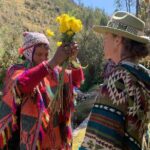
Then comes the textile segment, and it’s more meaningful than a basic demo. You’ll learn about Peru’s world-famous textile-making process and meet the artisans who’ve perfected the craft.
The point isn’t just that textiles look beautiful. It’s that they take skill, patience, and knowledge passed through generations. In an Andean context, textiles also connect to identity—how people express culture through colors, patterns, and techniques.
In the reviews tied to this experience, the textile portion gets high praise for being both educational and personal. You’re not just watching from a distance. You’re learning how the process works and why it matters. And you’ll get the chance to try a small craft activity tied to bracelet-making.
I think that hands-on component is the sweet spot. When you create something, you remember details. You notice how work is done and why certain steps take time. Even if your first bracelet isn’t museum-perfect, the lesson sticks.
Bracelet Weaving: A Small Hands-On Craft with Real Meaning
A highlight for many people is the bracelet-making experience. You’ll create your own bracelet using traditional techniques taught during the textile portion.
This is the moment where the workshop becomes tangible. You’re working with your hands and learning basic technique rhythms—how materials are handled, how patterns are approached, and how craft is built step by step.
Even if you’re not a “craft person,” this kind of activity tends to land well because it’s structured and guided. You’re given enough support to finish something, and that matters. Finishing is confidence.
It also gives you a way to take the story home. A bracelet is small. But it carries the meaning of the craft process you just saw and the people who taught you.

The Boutique Shopping Stop: What You’re Actually Buying
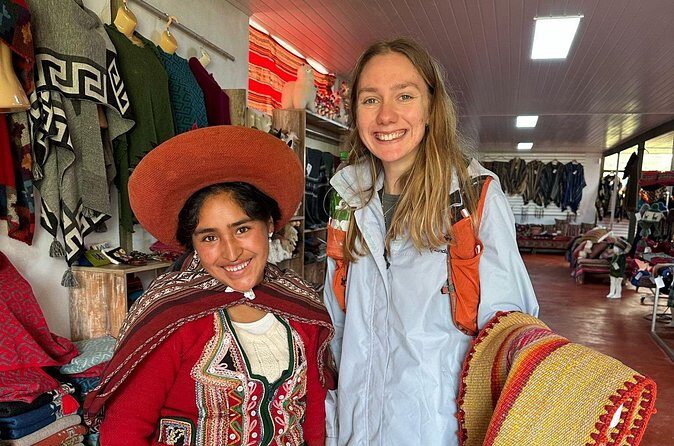
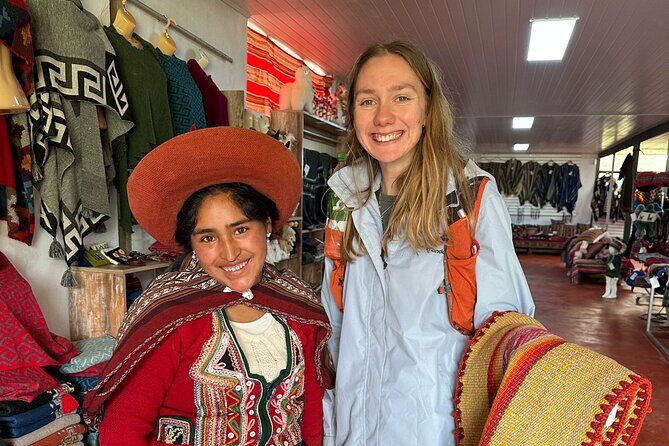
After the learning and making part of the day, you’ll have time to shop in a large boutique. The shop is described as having authentic, high-quality textiles plus fine leather goods.
This can be a little intimidating if you hate shopping pressure. The trick is to treat it like a museum you can purchase from. Look first. Ask questions. Compare what you see to what you learned in the textile explanation—especially around materials, patterns, and the feel of the goods.
What makes this stop valuable (when done well) is that you’re shopping with context. You’re not browsing blindly. You now know what you’re looking for and why the items are made the way they are.
If you’re on a budget, you don’t have to buy big-ticket items. The bracelet-making helps too. You can use your experience to decide if you want to bring home something larger or if a smaller purchase makes more sense.
Price and Value: Is $25 a Fair Deal for All This?
At $25 per person, this is one of those Cusco-region experiences that feels priced for a wide range of travelers. You’re paying for a full afternoon structure, not just a single activity.
Here’s what you’re getting for the money:
- Lunch with soup, a seasonal main, chicha morada, and a beverage
- Llama and alpaca feeding with time to take photos
- A textile demonstration from Peruvian artisans
- A chance to make a bracelet
- Access to shopping in a boutique with authentic goods
Many day tours either focus on food or on craft or on animals. This one stitches it together. That’s why the value is strong: you’re not paying for one “photo stop.” You’re paying for a sequence that tells a coherent story.
The only thing that might change your personal value equation is whether you truly want the shopping portion. If you hate any retail component, you might feel a little tug to spend. But if you’re open to browsing, the craft context makes the shop stop feel less random.
Who This Fits Best (and Who Might Skip It)
This experience is ideal if you:
- Want a quick, meaningful Cusco-region afternoon around the Sacred Valley
- Like animals but prefer interactive time (feeding) over just looking
- Enjoy textiles and want to understand the process, not just see finished products
- Want a culture-and-craft activity that still includes good food
It’s also a good option if you’re traveling solo. In one standout account, a solo visitor still received the same hospitality, including time for animals and the bracelet activity. That’s a good sign for how the team handles different group sizes.
You might consider skipping it if:
- You’re strictly opposed to shopping stops
- You have dietary preferences that don’t match a set menu (the soup and drink options are defined)
- You’re only in Cusco for a very short window and need a more specialized experience like a full-day hike
Should You Book Lunch, Llamas & Textiles (ANDEAN COLORS)?
If you want the best kind of “two birds, one afternoon” day—food plus hands-on learning—this is a strong choice. I’d book it if you value experiences that feel personal, where you can feed animals, learn textile technique, and then make a bracelet you can actually use.
The best reason to choose it is the combination. You’re not just observing culture. You’re tasting it, interacting with it, and learning the craft that supports local livelihoods. And the reviews highlight that even with solo visits, the team keeps the experience warm and attentive, including hosts such as Marco and Patricia and the founding mission behind Andean Colors.
One practical final check: since bottled water and soda/pop aren’t included, decide what you’ll drink before you arrive. If you can handle that, you’re set.
FAQ
What does the tour include?
It includes lunch, a llama and alpaca encounter (including feeding them fresh grass), a textile demonstration from Peruvian artisans, and access to shopping in the boutique.
How long is the Lunch, Llamas & Textiles experience?
It runs about 2 hours 30 minutes.
What kind of lunch will I get?
You’ll have a starter hearty soup made with quinoa, corn, or wheat, plus a seasonal main entree with Peruvian seasonings. It also includes chicha morada and a refreshing beverage.
Are drinks like soda or bottled water included?
No. Soda/pop and bottled water are not included.
Is transportation included?
No. Private transportation is not included.
Is this a private experience?
Yes. It’s private, so only your group participates.