REVIEW · CUSCO
Inca Jungle Trek to Machu Picchu 4 Days: (Biking-Rafting-Zipline)
Book on Viator →Operated by Cusco Inkas Feat Adventures · Bookable on Viator
Four days, nonstop adrenaline, then Machu Picchu. This Inca Jungle Trek stacks 45 km of downhill biking from Abra Malaga with a proper guided Machu Picchu Classic Circuit 2 visit, so you get both action and the reason you flew to Peru. I love the way the days mix big thrills with real recovery time, and I also like that the trip uses smaller, more local-feeling stops like Santa Maria and Santa Teresa instead of only jumping between big hubs. One drawback: this is not a sit-back-and-snack tour. You need moderate fitness, high-altitude stamina, and for rafting you must be able to swim.
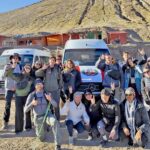
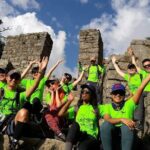
In real terms, the trip’s strength is coordination plus clear guiding. Everton (the coordinator/manager named in multiple accounts) is credited with making the whole chain of transfers feel smooth, while Jonathan is mentioned for history context and practical tips at Machu Picchu. With a maximum group size of 12, you’re not just a number in a crowd.
The pace is active, but that’s the point. You’ll bike, raft, zipline, hike, and then wake up early for Machu Picchu, with hot springs in Santa Teresa built in as your built-in “reset button.” If you’re hoping for easy sightseeing, this may feel like a lot; if you’re craving movement and views, it’s a great fit.
In This Review
- Key things that make this Inca Jungle Trek work
- Cusco pickup and Sacred Valley morning: be ready for early
- Downhill biking from Abra Malaga: where the trip earns its name
- Vilcanota River rafting in Santa Maria: safety gear and real water time
- Jungle day with medicinal plants and Antisuyo Inca trail steps
- Cocalmayo hot springs: your included excuse to take it easy
- Zipline + Tibetan bridge, then Hidroeléctrica and Aguas Calientes
- Machu Picchu morning: early start, guided circuit, big stone
- Coming back to Cusco: the Hidroeléctrica route and timing
- Price and value: $620 for action plus tickets plus guidance
- What you really need: fitness, altitude, and swimming
- Where you’ll sleep and how the days are paced
- Should you book this Inca Jungle Trek to Machu Picchu?
- FAQ
- Do I get picked up from my hotel in Cusco?
- What languages are tours guided in?
- Is Machu Picchu admission included?
- Do I need to be able to swim for the rafting?
- Are Cocalmayo hot spring tickets included?
- What time do we start the Machu Picchu day?
- How big are the groups?
Key things that make this Inca Jungle Trek work
- Downhill biking from Abra Malaga Pass (4,350 m): Fast, scenic, and instruction-focused before you go.
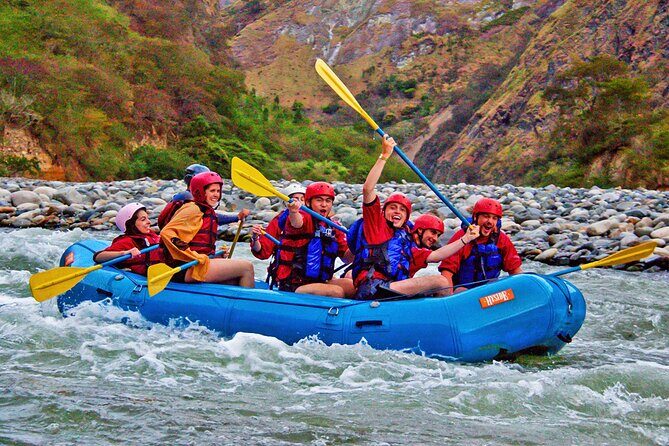
- Vilcanota River rafting (Level II–III): Safety gear provided, plus the trip is explicit that you must swim.
- Jungle walking with Inca route history: You’ll visit medicinal-plant stops and a short section tied to the Antisuyo route.
- Cocalmayo hot springs recovery: Three pools fed by subsoil waters heated to about 38–45°C.
- Zipline + Tibetan bridge day: Four cable runs totaling nearly 2,880 meters and a 250-meter bridge.
- Guided Machu Picchu morning: A long, structured tour after an early start, with Classic Circuit 2 included.
Cusco pickup and Sacred Valley morning: be ready for early
Most days start early in the Cusco area, and this one is no exception. You’ll be picked up at your hotel in Cusco around 5:30 a.m. (the route also lists 6:30 a.m. for the Sacred Valley departure, depending on the exact pickup point), then you head into the Sacred Valley.
After about an hour and a half of driving, there’s a break near Ollantaytambo. This is a handy moment for breakfast or a quick reset before you climb toward the biking start. I like this structure because altitude and adrenaline both hit fast in the Andes, and you don’t want to start the day under-fueled.
You can also read our reviews of more cycling tours in Cusco
Downhill biking from Abra Malaga: where the trip earns its name
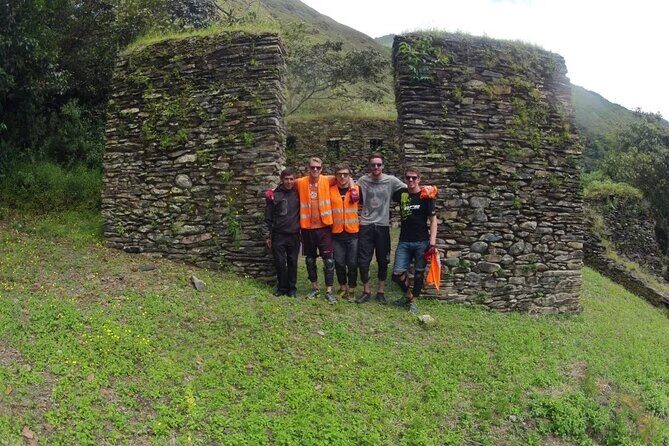
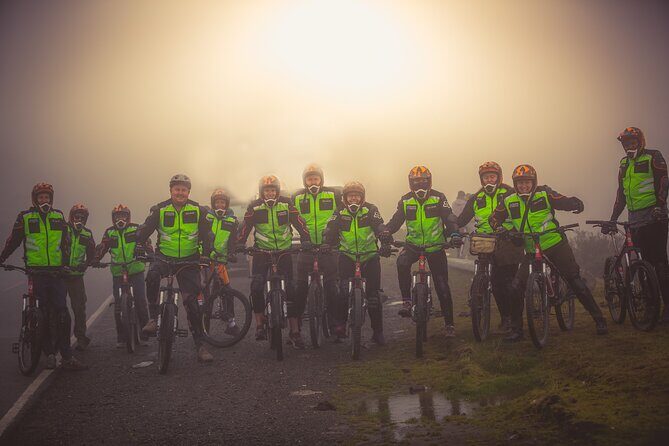
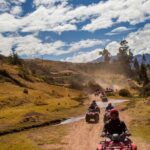
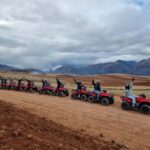
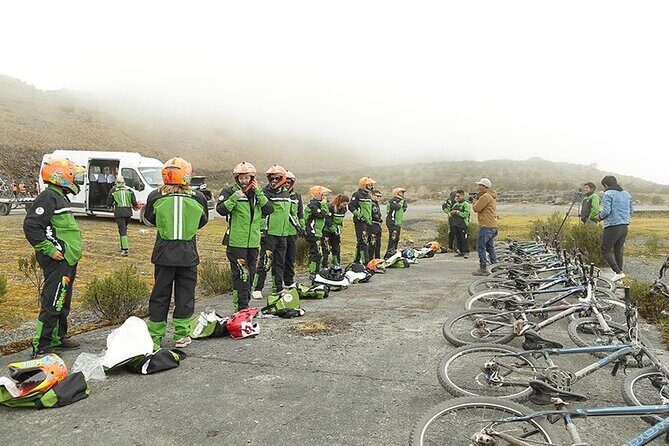
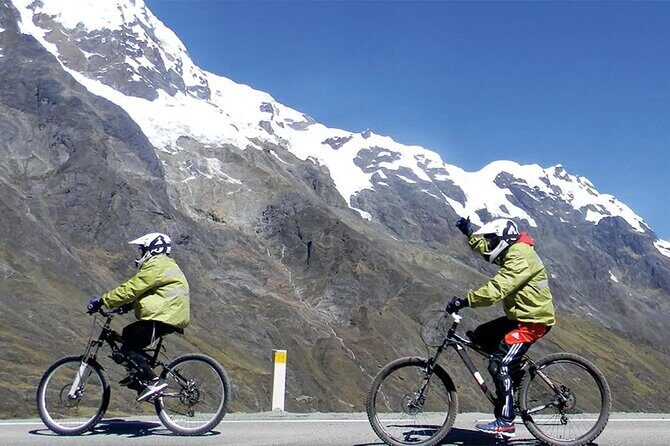
The biking portion is a huge selling point, and the details matter. You’ll go up to Abra Malaga Pass (4,350 m), get a tutorial, and then start a 45-kilometer downhill ride with views of the Veronica Peak area.
Downhill biking in the Andes is not just a thrill. You’ll be converting that climb you paid for earlier into a long, satisfying descent, and you’ll have time to notice the changing scenery and valleys as you go. The short break at Huamanmarca before moving on is a nice touch, too, because it gives you a breather and a quick Inca-feeling pause before the next activity.
A practical note: you’re at altitude before you bike, so go easy with your first breathing and pace. If you’ve been low-elevation for a while, plan to take altitude seriously. In the group accounts shared for this tour, Everton has been known to offer altitude tips and even supplement suggestions, which tells you this isn’t treated like a casual day.
Vilcanota River rafting in Santa Maria: safety gear and real water time
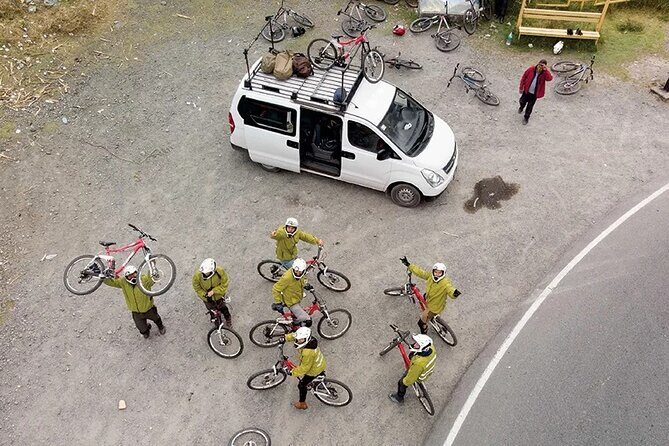
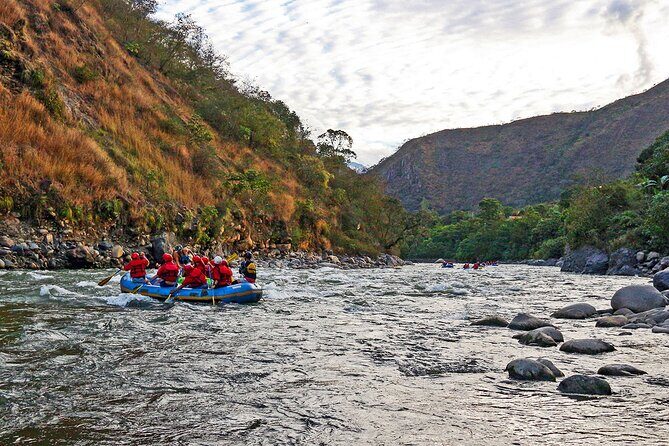
After the biking day, you travel to Santa Maria for your first night, then you switch gears to the water. Rafting runs on the Vilcanota River and is described as Level II–III, with safety gear provided: helmets, windbreakers, and life jackets.
The rafting itself is about 2 hours, and the trip is upfront that participants must be able to swim. That’s a big consideration. If you’re a confident swimmer, you’ll likely enjoy this portion more because you can focus on the rapids instead of second-guessing the water.
If you’re not a strong swimmer but can manage basics, still take this seriously. You don’t want to “hope for the best” when the itinerary already says you’ll need that comfort in the river.
Jungle day with medicinal plants and Antisuyo Inca trail steps
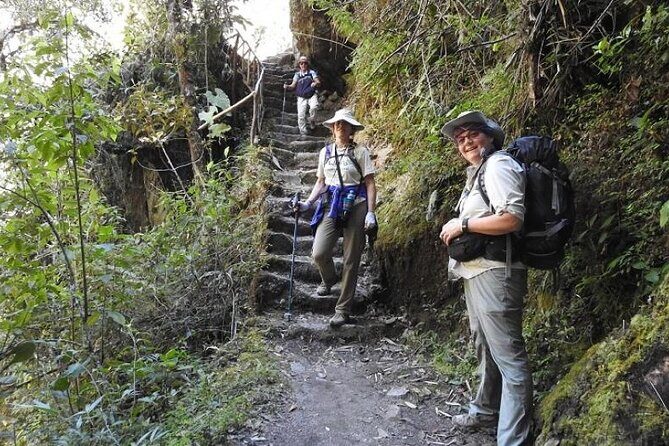
Day two is your slower-building, more nature-and-culture day, even though it’s still active. You start with breakfast, then take a walk of about five hours in the Santa Teresa area.
This portion is designed around contact with the tropical jungle: flora, fauna, and medicinal plants locals use for different health needs. You also get a short segment of the original Inca trail tied to the Antisuyo route (the Amazon-side pathway toward Machu Picchu). The itinerary lists this trail section at 1,758 m, which helps explain why it feels like a different environment than the pass you biked earlier.
Lunch is part of the point. You stop for a local meal prepared by a family in the area, which is one of those experiences that tends to be memorable because it’s not a scripted show. Then you keep walking, finish the route, and head to Santa Teresa near the hot springs.
Cocalmayo hot springs: your included excuse to take it easy
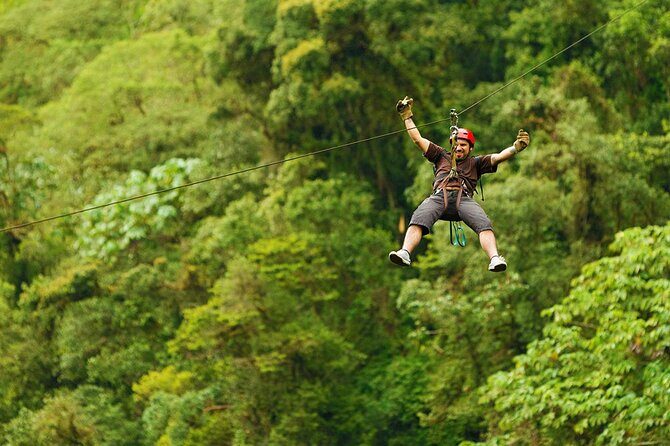
You’ll have around two hours to relax and swim in the hot springs area near Santa Teresa. Entrance to the baths is listed as not included, but the experience is still built into the day because this is how you recover from three days of movement.
Banos Termales de Cocalmayo is described as a sub-tropical jungle setting with water temperatures between 38°C and 45°C. There are three large pools and separate changing rooms, and the warm water is attributed with soothing effects for skin issues and joint pain.
Even better for recovery: night entry is said to be unforgettable. The itinerary doesn’t guarantee the exact time you’ll go, but it does tell you the complex is known for nighttime soaking, so keep that in mind when you plan your energy level for the day.
You can also read our reviews of more hiking tours in Cusco
Zipline + Tibetan bridge, then Hidroeléctrica and Aguas Calientes
This is your “full adrenaline” day, and it’s set up to flow into the approach toward Machu Picchu. After breakfast, you do zipline plus a Tibetan bridge experience.
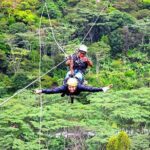
The zipline is described in numbers that help you picture it: four cables (two at 440 meters, two at 900 meters), totaling nearly 2,880 meters of gliding. Then you cross a 250-meter-long Tibetan bridge, which is a different kind of thrill than speed—more balance and focus.
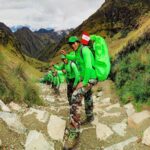
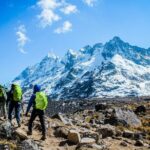
After ziplining, the day transitions to the Machu Picchu approach. You travel to the train station at Hidroeléctrica for lunch, then do a 10-kilometer hike (about 3 hours) to Aguas Calientes.
Along the hike, you’ll pass Inca agricultural terraces that are part of the broader Machu Picchu archaeological area. I like that this isn’t just “walk to the hotel.” It’s a gradual build-up where you see the engineering and mountain-side farming that make the Machu Picchu region so distinctive.
Then you arrive in Aguas Calientes for dinner and overnight.
Machu Picchu morning: early start, guided circuit, big stone
The Machu Picchu day begins very early. You’ll wake up around 4:30 a.m. for breakfast, then you head toward the citadel. The plan is an ascent of about 1.5 hours, with an optional bus alternative if you want to skip the hike up.
Once you enter in the morning, you get a guided tour of about 2.5 hours. This tour focuses on the big-ticket areas: the urban zone, main square, Temple of the Sun, agricultural terraces, and the Temple of the Three Windows, among other key stops.
This is where I think the “guided circuit” format pays off. Machu Picchu can be overwhelming because the site is huge and details blend together if you’re wandering alone. A structured guide helps you connect what you’re seeing to why it mattered to the Incas—religious, political, and cultural roles are part of the explanation.
The trip also notes Machu Picchu’s timing and context: built around 1450, discovered in 1911, and today a World Heritage Site. Even if you’ve read about it, seeing the space in person changes the scale fast.
If you want an extra challenge, there’s an optional add-on: climb Hayna Picchu (USD 60). That’s not included, but it’s listed as available as an upgrade.
Coming back to Cusco: the Hidroeléctrica route and timing
After your Machu Picchu visit, you’ll connect to the return path back toward Hidroeléctrica, listed as about 3 hours. From there, you take transportation back to Cusco, and the arrival is estimated around 20:00 p.m. at the Main Square.
You also have an optional alternative: instead of walking the route to Hidroeléctrica and then taking transport, you can return by train from Machu Picchu to Cusco (train options are listed as additional cost). The tour materials even mention specific train service names for an upgrade, but the key takeaway is this: your return plan controls how tired you feel that evening.
Either way, this day ends with a real “back to Cusco” moment. After four days of movement, that matters.
Price and value: $620 for action plus tickets plus guidance
At $620 per person, this tour is priced for people who want the whole bundle: major adventure activities plus Machu Picchu admission plus guided time in the citadel.
Here’s why the value can work well:
- Machu Picchu ticket is included, and it’s the Classic Circuit 2.
- Multiple adventure activities are included: downhill biking with safety gear, rafting with safety gear, and ziplining/bridge with safety gear.
- Meals are included across multiple days (breakfasts, lunches, dinners are listed).
- You also get professional English guiding and hotel pick-up plus transportation between key points.
Of course, not everything is free. The hot spring entrance at Cocalmayo is listed as not included, and optional add-ons like Wayna Picchu/Hayna Picchu and certain train returns cost extra.
Still, the structure matters. You’re paying for coordination that would be a headache to piece together yourself: early starts, transfers, ticket requirements, and timing that fits Machu Picchu’s rules.
What you really need: fitness, altitude, and swimming
This is an adventure itinerary. It doesn’t pretend otherwise.
You should have moderate physical fitness. You’ll spend time biking downhill, hiking through jungle areas, walking a 10-kilometer stretch, and climbing/ascending to Machu Picchu. Altitude is part of the deal from the start since Abra Malaga sits at 4,350 m.
Also, take the rafting swim requirement seriously. The tour explicitly states participants must be able to swim, and rafting safety relies on more than good intentions.
If you’re unsure about altitude, the tour notes that altitude readiness matters, and one shared account specifically calls out that Everton offered altitude support advice. That doesn’t replace medical guidance, but it does hint that you should show up prepared.
Where you’ll sleep and how the days are paced
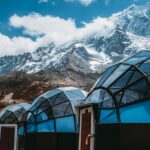
You’ll do three nights in lodging, described as hostel-style accommodations in matrimonial, double, or triple rooms. You’ll also have options for upgrades at extra cost, including upgrades to private lodge stays with features like jacuzzi in Santa Teresa, and hotel-category upgrades in Aguas Calientes.
I like how the plan includes smaller places. It tends to feel closer to local life than a pure city-and-hotel loop, and it also breaks the monotony of spending every night in one base.
The big picture pacing is: active day, recovery moment (hot springs), active day, then Machu Picchu day that’s early and structured.
Should you book this Inca Jungle Trek to Machu Picchu?
Book it if you want an all-in Peru sampler with real altitude moments and you’re comfortable staying in motion for four days. The standout combination is the chain from Sacred Valley biking to Vilcanota rafting to jungle walking and then zipline and bridge, ending with a guided Machu Picchu visit that doesn’t feel rushed.
Skip it (or choose a gentler version) if you need a low-strain itinerary. You’re signing up for strenuous activities, early mornings, and a rafting day where swimming is required.
Also, think carefully before paying. The experience is listed as non-refundable and can’t be changed once booked, so only lock it in when your schedule is solid and you’re confident you’ll handle the physical and altitude demands.
FAQ
Do I get picked up from my hotel in Cusco?
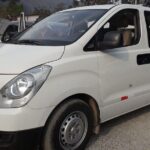
Yes. Hotel pickup is offered early in the morning, and the tour includes tourist transportation for the Santa Maria portion.
What languages are tours guided in?
The guide provided is listed as English.
Is Machu Picchu admission included?
Yes. Machu Picchu entry is included (Classic Circuit 2 / panoramic view).
Do I need to be able to swim for the rafting?
Yes. The rafting day specifically says participants must be able to swim.
Are Cocalmayo hot spring tickets included?
No. The entrance to the Banos Termales de Cocalmayo hot springs in Santa Teresa is not included.
What time do we start the Machu Picchu day?
You’ll get up at 4:30 a.m. for breakfast, then you’ll ascend (about 1.5 hours) or take the optional bus.
How big are the groups?
The maximum group size is listed as 12 travelers.