REVIEW · CUSCO
Sacred Valley: Chinchero, Moray, Maras Salt Mines & Ollantaytambo
Book on Viator →Operated by Machupicchu Latin America · Bookable on Viator
Early mornings, big Inca moments. This Sacred Valley circuit mixes comfort, a small-group feel (max 15), and hands-on cultural stops like Chinchero’s weaving center. I also like that you get hotel pickup and drop-off by private transport, so you spend less time figuring out logistics and more time looking closely at the sites.
The main thing to watch is cost stacking: the tour price is listed as $29, but you’ll still need to budget for Sacred Valley entrance tickets (PEN 90 per person) plus lunch, since several stops are marked as not included.
In This Review
- Key things to know before you go
- A calm Sacred Valley day, from pickup to Ollantaytambo
- Chinchero weaving, plus the Tupac Inca Yupanqui royal house
- Moray’s terraces: agriculture research in stone bowls
- Salinas de Maras: thousands of salt wells in a working system
- Urubamba lunch: refuel without losing your afternoon connection
- Ollantaytambo: fortress, sanctuary, and the key train connection
- Price and value: what $29 buys, and what you still pay
- Guide quality and keeping the day focused
- Who should book this Sacred Valley day
- Should you book it
- FAQ
- What time does the tour start?
- Is hotel pickup and drop-off included?
- Is this a private tour?
- What languages are available for the guide?
- Are admission tickets included?
- What about lunch?
- Does the tour end at Ollantaytambo for Machupicchu trains?
- How long is the tour?
- What is the cancellation policy?
Key things to know before you go
- Small-group size (max 15): enough people for energy, not so many you get herded.
- Private transport with hotel pickup/drop-off: you start early and avoid public-transport stress.
- Chinchero weaving center: watch traditional techniques and shop if you want a handmade textile.
- Moray + Salinas de Maras: two very different Sacred Valley “science” stops, agriculture and salt.
- Ollantaytambo fits Machupicchu plans: the tour ends at Ollantaytambo train station for trains from 15:37 onward.
- English or Spanish guide + one bottle of water: clear explanations and basic comfort handled.
A calm Sacred Valley day, from pickup to Ollantaytambo
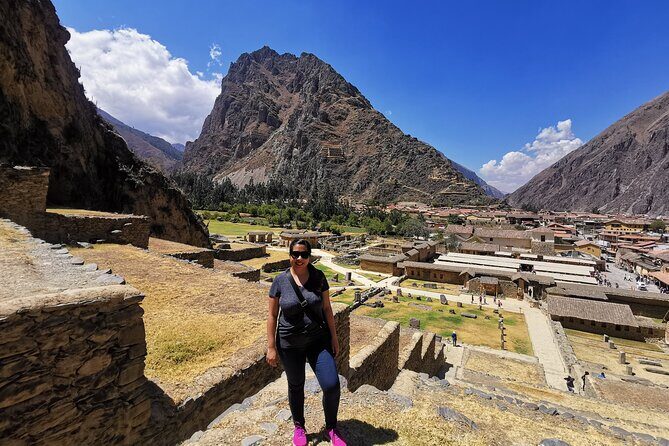
Sacred Valley can feel like a blur when you’re juggling buses, tickets, and timing. This tour is built to keep things simple. You start with hotel breakfast guidance, then you’re picked up in Cusco (hotel or Airbnb) and transported in a private vehicle with an English- or Spanish-speaking guide. The group stays small, so you can ask questions without talking over everyone.
The day is timed for maximum visibility. You leave early, hit the main sites before midday crowds build, then finish at Ollantaytambo in time to connect onward. If you’re thinking about Machupicchu, this timing matters. The tour is designed to end at Ollantaytambo train station so you can take a train from 15:37 onward.
One practical tip: this is a long, active day. Start with a good breakfast at your hotel, wear comfortable shoes, and bring layers. In the Andes, early sun warms quickly, then the temperature can shift as the day goes on.
You can also read our reviews of more tours and experiences in Cusco.
Chinchero weaving, plus the Tupac Inca Yupanqui royal house
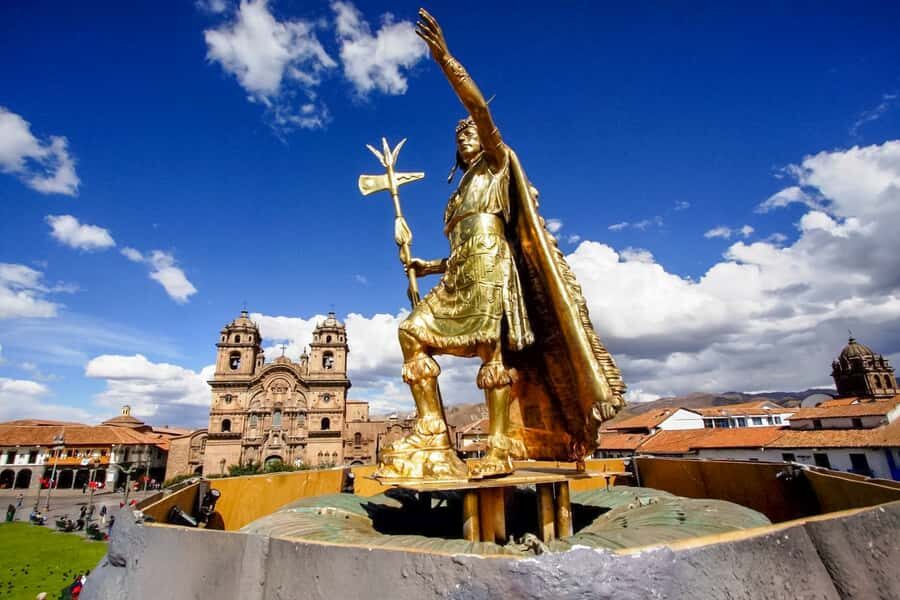
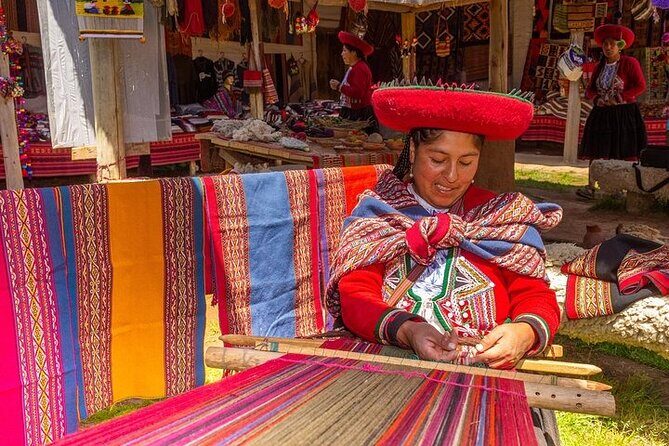
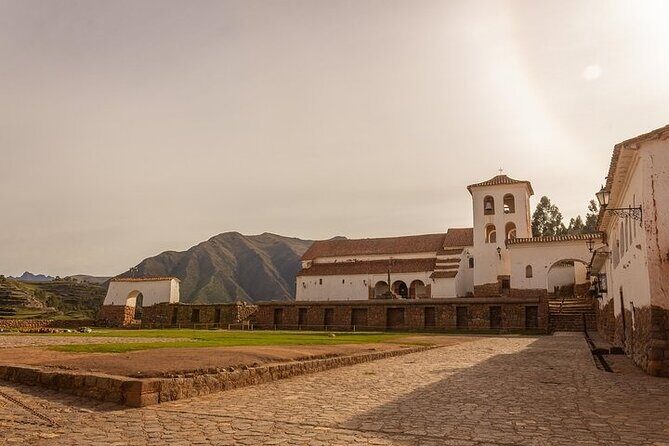
Chinchero is a strong first stop because it’s both cultural and scenic. After about an hour drive, you arrive and start with the Tupac Inca Yupanqui royal house visit. This is the kind of site where stonework and layout help you picture how Inca power expressed itself in everyday sacred space.
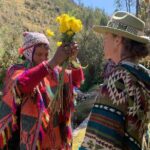
Then you move to a local weaving center. You’re not just looking at textiles behind glass. You watch traditional weaving techniques in action, which gives you a better sense of the work behind the colors and patterns. If you want to buy, this is where you can browse for handmade textiles, including items like a Peruvian poncho. Admission for this stop is listed as free, so you can focus on quality and craftsmanship without another ticket step.
What I like here is the balance. You get history first, then you get living culture right after. The weaving stop also helps you read the rest of the day with more context, since you’re seeing how traditions and materials connect to place.
Potential drawback: this is a shopping-friendly stop. If you’re not interested in textiles at all, you’ll still learn from the demonstration, but you might want to set a spending limit before you arrive so it stays fun, not stressful.
Moray’s terraces: agriculture research in stone bowls
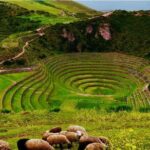
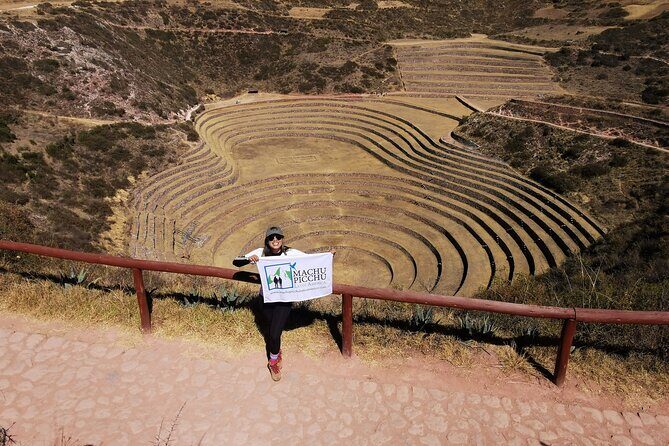
Next comes Moray, one of those sites that makes you pause because it doesn’t look like a typical fortress or temple. You’ll drive from Chinchero toward the village of Maras, then visit the archaeological park of Moray.
Moray is often described as an agricultural research center, and that idea changes how you look at the stepped terraces. The site feels like a giant experiment: different levels create different growing conditions. Even if you’re not a crop-science nerd, you’ll likely appreciate the logic once you’re standing there and seeing how the terraces shape micro-environments.
The visit window is about 30 minutes, and the ticket for this stop is marked not included, so it’s one of the places where you’ll want to keep your budget in mind. If you like photography, Moray is also a good place to take your time, because the structure gives you clean angles.
Practical consideration: Moray is an outdoor site. Wear sun protection and keep water in mind even though the tour includes bottled water. A short walk up and around can add up when you’re doing it in the morning.
Salinas de Maras: thousands of salt wells in a working system
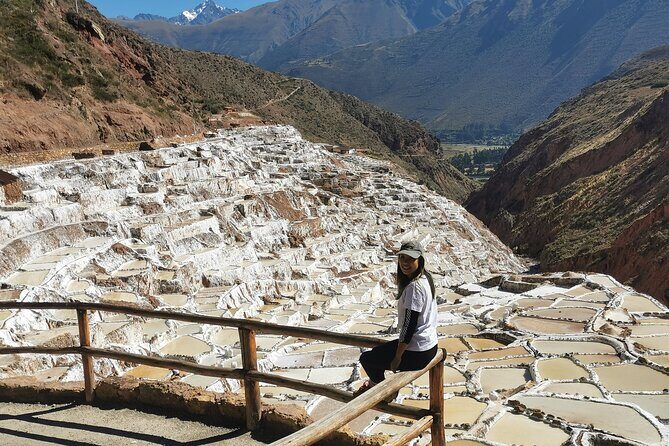
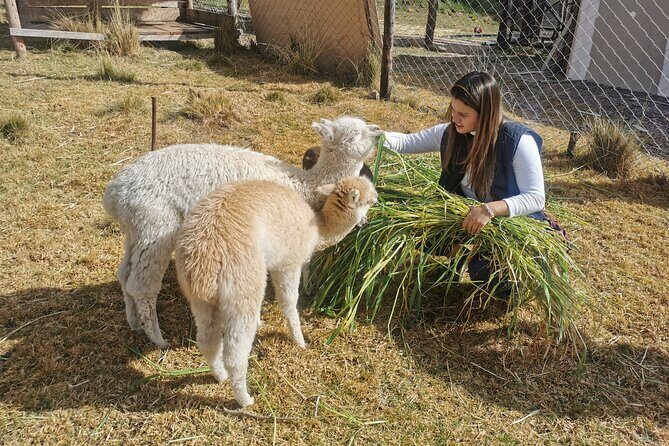
After Moray, you head to Salinas de Maras, also called the salt mines. This is where the day shifts from “agriculture in stone” to “salt production you can see.”
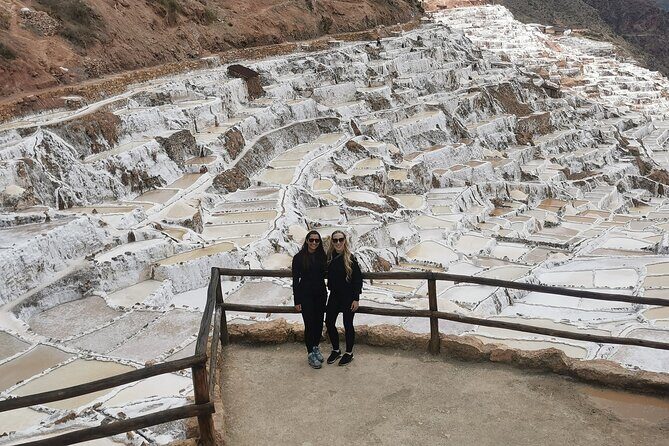
You’ll arrive to a network of roughly 3,000 small wells carved into the mountainside. The visuals are strong, but the real value is the sense that this is not a frozen museum object. Salt here is produced through a long, established process. Watching the pattern of the wells spread across the hillside is a quick way to understand why people have valued this place for a very long time.
This stop runs about an hour in the tour’s timing, and it’s also marked not included for admission. So again: build in entrance-ticket costs for the day, even if some stops are free.
Best way to enjoy Salinas: take a slower walk than you think you need. The view changes as you move, and you’ll also want a couple of photos from slightly different angles. If the light is bright, consider taking some shots from a spot that doesn’t force you to squint.
Urubamba lunch: refuel without losing your afternoon connection

After the salt mines, you drive to Urubamba for about 30 minutes before lunch time. Lunch is set up as a buffet, but it’s not included in the tour price. You’ll have around 50 minutes for the meal.
This is a practical moment in the day. Eat, hydrate, and keep it simple. You’ll want energy for Ollantaytambo, and you don’t want to gamble on feeling heavy and slow later in the afternoon.
If you’re the kind of person who likes to plan, use this break to think about your next steps. If you’re continuing toward Machupicchu, remember the schedule goal: your day should end at Ollantaytambo with enough time to connect.
Quick note: the tour includes one bottle of water, but it does not say water refills are included. If you’re thirsty easily, it’s smart to consider buying additional water during the day.



Ollantaytambo: fortress, sanctuary, and the key train connection
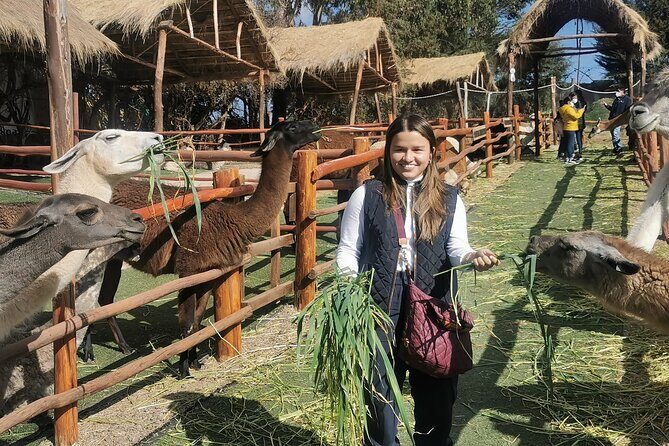
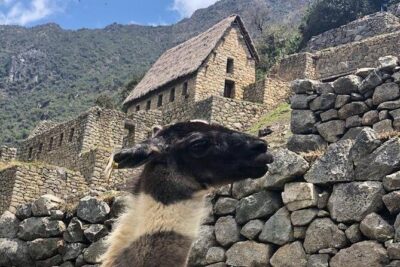
Your final major stop is Ollantaytambo Archaeological Park, about 1 hour after lunch in the tour timing. Ollantaytambo is described as an Inca fortress and religious sanctuary, and also a living city. That combo is a big part of why this stop often feels different from other sites: you’re not only looking at ruins, you’re also seeing how the area still functions.
The visit highlights massive stone architecture and extensive agricultural terraces, with dramatic panoramic views. You’ll also get a sense of Inca resistance during the Spanish conquest period. Even if you don’t know the details before you arrive, a good guide can help you understand how the fortress design reflects conflict and survival, not just ceremony.
From a logistics point of view, this stop is the anchor of the whole day. The tour specifically notes that if you plan to take a train to Aguas Calientes (Machupicchu pueblo), you can continue onward, since the tour ends at Ollantaytambo train station. Trains from 15:37 onward are mentioned as options.
After Ollantaytambo, you either continue your Machupicchu plan or you head back toward Cusco, with return arriving around 17:30 in the tour schedule.
One small warning for your comfort: Ollantaytambo can involve walking over uneven stone and stairs. Comfortable footwear is the difference between enjoying the views and rushing through them.
Price and value: what $29 buys, and what you still pay
The tour is listed at $29.00 per person, and that’s hard to beat for a full day with pickup, a guide, and private transport. The tour also includes one bottle of water, which is a nice small touch when you’re heading out early.
But here’s the part you shouldn’t skip: Sacred Valley entrance tickets are not included for most major stops, with the Sacred Valley ticket listed at PEN 90.00 per person. Lunch is also not included. So your real “all-in” cost depends on the entrance fees and the meal you choose.
Still, value is more than math. This day saves you effort. With hotel pickup and drop-off, you avoid the common Sacred Valley pain points: waiting around for the right transport, paying for multiple local tickets separately, and trying to coordinate timing on the fly. With a small group and a guide that stays focused on the sites, you get a smoother experience for the money.
One more practical detail I appreciate: the description says you’ll use a mobile ticket. If you’re already juggling phone battery and travel apps, make sure your phone is charged before you go.
Guide quality and keeping the day focused
The best part of this tour is often the guide relationship. In at least one experience with this operator, the guide was Luis, and the driver was also named Luis. The standout was not just facts, but how smoothly the day stayed on track. You’re not stuck in a rush. You’re also not dragged into souvenir stops that steal time from the archaeology.
That’s the difference between a “sightseeing bus day” and a real guided experience. When the guide keeps the focus on the sites you’re there for, you end up remembering more than a few photos.
The same approach shows up in the way culture is explained. The day’s stops connect well: weaving at Chinchero, agricultural thinking at Moray, salt production at Salinas, and then fortress and terraces at Ollantaytambo. A good guide helps you connect those themes instead of treating each stop like a separate checkbox.
Who should book this Sacred Valley day
This tour is a great match if you want:
- Hotel convenience in Cusco, without arranging transport on your own
- A small group setting (max 15), so you can actually ask questions
- A Sacred Valley route that hits major highlights without making you feel rushed
You might consider something else if:
- You’re extremely price-sensitive and only want the absolute cheapest option, since entrance tickets and lunch are extra
- You prefer ultra-flexible scheduling and don’t like set timing at stops
For most people, this strikes a strong balance: guided, comfortable, and built for a full day with good connections.
Should you book it
I’d book this tour if your top priority is a smooth Sacred Valley day with private transport, a guide-led explanation, and an easy end point at Ollantaytambo for Machupicchu trains. It’s also a smart choice if you don’t want to spend energy managing logistics early in your Cusco stay.
Skip it or shop around only if you’re confident you can handle transport and site timing yourself, or if you’re hoping for a day with fewer paid entries. For a first trip to Sacred Valley, this itinerary does a lot of important work in one day.
If you book, do two things: plan for the PEN 90 Sacred Valley ticket and plan your lunch. Then show up early and take your time at Chinchero weaving and Ollantaytambo. Those are the moments that turn a list of ruins into a story.
FAQ
What time does the tour start?
Pickup begins early morning, with breakfast suggested around 6:30 AM and pickup/departure around 7:00 AM. The meeting start time is listed as 7:30 AM.
Is hotel pickup and drop-off included?
Yes. The tour includes pickup and drop-off from hotels and Airbnb locations.
Is this a private tour?
It’s described as a small-group tour with private transport and a maximum of 15 travelers.
What languages are available for the guide?
The guide is offered in English or Spanish.
Are admission tickets included?
No. Sacred Valley entrance tickets are listed as PEN 90.00 per person, and some individual stops also show admission as not included.
What about lunch?
Lunch in Urubamba is not included. The stop includes time for a buffet lunch, but you pay separately.
Does the tour end at Ollantaytambo for Machupicchu trains?
Yes. The tour notes it ends at Ollantaytambo train station so you can take trains from 15:37 onward.
How long is the tour?
The duration is approximately 9 hours.
What is the cancellation policy?
Free cancellation is available up to 24 hours in advance for a full refund.