REVIEW · CUSCO
Machu Picchu and the Sacred Valley Express Adventure in 2 Days
Book on Viator →Operated by TREK&ADVENTURE MACHUPICCHU · Bookable on Viator
Machu Picchu, fast and organized. This 2-day Cusco adventure strings together Sacred Valley classics (Chinchero, Moray, Salineras de Maras, Ollantaytambo) and then lines you up for your timed visit to the Inca citadel. I like that it’s run as a small group (1–10 people) with an official guide, so you get context instead of just bus windows. Many people also specifically mention how attentive guides like Annie can be when plans need to stay on schedule.
What I really like is the mix of hands-on culture and big-picture Inca thinking. You get the textile community weaving demo in Chinchero, plus time at Moray’s concentric agricultural circles, and the chance to see how salt is still extracted at Salineras de Maras. The other clear win is the logistics: round-trip train tickets Ollantaytambo ↔ Aguas Calientes and a one-night three-star hotel take the headache out of doing this yourself.
One thing to watch: you start early (pickup 6:30 am) and Machu Picchu is all about limited timed entry. You also have an extra, common cost for the Sacred Valley admission (90 soles, cash in soles), and you’ll want to make sure you have your passport details correct for the Machu Picchu ticket.
Key things to know before you go
- Small group cap (1–10) keeps the pace from feeling chaotic
- 6:30 am Cusco pickup means you’ll beat some crowds and traffic
- Machu Picchu circuit tickets are assigned based on availability, with Circuit 2 usually first
- Sacred Valley admission (90 soles) is not included, and it’s cash-only in soles
- Train + one-night hotel in Aguas Calientes gives you a workable plan for the citadel day
- You’ll do a guided tour first, then get free time inside Machu Picchu
In This Review
- A 2-Day Sacred Valley-to-Machu Picchu Plan That Actually Works on Limited Time
- Cusco Pickup at 6:30 am and the Comfortable Start (Without Over-Waiting)
- Chinchero: Main Square, Agricultural Terraces, and a Textile Home Visit
- Moray: Concentric Circles and Why Ancient Incas Played With Microclimates
- Salinas de Maras: Thousands of Salt Pools and a Tradition That’s Still Running
- Urubamba Buffet Lunch at 14 Inkas: Food Fuel That Doesn’t Feel Like an Afterthought
- Ollantaytambo Archaeological Park: Temples, Terraces, and the Bridge to the Train
- Day 2: Bus Transfer Up to Machu Picchu and Your Guided Citadel Time
- Machu Picchu Tickets, Circuits, and the Reality of Limited Entry
- Cost and Value: What $470 Covers, What’s Extra, and What to Budget for
- Small Group Size (Up to 10) and Why It Changes Your Experience
- What to Pack and How to Prepare for Machu Picchu Day
- Aguas Calientes Overnight: The Hidden Reason This Tour Feels Less Crazy
- Who This 2-Day Express Sacred Valley and Machu Picchu Tour Fits Best
- Should You Book This Machu Picchu and Sacred Valley Express Adventure?
- FAQ
- What time is pickup in Cusco?
- What’s included in the price?
- Is the Sacred Valley admission included?
- What Machu Picchu ticket do I get (Circuit 1, 2, or 3)?
- Do I need to request Wayna Picchu in advance?
- What documents are needed for Machu Picchu entry?
A 2-Day Sacred Valley-to-Machu Picchu Plan That Actually Works on Limited Time
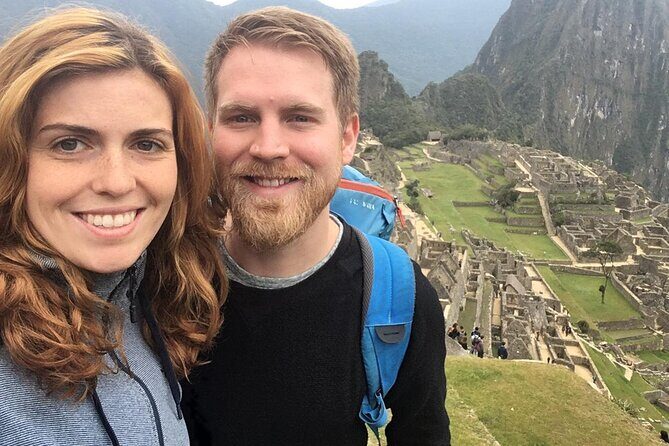
Machu Picchu is one of those trips where timing can make or break the day. This tour is built like a tight itinerary: you tour the Sacred Valley in one go, sleep in Aguas Calientes, and then return for a timed citadel visit on Day 2. If you only have a couple days in the Cusco region, the structure is the point.
I also like the balance between guided and self-paced time. You’ll have an expert guide for the sites that need context, and then you get space on your own when you’re standing in front of the citadel itself. It’s a good way to get the story without turning the whole day into a lecture.
Cusco Pickup at 6:30 am and the Comfortable Start (Without Over-Waiting)
Pickup is free from any location in Cusco, including hotels, hostels, and Airbnb. The operator waits for you in the lobby, and the pickup time is listed as 6:30 am, which matters because Sacred Valley driving and early arrivals can be sensitive to traffic and checkpoints.
This isn’t just an early start for bragging rights. An early departure helps you reach key stops before the day gets crowded. It also gives you a bit more slack for the inevitable small delays that can happen in Peru, especially during high season.
The tour also includes an air-conditioned vehicle, which can be a relief on the longer roads, particularly if you arrive in Cusco after a flight and your body is still adjusting.
You can also read our reviews of more tours and experiences in Cusco.


Chinchero: Main Square, Agricultural Terraces, and a Textile Home Visit
Chinchero is where you get your first dose of Inca-era place-making and daily Andean life. You’ll visit the archaeological complex with a guide who walks you through the Main Square, farming platforms, and a religious zone with traces of ceremonial structures. These parts are worth it because they help you connect the dots between agriculture, community, and spirituality in the region.
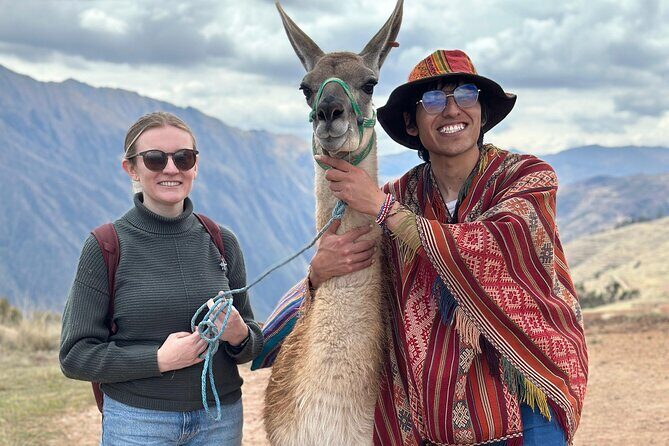
Then you shift from ruins to real living tradition. You’ll visit a local home of a family tied to the textile community, where you learn traditional weaving methods using natural dyes. You’ll also get an introduction to an ancestral script (exact details aren’t spelled out, but the experience is framed as learning a traditional writing system), and you’ll have interaction time with llamas and alpacas, including feeding them.
A potential drawback: Chinchero is both archaeological and social/cultural, so it can feel like a lot of stops in a single segment. The payoff is that you’re not just looking at stones—you’re seeing how people still carry forward knowledge.
Practical note: Chinchero village activities include admission noted as free for the home visit part, but the broader archaeological stop is listed as admission not included. You’ll want to keep your spending plan flexible.
Moray: Concentric Circles and Why Ancient Incas Played With Microclimates
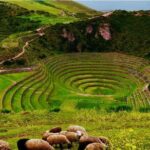
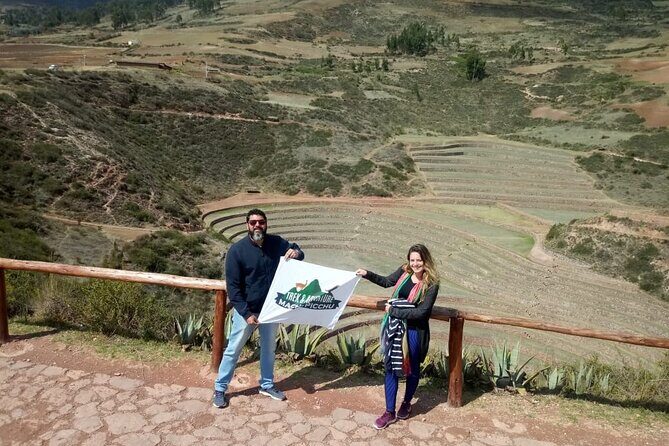
Moray is one of those stops that sounds mysterious even before you’re there. You’ll visit the archaeological area with your guide and see the concentric circles, described as four groups used for agricultural purposes in ancient times. The guide’s job here is crucial: the real value is in explaining why an Inca society would build something that looks like a stone puzzle.
You also get a useful chunk of time—about 50 minutes—and this is a good place for photos because the site sits in an open setting with dramatic geometry. The “how” of farming at Moray isn’t just a cool fact; it’s a window into Inca experimentation and engineering.
One consideration: admission is listed as not included for Moray. Budget for that and don’t count on everything being prepaid.
Salinas de Maras: Thousands of Salt Pools and a Tradition That’s Still Running
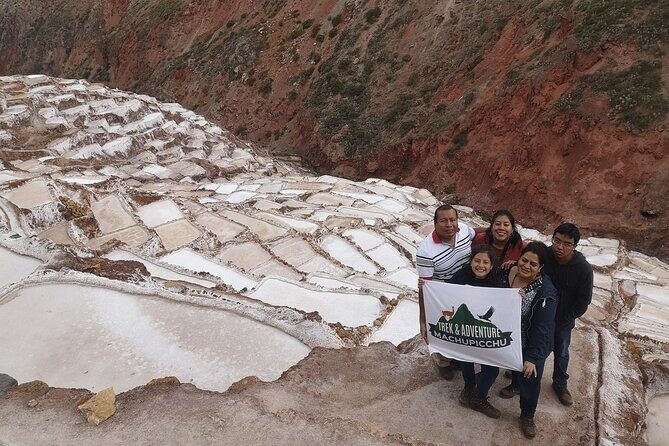
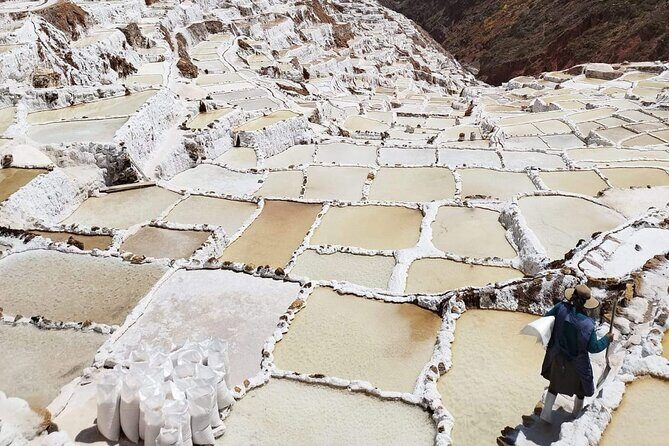
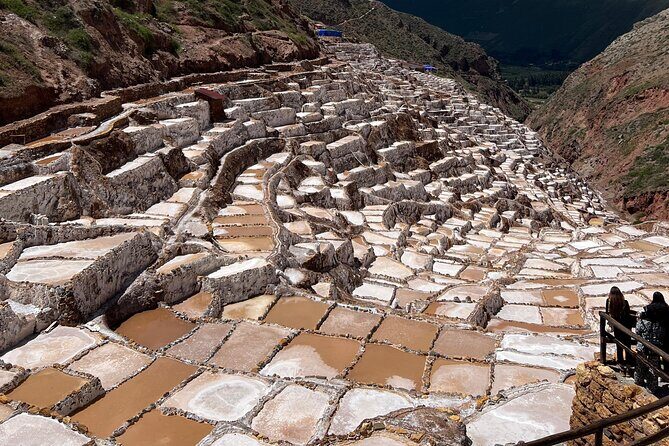
Next comes Salinas de Maras—literally a hillside of salt pools. You’ll explore the complex of thousands of salt pans on a mountainous slope and learn how salt is extracted using traditional techniques still practiced by the community.
The panoramic views here are real, and the photos are easy because the geometry repeats everywhere. But the deeper reason this stop works is that you learn how a simple resource—salt—was economically and culturally significant in the Andes.
Time is tighter than Moray: about 45 minutes. That’s usually enough to see the main areas and take photos, but if you’re the type who wants long, slow wandering, you might find it quick. Still, it’s a great use of limited time when you’re on a 2-day schedule.
Again, admission is listed as not included, so keep extra soles aside.
Urubamba Buffet Lunch at 14 Inkas: Food Fuel That Doesn’t Feel Like an Afterthought
After the morning circuit, you’ll reach Urubamba for buffet lunch (about 1 hour). The included option is specifically at 14 Inkas restaurant, and lunch is described as Peruvian Andean cuisine.
This matters because after a morning with multiple sites and some walking on uneven ground, you’ll want a real meal. A buffet also helps you manage picky eaters, dietary needs (within reason), and energy levels for the rest of Day 1.
Dinner on Day 1 is not included, and lunch on Day 2 (after Machu Picchu) is also own expense, so you’ll still need a little cash planning.




Ollantaytambo Archaeological Park: Temples, Terraces, and the Bridge to the Train
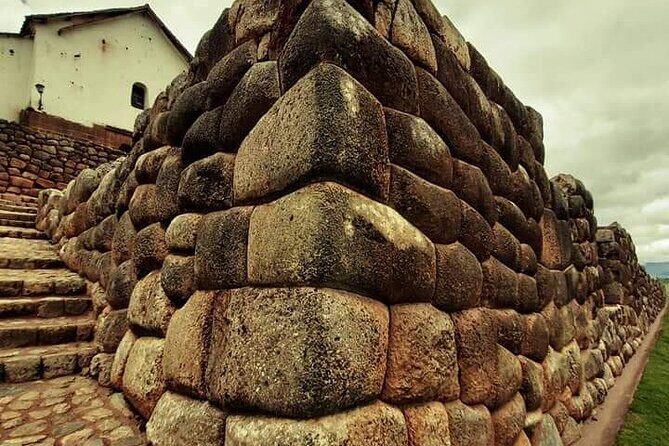
Ollantaytambo is both a place to visit and a place to use. You’ll spend about 1 hour at the Archaeological Park Ollantaytambo, with a guide explaining the site’s history and significance. After the guided portion, you’ll head toward the train station to continue the journey.
This is where the tour’s pacing makes sense. Ollantaytambo is historically important, and it’s also the practical hub for trains going toward Aguas Calientes. Doing the archaeology before the train prevents that annoying feeling of arriving somewhere new and then racing away without context.
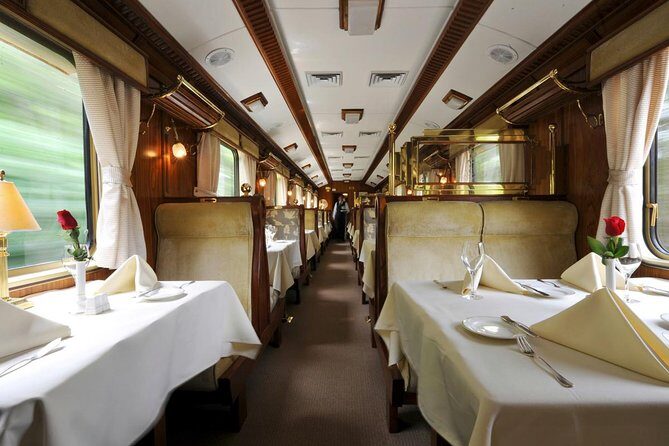
Then you board the Inca Rail train to Aguas Calientes. The train segment is listed as about 2 hours, and you’ll enjoy views along the way. You’ll also spend the night in a three-star hotel in Aguas Calientes or Machupicchu village (the program calls out Aguas Calientes / Machupicchu village as the same base area for your stay).
A practical note: train class is not fixed in the info you provided. The tour includes tickets for your selected class, so if you’re cost-sensitive, compare what class includes versus what you might sacrifice in comfort and scheduling.
Day 2: Bus Transfer Up to Machu Picchu and Your Guided Citadel Time
Day 2 starts with hotel pickup and transfer to the bus station for the ride to Machu Picchu. Time to the bus/citadel segment is listed as about 40 minutes.
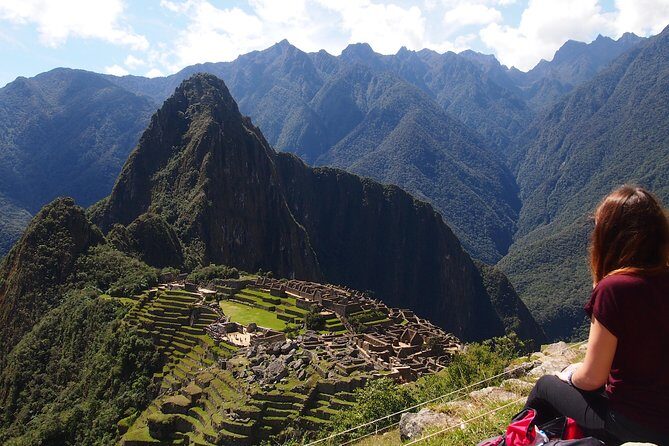
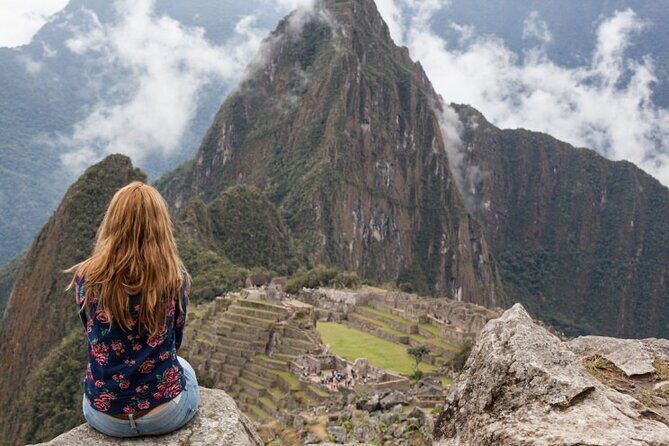
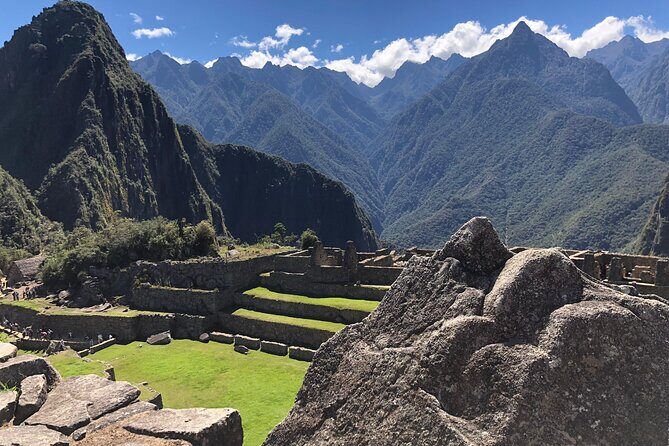
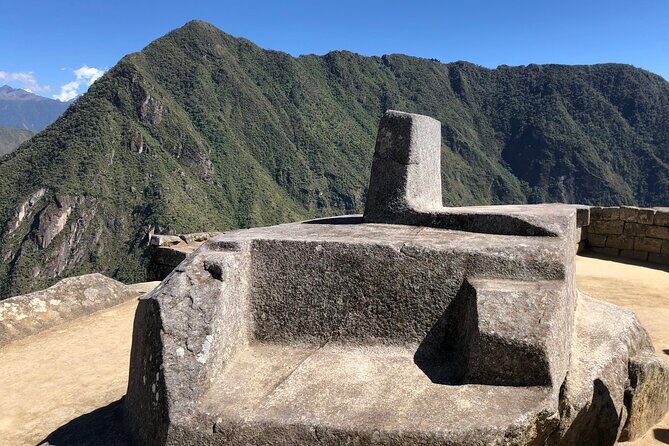
Once you arrive, your guide takes you through the Santuario Historico de Machu Picchu (about 3 hours total including the guided portion and then your free time). This is the core moment: you’ll tour the citadel grounds with expert guidance, then you’ll have free time to explore on your own at your pace.
Then you go back down to Aguas Calientes by bus. You’ll have free time for lunch (own expense), and then you board the train back to Ollantaytambo. The end of Day 2 is a return to Cusco, with the expected arrival around 20:00.
Machu Picchu Tickets, Circuits, and the Reality of Limited Entry
Machu Picchu works on timed capacity, and this tour is built around those rules. You’ll get a ticket to the Machu Picchu citadel, but the specific circuit is assigned based on availability at booking.
Your program notes that the first option is usually Circuit 2, and if that’s exhausted, the operator may allocate Circuit 1 or Circuit 3. You’ll also be scheduled for a shift from 6:00 am to 10:00 am. If the scheduled shifts aren’t available, the operator will confirm your tour on the next available turn, aiming to protect your visit.
This is one of the most important parts for your decision-making. You don’t just pay for a ticket—you pay for someone managing capacity rules. If Machu Picchu sells out, that backstop matters.
Also pay attention to data requirements. Machu Picchu authorities require the following for entry issuance: your full name, passport number, date of birth, and nationality. If that data doesn’t match your passport exactly, it can create issues. Do not freestyle it.
Cost and Value: What $470 Covers, What’s Extra, and What to Budget for
At $470 per person (double occupancy), this is not a cheap add-on, but it also isn’t pure sightseeing tax. You’re getting a bundle of costly logistics:
- 1 night in a three-star hotel in Aguas Calientes
- Train tickets round-trip between Ollantaytambo and Aguas Calientes
- A Machu Picchu citadel ticket
- Bus tickets within Machu Picchu (Aguas Calientes ↔ Machu Picchu)
- Guided Sacred Valley and Machu Picchu touring
- Pickup and transfers in Cusco
The big extras are clearly listed:
- Sacred Valley admission: 90 soles, paid in soles and cash (not included)
- Meals not included: dinner Day 1, and lunch/dinner on Day 2 (at least lunch is explicitly own expense after Machu Picchu)
- Tips (optional)
- Wayna Picchu ticket, if you add it (must be requested in advance and depends on availability)
So how should you think about the value? This tour is often worth it if you want to avoid planning stress and want someone to coordinate trains, buses, and timed entry. If you’re already comfortable building your own train timetable and getting tickets independently, you might find cheaper options. But for a 2-day window, convenience has real value.
Small Group Size (Up to 10) and Why It Changes Your Experience
This is a small group tour, capped at 10 travelers. That limit tends to make a difference at guided stops. When the guide is explaining agricultural terraces, ceremonial zones, or salt extraction processes, it’s easier to hear and ask questions.
It also helps with timing. Large groups can turn “1 hour” into “why are we still waiting.” A smaller cap makes it easier to keep to the plan, which matters because Machu Picchu is scheduled, not flexible.
What to Pack and How to Prepare for Machu Picchu Day
The program is pretty clear on what matters:
- Sunglasses, hat, sunblock
- Comfortable walking shoes
- Mosquito repellent
- A jacket for cold; in rainy season (Dec–Mar) bring waterproof clothes
- A small backpack for your essentials for the night in Aguas Calientes
It also suggests keeping luggage minimal if you stay overnight. Most hotels in Cusco offer free storage while you travel, so you don’t need to drag everything to Aguas Calientes.
Fitness note: it says you should have moderate physical fitness. Machu Picchu involves walking on uneven steps and slopes, and the day is also structured around transportation changes. It’s doable for many people, but go in honestly prepared.
Aguas Calientes Overnight: The Hidden Reason This Tour Feels Less Crazy
You stay one night in a three-star hotel in Aguas Calientes (or Machupicchu village). That overnight is not just a rest stop—it’s the tool that makes the itinerary possible. It keeps you from trying to do a full Machu Picchu day as a round trip from Cusco, which would be heavier on timing.
If you can build in extra buffer, the idea of arriving earlier and spending time in Aguas Calientes can reduce stress. The Machu Picchu schedule already controls you; anything you can control on your side (sleep and acclimation) helps.
Who This 2-Day Express Sacred Valley and Machu Picchu Tour Fits Best
This tour fits best if you want:
- A 2-day format that still includes a meaningful Sacred Valley circuit
- A guide who explains more than just directions
- The convenience of train + timed ticket coordination
- A manageable group size (1–10)
It might not fit perfectly if:
- You want an unstructured, slow-travel vibe (this is a schedule-forward trip)
- You hate early mornings (pickup is 6:30 am)
- You’re trying to minimize all extra costs (Sacred Valley admission 90 soles cash, plus meals not included)
Should You Book This Machu Picchu and Sacred Valley Express Adventure?
If you’re working with limited time in Peru, I’d seriously consider booking. This is a classic “save your planning energy” itinerary: the route is sensible, the included logistics are the expensive parts, and the small group size helps the experience feel human instead of factory-run.
I’d book if Machu Picchu is your priority and you want the operator to handle timed entry and train connections. I’d double-check your budget if you’re trying to keep expenses tight, since Sacred Valley admission (90 soles cash) and extra meals are on you.
One last practical tip: when you enter your passport details, copy exactly what’s on the passport. Machu Picchu is not the place for small mistakes.
If all that sounds manageable, this tour is a strong way to see the Sacred Valley highlights and still land a guided, well-timed Machu Picchu day without turning your trip into a logistics project.
FAQ
What time is pickup in Cusco?
Pickup is at 6:30 am. The tour offers free pickup from any location in Cusco, and the operator waits in the lobby.
What’s included in the price?
The tour includes lunch on Day 1, breakfast on Day 2, air-conditioned transportation, 1 night in a three-star hotel, round-trip train tickets Ollantaytambo–Aguas Calientes–Ollantaytambo, the Machu Picchu citadel ticket, return Machu Picchu bus tickets, transfers, and an official English/Spanish guide for Sacred Valley and Machu Picchu. It also includes the guided Sacred Valley route (Chinchero + Moray + Salineras de Maras + Ollantaytambo).
Is the Sacred Valley admission included?
No. Admission to the Sacred Valley is 90 soles, paid in soles and cash.
What Machu Picchu ticket do I get (Circuit 1, 2, or 3)?
Your ticket assignment depends on availability at booking time. The first option is Circuit 2, and if it’s unavailable, you may receive Circuit 1 or Circuit 3.
Do I need to request Wayna Picchu in advance?
Yes. If you want Wayna Picchu, you must request it in advance, and it depends on availability.
What documents are needed for Machu Picchu entry?
You must provide the full name, passport number, date of birth, and nationality exactly as shown on your passport.