REVIEW · CUSCO
Cusco Private City Tour
Book on Viator →Operated by LIBERTREK PERU TRAVEL · Bookable on Viator
Cusco hits different when someone points out what you’re actually seeing. This private city tour strings together the main sights and the sacred Inca layers, with a guide who keeps the story clear as you move from stone to gold to temples. I really like the hassle-free hotel pickup and the focused pacing—5 to 6 hours that hits the essentials without dragging. The other big win is the included entrance tickets for most stops, so you’re not wasting time budgeting on the spot. One consideration: Cusco’s old streets and archaeological paths involve walking on uneven ground, so you’ll want moderate fitness.
I also love that you’re not sharing the route with strangers. It’s truly private transport (a minivan), which makes the day feel smoother, especially if you want to ask questions freely. And if you’re lucky enough to get Juan Carlos, you’ll get the kind of energy that makes Cusco’s mix of Inca and Spanish details click fast. The only drawback I’d flag is timing: you’re covering a lot of stops, so you’ll be happier if you come with realistic expectations and don’t plan to linger too long.
Here’s what makes this tour a strong pick.
In This Review
- Key things to know before you go
- Hotel Pickup to Old Streets: How the Day Gets Started
- Centro Histórico De Cusco and San Blas: Start With the City’s Texture
- Cusco Cathedral: Colonial Goldsmithing and the Lord of the Earthquakes
- Qorikancha: The Golden Temple Beneath Santo Domingo
- Sacsayhuaman: Massive Stones and the Best View of Cusco
- Q’enqo, Pucapucara, and Tambomachay: Sacred Stops With Different Purposes
- Time, Pacing, and What Your 5 to 6 Hours Actually Includes
- Price and Value: What $180 Pays For (and What It Doesn’t)
- Who This Private Cusco City Tour Fits Best
- Booking Decision: Should You Book This Tour?
- FAQ
- How long is the Cusco Private City Tour?
- What is the price per person?
- Is this tour private?
- Does the tour include hotel pickup and drop-off?
- Is entrance to the sights included?
- Is lunch included?
- What language is the tour offered in?
- How much walking should I expect?
- Where does the tour take place?
- Is there a cancellation option?
- When do I confirm after booking?
Key things to know before you go
- Private format means your group sets the pace and you get more guide time
- Hotel pickup/drop-off keeps you from wrestling with Cusco logistics on arrival days
- Most entrance fees are included, including Cusco Cathedral, Qorikancha, Sacsayhuaman, Q’enqo, and Tambomachay
- San Blas first helps you understand the city layout before you hit the big plaza
- A mountain-view stop at Sacsayhuaman gives you that big-picture Cusco perspective
- English-speaking professional guide (example: Juan Carlos) brings the sites to life with clear context
Hotel Pickup to Old Streets: How the Day Gets Started
The tour kicks off around 09:00 AM with hotel pickup, then you’re whisked into central Cusco in a private minivan. That matters here, because Cusco’s streets can be tough to navigate when you’re tired, altitude-aware, or carrying day bags. You’ll also avoid that awkward moment of figuring out where to stand and where to meet.
From the first stop, the plan is built around orientation. You start in the Centro Histórico area and pass through San Blas, known for steep, cobbled streets and artisan energy. It’s not just scenic. Getting those streets under your feet early helps you understand why Cusco feels like a maze of layers—plazas, churches, and Inca-era lines all crisscross.
You should expect a mix of walking and uphill movement. The tour description calls for moderate physical fitness, and that’s fair. If you know you prefer flat, low-stair routes, this might feel like a lot. If you’re okay with uneven ground and a steady pace, you’ll enjoy how much you see.
You can also read our reviews of more city tours in Cusco
Centro Histórico De Cusco and San Blas: Start With the City’s Texture
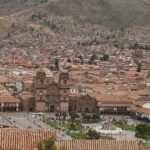
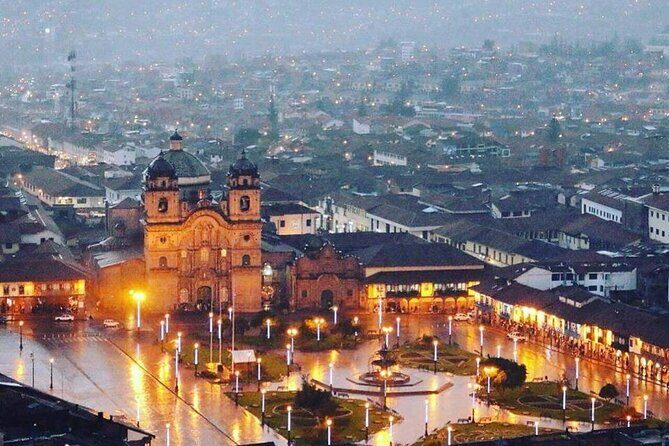
Stop 1 is Centro Histórico De Cusco, focused on the main streets of the San Blas neighborhood, then a walk toward the main plaza. This is a smart opening move. San Blas gives you the gritty charm first—steep angles, cobbles underfoot, and workshop-style art from local artisans. You’re getting atmosphere while your guide sets the historical context.
After that, you head toward the plaza area. This helps you mentally map Cusco. Once you see the layout from street level, the big landmarks stop feeling randomly scattered. You’ll understand how neighborhoods relate to plazas and how Inca and colonial structures ended up layered in the same urban space.
Timing here is about 45 minutes, and the admission ticket is listed as free. That makes it a low-stress start. Use it to slow down, look up at church facades, and get your bearings. If you’re planning photos, this is a good window because you’re moving through smaller lanes before the bigger sites take over.
Cusco Cathedral: Colonial Goldsmithing and the Lord of the Earthquakes
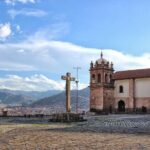
Next up is Cusco Cathedral, a major stop with a clear payoff. The cathedral is described as the main temple of the city and famous for standout colonial goldsmiths and carved wooden altars. If you like interior details—metalwork, wood carvings, and religious art—this is one of the most rewarding stops on the route.
You also get key cultural context in the form of artwork from the Cusco school and the famous image of the Lord of the Earthquakes. That name alone tells you this isn’t just decorative church art. It ties the site to Cusco’s survival through major events, which is exactly the kind of connection that a good guide can make feel personal.
This stop runs about 40 minutes, and the admission is listed as included. The cathedral is one of those places where 40 minutes can either feel rushed or just right. With a private guide, you can spend a bit longer if you’re genuinely into the art, or keep it moving if you’re more about the exterior and quick orientation.
Practical note: church interiors can be cooler and dimmer than the streets outside. Wear something you don’t mind adjusting in layers.
Qorikancha: The Golden Temple Beneath Santo Domingo
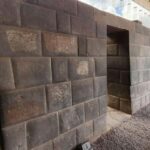
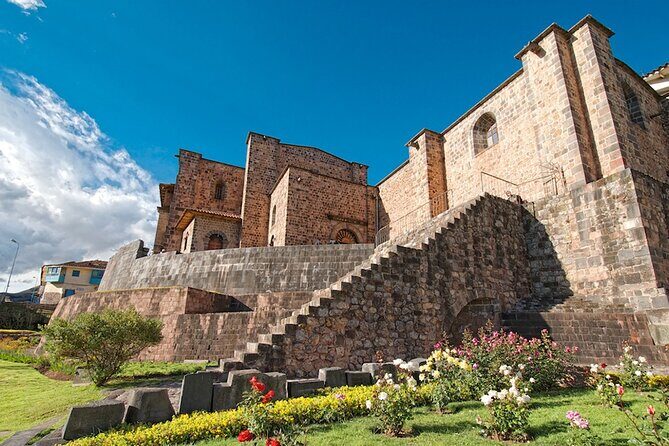
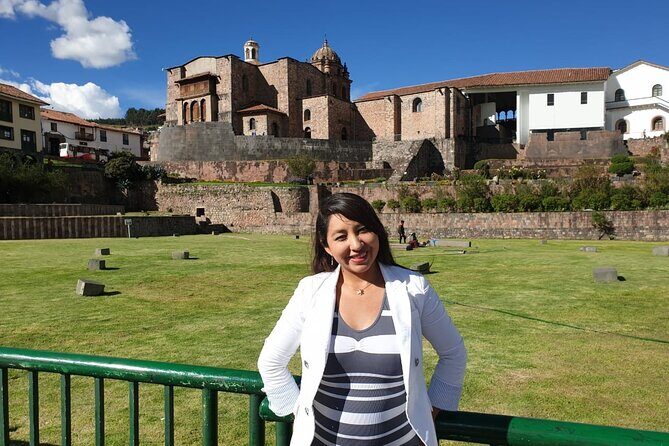
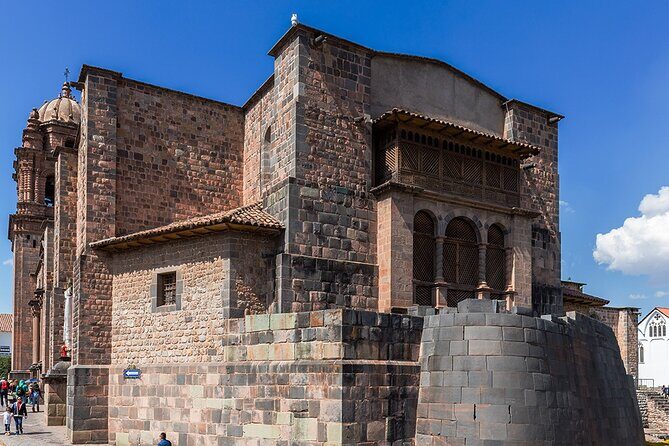
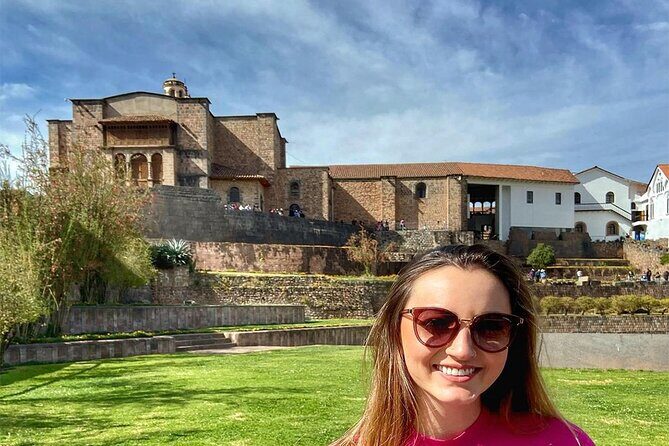
After the cathedral, you move to Qorikancha, also known as the Golden Temple or the Temple of the Sun God. This part of the itinerary is designed for the Inca-versus-Spanish story that Cusco does so well. Qorikancha was central to the Inca Empire, and the later Convent of Santo Domingo was built on top of it.
That layering is the point. You’re not just looking at ruins and thinking Inca time is gone. You’re seeing how later power and later religion literally used existing sacred ground. A guide’s job here is to help you spot what’s visible today and connect it to what mattered to the Inca.
You’ll have about 40 minutes at this stop, with admission included. If you’re the type who likes to understand what you’re looking at, Qorikancha is a great use of time. It’s also one of the stops where questions work well. Ask what parts you’re seeing and why the Spanish built there. You’ll get better out of it fast.
Sacsayhuaman: Massive Stones and the Best View of Cusco
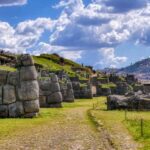
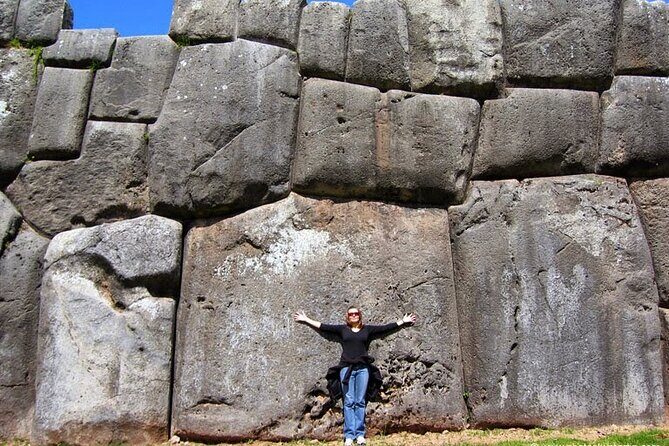
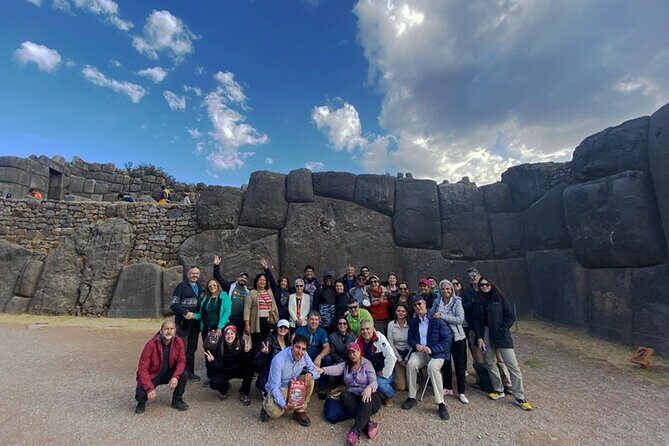
Then comes Sacsayhuaman, the archaeological site built strategically on a nearby mountain. The big draw is the scale. It’s described for huge carved stones—some around 9 meters (30 feet) and weighing over 350 tons. That’s hard to absorb until you’re standing near it.
Even better, Sacsayhuaman is set for views. From here, you can see the entire city of Cusco. This is the stop where the tour stops being a checklist and becomes a sense-making day. If you’ve felt like Cusco is confusing at street level, the mountain view clears things up fast.
Your time here is about 1 hour, and admission is included. One thing to be ready for: more elevation and more outdoor walking than the earlier city stops. Bring comfortable shoes and expect wind. If your legs feel heavy, slow down on the way up. The stones will still be there, and Cusco doesn’t care if you rush.
You can also read our reviews of more private tours in Cusco
Q’enqo, Pucapucara, and Tambomachay: Sacred Stops With Different Purposes
The remaining archaeological sites are shorter, but they connect into a recognizable sacred thread.
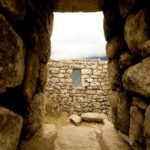
Q’enqo comes next, with about 30 minutes and admission included. In Inca times, it’s described as a religious site, and it’s believed the Incas used it for mummifying their dead. That turns the experience from sightseeing into something more solemn. If you prefer stops where the guide can explain symbolism and use, Q’enqo is a good match.
Then you move to Pucapucara, meaning red fort, with about 20 minutes. Admission here is free. The stop is shorter, so don’t expect the same “wow wall” effect as Sacsayhuaman. Think of it as a palate cleanser and a way to keep the Inca geography moving along.
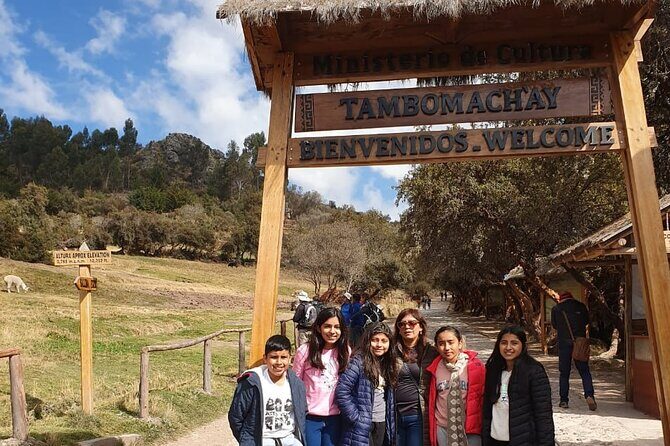
Finally, you visit Tambomachay, about 8 km north of Cusco, and close to Puka Pukara. This site is described as dedicated to the cult of water, and where the Inca king would retire to rest. That’s a nice contrast after stones and tomb-linked space: it’s still sacred ground, but the theme is water and retreat.
Tambomachay gets about 40 minutes, with admission included, and then the tour returns to Cusco around 14:00 hrs (approx.). If you’re tired by the end of the day, this final stop is a chance to slow your breathing and just take in the quiet.
Time, Pacing, and What Your 5 to 6 Hours Actually Includes
On paper, this tour is 5 to 6 hours. In real life, it feels like a compact route built for first-time orientation plus major highlights. The first part of your day is spent in central Cusco and the big iconic interiors. Then you head into archaeological sites and mountain views.
What makes the pacing work is how the stops are layered:
- City streets first, so you learn the shape of Cusco
- One cathedral and one major Inca-layered site for cultural contrasts
- One mountain view for big-picture perspective
- Then shorter archaeological stops to keep the Inca thread alive without exhausting you beyond reason
You’ll likely be walking enough to notice fatigue. That cobbled, steep feel shows up early in San Blas. Later, outdoors and uphill movement become more noticeable at Sacsayhuaman. Still, it’s not an all-day hike. It’s more like a strong guided circuit with clear time windows per stop.
Also, this tour does not include lunch. That matters. If you usually get hungry on tours, plan a light early meal before pickup or have a snack plan afterward.
Price and Value: What $180 Pays For (and What It Doesn’t)
At $180.00 per person, this is not a budget option. But it also isn’t just a driver dropping you off. You’re paying for a package that includes:
- Professional tour guide
- Hotel pickup and drop-off
- Private transport (minivan)
- Entrance tickets for most major sites
Entrance fees can add up in Cusco quickly, so the fact that tickets are included at several stops is part of the value story. Stops with admission listed as included include Cusco Cathedral, Qorikancha, Sacsayhuaman, Q’enqo, and Tambomachay. Two stops list free admission: Centro Histórico De Cusco and Pucapucara. So you’re still not paying for everything—but you are covered for a good chunk of the expensive entries.
The one clear gap is lunch is not included. That’s normal for many city tours, but it’s worth planning so you don’t end up hungry and rushed at the end.
If you care most about seeing the key sites without hassle, and you want a guide who can explain the Inca-colonial overlap, the price starts to make sense. If you’re traveling solo on a strict budget and don’t need a private guide, you might find cheaper group options. But if you want comfort, speed, and attention, this package is built for that.
Who This Private Cusco City Tour Fits Best
This tour is a great fit for:
- First-timers who want a clean, guided route across the main Cusco icons
- Small groups or couples who prefer not to share the experience
- People who want context while they walk, not just photos and silence
- Anyone who likes the Inca story, but also wants the colonial layers explained
It may be less ideal if you:
- Want lots of free time at each stop
- Have low tolerance for walking on cobbles and uneven ground
- Are planning to do other active excursions the same day
If you’re sensitive to altitude, pace matters. This tour is not a long trek, but there is still elevation around Cusco. Take your time, drink water, and don’t try to “win” the day by rushing.
Booking Decision: Should You Book This Tour?
I’d book this tour if you want a guided Cusco day that hits the essentials—San Blas and the main plaza area, Cusco Cathedral, Qorikancha, Sacsayhuaman, plus the Inca-linked archaeological stops—without making you piece together tickets and logistics.
The strongest reason to go is the guide experience. The reviews highlight that Juan Carlos brought passion and knowledge, and that kind of energy can turn a good itinerary into a memorable one. You’ll also appreciate the practical setup: hotel pickup and drop-off, a private minivan, and entrance tickets for multiple key sights.
Skip it only if you’re trying to do Cusco on a shoestring budget, or if you know you want very slow, linger-long visits rather than a tight 5–6 hour circuit.
FAQ
How long is the Cusco Private City Tour?
It runs about 5 to 6 hours. The plan starts around 09:00 AM and you return to the city at about 14:00 hrs.
What is the price per person?
The price is $180.00 per person.
Is this tour private?
Yes. It is a private tour/activity, and only your group participates.
Does the tour include hotel pickup and drop-off?
Yes. Hotel pickup and drop-off are included.
Is entrance to the sights included?
Entrance tickets are included for several stops. Admissions are listed as included for Cusco Cathedral, Qorikancha, Sacsayhuaman, Q’enqo, and Tambomachay. Centro Histórico De Cusco and Pucapucara are listed as free.
Is lunch included?
No. Lunch is not included.
What language is the tour offered in?
The tour is offered in English.
How much walking should I expect?
The tour includes walking through San Blas with steep, cobbled streets, plus visits to archaeological sites. It is recommended for people with moderate physical fitness.
Where does the tour take place?
It takes place in Cusco, Peru, with stops across the city and nearby archaeological areas.
Is there a cancellation option?
The experience is non-refundable and cannot be changed for any reason.
When do I confirm after booking?
Confirmation is received at the time of booking.