REVIEW · CUSCO
7-Day Private Guided Sacred Valley Cusco and Machu Picchu Tour
Book on Viator →Operated by Kantu Peru Tours · Bookable on Viator
Machu Picchu starts with salt and sunrise buses. This private, well-paced route strings together Cusco, the Sacred Valley highlights, and a timed Machu Picchu day, with a big bonus: Rainbow Mountain the following day. I especially like the private guide setup, which helps every stop click instead of feeling like a checklist.
I also like the overall logistics—airport pickup in Cusco, smooth transfers, and drivers who keep things on schedule. One consideration: Day 6 begins with a 3:30 a.m. pickup and you’ll trek up to 5,020 m, so the pace and altitude aren’t for the faint of breath.
In This Review
- Key highlights that make this tour worth your attention
- Private guiding that turns long days into clear stories
- Day 1 in Cusco: airport arrival, zoo animals, then Pisac
- Day 2 in the Sacred Valley: Ollantaytambo, Moray, Maras salt, Chinchero
- Day 3: train to Aguas Calientes, Machu Picchu guided Circuit 2
- Day 4 in Cusco: city tour plus Sacsayhuaman and the water temple
- Day 5: your free day in Cusco (use it to wander with purpose)
- Day 6 Rainbow Mountain: 3:30 a.m. start, trek to Vinicunca, then lunch and return
- Day 7: airport transfer when your flight is ready
- Price and logistics: what $1,378 covers, and what you’ll still pay for
- Who should book this Sacred Valley and Machu Picchu route
- Final verdict: should you book it?
- FAQ
- Is this a private tour?
- What train does the tour include for Machu Picchu?
- Does the tour include Machu Picchu entry?
- Do I get guided time at Machu Picchu?
- What meals are included?
- What language will the guide use?
- How physically demanding is Rainbow Mountain?
- What’s included in the Rainbow Mountain day?
- What’s not included besides flights?
- Is the booking refundable or changeable?
Key highlights that make this tour worth your attention
- Private guiding with English or Spanish support so you understand what you’re seeing
- Vistadome train between Ollantaytambo and Aguas Calientes for big-window views
- Machu Picchu Circuit 2 with a 2-hour guided tour plus time to wander on your own
- Sacred Valley classics packed in smart order: Ollantaytambo, Moray, Maras, Chinchero
- An early Cusco start with an Andean zoo stop (condors, puma, spectacled bear) before Pisac
- Rainbow Mountain day includes oxygen and a first-aid kit, plus breakfast and lunch
Private guiding that turns long days into clear stories
This is a private tour, so your guide is your main piece of glue across seven days. You’re not squeezed into a mixed group where you have to hear the same facts from the back row. It’s also run with professional English- or Spanish-speaking guidance, which matters a lot at Machu Picchu, where details can get lost if you don’t know what you’re looking at.
The best part is that the tour doesn’t just move you from site to site. It tries to give you context for why each place matters and what the setting means. In the feedback I saw, guides like Christian Lara and Cristian were praised for answering questions and sharing stories that made the stops feel connected. That’s the difference between seeing ruins and understanding them.
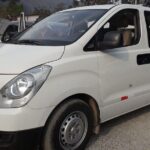
Another practical plus: you get experienced drivers. Some of the names that came up include Wilson Ayala, Kevin, and Franklin, all described as safe, prompt, and helpful—especially important when you’re doing early departures and tight train timing.
You can also read our reviews of more guided tours in Cusco

Day 1 in Cusco: airport arrival, zoo animals, then Pisac
Your Day 1 starts with a representative from Kantu Peru Tours waiting for you at Cusco’s international airport. Then you head toward your hotel in the Sacred Valley area, with stops that are meant to break the travel day into something interesting.
First up is Cusco plus a stop at an Andean zoo-style animal sanctuary. The itinerary specifically calls out animals like condors, a puma, and a spectacled bear, plus a mention of enjoying the flight of the condor. It’s a small twist that makes the first day feel less like a transfer day and more like an introduction to the region.
Next comes Pisac, with a guided visit at the archaeological site of Pisac on the mountain with the same name. The time block listed is 45 minutes, so you’ll get an overview rather than a long, slow wander. This is one of those stops that’s great early in the trip, because it sets your brain up for the Inca-era design you’ll see repeatedly.
Overnight is in the Sacred Valley, which is a smart move. Staying out there shortens the daily pressure on Cusco acclimation and makes it easier to hit early start times later.
Day 2 in the Sacred Valley: Ollantaytambo, Moray, Maras salt, Chinchero
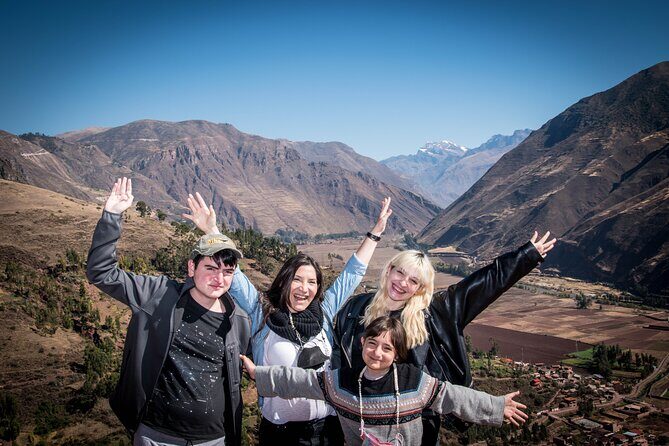
Day 2 is the Sacred Valley sweep, and it’s organized in a way that keeps the day moving without turning every stop into a rush.
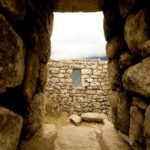
You start with breakfast, then head to Ollantaytambo for a guided archaeological visit. Ollantaytambo is one of those places where the stonework and the layout really help you picture how people lived and moved through the valley. The itinerary gives about 1 hour here, which is enough for a guide-led walk where you’re not just standing in a single viewpoint.
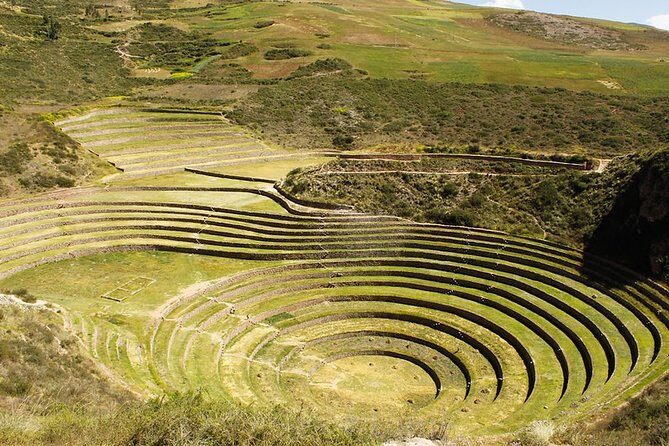
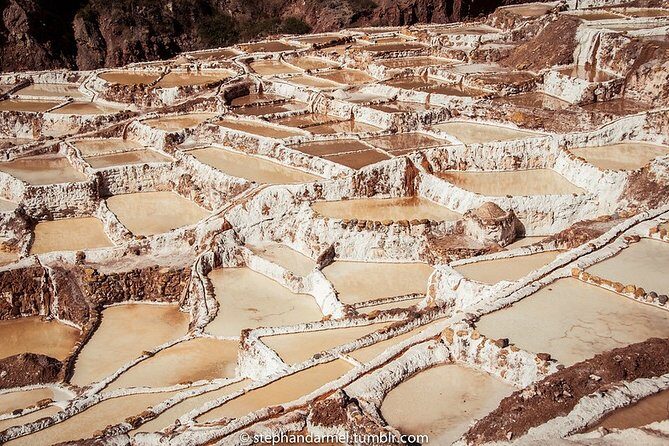
Then you go to Maras salt pools, called Salineras de Maras in the itinerary. What’s special is the operating system still relies on underground springs, and the salt pools are still irrigated. Right after, you visit Moray, described as an old Inca agricultural laboratory built by the Incas. Even if you don’t love agricultural history, this stop helps you understand how the Inca used microclimates on purpose.
The final Sacred Valley stop is Chinchero, a traditional town where you can see Inca customs that still show up today. It’s a nice palate-cleanser after the technical sites, and it gives you a sense of living culture rather than only archaeology.
Overnight again in the Sacred Valley keeps everything comfortable for the next jump day.
Day 3: train to Aguas Calientes, Machu Picchu guided Circuit 2
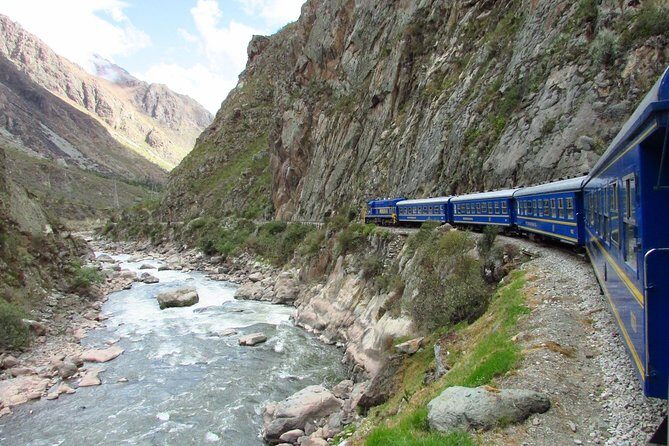
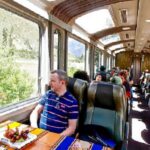
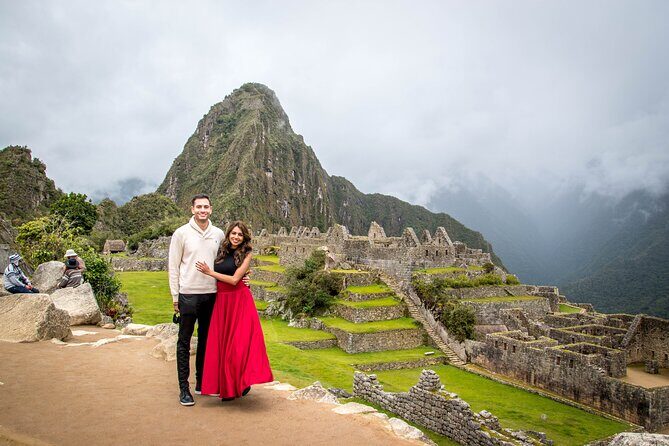
Day 3 is the day you’ll talk about for years. You’re picked up from your hotel early, taken to the train station, and you ride the Vistadome train to Aguas Calientes. The itinerary states 1 hour and 45 minutes, and it calls out panoramic windows—this is one of the best uses of time on the route because the scenery is part of the memory.
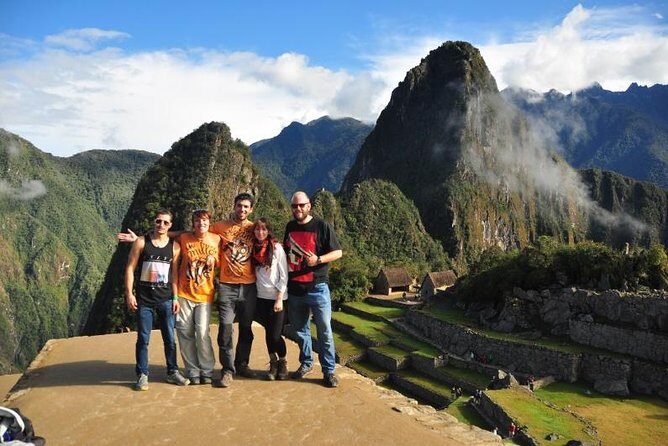
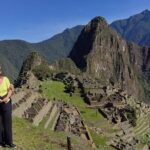
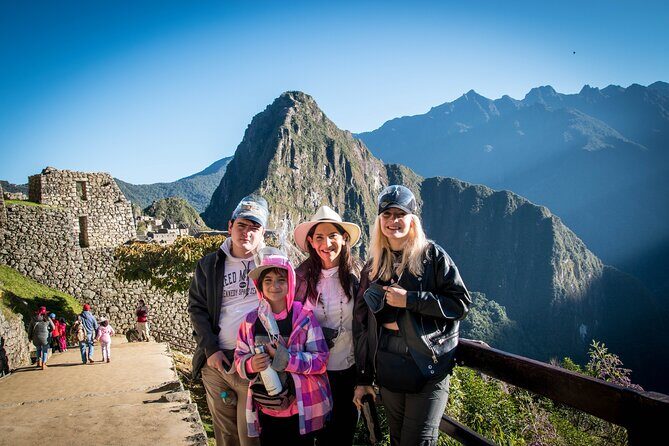
Once in Aguas Calientes, you take a tourist bus to the entrance gate of Machu Picchu. Then you get a 2-hour guided tour visiting the most important places inside the Inca city. The guide makes the biggest difference here because Machu Picchu is full of intersecting terraces, viewpoints, and building functions. Without context, it can feel like a lot of stone. With context, you start spotting patterns.
After the guided portion, you have free time to explore on your own. You also take the bus back down to Aguas Calientes for lunch at an exclusive restaurant as described in the itinerary.
Finally, in the afternoon you ride the train back to Ollantaytambo and transfer to Cusco, arriving at night and staying overnight in Cusco. That keeps your Machu Picchu day focused: you get up, see it, eat, and return rather than spending hours on logistics later.
Two practical notes to keep expectations realistic:
- Your Machu Picchu entry is Circuit 2, subject to availability.
- The day is long even when things run smoothly, because train + bus + walking + the guided tour all add up.
Day 4 in Cusco: city tour plus Sacsayhuaman and the water temple
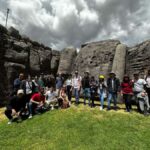
Day 4 brings you back to Cusco for a guided city tour. You’re looking at streets, temples, and churches, with about 2 hours listed for the main Cusco walking portion. This day helps you switch gears from valley ruins to the city that organized the region.
Next you visit several major Inca-area sites around Cusco:
- Sacsayhuaman
- Qenqo temple
- Puka Pukara fortress
- Tambomachay, also called the water temple
The schedule shows around 3 hours for these stops as a set. That’s enough time to see the main structures and understand the role of these areas in the Cusco region.
If you like a trip that shows you both the Inca and the Spanish layering over time, Day 4 is a strong payoff. Churches and stone terraces sit side by side in Cusco, and it helps you appreciate the city as a living place, not only a base for Machu Picchu.
You can also read our reviews of more private tours in Cusco

Day 5: your free day in Cusco (use it to wander with purpose)
Day 5 is intentionally open. You can explore on your own, shop, and take Cusco at your own speed.
This is the day to do two kinds of things:
- Things you can’t comfortably fit into early-morning tours.
- Food and viewpoints that work better when you’re not fighting a schedule.
One suggestion that came up in the feedback I reviewed: check out the Chocolate Museum. It’s not part of the formal itinerary, but it’s an example of the kind of off-the-tour activity you can enjoy when you have time. For the churches, Day 4 already covers some highlights, but on a free day you can also pick a favorite and go deeper at your own pace.
Day 6 Rainbow Mountain: 3:30 a.m. start, trek to Vinicunca, then lunch and return
This is the most demanding day on the itinerary, and it’s also the one that deserves respect.
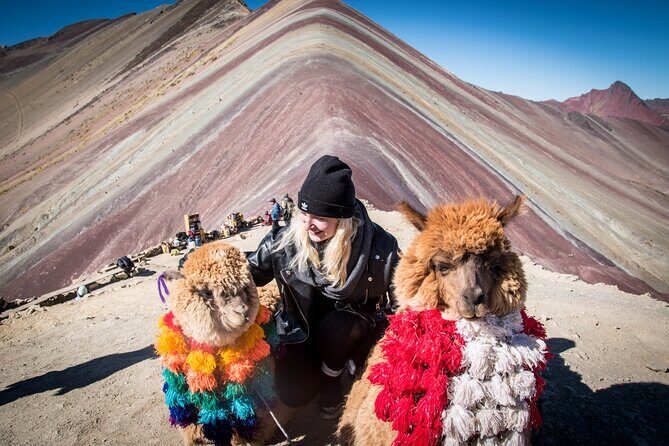
You’re picked up from your Cusco hotel at 3:30 in the morning. You then travel by bus for about 2 hours to Cusipata (4,326 m), where you have breakfast. After that, you walk about 1 hour more until Phulawasipata, where you start the trek.
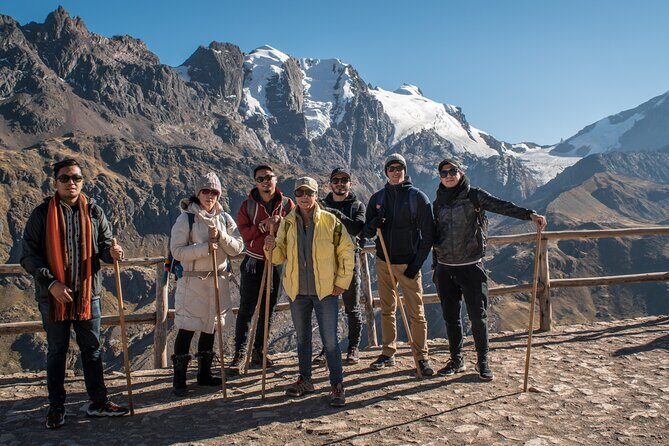
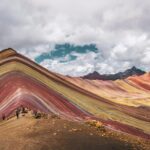
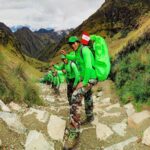
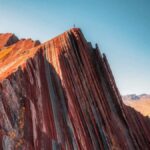
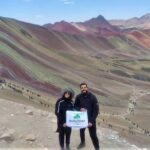
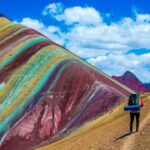
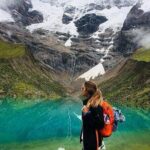
The trek to Rainbow Mountain (Vinicunca) is described as 3.5 hours, with the altitude reaching 5,020 m. Along the way, the itinerary highlights views of canyons and glaciers in the Ausangate area. Then you get free time at the top for pictures, a snack, or just relaxing.
On the return, you walk back to the community of Quesiouno, have lunch, and then return to Cusco. The tour day is long (about 6 hours listed), but the structure helps: get to the mountain early, spend time at the summit, then eat and go back.
Two inclusions matter here because they reduce stress:
- Oxygen
- A first-aid kit
That doesn’t erase altitude challenges, but it does signal the operator is preparing for the realities of the route. If you book this trip, be honest about your fitness level and how you handle altitude.
Day 7: airport transfer when your flight is ready
Day 7 ends quietly. Depending on your flight departure time, staff pick you up from your Cusco hotel and take you to Cusco airport in private transportation.
It’s a good closing day because you’re not forced into another full activity. You’re just getting home (or to your next stop), with someone handling the final logistics.
Price and logistics: what $1,378 covers, and what you’ll still pay for
At $1,378 per person, the value comes from how much the trip bundles together for you.
Included items that typically cost time and stress to coordinate on your own include:
- Airport ↔ hotel transfers in Cusco and the Sacred Valley
- Sacred Valley transport + guided visits + entrance tickets
- Ollantaytambo ↔ Aguas Calientes via Vistadome train
- Bus tickets between Aguas Calientes and Machu Picchu and back
- Machu Picchu entrance ticket (Circuit 2, subject to availability)
- A professional guide for the Machu Picchu portion (2 hours)
- Cusco city tour with transportation, guide, entrance tickets, and lunch
- Rainbow Mountain transport + guide + breakfasts + buffet lunch, plus oxygen and a first-aid kit
- Transfers from hotel to Cusco airport on Day 7
- A total of 5 lunches and several entrance tickets noted as free in the itinerary text
Not included:
- International and domestic flights
- Extra nights if cancellations happen
- Meals not listed as included (the itinerary notes that water and snack aren’t included)
- Travel insurance
In plain terms: you’re paying for a private operator to handle timing-heavy parts (train schedules, bus connections, and timed entries). If that’s the biggest reason you want a tour—less stress during peak logistics—it’s where this price makes sense.
Who should book this Sacred Valley and Machu Picchu route
This tour fits best if you want:
- A private guide and driver rather than a big mixed group
- Efficient use of time in Cusco and the Sacred Valley
- The full Machu Picchu experience: train, timed access, guided walk, then room to explore
- A second major highlight after Machu Picchu: Rainbow Mountain
It may not fit as well if:
- You struggle with altitude or early starts. The 3:30 a.m. pickup and 5,020 m trek are core to the itinerary.
- You’re looking for a slow, low-commitment trip. This schedule is structured and moves.
If you’re traveling as a family, it can still work well, but you’ll want to think carefully about Day 6 and how your group handles exertion.
Final verdict: should you book it?
If your priority is a smooth run where guides handle the story and the timing—especially for Machu Picchu—this is a strong option. The combination of Vistadome train, guided Machu Picchu, and a guided Rainbow Mountain day gives you two major wow moments with less guesswork.
I’d book it if you’re comfortable with moderate physical fitness and you’re okay with very early mornings. I’d pause if altitude or fatigue is a known issue for you, because Day 6 is the real test.
If you go, do one thing that makes a difference: keep your phone handy and stay reachable, since the tour relies on quick coordination for pickups and timing. Based on past experiences shared with this company, that kind of responsiveness is part of why the trip runs well.
FAQ
Is this a private tour?
Yes. It’s listed as a private tour/activity, meaning only your group participates.
What train does the tour include for Machu Picchu?
It includes Vistadome train tickets from Ollantaytambo to Aguas Calientes and back (Ollantaytambo → Aguas Calientes → Ollantaytambo).
Does the tour include Machu Picchu entry?
Yes. You get an entrance ticket to Machu Picchu with Circuit 2, subject to availability.
Do I get guided time at Machu Picchu?
Yes. You’ll have a 2-hour guided tour in Machu Picchu, plus additional free time afterward to explore on your own.
What meals are included?
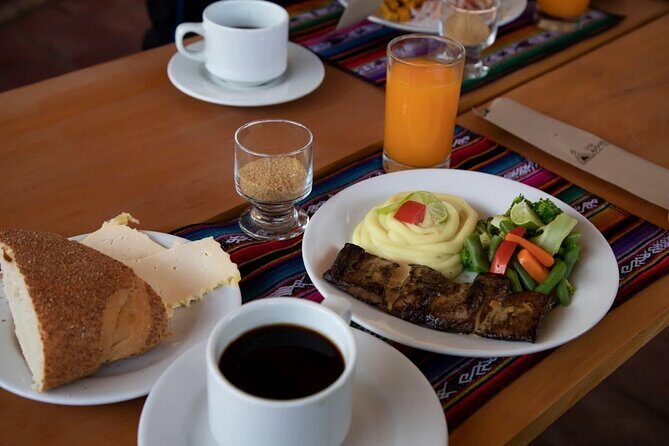
The tour includes lunch (5 lunches) and also breakfast on the Rainbow Mountain day in Cusipata. Water and snacks are not included.
What language will the guide use?
The itinerary states a professional guide in English or Spanish.
How physically demanding is Rainbow Mountain?
It’s listed for travelers with a moderate physical fitness level. Day 6 includes walking, starting around Phulawasipata and reaching Rainbow Mountain at 5,020 m.
What’s included in the Rainbow Mountain day?
Transport, a guide, entrances, breakfast, and a buffet lunch, plus oxygen and a first-aid kit.
What’s not included besides flights?
Not included are meals not mentioned in inclusions (like water/snacks), travel insurance, and any other services not listed. Additional nights due to flight cancellations aren’t included either.
Is the booking refundable or changeable?
No. The experience is non-refundable and cannot be changed for any reason.