REVIEW · CUSCO
1 day excursion to Waqrapukara
Book on GetYourGuide →Operated by Journey Peru SAC · Bookable on GetYourGuide
Waqrapukara is a rare Inca site you can reach without tour-bus chaos. This 12-hour day trip pairs an early start from central Cusco with a real hike through Andean pastureland before you get a guided walk at the ruins. You’ll focus on Inca stonework and viewpoints, plus you get time to breathe and take photos.
I like how the tour builds in two different kinds of “wow”: the walk itself (llamas, alpacas, vicuñas, horses) and then the guided circuit through Sun Gate, terraces, and enclosures. I also like that it’s designed for first-timers at altitude, with pacing plus support like walking sticks and oxygen/first-aid.
The main drawback to plan for is the physical side. The hike is about 2 hours, and the early pickup (around 5:00 am) means you’ll feel the day start fast—especially if you’re sensitive to altitude.
In This Review
- Key highlights worth marking on your map
- Waqrapukara in One Day: Why This Inca Site Feels Special
- Price and What Your $50 Gets You (and What It Doesn’t)
- 5:00 AM Pickup and the Drive to Sangarara
- The 2-Hour Hike Through Andean Fields (What to Watch For)
- Inside Waqrapukara: Sun Gate, Terraces, and Enclosures
- Panoramic Views, Animals, and Photo Timing That Works
- What’s Included: Breakfast, Lunch, Walking Sticks, and Altitude Support
- Logistics That Affect Your Comfort (Not Just the Timetable)
- Who This Trip Fits Best (And Who Might Want a Different Plan)
- Should You Book Waqrapukara?
- FAQ
- What time does the tour pick me up from Cusco?
- How long is the Waqrapukara excursion?
- Is breakfast and lunch included?
- Do I need to pay the entrance fee separately?
- What languages are available for the guide?
- What should I bring for the hike?
Key highlights worth marking on your map
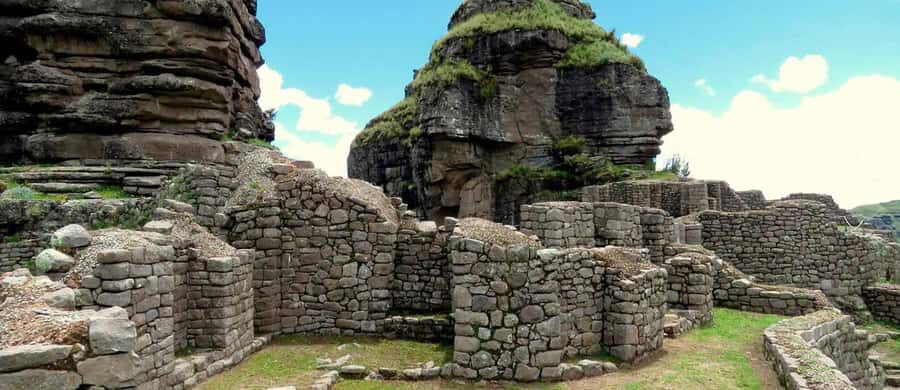
- Sun Gate and Inca terraces: guided stops that make the stonework easier to understand
- A 2-hour hike with Andean animals: llamas, alpacas, vicuñas, and horses along the way
- Panoramic viewpoints: you’ll be high enough for sky-and-valley photos
- Guided time for photos and exploring: not just a quick pass-through
- Small add-ons included: walking sticks plus first-aid and oxygen support
Waqrapukara in One Day: Why This Inca Site Feels Special
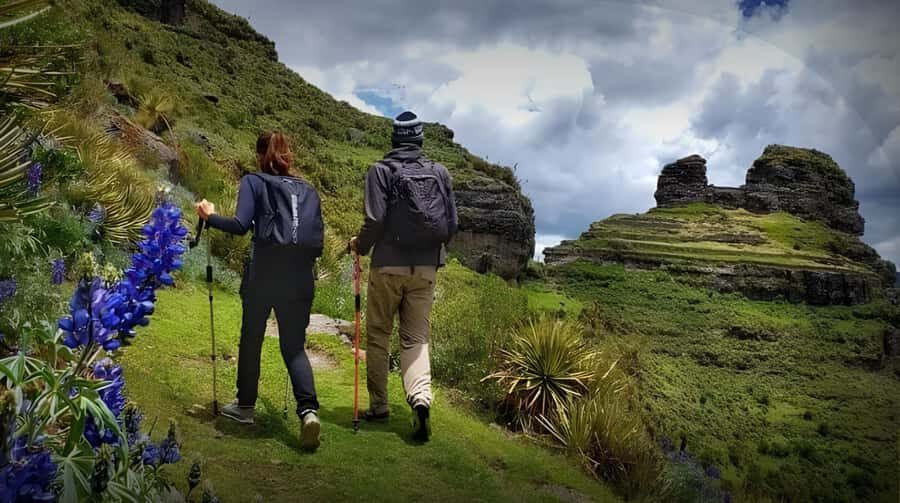
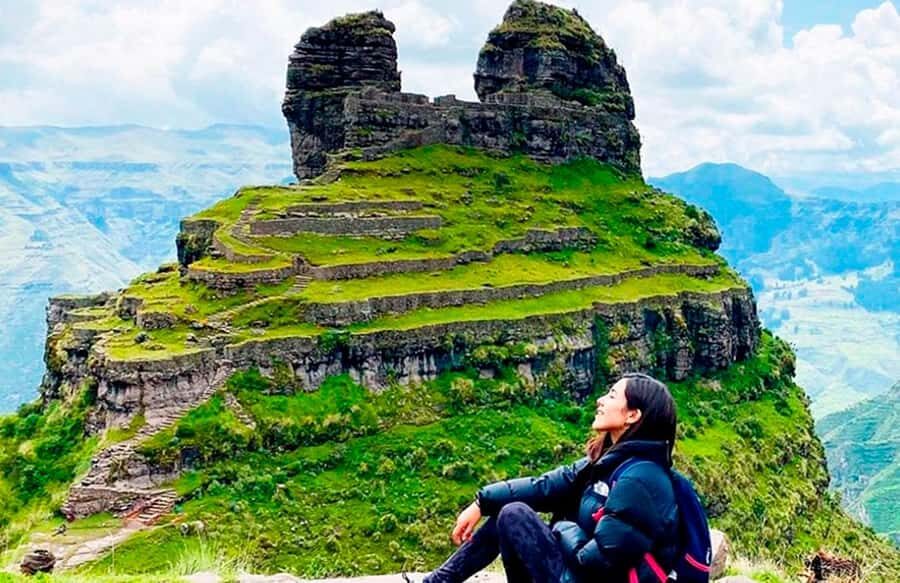
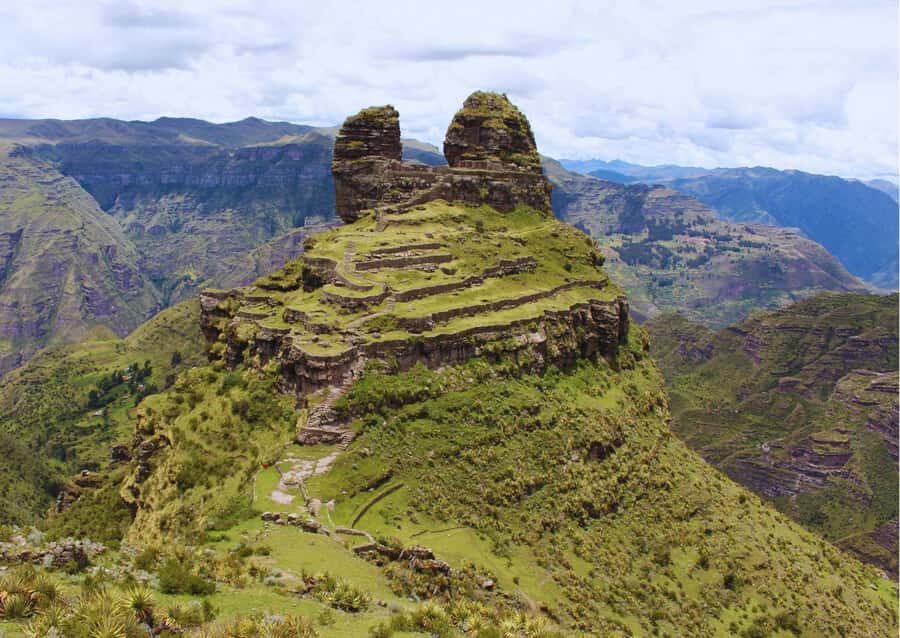
Waqrapukara is one of those places where you feel the scale of the Inca project right away. You’re not only looking at ruins—you’re seeing how people moved through steep terrain, with terraces and structures built for a tough environment.
What makes this trip especially workable is the pacing: an early departure, a hike that’s long enough to feel like you earned the view, and then a guided visit at the archaeological complex. You get time to linger for pictures and to walk through a good portion of the site instead of rushing.
If this is your first serious “altitude day” outside Cusco, it’s also a smart training run. The mix of walking and guided breaks helps you understand what to expect from the Andes.
You can also read our reviews of more tours and experiences in Cusco

Price and What Your $50 Gets You (and What It Doesn’t)
At $50 per person for about 12 hours, this tour is priced like a solid day of logistics handled for you—not a barebones hike. For that money, you get hotel pickup from near the historic center of Cusco, transportation, a bilingual guide (English/Spanish), breakfast, lunch, and walking sticks.
You also get added safety support: a first-aid kit and oxygen are on hand. That doesn’t make the hike “easy,” but it does mean you’re not self-managing everything if you feel off.
The one cost item that’s not included is the entrance to the Waqrapukara complex. So before you go, budget separately for the ticket. If you like to keep things simple, bring a bit of cash just in case.
5:00 AM Pickup and the Drive to Sangarara
Your day starts with pickup from your hotel near Cusco’s historic center at 5:00 am. That early time isn’t just for show—it helps you beat the day’s crowds and gives you more daylight for the hike and site time.
From there, you head south of Cusco to the village of Sangarara for your first stop. Even if you just treat this as a quick pause, it matters: it breaks the ride up and helps you transition from city pace to mountain pace. It’s also when you can spot how the air and light change as you go higher.
Then the route continues along a zigzagging road to the parking lot. If you get motion sick, consider taking your usual precautions before pickup, because you’ll be on winding roads early in the morning.
The 2-Hour Hike Through Andean Fields (What to Watch For)
After you park, you begin a hike of about 2 hours. This is the heart of the day, and it’s also where you get the most “lived-in” feeling of the Andes rather than just stone ruins.
During the walk, the scenery is practical and alive: you may see llamas, alpacas, vicuñas, and horses in the surrounding area. These sightings are more than cute photo moments. They remind you that you’re walking through working countryside, not a theme park.
The trail is hilly enough that comfortable hiking shoes matter. The tour includes walking sticks, which are genuinely useful for going uphill and for controlling your steps on uneven ground. You’ll get the best results if you go steady, not fast—especially if you’re adjusting to altitude.
A practical tip: start the hike with water in your hand or within easy reach. The day includes breakfast and lunch, but during the hike you’ll want to sip consistently. Bring sunglasses and sunscreen too—morning light at altitude can surprise you.
Inside Waqrapukara: Sun Gate, Terraces, and Enclosures
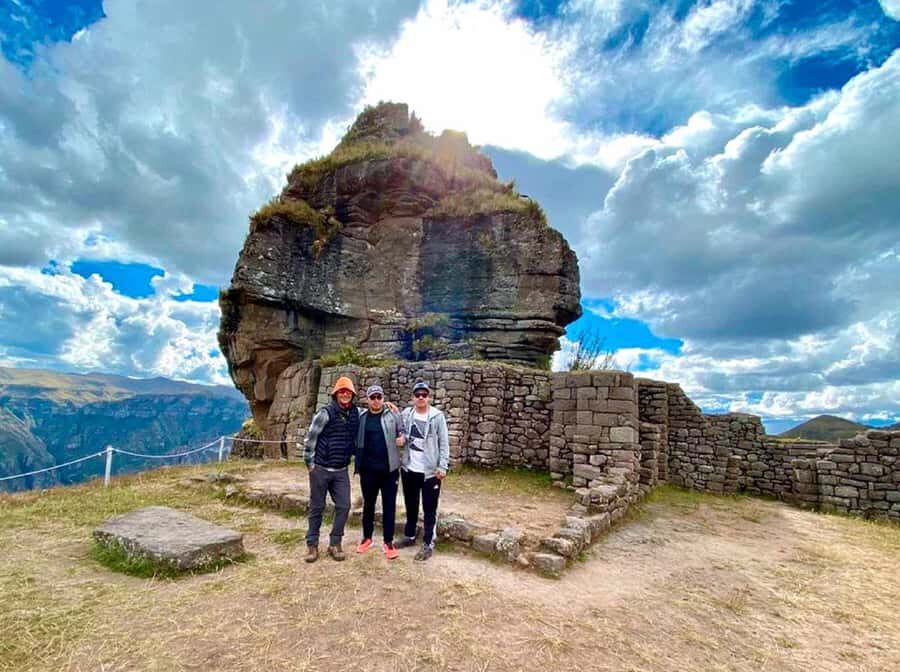
Once you arrive at Waqrapukara, the visit becomes guided and much more meaningful. You’ll go through a guided tour covering key sections: Sun Gate, terraces, and enclosures.
Sun Gate is often the first stop people want, but it works best when you also understand why it’s placed where it is. The guide helps connect the architecture to how people lived and moved through this environment. Even if you’re not a big architecture person, a good guide can turn stone into a story you can picture.
Terraces and enclosures matter because they show Inca engineering thinking. You’re seeing how farming and organization were shaped for slope, water, and daily life. The structures are easier to appreciate after you’ve walked uphill through the same kind of terrain.
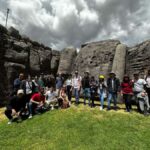
You’ll also have enough time to take photos and explore a large part of the complex. That timing is important: if you rush, you miss details in the stonework and lose the sense of scale.
One extra note from a guide’s style you might encounter: guides like Carlos are known for explaining the way of life and the Inca respect for nature, with mentions of Pachamama during the walk and at the ruins. Even if the exact wording varies, you’re likely to hear a respectful, context-first approach.



Panoramic Views, Animals, and Photo Timing That Works
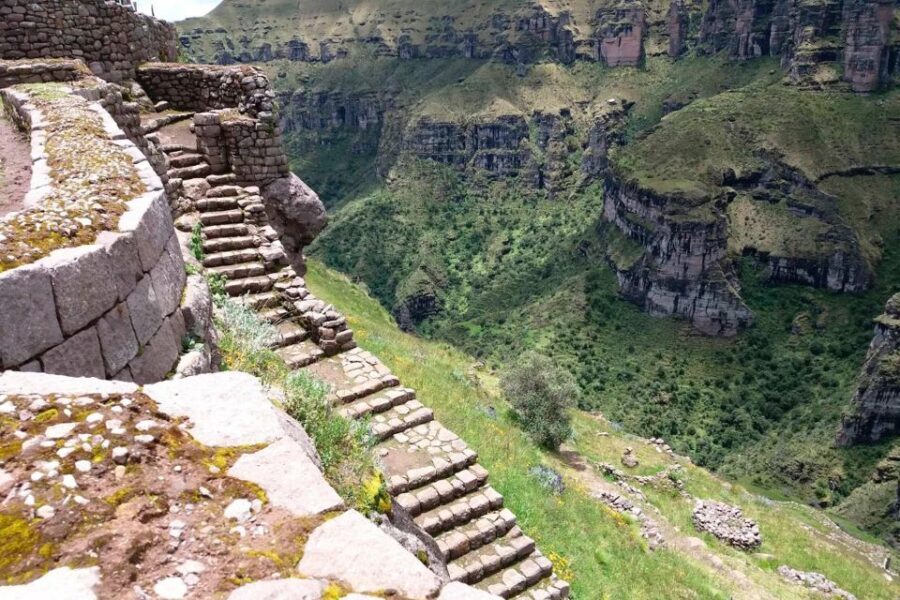
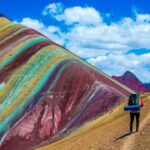
Yes, the views are a big part of why you go—but they’re also part of how you should plan your energy. By the time you reach the ruins, you’re high and exposed. That’s great for photos, but it’s also when you can feel the cold wind or sun intensity.
The tour includes time for pictures at the site, and you’ll also get photo opportunities during the hike. I’d suggest aiming for three photo phases:
- one during the hike when the animals are most visible in open areas
- one around key ruin stops (Sun Gate and terraces)
- one for a wide panoramic shot after you’ve had a moment to settle
If you’re traveling with a camera, pack it in a way that’s easy to grab. You’ll be moving on uneven ground, so avoid the “dig through your bag for five minutes” approach.
Also, keep in mind that the day starts early. That means you may get cooler morning temperatures on the walk, then stronger sun later at the ruins. Sunglasses and sunscreen aren’t optional extras.
What’s Included: Breakfast, Lunch, Walking Sticks, and Altitude Support
Food and small gear details make this tour feel like a complete day, not just transportation to a ruin.
Breakfast and lunch are included, which matters on a 12-hour outing. It keeps you from hunting for food near a site where choices may be limited, and it helps your energy levels stay steadier through the hike.
Walking sticks are included too. That’s a “small” detail that often makes a big difference when you’re on sloped paths for about two hours. If you usually skip sticks at home, still use them here—you’ll feel the benefit, especially on uneven ground.
On the safety side, the tour provides a first-aid kit and oxygen. That’s reassuring if you’re not used to altitude effects. It doesn’t remove the need to go slow, drink water, and watch your breathing, but it does reduce the stress of being far from help.
Logistics That Affect Your Comfort (Not Just the Timetable)
This trip is about 12 hours total, and you return to Cusco around 18:00. That means you’ll likely be tired at the end, especially if you’re also doing other Cusco activities later.
You’re also dealing with an early start, plus a long day of movement. So plan your day after you return. If possible, keep your evening free for a late dinner and a rest session.
One more consideration: the tour isn’t suitable for everyone. It’s not recommended for pregnant women, people with heart problems, or wheelchair users. If any of these apply to you, check alternatives that fit your mobility and health needs.
Finally, there can be small “quirks” in how guides run the day. For example, you might have your photo taken as part of the guide’s records for their workplace. It’s not a major issue, just something to expect so it doesn’t feel random.
Who This Trip Fits Best (And Who Might Want a Different Plan)
This is a strong choice if you want:
- an Inca site that isn’t just a quick photo stop
- a day that includes both walking and guided context
- wildlife and countryside atmosphere along the way
- a manageable hike length (about two hours) rather than an all-day trek
It’s also a nice fit for people who want a first outing “into altitude mode.” You’ll still be in high terrain, but the structure—hike, guided stops, time to rest—helps you pace it.
If you love panoramic views, you’ll appreciate how the itinerary sets you up for them. The route through Andean pasture and the ruins at altitude combine for a visual day that feels more “place-based” than “checklist-based.”
If you’re expecting a leisurely stroll, this isn’t that. The hike and the early morning start are real. This is better for people who like movement and don’t mind an early start.
Should You Book Waqrapukara?
If you’re looking for a one-day Inca experience that’s more than a drive-by and you’re comfortable with a roughly two-hour hike, I’d say yes, book it. The value is strong: transportation, bilingual guide, breakfast, lunch, walking sticks, plus first-aid and oxygen support for a fixed $50 price.
Book with your eyes open if you’re sensitive to altitude or you know you’ll struggle with uphill walking. Also remember that the Waqrapukara entrance ticket isn’t included, so budget for that separately.
My simple rule: if you want a day that mixes stone, views, and real Andean countryside—and you can handle an early start—this is a very sensible Cusco excursion.
FAQ
What time does the tour pick me up from Cusco?
Pickup is at 5:00 am from your hotel near the historic center of Cusco.
How long is the Waqrapukara excursion?
The total duration is about 12 hours, with an approximate return time to Cusco around 18:00.
Is breakfast and lunch included?
Yes. Breakfast and lunch are included.
Do I need to pay the entrance fee separately?
Yes. Entrance to the Waqrapukara complex is not included.
What languages are available for the guide?
The guide is bilingual, offering Spanish and English.
What should I bring for the hike?
Bring your passport or ID card, sunglasses, a camera, hiking shoes, sunscreen, water, and cash.