REVIEW · CUSCO
Cusco to Ollantaytambo Archaeological Park Tour
Book on Viator →Operated by Qori Qilka Adventures · Bookable on Viator
A full day of Inca hits, with real variety. This Cusco-to-Ollantaytambo tour strings together four major stops—Chinchero, Salinas de Maras, Moray, and Ollantaytambo—so you get culture, working landscapes, and engineering in one go. I like the door-to-door feel thanks to private transportation plus hotel pickup, and I like that lunch and bottled water are included (less stress, fewer decisions). One thing to plan for: site entrances are extra, paid on the day (and tips are on you).
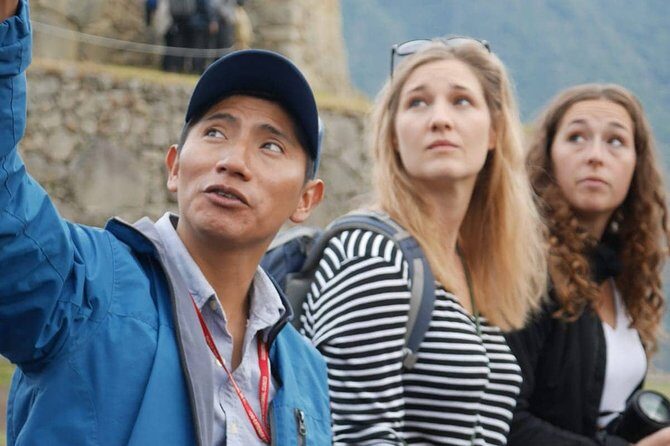
You’ll start early, with a bilingual guide (Spanish and English) who explains what you’re seeing and keeps the schedule moving. The route is long enough that you’ll want comfortable shoes and a bit of patience between stops. Still, the pace makes sense for a 9 to 10 hour day, especially if you want a “Sacred Valley starter kit” without having to organize everything yourself.
In This Review
- Key things to know before you go
- Cusco to Ollantaytambo: what you’re really buying in a day
- The 8:00 am start and how the day pace feels (9 to 10 hours)
- Chinchero: where tradition and Inca-era geography meet
- Maras Salt Mines: 3,000 small wells that are still working
- Moray: why the terraces feel like an Inca lab
- Ollantaytambo town + archaeological park: Inca city planning you can still feel
- Lunch, bottled water, and the practical comforts that keep the day enjoyable
- Price and what’s extra: is $145 a fair deal?
- Who should book this Cusco to Ollantaytambo tour
- Should you book it? My decision checklist
- FAQ
- What time does the Cusco to Ollantaytambo tour start?
- Do they pick me up from my hotel in Cusco?
- How long is the tour?
- What languages is the guide available in?
- Is lunch included?
- What about entrance fees for the sights?
- Is Chinchero entrance free?
- Does the tour include any tickets or confirmations?
- What is the cancellation policy?
- Is this tour private?
Key things to know before you go
- Hotel pickup and private transport make this feel organized from the first minute.
- Bilingual guiding (Spanish and English) helps you follow the story at every stop.
- Chinchero entrance is free on this route, while other sites require on-site payments.
- Salt extraction at Maras is still hands-on and visually striking.
- Moray’s terraces are explained as Inca experimentation with different microclimates.
- Ollantaytambo includes town + archaeological park, including the Inca-built drainage system.
Cusco to Ollantaytambo: what you’re really buying in a day
On paper, it’s a “Cusco to Ollantaytambo Archaeological Park Tour.” In practice, it’s a full working day in the Sacred Valley that shows you four different angles on the Inca world. You start with a living community setting in Chinchero. Then you move into a landscape shaped by labor and exchange at the salt pans. After that comes Moray, where the Inca treated agriculture like a science project. Finally, you close with Ollantaytambo—both a town you can walk and the archaeological park that goes with it.
This is good value when you count the real costs of a day like this. The price includes private transportation, your guide, lunch, bottled water, and even a first aid kit. That means fewer moving parts for you. You won’t have to coordinate rides between places or chase down tickets at multiple counters before you’re ready to enjoy what you came for.
Just be honest about one tradeoff: you’re paying extra for entrances. Archaeological sites are PEN 70 per person, and the Salt Mines at Maras are PEN 20 per person, both paid on site. If you’re the type who hates surprise fees, factor that in early so your day feels smooth.
You can also read our reviews of more tours and experiences in Cusco.

The 8:00 am start and how the day pace feels (9 to 10 hours)
You’re set to begin at 8:00 am, with pickup arranged from your hotel. If you’re on a group service version, the meeting point can shift to the main square of Cusco. Either way, you’re not left to figure out logistics on your own, which matters on a day where travel time adds up.
The time blocks are fairly clear:
- Chinchero: about 1 hour
- Maras salt mines: about 40 minutes
- Moray: about 45 minutes
- Ollantaytambo archaeological park: about 1 hour
That adds up to roughly 3 hours and 25 minutes of actual site time, not counting the drive between places or your lunch. So yes, there’s movement. But the order also makes sense: start near Cusco, build toward the more “engineering and city” vibe at Moray and Ollantaytambo, and end with a place you can soak in before you head back.
If you’re prone to getting tired on road days, bring layers. The Sacred Valley can shift in temperature, and long hours in a vehicle can make you feel stiff even if the stops are great.
Chinchero: where tradition and Inca-era geography meet
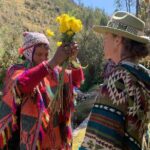
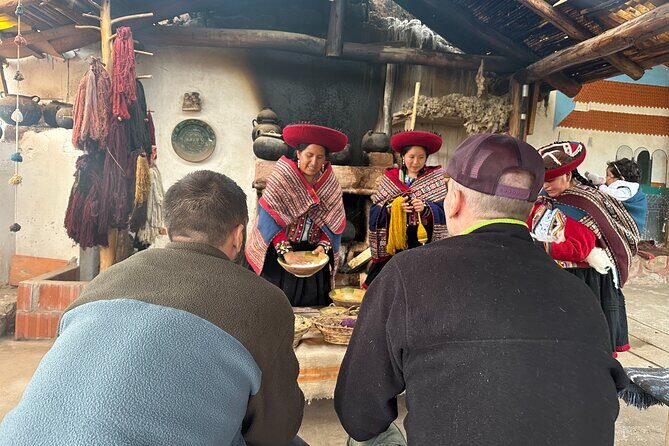
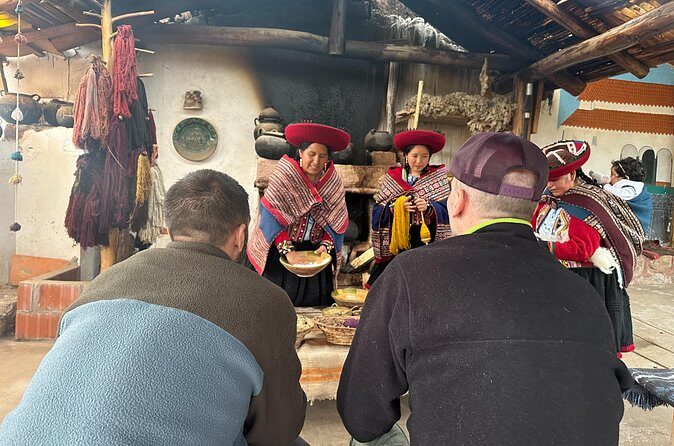
Chinchero is a strong first stop because it sets the tone for the day. You’ll spend about one hour here with your guide explaining the place and the history behind it, plus traditions and key moments that shaped its evolution. The setting matters: Chinchero isn’t just ruins on a hill. It’s a community context, which makes the rest of the route easier to understand.
Two practical reasons I’d love this stop even if you’re not a “ruins person”:
- It’s explained well in plain language. A bilingual guide (Spanish and English) helps you follow along without guessing.
- It’s low-cost on entry. Your admission ticket here is free on this tour, so you’re not stacking fees before lunch.
The potential drawback is time pressure. You only get about an hour, so you’ll want to pick what you want to focus on—maybe one or two viewpoints or one cultural theme your guide talks about—rather than trying to see everything at once.
Chinchero also works as a warm-up for the altitude and walking. You’re not dropped into a long, steep ruin complex immediately. You get your bearings, then the day ramps up.
Maras Salt Mines: 3,000 small wells that are still working
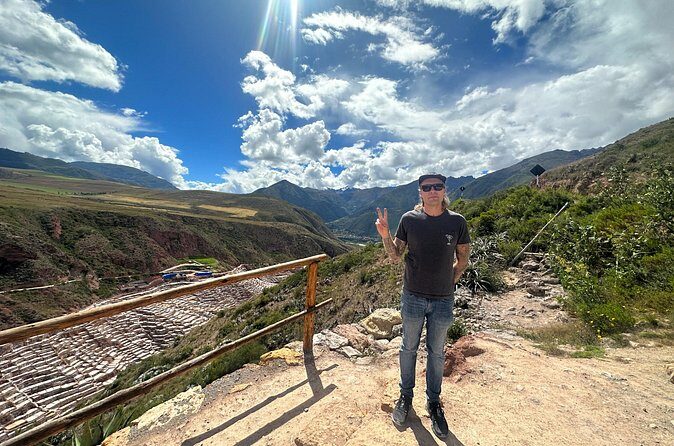
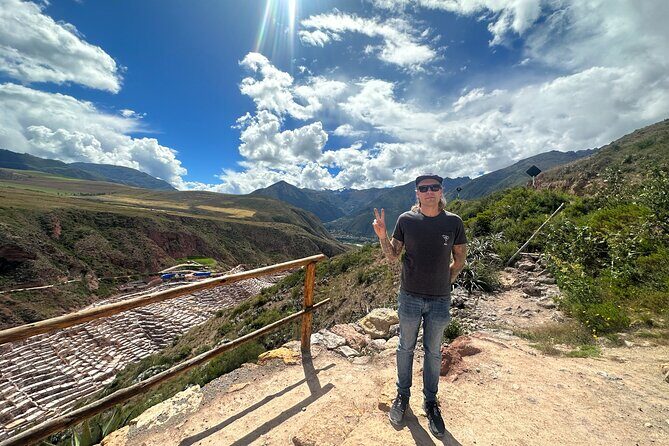
Maras is one of those stops that gets under your skin because it’s not frozen in time. The salt mines are made up of around 3,000 small wells, and the extraction method is described as being done by hand. Even more interesting: the tour explains these wells were exploited since the Inca era and functioned as part of an economic exchange system.
What you should expect in the real world is a short visit—about 40 minutes—but it’s the kind of 40 minutes that feels visual. You’ll be looking at a landscape that’s basically turned into a network of “mini extraction sites.” It’s both simple and oddly hypnotic.
A key consideration: the Salt Mines entrance is not included. You’ll pay PEN 20 per person on site. That’s not a deal-breaker, but it’s worth having cash or a plan for on-the-spot fees so you don’t lose time at the entrance.
Also, wear shoes with grip. The area can be uneven depending on how it’s managed that day. This is a stop where you’ll benefit more from steady footing than from speed.
Moray: why the terraces feel like an Inca lab
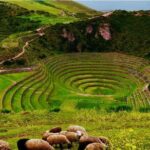
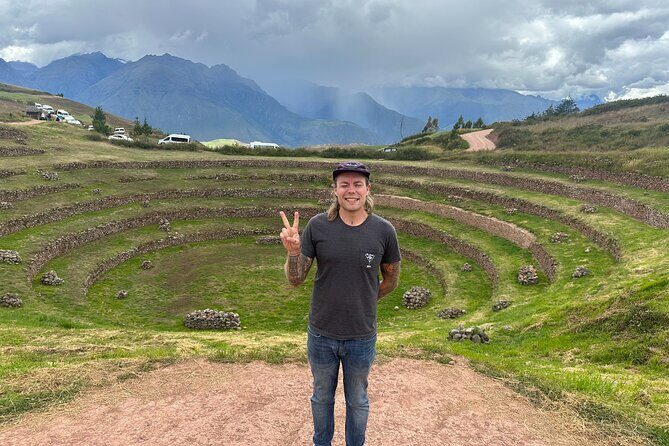
Moray is the “wait, how did they think of this?” stop. You’ll get about 45 minutes, and the explanation you hear is the big reason to include it. During Inca times, Moray is presented as a possible agricultural research center where experiments were conducted at different heights and temperatures. The terraces are concentric circles, higher toward the center and decreasing outward, which creates different microclimates.
That’s the point: Moray isn’t just pretty stone circles. It’s a concept you can understand quickly—experiment with conditions, compare results. Even if you don’t catch every detail, the layout makes the idea feel logical.
Here’s the tradeoff: your time is short. You won’t have hours to wander slowly and “read” the space. If you’re a linger-and-photo person, you’ll likely want to arrive mentally ready to do a focused loop, listen to the guide’s explanation, then take your photos at the moments that match the story.
Moray entrance is listed as not included. In practice, you’re paying on site for archaeological park entries (PEN 70 per person for archaeological sites). So treat Moray as part of that entry bundle and plan your budget accordingly.




Ollantaytambo town + archaeological park: Inca city planning you can still feel
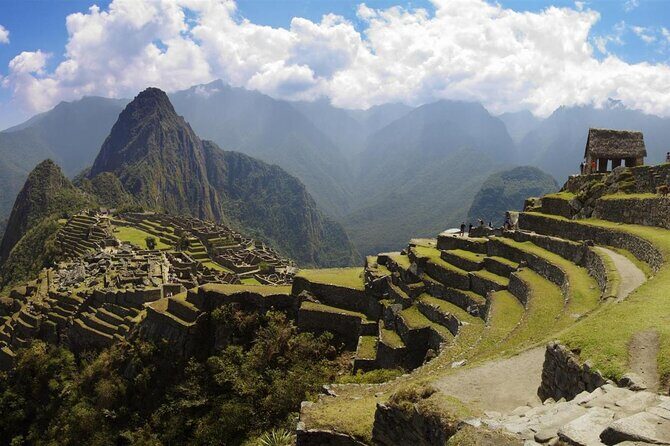
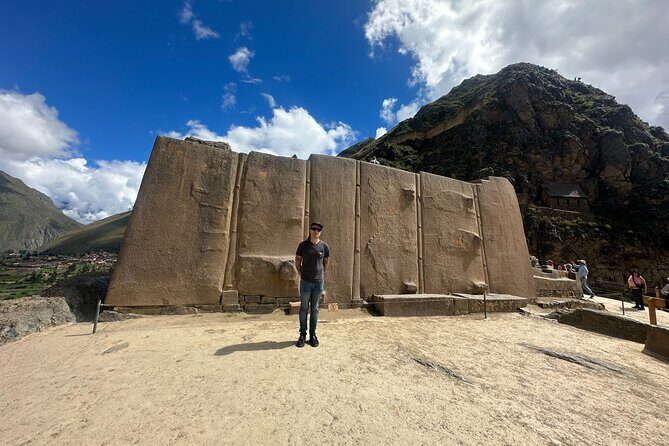
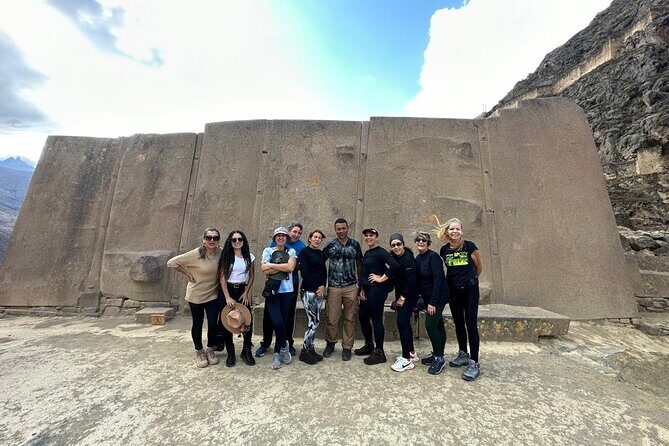
Ollantaytambo is both a town and an archaeological experience, and that combo is a major reason people love this route. You’ll spend about one hour at the archaeological park after a look at the town itself.
The tour highlights Ollantaytambo as a strong example of Inca urbanism. Translation: the streets are cobbled, the layout feels intentional, and you can see how daily life would have worked in an Inca city. One detail I’d circle because it’s so practical: you’ll visit the Inca open draining system. It’s not just a neat engineering fact—it shows how the Incas handled real weather and real water, not theory.
The history angle gets intense too. The site is described as the only place that defeated the Spanish army during colonization for almost 50 years. Whether you’re into dramatic history or not, this adds weight to the walk. The stone feels less like a museum display and more like a place that held its ground.
Entrance to the archaeological portion is not included (pay on site). If you want to keep your day flowing, make sure you’re ready for the PEN 70 per person payment without waiting around.
Lunch, bottled water, and the practical comforts that keep the day enjoyable
A day like this can either feel effortless or exhausting. The difference is usually the small stuff, and this tour handles several of those basics.
Included:
- Lunch
- Bottled water
- First aid kit
- Professional tour guide in Spanish and English
I like that lunch is built in because you’re saving yourself from the guesswork: where to eat, how long it’ll take, and whether you’ll find something that agrees with you. With a tight 9 to 10 hour schedule, one wrong meal stop can blow up the day.
The bottled water is also a big help at altitude, or whenever you’re out in bright sun and walking more than you expected. It’s not glamorous, but it prevents that gradual dehydration feeling that makes everything less fun.
As for the guide, Qori Qilka Adventures has a reputation (in provided reviews) for guides who are kind and serious about sharing Andean knowledge. One named guide, Yodmar, stands out in reviews for being described as warm, wise, and attentive to making people feel comfortable and safe. The reviews also mention that he could add extra archaeological sites when time allowed—like Chakan. That doesn’t mean every day includes extra stops, but it does suggest a team mindset that goes beyond just reading off a script.
Price and what’s extra: is $145 a fair deal?
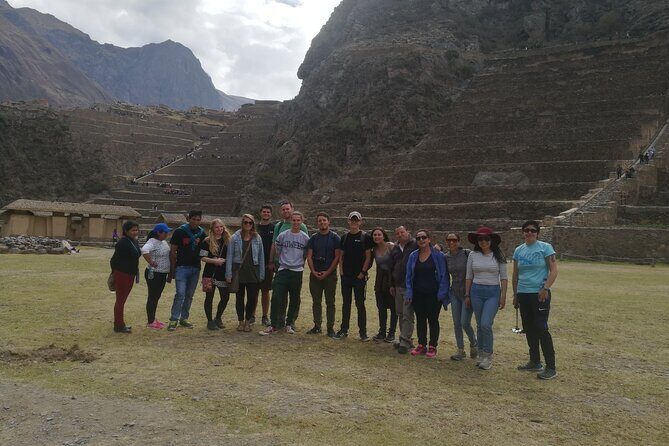
At $145 per person, this tour is priced for a day where you don’t manage transportation, guiding, or lunch. The included private transportation matters, especially if you’re comparing it to shared shuttle options that can feel like a game of “who gets dropped where.” Private transport keeps the route smoother and usually reduces waiting.
Then there’s the guide. Your guide is listed as professional and bilingual (Spanish and English). That’s a real value add. You’ll get explanations at Chinchero, Moray, and Ollantaytambo, and it turns quick stops into something you can actually understand.
What’s not included is straightforward:
- Archaeological sites entrance: PEN 70 per person
- Salt Mines entrance: PEN 20 per person
- Tips (left to your discretion)
So the best way to think about it is this: you’re paying for the “day service” (transport + guide + lunch), and you pay the site fees separately. If you can handle on-site payments without stress, the pricing feels fair for a complete route.
Who should book this Cusco to Ollantaytambo tour
This tour fits best if you want:
- A one-day look at multiple Sacred Valley highlights
- Hotel pickup and private transportation
- Clear guiding in Spanish and English
- Included lunch and water so you’re not constantly making decisions
It’s also a good choice if you’re traveling with someone who wants a mix: town walk energy at Ollantaytambo, geology and agriculture concepts at Moray, and a hands-on landscape story at Maras.
Where you might reconsider:
- If you dislike paying multiple entrances on site
- If you want long, slow time at each stop (this is structured time)
- If you’re very sensitive to long road days (you will be in a vehicle for much of the day)
The tour is described as for most travelers and allows service animals. It also notes it’s offered as a private tour/activity, meaning only your group participates.
Should you book it? My decision checklist
Book it if you want a smart, organized Sacred Valley day that doesn’t waste your time with confusing logistics. This route has a strong flow: tradition and history at Chinchero, a working extraction landscape at Maras, an Inca agriculture concept at Moray, and finally a city-and-archaeology experience at Ollantaytambo. Add in lunch, bottled water, and a bilingual guide, and it becomes a “show up and go” kind of day.
Don’t book it if you’re chasing a slow, deep, no-rush experience at each stop. The schedule is built for seeing a lot. That can be great. It can also feel short if you’re the type who wants to linger for an hour-plus at every viewpoint.
If you’re on the fence, here’s the simplest question: Do you want help running the day? If the answer is yes, this tour is a solid match.
FAQ
What time does the Cusco to Ollantaytambo tour start?
The tour starts at 8:00 am.
Do they pick me up from my hotel in Cusco?
Yes. Pickup is arranged directly from your hotel. If it becomes a group service, the meeting point is coordinated, typically in the main square of Cusco.
How long is the tour?
It runs about 9 to 10 hours.
What languages is the guide available in?
The guide provides commentary in Spanish and English.
Is lunch included?
Yes, lunch is included.
What about entrance fees for the sights?
Entrance to archaeological sites is PEN 70.00 per person, and entrance to the Salt Mines is PEN 20.00 per person. These are paid on site.
Is Chinchero entrance free?
Yes. The Chinchero stop lists admission ticket free.
Does the tour include any tickets or confirmations?
You receive a mobile ticket, and you get confirmation at the time of booking.
What is the cancellation policy?
Cancellation is free up to 24 hours in advance of the experience start time for a full refund.
Is this tour private?
It’s described as private, meaning only your group participates. (If it operates as a group service, the meeting point may be coordinated differently.)