REVIEW · CUSCO
Super Sacred Valley with Transfer to Ollantaytambo
Book on GetYourGuide →Operated by Exploor Trip E.R.L · Bookable on GetYourGuide
A day in Peru’s Sacred Valley feels like stepping through different layers of time. I love the way this route connects big Inca ideas (ruins, terraces, salt production) with everyday Andean life like markets and craft shopping. Two standout wins for me are Chinchero’s market-and-church stop and the Maras salt mines with their maze of thousands of wells. One thing to consider: the day is packed, so if you want maximum ruin time and minimal shopping, go in with your expectations set.
You’ll start with a Cusco hotel pickup and then follow a smart loop through the valley: scenic drives, archaeological highlights, a real break for lunch, and then a convenient drop near the Ollantaytambo train station. I also like that you get a guide in English or Spanish, which matters when you’re trying to understand why these places mattered before the Incas. The possible drawback is simple: entrance fees are not included, and the Maras salt mines entry is not included either—so your final day cost can be more than the headline price.
In This Review
- Key highlights worth planning for
- Cusco pickup and the Sacred Valley drive: where the day starts to click
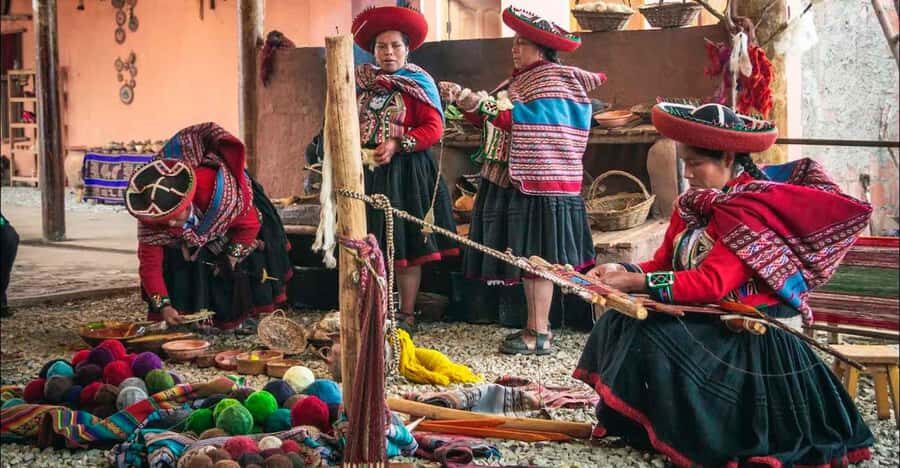
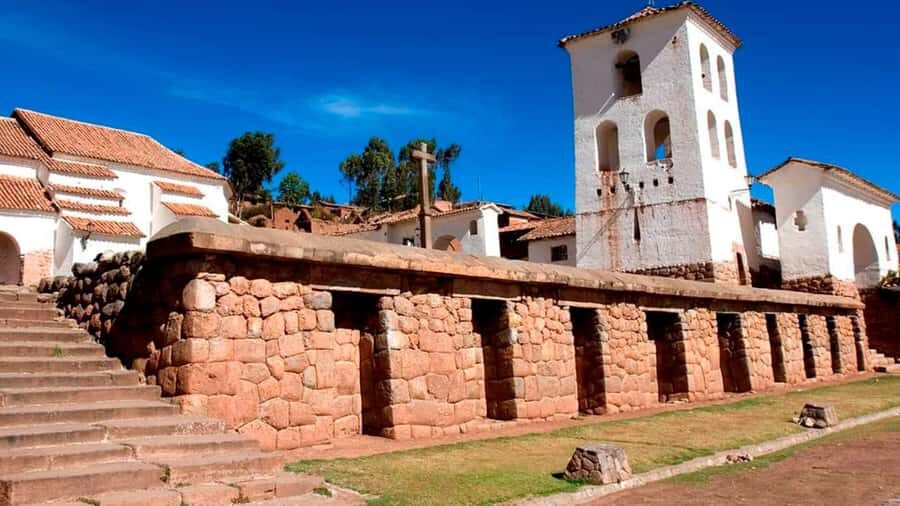
- Chinchero at 3,780 meters: colonial church art and Andean fabric culture
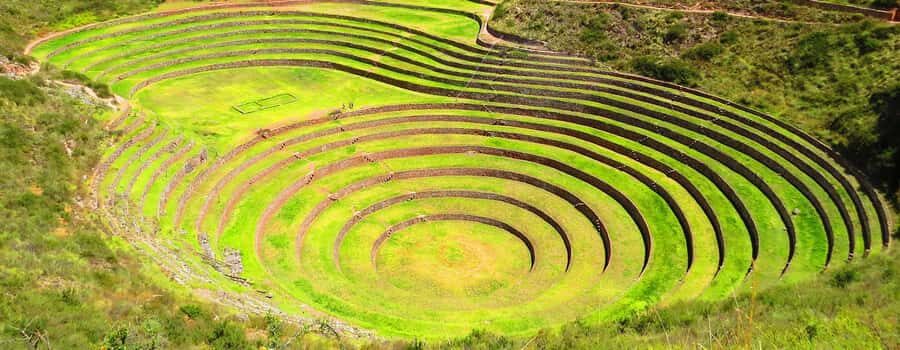
- Moray’s circular terraces: an ancient farming lab you can read with your eyes
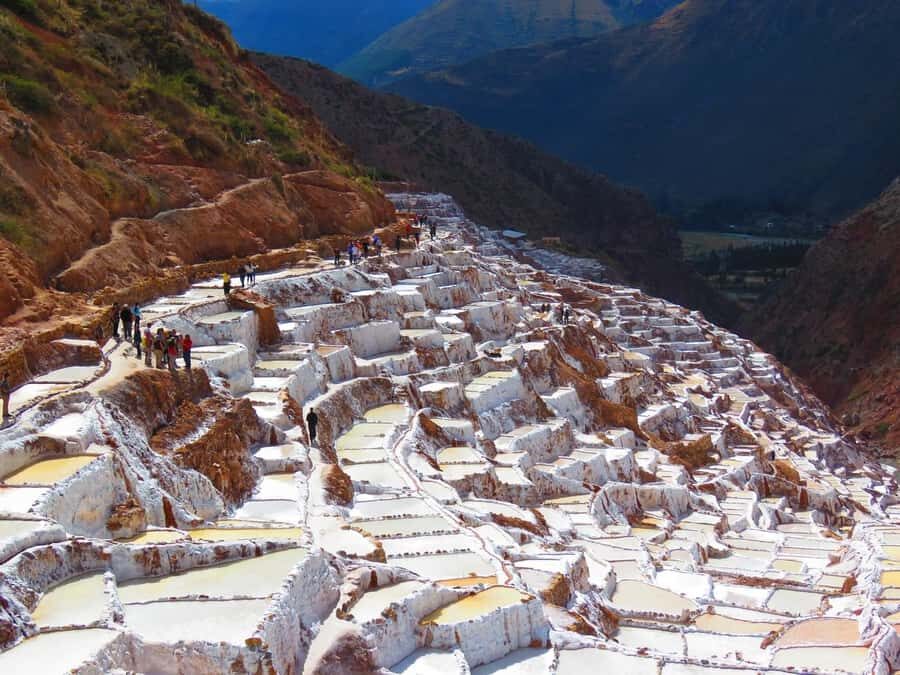
- Maras Salt Mines: 4,000+ wells and Peru’s salt in the real world
- Urubamba lunch: a needed break that keeps you from rushing through everything else
- Ollantaytambo: fortress views, the living Inca city feel, and a train-station drop-off
- Price and value for a one-day Sacred Valley circuit from Cusco
- Who this tour fits best (and who should think twice)
- Should you book Super Sacred Valley with Transfer to Ollantaytambo?
- FAQ
- How long is the Super Sacred Valley tour?
- Where is pickup provided?
- Which places are included in the tour?
- Is lunch included?
- Are entrance fees included for the sites?
- Is the Maras salt mines entry included?
- What languages is the live guide available in?
- Is there free cancellation, and can I pay later?
- Where will I be dropped off at the end?
Key highlights worth planning for
- Chinchero (3,780 meters): church art tied to the Cusco School plus a market where Andean textiles are part of the daily rhythm
- Moray’s circular terraces: an ancient farming experiment you can actually picture in your head
- Maras salt mines: more than 4,000 wells producing one of Peru’s well-known salts for gastronomy
- Urubamba lunch included: a practical pause between sites so you don’t just snack and run
- Transfer to Ollantaytambo: you finish near the train station, which saves hassle when you continue onward
Cusco pickup and the Sacred Valley drive: where the day starts to click
The tour begins with pickup from your hotel in Cusco (city center). From there, you head straight into the Sacred Valley, where the scenery is more than decoration. Think fields, small villages, and steep mountain views that have been important for centuries—long before the Incas, when this region was already revered.
This drive is one of those underrated parts of the day. When you’ve just arrived in Cusco, the altitude can make everything feel intense. The road time gives you a buffer—enough time to get organized, take a few photos, and settle before the first stop.
One practical note: this is a one-day circuit. That means you’ll move fairly steadily between points, and you’ll want to bring the basics—water, sunscreen, and a light layer for the cold at higher elevations.
You can also read our reviews of more tours and experiences in Cusco



Chinchero at 3,780 meters: colonial church art and Andean fabric culture
Chinchero sits at 3,780 meters, so it’s your first real altitude checkpoint of the day. If you’re sensitive to altitude, go slow once you arrive. Even if you’re fine, you’ll still feel the difference standing around for photos and market browsing.
What makes Chinchero a strong stop is that it mixes three things people often separate on other itineraries:
1) Archaeological sites in and around the town
You’re not just looking at a postcard. You’re seeing how the Incas and later influences shaped settlement patterns and religious life.
2) A 17th-century colonial church
This church matters because it reflects what happened after Spanish arrival—new religious structures built over older ways of life.
3) Canvases connected to the Cusco School
These artworks are tied to one of the most recognizable painting movements from colonial-era Peru. Even if you’re not an art buff, you’ll get enough context from a live guide to make the visuals feel purposeful rather than random.
And then there’s the market. This is where Chinchero earns its keep. You’ll see local vendors with Andean fabrics and the traditional product exchange that still happens in the area. This is also where you’ll get a first taste of how normal life fits alongside the monuments.
One consideration: market time can feel like it speeds by for some people, and longer shopping stops can be a downside if you booked mainly for ruins. If you’re price-sensitive, set a small budget for textiles and crafts before you start browsing.
Moray’s circular terraces: an ancient farming lab you can read with your eyes
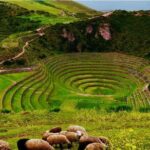
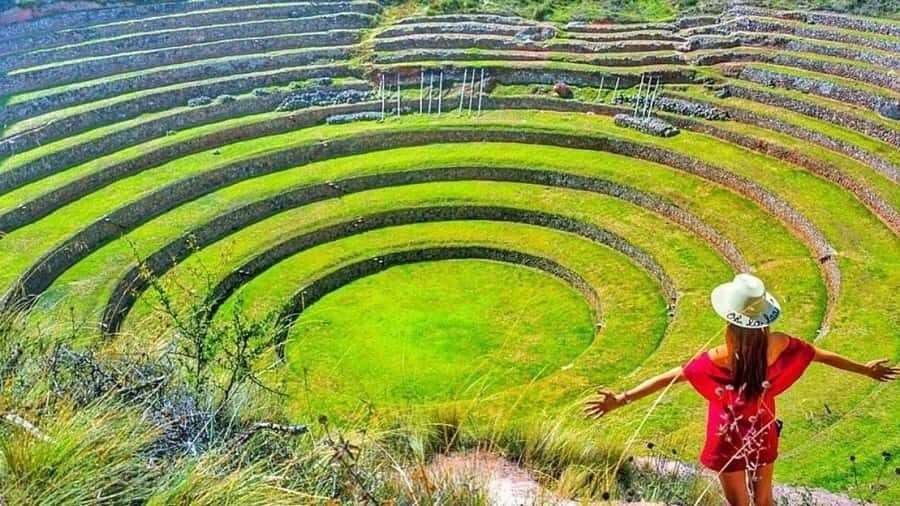
Moray is next, and it’s one of the easiest places to understand from a distance. The feature is the circular agricultural terraces, and the story is that they served as an early agricultural research center.
Here’s what I find useful when you visit: don’t just look for cool shapes. Try to picture the practical experiment. The terracing helps create different micro-conditions—so farmers could test which crops worked best where. When you walk the area (and look into the circles), it stops being abstract. You start seeing how people engineered outcomes out of the terrain.
Even if you only have a short time here, Moray has that rare trait: it gives you a “so that’s how it worked” feeling fast.
The only drawback is timing. Because this is a day tour, you won’t have hours to linger. You’ll want to arrive ready—camera charged, shoes comfortable, and a quick plan for what you want photos of.
Maras Salt Mines: 4,000+ wells and Peru’s salt in the real world
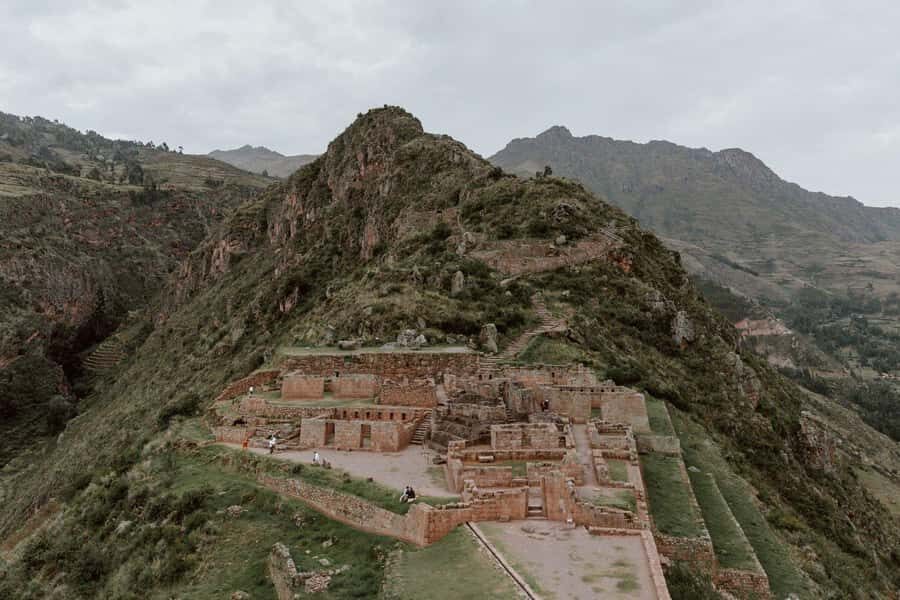
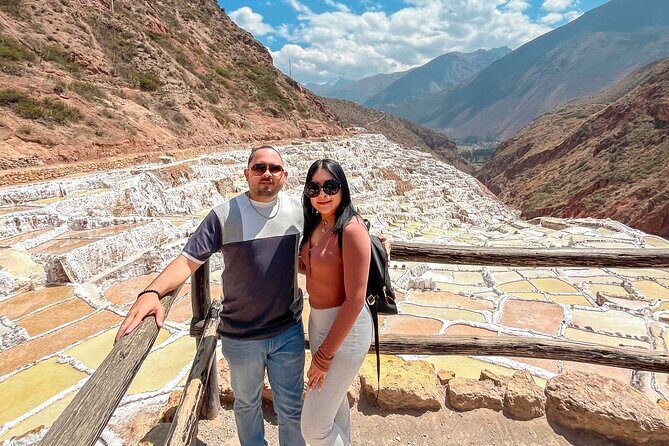
Then you head to Maras Salt Mines, a site that’s both visually striking and grounded in everyday production. The mines include more than 4,000 wells, and the area is known for being among the highest salt flats in the world.
What I like about Maras is that it doesn’t feel like a dead ruin. You’re watching a working landscape. The guide will explain how this salt is one of the highly valued ingredients used in gastronomy, which makes your visit more than sightseeing.
Also, the visual pattern is hard to fake: lots of small plots, repetitive geometry, and a view that keeps drawing your eyes along the slope. If you like photography, this is one of your best stops.
Two practical things to keep in mind:
- Entrance to the Maras salt mines is not included, so you may pay an extra fee on the spot or at check-in (the exact amount isn’t listed in the provided info).
- It can be physically demanding depending on where you walk. Wear grippy shoes and bring something for sun protection.
One caution from real-world experience: if your day includes baggage handling, Maras is not a place you want extra stress. Keep your essentials small and easy to carry so you aren’t juggling everything while you move between stops.
Urubamba lunch: a needed break that keeps you from rushing through everything else
Lunch is in Urubamba, at a typical local restaurant in the area. The big value here is timing. Without a proper stop, a one-day route can turn into a series of photo sprints.
With lunch included, you get a chance to reset your energy and try regional food rather than relying on snacks from the road. If you’re picky about timing, this is the point where you’ll probably feel most thankful the itinerary has built-in structure.
What you should aim for: eat, drink some water, and don’t overdo it. You’ll still have a major site after lunch—Ollantaytambo—and you want your legs to feel decent.

Ollantaytambo: fortress views, the living Inca city feel, and a train-station drop-off
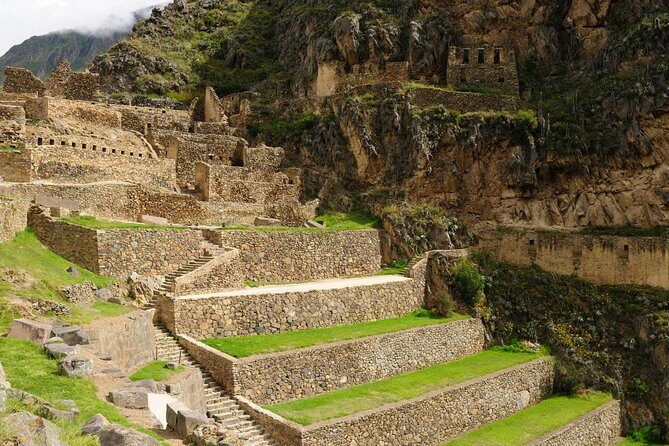
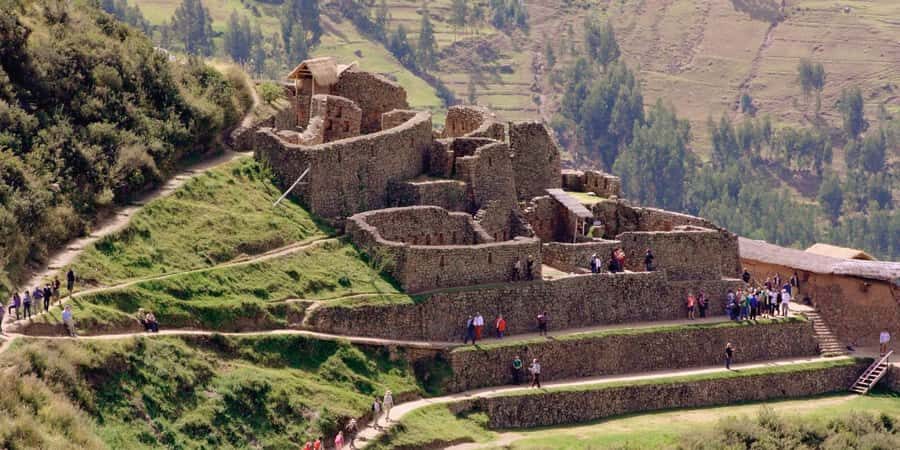
The final stop is Ollantaytambo, described as a living Inca city in the Sacred Valley. This is also where the day pays off for people who came for the real Inca atmosphere, not only viewpoints.
You’ll admire the settlement’s strategic military, religious, and administrative fortress elements. Even if you’ve visited other Inca sites before, Ollantaytambo often hits differently because it still feels like a town, not just a monument. The stones, the layout, and the sense of defense and governance all come together in a way that makes the place feel functional.
The tour ends with a drop-off near the Ollantaytambo train station. That’s a real convenience if you’re continuing onward the same day or the next morning.
One important logistics note based on mixed feedback: don’t assume you’ll have lots of space for luggage in the vehicle. If you’re traveling with a heavy bag or multiple pieces, plan for the possibility of brief awkward transitions—moving from transport to walking routes. I’d keep your load to something you can manage quickly, like a small daypack plus one compact bag.
If you want to shop after the ruins, do it thoughtfully. Ollantaytambo can be tempting, but your time is still limited here. If you’re there for the Inca stonework, prioritize time around the main archaeological areas first, then browse after.
Price and value for a one-day Sacred Valley circuit from Cusco
The price is $35 per person for a one-day tour that includes:
- Pickup from your hotel in Cusco city center
- Visits to Chinchero, Moray, Maras Salt Mines, and Ollantaytambo
- Lunch in Urubamba
- Transport throughout the day
- A live tour guide (English or Spanish)
Not included:
- Entrance fees to archaeological sites
- Entrance to the Maras salt mines
So is it good value? For me, yes—because so much of the hard work is handled for you. You’re paying for the route planning, the ground transport, the guide’s explanations, and lunch. In a place like the Sacred Valley, those pieces add up quickly if you try to DIY without local help.
The key is budgeting for extras. Even if you pay a low base price, entrance fees can change the final total. If you hate surprise costs, you’ll want to set aside extra money for site entry and for Maras.
Also, this price point suggests a shared-day format rather than private guiding. That’s fine if you’re flexible and okay with a structured schedule. If you need a slower pace or customized stops, look for a private option.
Who this tour fits best (and who should think twice)
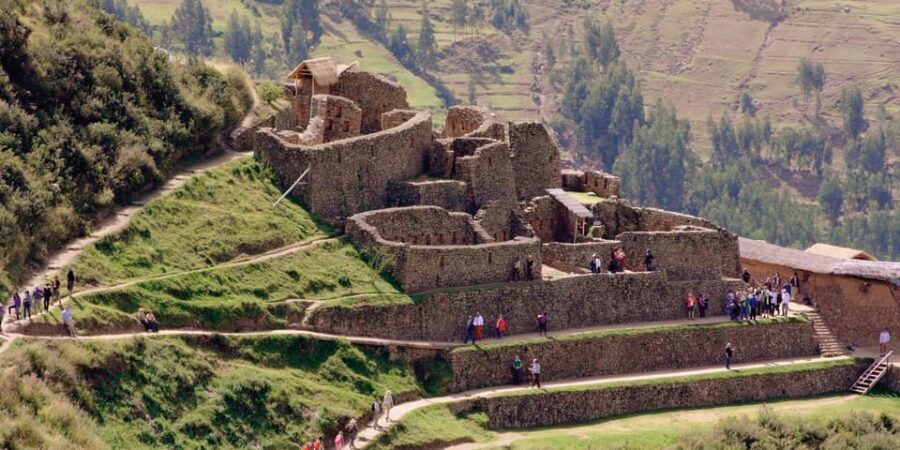
This is a great choice if you want a single day to cover the core Sacred Valley highlights without spending your time figuring out logistics. I’d especially recommend it if:
- You’re short on time in Cusco
- You want a mix of Inca ruins and real-world Andean culture (markets and salt production)
- You’d like a guide to connect what you’re seeing across multiple sites
It might be less ideal if:
- You strongly prefer minimal shopping stops and maximum ruins time
- You’re traveling with lots of luggage or bulky items and want smoother transfers
- You need lots of unstructured time at each site (this schedule is built for a full circuit)
A good mindset for this tour: think “route + highlights,” not “stay and wander for hours.”
Should you book Super Sacred Valley with Transfer to Ollantaytambo?
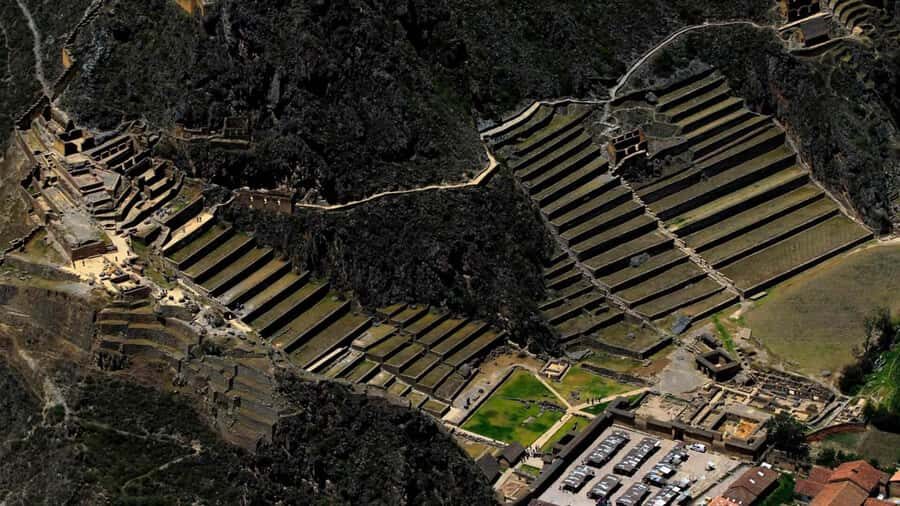
I’d book it if you want a well-covered day that ends in a useful place for train travel, with a guide-led flow that takes you from high-elevation culture to salt mines and then to Ollantaytambo’s stone fortress feel. The value is strong for the included transport, guiding, and lunch.
I’d pause or at least plan carefully if you’re very sensitive to pacing, entrance-fee add-ons, or if you’re carrying heavy luggage. Keep your bag light, wear comfortable shoes, and treat shopping time as optional rather than the main event.
If that sounds like your style, this is a solid way to see a lot of the Sacred Valley in one focused day.
FAQ
How long is the Super Sacred Valley tour?
The duration is 1 day.
Where is pickup provided?
Pickup is provided from your hotel in the city center of Cusco.
Which places are included in the tour?
The tour includes Chinchero, Moray, the salt mines of Maras, and Ollantaytambo, with lunch in Urubamba.
Is lunch included?
Yes. Lunch in Urubamba is included.
Are entrance fees included for the sites?
No. Entrance fees to archaeological sites are not included.
Is the Maras salt mines entry included?
No. Entrance to the Maras salt mines is not included.
What languages is the live guide available in?
The live tour guide is available in English and Spanish.
Is there free cancellation, and can I pay later?
Yes. Free cancellation is available up to 24 hours in advance for a full refund. You can also reserve now and pay later.
Where will I be dropped off at the end?
You’ll be dropped off near the Ollantaytambo train station.